UniWave Electric UniWave Electric

Why Does an Air Circuit Breaker Trip on No Load Issues?

Time:2026-07-22 Author:Sophia
0%

Air circuit breakers (ACBs) are crucial components in electrical systems. Their primary function is to protect circuits from overloads and short circuits. However, a common issue arises: *why does an air circuit breaker trip on no load*? Understanding this phenomenon is essential for maintaining electrical safety and operational efficiency.

When ACBs trip without any load, several factors may be at play. One reason could be a sudden increase in ambient temperature during operation. Internal components can expand, triggering the breaker to disconnect. Another potential cause is mechanical wear over time. This wear can lead to improper functioning, resulting in tripping even when no load is present.

In addition, environmental factors such as humidity and dust can affect the ACB's sensors. They may misinterpret conditions, leading the breaker to trip erroneously. Recognizing these issues is vital for trained professionals. Ongoing investigation into these tripping mechanisms can improve breaker reliability. Understanding why an air circuit breaker trips without a load ultimately enhances safety in electrical systems. This is an area that definitely requires attention and further exploration.
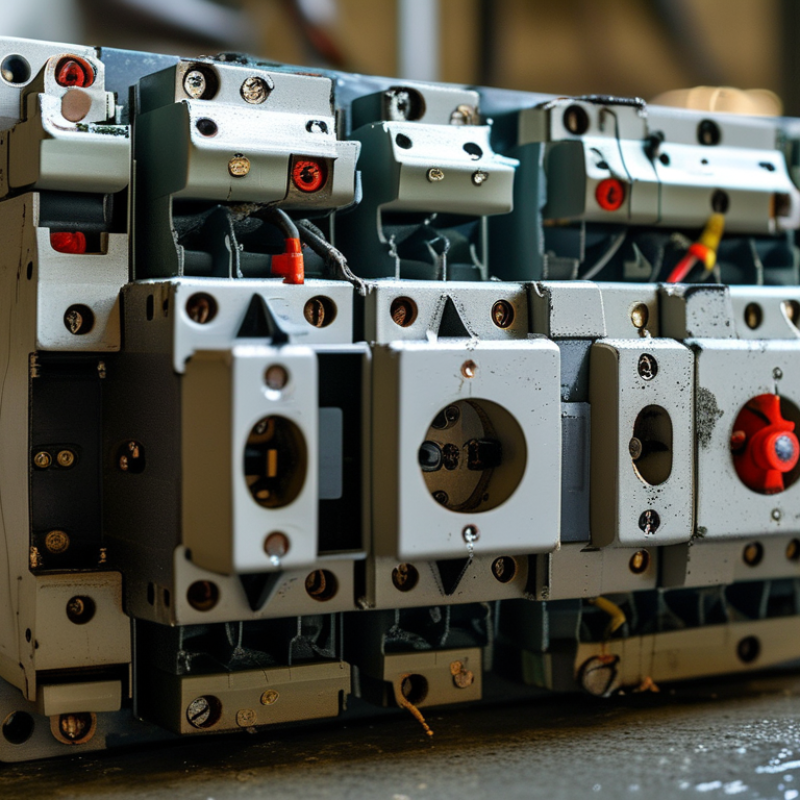
Why Does an Air Circuit Breaker Trip on No Load Issues?

Understanding the Basics of Air Circuit Breakers and Their Functionality

Air circuit breakers (ACBs) play a critical role in electrical systems. They are designed to protect circuits from overloads and short circuits. ACBs function by interrupting the flow of electricity when they detect anomalies. Understanding their operation requires some basic knowledge of electrical principles.

No load issues can cause an ACB to trip unexpectedly. This phenomenon can stem from several factors, including internal faults or external influences. For instance, aging components may cause a malfunction. An air circuit breaker might also react to sudden voltage changes, even when no current flows through it. This sensitivity can help prevent potential future problems.

The complexities of these devices remind us of their importance. If an ACB frequently trips, troubleshooting is essential. It's crucial to check the wiring, connections, and settings. Regular maintenance can help identify underlying issues. Observing these aspects can ensure reliable performance and safety in electrical systems. Reflections on potential pitfalls, like failing to monitor these devices, can lead to severe consequences. Prioritizing awareness and technical knowledge is vital in this field.

Common No Load Scenarios That Cause Air Circuit Breaker Trips

Air circuit breakers (ACBs) are crucial in protecting electrical systems. However, they can trip even under no load conditions. Understanding common scenarios that trigger these trips can help prevent unnecessary downtime.

One common issue is loose connections. When wires are not tightly connected, they can cause intermittent faults. These faults may lead to slight fluctuations that prompt the ACB to trip for safety reasons. Regular inspections can help identify loose connections before they become a problem. Pay attention to the sound of your breaker. A humming or crackling noise might indicate issues requiring immediate attention.

Another potential scenario is environmental factors. High humidity or dust can create conditions for unintended tripping. Moisture may cause insulation breakdown while dust can affect the breaker's performance. Regular cleaning and ensuring proper ventilation are vital. You might consider installing protective covers in areas prone to these hazards.

Tip: Always document your ACB trips. Note the circumstances and frequency. This data can reveal patterns and help pinpoint persistent issues. Understanding your specific situation leads to effective solutions and improved reliability.

Analyzing the Impact of Temperature and Environmental Factors on Tripping

Air circuit breakers (ACBs) are crucial for managing electrical loads, but they can trip even under no load conditions. One significant factor for this is temperature. High ambient temperatures lead to changes in the thermal characteristics of the breaker. ACBs often operate at higher resistance under elevated temperatures, which increases the likelihood of unintentional tripping.

Environmental factors, like humidity and dust, can also contribute to nuisance tripping. Moisture can cause corrosion within the ACB, impacting its reliability. Reports from the IEEE indicate that 40% of electrical failures are attributed to environmental conditions. Regular maintenance is essential to ensure optimal performance, particularly in adverse environments.

Tips: Regularly check the installation area for excessive dust and moisture. Consider using environmental enclosures for added protection. Ensure that breaker settings align with temperature adjustments to minimize risks. Recognizing these factors can help in effective management and prolong the lifespan of circuit breakers, reducing downtime and repair costs.

Technical Insights into Protection Mechanisms in Air Circuit Breakers

Air circuit breakers (ACBs) play a crucial role in protecting electrical circuits. They serve as a safeguard against overloads and short circuits. However, they can also trip during no-load conditions. Understanding the mechanisms behind this behavior is essential for effective troubleshooting.

One cause for tripping is the presence of stray electrical currents. These currents can occur due to poor insulation or nearby electromagnetic interference. ACBs are designed to detect these anomalies and disconnect the circuit to prevent potential damage. It’s important to regularly inspect the insulating materials to mitigate this risk.

**Tip:** Regularly test your ACBs under various load conditions. This ensures they respond correctly during actual faults.

Another reason for tripping can stem from internal component temperature. Even without load, ACBs may heat up if there’s a fault in the breaker itself. This is often due to a malfunctioning coil or incorrect settings. Regular maintenance checks can help in identifying these issues before they become serious problems.

**Tip:** Keep an eye on the thermal settings of your ACBs. Adjust them according to the operational environment for optimal performance.

Understanding these dynamics is crucial for electrical professionals. By learning about potential pitfalls and solutions, more effective protection mechanisms can be employed in ACB systems.

Industry Data on Air Circuit Breaker Performance During No Load Conditions

Air circuit breakers (ACBs) are designed to provide protection against overloads and short circuits. However, they may trip even under no load conditions. This curious behavior can often puzzle engineers and technicians alike. Understanding the underlying factors is critical for maintaining system reliability.

Industry data reveals that several factors contribute to ACB tripping during no load conditions. One significant reason is the phenomenon of nuisance tripping, where the breaker interprets small fluctuations in current as overload conditions. This can occur due to electrical noise or transient surges. Another consideration is the thermal characteristics of the breaker, which can trigger trips if they exceed specified limits.

Moreover, environmental factors such as temperature and humidity can also play a role. Poor calibration or aging of the circuit breaker can lead to inaccuracies in its trip settings. Regular testing and maintenance can mitigate these issues.

Engineers must analyze these factors comprehensively to enhance the performance of ACBs in real-world applications. Not every trip event is straightforward, increasing the need for vigilance and continuous improvement in practices.

FAQS

: What are air circuit breakers (

CBs) used for?

What can cause an ACB to trip unexpectedly?

Factors include internal faults, aging components, and sudden voltage changes, even without current flowing.

How can temperature affect ACB performance?

High temperatures increase resistance, leading to a greater chance of unintentional tripping in ACBs.

Why is regular maintenance necessary for ACBs?

Regular maintenance helps identify underlying issues, ensuring reliable performance and preventing unexpected trips.

What environmental factors can contribute to nuisance tripping?

Humidity and dust can cause corrosion and reliability issues in ACBs, leading to potential failures.

How can dust and moisture around ACBs be managed?

Regularly check and clean the installation area, and consider using environmental enclosures for protection.

What happens if ACBs are not monitored properly?

Failing to monitor ACBs can result in severe consequences, including unexpected circuit failures and safety hazards.

How do temperature adjustments affect ACB settings?

Ensuring breaker settings align with temperature changes is crucial to minimize risks of tripping.

What should be done if an ACB frequently trips?

Troubleshooting is essential, including checks on wiring, connections, and breaker settings for issues.

What percentage of electrical failures are linked to environmental conditions?

Reports indicate that up to 40% of electrical failures are attributed to environmental factors.

Conclusion

Air circuit breakers (ACBs) are essential components in electrical systems, designed to protect circuits from overloads and short circuits. However, it is crucial to understand why does an air circuit breaker trip on no load. Common scenarios leading to trips under no-load conditions include issues such as transient voltages, improper settings, and environmental factors like temperature fluctuations.

Temperature variations can significantly impact the performance of ACBs, potentially leading to inadvertent tripping. Moreover, the protection mechanisms within these breakers are designed to respond to specific electrical conditions, and their sensitivity can sometimes contribute to tripping when no load is present. Analyzing industry data reveals patterns in ACB performance that indicate how no-load situations affect operational reliability, emphasizing the importance of proper maintenance and environmental considerations to prevent unnecessary trips.

Sophia

Sophia

Sophia is a dedicated marketing professional with an exceptional depth of knowledge about her company's products and services. With a keen understanding of market trends and customer needs, she crafts insightful blog posts that not only inform but also engage readers, enriching the company’s online......