UniWave Electric
UniWave Electric
UniWave Electric
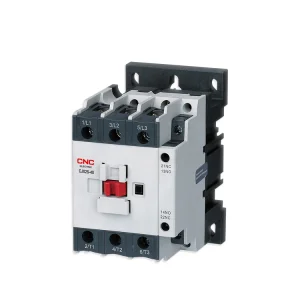
Engineered for endurance and precision control. Explore our top-tier magnetic contactors supporting diverse industrial voltage and current requirements.
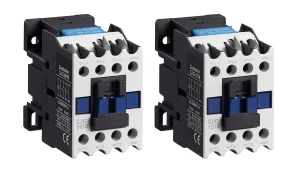
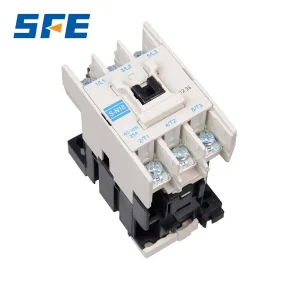
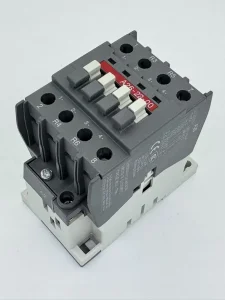
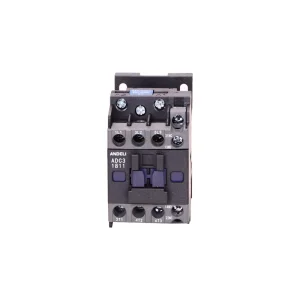
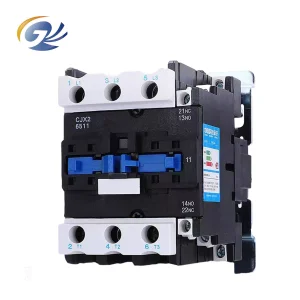
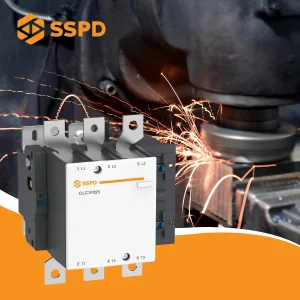
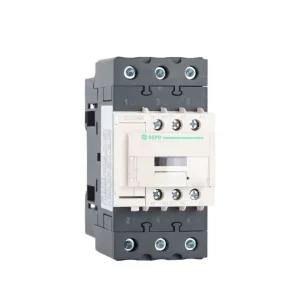
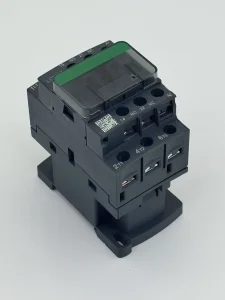
Alternating Current (AC) contactors represent the foundational backbone of modern industrial automation, electrical motor control, and power distribution infrastructures. Structurally distinct from simple relays, an AC contactor is designed for switching high-current, low-voltage power loads. It utilizes an electromagnetic coil to establish magnetic force, closing mechanical contacts to conduct and manage currents typically ranging from 9 Amperes to over 1000 Amperes. Under the strict guidelines of IEC/EN 60947-4-1 standards, these devices are categorized systematically by their specific utilization categories—primarily AC-1 (for non-inductive or slightly inductive loads like resistance furnaces) and AC-3 (for standard squirrel-cage motors). Choosing a reliable manufacturing partner is crucial to securing electrical safety, high operating reliability, and minimizing unscheduled downtime in demanding global supply chains.
As the world pivots toward renewable energy installations, smart grids, and intelligent HVAC architectures, the core design parameters of low-voltage switchgear must shift accordingly. Manufacturers are now utilizing optimized magnetic circuits, high-conductivity silver alloy contacts, and flame-retardant housing materials to ensure compliance with modern green energy systems. Modern supply chain managers can no longer rely on simple price comparisons; they must analyze critical engineering metrics, automated line efficiencies, raw material control, and international standard certification processes before committing to major global contracts.
Integrating customized magnetic core structures lowers iron loss and limits mechanical wear, reducing the energy draw of continuously engaged electromagnetic coils.
Engineered arc-chutes effectively absorb and extinguish extreme electrical arcs during breaking cycles, extending standard switch life past 1 million cycles.
Coils are insulated using high-temperature polyamide resins (Class F or H), preventing thermal breakdowns during prolonged operation in high-heat panels.
Combining industrial heritage with modern testing technologies to supply globally recognized low-voltage switchgear.
Wenzhou UniWave Electric Co., Ltd. is a leading manufacturer specializing in a wide range of electrical products, including Circuit Breakers (RCBO / RCCB / MCB / WiFi Smart MCB / MCCB / ACB), Isolator Switches, Change Over Switches, AC Contactors, Thermal Relays, Magnetic Starters, Solid State Relays, Distribution Boxes, Voltage Stabilizers, and Voltage Protectors. Our company is located in Liushi, Yueqing, Wenzhou, China, famously known as the “City of Low Voltage Electrical Appliances,” offering both a thriving industrial environment and a beautiful natural setting.
With over 25 years of experience in the circuit breaker and AC contactor industry, Wenzhou UniWave Electric has established a strong reputation for quality, reliability, and innovation. Our products strictly comply with IEC standards and have obtained internationally recognized certifications, including SAA, CE, CB (IEC), and ISO9001. This ensures that every component leaving our facility is certified for trouble-free operation across European, American, Australian, and Middle Eastern grids.
Our company is equipped with advanced testing instruments and a highly skilled R&D team, allowing us to continually develop new products and improve existing ones. We are committed to providing cutting-edge solutions that meet the evolving needs of our customers. Our products are widely exported and highly appreciated in various markets around the world, including Europe, America, Southeast Asia, the Middle East, and Africa.
At Wenzhou UniWave Electric, we focus on customer satisfaction, innovation, and sustainable development. We warmly welcome inquiries from global partners and are dedicated to establishing long-term, mutually beneficial business relationships with clients worldwide. Contact us today to explore cooperation opportunities and experience the UniWave difference!
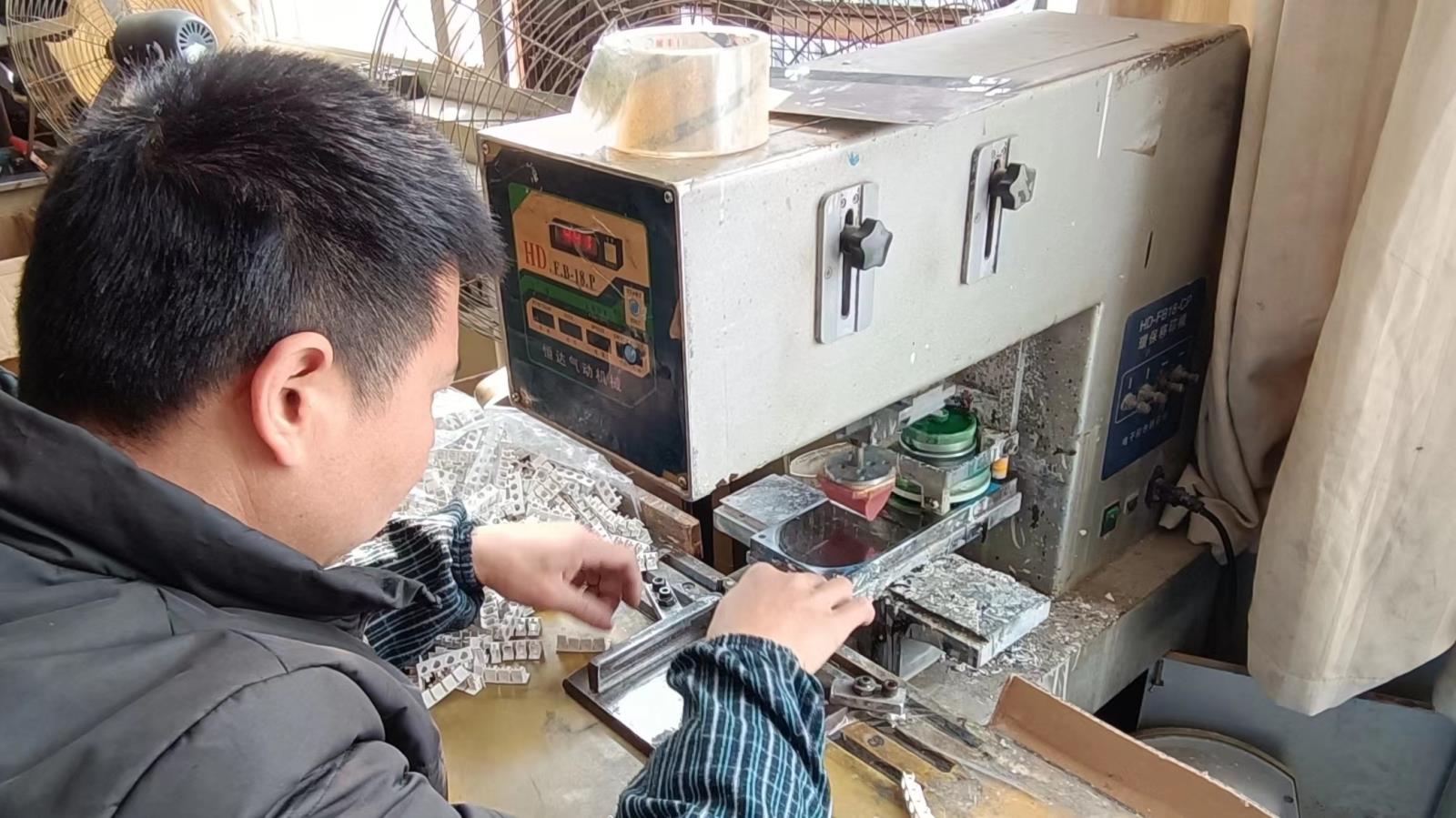
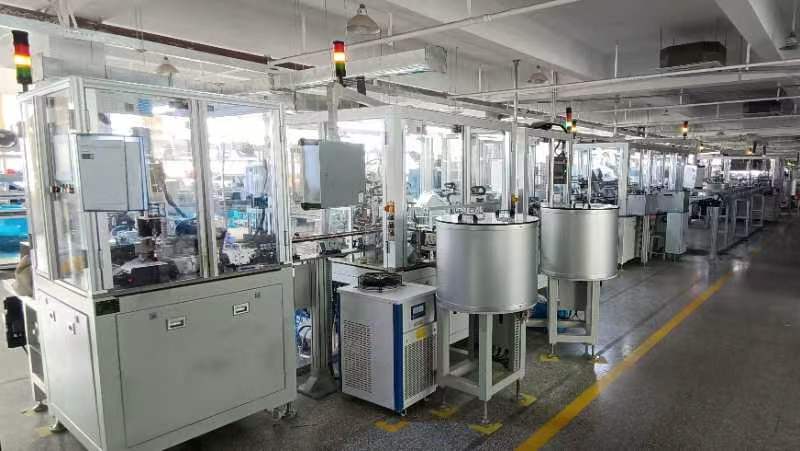
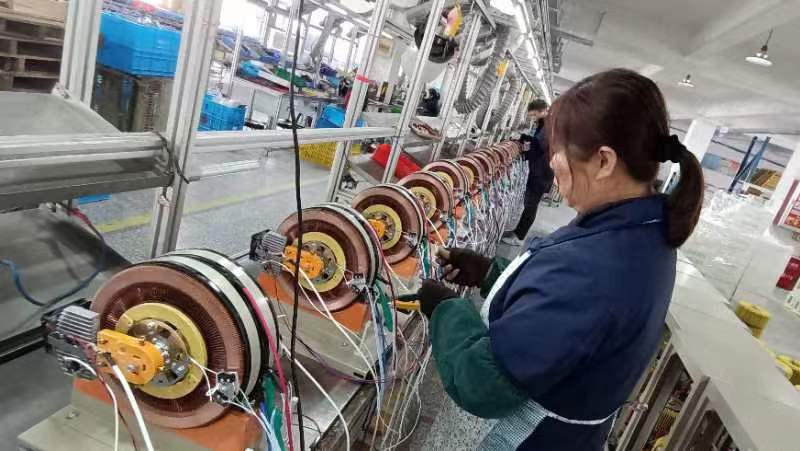
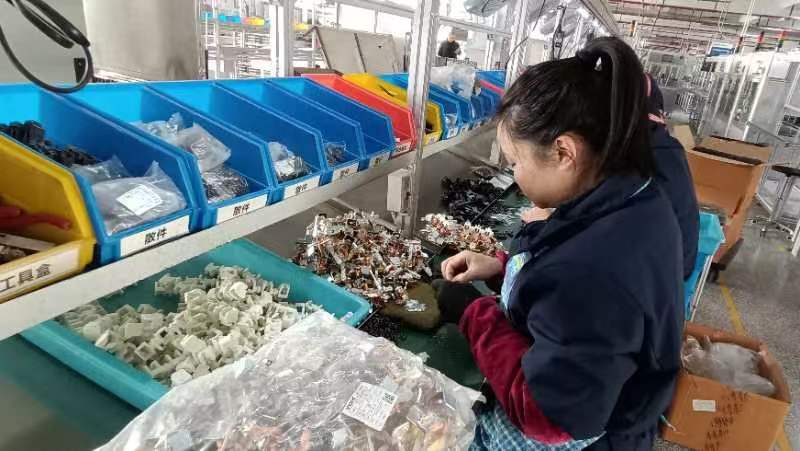
A visual deep dive into our manufacturing workflows, showcasing our state-of-the-art Liushi facility.
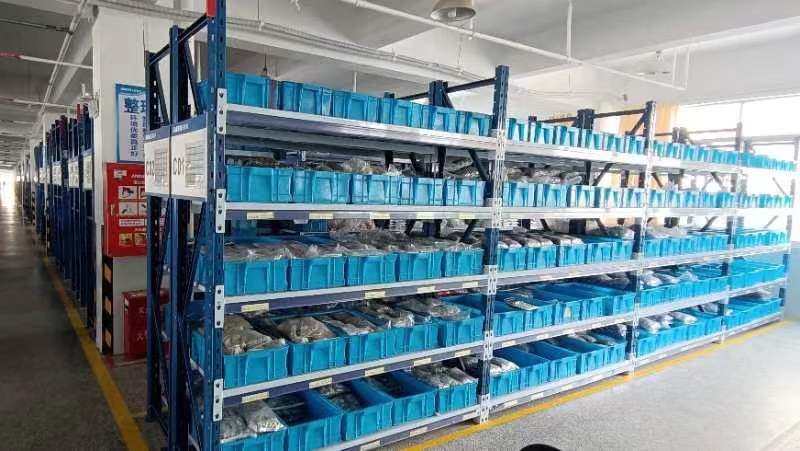
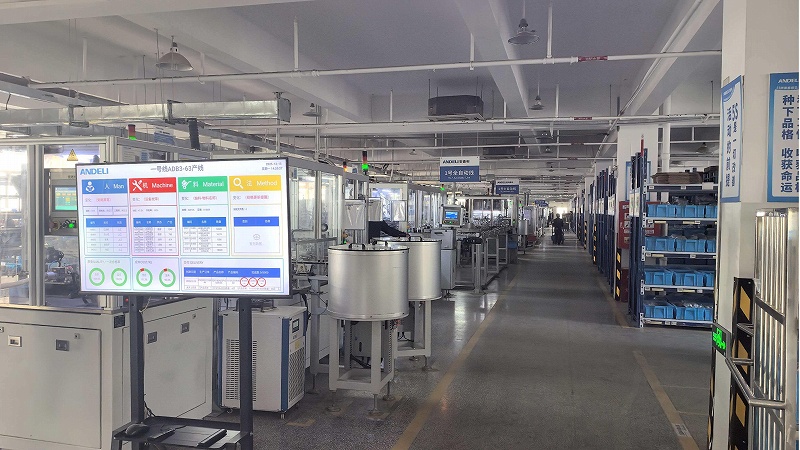
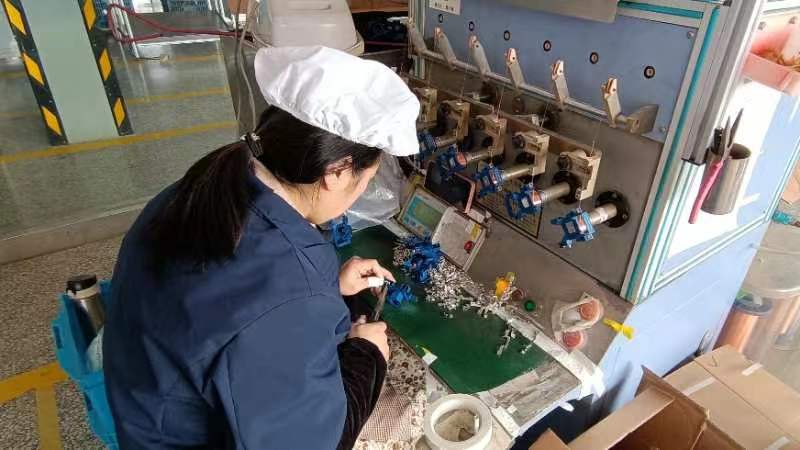
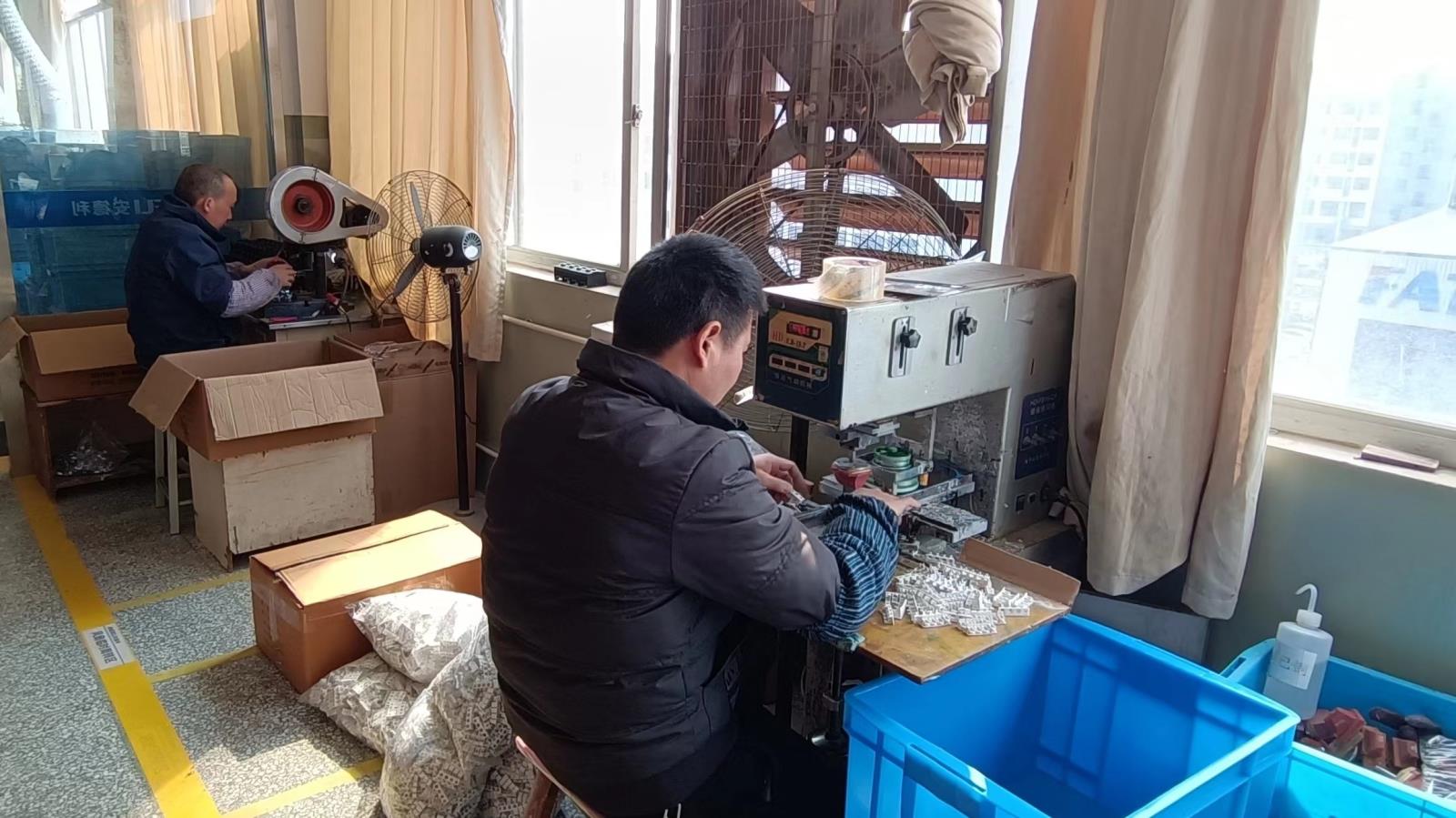
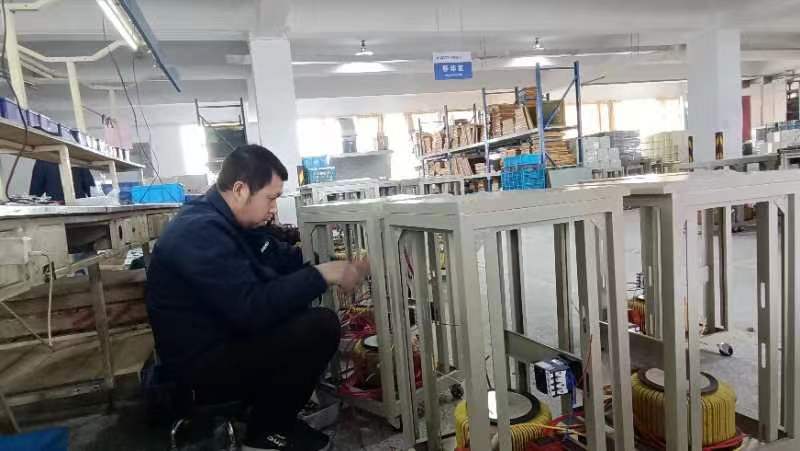
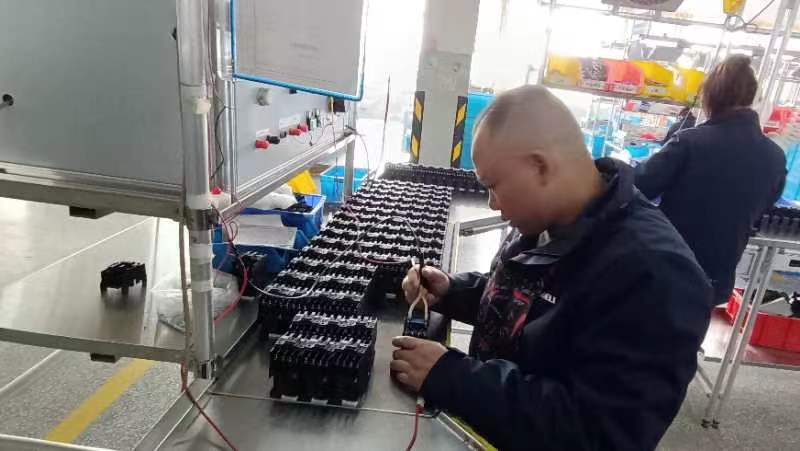
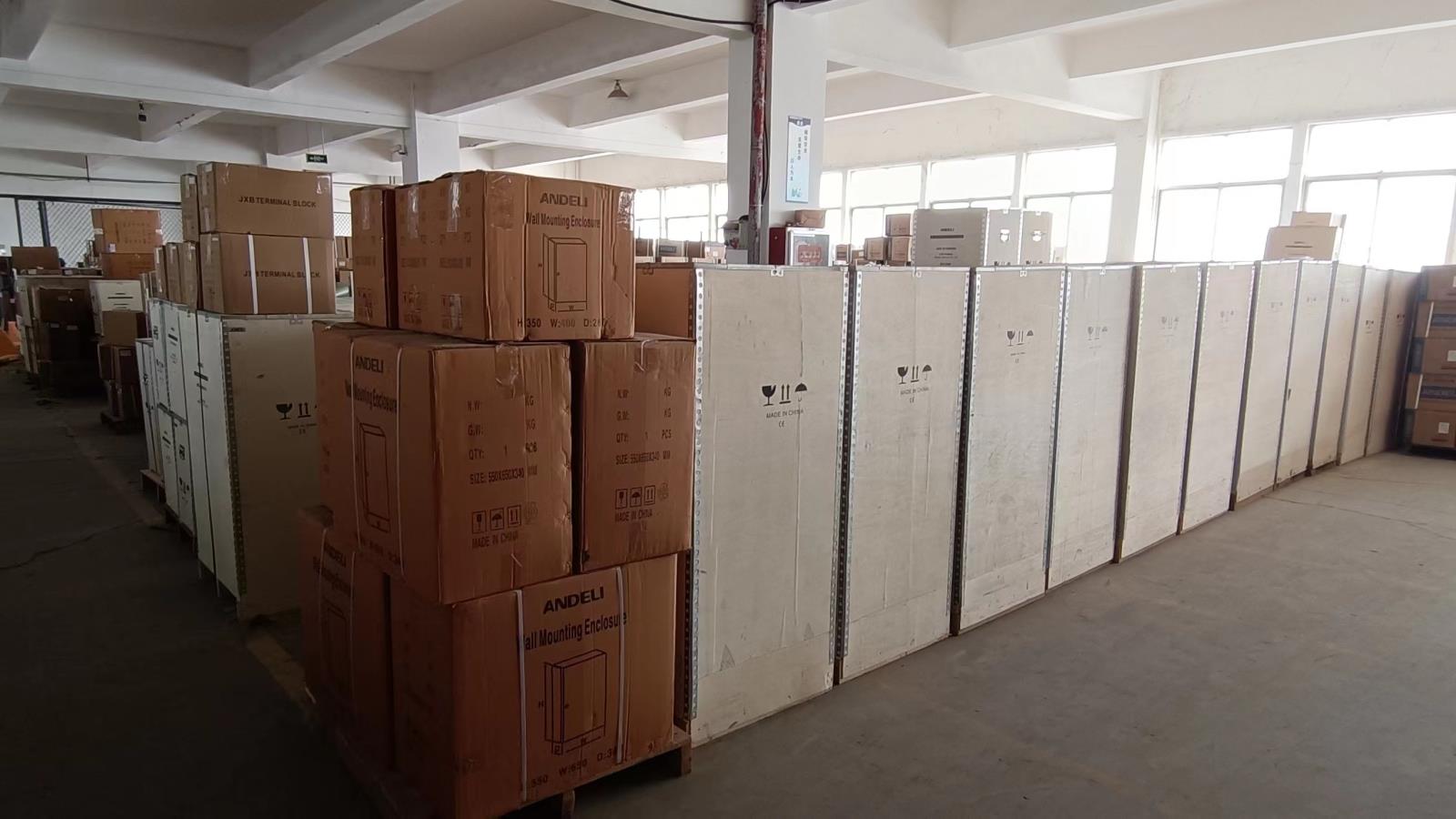
Analyzing why Wenzhou's low-voltage electrical cluster provides unbeatable supply chain advantages.
The global trade of electrical control equipment is concentrated heavily around key regional clusters. The Wenzhou electrical cluster—and specifically the region of Liushi, Yueqing—stands as the world's most dense manufacturing hub for low-voltage devices. Procuring from this cluster is highly advantageous for international clients due to the local concentration of copper refining facilities, raw plastic molding operations, silver contact point refiners, and tooling shops. This supply chain proximity helps manufacturers drastically reduce transport costs, control raw material quality, and expedite lead times for large-scale custom orders.
Additionally, Wenzhou UniWave Electric utilizes specialized automated assembly systems, winders, and advanced pad-printing machinery to minimize labor variances. While traditional factories rely heavily on manual winding and hand-soldering (introducing high failure rates in coils and contact points), our automatic winding and precision calibration systems guarantee uniform resistance and clean mechanical action. This level of process control translates to longer electrical life, reduced coil burnouts, and a lower total cost of ownership for our distribution and OEM partners.
| Feature Parameter | UniWave Automated Factory standard | Standard Assembly Workshop |
|---|---|---|
| Coil Insulation Rating | Class H / Polyimide Wrapped (180°C limit) | Class B / Basic Polyester (130°C limit) |
| Contact Composition | 85%-95% AgNi or AgSnO2 (High electrical life) | Basic Copper Alloys or Low Ag content |
| Calibration Method | Automated sensor calibration & mechanical testing | Manual visual inspection |
| Standard Certification | SAA, CE, CB (IEC), ISO9001 | Self-declared CE without formal lab testing |
| Arc Extinguishing Time | Less than 10 milliseconds | 15 to 25 milliseconds |
Matching the right AC contactor to your specific field engineering requirements.
Heavy-duty motors experience severe starting currents (inrush current up to 6–8 times standard rating). Our LC1-D and LC1-F series contactors handle these heavy loads, preventing contact welding during frequent start/stop cycles.
Modern solar central inverters and wind generation boxes require reliable grid isolation switchgear. Our contactors manage high system voltages up to 1000V AC, operating smoothly under thermal stress.
Designed for AC-8a and AC-8b utilization categories, our compact contactors safely control hermetic refrigeration compressors, managing high cycle rates and inductive loads.
How next-generation contactor designs are evolving to meet sustainability and IoT requirements.
The low-voltage electrical switchgear market is shifting toward digitalization and decarbonization. As smart grids expand globally, contactors must provide real-time status feedback. Smart Contactors with integrated electronic microcontrollers can monitor auxiliary contact positions, count operations, and communicate status back to PLC systems. This allows operations teams to perform predictive maintenance before physical failure occurs.
Another major trend is the reduction of coil power consumption. Traditional AC coils use a significant amount of electricity because they need continuous current to keep the contacts closed. Modern, high-efficiency electronic coils (often with wide-range control voltages) use up to 70% less holding power, reducing thermal generation in electrical cabinets. Wenzhou UniWave Electric is at the forefront of this shift, integrating eco-friendly, halogen-free plastics and lead-free contact materials to support global green procurement initiatives.
Answers to common technical, commercial, and procurement questions about AC contactors.
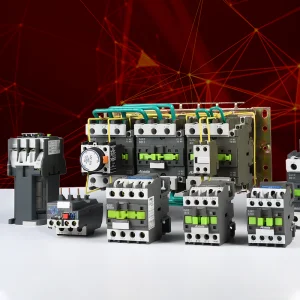
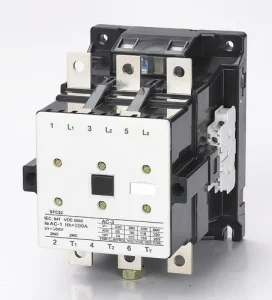
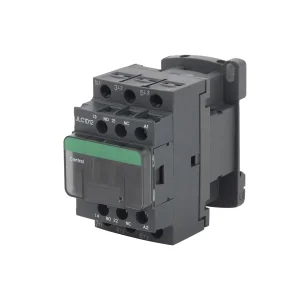
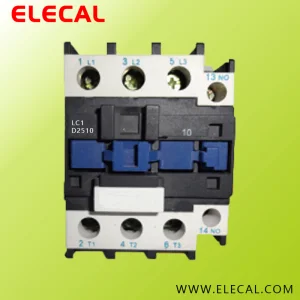
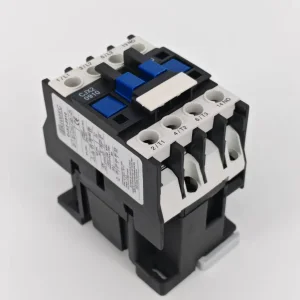
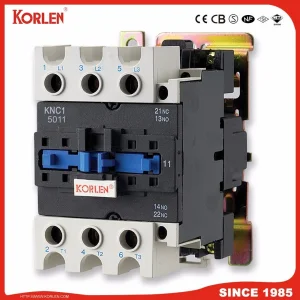
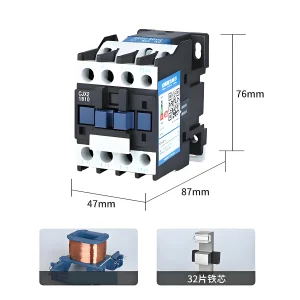
Select from our extended product range, optimized for specific currents, voltage configurations, and application classes.