UniWave Electric
UniWave Electric
UniWave Electric
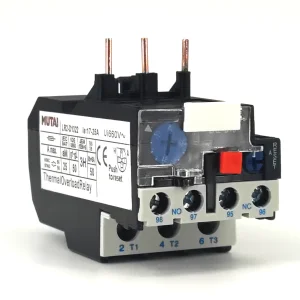
Explore our highly precise, industrial-grade thermal and digital overload relays designed for rigorous control architectures.
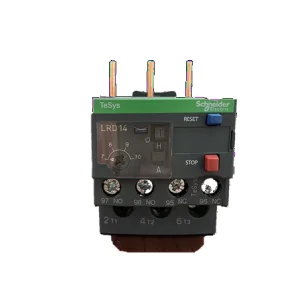
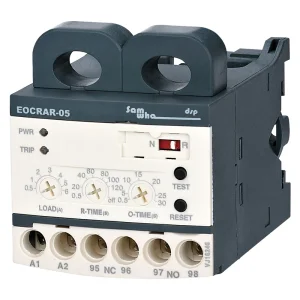
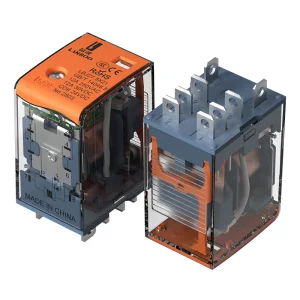
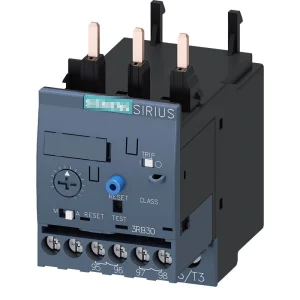
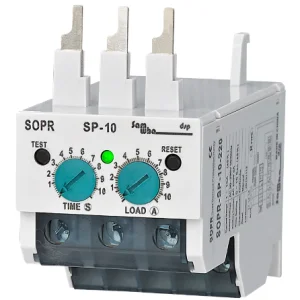
In modern industrial automation and electrical distribution, the induction motor serves as the workhorse for global manufacturing. From high-capacity water treatment facilities and massive conveyor belts to sophisticated HVAC networks, electrical motors consume over 45% of the world's total electricity. However, these inductive loads are highly susceptible to fluctuations. Severe thermal conditions, phase imbalances, locked rotor instances, and prolonged mechanical overloads frequently cause catastrophic insulation damage, costing enterprises millions in unscheduled downtime.
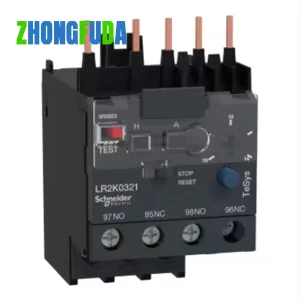
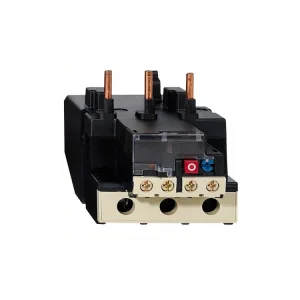
An overload relay acts as the critical line of defense in motor starter circuits. By closely monitoring the operational current draw, it preemptively interrupts power to the contactor coil before the motor winding temperatures exceed safe insulation limits. According to global industrial safety statistics, implementing qualified thermal and electronic overload relays reduces overall motor failure rates by more than 73%, underscoring their significance in high-liability industrial settings.
With over 25 years of engineering experience in the electrical sector, Wenzhou UniWave Electric Co., Ltd. has established itself as an authoritative manufacturer and global exporter of high-precision low-voltage electrical systems. Strategically headquartered in Liushi, Wenzhou, China—which is globally recognized as the "City of Low Voltage Electrical Appliances"—UniWave leverages an unmatched local industrial ecosystem to drive technical innovation.
Our expansive portfolio covers Circuit Breakers (including RCBO, RCCB, MCB, WiFi Smart MCB, MCCB, and ACB), Isolator Switches, Change Over Switches, AC Contactors, Thermal Relays, Magnetic Starters, Solid State Relays, Distribution Boxes, Voltage Stabilizers, and Voltage Protectors. To verify our strict adherence to safety standards, all UniWave products comply with international IEC standards and carry globally recognized certifications, including SAA, CE, CB, and ISO9001 quality management systems. This guarantees that our overload relays are ready for deployment in highly regulated markets such as Europe, Australia, North America, Southeast Asia, and the Middle East.
Choosing a supplier in Liushi, Wenzhou provides unique structural advantages. Unlike fragmented manufacturers, Wenzhou UniWave Electric operates within a vertically integrated supply cluster. This localized consolidation of raw material sourcing, high-precision copper and bimetal processing, electronic PCB assembly, and advanced automated testing significantly reduces operational overhead.
By minimizing transport distances and supply chain dependencies, we reduce lead times and offer competitive pricing without compromising quality. Our advanced engineering allows us to implement strict quality checkpoints at every step, guaranteeing reliable protection for systems worldwide.
To maintain absolute transparency and demonstrate our strict compliance with ISO9001 protocols, we present the internal operations of the Wenzhou UniWave Electric manufacturing facility. Every component of our overload relays undergoes structured, automated inspections to ensure it functions reliably under real-world conditions.
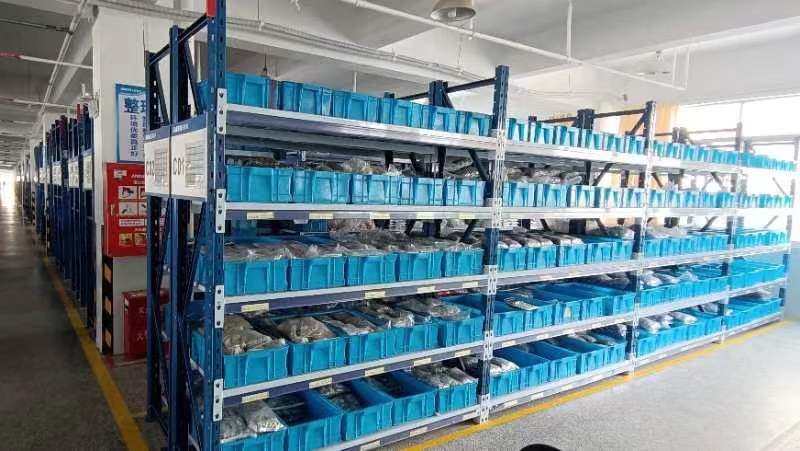
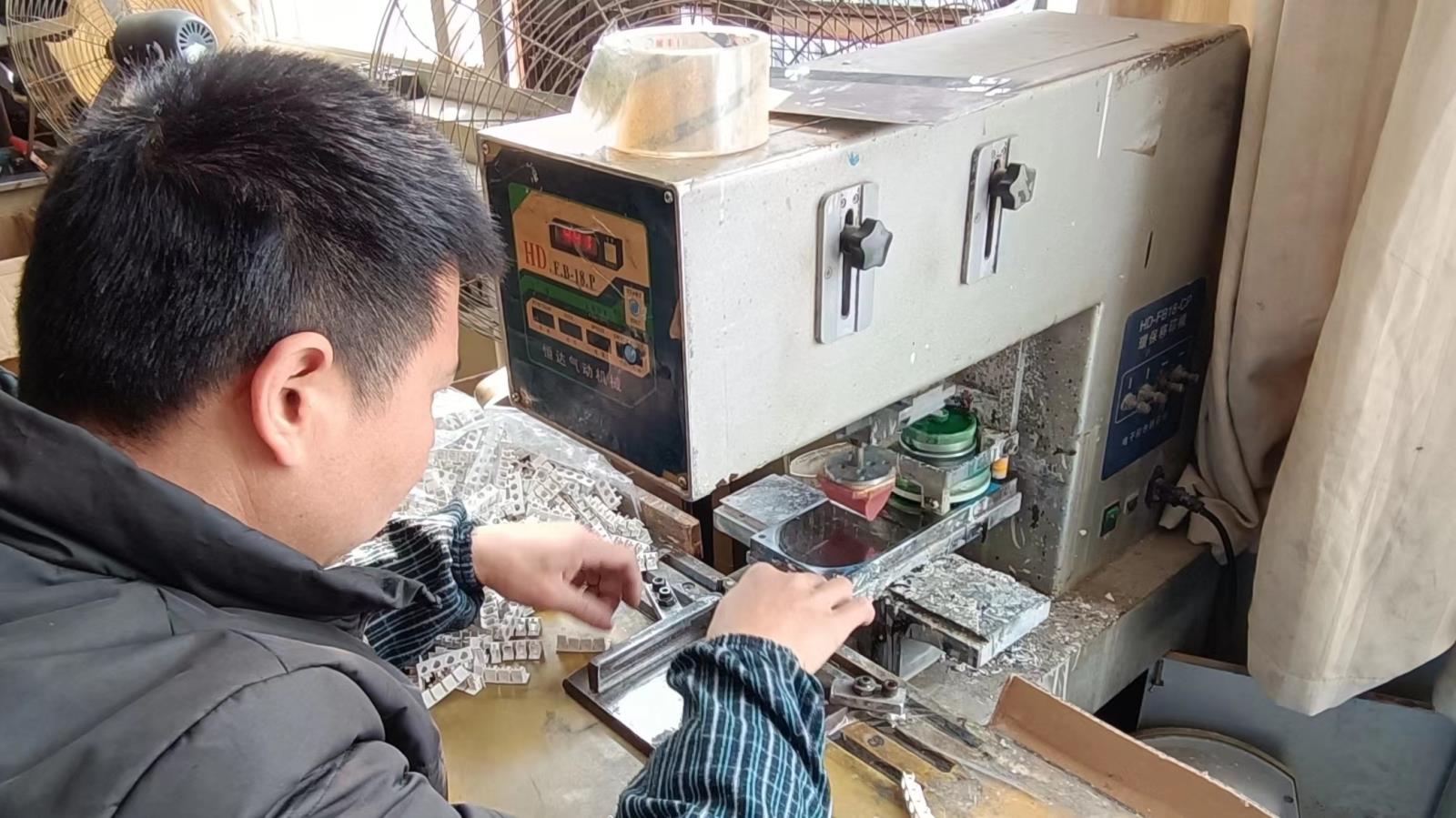
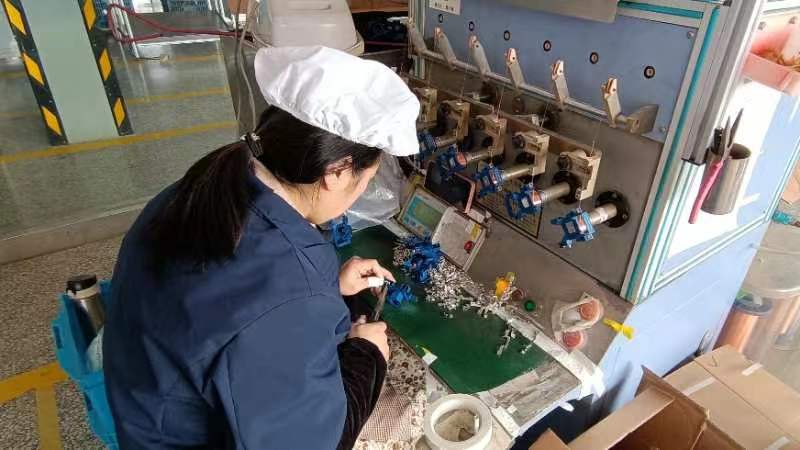
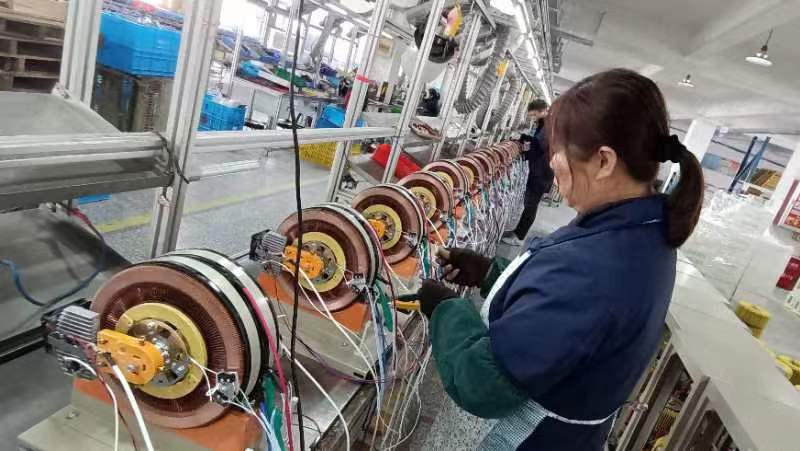
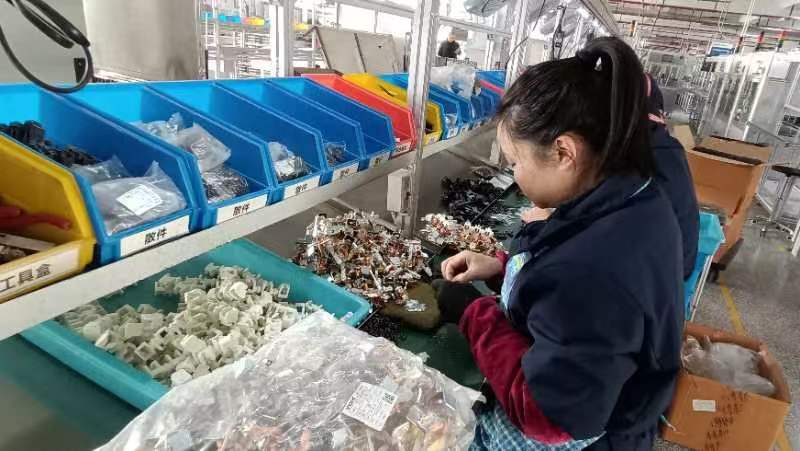
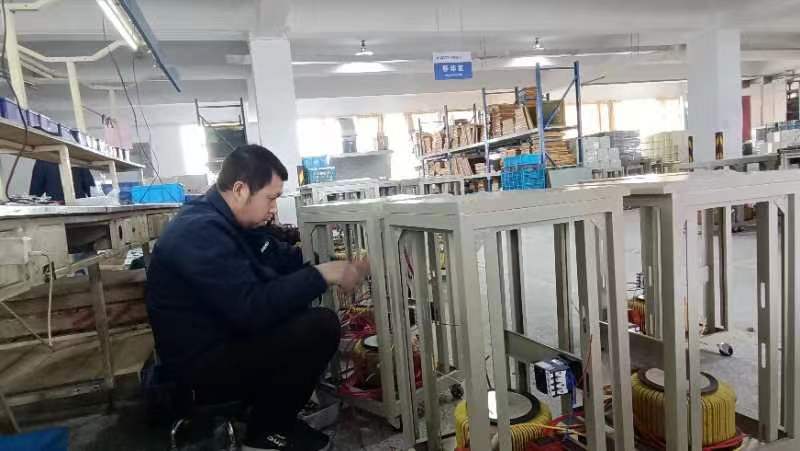
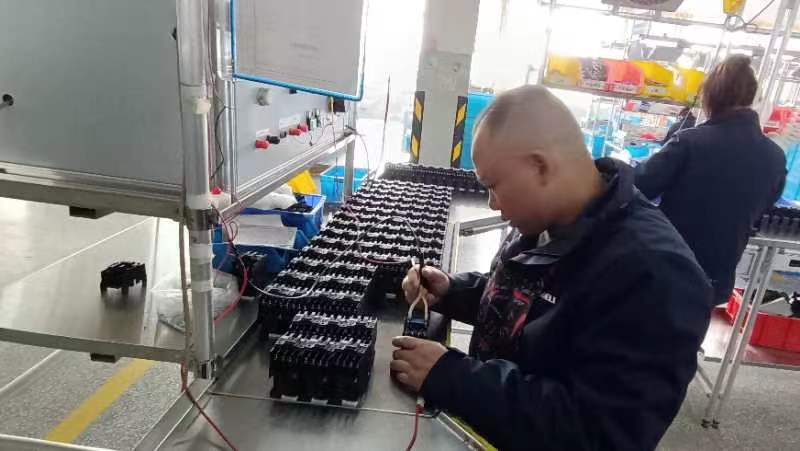
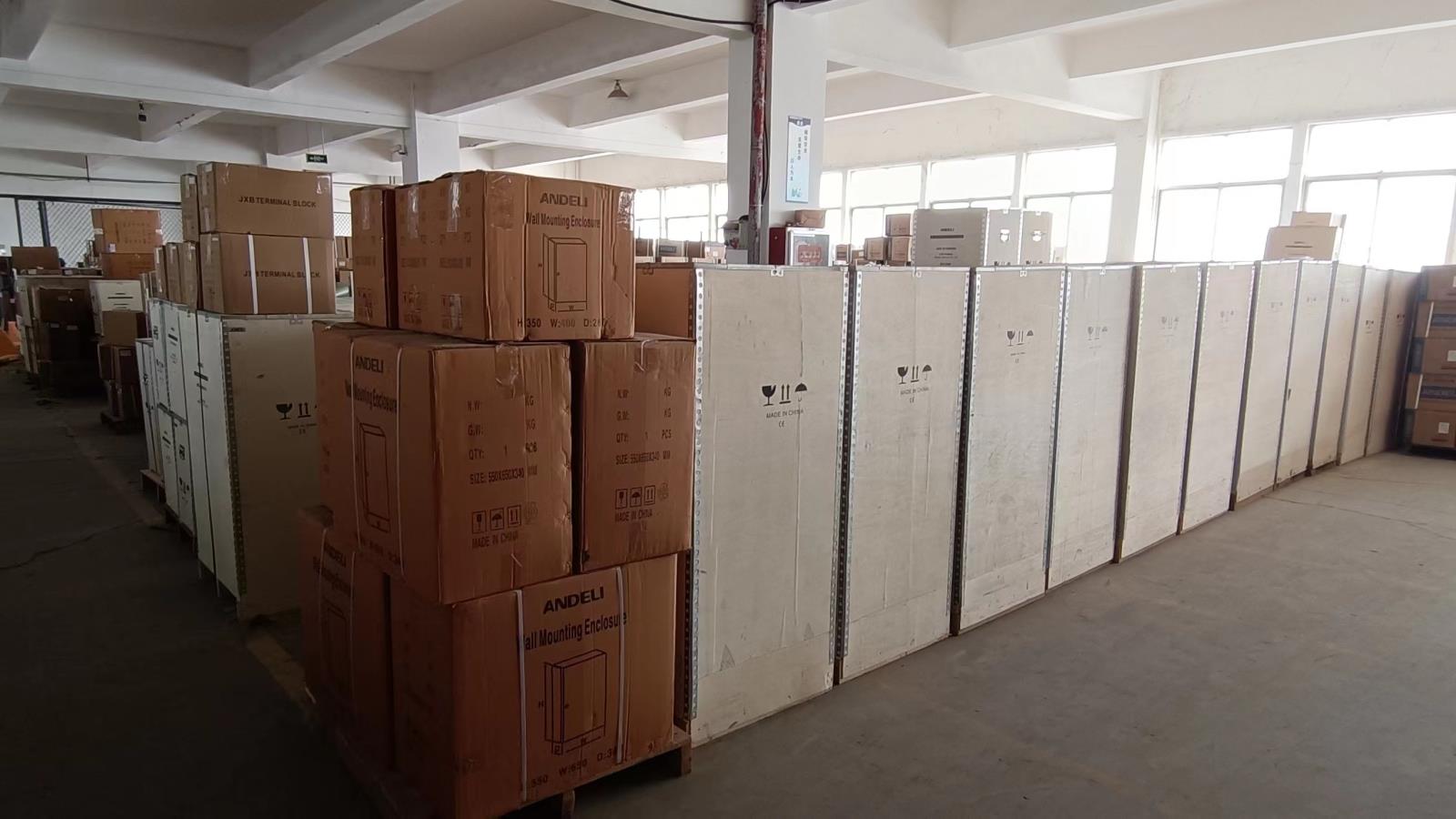
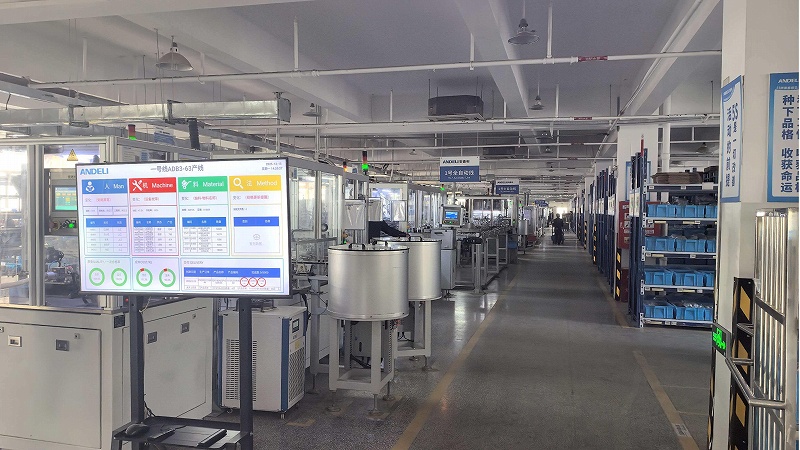
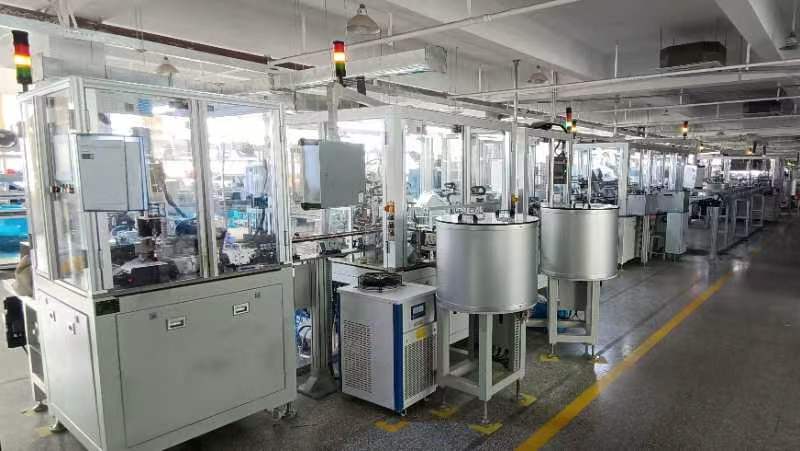
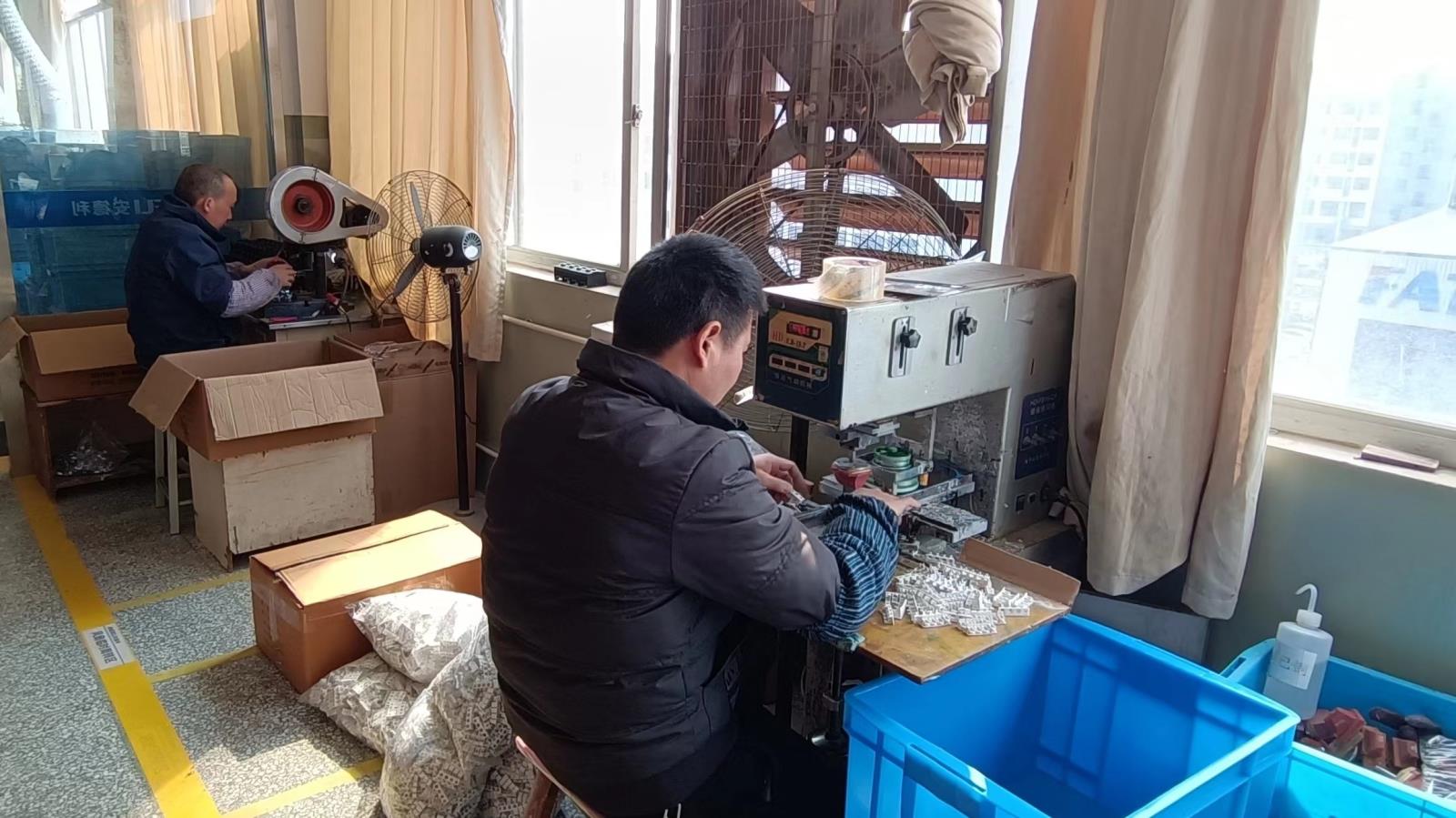
During raw material intake, bimetallic elements and micro-coil windings undergo strict sorting to ensure physical consistency. Automated winding processes ensure tight control over coil resistance, which prevents trip threshold drift. Following automated assembly, every single overload relay is subjected to strict thermal calibration and electrical load test cycles. In these trials, our systems simulate extreme operational anomalies, such as phase failure and locked rotor states, to ensure the trip-free mechanisms open contacts within prescribed IEC time curves.
Different industries demand highly customized overload relay settings. Standard thermal overload relays are well-suited for general motor applications, whereas specialized, high-stress environments require electronic or digital alternatives.
Ore extraction involves dust-heavy atmospheres and extreme vibration. Heavy crushers and conveyor networks present massive startup inertia. Our specialized relays, like the 100326121 series, provide custom trip delays to prevent nuisance tripping during high-torque startups.
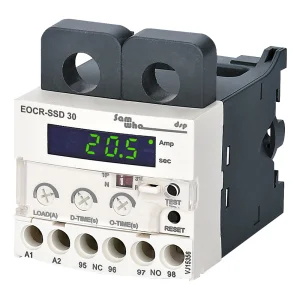
Submersible pumps are vulnerable to dry running, leading to overheating. Integrating digital overload relays (such as EOCR units) with undercurrent monitoring enables automatic shutdown during fluid loss, saving critical assets from dry-burn failure.
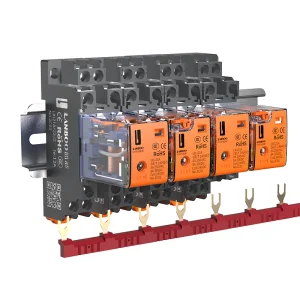
Multi-compressor HVAC systems in commercial high-rises rely on electromagnetic intermediate relays and compact thermal relays to manage switching cycles. Our space-saving DIN-rail mounted options minimize cabinet space while providing precise protection.
Procurement professionals face significant challenges, including volatile raw material costs (especially copper and bimetal imports) and complex customs clearance timelines. Partnering directly with a certified manufacturer like Wenzhou UniWave Electric alleviates these risks.
Our automated production forecasting ensures stable pricing and consistent output. We specialize in OEM/ODM customization, supporting specific coil voltages, custom trip curves, and private labeling for global brands. Additionally, we provide comprehensive technical documentation, including CAD drawings, electrical schematics, and test reports, simplifying client-side compliance processes.
The overload protection market is shifting rapidly from bimetallic bimetal components to digital and electronic intelligence. Traditional thermal relays, while reliable, rely on physical heat absorption to warp bimetallic strips and trigger mechanical trips. This approach introduces a thermal lag, rendering standard bimetallic units less effective against sudden phase losses or quick current spikes.
Modern digital overload relays, like the Samwha-dsp and EOCR series, utilize integrated current transformers (CTs) to sample motor phase currents continuously. An onboard microprocessor processes this real-time data, enabling instantaneous tripping during phase loss, unbalance, or reverse phase sequence. Emerging smart relays also incorporate Modbus-RTU, CAN, and Ethernet communication interfaces, integrating seamlessly with industrial IoT networks. This allows predictive maintenance teams to analyze load data remotely and address motor issues before a failure occurs.
These designations represent the trip class of the overload relay under locked-rotor conditions (typically 7.2 times the full load current setting). A Class 10A relay will trip in 2-10 seconds; a Class 10 relay will trip in 10 seconds or less; Class 20 in 20 seconds or less; and Class 30 in 30 seconds or less. Standard duty applications typically use Class 10 or 10A, whereas high-inertia loads like fan blowers and crushers require Class 20 or Class 30 to prevent tripping during extended startup cycles.
A standard bimetallic thermal overload relay measures heat generated by phase current to trip. It is cost-effective, simple, and handles general-purpose applications well, but it suffers from thermal lag. An Electronic Overload Relay (EOCR) uses microprocessors and current sensors to measure current flow directly, offering near-instantaneous tripping, adjustable startup delays, precise settings, and protection features like phase loss, undercurrent (dry-run protection), and phase unbalance.
If one phase fails in a three-phase system while the motor is operating, the remaining two phases must carry the entire load. This causes the current in those phases to rise rapidly, leading to severe thermal overheating and insulation damage within minutes. Advanced overload relays feature differential phase-loss mechanisms that trip the contactor control circuit immediately upon losing a phase, preventing catastrophic motor winding failures.
This selector defines how the relay behaves after cooling down post-trip. In Manual Mode, maintenance staff must physically press the reset button, ensuring the cause of the overload is inspected before restarting. Auto Mode resets the internal contacts automatically after the bimetallic element cools. Auto mode should only be used when control systems prevent automatic motor restarts, avoiding hazardous conditions for onsite personnel.
Because thermal relays rely on heat deformation to trip, high surrounding cabinet temperatures can cause them to trip prematurely. High-quality thermal overload relays integrate a compensating bimetallic strip that deflects in the opposite direction of the main tripping strips. This neutralizes ambient temperature variations (typically between -20°C and +60°C), ensuring the relay trips solely based on the current load.
Reliable, factory-direct components engineered for power distribution and system protection.
Partner with Wenzhou UniWave Electric. Get in touch with our engineering team today for technical catalogs, pricing guides, and customized OEM project requests.
Contact Our Specialists