UniWave Electric
UniWave Electric
UniWave Electric
Explore our leading selection of industrial-grade phase monitoring, sequence failure, and adjustable voltage protection relays engineered for maximum equipment lifecycle security.
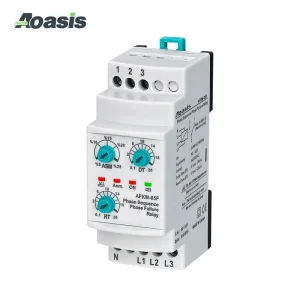
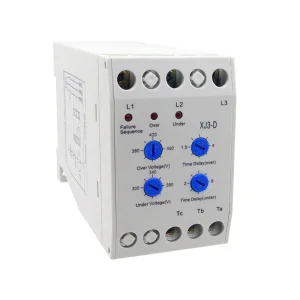
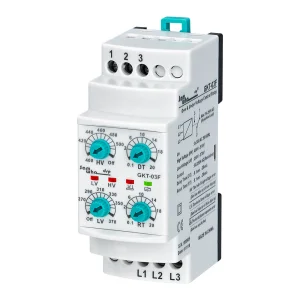
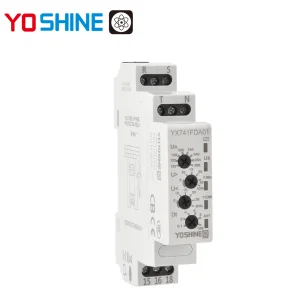
In the modern, highly automated industrial ecosystem, three-phase electrical power acts as the lifeblood of manufacturing lines, HVAC systems, wastewater processing equipment, and heavy lifts. Yet, three-phase power lines are inherently vulnerable to anomalies. Power grid fluctuations, localized cable degradation, transformer faults, or lightning strikes can cause severe operational hazards: phase asymmetry, sudden phase loss, or improper phase sequence rotation.
Uncontrolled phase abnormalities force electric motors to run on unbalanced voltages, leading to immediate heating, thermal runaway, and coil burnout. The resulting downtime, replacement costs, and lost production capacity represent astronomical risks for plant operators. This is where high-precision phase failure relays act as the primary line of defense. By continuously monitoring the voltage vectors of three-phase networks, these devices execute split-second interruptions to protect valuable machinery.
Whether deployed in heavy metallurgical plants, residential elevator shafts, or food packaging facilities, phase failure monitoring devices dynamically balance circuit connectivity. This safeguards high-performance motors, ensures structural safety, and delivers measurable ROI for critical power networks worldwide.
Years of Engineering Expertise
IEC & ISO9001 Compliant
Countries Exported To Globally
Advanced Trip Response Delay
Exploring the transition from analogue thermal protection to intelligent microprocessor-controlled digital relays in global industrial systems.
Modern industries are rapidly adopting smart grids and IoT frameworks. Modern phase failure relays, such as microprocessor-controlled digital monitors, now feature Modbus and RS485 communication protocols. This allows operators to monitor phase parameters remotely, receive predictive failure notifications, and prevent minor voltage drops from escalating into catastrophic outages.
Unlike traditional thermal relays that rely on bimetallic strip expansion, current digital protection systems leverage fast Fourier transform (FFT) algorithms. These systems calculate precise root-mean-square (RMS) values for voltage and current asymmetries, allowing them to differentiate transient grid disturbances from actual phase failures and eliminate costly nuisance tripping.
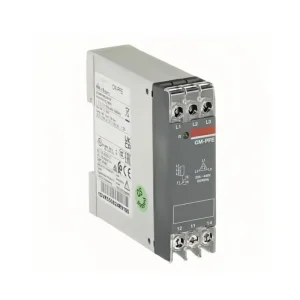
Industrial cabinet spaces are highly valuable. The industry trend points toward ultra-compact DIN-rail designs. Miniature relays like the Yoshine SPDT Sealed Series or the ABB CM Series deliver extensive monitoring logic (over/undervoltage, asymmetry, phase sequence) within standard modular formats.
For supply chain directors and engineering procurement teams, sourcing phase sequence or phase failure relays presents distinct challenges:
Wenzhou UniWave Electric Co., Ltd. addresses these challenges directly. Situated in Liushi, China's center for low-voltage manufacturing, UniWave optimizes component selection, utilizes automated winding, and runs comprehensive electrical testing on every relay. This ensures reliable lead times, high compliance rates, and long-term cost benefits for international distributors and system integrators.
Combining 25+ years of industrial expertise with automated production methodologies in Liushi, Wenzhou.
As a leading domestic manufacturer, Wenzhou UniWave Electric Co., Ltd. has spent over a quarter-century refining its manufacturing methodologies. Located in Wenzhou, China's capital of low-voltage electrical components, UniWave integrates the entire production cycle from raw material input to final testing.
Our facility implements Industry 4.0 concepts to optimize production, utilizing advanced winding machines, automatic assembly lines, and precise pad-printing equipment. These automated processes help reduce manual assembly errors, guarantee consistent contact resistance values, and keep magnetic coil properties within strict tolerances. This high level of process control ensures our relays meet international standards like SAA, CE, CB (IEC), and ISO9001.
For international buyers, this localization provides competitive cost advantages, robust supply chain resilience, and rapid product development cycles. Whether you require custom trip delays, tailored asymmetry settings, or private-label branding, UniWave's dedicated R&D engineering team offers flexible OEM and ODM services.
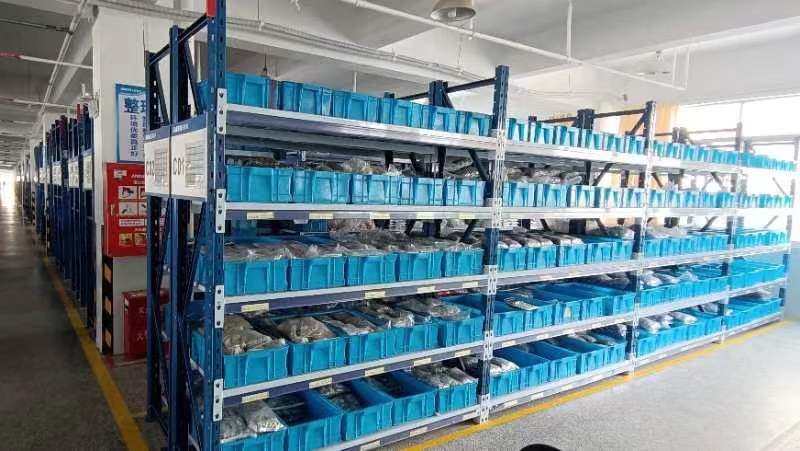
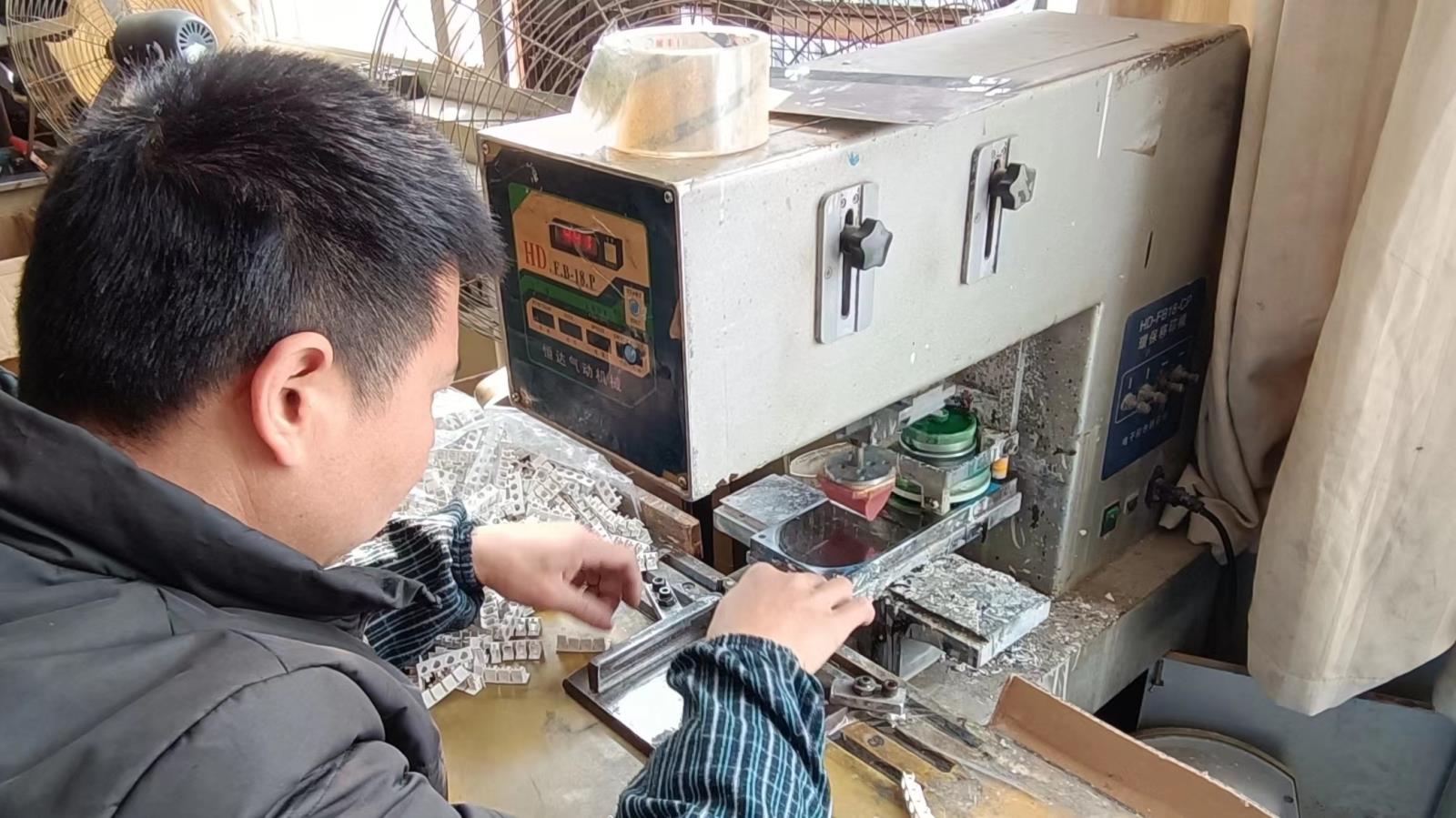
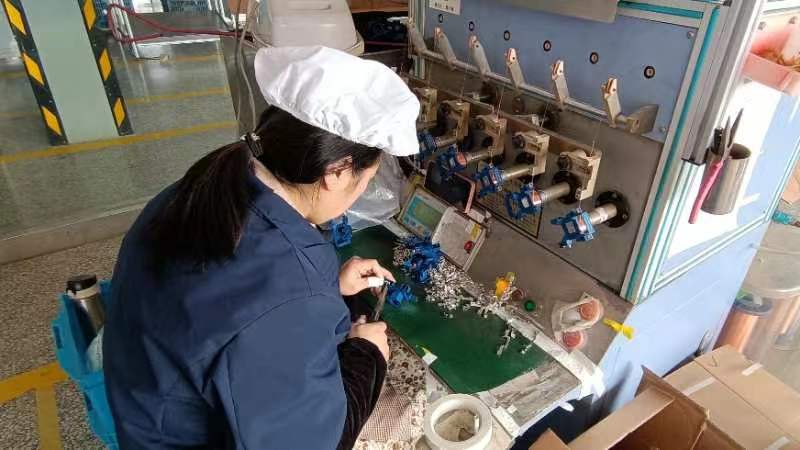
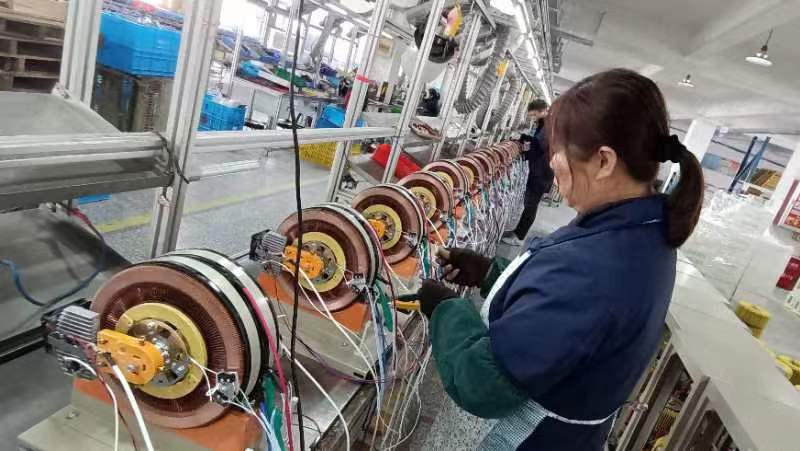
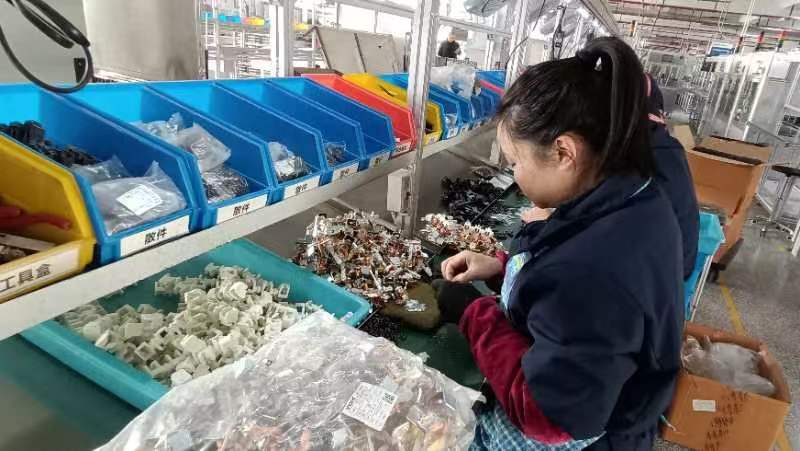
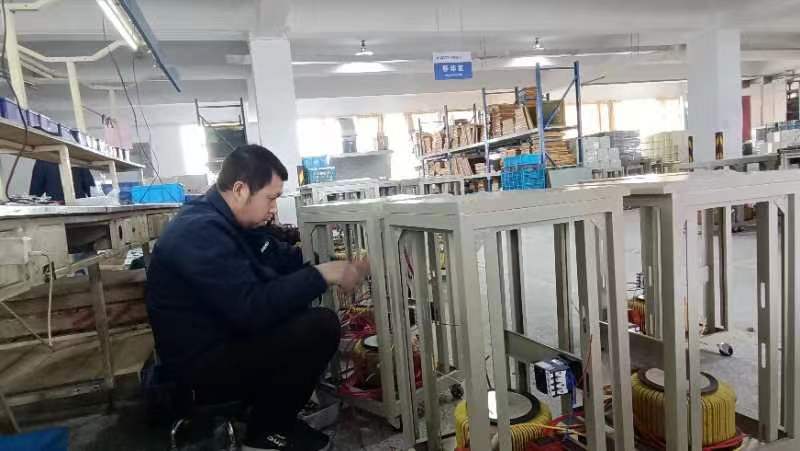
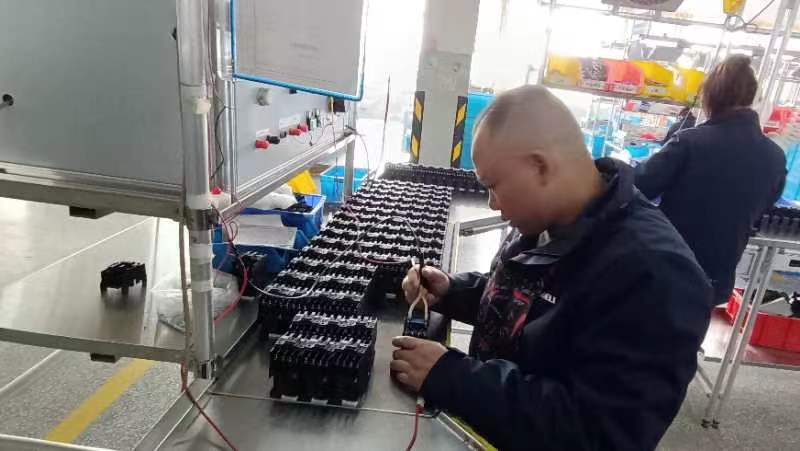
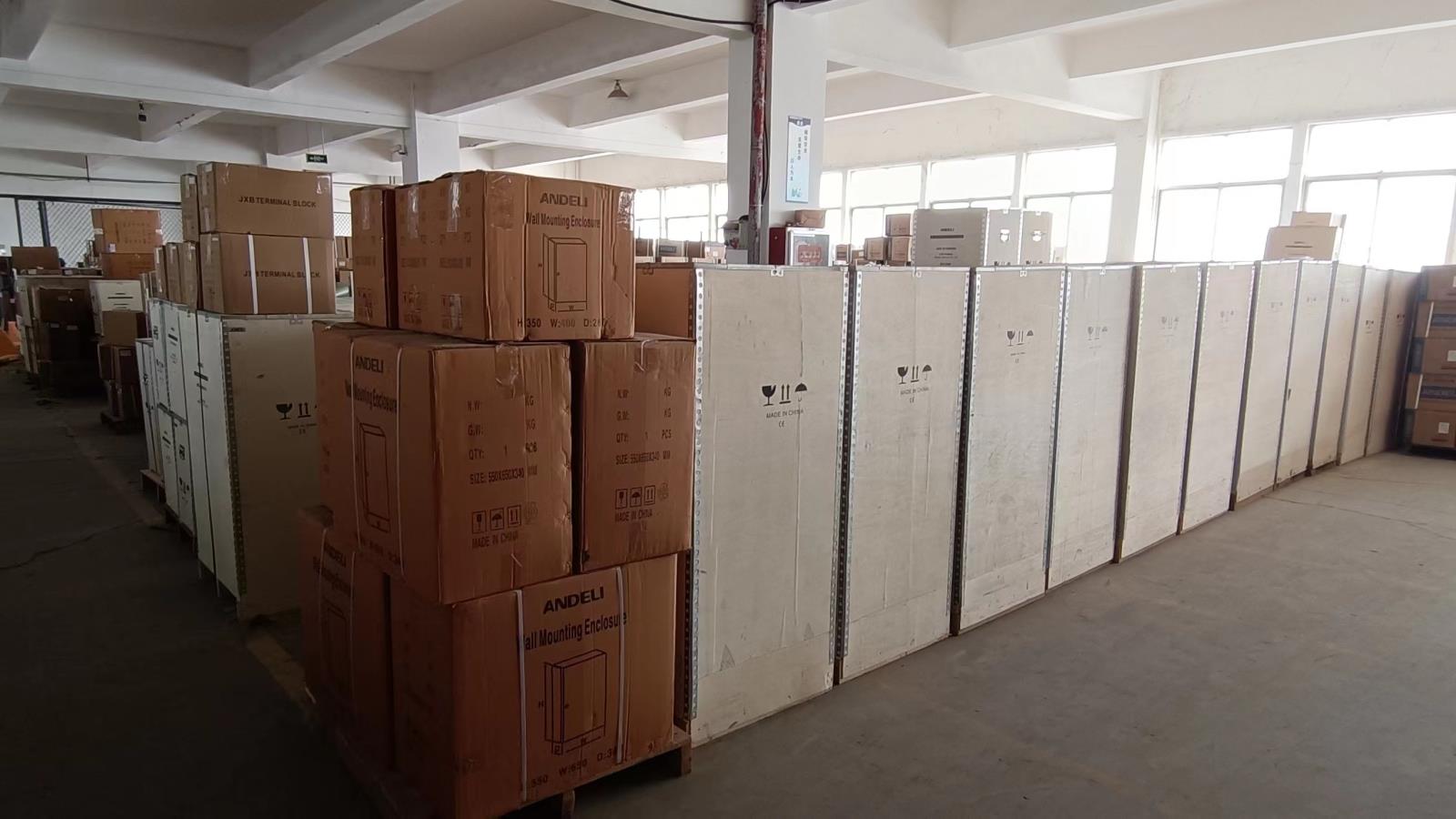
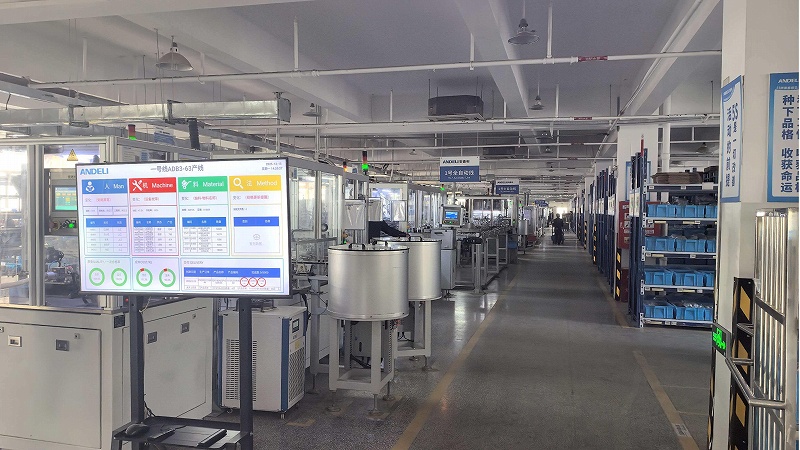
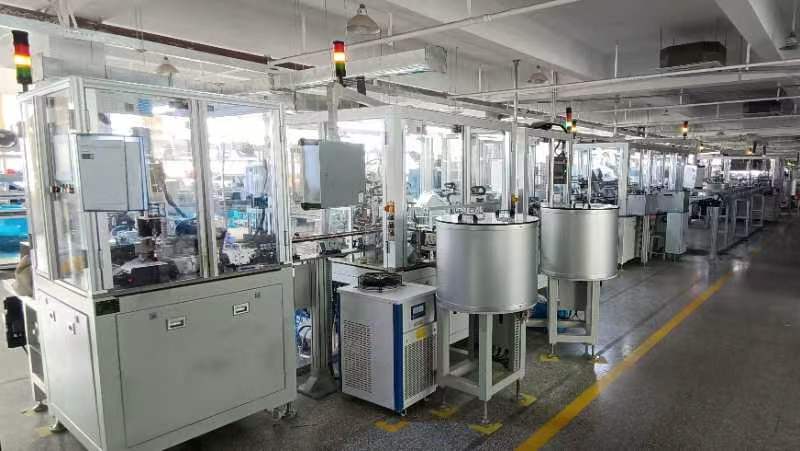
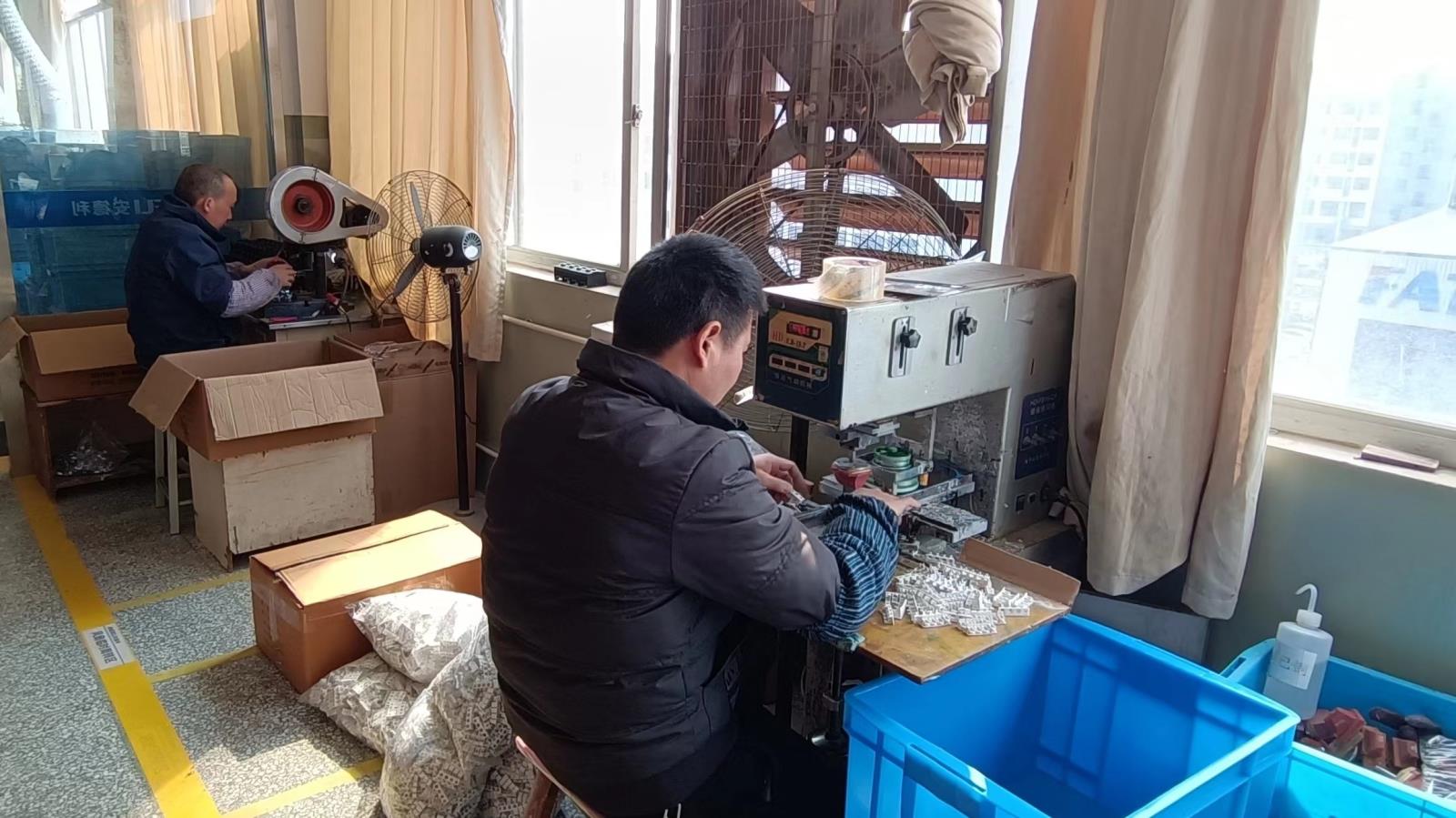
How phase failure monitoring solutions adapt to real-world industrial environments.
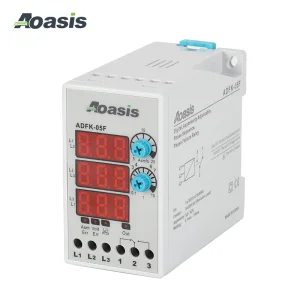
Commercial HVAC compressors and water treatment pumps run continuously under variable loads. A minor voltage imbalance or single-phasing fault can cause motor windings to overheat rapidly. Sourcing adjustable relays, such as the FKM-05F Series, lets operators calibrate asymmetry thresholds from 5% to 25%. This prevents false alarms from standard utility fluctuations while maintaining robust protection.
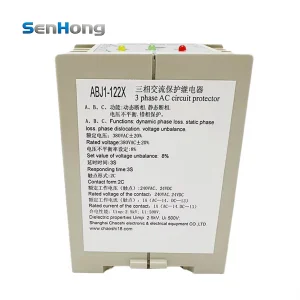
Public transport systems require rigorous electrical safety standards. Phase sequence reversal can cause elevator cabs or escalators to run backward, posing safety risks. Implementing dedicated elevator control modules like the ABJ1-122 series ensures the system shuts down instantly if incorrect phase rotation or phase loss is detected.
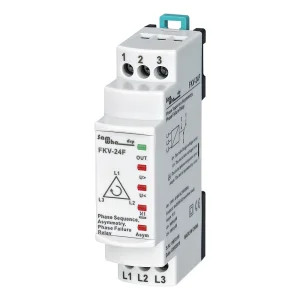
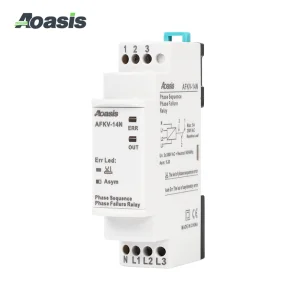
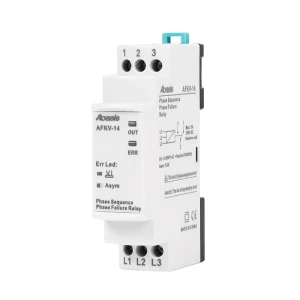
In automated machining, brief power dips can desynchronize servo motors, leading to mechanical crashes. High-speed monitors like the FKV-14N and FKV-24F feature 0.2s delay configurations. This filters out transient noise while maintaining high-speed tripping during persistent faults.
Addressing common technical and sourcing questions regarding phase failure protection systems.
Compare our specialized digital, thermal, and miniature phase monitoring series built for high-demand industrial systems.