UniWave Electric
UniWave Electric
UniWave Electric
Engineered for high-frequency operations, utility grids, and industrial automation networks
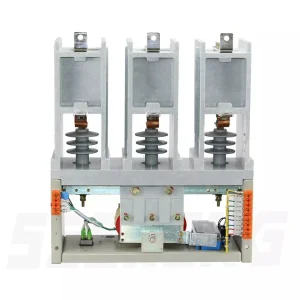
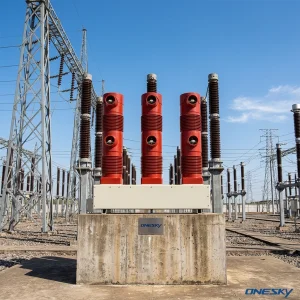
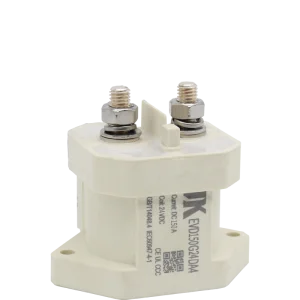
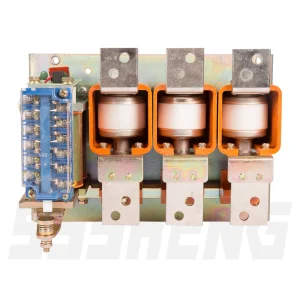
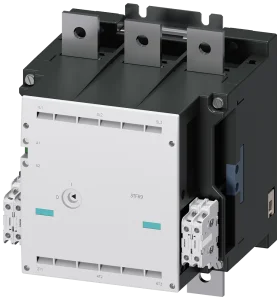
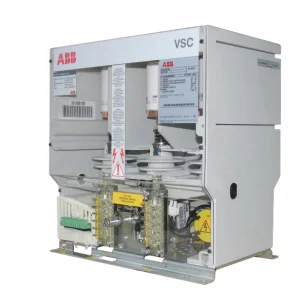
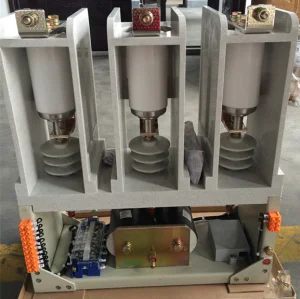
In the realm of medium and high-voltage power distribution, the vacuum contactor represents a pinnacle of safety, durability, and high efficiency. Unlike traditional air-break or oil-immersed contactors, a vacuum contactor encapsulates its electrical contacts within a hermetically sealed vacuum interrupter chamber (commonly known as a vacuum bottle). This structural framework ensures that when the contacts separate under load, the resulting electrical arc is rapidly extinguished in a high-vacuum medium. The dielectric strength of vacuum recovers at an incredibly high rate, preventing persistent arcing and mitigating contact degradation.
SEO Insight & Technical Value: Vacuum contactors are critical control nodes for heavy industries. By utilizing high-purity oxygen-free copper contacts containing specialized alloys such as Chromium-Copper (CuCr), modern manufacturers minimize contact welding and ensure reliable execution across millions of mechanical operating cycles.
From an operational standpoint, these devices are designed to handle high cyclical switching duties. In heavy industry, large AC motors, transformer banks, capacitor networks, and electric arc furnaces require thousands of cycles every day. Standard circuit breakers, designed primarily for fault protection and infrequent switching, cannot withstand this intensive operational workload. Herein lies the utility of the vacuum contactor: it combines the robust fault-withstand capacity of electrical protection gear with the high mechanical life of a control relay. With options ranging from low-voltage 1.14kV configurations up to utility-grade 35kV systems, these systems support seamless operation across diverse application spheres.
Quantifiable excellence in electrical engineering and global supply chain operations
The global electrical infrastructure landscape is experiencing a massive transition toward high-efficiency networks, digital automation, and decarbonization. These structural shifts are altering the performance criteria for modern switching gear. Let us examine the key drivers fueling the global demand for vacuum contactor technologies:
Wind power turbines, commercial solar farms, and battery energy storage systems (BESS) require high-voltage switching equipment that can manage fluctuating loads without structural degradation.
Modern SCADA networks demand switching devices that support real-time feedback loops. Smart vacuum contactors equipped with electronic control coils and auxiliary signaling switches enable remote diagnostic tracking.
The push for Mega-watt charging networks for commercial electric vehicles requires robust high-voltage DC contactors capable of safe isolation and continuous current handling at 1000V levels.
In industrialized economies, old electrical installations are being retrofitted to minimize maintenance overheads. Oil and gas refineries, iron and steel foundries, and bulk materials handling systems are migrating away from traditional air contactors to eliminate arcing-induced fire hazards. Meanwhile, emerging economies are investing in primary electrical grids, requiring vacuum contactors capable of sustaining operation under extreme environmental conditions, from remote desert wind farms to underground mine shafts.
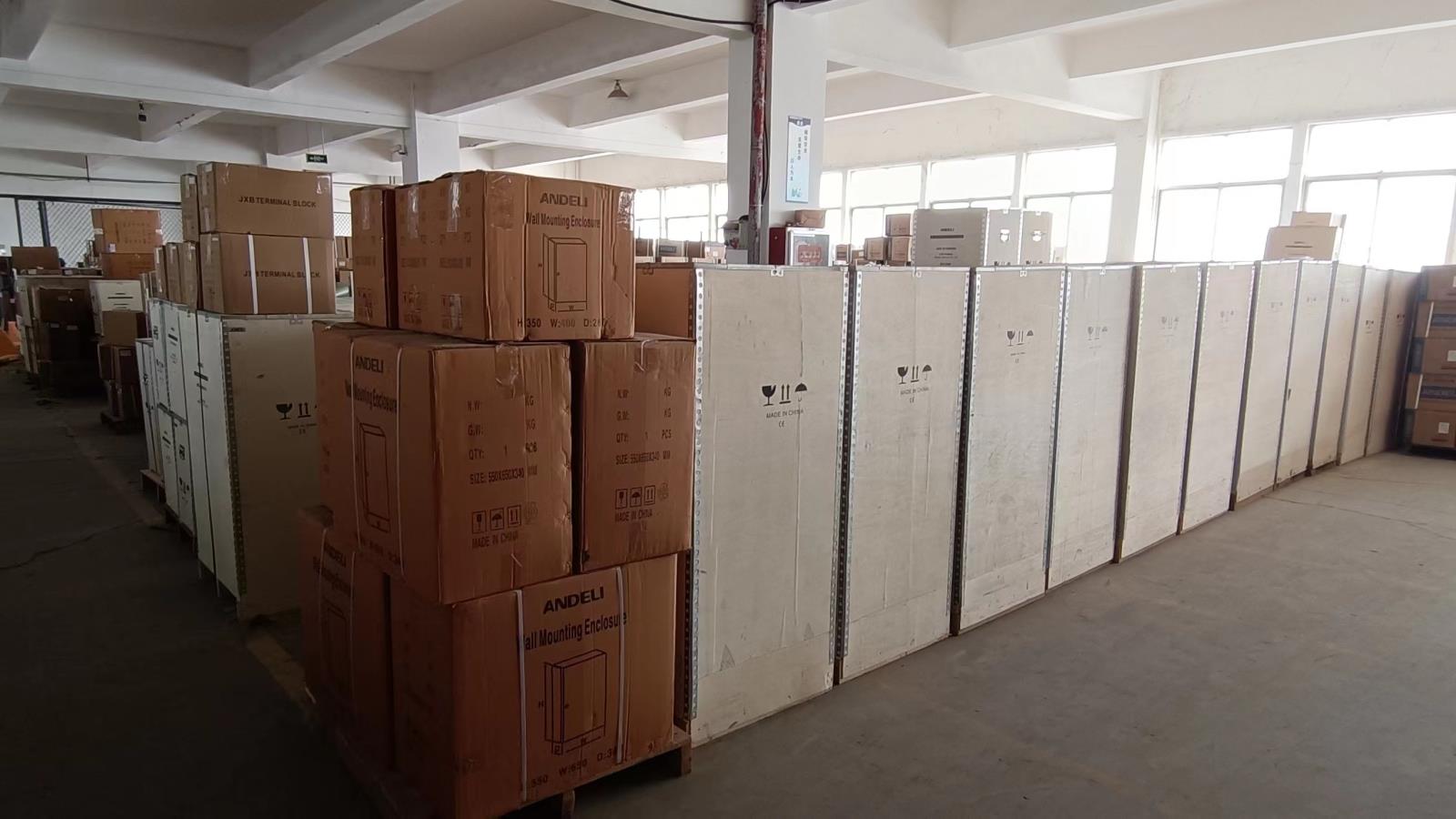
When sourcing electrical control equipment, global buyers prioritize supply chain reliability, component consistency, and cost-efficiency. Wenzhou UniWave Electric Co., Ltd., based in Liushi, Yueqing, Wenzhou, China—nationally recognized as the "Capital of Low Voltage Electrical Appliances"—stands at the center of this manufacturing ecosystem. The concentration of specialized raw material processors, precision toolmakers, testing labs, and logistics networks in this cluster allows us to maintain a highly resilient supply chain.
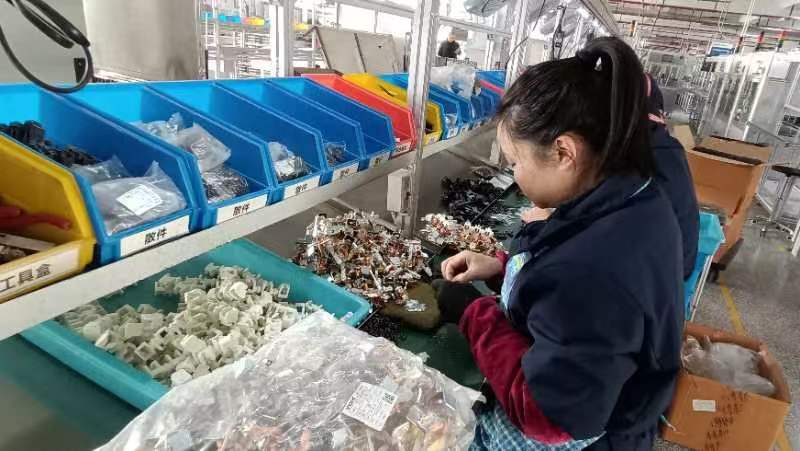
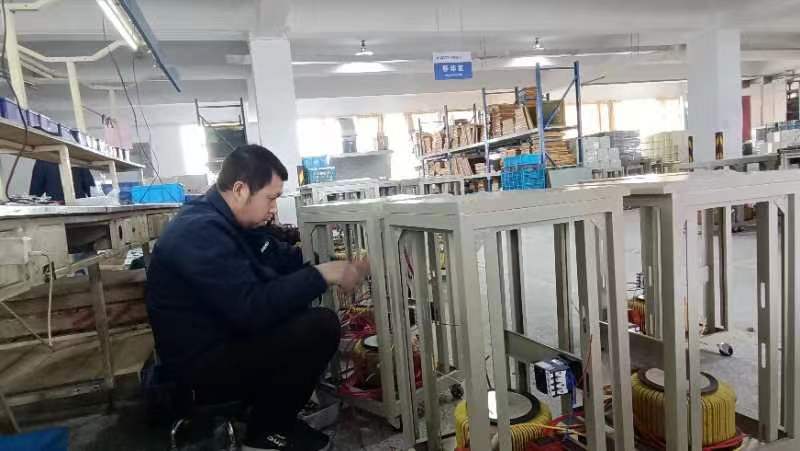
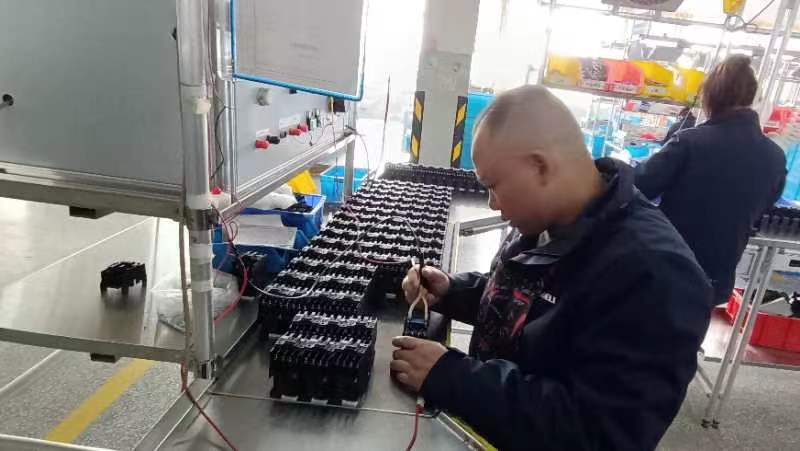
Our transition to Factory 4.0 protocols integrates automation across key manufacturing stages:
| Parameter Focus | Traditional Manufacturing | UniWave Factory 4.0 Standard | Operational Advantage |
|---|---|---|---|
| Coil Winding Precision | Manual / Semi-Auto | Fully Automated CNC Winding | Zero hot-spots, uniform thermal dissipation |
| Vacuum Envelope Integrity | Visual Checking | Helium Mass Spectrometer Leak Test | Extended lifespan, avoids vacuum degradation |
| Contact Material Purity | Standard Copper | Sintered Copper-Chromium (CuCr) | High breaking capacity, prevents contact welding |
| Testing Validation | Batch Sampling | 100% Automated Multi-Parameter Testing | Guaranteed out-of-box reliability |
A transparent look at our advanced manufacturing processes, testing protocols, and logistical operations
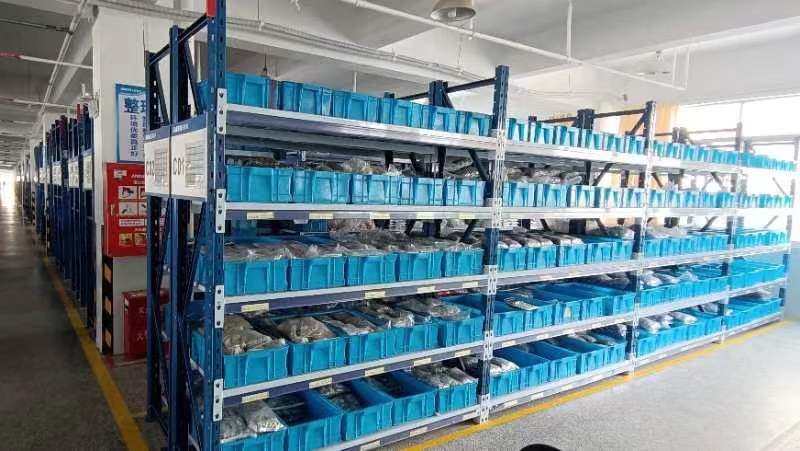
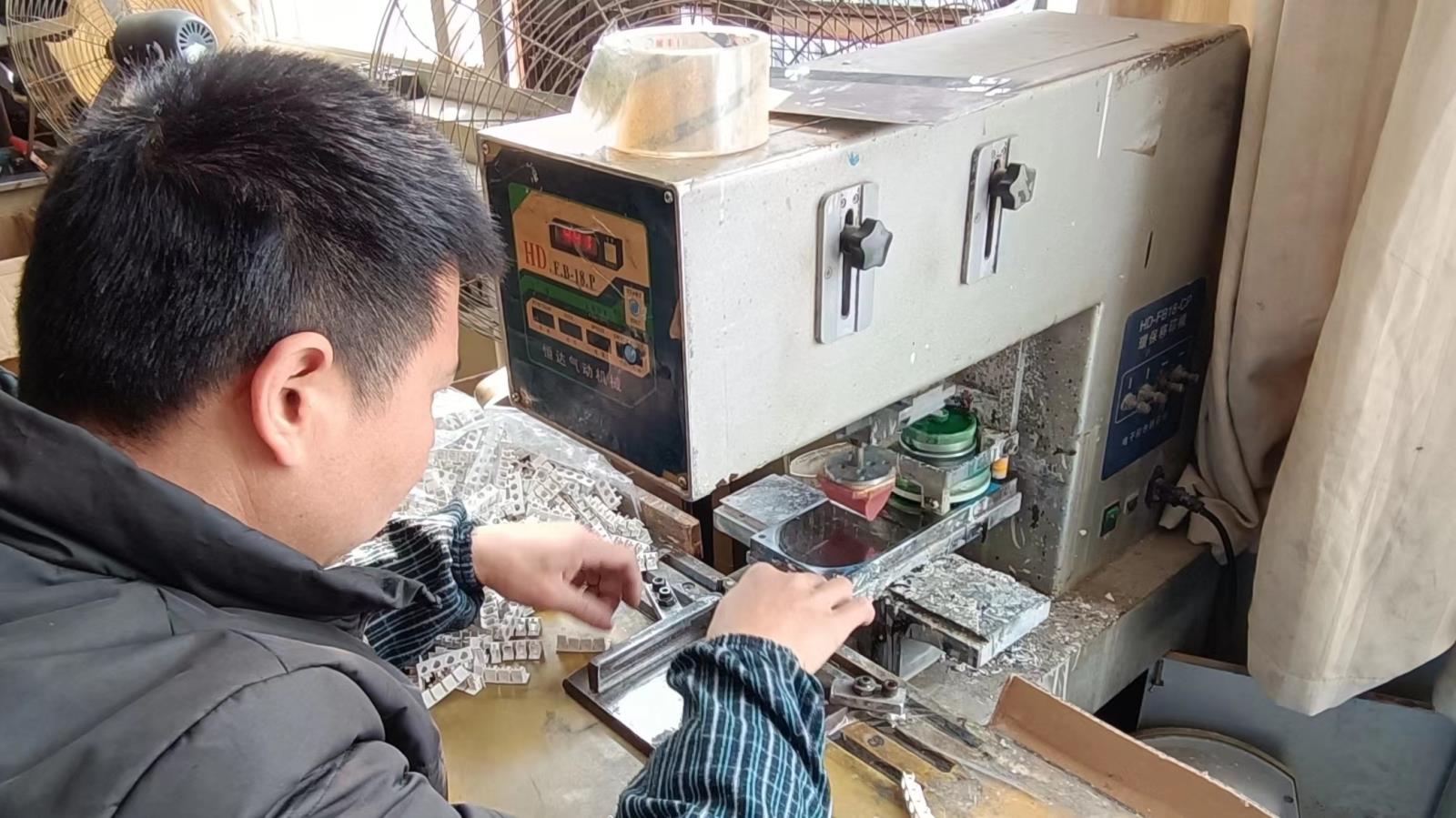
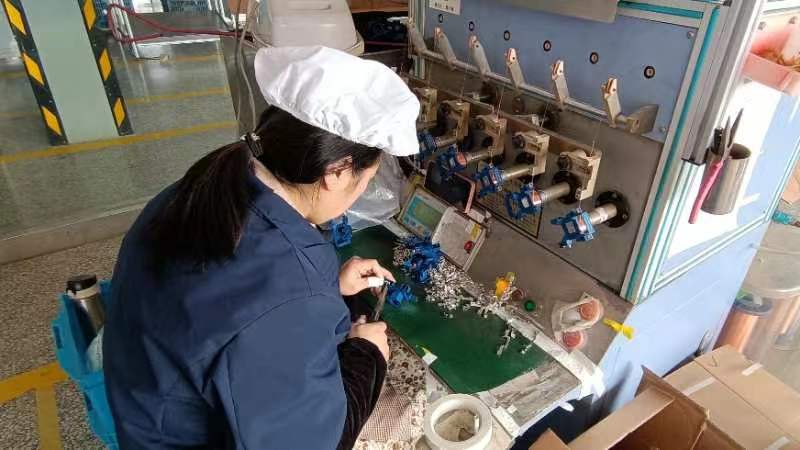
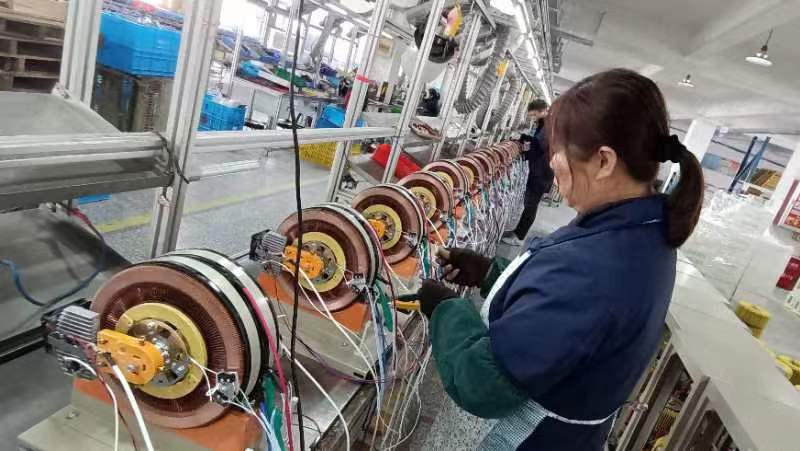
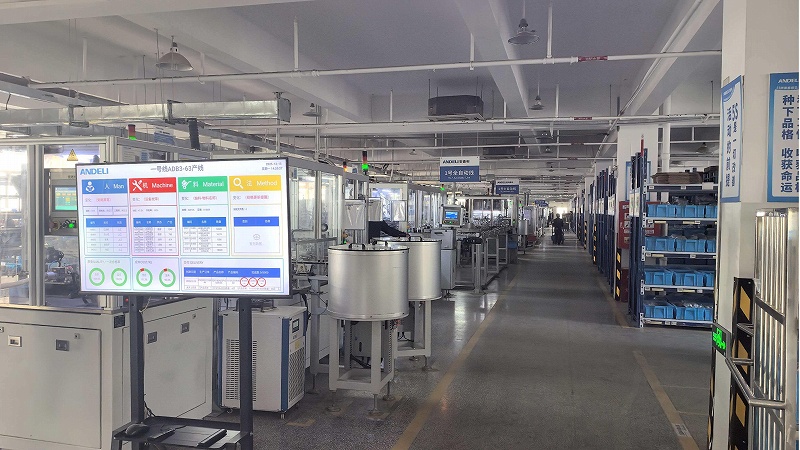
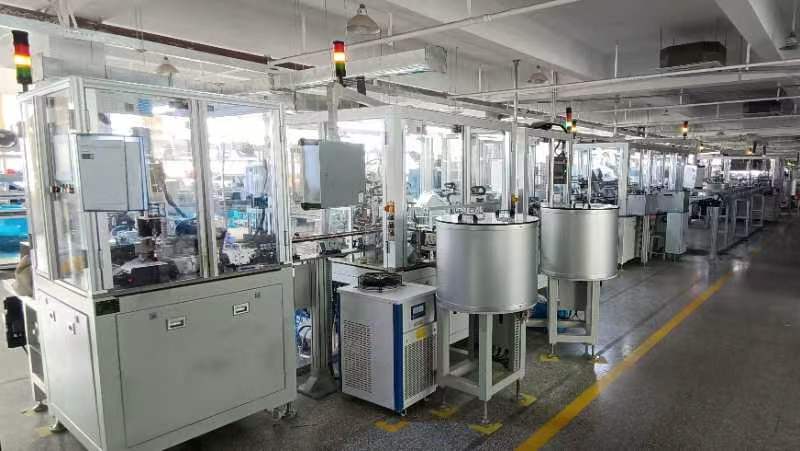
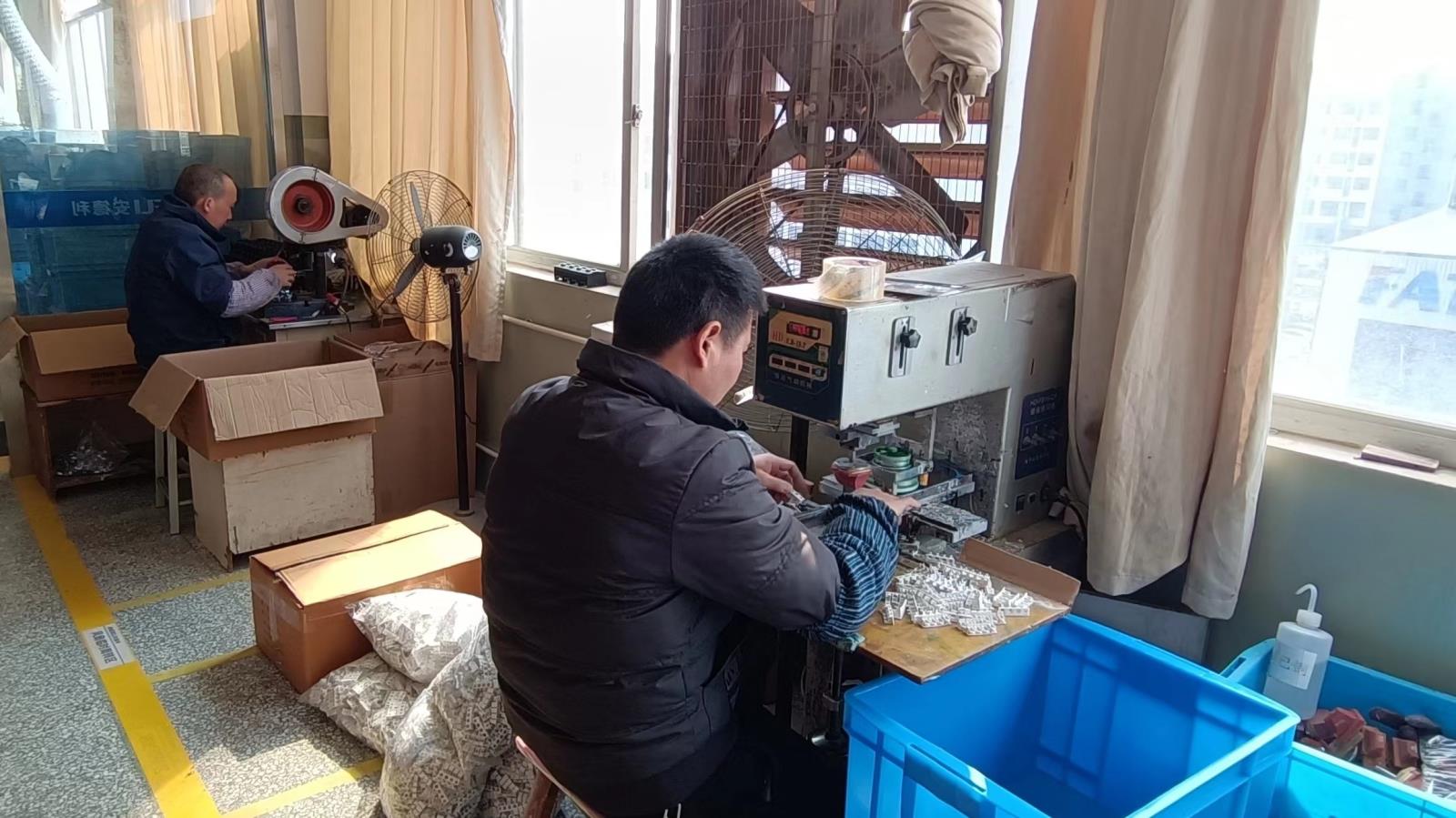
Engineers and procurement teams must evaluate key design choices when specifying vacuum contactors for their systems. The choice of retention mechanism is one of the most critical decisions, impacting overall efficiency, response times, and thermal management:
This design utilizes continuous control current flowing through the solenoid coil to keep the contacts closed. It is ideal for systems requiring automatic dropout upon loss of control power. This serves as an inherent safety feature in motor control centers, ensuring the system shuts down if the control circuit fails. Newer configurations utilize electronic economy circuits to drop the holding current down to a fraction of the pickup current, reducing heat generation inside the control cabinet.
This mechanism uses permanent magnets to hold the contacts in either the open or closed position, requiring only short pulses of current to change states. This design eliminates holding-coil power consumption, reducing heat generation to zero. It is highly suitable for locations with unstable control power grids, or where energy conservation is a critical KPI (e.g., remote solar plants or battery backup facilities).
Selection Rule of Thumb: Use electromagnetic contactors for safety-critical circuits requiring automatic shutdown upon voltage dip. Select permanent magnet contactors for energy-sensitive installations, systems operating near thermal limits, or applications requiring long-duration closed-state operations.
Vacuum contactors are deployed across diverse industries globally. Their unique arc-extinction and current-carrying capabilities make them suitable for the following key applications:
Underground mining operations face dust-laden, moisture-heavy, and potentially explosive atmospheres. Standard air contactors present an ignition risk due to open arcing. Sealed vacuum contactors isolate switching arcs entirely from the surrounding environment, ensuring safe operation in flameproof enclosures, coal face mining machinery, and underground ventilation systems.
Power factor correction networks require frequent switching of capacitor banks. When capacitors are energized, they produce high-frequency inrush currents that can weld contacts in standard switches. The rapid dielectric recovery of vacuum contactors, combined with zero contact bounce, makes them the preferred choice for preventing transient overvoltages and ensuring grid stability during capacitor switching.
In steel mills and chemical processing facilities, large induction motors (exceeding several hundred kilowatts) are subjected to frequent start/stop operations. The 3TF69 series vacuum contactors, with rated currents up to 820A, provide the thermal stability and robust mechanical wear resistance required to handle heavy starting currents under challenging duty cycles.
Wenzhou UniWave Electric Co., Ltd. is a leading manufacturer specializing in a wide range of electrical products, including Circuit Breakers (RCBO / RCCB / MCB / WiFi Smart MCB / MCCB / ACB), Isolator Switches, Change Over Switches, AC Contactors, Thermal Relays, Magnetic Starters, Solid State Relays, Distribution Boxes, Voltage Stabilizers, and Voltage Protectors. Our company is located in Liushi, Yueqing, Wenzhou, China, famously known as the “City of Low Voltage Electrical Appliances,” offering both a thriving industrial environment and a beautiful natural setting.
With over 25 years of experience in the circuit breaker and AC contactor industry, Wenzhou UniWave Electric has established a strong reputation for quality, reliability, and innovation. Our products strictly comply with IEC standards and have obtained internationally recognized certifications, including SAA, CE, CB (IEC), and ISO9001.
Our company is equipped with advanced testing instruments and a highly skilled R&D team, allowing us to continually develop new products and improve existing ones. We are committed to providing cutting-edge solutions that meet the evolving needs of our customers. Our products are widely exported and highly appreciated in various markets around the world, including Europe, America, Southeast Asia, the Middle East, and Africa.
At Wenzhou UniWave Electric, we focus on customer satisfaction, innovation, and sustainable development. We warmly welcome inquiries from global partners and are dedicated to establishing long-term, mutually beneficial business relationships with clients worldwide. Contact us today to explore cooperation opportunities and experience the UniWave difference!
Technical answers to common engineering questions regarding vacuum contactors
The difference lies in their operational purpose. A vacuum contactor is designed for frequent, high-cycle switching of load currents (typically 100,000 to millions of operations) but has limited fault-interrupting capacity. A vacuum circuit breaker is built to interrupt short-circuit currents during fault conditions but is rated for a much lower number of operational cycles (typically 10,000 to 30,000). Contactors are frequently paired with fuses to handle short-circuit protection.
Over long operational lifespans, micro-leaks can occur at the bellows joints or glass-to-metal seals. A degradation of the vacuum level reduces the dielectric strength inside the envelope. This is detected using a power-frequency withstand voltage test (HIPOT test) across the open contacts. If the envelope fails to withstand the rated test voltage, it must be replaced.
While switching under load, a metal vapor arc is formed, causing minor erosion of the contacts. Modern vacuum contactors feature a contact wear indicator (usually a marker pin or gauge on the mechanical linkage). When the contacts wear beyond the specified limit, the gap distance changes, and the vacuum interrupter must be replaced to prevent overheating.
Permanent magnet systems require no continuous holding current, which reduces the electrical load on the auxiliary control power system. In renewable energy projects like solar or wind sites, this helps optimize efficiency. The absence of a holding coil also eliminates heat generation inside the control cabinet, extending the lifespan of adjacent electronic components.
Yes, but standard AC contactors rely on the natural zero-crossing of the AC wave to help extinguish the arc. For DC switching (such as in EV chargers and battery banks), specialized DC vacuum contactors are designed with internal magnetic blowouts or custom contact geometries to force the DC arc into the vacuum gap, ensuring reliable interruption.
Industrial components built for heavy duty applications, global utility grids, and custom switchgear assemblies