UniWave Electric
UniWave Electric
UniWave Electric
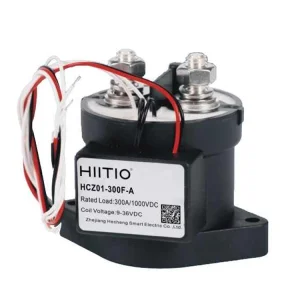
Engineered for safe circuit interruption under high potential. Certified configurations covering EV charging piles, energy storage management modules, and heavy duty industrial distribution setups.
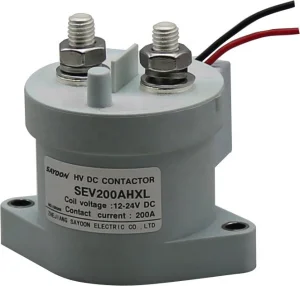
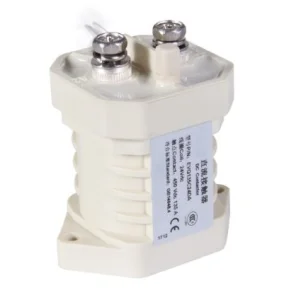
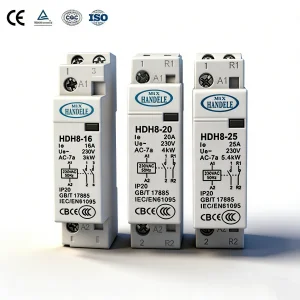
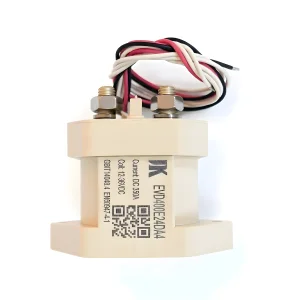
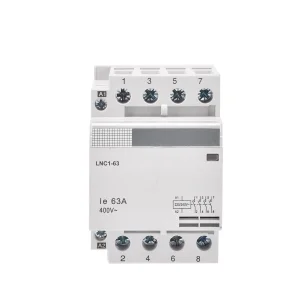
As industrial power infrastructures pivot towards decentralized renewable generation and clean mobility networks, the demand for reliable Direct Current (DC) Contactors has surged exponentially. Unlike alternating current systems where the voltage crosses zero naturally twice per cycle, DC circuits require active arc mitigation engineering. This whitepaper analyzes the mechanical, environmental, and thermal requirements governing DC switching systems.
When contacts open under DC load, the sustained electrical arc must be drawn away instantly using magnetic blowout systems or high-pressure gas (hydrogen/nitrogen mix) hermetic envelopes. Without rapid extinction, the contact tips melt, leading to system failure.
Modern DC contactors utilize high-grade silver alloys (such as Silver Tin Oxide - AgSnO2) that exhibit strong resistance to weld adhesion, minimal contact wear, and outstanding conductivity over millions of switching operations.
Continuous load currents of up to 1000A generate substantial thermal loads. Premium manufacturing incorporates ceramic chambers and optimized heatsinks to maintain operating integrity within harsh parameters (-40°C to +85°C).
Industrial buyers and technical managers face unique regional design standards and regulatory barriers. Choosing the proper DC contactor demands an understanding of regional operational differences:
Driven by rapid expansion in utility-scale Battery Energy Storage Systems (BESS) and NEVI-funded public EV superchargers. Applications typically mandate UL60947-4-1 certifications, high short-circuit current ratings (SCCR), and rugged enclosures for outdoor grid-tied cabinets.
Focused on smart energy microgrids, zero-emission hydrogen generation plants, and rolling stock rail transit. Requirements emphasize RoHS directive alignment, IEC 60947-4-1 compliance, low coil power consumption, and integrated auxiliary contacts for feedback loops.
Driven by heavy industrial automation, telecommunication power system back-ups, and massive marine battery propulsion. Cost-efficiency, robust vibration resistances, and rapid localized distribution supply chains are vital procurement metrics.
Wenzhou UniWave Electric Co., Ltd. is a leading manufacturer specializing in a wide range of electrical products, including Circuit Breakers (RCBO / RCCB / MCB / WiFi Smart MCB / MCCB / ACB), Isolator Switches, Change Over Switches, AC Contactors, Thermal Relays, Magnetic Starters, Solid State Relays, Distribution Boxes, Voltage Stabilizers, and Voltage Protectors. Our company is located in Liushi, Yueqing, Wenzhou, China, famously known as the "City of Low Voltage Electrical Appliances," offering both a thriving industrial environment and a beautiful natural setting.
With over 25 years of experience in the circuit breaker and AC contactor industry, Wenzhou UniWave Electric has established a strong reputation for quality, reliability, and innovation. Our products strictly comply with IEC standards and have obtained internationally recognized certifications, including SAA, CE, CB (IEC), and ISO9001.
Our company is equipped with advanced testing instruments and a highly skilled R&D team, allowing us to continually develop new products and improve existing ones. We are committed to providing cutting-edge solutions that meet the evolving needs of our customers. Our products are widely exported and highly appreciated in various markets around the world, including Europe, America, Southeast Asia, the Middle East, and Africa.
At Wenzhou UniWave Electric, we focus on customer satisfaction, innovation, and sustainable development. We warmly welcome inquiries from global partners and are dedicated to establishing long-term, mutually beneficial business relationships with clients worldwide.
An inside look at our standardized production line in Wenzhou, China. We deploy automated assembly technology, precision testing rigs, and rigorous raw material inspections to ensure every contactor meets strict operating specifications.
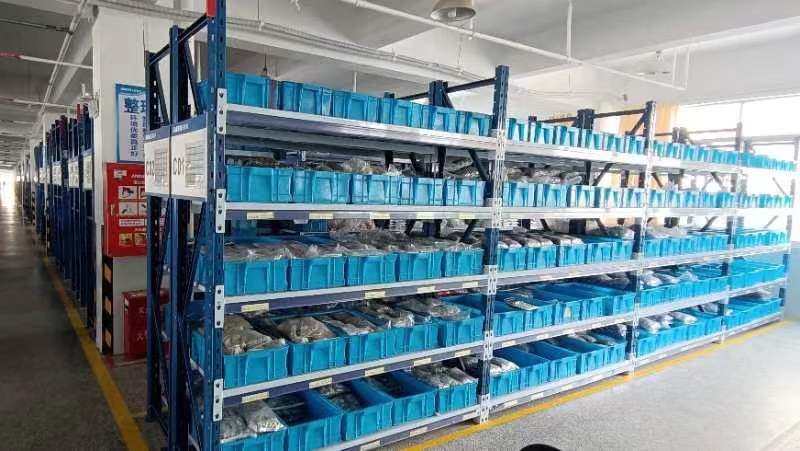
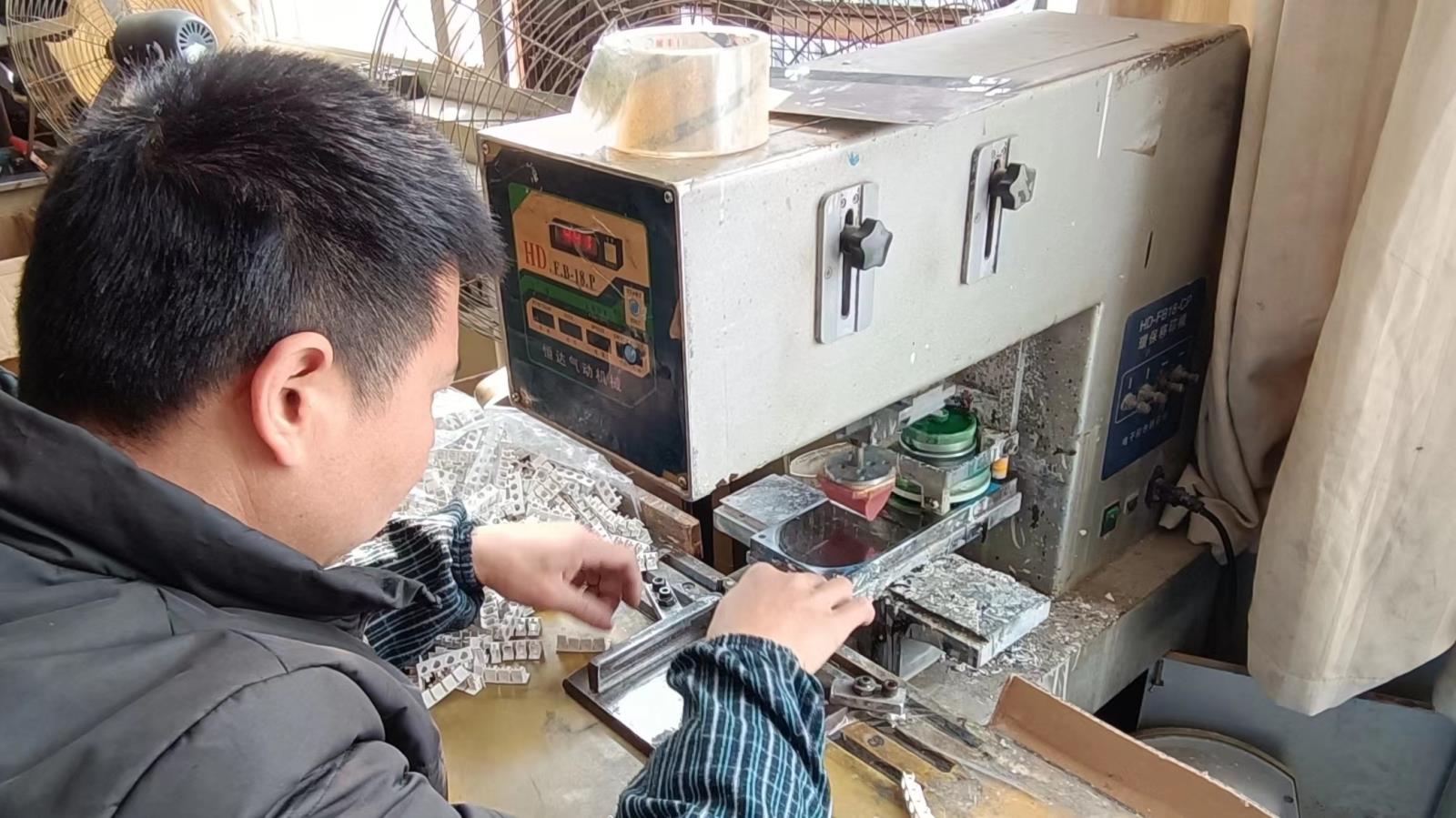
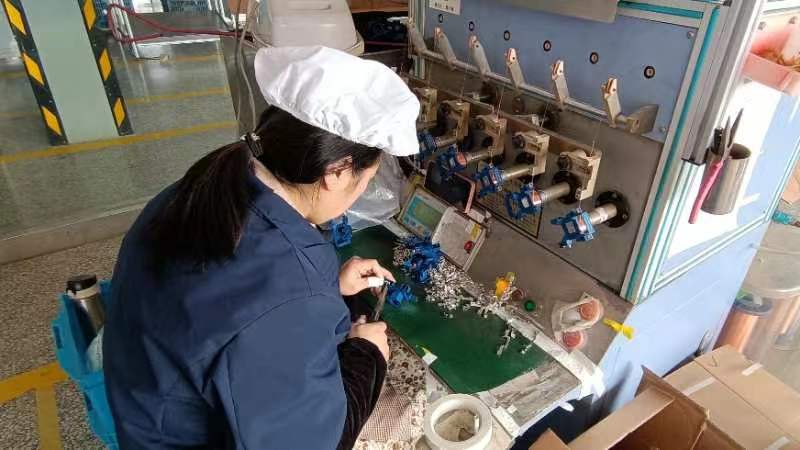
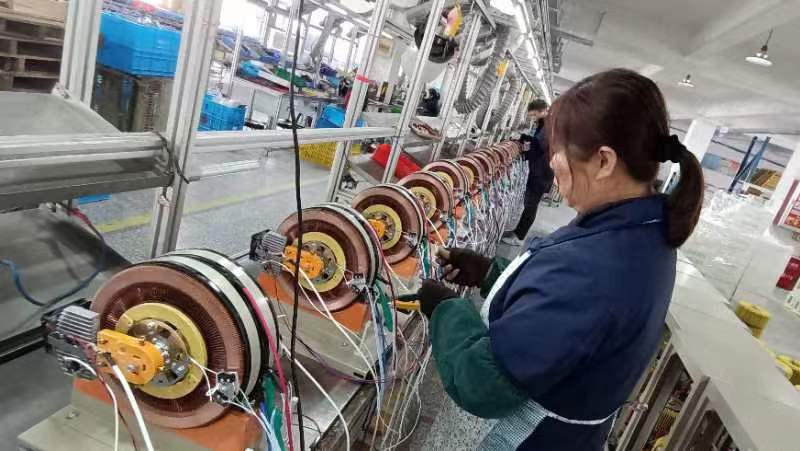
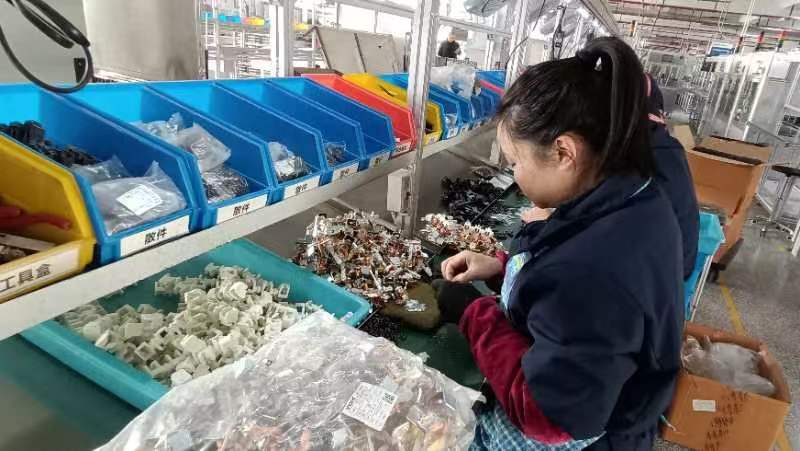
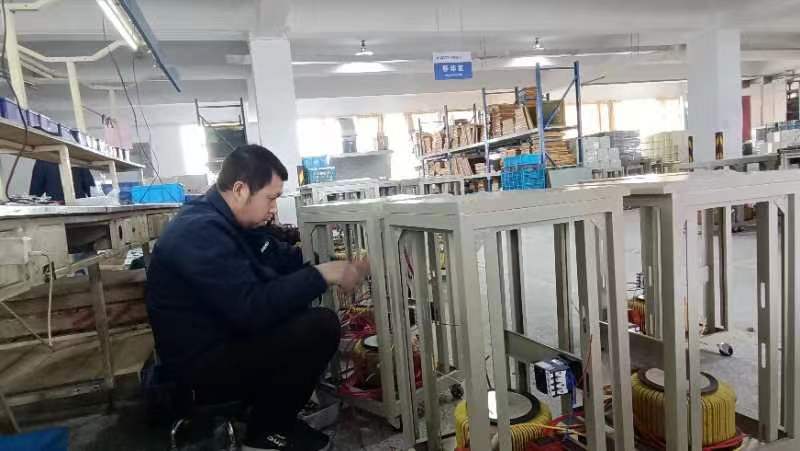
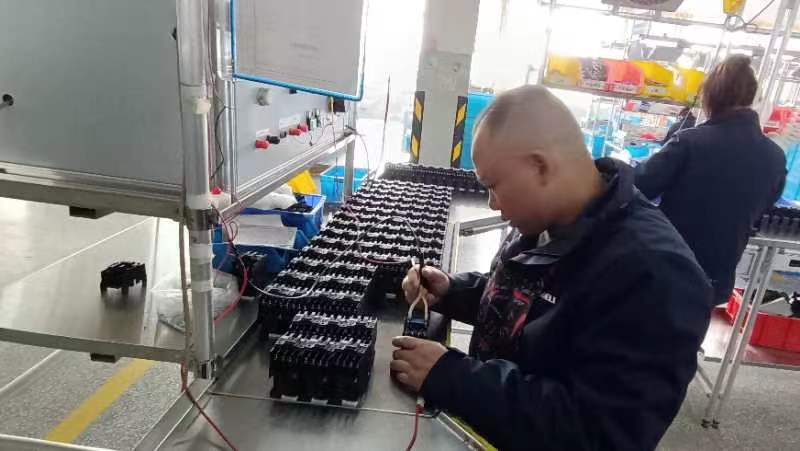
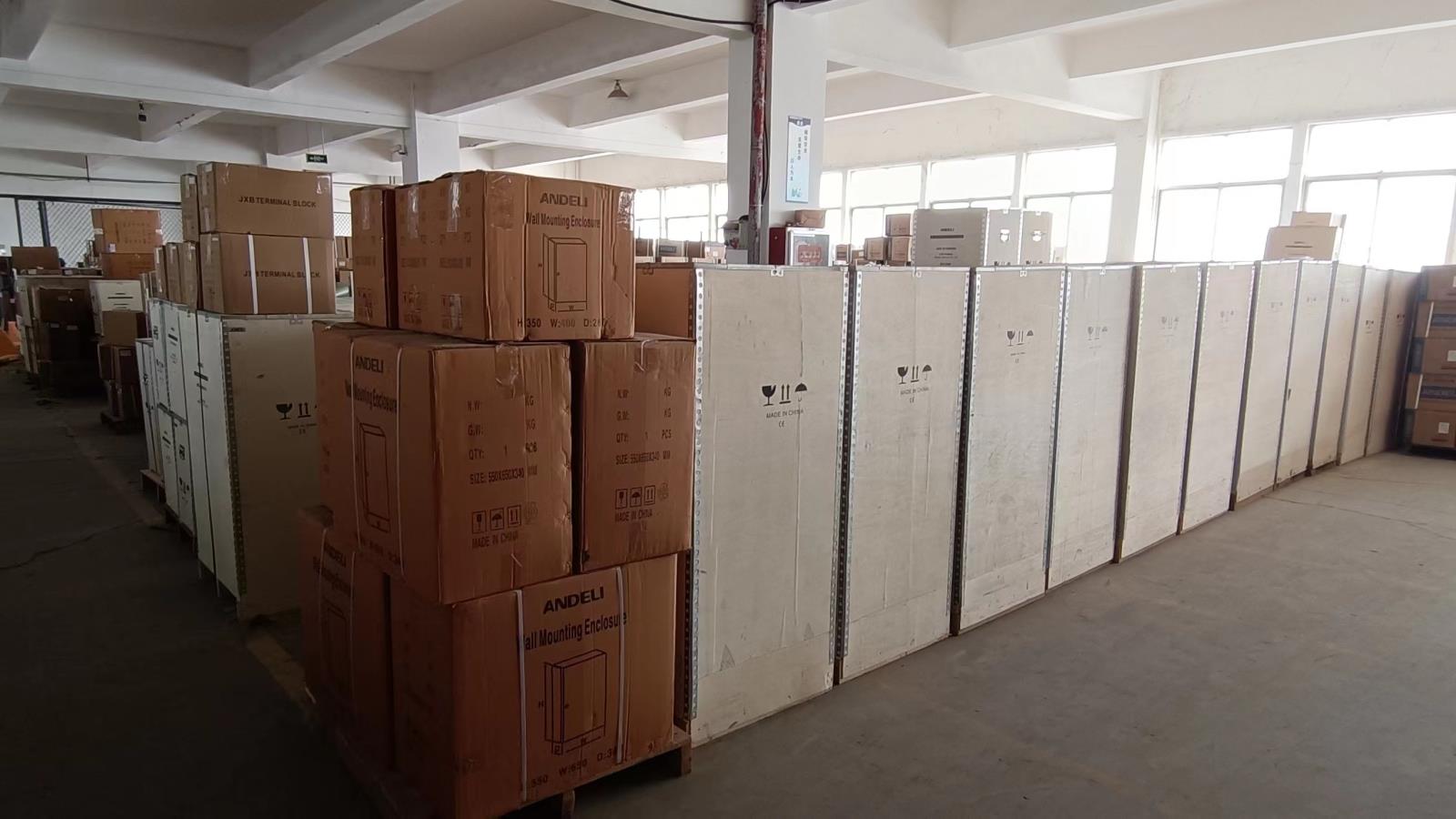
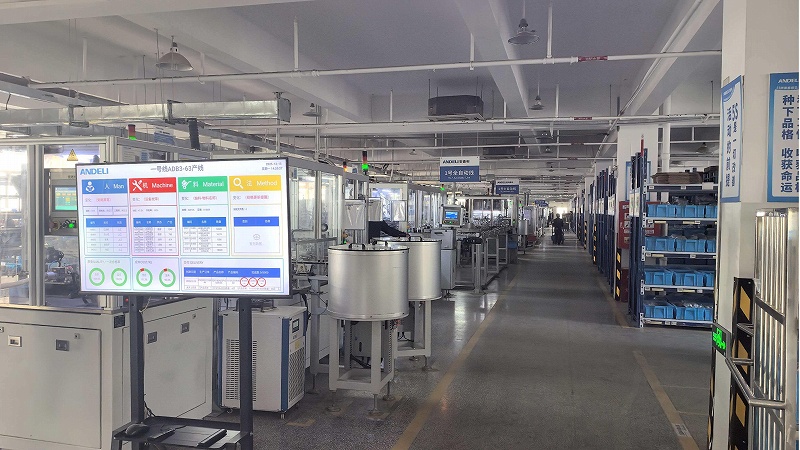
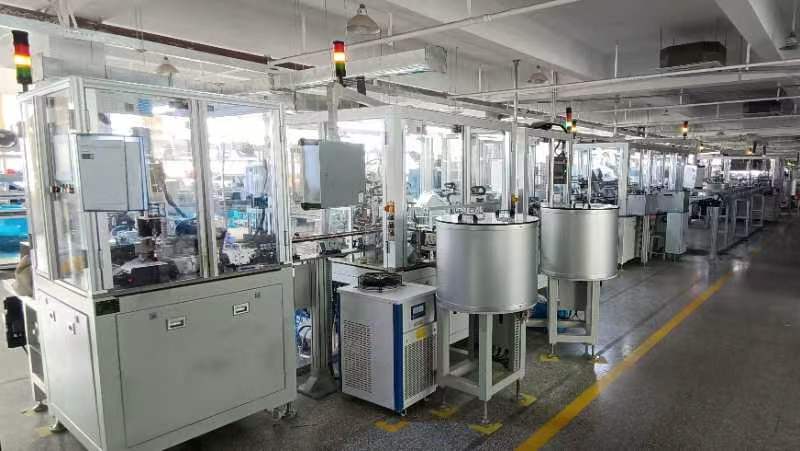
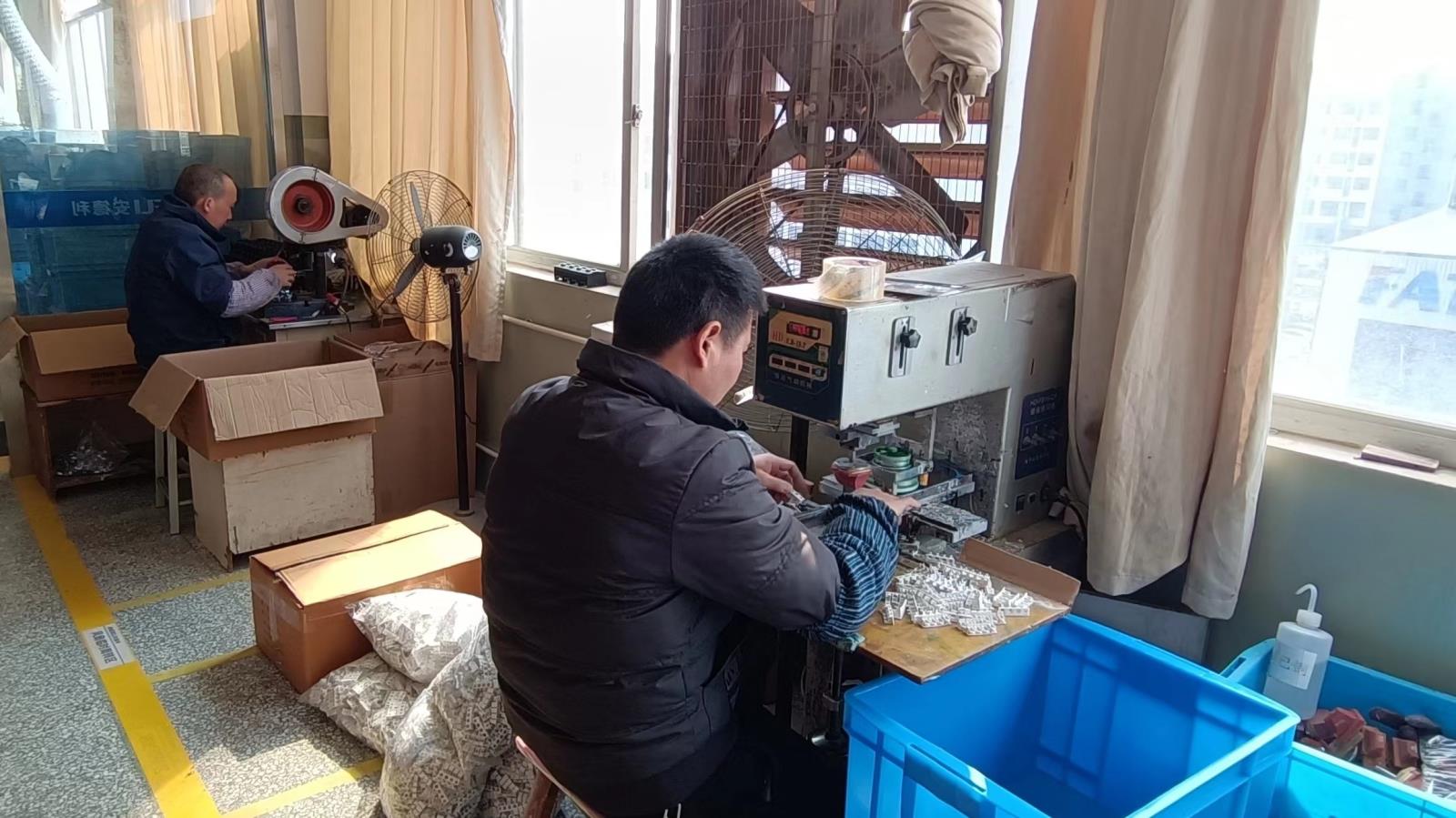
Liushi, Wenzhou is widely recognized as the global capital of low-voltage electrical apparatus. Sourcing DC contactors and circuit breakers from this region offers significant structural advantages for international distributors and OEMs:
From raw silver-contact alloy metallurgy to specialized coil winding wire and precision-machined ceramic housings, every component is sourced within a 15-mile radius, dramatically lowering logistics overhead and production cycles.
Our facility continuously updates its automated manufacturing processes (as shown in our automatic assembly and winding machines), reducing manual assembly variance and guaranteeing consistent dielectric reliability.
We can adapt coil ratings, contact structures, auxiliary connections, and mounting profiles for fast-track prototyping, allowing engineers to transition from design parameters to pilot run validation quickly.
When specifying a DC contactor for battery isolation switches, high-load industrial machinery, or renewable charging terminals, electrical engineers should analyze several critical ratings:
| Design Parameters | Common Rating Ranges | Main Applied Industry / Use-Case | Primary Technical Consideration |
|---|---|---|---|
| System Voltage rating (Ue) | 450VDC / 750VDC / 1000VDC / 1500VDC | EV Charging Stations, Solar Array Inverters | Requires robust hermetic dielectric gas-fill chambers. |
| Continuous Carry Current (Ith) | 20A / 100A / 150A / 300A / 1000A | Industrial Forklifts, Energy Storage (BESS) | Minimizing contact contact resistance and thermal generation. |
| Control Coil Voltage (Uc) | 12VDC / 24VDC / 36VDC / 220VAC | Relay Protection Boards, PLC Control Interfaces | Coil power consumption limits and drop-out voltage margins. |
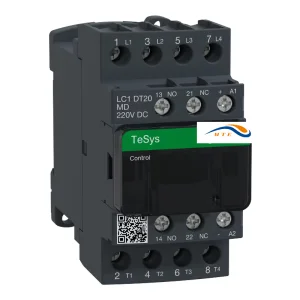
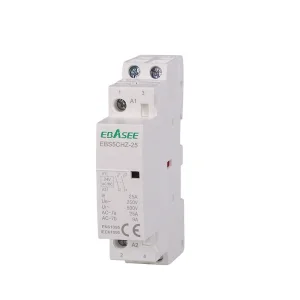
| Pole Configuration | 1-Pole (1P) / 2-Phase / 3-Pole (3P) / 4-Pole (4P) | Power Grid Isolation, Inverter Output Control | Physical space optimization vs. phase isolation requirements. |
Expert design insights and engineering solutions to common integration challenges.
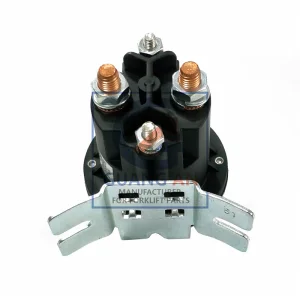
Explore our complete range of specialized switching systems, including AC/DC modular units, heavy-duty contactors, and forklift pump systems.