UniWave Electric
When it comes to industrial applications, a faulty contactor can cause significant downtime and financial loss. Understanding how to troubleshoot a faulty industrial contactor is essential for maintaining operational efficiency. In this guide, we will explore practical tips and proven techniques that experts rely on to identify and resolve common issues.
Troubleshooting a contactor requires a systematic approach. First, gather essential tools like a multimeter. Check for visible damage and loose connections. Sometimes, the issue is simple, like a blown fuse or a defective coil. Other times, it can be more complex, requiring a deeper dive into the control circuit.
Experience in hands-on situations is invaluable. Every contactor can present unique challenges. Take note of any patterns in failures. Continuously improving your troubleshooting skills will aid both safety and performance. Be prepared for unexpected complications while remaining patient. Building a solid foundation of knowledge will elevate your troubleshooting capacity significantly.
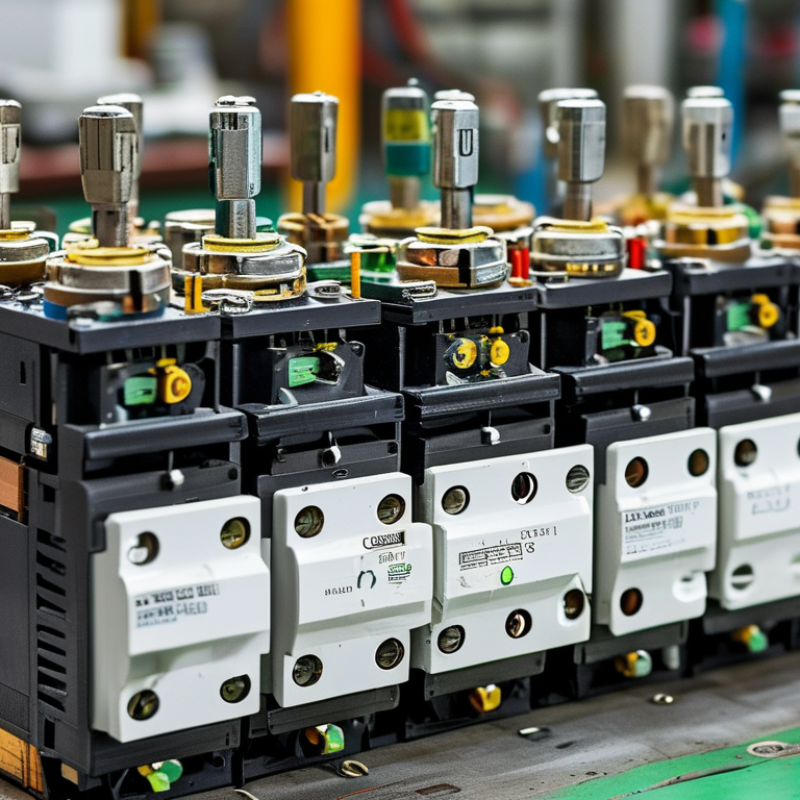
Identifying common symptoms of a faulty industrial contactor is crucial for maintaining operational efficiency. A key symptom is excessive heat. This can indicate a poor electrical connection or an overloaded circuit. According to a report by the International Electrotechnical Commission, overheating is one of the leading causes of equipment failure, highlighting the need for regular monitoring.
Another warning sign is unusual noises. If contactors produce buzzing, clicking, or humming sounds, this may point to mechanical issues or worn-out components. The National Electrical Manufacturers Association states that these sounds often precede a complete failure, emphasizing the importance of addressing them promptly. Ignoring these symptoms can lead to costly downtime.
Additionally, erratic operation is a critical symptom. A faulty contactor may not engage or disengage properly, causing inconsistent performance. It's reported that up to 25% of industrial equipment failures stem from control devices like contactors. Regular diagnostics can help prevent unexpected machinery halts and maintain production output.
Industrial contactors are essential for controlling high-voltage circuits. Understanding their operating principles can help troubleshoot common issues effectively. A contactor consists of an electromagnetic coil, contacts, and an enclosure. When voltage is applied, the coil generates a magnetic field, closing the contacts and completing the circuit. If there’s a malfunction, the root cause often lies within these components.
One common issue is inconsistent operation. This can occur due to coil failure or contact wear. Inspect the coil for signs of damage. If the coil appears burnt or physically deformed, it may need replacement. Additionally, check the contacts for wear. Pitting or corrosion can hinder performance. Cleaning or replacing contacts can restore proper function.
Overheating is another problem to watch for. Ensure the contactor is rated for the load it handles. A significant mismatch can lead to complications. Use thermal imaging to spot overheating areas in real-time. This can prevent more serious damage. Regular maintenance, such as tightening connections and examining components, is crucial. By applying these tips, you can maintain operational efficiency and avoid unexpected downtimes.
Measuring voltage and current is crucial in diagnosing issues with industrial contactors. A multimeter is your best tool here. Start by checking the voltage across the contactor. Make sure the power supply is stable. If you detect fluctuations, it may indicate a deeper electrical issue. Thus, a clear understanding of acceptable voltage levels is essential.
Next, measure the current flowing through the contactor. Overloading can lead to failure. If the current reading exceeds the rated specifications, it signals a problem. Pay attention to heat; excessive heat can indicate a current issue. For maintenance, regularly inspect electrical connections for corrosion or wear. This step is often overlooked but is vital.
Here are a few tips: Ensure you have the correct settings on your multimeter. Work safely, as contactors operate at high voltages. Always double-check your readings. A minute error can lead to misdiagnosis. Keep in mind that sometimes, despite correct readings, the contactor may still underperform due to internal damage. Prioritize thorough checks to ensure reliability in operations.
When troubleshooting a faulty industrial contactor, understanding the coil and contacts is essential. The coil generates a magnetic field when energized. This field closes the contacts, allowing current to flow. If the coil fails, it may not energize. Apply a multimeter to check coil resistance. If it's too high or infinite, the coil may be damaged.
Contacts also play a critical role. They can wear out over time due to electrical arcs. Improperly aligned contacts can lead to poor performance. Inspect them closely for burn marks or pitting. Measure the contact gap with a feeler gauge. If the gap exceeds specifications, it's time for replacement. Regular visual inspections can reveal signs of failure before a full breakdown occurs.
One might overlook these elements during routine maintenance. However, consistent attention to coils and contacts can enhance equipment reliability. Neglecting these simple checks may lead to complex issues. Proper training on identifying symptoms of coil or contact failure can save time and resources. Addressing these elements can significantly improve system efficiency.
| Troubleshooting Step | Description | Possible Issues | Recommended Action |
|---|---|---|---|
| Check Coil Voltage | Measure the voltage across the coil terminals. | Coil may be burnt out or receiving incorrect voltage. | Replace the coil or correct the supply voltage. |
| Inspect Contacts | Check for signs of wear or pitting on contacts. | Worn or damaged contacts can lead to poor connectivity. | Replace contacts as necessary. |
| Review Wiring Connections | Ensure all terminals are correctly connected and secure. | Loose connections may cause intermittent failure. | Tighten or rewire connections as needed. |
| Test Control Circuit | Ensure that the control circuit is functioning correctly. | Control signals might be disrupted. | Repair or replace control components as necessary. |
| Examine Operating Environment | Look for environmental factors affecting contactor operation. | Humidity, temperature or dust could impair functionality. | Take steps to mitigate adverse environmental conditions. |
Maintaining a reliable industrial contactor requires strict adherence to best practices. Regular inspection is key. According to a recent industry report, nearly 30% of all electrical failures are related to contactor issues. This highlights the importance of proactive maintenance strategies. Checking contactor coils for signs of wear can prevent unexpected failures. Ensure all connections are tight. Loose connections can lead to overheating and eventual breakdown.
A thorough cleaning routine is essential. Dust and debris can accumulate, impeding function. Regularly clean the contactor's housing and components. Use compressed air to clear out contaminants. The same report indicates that neglecting basic cleanliness can reduce a contactor's lifespan by up to 50%. Consider implementing a scheduled maintenance plan to inspect contacts for signs of pitting or corrosion as well.
Troubleshooting does not always yield straightforward solutions. Intermittent failures can be particularly challenging. Keeping a detailed log of issues can help identify patterns over time. Understand the operational environment, as factors like temperature and humidity greatly influence performance. This reflection may reveal underlying problems needing attention. When maintenance is understood as an ongoing process, reliability improves significantly.
: Common symptoms include excessive heat, unusual noises, and erratic operation. These signs suggest possible failure.
Excessive heat may indicate poor connections or overloads. Overheating can lead to equipment failure and downtime.
Buzzing, clicking, or humming noises often signal mechanical problems. Ignoring them may result in costly breakdowns.
Use a multimeter to check voltage across the contactor. Ensure the power supply is stable before taking readings.
If the current exceeds rated specifications, it signals a problem. This often leads to failures or overheating.
Inspect electrical connections for wear and corrosion. Regular checks can prevent unexpected machinery halts.
The coil generates a magnetic field. If it fails, contacts may not close, leading to performance issues.
Look for burn marks or pitting. Misaligned contacts can also indicate the need for replacement.
Consistent checks enhance reliability. Neglect can lead to complex problems and increased operational costs.
High or infinite resistance suggests coil damage. Replacing the coil may be necessary to restore functionality.
To effectively troubleshoot a faulty industrial contactor, it is essential first to identify the common symptoms indicative of failure, such as overheating, failure to energize, or irregular operation. By understanding the operating principles of industrial contactors, one can better recognize potential issues. Measuring voltage and current through the contacts can help diagnose specific problems, while evaluating the coil and contacts is crucial for pinpointing the failure source.
Implementing best practices for maintenance, such as regular inspections and testing, can significantly enhance the longevity and reliability of contactors. Ultimately, knowing how to troubleshoot a faulty industrial contactor involves a systematic approach, combining symptom identification, diagnostic measurements, and maintenance routines to ensure optimal performance within industrial systems.
