UniWave Electric UniWave Electric

2026 How to Determine Lifespan of Electronic Switches in Harsh Environments?

Time:2026-08-01 Author:Mason
0%

In harsh environments, the reliability of electronic switches is crucial. Many industries rely on these components for continuous operation. Yet, what is the lifespan of an electronic switch in harsh environments? This question is vital for engineers and manufacturers.

Factors affecting lifespan include temperature extremes, humidity, and vibrations. Each environment presents unique challenges. For example, high temperatures can lead to overheating, while moisture may cause corrosion. These issues can significantly shorten the lifespan of electronic switches.

Knowing the expected lifespan allows for better planning and maintenance. It helps prevent unexpected failures that can disrupt operations. However, predicting lifespan is not simple. It requires comprehensive testing and analysis. It's essential to balance theoretical knowledge with practical insights from real-world applications.
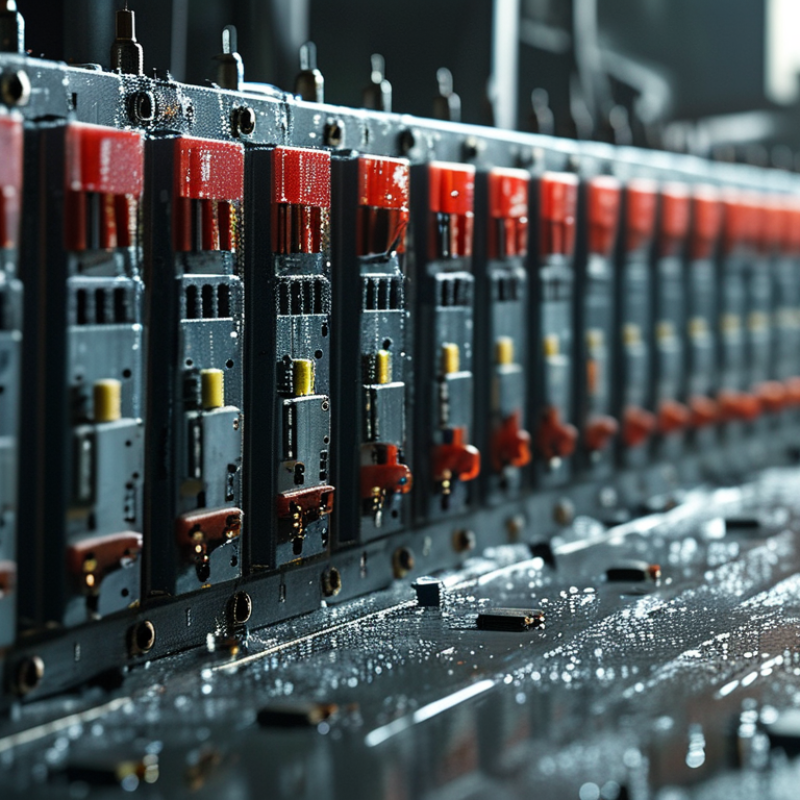
2026 How to Determine Lifespan of Electronic Switches in Harsh Environments?

Factors Affecting Lifespan of Electronic Switches in Harsh Conditions

In harsh environments, electronic switches face various challenges that can drastically shorten their lifespan. High temperatures, humidity, and exposure to dust can significantly impact performance. The materials used in switches, such as metals and plastics, also play a crucial role. Corrosion can occur when these materials react with environmental elements, leading to malfunctions.

A vital factor is the temperature range. Elevated temperatures can accelerate degradation. Components may expand and contract, leading to stress fractures over time. Additionally, moisture can lead to short circuits. Implementing protective coatings can counteract some of these issues; however, effectiveness may vary.

Tips for prolonging switch lifespan include regular maintenance checks. Clean switches to remove dust and moisture. Monitor temperature fluctuations, as prolonged exposure to extremes can be detrimental. Consider using enclosures designed to shield from environmental stressors. Empirical evidence suggests that adhering to these practices can result in measurable longevity improvements for electronic switches.

Environmental Stressors Impacting Electronic Switch Performance

Environmental stressors significantly influence the performance of electronic switches. Temperature fluctuations, humidity, and dust can impair the function and longevity of these components. High temperatures can accelerate material degradation, while excess moisture leads to corrosion. Dust can accumulate, obstructing physical mechanisms, which may cause switches to jam or fail.

Testing electronic switches in environments mimicking real-world conditions is essential. Engineers often rely on accelerated life testing (ALT) methodologies. These tests reveal how environmental stressors affect lifespan. However, predicting failures under actual conditions can be challenging. Factors like unexpected temperature spikes or humidity levels sometimes go unnoticed.

In many cases, manufacturers overlook the impact of these stressors. A lack of thorough environmental analysis leads to premature failure. Regular maintenance and monitoring can help mitigate these issues. Understanding the specific stressors your switches face can enhance reliability. It’s crucial to adopt a proactive approach rather than a reactive one.

2026 How to Determine Lifespan of Electronic Switches in Harsh Environments? - Environmental Stressors Impacting Electronic Switch Performance

Environmental Stressor Impact on Lifespan Typical Lifespan Reduction (%) Mitigation Strategies
Temperature Extremes Accelerated aging and failure rates 20-50% Use temperature-hardened materials, thermal management
Humidity Corrosion and short-circuit risks 15-35% Moisture barriers, conformal coatings
Vibration Mechanical fatigue and failure 10-30% Shock mounts, robust design
Dust and Contaminants Increased wear and reduced functionality 5-25% Dust covers, sealed enclosures
Electrical Surges Immediate failure or degraded performance 30-60% Surge protectors, proper grounding

Testing Methods for Electronic Switch Durability in Extreme Environments

When assessing the durability of electronic switches in extreme environments, robust testing methods are essential. High temperatures, humidity, and mechanical stress can significantly affect performance. Industry research has shown that devices exposed to harsh conditions may fail in as little as 1000 cycles. In contrast, switches tested in optimal conditions may endure over 10,000 cycles.


Accelerated life testing (ALT) is one key method for evaluating switch reliability. This method subjects switches to extreme temperatures and humidity levels that mimic real-world conditions. For example, a study indicated that switches might lose up to 30% of their functionality after being tested at 85°C and 85%% humidity for just 500 hours. Monitoring parameters like electrical resistance and actuation force during ALTs provides insight into potential failure points.


Another emerging technique is the use of thermal imaging to detect hotspots during operation. This method allows for early identification of overheating issues. However, while these methods provide valuable data, they may not replicate every environmental factor. Therefore, continued refinement of testing protocols is necessary for more accurate lifespan predictions.

Industry Standards for Lifespan Evaluation of Electronic Switches

Evaluating the lifespan of electronic switches in harsh environments requires adherence to industry standards. These standards create benchmarks for assessing durability and reliability. Various factors influence lifespan, including temperature, humidity, and mechanical stress. Understanding these conditions is vital for manufacturers and users alike.

Tips: Always consider environmental factors. Assess potential risks before deployment. Regular testing can reveal issues early.

In addition to environment, it's important to evaluate the materials used in switches. Different substances react uniquely to stress and conditions. Quality materials often enhance longevity. However, even the best materials can fail under extreme conditions. This highlights the importance of thorough testing.

Tips: Don't overlook routine maintenance. Small wear and tear can escalate. Document performance to spot trends over time.

2026 Lifespan Evaluation of Electronic Switches in Harsh Environments

This chart represents the estimated lifespan of electronic switches subjected to harsh environmental conditions, categorized by temperature and humidity levels.

Statistical Data on Failure Rates of Switches in Harsh Operating Scenarios

Determining the lifespan of electronic switches in harsh environments can be challenging. Statistical data shows that switches exposed to extreme temperatures often experience higher failure rates. For instance, a study found that switches operating at temperatures above 85°C can fail at rates exceeding 20% per year. Moisture and dust can intensify these issues, leading to rapid degradation.

It’s essential to understand these environmental factors when evaluating switch performance. According to industry reports, switches in industrial applications recorded a 30% increase in failure rates when subjected to sudden pressure changes. Regular maintenance and monitoring are crucial in these scenarios.

Tip: Use protective housing for electronic switches. This can significantly reduce exposure to harsh conditions.

Another factor to consider is the type of materials used in the switches. Reports indicate that switches with gold-plated contacts provide better reliability in corrosive environments. However, they still require regular testing to ensure longevity.

Tip: Monitor ambient conditions regularly. Adjust your maintenance schedule based on environmental data.

Even with advanced technology, the unpredictable nature of harsh environments means that no switch can be entirely fail-proof. Understanding and preparing for these variables is key to enhancing switch lifespan.

FAQS

: What environmental factors affect electronic switch lifespan?

: High temperatures, humidity, and dust exposure can shorten the lifespan of electronic switches significantly.

How can temperature extremes impact electronic switches?

Elevated temperatures may cause components to expand, leading to stress fractures and reduced performance over time.

What is accelerated life testing (ALT) for switches?

ALT subjects switches to extreme conditions to mimic real-world environments, helping evaluate their durability and reliability.

What are some common failure rates for switches in harsh conditions?

Switches operating above 85°C can fail at rates above 20% per year, especially with moisture present.

How can protective coatings help electronic switches?

Protective coatings may reduce adverse effects from environmental stressors, but their effectiveness can vary.

Why is regular maintenance important for switches?

Regular cleaning and monitoring can prevent dust buildup and moisture, improving the longevity of electronic switches.

Can materials used in switches impact their performance?

Yes, switches with more durable materials, like gold-plated contacts, often perform better in corrosive settings.

How can thermal imaging help with electronic switches?

Thermal imaging detects hotspots during operation, identifying potential overheating issues early.

What should you consider when selecting switch housing?

Protective housing can reduce exposure to harsh conditions, thus enhancing switch performance and lifespan.

Are electronic switches completely fail-proof in harsh environments?

No, no switch is entirely fail-proof; understanding environmental variables is critical for longevity planning.

Conclusion

The article titled "2026 How to Determine Lifespan of Electronic Switches in Harsh Environments?" explores key factors that influence the lifespan of electronic switches under extreme conditions. Specifically, it delves into environmental stressors such as temperature fluctuations, humidity, and exposure to chemicals that significantly affect switch performance and longevity. To understand what is the lifespan of an electronic switch in harsh environments, the article highlights the importance of rigorous testing methods designed to simulate these challenging conditions and adhere to industry standards for evaluating durability.

Furthermore, statistical data on failure rates provides valuable insights into the reliability of switches when deployed in demanding scenarios. By analyzing these elements, the article aims to equip manufacturers and engineers with the knowledge necessary to enhance the resilience and lifespan of electronic switches, ensuring their functionality even in the most unfavorable settings.

Mason

Mason

Mason is a seasoned marketing professional with a deep expertise in the company's offerings and a passion for driving brand awareness. With a strong background in digital marketing strategies, he has an innate ability to connect with diverse audiences and effectively communicate product benefits.......