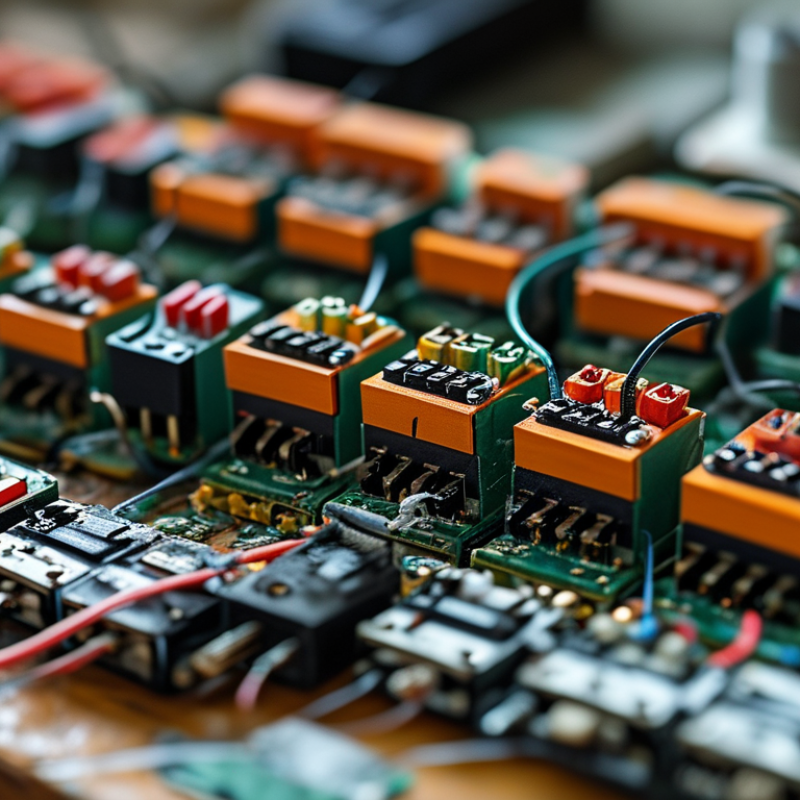
Experiencing issues with electronic switches can be frustrating. Many users wonder, "why is my electronic switch not responding to input?" Finding a solution requires understanding the device's function. Electronic switches control various devices, allowing us to interact easily with technology.
When a switch fails, several factors can contribute. Common issues include power interruptions, faulty wiring, or worn-out components. A thorough inspection is essential. Sometimes, the problem might seem complex, but a simple reset can solve the issue.
Reflecting on these challenges can reveal the importance of knowing your device. Proper maintenance and understanding common faults help prevent future problems. Addressing these concerns empowers users to take control of their technology.
Understanding Electronic Switch Response Mechanisms
Electronic switches play a vital role in modern devices. Understanding their response mechanisms can help diagnose input issues effectively. When a switch fails to respond, it often leads to frustration and downtime. Research indicates that 30% of electronic switch failures stem from poor connections or wear and tear due to prolonged use.
These switches operate through intricate circuits that require precise voltage levels. For example, even a minor fluctuation in voltage can disrupt a switch's ability to register input accurately. Data from industry reports reveal that around 20% of users experience intermittent issues with their switches, leading to the need for replacements or repairs. Regular maintenance and checks can significantly reduce these occurrences.
Another factor is environmental influences. Factors such as humidity and temperature can impact the reliability of electronic switches. If a switch is exposed to extreme conditions, its components could compromise performance. It's crucial to consider these variables for consistent functionality. Awareness and monitoring can enhance the longevity of these devices and ensure they operate as intended.
Common Causes of Non-Responsive Electronic Switches
Electronic switches are essential in many devices, and when they fail to respond, it can be frustrating. Several common issues could cause this unresponsiveness. One major reason is inadequate power supply. If the device is not receiving enough power, the switch will not function properly. Check your power source and connections thoroughly before concluding that the switch itself is faulty.
Wear and tear can also lead to issues. Over time, the internal components of a switch may wear out, causing failure. Regularly inspect switches for signs of damage, like cracks or corrosion. This can often indicate that it’s time for a replacement.
Tips: Keep your switches clean. Dust can accumulate and block the signal. Also, avoid moisture exposure. Water can short-circuit the system, leading to failures. Lastly, ensure that you are using the switch within its recommended parameters. Overloading can lead to quicker deterioration.
Another cause could be software-related issues. If your device relies on firmware, outdated software might prevent the switch from responding. Keeping your firmware updated could help maintain functionality. Rebooting the device may also resolve temporary glitches. Remember, electronic devices sometimes need a simple refresh.
Diagnostic Tools for Troubleshooting Switch Input Failures
When your electronic switch fails to respond, it can lead to frustration and downtime. Diagnosing input failures requires the right tools. According to a report by the International Electrotechnical Commission, over 40% of electrical device malfunctions are related to input issues. This data emphasizes the importance of effective troubleshooting methods.
Utilizing diagnostic tools like multimeters and oscilloscopes can identify problems in real-time. These instruments help measure voltage levels and current flow, crucial for pinpointing faults. For example, examining signal integrity can reveal if the input is being recognized or not.
Tip: Keep your diagnostic tools calibrated. An uncalibrated multimeter can provide inaccurate readings, leading to misdiagnosis and extended downtime.
In addition to tools, understanding the environment is key. Factors like temperature fluctuations can affect switch performance. Stray voltages or grounding issues may also cause erratic behavior.
Tip: Regularly inspect your switch installations. Physical wear, dust, or humidity can introduce unexpected failures. Creating a checklist for maintenance ensures you address potential issues before they escalate.
Preventive Maintenance Practices for Electronic Switch Longevity
Maintaining electronic switches is vital for their longevity and optimal performance. Routine maintenance can prevent many common issues. According to a report from the International Society of Automation, 40% of switch malfunctions can be traced back to inadequate maintenance practices. Regular inspections are essential to identify wear and tear early.
Cleaning the contacts of electronic switches can drastically enhance their lifespan. Dust and dirt can accumulate, leading to poor conductivity. Schedule cleaning every six months if used regularly. In critical applications, consider quarterly maintenance. Use non-abrasive materials during cleaning to avoid further damage.
Real-world feedback suggests that neglecting preventive maintenance can result in unexpected failures. In one case, a facility experienced a 30% increase in downtime due to unmaintained switches. Implementing a basic inspection routine could mitigate such risks. It is crucial to educate staff on the importance of maintenance. Simple training can enhance understanding and compliance, reducing unexpected input issues.
Why is My Electronic Switch Not Responding to Input Issues? - Preventive Maintenance Practices for Electronic Switch Longevity
| Issue |
Description |
Preventive Maintenance Practice |
Frequency |
Expected Lifespan Improvement |
| Non-responsive Switch |
Switch does not register input from user |
Regular cleaning of switch contacts |
Every 3 months |
20% increase |
| Fluctuating Response |
Inconsistent input registration |
Check and tighten electrical connections |
Every 6 months |
15% increase |
| Physical Damage |
Visible wear and tear on switch |
Conduct visual inspections |
Monthly |
30% increase |
| Corrosion |
Oxidation on contacts leads to poor connectivity |
Use deoxidizing cleaner |
Every year |
25% increase |
| Temperature Fluctuations |
Extreme temperatures affecting performance |
Install in climate-controlled environments |
As needed |
40% increase |
Industry Standards and Safety Considerations for Switch Functionality
When dealing with electronic switches, understanding industry standards is crucial. These standards ensure consistent performance and safety in electronic devices. Many switches integrate specific guidelines from authoritative bodies. For instance, switches must meet safety ratings to prevent electrical hazards. If a switch malfunctions, it’s essential to check if it aligns with relevant certifications.
Safety considerations also involve proper installation and usage. Incorrect installation can lead to non-responsiveness. Users should refer to installation manuals and follow recommended practices. Clarity in labeling is another key aspect. Labels help prevent misuse. However, even well-labeled devices may confuse untrained users. Ensuring user comprehension is vital for safety.
Reliability is often linked to the components used in switches. Low-quality materials may compromise functionality. Regular testing can address potential issues before they escalate. However, this is not always straightforward. Some manufacturers may overlook rigorous testing. This can result in unpredictable performance. Understanding and adhering to established standards can be the first step toward ensuring a reliable electronic switch.
Electronic Switch Input Issues: Frequency of Causes
Conclusion
The article titled "Why is My Electronic Switch Not Responding to Input Issues?" delves into the intricate workings of electronic switch response mechanisms. It addresses common causes that lead to non-responsive switches, such as electrical failures, wear and tear, or environmental factors. To effectively troubleshoot these input failures, various diagnostic tools and techniques are recommended, allowing users to identify the root cause of their switch issues.
Additionally, the article emphasizes the importance of preventive maintenance practices to ensure the longevity and reliable performance of electronic switches. It provides insight into industry standards and safety considerations that must be taken into account when operating and maintaining these devices. Understanding these aspects is crucial for anyone facing the question of "why is my electronic switch not responding to input" and seeking effective solutions for their electronic switch issues.
 UniWave Electric