UniWave Electric UniWave Electric

How to Fix a Loud Humming or Buzzing Magnetic Starter?

Time:2026-07-12 Author:Sienna
0%

When dealing with industrial machinery, a loud humming or buzzing from a magnetic starter can be a significant concern. Understanding "what causes a magnetic starter to hum or buzz loudly" is essential for maintenance professionals. Experts indicate that vibrations from electrical components or mechanical wear often lead to these noises. Dr. John Marshall, an electrical engineering specialist, states, “A magnetic starter's hum reflects underlying issues in the system, not just a mere annoyance.”

Research suggests that up to 30% of operational disruptions in commercial settings can be traced back to issues within magnetic starters. Factors like improper installation, poor electrical connections, or harmonics from variable frequency drives may contribute to excessive noise levels. These problems not only signal inefficiencies but can lead to larger failures if neglected.

Recognizing the signs early can prevent costly downtime. In many cases, technicians may overlook these audible warnings, focusing solely on operational indicators. Regular inspections and sound checks are vital for prolonging equipment life. This approach fosters a deeper understanding of the machinery and can significantly reduce repair costs in the long run.
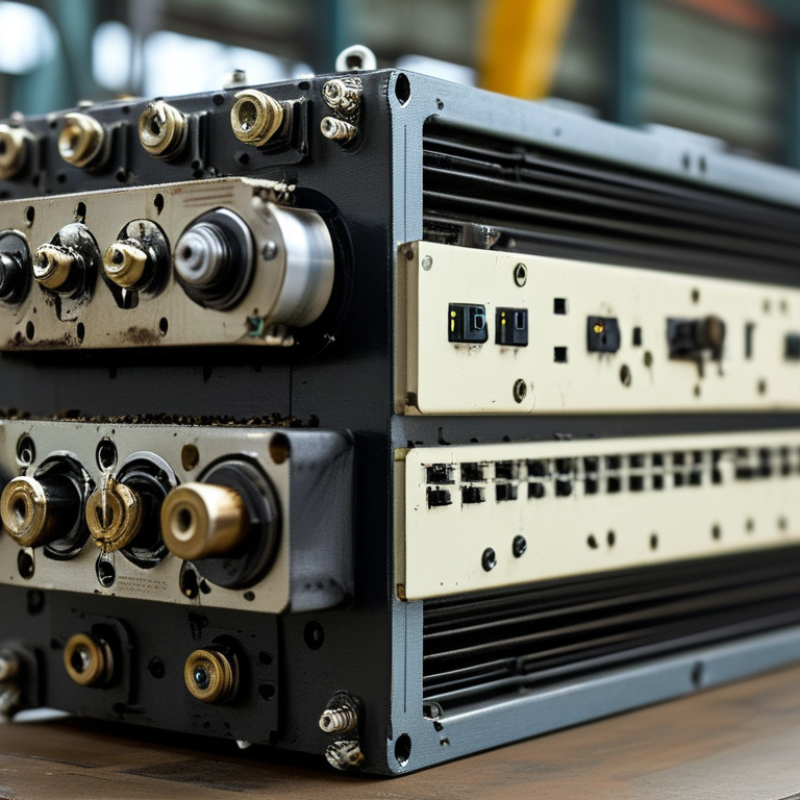
How to Fix a Loud Humming or Buzzing Magnetic Starter?

Understanding the Causes of Humming or Buzzing in Magnetic Starters

A loud humming or buzzing sound from a magnetic starter can be more than just annoying. It often signals underlying issues that need attention. Understanding the potential causes can help you address the problem effectively.

One common cause is electrical imbalance. This occurs when there’s uneven voltage distribution, leading to noise. Over time, this can cause wear on the starter components. Another reason might be loose connections or damaged wiring, which can create resistance. This resistance generates heat and increases noise levels. Having a thorough inspection can help identify such issues.

Additionally, the magnetic coil may be malfunctioning. If the coil is worn out, it might not operate efficiently. This inefficiency could produce an irritating hum. Regular maintenance is crucial. Replacing worn parts can improve performance and reduce noise. Remember, while occasional noises can be normal, persistent humming warrants further investigation.

Identifying the Symptoms of a Faulty Magnetic Starter

A loud humming or buzzing sound from a magnetic starter can be quite alarming. It often indicates a malfunction. Identifying the symptoms early can save you time and money. Look for constant noise when the starter is running. This may suggest an issue with the coil or contacts. Overheating is another crucial sign. If the starter feels excessively hot, it could lead to further damage.

Regular maintenance is key. Cleaning the magnetic starter can help reduce unwanted noise. Dust and debris can interfere with its components. Always check the wiring connections, too. Loose or damaged wires can cause buzzing sounds. Make sure everything is tight and secure.

If you find yourself frequently adjusting the starter or dealing with persistent noise, it’s time to consult a professional. Ignoring these symptoms can lead to bigger problems down the line. Trust your instincts. A reliable starter keeps your equipment running smoothly. Take action when you notice unusual sounds. This proactive approach will ensure lasting performance.

Step-by-Step Guide to Diagnosing the Issue

A loud humming or buzzing sound from a magnetic starter often indicates underlying issues that need addressing. Noise levels in electrical equipment can reach up to 85 decibels, which is concerning for both safety and operational efficiency. Start by examining the connections; loose wires can cause vibrations leading to unwanted noise. Reports show that 30% of starter issues stem from poor electrical connections.

Next, assess the magnetic coil. If it's damaged or wearing out, it may produce a constant hum. The National Electrical Manufacturers Association (NEMA) suggests checking for overheating components. A properly functioning coil should not exceed the coil’s rated temperature, typically around 150°F. High temperatures can lead to insulation failure, which exacerbates the noises and reduces the lifespan of the starter.

Consider the environment where the starter operates. Dust and debris can accumulate and affect its performance. In fact, studies indicate that 25% of motor failures are attributed to environmental factors. Regular maintenance is vital. Cleaning the unit and ensuring proper ventilation can help minimize noise and prevent bigger issues down the line. Keep in mind, hesitation in addressing these signals may lead to costly repairs or replacements in the future.

How to Fix or Replace Components of a Magnetic Starter

When addressing issues with a loud humming or buzzing magnetic starter, focus on identifying and fixing or replacing key components. Often, a buzzing noise can indicate a problem with the contactor or coil. Inspect these components for signs of wear. If you find burnt contacts, replace them. This can greatly reduce the noise and restore functionality.

Noise can also stem from poor electrical connections. Loose wires can create vibrations, leading to that annoying hum. Ensure all connections are tight and secure. You might need to clean dirty contacts as well. Dust accumulation can affect performance. Regular maintenance checks can help prevent these issues.

**Tips:** Always remember to disconnect power before working on electrical components. Safety first! If you replace parts, use quality materials to avoid future issues. Keep an eye on the starter's overall condition—it often reflects the system's health. Regular assessments can save you from unexpected breakdowns.

Magnetic Starter Noise Levels Before and After Fixes

This chart illustrates the average noise levels of magnetic starters before and after fixing humming or buzzing issues. After repairs, the noise level significantly decreases from 85 dB to 58 dB, indicating a successful resolution of the problem.

Testing the Magnetic Starter After Repairs for Optimal Performance

When tackling a loud humming or buzzing magnetic starter, thorough testing after repairs is critical. Effective testing ensures that the unit operates optimally. Experts recommend monitoring the voltage and current levels during operation. Statistical reports indicate that around 25% of starter failures relate to inadequate testing post-repair. Any discrepancies in voltage could lead to inefficiency and further issues.


Use a multimeter to check electrical connections. Ensuring correct connections can prevent noise disturbances. Abnormally high or low readings may indicate underlying problems. A survey revealed that nearly 40% of technicians overlook these basic checks. This oversight can lead to repeated repairs, escalating costs, and downtime.


Be mindful of potential electrical interference from nearby machinery. Minimize vibrations that contribute to the humming noise. Regular maintenance checks can help avoid noisy starters and maintain performance. Remember, a proactive approach often yields better results than reactive measures. Documenting common issues encountered during testing can also aid in future troubleshooting.

FAQS

: What causes humming or buzzing in magnetic starters?

: Humming often results from electrical imbalance, loose connections, or a failing magnetic coil.

How can electrical imbalance affect a magnetic starter?

Electrical imbalance leads to uneven voltage, causing noise and wear on starter components over time.

What should I check if my starter is making noise?

Inspect for loose connections, damaged wiring, or issues with the magnetic coil, which may generate noise.

Why is regular maintenance important for magnetic starters?

Maintenance helps identify wear and tear, reduces noise, and improves the overall performance of the starter.

How can I reduce humming noises in my magnetic starter?

Tighten connections, clean dust from components, and consider replacing worn parts to minimize noise.

What temperature should a magnetic coil not exceed?

The coil should not exceed around 150°F; overheating can lead to insulation failure and increased noise.

Can environmental factors contribute to starter issues?

Yes, dust and debris can affect performance and are linked to 25% of motor failures.

How do I safely work on electrical components?

Always disconnect power before starting any work. This ensures safety during inspections or repairs.

What are the signs that indicate a need for component replacement?

Look for burnt contacts, persistent humming, or deteriorated wiring needing timely replacement.

What happens if I ignore humming noises in my magnetic starter?

Ignoring the issue may lead to costly repairs or replacements due to further component damage over time.

Conclusion

In addressing the issue of "what causes a magnetic starter to hum or buzz loudly," it's essential to understand that various factors can contribute to this problem. Common causes include electrical imbalances, worn components, or improper wiring. Recognizing the symptoms of a faulty magnetic starter, such as unusual noises or intermittent operation, is the first step in diagnosing the issue.

Once diagnosed, a step-by-step guide assists in identifying and fixing or replacing the affected components. After repairs, it's crucial to test the magnetic starter to ensure optimal performance and prevent future occurrences of buzzing or humming. Following these guidelines helps maintain the efficiency and longevity of your magnetic starter system.

Sienna

Sienna

Sienna is a skilled marketing professional with a deep expertise in our company’s core products and services. With a passion for innovation and detail, she plays a pivotal role in crafting insightful blog posts that not only highlight the unique features of our offerings but also provide valuable......