Magnetic starters are essential components in industrial and commercial electrical systems. They control the operation of heavy machinery and motors. However, a common issue arises: why does my magnetic starter keep tripping? Understanding the reasons behind this frequent tripping is crucial for efficient operations.
Industry reports indicate that nearly 30% of motor failures are linked to electrical overloads. When a magnetic starter trips, it's often due to factors like short circuits, overload conditions, or component failures. Over time, wear and tear can lead to false tripping. Addressing these issues promptly can save time and resources.
Regular maintenance and inspections are vital. Many professionals recommend quarterly checks to ensure everything operates smoothly. Even minor issues can escalate, disrupting productivity. It’s essential to stay proactive. By understanding the underlying causes, one can prevent frequent trips and improve system reliability.
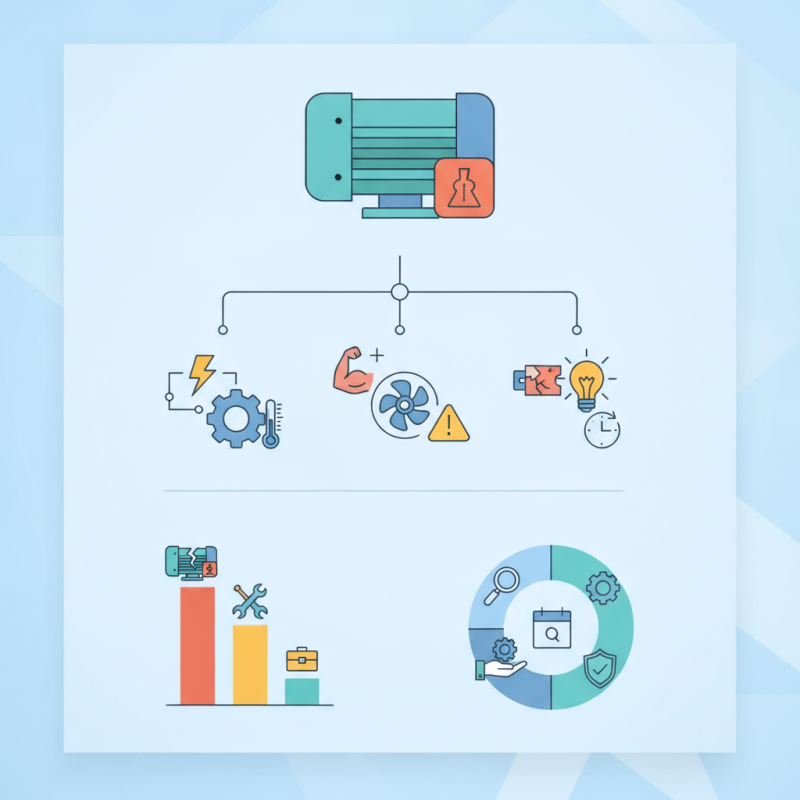
Understanding the Basics of Magnetic Starters and Their Functionality
Magnetic starters are essential devices in controlling large electric motors. Their primary function is to provide a safe way to start and stop these motors. When the magnetic starter is activated, it closes contacts to allow current flow. This surge of energy is crucial for starting heavy machinery. However, these devices can trip, disrupting operations.
Understanding how these starters operate is vital for troubleshooting. They use electromagnetism to function. If a motor draws too much current, the overload protection mechanism will trip the starter. This can happen due to jammed machinery, worn-out components, or excessive load. A visual inspection of the starter can reveal signs of wear or damage. Loose connections can also cause intermittent trips.
It’s important to note that not all tripping issues stem from the starter itself. Sometimes, the motor might be the problem. If it’s not functioning correctly, it can lead to frequent tripping. Regular maintenance is key. Cleaning the contacts and checking electrical connections help ensure reliability. Awareness of these details improves the overall performance of magnetic starters. It is a reminder of the delicate balance in electrical engineering.
Common Causes of Magnetic Starters Tripping: An Overview
Magnetic starters are essential for controlling motors. However, they can trip unexpectedly. Understanding the common causes can help diagnose issues. Overloads are frequently responsible. When a motor draws more current than expected, the starter reacts by tripping.
Worn-out components might also lead to problems. For instance, a faulty contactor can fail to make a proper connection. This disconnection results in tripping. Moreover, improper settings can exacerbate the issue. Ensure the current limits align with the motor specifications. Regular maintenance checks can prevent these situations.
Environmental factors are crucial too. Dust, humidity, and extreme temperatures can affect performance. For example, dust buildup on the terminals can cause overheating. This might stop the motor in its tracks. Regular cleaning can minimize these risks. Assessing these various factors can enhance reliability and performance.
Common Causes of Magnetic Starters Tripping
Step-by-Step Troubleshooting for a Tripping Magnetic Starter
Magnetic starters can trip unexpectedly, leaving users puzzled. Step-by-step troubleshooting is essential to identify the underlying issues. According to the National Electrical Manufacturers Association (NEMA), improper installation contributes to 30% of equipment failures. This highlights the need for careful inspection.
First, check for overloaded circuits. If your magnetic starter frequently trips, it could indicate that the connected load exceeds its rated capacity. Ensure that the load current does not surpass 85% of the starter’s full-load rating. Adjust the load accordingly or consider upgrading your starter to accommodate higher demands. Always refer to local electrical codes for guidance.
Another common issue is overheating. Many starters are rated to operate in environments up to 40°C. Operating in higher temperatures can lead to premature tripping. Examine surrounding conditions and ensure adequate ventilation. Additionally, loose connections can increase resistance, causing further heating and eventual tripping. Regular maintenance of connections is vital. Many users overlook this aspect and face repeated issues, emphasizing the need for routine checks.
Preventative Measures to Reduce Magnetic Starter Tripping
Magnetic starters are essential in managing electrical motors. However, frequent tripping can be a significant issue. Prevention is vital. A recent industry report by the National Electrical Manufacturers Association states that roughly 30% of motor failure is linked to improper sizing of starters. This underscores the importance of selecting the right starter for the job. Ensure your starter matches the motor’s specifications to reduce risk.
Overheating is another major factor causing tripping. According to the IEEE, most electrical devices operate best at temperatures below 40°C. Implementing adequate cooling and ventilation can mitigate these risks. Regular inspection of thermal overloads can also help. Ensure that all connections are tight and free from corrosion. A simple visual check can prevent many problems.
Additionally, the environment plays a crucial role. Dust and moisture can affect connections, leading to failures. Consider using protective enclosures or filters to reduce exposure. Monitoring the performance of your motor regularly can also reveal potential issues before they escalate. Keeping an eye on these factors can significantly reduce the chances of your magnetic starter tripping frequently.
When to Seek Professional Help for Persistent Issues with Starters
Persistent issues with a magnetic starter can be frustrating. If your starter keeps tripping, it may indicate deeper problems. Inspecting the wiring is essential. Look for frayed or damaged wires that could cause short circuits. Loose connections can also lead to tripping. Ensuring everything is tightly secured can make a significant difference.
Sometimes, the issue may stem from internal components within the starter itself. Wear and tear can compromise its functionality over time. Overheating is another common culprit. If the starter is consistently hot to the touch, it’s a sign that something is wrong. It might be time to consider help from a professional.
If you've tried basic troubleshooting without success, seeking expert assistance is wise. Professionals have the tools and knowledge to diagnose complex electrical issues. They can identify hidden problems that may not be apparent at first glance. Ignoring persistent issues can lead to dangerous situations. Don't hesitate to reach out for help when needed.
Why Does My Magnetic Starter Keep Tripping Solutions and Tips? - When to Seek Professional Help for Persistent Issues with Starters
| Issue |
Possible Causes |
Solutions |
When to Call a Professional |
| Frequent Tripping |
Overload, short circuits, faulty components |
Check for overload conditions and inspect wiring |
If issues persist after troubleshooting |
| Noise during operation |
Worn out relay contacts or mechanical components |
Lubricate as needed and replace worn parts |
If the noise continues after maintenance |
| Starter not responding |
Power supply issues, faulty control circuit |
Verify power supply and test the control circuit |
If power issues cannot be resolved |
| Overheating |
Overload condition or poor ventilation |
Reduce load and ensure proper airflow |
If overheating persists despite load adjustments |
| Intermittent issues |
Loose connections or temperature fluctuations |
Secure all connections and check for thermal stability |
If problems are inconsistent and hard to diagnose |
Conclusion
Understanding why does my magnetic starter keep tripping involves recognizing the essential functions of magnetic starters and identifying common issues that may arise. Common causes include electrical overloads, short circuits, and faulty components, which can lead to frequent tripping.
To troubleshoot, it's important to follow a systematic approach, checking connections, measuring current loads, and inspecting the starter for any signs of wear or damage. Preventative measures, such as regular maintenance and ensuring proper load conditions, can significantly reduce the likelihood of tripping. If the problem persists despite following these steps, it may be time to seek professional help to diagnose and resolve more complex issues with the starter.
 UniWave Electric
