UniWave Electric
In the world of industrial motors, reliability is crucial. Phase failure can lead to significant downtime and expensive repairs. Understanding "why do I need a phase failure relay for a three phase motor" is essential for maintenance and efficiency. According to John Smith, an industry expert with over 20 years of experience, "A phase failure relay is not just an option; it’s a necessity for safeguarding operations."
Without proper protection, motors face severe risks. A phase failure relay monitors the voltage in three-phase systems. If one phase fails, the relay quickly disconnects the motor. This action prevents overheating and potential damage. Many industries rely heavily on such devices. They ensure smooth operations and minimize lost productivity.
Many may wonder if the investment is worthwhile. When motors fail, the costs can surpass the prices of these relays. Ignoring phase protection could lead to a tiring cycle of repairs and losses. The choice becomes immediately clear: reliability and efficiency are paramount. Embracing technology through phase failure relays can transform industrial setups.
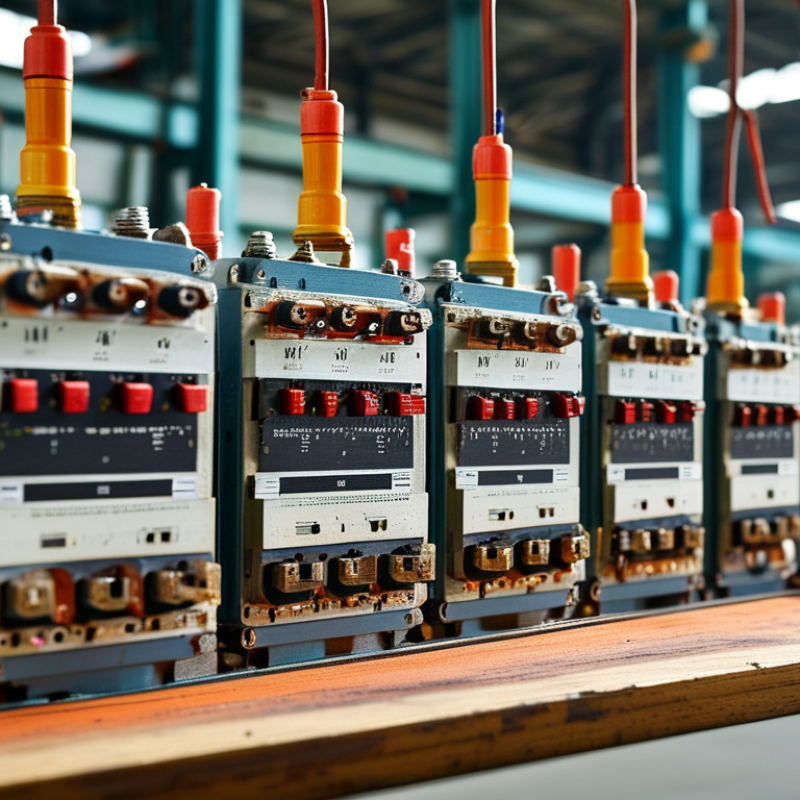
Phase protection is crucial for three-phase motors. These motors are widely used in industrial applications. A failure in any phase can lead to serious damage. This could result in costly repairs and extended downtime. A phase failure relay can prevent this. It detects abnormalities and automatically shuts down the motor. This quick response helps avoid catastrophic failures.
Three-phase motors rely on balanced loads. If one phase fails, the motor may struggle to operate effectively. This can cause overheating and additional stress on the motor. By implementing a phase failure relay, you add a layer of protection. It ensures that the motor operates only under safe conditions. Regularly checking phase alignment can also help maintain efficiency.
However, not all setups have phase protection. Some may neglect this aspect, risking potential losses. Understanding the importance of phase protection is essential. Investing in a phase failure relay is a proactive choice. It helps maintain operational integrity. By securing your systems, you enhance reliability and safety in your operations.
Phase failure in three-phase motors can lead to significant operational risks. A study by the Electrical and Electronics Engineers (IEEE) indicates that approximately 30% of motor failures stem from phase loss. This issue causes motors to run inefficiently, overheating and resulting in costly damage. Without proper monitoring, early signs of trouble often go unnoticed until it’s too late.
Understanding the consequences of phase failure is crucial. When one phase is disrupted, the motor may continue running on two phases. This situation creates unbalanced currents, which can lead to premature wear. Motors operating under these conditions can consume up to 50% more energy. A report from the International Energy Agency (IEA) disclosed that inefficient motors contribute to significant energy loss, costing industries billions annually.
Integrating a phase failure relay can prevent these issues. Such devices monitor phase conditions in real-time, ensuring the motor operates under balanced conditions. Without this protection, businesses face unplanned outages and expensive repairs. Moreover, 25% of electrical breakdown incidents could be avoided with proper phase monitoring, as indicated by a recent industry report. The benefits of proactive measures cannot be overstated, as they safeguard both equipment and operational integrity.
This bar chart displays the top 10 reasons for utilizing a phase failure relay in three-phase motors. Each reason is attributed with a score based on its impact on motor performance and longevity.
Phase failure relays are essential for protecting three-phase motors from unexpected interruptions. These devices monitor voltage levels across three phases, ensuring that even slight imbalances trigger a response. The National Electrical Manufacturers Association (NEMA) states that nearly 30% of motor failures stem from phase loss or imbalance. Using phase failure relays helps mitigate these risks efficiently.
Employing a phase failure relay can significantly enhance operational efficiency. For instance, a study by the Electric Power Research Institute (EPRI) found that implementing such devices can reduce maintenance costs by up to 20%. By preventing motor burnout, these relays extend the lifespan of equipment. Consequently, businesses save both time and money.
Consider monitoring your motors for any signs of abnormal voltage. Regular inspections can help catch issues early. Installing a phase failure relay not only safeguards motor function but also enhances overall system reliability. In an era where downtime can be costly, taking proactive measures is vital. Relying on expert insights ensures your operations remain robust and efficient.
When selecting a phase failure relay for three-phase motors, understanding key criteria is essential. Look for a relay with adjustable time delays. This feature allows customization based on your motor's specific needs. A relay that detects current imbalances ensures that it responds promptly to phase loss or failure. Fast response times are critical to protect your motor from damage.
Consider the relay's operational environment as well. Some relays excel under harsh conditions, while others may not. Ratings for temperature and humidity are important. If the relay cannot withstand the working conditions, it may fail when you need it most. Regular maintenance and testing are also crucial. Periodically check that all components function correctly to ensure reliability over time.
Pay attention to installation simplicity. A relay that is easy to install can save valuable time and reduce errors. Clear user manuals and support may help with troubleshooting. Always choose a relay with robust documentation, ensuring you have guidance when issues arise. A well-chosen phase failure relay is a cornerstone of motor protection and operational efficiency.
Phase failure relays play a crucial role in protecting three-phase motors. Implementing these relays demands careful attention to detail. Proper installation ensures maximum protection against motor failure due to phase loss. An incorrect setup can lead to severe consequences. Always refer to manufacturer guidelines during the installation process. Training staff on relay configuration is also important for long-term efficiency.
When maintaining phase failure relays, regular inspections are essential. Check for dust and moisture that may affect relay performance. Ensure connections are tight and free of corrosion. Consistent maintenance can prolong the relay's lifespan and enhance reliability. This step is often overlooked but can be very impactful.
Monitoring system performance is vital. If the relay frequently trips, investigate potential issues such as unbalanced phases. This may indicate deeper electrical problems needing urgent attention. By keeping a close watch, you prevent costly downtime. Mitigating these issues early reinforces the efficacy of your phase failure relays, safeguarding your operations.
: Phase protection prevents serious damage and costly repairs due to phase failures in motors.
It detects abnormalities and automatically shuts down the motor to avoid catastrophic failures.
The motor may struggle, leading to overheating and additional stress on its components.
Regularly check phase alignment and ensure safe operational conditions to enhance efficiency.
Look for adjustable time delays and relays that detect current imbalances for quick response.
The relay must withstand temperature and humidity of the working conditions to function correctly.
Regular inspections are essential to check for dust, moisture, and ensure tight connections.
Investigate unbalanced phases and deeper electrical issues that may need urgent attention.
Follow manufacturer guidelines and provide training for staff on correct relay configuration.
Neglecting regular inspections can significantly impact the relay's performance and lifespan.
In the context of three-phase motors, understanding why do I need a phase failure relay is crucial for ensuring operational efficiency and safety. Phase failure can lead to serious consequences, including motor overheating, reduced efficiency, and potential damage to equipment. The importance of phase protection cannot be overstated, as it prevents these issues by monitoring the phase conditions and preventing motors from operating under adverse conditions.
Utilizing a phase failure relay offers key benefits, such as increased motor lifespan, enhanced safety, and reduced downtime. When selecting the right relay, it’s important to consider criteria such as compatibility with the motor specifications and the reliability of the device. Additionally, proper implementation and regular maintenance of phase failure relays ensure they function effectively, providing peace of mind while safeguarding your investment in three-phase motors.
