UniWave Electric
Choosing the right miniature circuit breaker (MCB) is crucial for effective home automation. As homes become smarter, the integration of reliable electrical components is essential. Market reports indicate a projected growth of 7.5% in the smart home industry by 2025. This growing demand underlines the importance of MCB selection.
Dr. Emily Thompson, a leading expert in electrical engineering, emphasizes, "Effective MCB choice is critical for ensuring system safety and efficiency." Her insights guide homeowners seeking ways to enhance their automation systems. Understanding how to select a miniature circuit breaker for home automation can significantly impact overall efficiency and safety.
A key factor in selection involves assessing the electrical load. Each home has unique needs based on devices used. Ignoring these specifics may lead to underperformance or system failures. Additionally, familiarity with standards and certifications is essential for reliable choices. When choosing, consider if the MCB fits your specific automation requirements. Attention to these details can profoundly affect your home’s performance and safety.
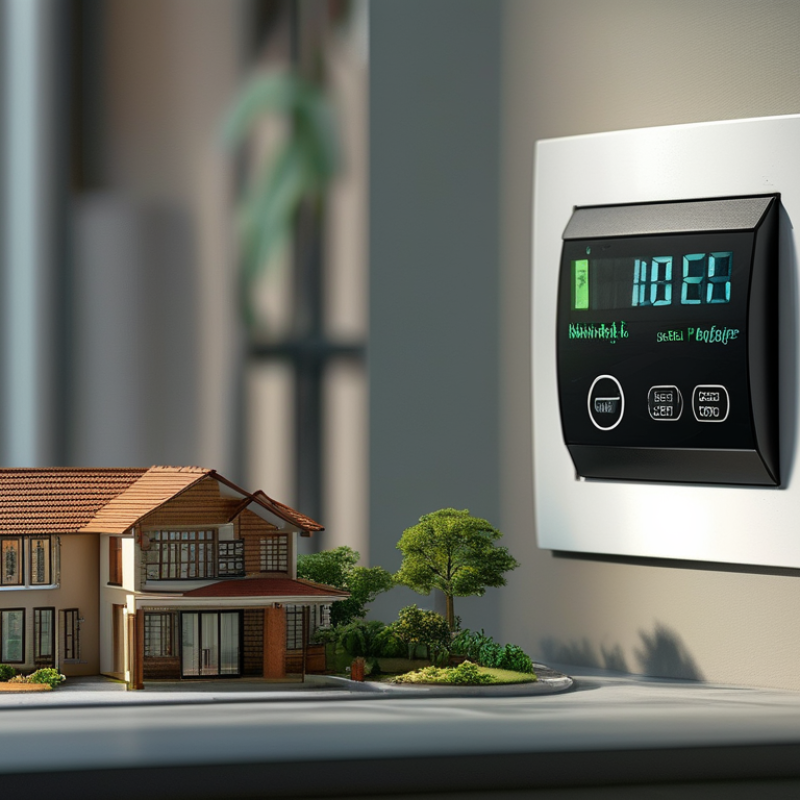
Miniature Circuit Breakers (MCBs) play a crucial role in home automation systems. These devices protect electrical circuits from overloads and short circuits. According to a 2022 report by Electrical Safety Foundation International, circuit breakers prevent over 50% of electrical fires in residential settings. MCBs act as the first line of defense, automatically disconnecting power in unsafe situations.
Understanding how MCBs function is vital for effective home automation. MCBs monitor the flow of electricity, ensuring that any current surge triggers immediate disconnection. For instance, a typical MCB can handle currents ranging from 6A to 63A. It's essential to match the rating to your appliances to avoid nuisance tripping. However, improper sizing may lead to insufficient protection or unnecessary disruptions.
Home automation relies heavily on continuous power supply. MCBs must respond efficiently to fluctuations to maintain system stability. A well-functioning MCB can greatly enhance the overall reliability of your smart home. Yet, there’s often a lack of knowledge regarding their installation and maintenance. This gap can lead to issues down the line. An annual inspection can help ensure optimal performance and longevity of these crucial devices.
When selecting miniature circuit breakers (MCBs) for home automation, understanding electrical load is essential. Each appliance in your home has specific power requirements. For example, heating devices may draw more current, while lighting systems often require less. Accurately calculating these loads ensures that circuit breakers can handle the demand without tripping unexpectedly.
Consider the total amperage of your circuits. You need to account for peak loads as well. Overloading an MCB can lead to overheating and potential hazards. Ensuring you have a buffer in your calculations can prevent such issues. It's not uncommon to underestimate the needs of newly added devices.
Another aspect to consider is the MCB’s trip characteristics. Different types are designed for specific applications. Type B breakers work well for household loads. Type C breakers suit motors and inductive loads. This might not seem critical, but it profoundly impacts system reliability. Assessing your equipment and its usage patterns can guide you in making a better choice. Regularly revisiting your setup can reveal mismatches between loads and MCB specifications.
When selecting a miniature circuit breaker (MCB) for home automation, evaluating current ratings is crucial. Home devices like smart thermostats often draw different amounts of power. A general thumb rule suggests a breaker rated at least 20% above the device's maximum draw. For instance, if a smart appliance consumes 10 amps, an MCB rated at 12 amps or higher is advisable. According to industry reports, 70% of electrical failures stem from inappropriate breaker ratings.
Understanding breaker types is also essential for a safe and reliable home automation system. MCBs come in various types, such as Type B, C, and D. Type B breakers are ideal for household circuits, handling loads with lower surge currents, while Type C can manage moderate inrush currents often seen with motors or compressors. The choice of type influences the overall efficiency and safety of your installed system. As highlighted by recent market analysis, selecting the correct breaker type can improve system reliability by up to 30%.
Take time to assess your current loads and anticipated future needs. Overlooking specific device requirements can lead to unexpected tripping or damage. Reports indicate that improper sizing or selection of breakers leads to many preventable electrical faults. Each home's setup is unique, reinforcing the need for personalized assessment based on specific automation goals.
When selecting a Miniature Circuit Breaker (MCB) for home automation, tripping characteristics play a crucial role. These characteristics determine how well the MCB can detect overcurrent and short circuits. Different environments and appliances may require specific tripping parameters for optimal safety. For example, household circuits with sensitive electronics often benefit from an MCB that trips quickly under fault conditions, preventing damage to devices.
Testing the tripping characteristics involves understanding various factors, including the type of load connected. Resistive loads, like heaters, behave differently from inductive loads, such as motors. An MCB with appropriate tripping sensitivity is essential. Too high a threshold may fail to protect, while too low can result in unnecessary outages. Evaluating these characteristics involves reflection and adjustment.
It’s also important to consider installation conditions. The temperature and humidity of the environment can impact performance. An MCB that functions well in one setting may not perform the same in another. Always evaluate your specific application needs. Assessing these factors ensures reliable protection throughout the home automation system.
| Tip Number | Tip Description | Tripping Characteristics | Recommended Usage |
|---|---|---|---|
| 1 | Determine the Load Type | B, C, or D Curve | General appliances, Motor loads |
| 2 | Assess the Total Load Current | 10A to 63A | Determine MCB rating accordingly |
| 3 | Consider the Environment | IP Rating | Indoor or outdoor use |
| 4 | Evaluate Short Circuit Protection | Breaking Capacity | Protects against faults |
| 5 | Select the Right Number of Poles | 1P, 2P, 3P, 4P | Match with circuit configuration |
| 6 | Ensure Compatibility with Existing Systems | Rated Voltage | Voltage rating matches |
| 7 | Check for Additional Features | Test Button, Indicator lights | User convenience |
| 8 | Analyze Tripping Times | Instantaneous vs Delayed | For sensitive equipment |
| 9 | Consider Brand and Quality | Reliability | Safety standards adherence |
| 10 | Consult a Professional | Expert Advice | System compatibility check |
When installing miniature circuit breakers (MCBs) for home automation, testing is crucial for optimal performance. An estimated 70% of electrical house fires begin due to inadequate circuit protection. Thus, ensuring that MCBs function properly is essential for safety.
Start by checking the compatibility of MCBs with your existing system. Incorrect ratings can lead to unnecessary trips or, worse, failures to trip during overloads. A study indicates that a significant 15% of MCBs installed do not meet the specified rating requirements. It’s vital to verify the trip characteristics specific to your appliances, like quick response times for sensitive electronics.
Regular testing should be part of your maintenance routine. Checking the test button on the MCB ensures the breaker can still operate under fault conditions. Research shows that 20% of electrical faults can be traced back to outdated equipment not performing adequately. It’s worthwhile to periodically conduct these tests, which should ideally happen once every six months. Proper installation and testing can significantly enhance safety and reliability in your home automation systems.
: MCBs protect circuits from overloads and short circuits. They prevent electrical fires and disconnect power in unsafe situations.
MCBs monitor electricity flow. They disconnect power immediately if there is a current surge.
Choose an MCB rated at least 20% above the appliance's maximum power draw. This prevents nuisance tripping.
MCBs come in Type B, C, and D. Type B suits household circuits, while Type C manages moderate inrush currents effectively.
Properly installed and tested MCBs enhance safety. About 70% of electrical fires stem from inadequate circuit protection.
Regularly test your MCB using the test button. This verifies operation under fault conditions and can prevent electrical faults.
Incorrect ratings often lead to unnecessary trips or failure to trip in overload situations, causing safety hazards.
Conduct inspections annually and test every six months to ensure optimal performance and address potential issues.
Improper sizing may lead to insufficient protection or unnecessary system disruptions, increasing fire risk.
Every home has unique needs. Assessing specific requirements prevents unexpected tripping and ensures better system reliability.
When considering how to select a miniature circuit breaker for home automation, it’s essential to start by understanding the functionality of these devices. Miniature circuit breakers (MCBs) play a crucial role in protecting electrical circuits by automatically cutting off electrical flow during overload or short circuit conditions. Key factors include evaluating the electrical load that each circuit will bear, as this directly influences the appropriate current rating and type of breaker needed.
Additionally, assessing the tripping characteristics of MCBs is vital, as it determines the response time to faults, ensuring increased safety and reliability in your home automation system. Proper installation and testing of the selected MCBs will further enhance performance, allowing for optimal operation and peace of mind in managing household electrical safety.
