UniWave Electric
When considering motor control solutions, professionals often debate when should you use a soft starter instead of a VFD. The choice between these two options can significantly impact system efficiency and durability. According to a 2022 report by the International Electrotechnical Commission, soft starters can extend motor life by reducing inrush current by up to 70%. This is crucial in applications where wear and tear may lead to costly repairs.
John Smith, a leading expert in motor control technologies, highlights that "soft starters are ideal for reducing mechanical stress during startup." His insight emphasizes that soft starters facilitate smoother acceleration, which is vital in applications like conveyors and fans. In contrast, variable frequency drives (VFDs) offer precise speed control and energy savings, making them suitable for more complex systems.
Understanding when should you use a soft starter instead of a VFD involves a careful assessment of operational requirements. Factors such as load characteristics, control needs, and budget limitations play a pivotal role in this decision. Ultimately, each technology has its strengths, and the right choice depends on specific application demands and long-term operational goals.
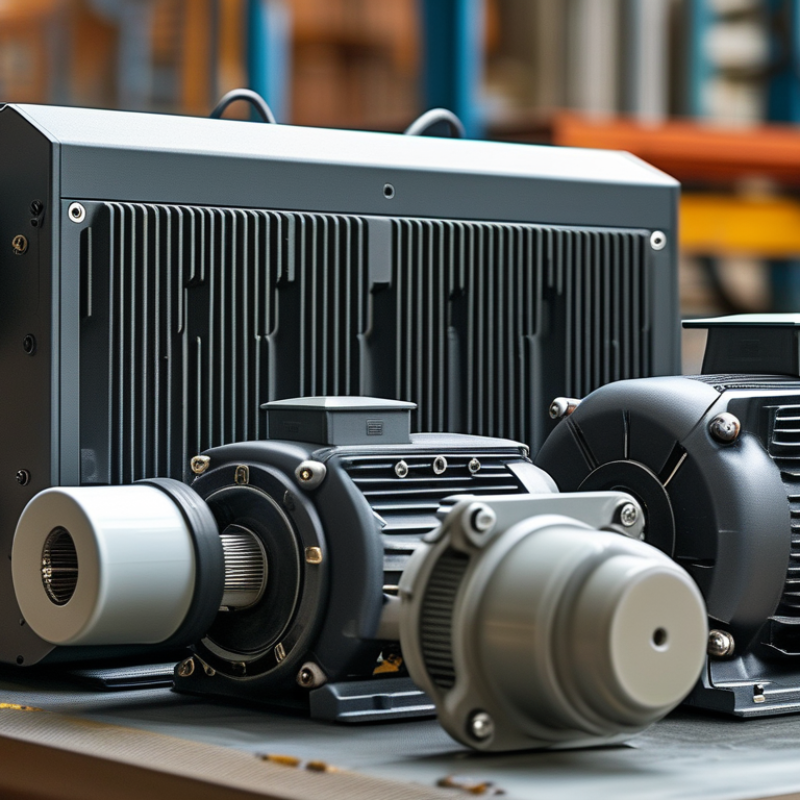
Soft starters and variable frequency drives (VFDs) are both essential in motor control. Understanding their definitions and functions is crucial for optimal application. A soft starter is a device that gradually increases motor voltage and current during startup. This helps reduce mechanical stress, extending the motor's lifespan. It’s particularly beneficial in applications with high starting torque requirements, like conveyors and pumps.
On the other hand, VFDs adjust the motor's speed and torque by regulating the electrical input. This allows for precise control over motor functions, making them ideal for varying load conditions. They can improve energy efficiency significantly. However, VFDs are often more complex and can be an over-engineered solution for simple applications.
Choosing between a soft starter and a VFD comes down to specific needs. If the goal is to simply limit start-up current, a soft starter suffices. If advanced control and energy savings are priorities, then a VFD is the better option. Understanding these nuances can lead to more informed decisions in motor management. It’s essential to evaluate operational requirements carefully.
Soft starters and variable frequency drives (VFDs) serve distinct purposes in modern motor control. A soft starter primarily limits the inrush current during motor startups. This helps prevent mechanical stress on the motor and connected equipment. In contrast, VFDs adjust the motor's speed and torque by varying the input frequency and voltage. This gives greater flexibility in application, enhancing energy efficiency and performance.
According to a report by the International Energy Agency, VFDs can reduce energy consumption by up to 50% in certain applications. However, they are more complex and costly than soft starters. The choice depends on operational needs. For instance, heavy machinery that undergoes frequent start-stops might benefit from a soft starter. On the other hand, processes requiring speed control, like conveyor belts, would find VFDs more advantageous.
There are considerations when choosing between these two options. Soft starters can't provide speed regulation, limiting their functionality in some cases. Furthermore, they do not offer energy savings during runtime. VFDs shine in adjusting power consumption but come with a steeper learning curve. Each option has its place in the industry, but understanding the specific requirements is crucial.
| Feature | Soft Starter | Variable Frequency Drive (VFD) |
|---|---|---|
| Purpose | Limit inrush current and provide smooth motor start | Control motor speed and torque |
| Control Method | Voltage reduction during start-up | Frequency modulation of the power supply |
| Complexity | Simpler control features | More complex with advanced features |
| Cost | Generally lower cost | Generally higher cost |
| Applications | Pumps, fans, and conveyors | CNC machines, compressors, and escalators |
| Protection Features | Overload and phase failure protection | Overvoltage, undervoltage, and short-circuit protection |
| Torque Control | Limited, primarily during start-up | Full torque control across speed range |
| Energy Efficiency | Less efficient under variable load conditions | More efficient with variable speed applications |
Soft starters are essential in many motor applications, particularly when torque control is crucial. Their ability to gradually increase voltage and reduce inrush current helps prevent mechanical stress. This is particularly useful in pumps, fans, and conveyors. Unlike VFDs, soft starters do not control speed but emphasize smooth start-up and shut-down.
Tips: Always assess the mechanical load. Consider the type of motor and application requirements. A soft starter is suitable when prolonged acceleration is not needed. Be mindful of the potential for thermal overload on the motor if starting conditions aren't ideal.
Soft starters can help extend the lifespan of motors by minimizing wear and tear. However, using them in the wrong context could lead to operational issues. For example, they may not perform well in applications requiring variable speed. Understanding the specifics of your motor and its application is vital. A soft starter might be overkill if your motor needs quick responses to changes in demand.
When deciding between soft starters and variable frequency drives (VFDs), several factors come into play. Soft starters are ideal for applications requiring reduced starting torque. They help in limiting the inrush current during motor startup, making them suitable for smaller motors, especially below 50 HP. According to industry reports, using soft starters can reduce starting current by nearly 65%, extending equipment lifespan.
On the other hand, VFDs offer greater flexibility with speed control. They are beneficial in systems requiring variable speed operation. A recent study indicated that VFDs could lead to energy savings of up to 40% in specific applications. However, their complexity can make installation and maintenance more challenging. The initial costs, while higher, may be justified in applications needing precise motor control.
In applications like pumps or fans, soft starters can mitigate torque spikes, while VFDs can optimize performance when speed variability is essential. Sometimes, manufacturers mistakenly choose one over the other due to a lack of understanding. It’s crucial to assess actual operational needs before deciding. This ensures the selected solution aligns with both efficiency and budget constraints. Balancing these considerations leads to more effective and reliable operations.
Soft starters and variable frequency drives (VFDs) serve distinct functions in industrial applications. Soft starters gradually ramp up motor speed, reducing mechanical stress and electrical demand during startup. This gradual increase benefits applications like pumps and conveyors, where sudden mechanical shock can lead to damage.
Reports indicate that using soft starters can lower equipment maintenance costs by up to 30%, which is significant for long-term operation.
VFDs, on the other hand, provide better control over motor speed and torque. This makes them ideal for processes requiring variable speeds, such as HVAC systems and mixers.
A study shows that when using VFDs, companies can achieve energy savings of 20-50% in such applications. However, their complexity can lead to higher installation costs and a steeper learning curve for maintenance staff.
Choosing between a soft starter and a VFD often requires weighing immediate costs against long-term savings. Soft starters can be simpler and more cost-effective for specific tasks, but they lack the flexibility that VFDs offer. Understanding the specific needs of an application is crucial to making the best decision.
Balancing performance, safety, and efficiency remains a challenge for many engineers.
: A soft starter gradually increases motor voltage during startup, reducing mechanical stress and extending motor lifespan.
Use a soft starter in applications with high starting torque and where gradual acceleration is sufficient.
A VFD adjusts motor speed and torque by regulating electrical input, allowing for precise motor control.
A VFD is ideal for applications with variable speeds, enhancing energy efficiency under changing load conditions.
Yes, VFDs can be complex and costly to install, especially for simple applications where a soft starter might suffice.
Yes, soft starters can lower maintenance costs by preventing mechanical shock and minimizing wear on equipment.
Using a soft starter in applications needing quick responses may lead to operational issues or inefficiencies.
Analyze the specific application requirements, load characteristics, and whether variable speed is necessary for optimal performance.
Understanding motor management ensures informed decisions, balancing performance, safety, and efficiency in industrial applications.
A common error is using the wrong device, like a soft starter in variable-speed tasks, which can lead to inefficiencies.
The article "When Should You Use a Soft Starter Instead of a VFD?" delves into the distinctions and applications of soft starters and variable frequency drives (VFDs) in motor control. It begins by defining each technology, outlining their primary functions. The key differences between soft starters and VFDs are highlighted, particularly their operational mechanics and impact on motor performance.
The advantages of using soft starters in specific motor applications are explored, emphasizing scenarios where reduced startup current and mechanical stress are beneficial. Furthermore, the article provides guidelines and considerations for choosing soft starters over VFDs, outlining ideal conditions and common industrial applications for each technology. Ultimately, the piece answers the crucial question: "when should you use a soft starter instead of a VFD," helping users make informed decisions based on their operational needs.
