UniWave Electric
Wiring a thermal relay to an AC contactor is a common task in electrical work. Understanding the correct process is essential for safety and functionality. This guide will simplify the steps involved, giving you clarity on how to wire a thermal relay to an AC contactor effectively.
A thermal relay acts as a protector for motors. Its job is to prevent overheating by disconnecting the circuit when the temperature exceeds a certain limit. An AC contactor, on the other hand, is used for switching electrical devices on and off. Combining these two components ensures reliable operation in various applications.
Without proper wiring, you may face issues like equipment failure or even hazards. It’s important to pay attention to specifications and diagrams. This task might seem straightforward, but even minor mistakes can lead to significant problems. Take the time to understand each step, as attention to detail can prevent errors. This will highlight the value of learning how to wire a thermal relay to an AC contactor safely and efficiently.
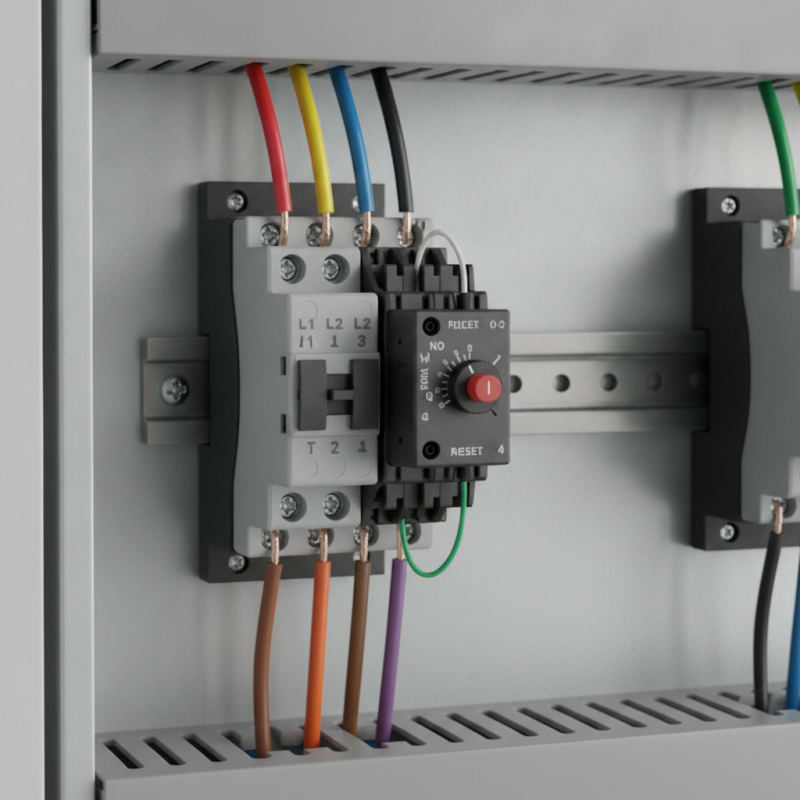
Thermal relays play a crucial role in protecting AC contactors. They detect overheating and prevent motor damage. This action is essential, especially in industrial settings. Understanding their function can improve equipment longevity. Thermal relays consist of bi-metallic strips. These strips bend when heated, triggering the relay.
AC contactors are electrically-controlled switches that control power to devices. They manage the on/off cycle of motors efficiently. When a thermal relay activates, it interrupts the circuit to the contactor. This safeguard prevents potential failures. Knowledge of these components enhances system reliability. Users should regularly test equipment for optimal performance.
Many electricians encounter challenges with wiring. Misconnections can lead to inefficient operation. Always refer to wiring diagrams and follow guidelines. Ensure that thermal relays match the motor's specifications. Take the time to double-check connections. This attention to detail can make a significant difference in performance.
Wiring a thermal relay to an AC contactor requires precision and the right tools. To achieve reliability, understanding the components is essential. A thermal relay is a device designed to protect an AC motor from overheating. It senses the current flowing through the motor and disconnects it if it exceeds a pre-set limit.
In the field, using a multi-meter and wire strippers are common practice. A report from the National Electrical Manufacturers Association (NEMA) indicates that improper wiring can lead to equipment failure in 30% of cases. Therefore, ensuring your connections are secure is paramount. Strip the wires to the appropriate length. Make sure they are twisted tightly and inserted fully into the connector terminals.
Safety is crucial. Always verify that power is off before starting. Based on industry guidelines, the thermal relay should be rated for the motor's full-load current. Miscalculations can lead to frequent relay trips, indicating a potential mismatch with the system. Caution is a valuable trait here. Evaluating the system's layout can prevent mistakes and enhance operational safety. Developing a habit of double-checking connections can save time and reduce risks.
Wiring a thermal relay to an AC contactor is a crucial skill for many electricians and technicians. Understanding the connection process helps ensure system reliability and safety. According to industry reports, improper wiring can lead to equipment failure in up to 30% of cases. This highlights the importance of getting it right.
Begin by identifying the terminals on both the thermal relay and the AC contactor. The thermal relay typically has three main terminals: A1, A2 for control, and T1, T2, T3 for load connections. Make sure you have appropriate wire sizes. Generally, using wires that can handle at least 10-20% more current than rated load is advisable.
Once you have your wires, connect the relay’s output terminals to the contactor’s coil. Ensure that connections are secure. A loose connection can induce unwanted arcing, resulting in damage over time. Review your work carefully. Many technicians find that they miss this step, leading to needless troubleshooting later. With these components connected properly, the system is more likely to function safely and efficiently.
Troubleshooting a thermal relay circuit after wiring can seem daunting. Begin by checking all connections. Ensure that the terminals are properly secured. Loose connections can lead to malfunction. Use a multimeter to verify voltage levels at different points in the circuit. This will help identify any irregularities.
An important tip is to test the relay's operation. Energize the circuit and observe if the relay clicks. This indicates it is receiving power. If it fails to activate, there may be an issue with the wiring. Examine the relay for signs of damage or wear. A faulty relay can prevent the entire system from functioning.
Be aware of potential short circuits. Sometimes wiring errors can lead to shorts, causing the circuit to trip. Check for crossed wires and correct them as needed. Keeping the workspace organized makes it easier to spot mistakes. If everything checks out but the system still doesn’t operate, consider the possibility of external factors affecting the circuit. Reviewing these steps can ensure a well-functioning thermal relay system.
When working with electrical components, safety must be a priority. The U.S. National Electrical Code reports that improper wire connections cause a significant percentage of electrical fires. Understanding how to safely wire a thermal relay is crucial. Always wear insulated gloves and safety goggles during the installation. Make sure to turn off the power supply before starting any work. This simple step can help prevent electric shocks, which affect thousands of individuals annually.
Consider using circuit breakers to add another layer of safety. According to the Electrical Safety Foundation International, effective circuit protection can reduce electrocution risks by up to 70%. Additionally, avoid overloading circuits. This common mistake can lead to overheating and equipment failure, which can have damaging consequences. Every connection should be secure and insulated to prevent accidental contact.
Reflecting on past wiring projects, it’s essential to double-check your work. Many accidents occur due to overlooked details. Misread labels or loose connections can jeopardize your safety. Regular training and updates on electrical safety protocols also play a vital role. Professionals should be aware of the latest regulations and best practices. Proper diligence will ensure a safer environment, both for yourself and others involved in electrical work.
| Step | Description | Safety Precautions |
|---|---|---|
| 1 | Turn off power to the circuit. | Always ensure power is off before working on electrical components to avoid shock. |
| 2 | Identify the thermal relay and AC contactor terminals. | Use insulated tools to prevent accidental short circuits. |
| 3 | Connect the thermal relay to the AC contactor. | Double-check all connections to ensure they are secure and correct. |
| 4 | Secure the components within the enclosure. | Ensure that no wires are pinched or exposed outside the enclosure. |
| 5 | Restore power and test the circuit. | Monitor the initial operation for any signs of overheating or unusual sounds. |
: Thermal relays protect AC contactors by detecting overheating and preventing motor damage.
They consist of bi-metallic strips that bend when heated, triggering the relay.
AC contactors are electrically-controlled switches that manage power to devices and the motor's on/off cycles.
Improper wiring can lead to equipment failure. It's crucial to follow guidelines to ensure reliability.
Check all connections for security. Loose connections can cause unwanted arcing and system damage.
Check for wiring issues. A faulty relay or poor connections may prevent activation.
Use a multimeter to verify voltage levels. Check connections and look for potential short circuits.
Many technicians overlook the importance of double-checking connections, leading to performance issues.
Use wires that can handle at least 10-20% more current than the rated load.
Review environmental conditions and equipment settings if the system doesn’t operate despite correct wiring.
Wiring a thermal relay to an AC contactor is a critical task for ensuring efficient motor control in various applications. This process begins with a basic understanding of thermal relays and AC contactors, as they work together to protect electrical circuits from overloads while controlling power supply. To successfully execute the wiring, you must identify the necessary components and tools, which include wires, connectors, and appropriate safety equipment.
The step-by-step wiring process involves connecting the thermal relay to the AC contactor, ensuring all connections are secure and correct. After completing the wiring, it is essential to test the circuit to ensure everything functions correctly and troubleshoot any issues that may arise. Safety precautions should always be observed when working with electrical components to prevent accidents. By following these guidelines, you can confidently learn how to wire a thermal relay to an AC contactor efficiently.
