UniWave Electric
UniWave Electric
UniWave Electric
Premium Circuit Control & Vacuum Contactors for HMI-Driven Distribution Arrays
Human-Machine Interface (HMI) displays have evolved from basic mechanical push-button interfaces into the command center of the modern smart factory. Today, an HMI display is not merely a monitoring screen; it is a critical node in the Internet of Things (IoT) landscape, merging hardware-level precision with cloud-based software architectures. With the rise of Industry 4.0, global manufacturing hubs require unified visual interfaces capable of displaying real-time diagnostic data from high-voltage switchgear, intelligent circuit breakers, and industrial control cabinets.
In Europe and North America, strict safety certifications and grid efficiency protocols require that HMI systems operate in direct communication with power protection circuits. As industrial automation systems scale, the coordination between the HMI control desk and terminal control components—such as smart contactors and magnetic starters—becomes critical. Global industrial buyers look to the top tier of HMI suppliers to provide displays that not only support advanced protocols (like Modbus, Profinet, EtherCAT, and BACnet) but also withstand harsh operating environments, including fluctuating temperatures, electromagnetic interference (EMI), and marine humidity.
Selecting a premier HMI display partner requires evaluating both their software flexibility and hardware reliability. The top 10 HMI display suppliers distinguish themselves by offering high-resolution TFT LCD or OLED screens equipped with robust processing units, capacitive or resistive touch panels, and versatile I/O ports. Below are the key evaluation parameters that set market leaders apart:
Industrial front-panels must meet IP65/IP66 ingress protection standards to resist dust, water jets, and oily mist. Top suppliers design enclosures with robust aluminum die-cast housing or high-impact polycarbonate frames to ensure mechanical resilience.
A master-tier HMI must run proprietary or open-source visualization software that communicates with multi-brand PLCs, smart energy meters, and automatic circuit breakers. Native protocol translation is a critical benchmark for high-end systems.
High-brightness displays (above 400 nits) ensure readability in direct sunlight or under intense industrial high-bay lighting. Projected capacitive (PCAP) multi-touch panels allow operators wearing heavy safety gloves to interact reliably with controls.
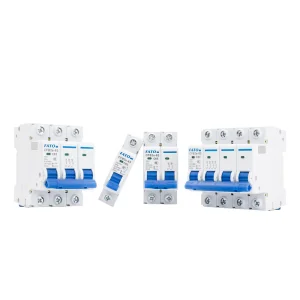
For global procurement officers, sourcing from a vendor that integrates HMI interfaces alongside core switchgear components—such as MCCBs, AC contactors, and thermal overload relays—ensures single-vendor compatibility. Wenzhou UniWave Electric Co., Ltd. fills this vital niche. Located in Liushi, Wenzhou, China's prominent electrical hub, UniWave brings over 25 years of expert manufacturing to electrical distribution systems. Integrating these robust switchgear components with terminal HMI systems ensures that the overall automation structure remains safe, compatible, and highly efficient under heavy continuous loads.
Industrial displays are no longer confined to traditional control rooms. They are deeply embedded into localized edge environments, each demanding custom specifications and rigorous engineering:
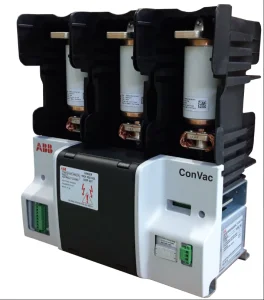
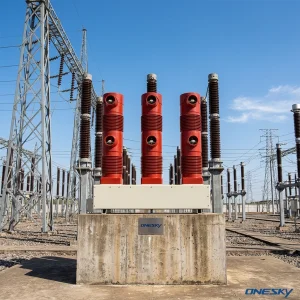
Maritime installations require hardware certified to withstand high vibration, salt spray, and extreme humidity. In these applications, the visual terminal controls marine-rated vacuum contactors (such as the 12kV 400A contactors used in marine propulsion and auxiliary systems). Operators rely on the HMI to monitor live current, temperature trends, and phase continuity. An abrupt failure in visual communication could blind the crew to dangerous overload conditions on high-voltage lines, emphasizing the need for robust marine-grade HMI integration.
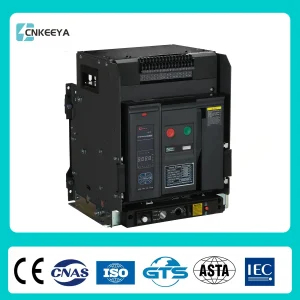
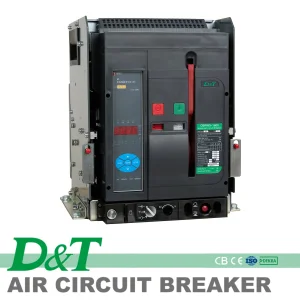
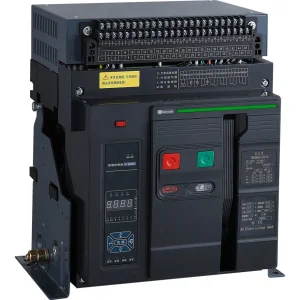
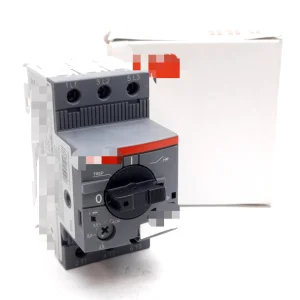
Modern hyperscale data centers require zero downtime. In the power distribution unit (PDU) cabinets, HMI panels interface directly with smart metering units and air circuit breakers (ACBs) rated up to 2000A or higher. The HMI provides local maintenance crews with immediate details on harmonics, power factors, and microsecond trip events. By analyzing these data points on a localized screen, technicians can isolate faults using manual motor starters or adjust thermal overload relay thresholds without risking complete cluster shutdowns.
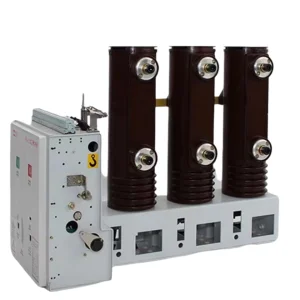
In high-voltage substations, indoor side-mounted draw-out vacuum circuit breakers (like the VS1 model spanning 6kV to 40.5kV) are operated via localized control boxes. These control panels incorporate highly shielded HMI screens that are immune to massive electromagnetic fields. Operators manage remote isolation sequences, check spring charge indicators, and monitor gas pressure systems from behind a protective, visually clear touch-screen interface.
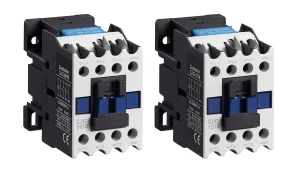
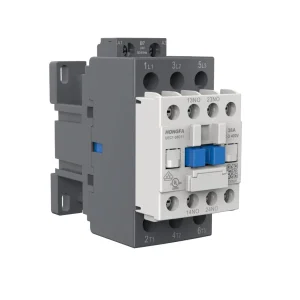
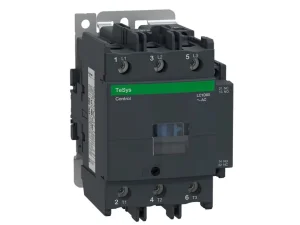
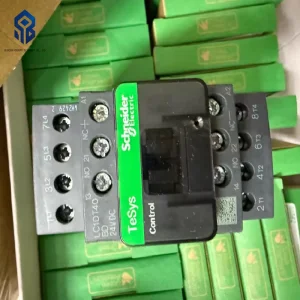
In packaging, steel rolling mills, and automotive assembly lines, HMI displays are mounted directly onto machine enclosures. These screens coordinate the starting sequences of motors via electromagnetic relays, AC contactors (like the TeSys Deca or CJX2 series), and electronic thermal overload relays. Real-time visual feedback allows line managers to diagnose motor overloads instantly, limiting downtime during critical batch runs.
With decades of focused engineering, Wenzhou UniWave Electric Co., Ltd. delivers high-performance components that form the backbone of modern automated control cabinets.
The technological path for HMI displays is moving rapidly toward edge computing, cloud synchronization, and artificial intelligence diagnostics. Below is the technical roadmap shaping the next generation of industrial visual systems:
Traditional HMIs were dumb displays translating register values. Modern systems feature dual and quad-core processors running embedded Linux or Android, supporting direct MQTT and OPC UA protocols. This allows the screen to communicate directly with corporate cloud networks while maintaining local control loops via RS485 and Ethernet ports.
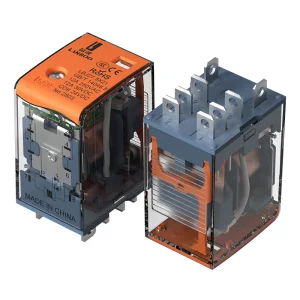
By connecting with intelligent relays (such as electromagnetic phase-failure relays) and metering breakers, the HMI display will use built-in algorithms to predict electrical failures before they occur. For example, a minor fluctuation in current on the CJX2 AC contactor, plotted on an HMI trendline, can highlight contact wear, triggering a maintenance warning automatically.
The future involves hybrid virtual environments. Technicians can point a mobile tablet at a physical switchgear cabinet, using the HMI's wireless web server to project real-time overlay metrics onto the tablet screen. This allows safe, non-contact diagnostic runs in front of high-voltage cells.
The global industrial supply chain demands both speed and quality. Wenzhou UniWave Electric Co., Ltd. leverages its strategic location in Liushi, Wenzhou, China—the undisputed "Capital of Low Voltage Electrical Appliances"—to offer unparalleled supply chain efficiency. This localized industrial cluster yields deep structural advantages for global buyers:
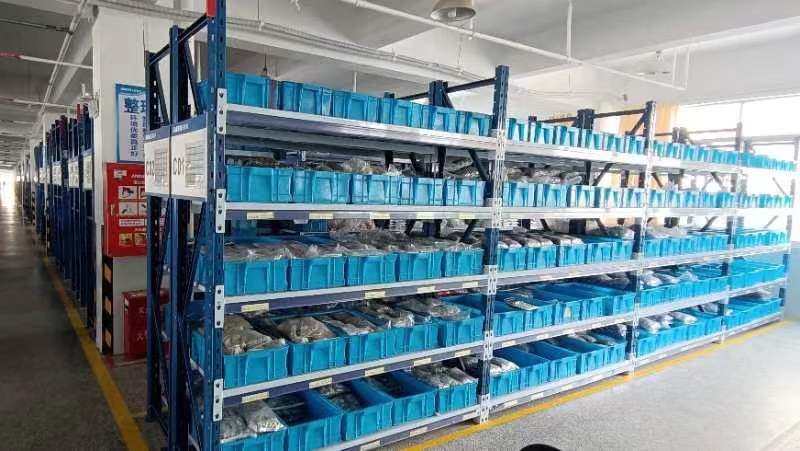
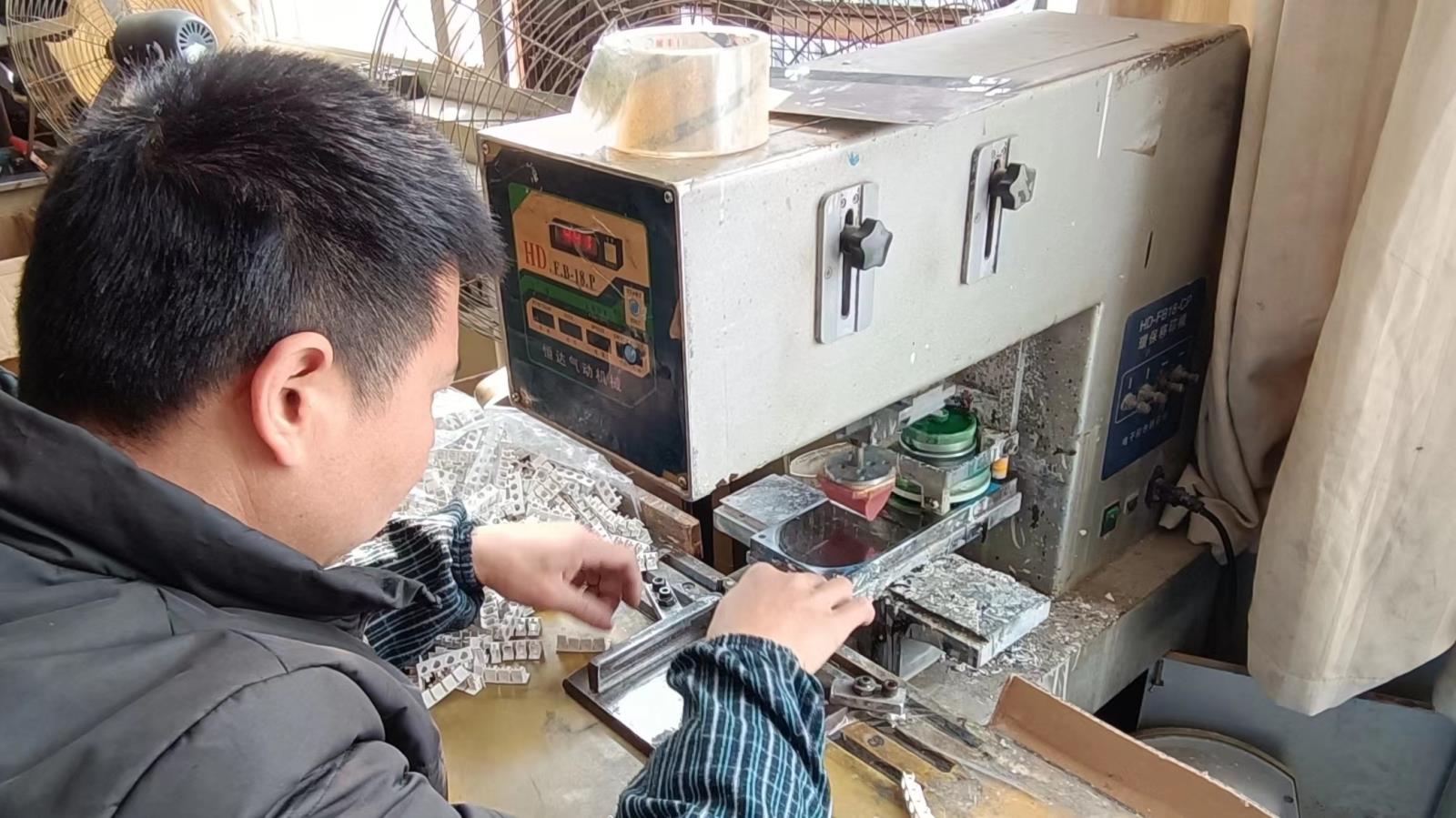
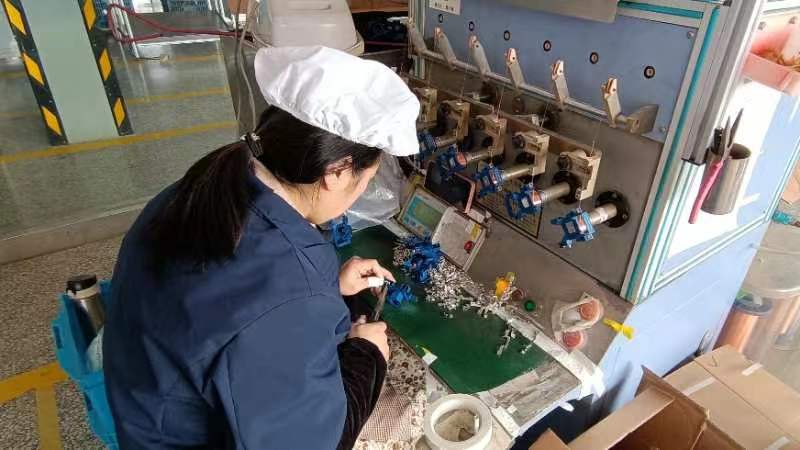


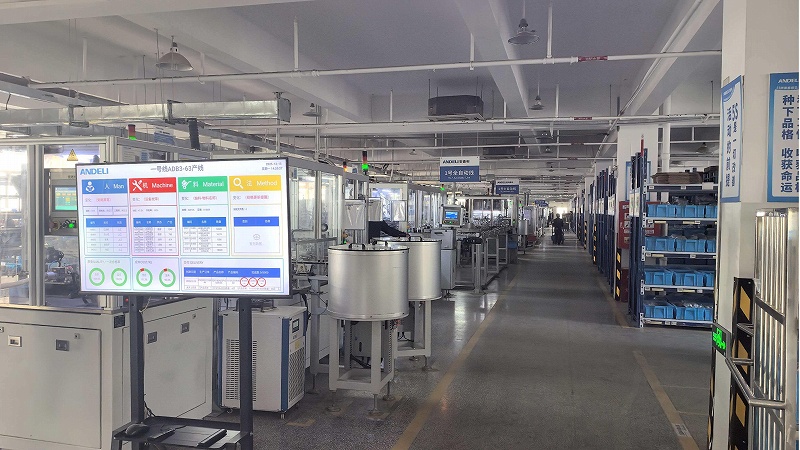
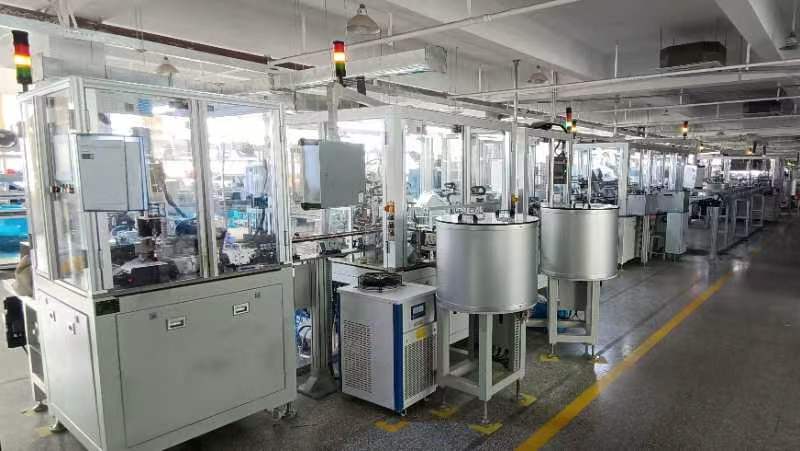
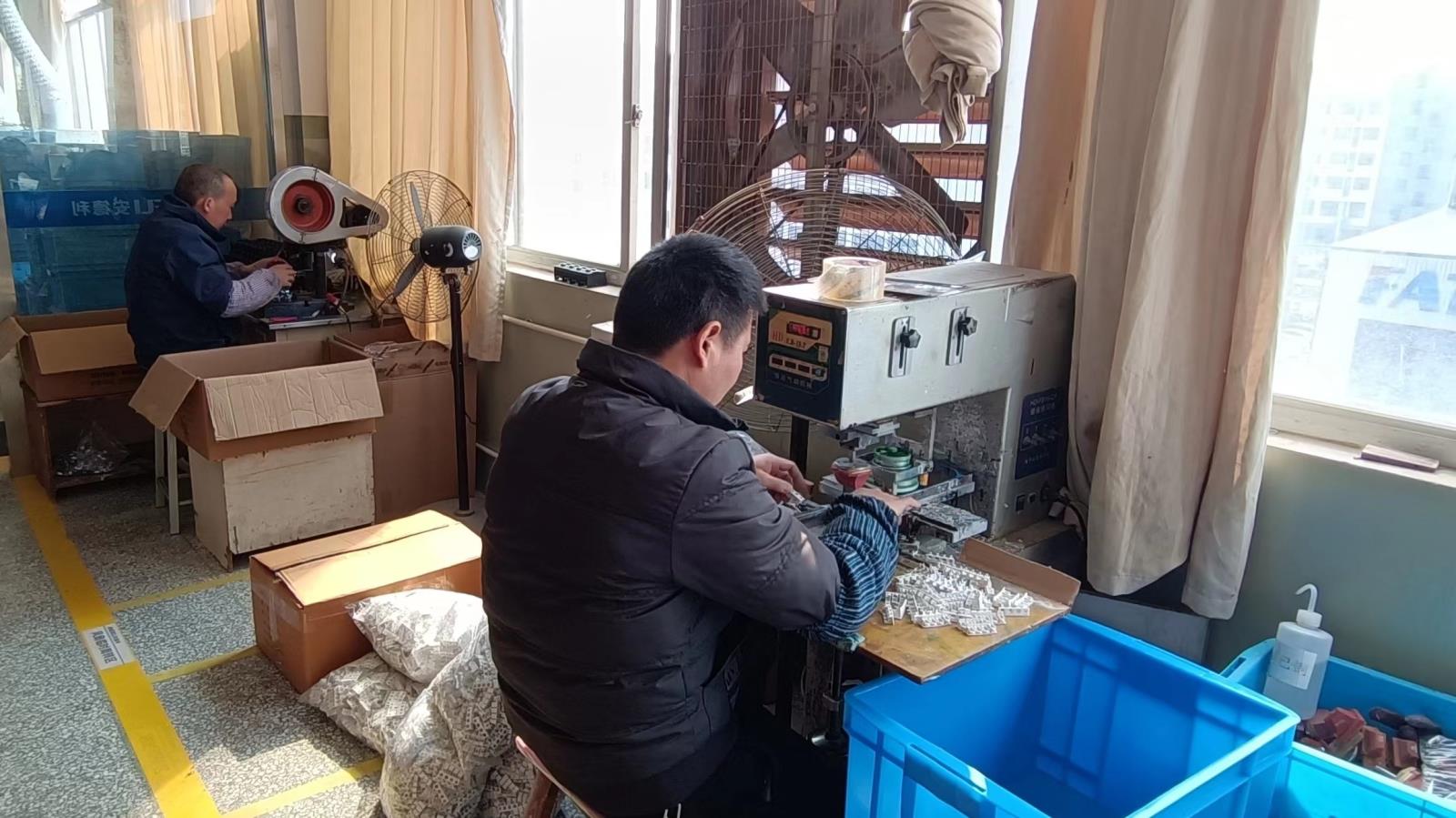
Operating in global markets—from the industrial sectors of Europe and North America to the emerging utilities of Southeast Asia and Africa—requires strict adherence to local regulations. Equipment placed within automation networks must hold matching compliance stamps. Industrial operators cannot afford to integrate non-compliant hardware that risks safety audits or, worse, operational failures.
To ensure robust engineering, UniWave products strictly comply with international IEC standards. The factory has earned internationally recognized quality certifications, including SAA (for Oceania compliance), CE (for European market access), CB (IEC) (for global reciprocal testing), and the ISO9001 Quality Management System standard. This rigorous certification framework guarantees that every low-voltage component is tested for insulation resistance, thermal overload limits, and short-circuit interrupt capabilities.
A: Communication is established via secondary control wiring connected to a central RTU (Remote Terminal Unit) or directly through micro-controller protective relays (such as integrated motor protectors or power analyzers). These relays monitor electrical parameters (current, phase angle, gas pressure) and convert the data into Modbus RTU or Profibus signals, which are then rendered on the HMI display panel.
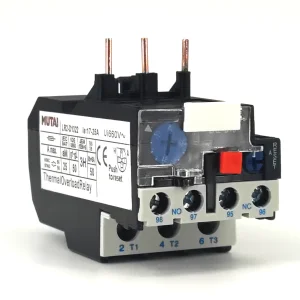
A: Thermal overload relays protect motors by monitoring heat build-up from excess current. When an overload condition is detected, the relay opens its auxiliary contacts, cutting power to the coil of the electromagnetic contactor (e.g., CJX2 or TeSys Deca series), which safely disconnects the motor. The HMI displays this state change instantly, helping operators identify the issue immediately.
A: Yes, specific products like the IEC Indoor Vacuum Contactor up to 12kV are engineered for marine applications. They feature robust anti-corrosion platings, vibration-damping mountings, and specialized moisture-resistant insulation to withstand salt air and vessel movement.
A: Buyers must confirm compliance with IEC (International Electrotechnical Commission) standards. Key regional and global certifications include CE for the European Economic Area, SAA for Australia and New Zealand, CB test certificates for international markets, and ISO9001 certification for factory quality systems.
A: Intelligent ACBs, like the Cbrw3 1600A series, feature integrated trip units with metering functions. They measure active power, voltage harmonics, and load histories, transmitting this real-time diagnostic data to HMI screens or remote SCADA control systems without requiring external sensors.
Heavy-Duty Control Components, Smart Relays, and Motor Protection Hardware