UniWave Electric
UniWave Electric
UniWave Electric
Explore our core industrial devices designed to optimize system reliability and protect mechanical assemblies under heavy loads.
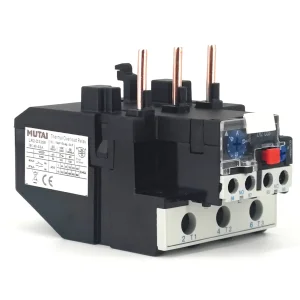
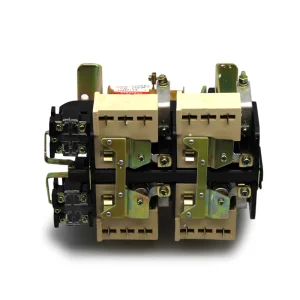
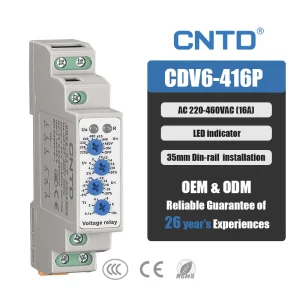
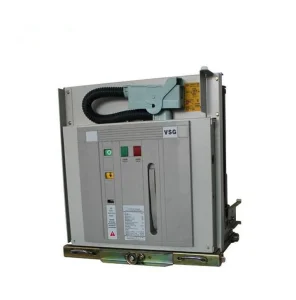
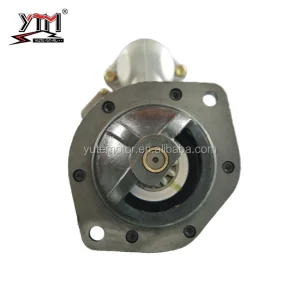
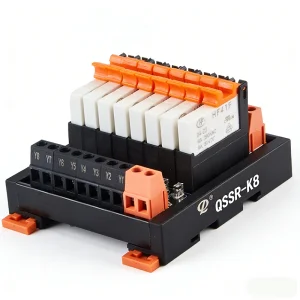
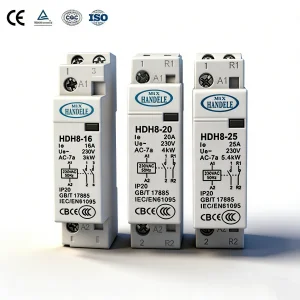
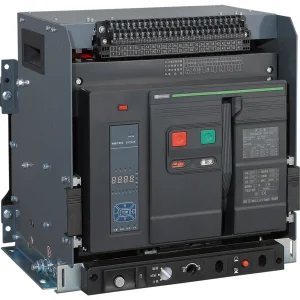
In modern heavy industry and commercial infrastructures, the requirements for efficient, safe, and clean power distribution have never been higher. As the global energy transition shifts traditional processes towards full-scale electrification, industrial plants, smart grids, and renewable installations face significant electrical stability challenges. Devices such as air circuit breakers (ACBs), molded case circuit breakers (MCCBs), and high-current AC contactors serve as the frontline protection mechanism.
Fluctuations in grid tension, high starting currents from large inductive motor loads, and harmonic distortions from non-linear loads place enormous stress on low-voltage networks. Without highly responsive, thermally stable overload relays and protective contactors, commercial operations risk expensive machine downtime, catastrophic phase losses, and severe component breakdown.
Wenzhou UniWave Electric Co., Ltd. addresses these systemic risks by manufacturing premium, certified switchgear and relays. Located in the heart of China’s electrical capital, we supply highly resilient hardware designed for continuous operation under demanding ambient temperatures and harsh mechanical profiles.
The convergence of semiconductor engineering, material science, and IoT interfaces is transforming the design of industrial low-voltage apparatus.
Electromechanical contactors continue to dominate high-power applications due to their air-gap isolation and massive current-handling capacity. However, solid-state relays (SSRs) are increasingly integrated where high switching frequency and zero-voltage crossing switching are needed. SSRs utilize power optocouplers and triacs/thyristors to offer bounce-free, wearless operation, making them suitable for precise PLC-controlled heating loops and fast automation machinery.
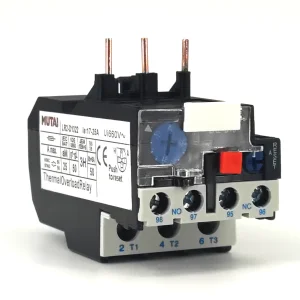
Modern industrial thermal overload relays, such as the JR28 and LR2 series, utilize differential bimetallic mechanisms that respond to both overcurrent heating and mechanical differential imbalances. This provides reliable motor protection by detecting phase failure early. With phase imbalance being the leading cause of three-phase motor stator burnouts, current-limiting bimetallic curves represent a critical safeguard.
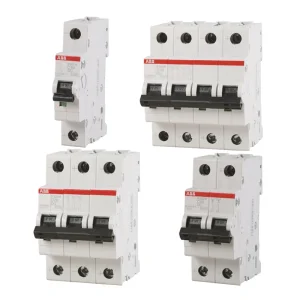
Smart MCBs with Wi-Fi modules are transitioning the industry from reactive maintenance to predictive monitoring. Real-time consumption logging, leakage current analysis, and remote remote-trip actions are standard features for modern facilities. These smart components communicate over Modbus RTU or wireless protocols to alert energy management systems before minor faults escalate into critical facility outages.
From extraction sites to highly clean automated factories, the demands on power management systems vary significantly.
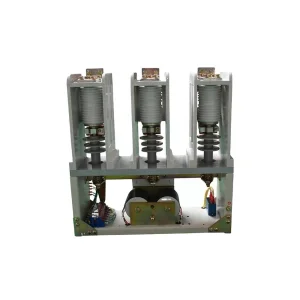
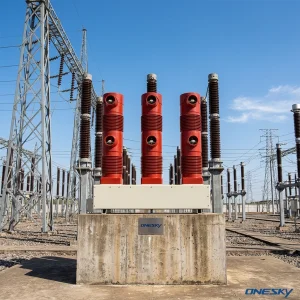
Mining excavators, milling facilities, and crushers rely heavily on manual motor starters (like the 6D95T series) and medium-voltage circuit breakers (like the 12kV VS1 VCB). These environments present high mechanical vibrations, dust accumulation, and risk of phase failure. Using vacuum contactors and epoxy-insulated voltage monitors ensures that arc extinguishing occurs instantly, preventing flashovers and shielding electrical enclosures from internal explosion threats.
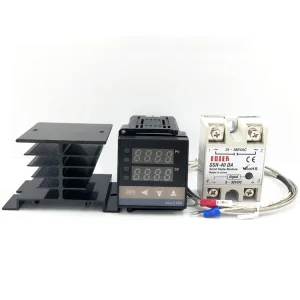
Industries relying on continuous extrusion, chemical heating jackets, or injection molding require millions of thermal control cycles. Mechanical relays degrade quickly under such duty cycles. Wenzhou UniWave's ultra-compact, thin-type solid-state relays, compatible with PLCs, deliver rapid, zero-cross electrical path connection. This reduces thermal stress on heaters, controls EMC interference, and increases overall production line reliability.
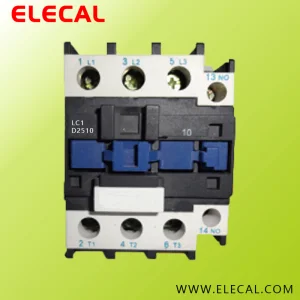
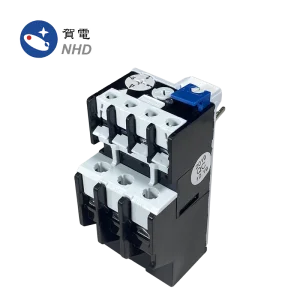
Large scale water pumps and commercial chillers utilize multi-phase AC contactors (like LC1-D and magnetic modular DIN rail contactors) coupled with thermal overload relays. The mechanical latching mechanism must handle massive inrush currents during start-up without contact welding. Wenzhou UniWave's precision-wound copper coils and silver-alloy contacts ensure thousands of safe connections under maximum current load.
Solar PV arrays and battery energy storage systems (BESS) require high-breaking-capacity DC breakers (like the S200MDC series) to manage bi-directional DC current. Because DC arcs do not have natural zero crossings, circuit breakers must use powerful permanent magnet blowing fields to direct the arc into extinguishing chambers, ensuring swift circuit separation when overcurrent occurs.
Wenzhou UniWave Electric Co., Ltd. operates in Liushi, Yueqing, Wenzhou, China—globally recognized as the "City of Low Voltage Electrical Appliances." This cluster provides a highly concentrated supplier network, yielding significant advantages in manufacturing efficiency, raw material sourcing, and specialized engineering expertise.
This geographical concentration ensures that raw materials, tooling services, molding facilities, and testing laboratories are within a tight perimeter. This optimization allows UniWave to adapt production lines, prototype new designs, and scale operations with minimal lead times. The resulting cost-efficiencies are passed down to our global clients without compromising structural quality or testing standards.
In an era of global transport and material bottlenecks, our local integration ensures stable supply lines for copper, engineered plastics, and electronics. Global distributors can rely on UniWave for consistent dispatch schedules, minimizing risk in procurement pipelines.
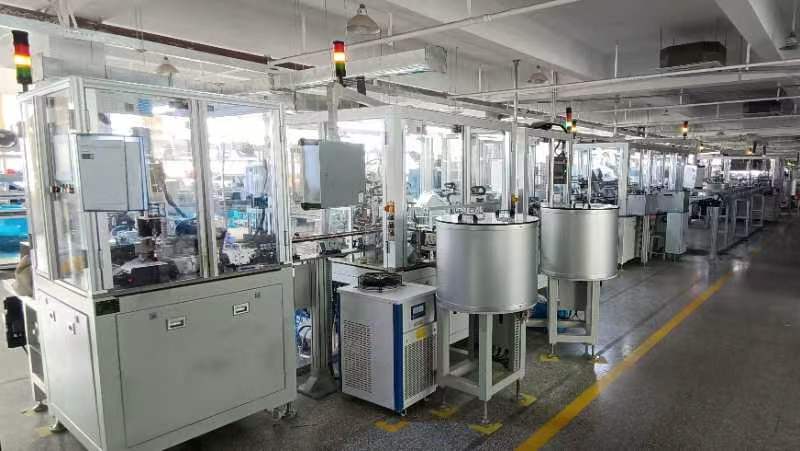
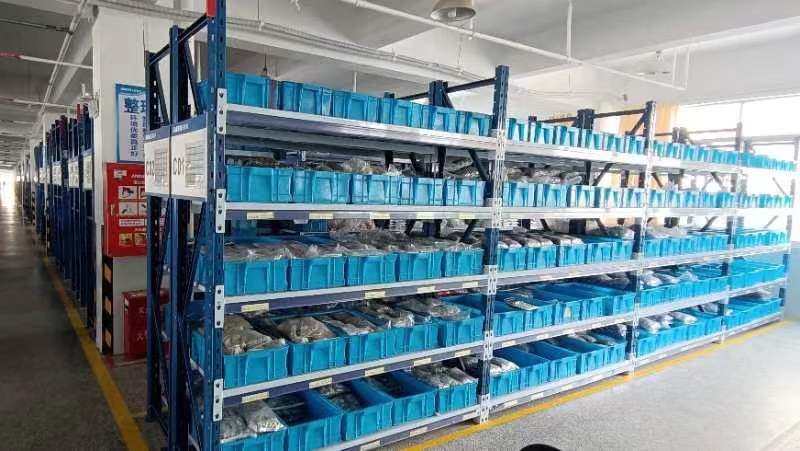
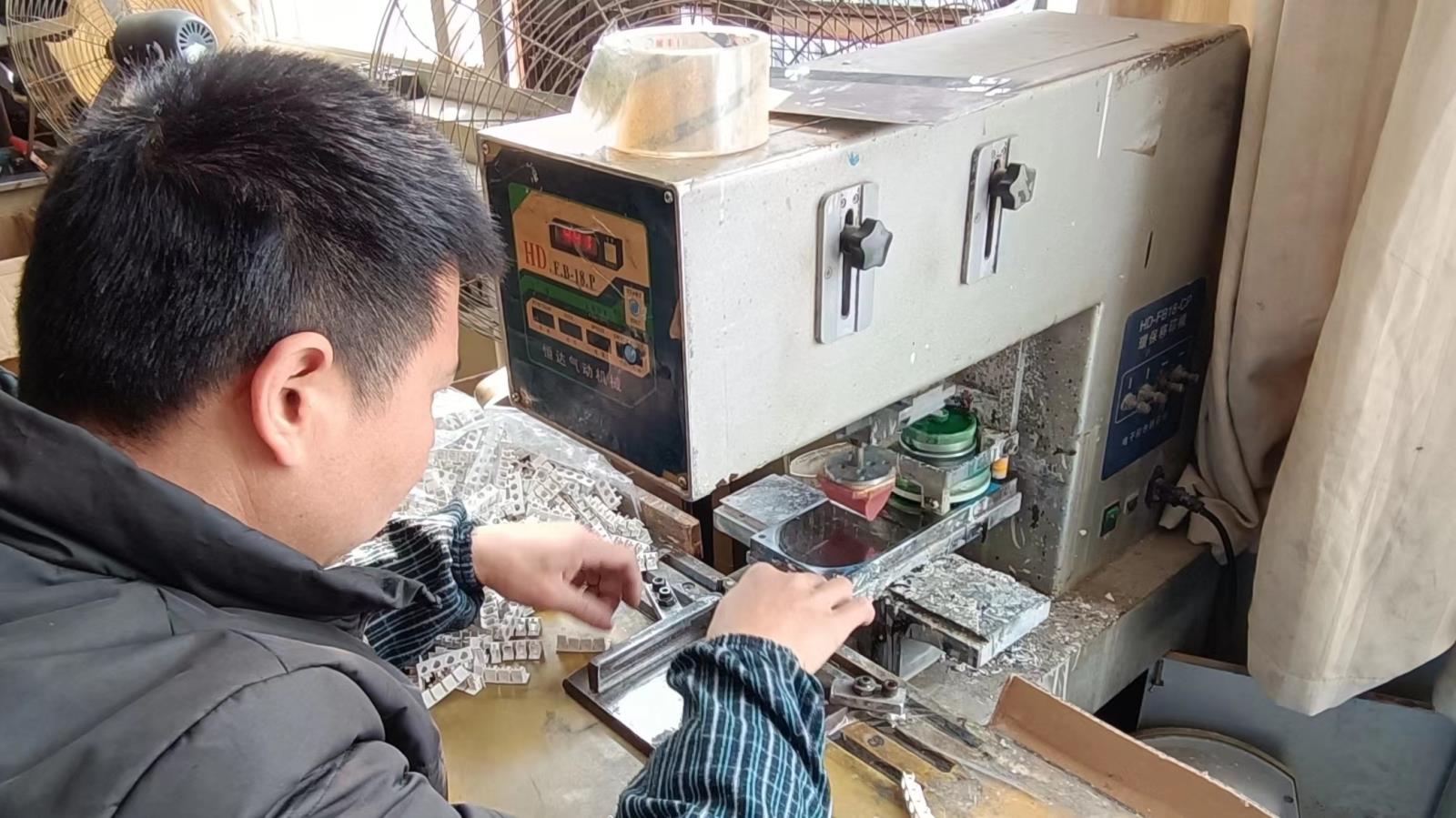
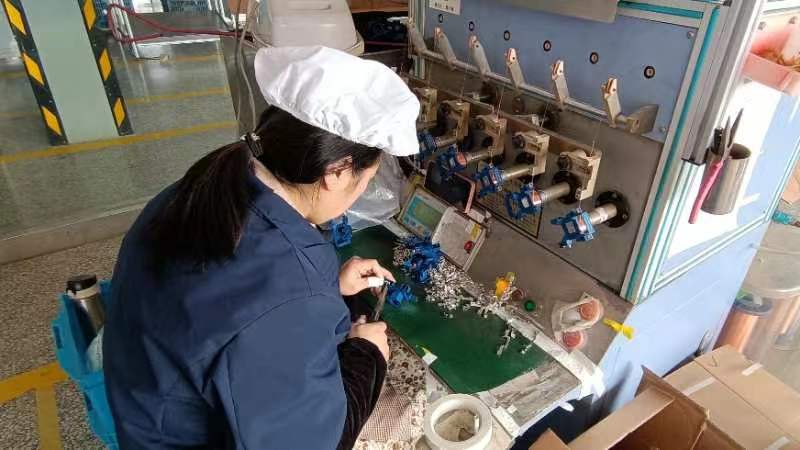
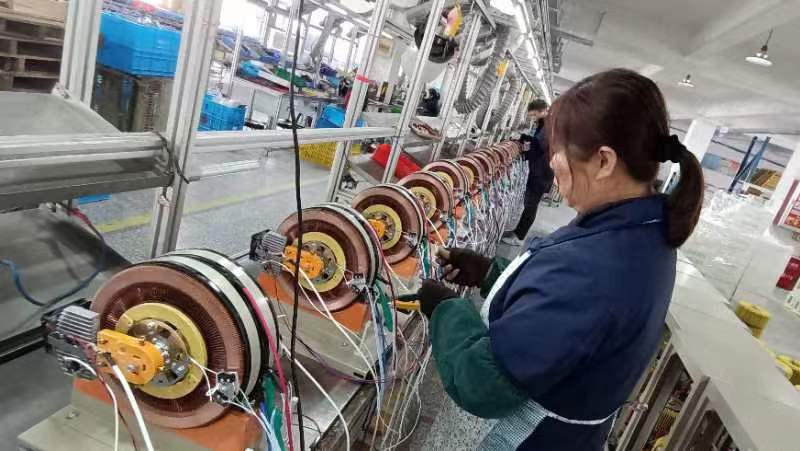
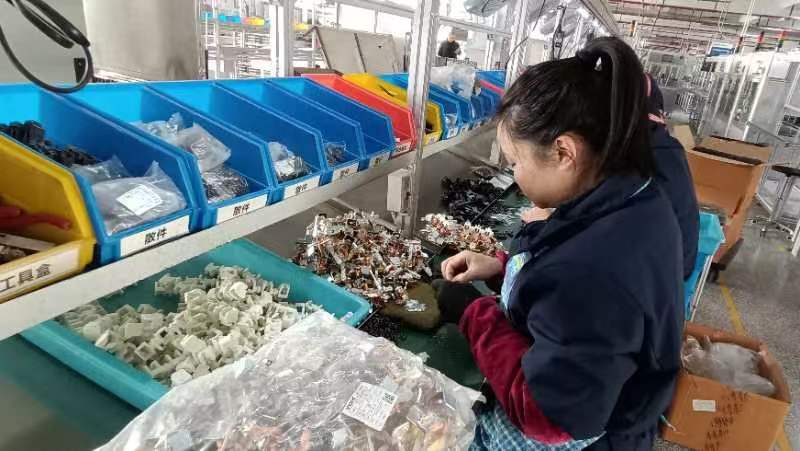
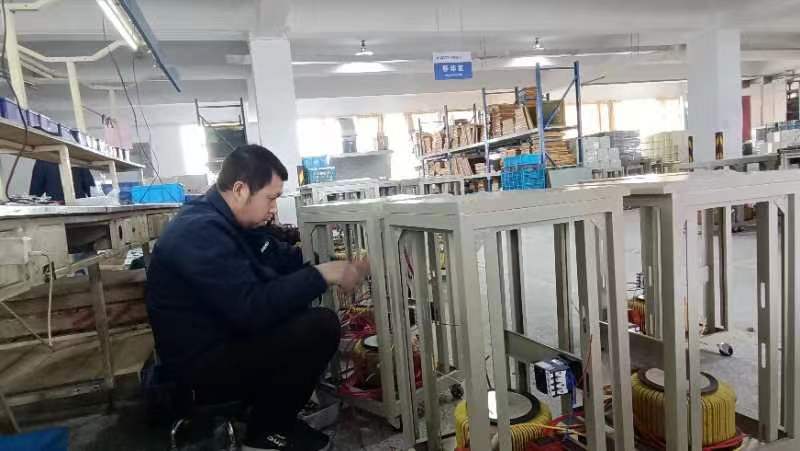
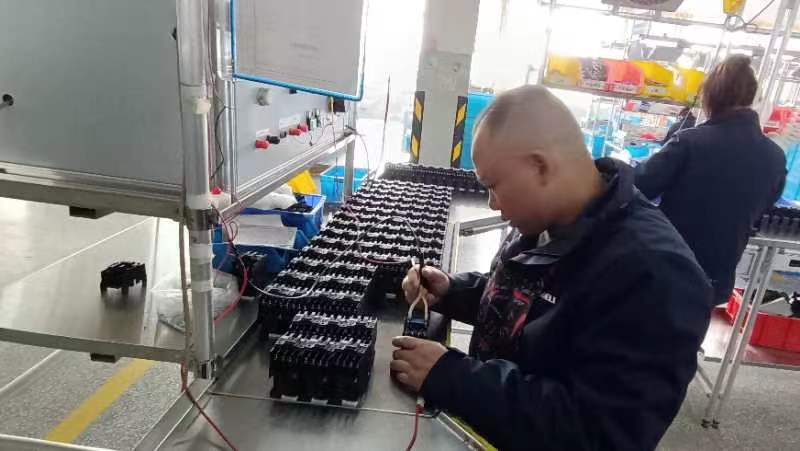
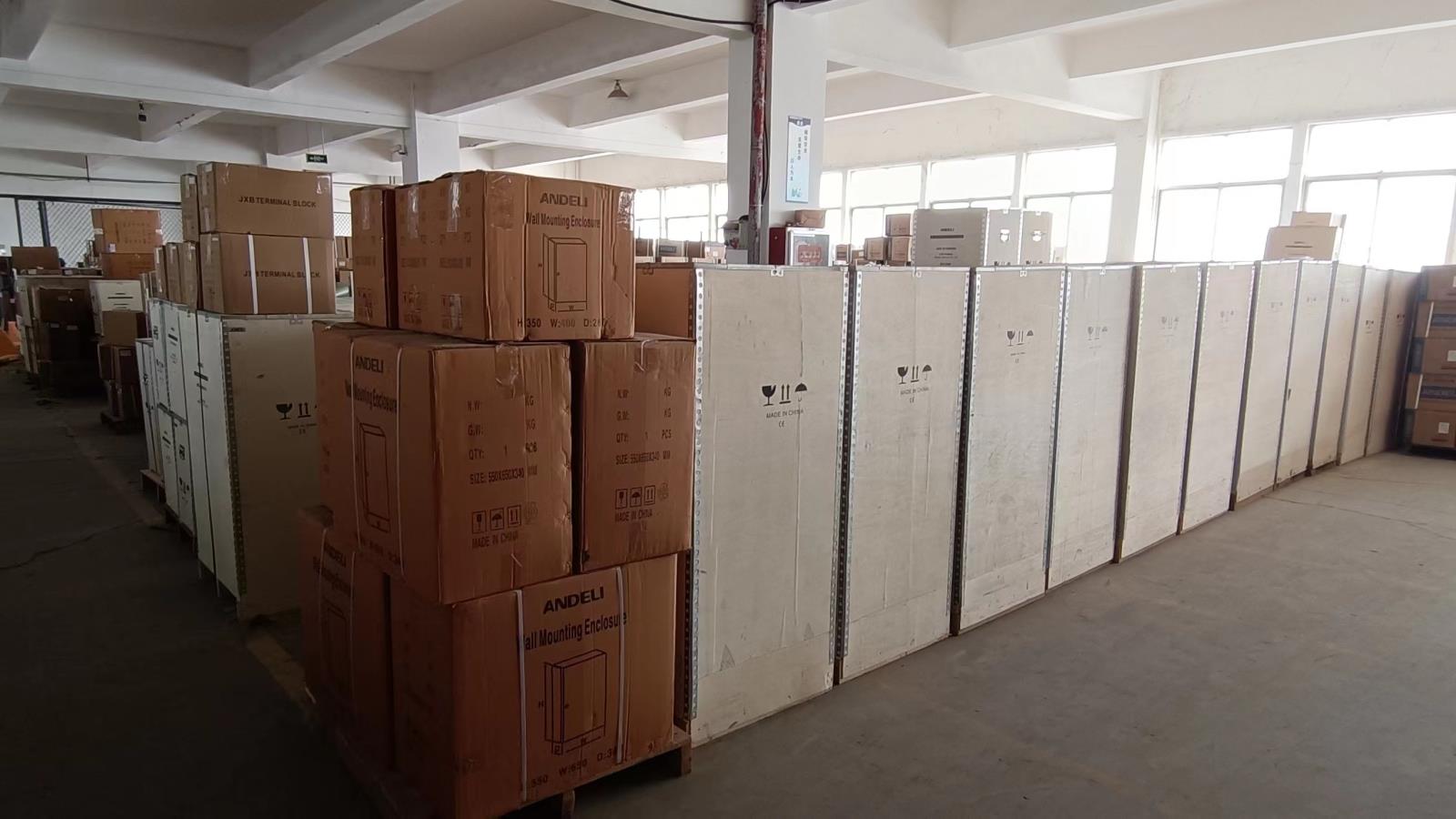
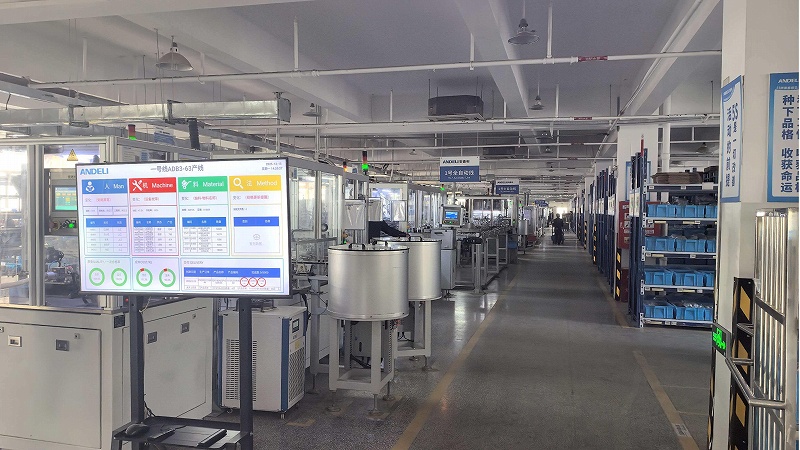
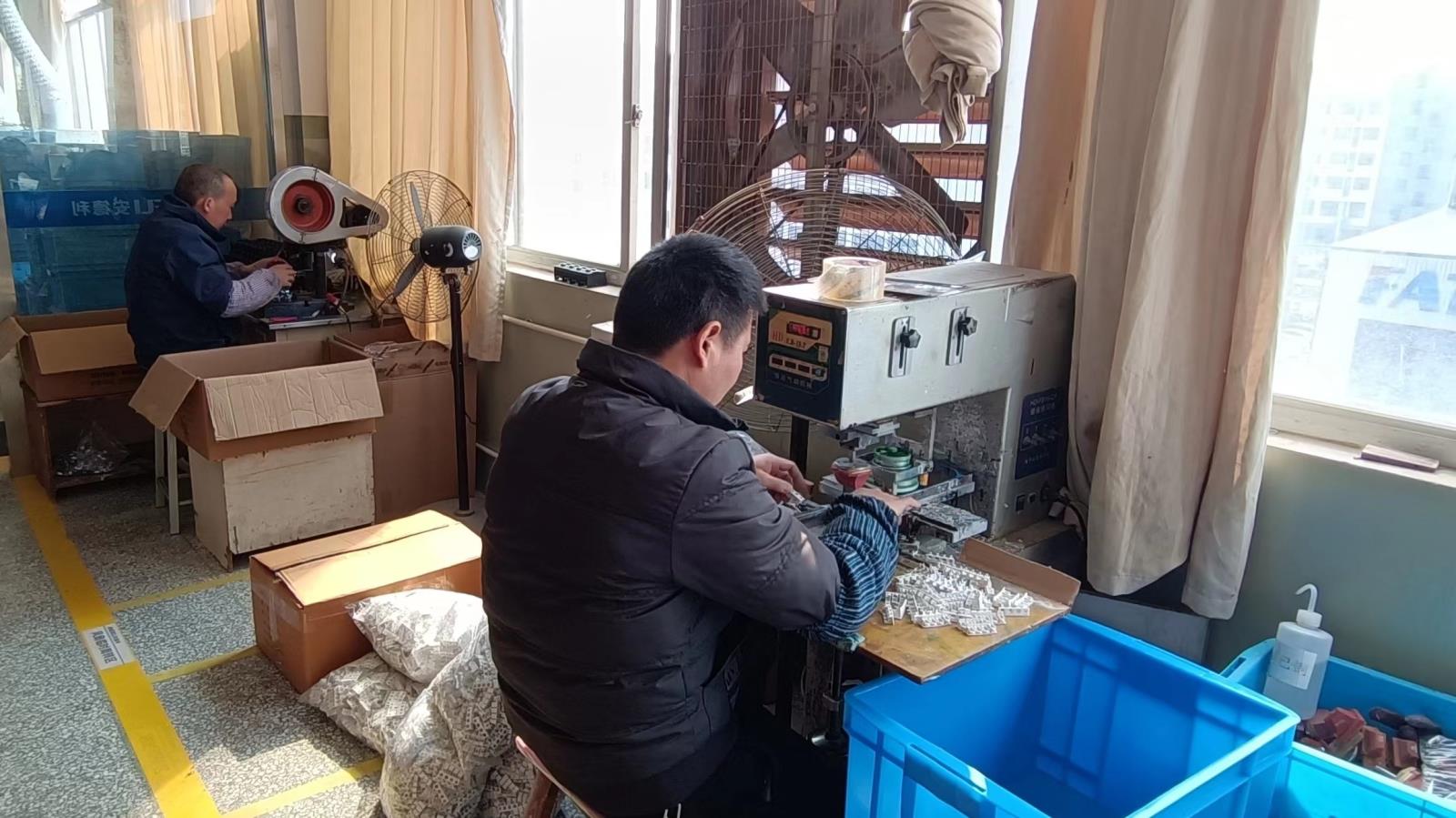
Take an analytical walk through our structured manufacturing pipeline, showcasing the precision engineering applied to every component.
Aligning with international electrical codes is critical for commercial legality, safety verification, and device longevity.
For power distribution networks, non-certified equipment poses significant risks. Wenzhou UniWave Electric Co., Ltd. ensures all manufacturing runs adhere to strict global frameworks:
| Device Category | Core Standards | Certifications | Key Test Target |
|---|---|---|---|
| Thermal Relays | IEC 60947-4-1 | CE, CB, ISO9001 | Phase Failure, Overload Tripping |
| AC Contactors | IEC 60947-4-1 | CE, SAA, CB | Electrical Endurance, Dielectric Strength |
| Vacuum Switch VCB | IEC 62271-100 | State Lab Certs | Arc Extinguishing, Short-Circuit Interruption |
| DC MCBs | IEC 60947-2 | CE, CB | Magnetic Blow-Out Arc Mitigation |
Get answers to technical and supply questions, curated by our senior engineering team to help you make informed procurement decisions.
Review our final selection of molded case, vacuum, and solid state solutions tailored for global commercial and industrial applications.