UniWave Electric
UniWave Electric
UniWave Electric
High-performance vacuum contactors, relays, and circuit breakers engineered for uninterrupted power system management.
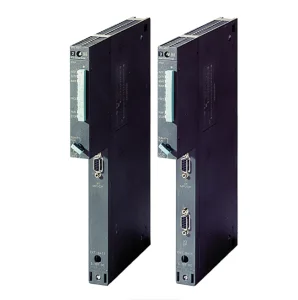
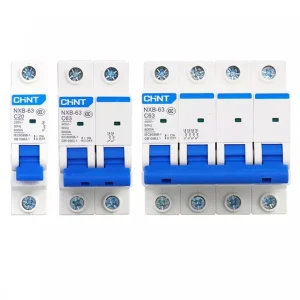
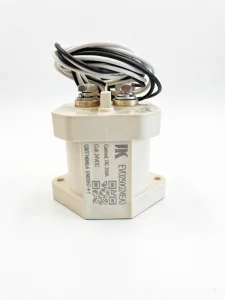
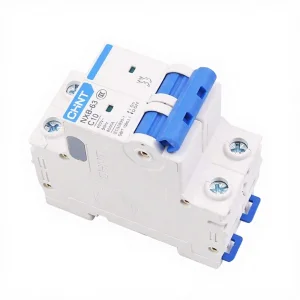
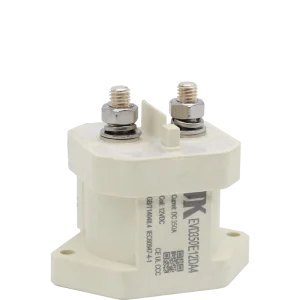
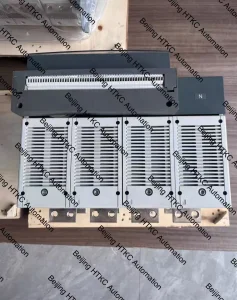
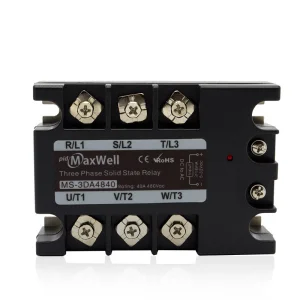
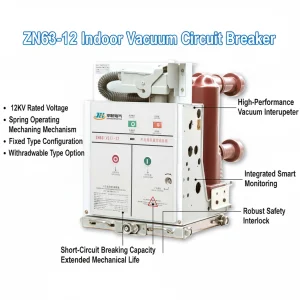
In contemporary power distribution networks, ensuring grid resilience and mitigating transient fault disruptions are paramount. An Automatic Circuit Recloser (ACR) represents the front line of defense in overhead distribution systems. Typically pole-mounted, these sophisticated switchgear assemblies are designed to detect and interrupt transient faults (which account for roughly 80% of total distribution system disturbances) and automatically restore service once the fault clears.
For grid engineers, power utilities, and heavy industrial plant managers, standard off-the-shelf equipment rarely satisfies local regulatory demands, distinct geographical profiles, or communication network constraints. This is where Custom OEM Recloser Suppliers & Exporters step in. By customizing core mechanics, control boxes, enclosure configurations, and communication microprocessors, manufacturers deliver critical grid apparatus tailored to precise regional and topological specifications.
"Reclosers operate under the principle of trip-and-close cycles. By coordinating vacuum interrupters with intelligent electronic devices (IEDs), custom OEM reclosers insulate localized grid disturbances, preventing widespread outages and improving both SAIDI (System Average Interruption Duration Index) and SAIFI (System Average Interruption Frequency Index) scores."
Deploying recloser units requires careful adaptation to localized conditions. Factors such as regional environment, terrain, pollution levels, and network topography dictate the recloser's final physical structure and electrical parameters:
Marine air introduces salt fog, which accelerates copper corrosion and causes surface leakage across electrical bushings. OEM reclosers for these zones utilize 316-grade stainless steel enclosures and extended creepage distance bushings to prevent flashovers.
Overhead lines spanning remote, elevated areas face severe atmospheric discharge risks. Customized internal metal-oxide varistors (MOVs) and advanced surge arrestor brackets are integrated to manage steep impulse wave surges.
Solar parks and wind turbines push energy bidirectionally. OEM configurations include dual-directional metering and adaptive protection settings to ensure precise fault localization without nuisance tripping from solar inverters.
Space limits in city corridors require low-footprint, highly communicative setups. We adapt control cabinets to link via fiber optics or cellular SCADA links, using DNP3 or IEC 61850 protocol streams for real-time diagnostics.
Deploying critical switchgear devices requires adherence to international and national standards. For exporters, this means meeting strict regulatory criteria in every destination market:
In addition to compliance certification, localized engineering support helps simplify integration. Custom OEM suppliers offer field engineers access to pre-configured relay mapping, translation manuals, and secondary schematic customization to fit older substation layouts.
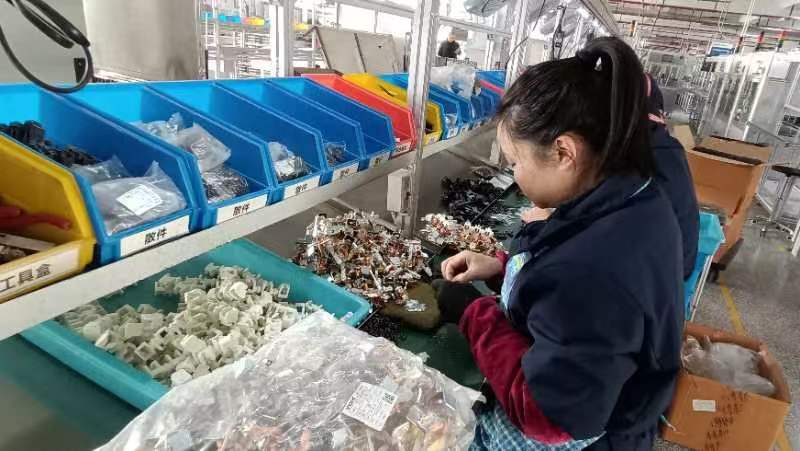
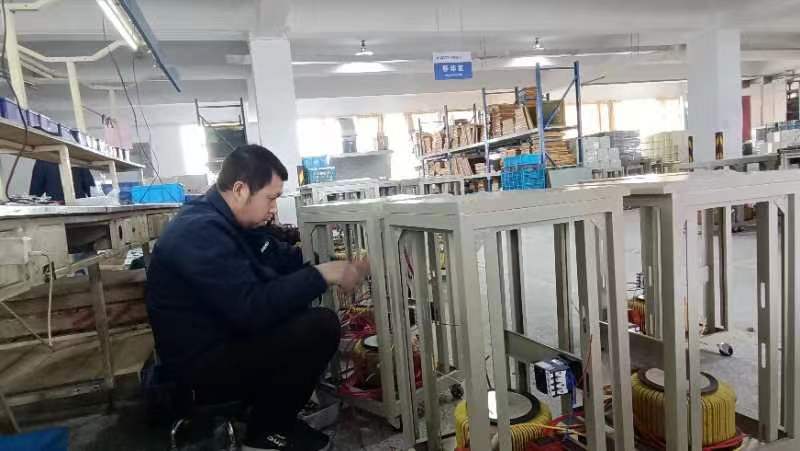
Wenzhou's Liushi district in Yueqing is widely recognized as the "City of Low Voltage Electrical Appliances." This specialized industrial cluster consolidates all stages of production, from raw materials and copper stamping to mold manufacturing, high-precision magnetic coil winding, and automated testing labs.
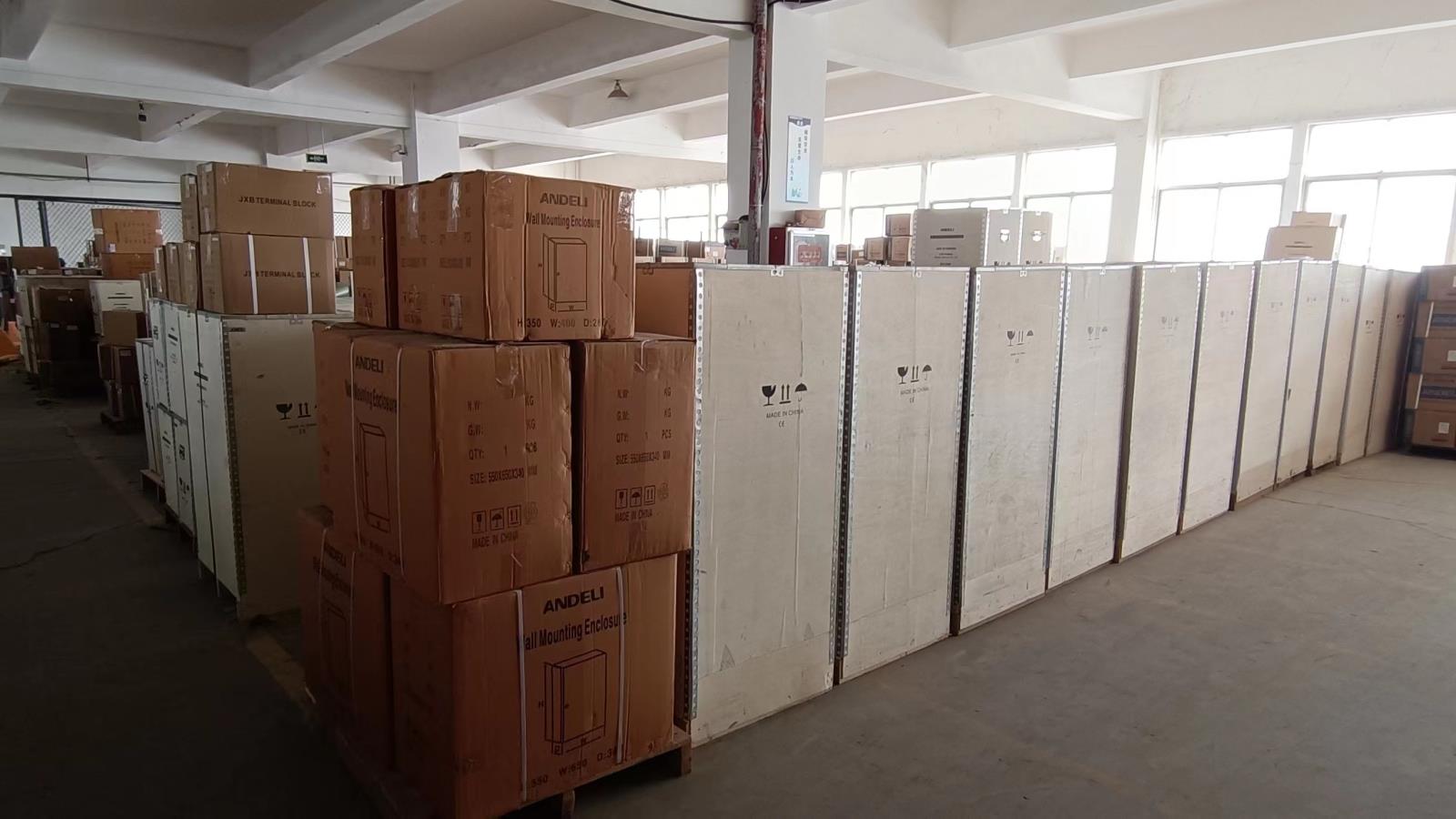
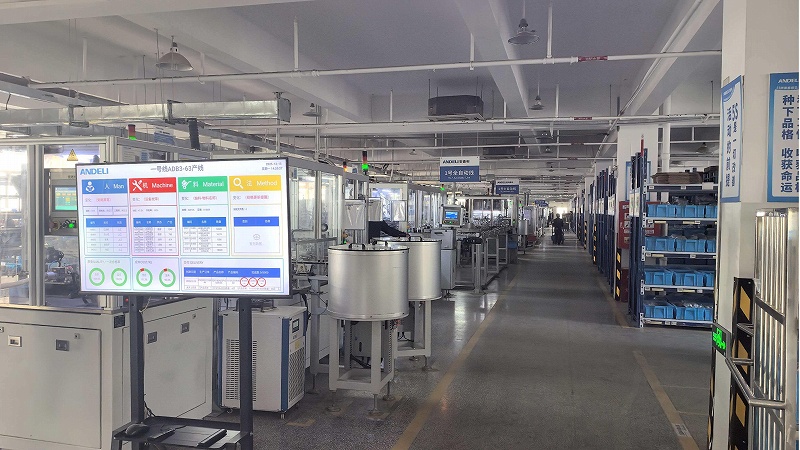
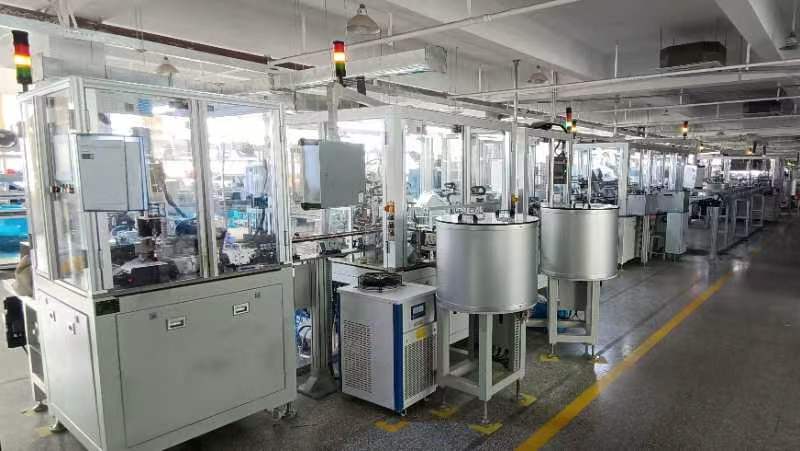
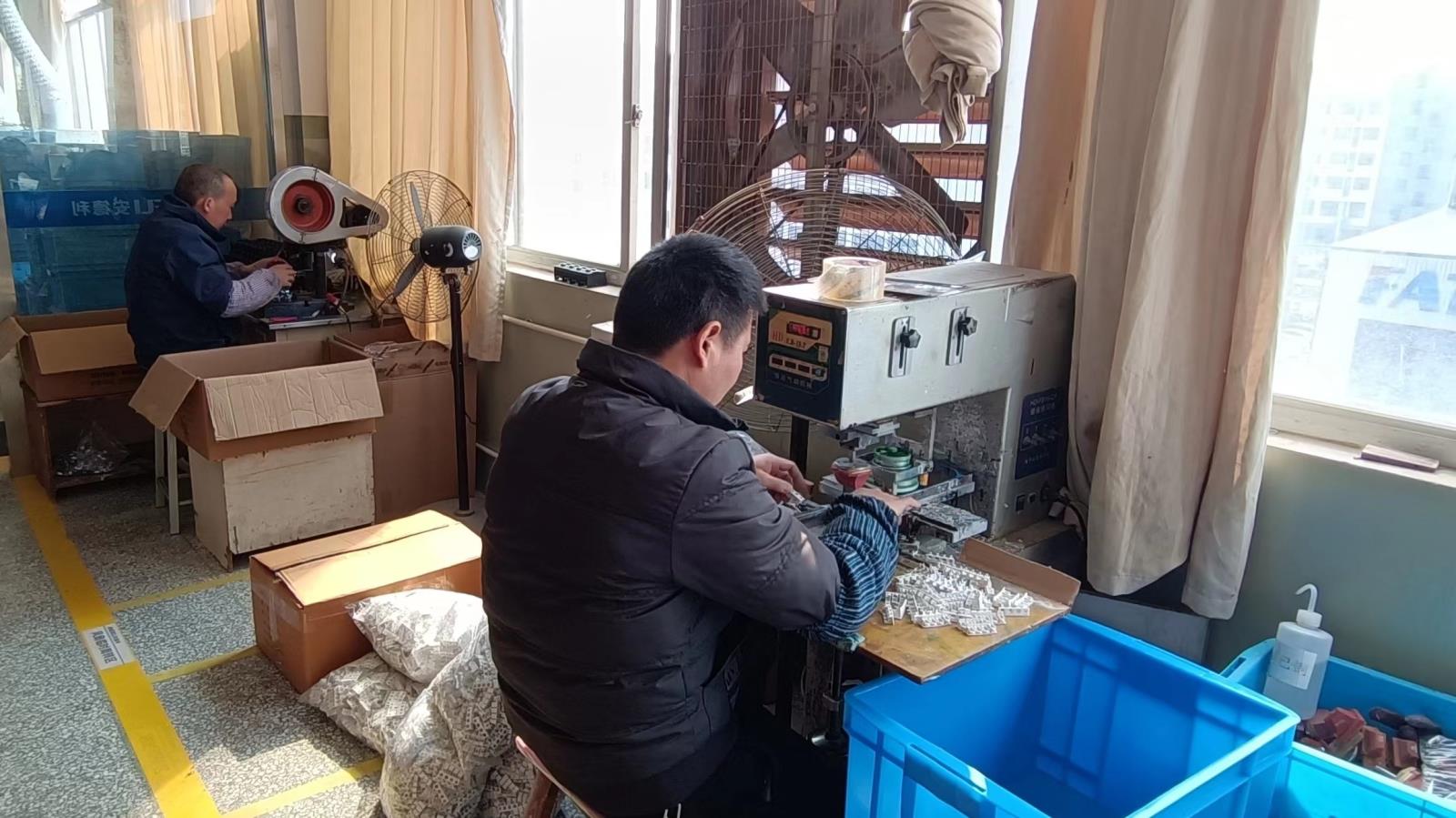
Wenzhou UniWave Electric Co., Ltd. leverages this proximity to maintain an agile, vertically integrated manufacturing model. Our control over the production process yields distinct competitive advantages:
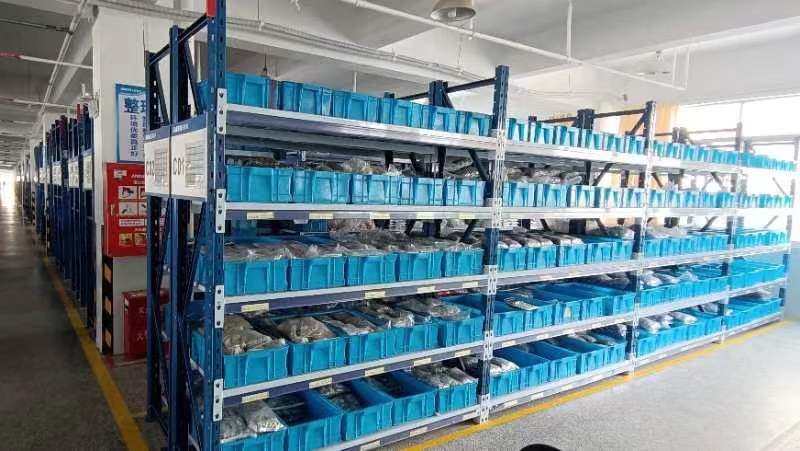
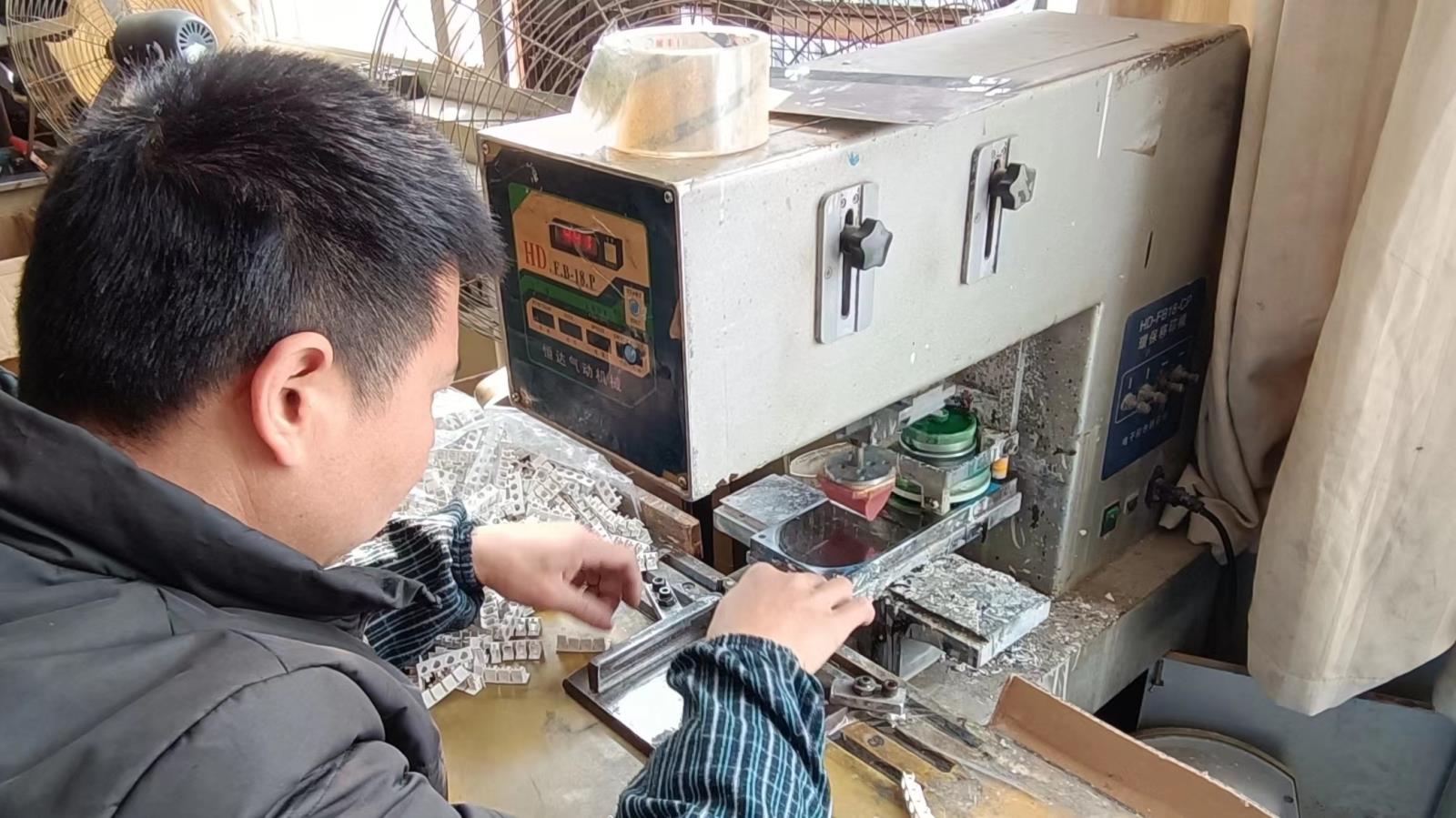
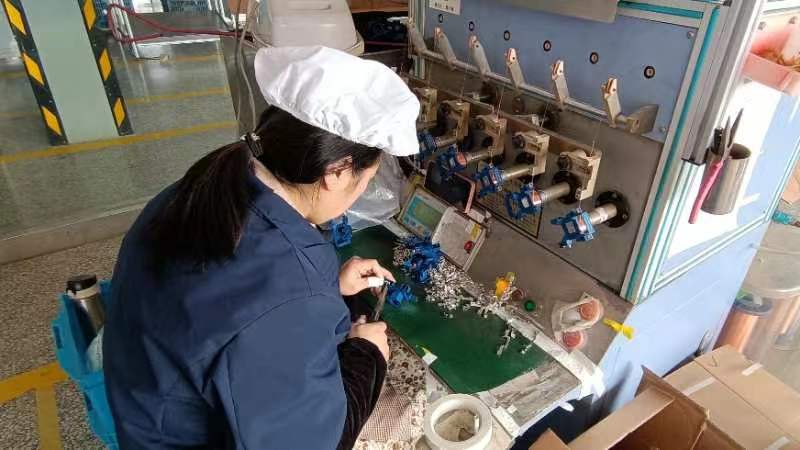
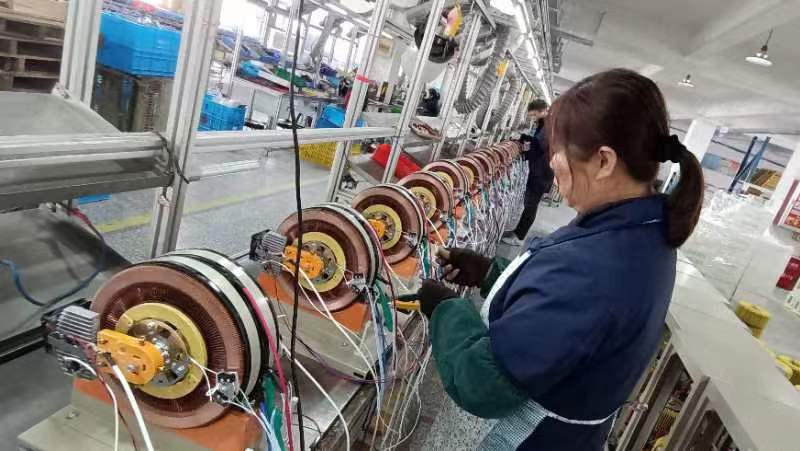
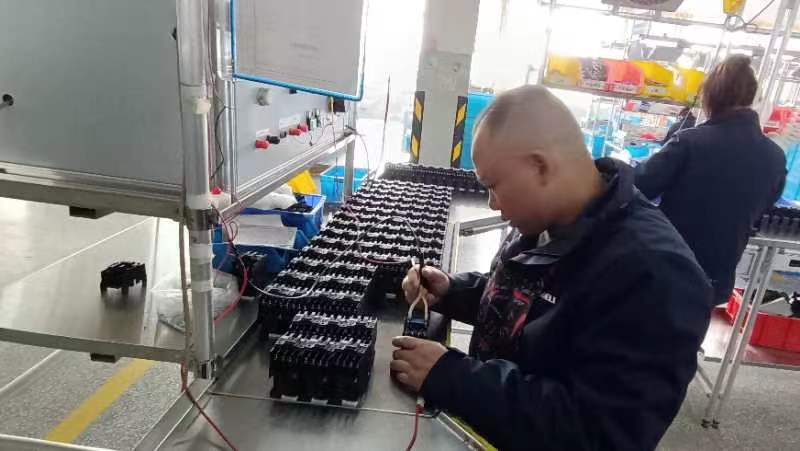
To ensure stability in high-voltage grids, our factory uses advanced manufacturing equipment. Below are the key processes that define the reliability of our products, from raw material inspection to automated mechanical assembly:
The global switchgear market is evolving quickly, driven by the expansion of smart grids and decarbonization initiatives:
We adapt the microprocessor control modules to natively process protocols like Modbus, DNP3, or IEC 61850. Connection options can also be configured for fiber optic, RS485, or cellular networks.
Every production batch undergoes insulation tests, lightning impulse withstand tests (BIL), partial discharge evaluations, and temperature rise profiling to ensure stable long-term performance under load.
Standard OEM production runs average 4 to 6 weeks. Customized casing molds or special communication designs may require 8 weeks, depending on materials availability and order complexity.
Yes. For installations above 1000 meters, we adjust external clearances, configure higher insulation withstand ratings, and specify components rated for reduced air density.
Explore our high-voltage contactors, relays, and battery management equipment designed for demanding industrial applications.