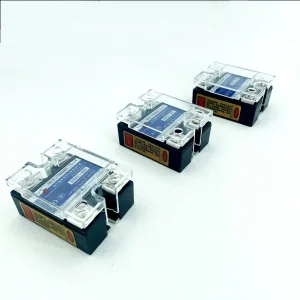
UniWave Electric
UniWave Electric
UniWave Electric
Explore our advanced low-voltage modular controls, switches, and high-performance safety relays engineered for modern heavy-industry and distribution networks.
A comprehensive analysis of high-durability electrical infrastructure, grid safety protocols, and manufacturing superiority in modern power grids.
The global energy landscape is undergoing an unprecedented transition. Driven by the aggressive deployment of renewable energy resources, the electrification of automotive powertrains, and the densification of hyperscale data centers, modern distribution grids are operating under extreme dynamic stresses. This shifting environment demands robust, highly responsive, and reliable electrical protection and voltage transformation units. As industries migrate toward decentralized power models, the demand for high-caliber voltage transformer factories and low-voltage electrical switchgear manufacturers has surged.
In this context, China has consolidated its status as the epicentre of electrical engineering and supply chain resilience. The industrial agglomerations of Wenzhou, particularly the city of Liushi in Yueqing, represent the global benchmark for low-voltage electrical appliances. Known universally as the “Capital of Low Voltage Electrical Appliances,” this region brings together an unparalleled network of raw material suppliers, high-tech copper winding specialists, testing labs, and state-of-the-art assembly plants.
Modern electrical system integrators face severe operational vulnerabilities. Harmonics caused by nonlinear loads, transient voltage surges, and unexpected thermal runaways can cause catastrophic equipment failure, leading to millions of dollars in downtime. Sourcing low-voltage switchgear—such as Molded Case Circuit Breakers (MCCBs), Miniature Circuit Breakers (MCBs), and AC Contactors—from factories that do not enforce stringent quality testing protocols exposes systems to major risks.
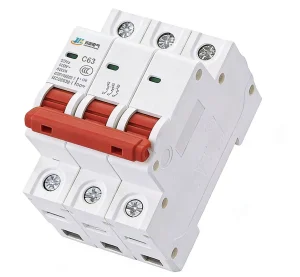
Addressing these issues requires a systemic approach to manufacturing. Leading Chinese manufacturers are responding by shifting their design principles to emphasize high breaking capacities (such as 10kA and above for MCBs), utilizing high-grade thermoplastic materials (e.g., PA66 polyamide with flame-retardant properties), and building responsive electromagnetic systems. By upgrading the raw materials and implementing strict thermal-magnetic calibration, manufacturers guarantee that components trip within milliseconds of a fault, protecting downstream industrial voltage transformers and control circuits.
By positioning operations within Yueqing, Wenzhou, companies gain immediate access to localized raw materials, specialty winding technologies, and precision silver-alloy contacts. This spatial concentration optimizes manufacturing costs, minimizes logistic transit times, and accelerates custom OEM/ODM cycles for international procurement teams.
Exploring the convergence of digital communication, solid-state reliability, and physical circuit protection.
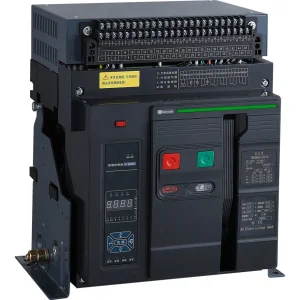
The traditional boundaries of power protection are dissolving. Historically, switchgear functioned as simple mechanical interrupt devices. Today, the integration of microprocessors and communication buses has transformed them into intelligent edge devices. As a leading manufacturer in this space, Wenzhou UniWave Electric Co., Ltd. has spent over a quarter of a century pioneering this transformation. The company’s comprehensive portfolio includes:
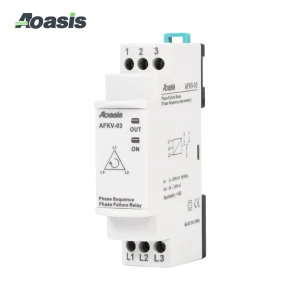
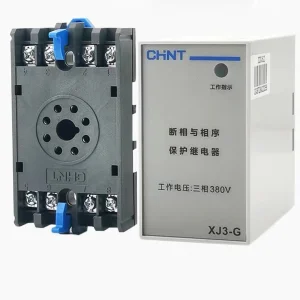
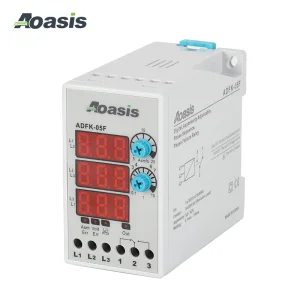
The transition from physical bimetallic strip tripping mechanisms to digital processing units represents a significant shift in protection logic. In modern industrial settings, a microsecond delay can determine whether a circuit breaker trips safely or suffers catastrophic damage. Incorporating digital phase sequence relays, such as the DFK-05F asymmetry adjustable relay, provides industrial motors with active protection against phase failures and line-voltage drops, avoiding costly motor rewinds.
A step-by-step look at our clean-room winding, automated assembly, precision laser markings, and multi-stage testing setups.
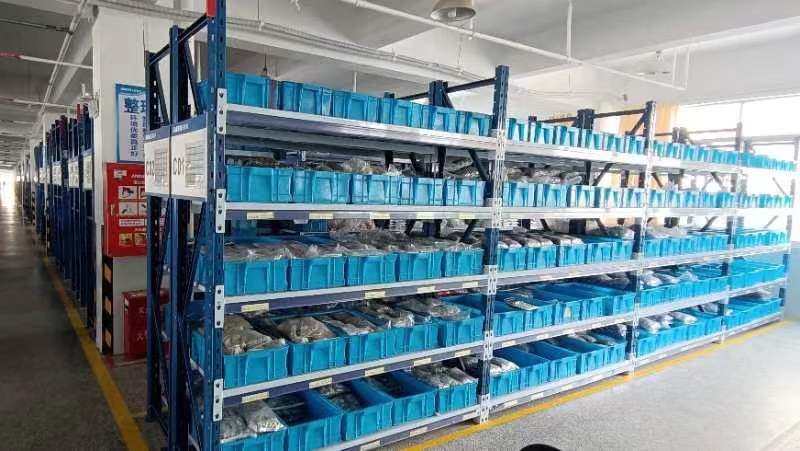
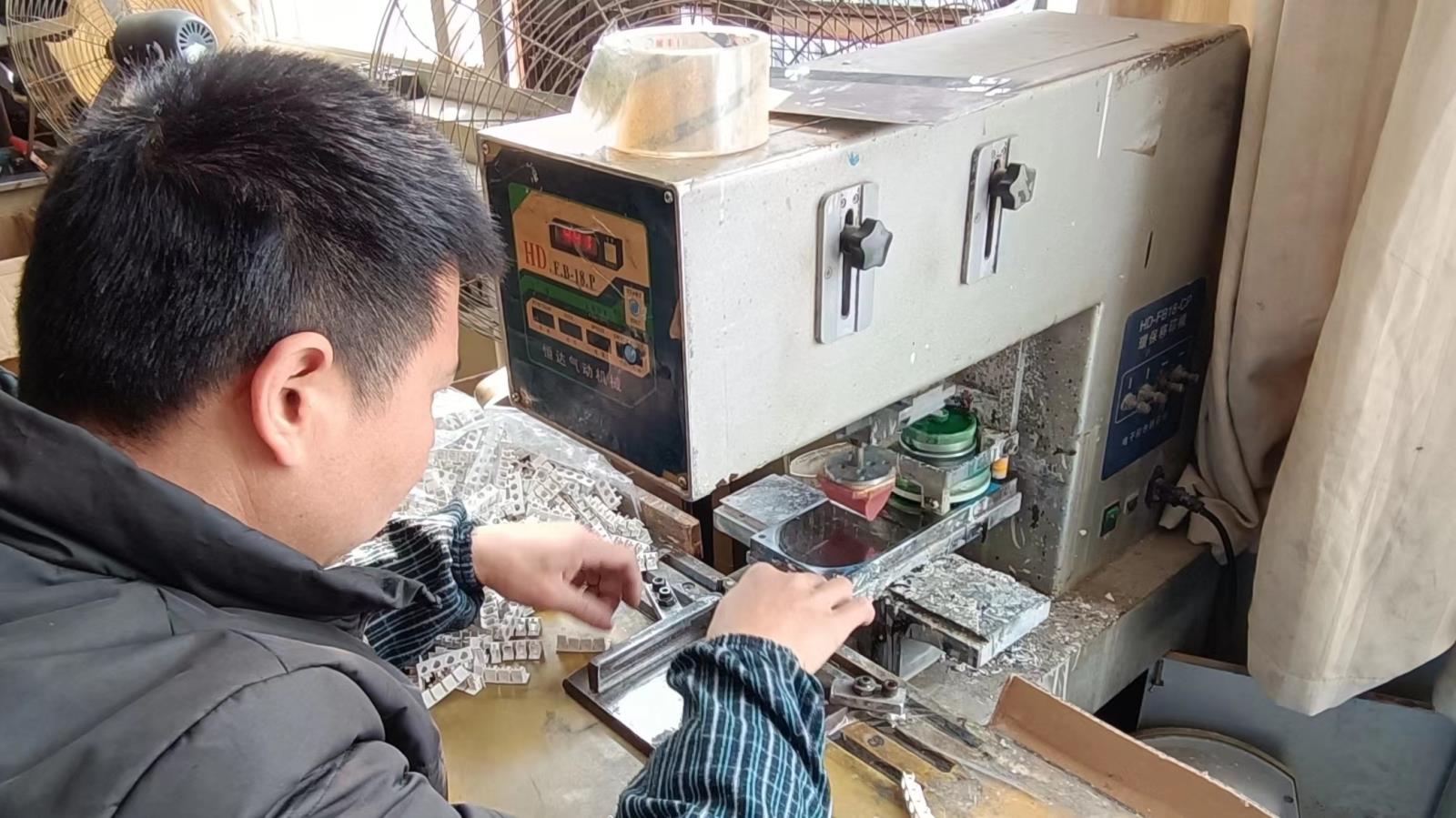
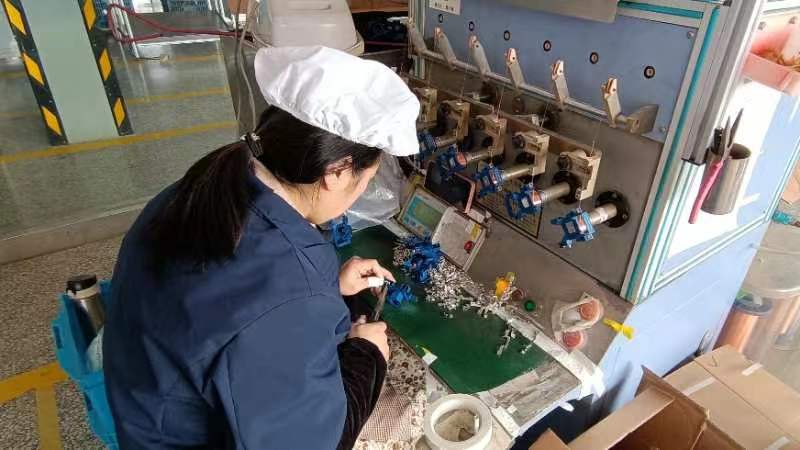
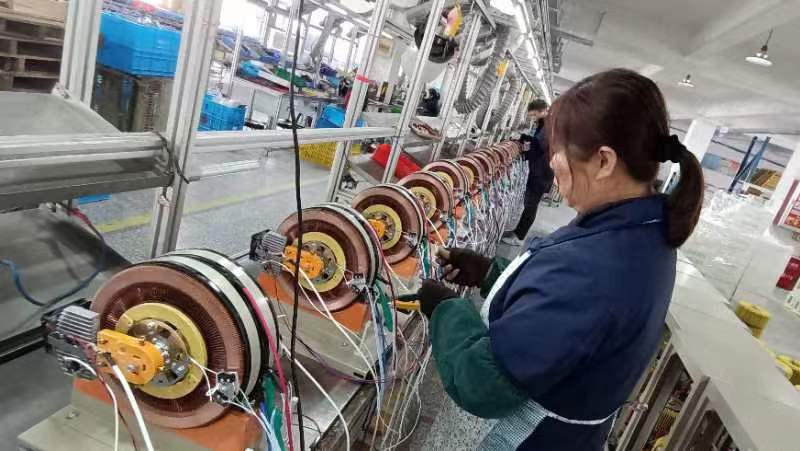
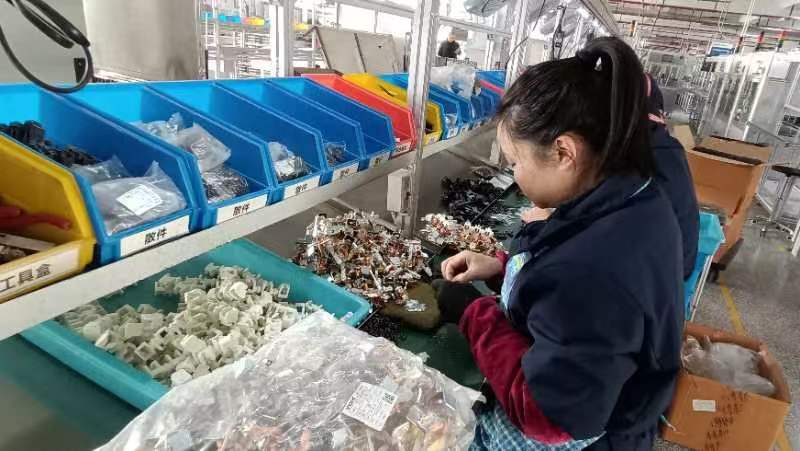
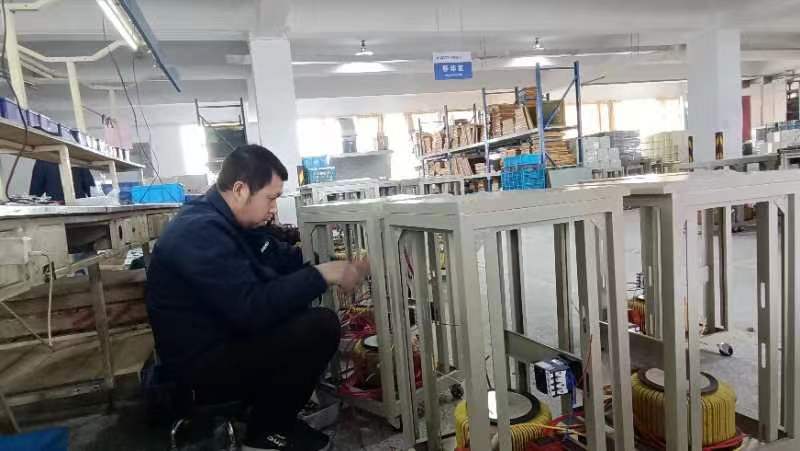
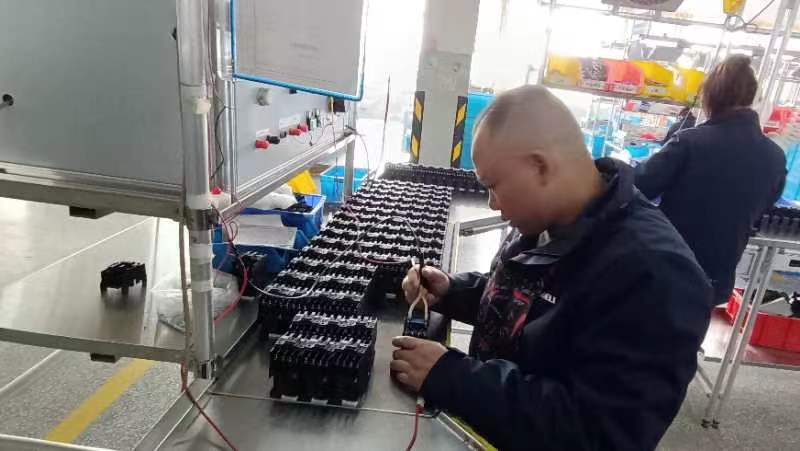
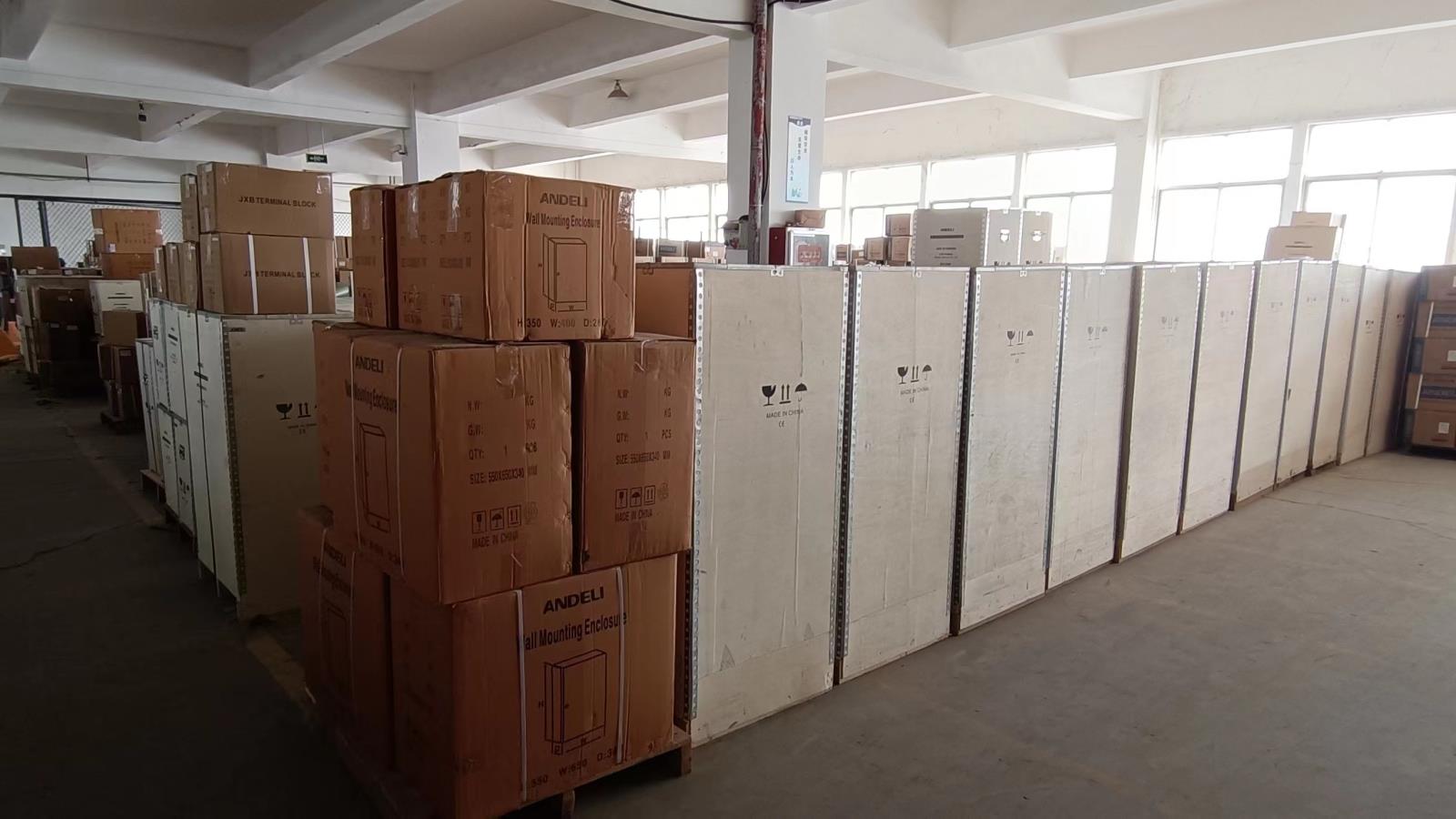
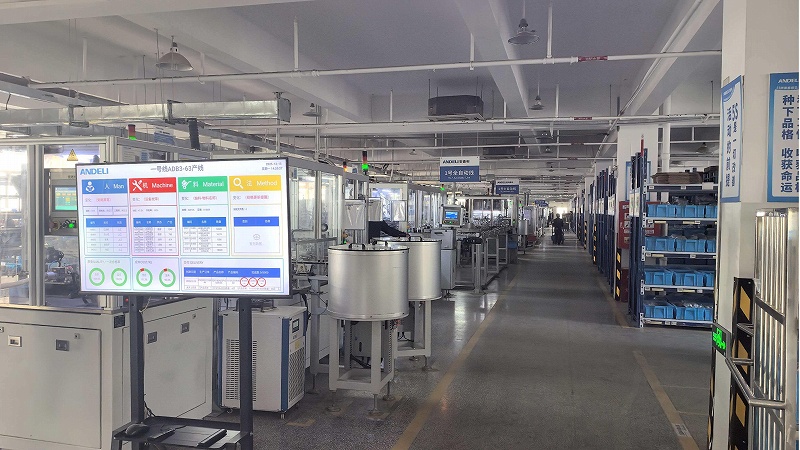
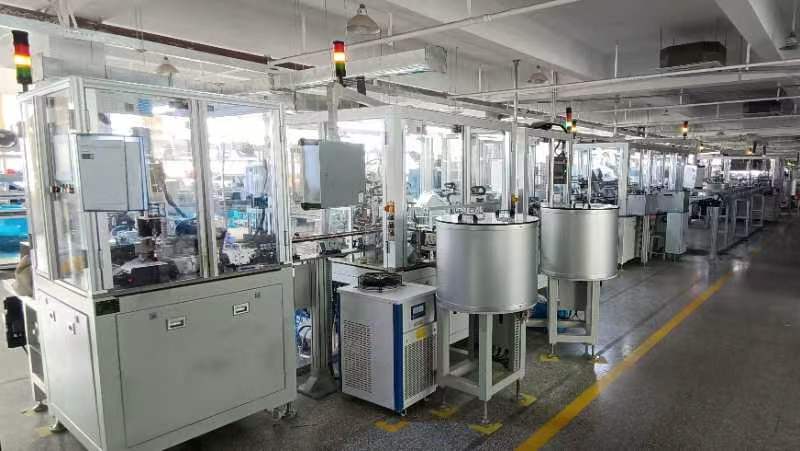
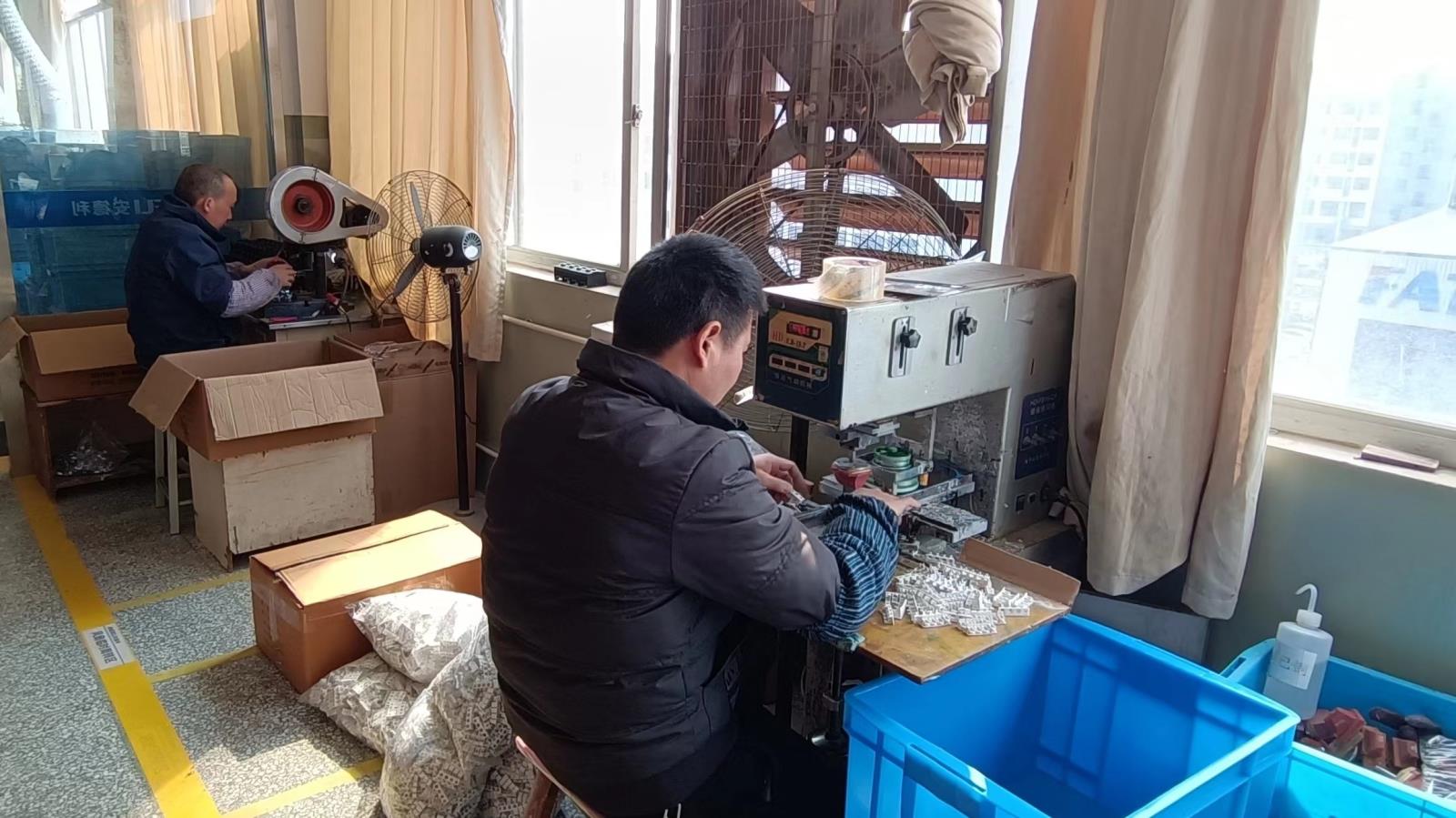
Wenzhou UniWave Electric Co., Ltd. – Leading the evolution of electrical power system components.
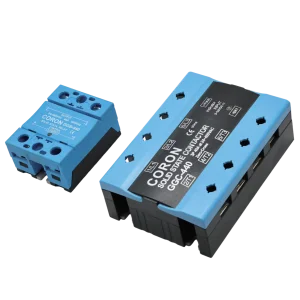
Established in the heart of Yueqing, China's premiere low-voltage appliance cluster, Wenzhou UniWave Electric Co., Ltd. has spent more than 25 years developing a reliable supply chain. Our facilities produce an extensive lineup of high-demand electrical components, including Circuit Breakers (RCBO / RCCB / MCB / WiFi Smart MCB / MCCB / ACB), Isolator Switches, Change Over Switches, AC Contactors, Thermal Relays, Magnetic Starters, Solid State Relays, Distribution Boxes, Voltage Stabilizers, and Voltage Protectors.
Our design philosophy prioritizes longevity and compliance. Every product we manufacture complies with international IEC standards and has earned respected certifications, including SAA, CE, CB (IEC), and ISO9001. This ensures that UniWave products can integrate smoothly into complex projects across Europe, North America, Oceania, Southeast Asia, the Middle East, and Africa.
Our engineering team leverages automated winding systems, computerized thermal-magnetic calibration, and dynamic loading simulators. By controling the production cycle from raw materials to final shipping, we maintain tight tolerances and minimize batch-to-batch variations. This attention to detail has established UniWave as a preferred OEM/ODM partner for global power grid developers, commercial construction companies, and industrial machinery builders.
At Wenzhou UniWave Electric, we focus on customer satisfaction, continuous innovation, and sustainable production. We welcome inquiries from global distributors, EPC contractors, and OEM brands looking to establish stable sourcing partnerships in China. Contact us today to learn more about the UniWave difference.
A technical guide to navigating the complexities of electrical imports and quality verification.
Procuring from a voltage transformer factory or electrical component manufacturer in China requires understanding global compliance frameworks. Buyers must look beyond surface-level pricing to verify that the supplier's engineering credentials align with local grid standards. Key factors to consider include:
Different global markets require distinct compliance pathways. In the European Union, CE marking and CB test certificates are mandatory. For Australia and New Zealand, SAA certification is required to prove safety compliance. Sourcing components that carry these marks ensures your products can be legally installed and insured.
The reliability of electrical components depends on their raw materials. High-performance circuit breakers use pure copper elements, silver-alloy contacts (for high electrical conductivity and minimal contact degradation), and flame-retardant, high-strength PA66 housing. Choosing lower-grade plastics or copper-clad aluminum can lead to premature failure under high thermal stress.
Industrial control components must perform reliably in harsh environments. Whether installed in cold-weather wind turbines or hot desert solar stations, products must maintain stable trip curves. Modern relays and contactors should feature wide operating temperature ranges and clear IP ratings (such as IP20 for panel mounting or IP65 for outdoor enclosures).
Key information regarding low-voltage component design, performance limits, and manufacturing compliance.
Explore our high-performance solid-state relays, heavy-duty DC contactors, and digital control modules designed for demanding environments.
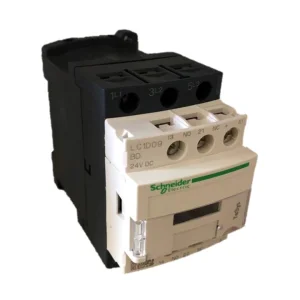 Hot Sales LC1D09BD 9A 250A 24VDC 3P DC Magnetic Contactor IP20 Rated 1NO+1NC Contacts
View Specifications
Hot Sales LC1D09BD 9A 250A 24VDC 3P DC Magnetic Contactor IP20 Rated 1NO+1NC Contacts
View Specifications
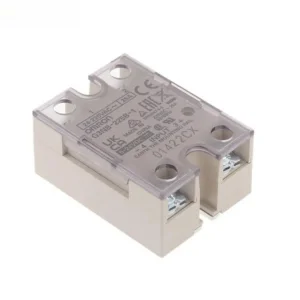 Original G3NB-225B-1 Solid State Relay 25A 220VAC DC5-24V Control Brand New In Stock
View Specifications
Original G3NB-225B-1 Solid State Relay 25A 220VAC DC5-24V Control Brand New In Stock
View Specifications
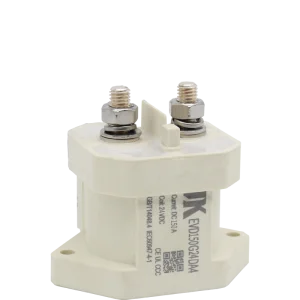
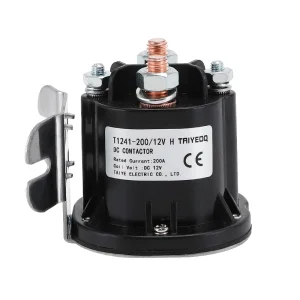 12V/24V/48V 200A 1NO 1 Phase DC Contactor T1241-200 for Battery Trucks Electric Forklifts Winches & Vehicles
View Specifications
12V/24V/48V 200A 1NO 1 Phase DC Contactor T1241-200 for Battery Trucks Electric Forklifts Winches & Vehicles
View Specifications