UniWave Electric
UniWave Electric
UniWave Electric
Explore our premium selection of certified circuit breakers, high-voltage contactors, and precise monitoring systems engineered for ultimate grid safety and process automation.
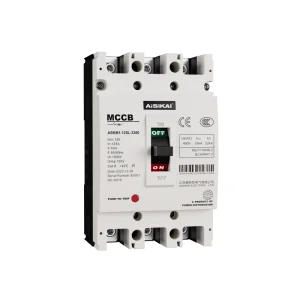
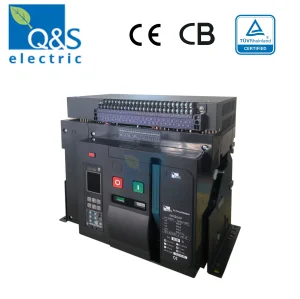
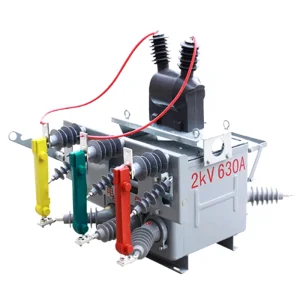
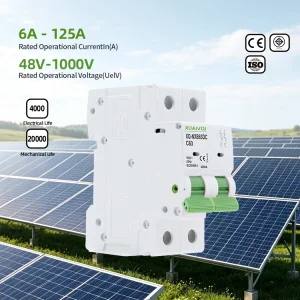
In modern industrial and utility infrastructure, current monitoring is no longer just a defensive mechanism; it is the cornerstone of proactive energy management and equipment safety. Current monitors detect fluctuations, overcurrent, undercurrent, and phase imbalances, signaling protective devices like air circuit breakers (ACBs) or molded case circuit breakers (MCCBs) to isolate faults before catastrophic failures occur. According to industrial safety reports, over 35% of electric motor burnouts and grid downtimes are directly linked to undetected current fluctuations that could have been mitigated by high-fidelity current sensing arrays.
As smart grids, EV charging corridors, and high-density data centers expand globally, the demand for highly reliable, CE-certified current monitors and coordinated circuit protection units has escalated. Sourcing professionals must identify factories that don't just assemble components, but design entire, standards-compliant platforms capable of functioning in harsh environments—from the extreme heat of solar arrays in Africa to high-duty cycle production floors in Europe.
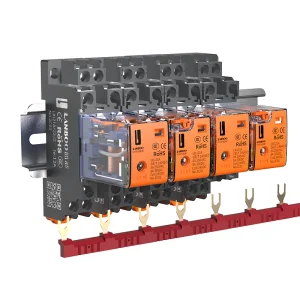
To maximize system uptime, industrial operators need a holistic understanding of how current monitors interact with magnetic contactors, thermal relays, and solid-state switches. This guide details the manufacturing parameters, localized application strategies, and macro-industrial solutions that set China's leading low-voltage appliance cluster apart from general global competitors.
Wenzhou UniWave Electric Co., Ltd. is strategically situated in Liushi, Yueqing, Wenzhou, China—unanimously designated as the "Capital of Low Voltage Electrical Appliances". This geographical positioning translates into immediate, tangible benefits for international procurement divisions:
Within a 10-kilometer radius of our manufacturing base, every raw material, from oxygen-free copper wire and silver alloy contacts to flame-retardant polyamide casing polymers, is sourced and verified. This eliminates domestic logistics bottlenecks and stabilizes manufacturing lead times.
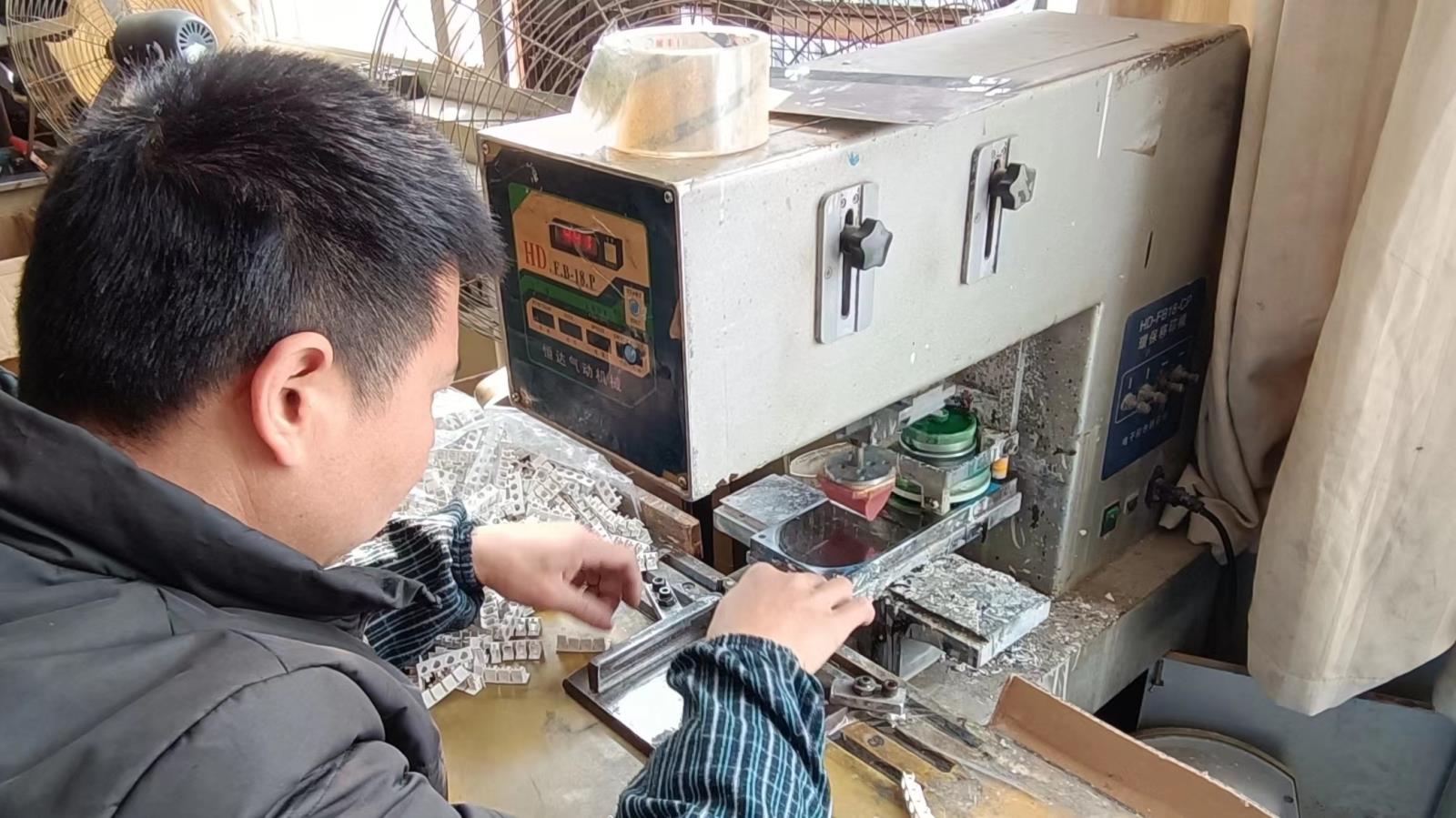
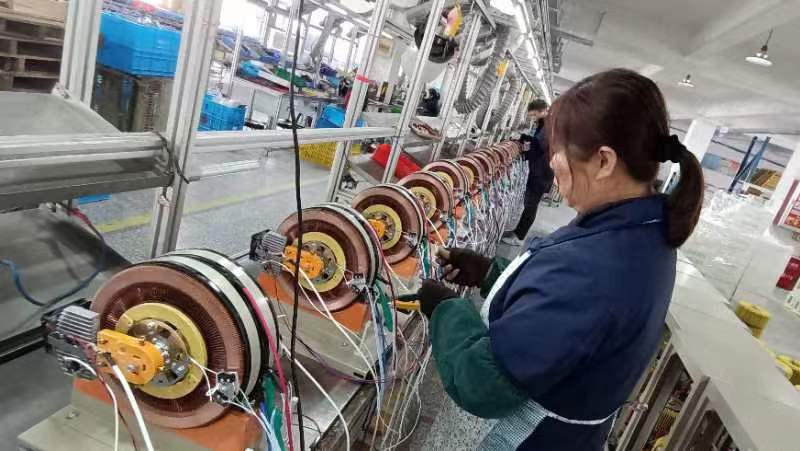
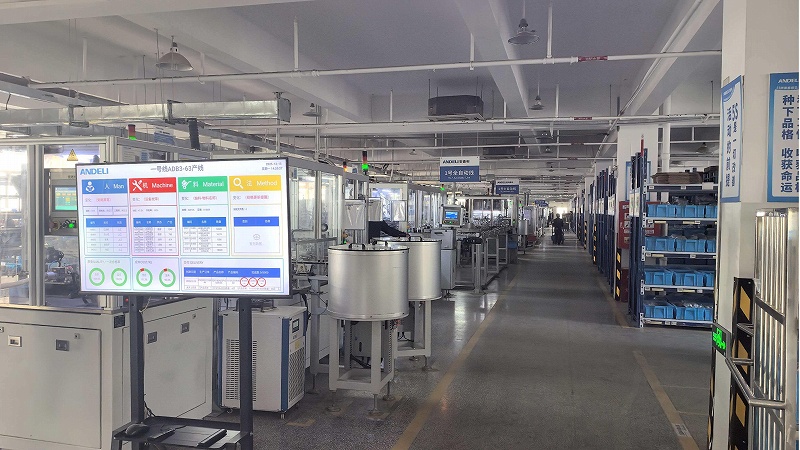
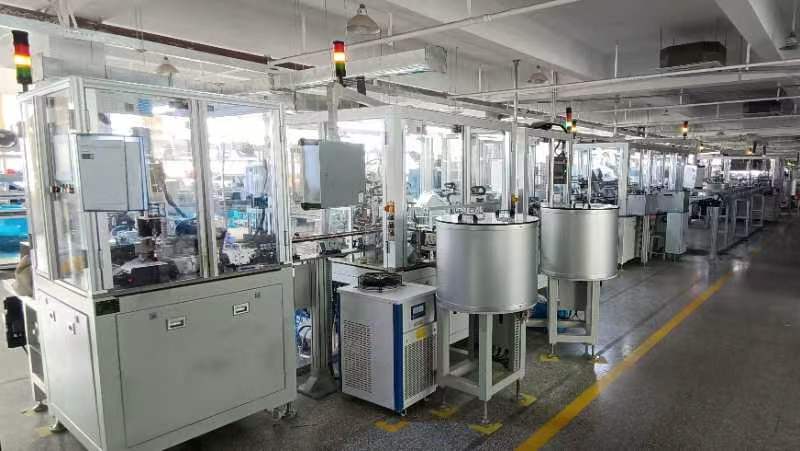
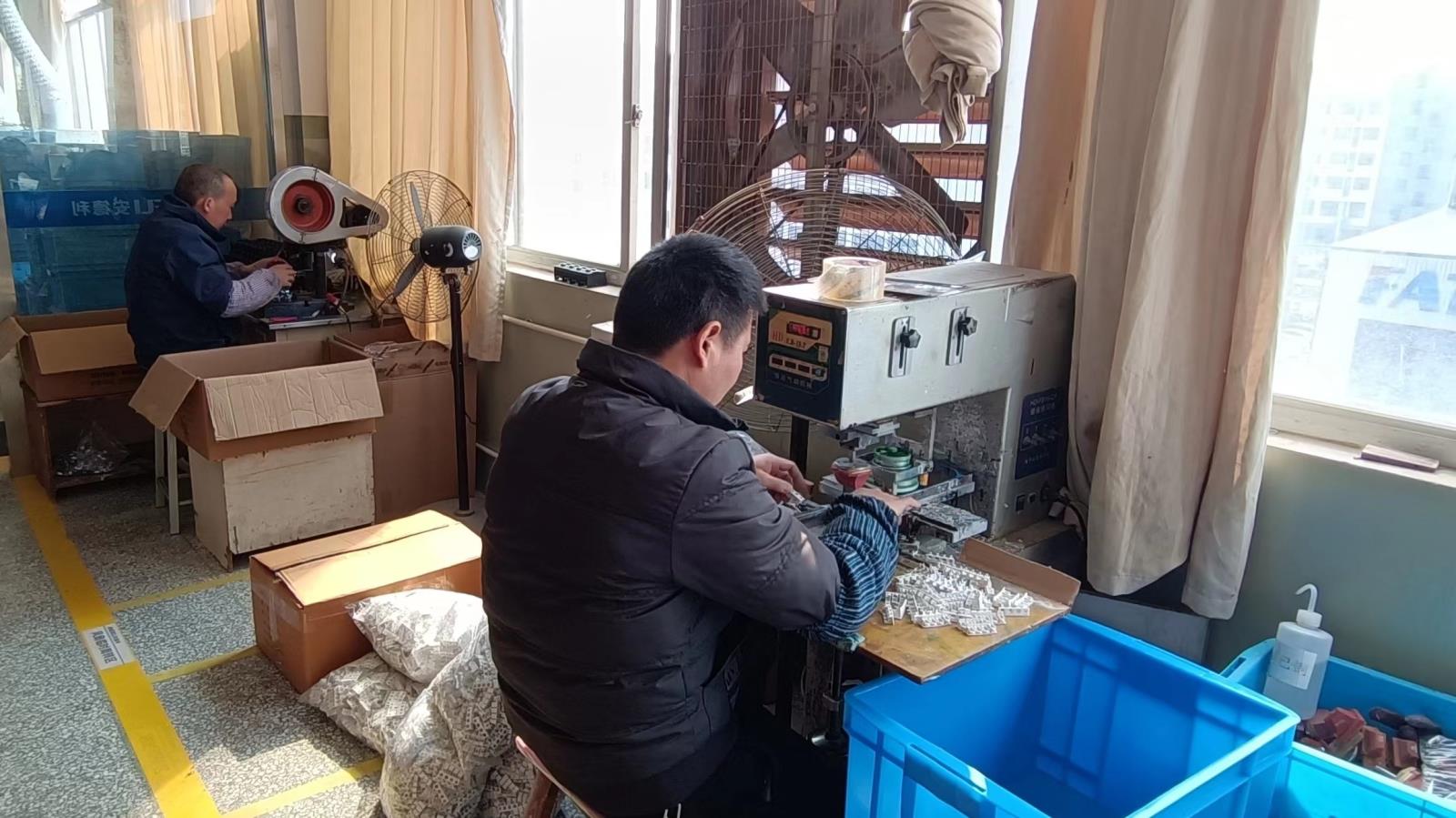
Yueqing's mature engineering ecosystem allows us to implement high-speed automatic winding processes and dedicated pad-printing machines. Our R&D team works closely with local metallurgical and electronic research labs to constantly upgrade trip unit precision and dielectric coatings.
With 25 years of field history, UniWave products meet rigorous international thresholds. Our portfolio complies with global IEC guidelines and has secured certifications including SAA (Australia/NZ), CE (Europe), CB, and ISO9001 quality management stamps, ensuring rapid customs clearance and immediate compliance alignment.
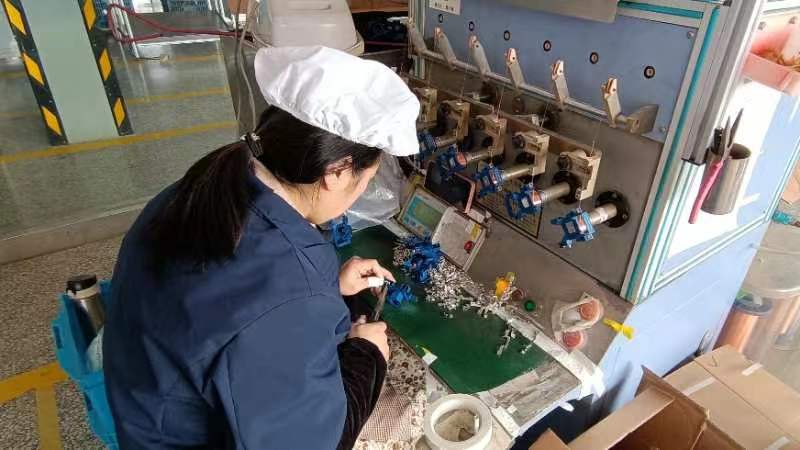
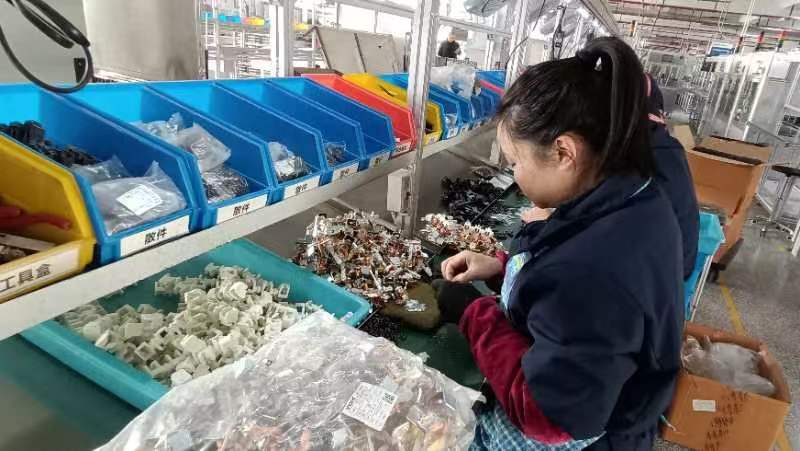
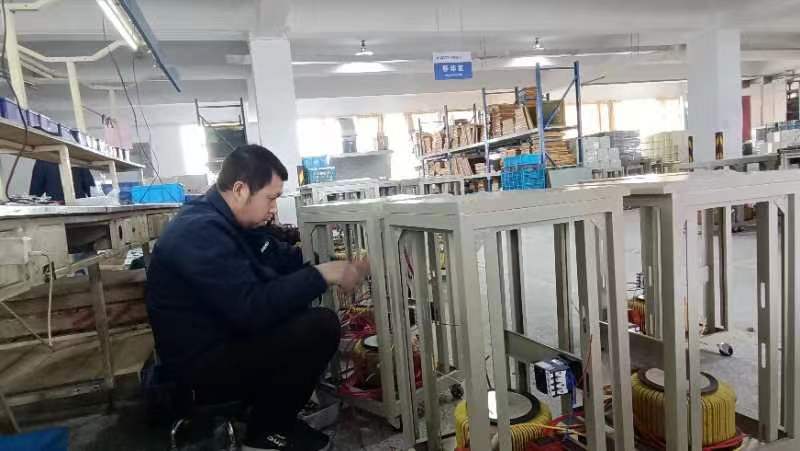
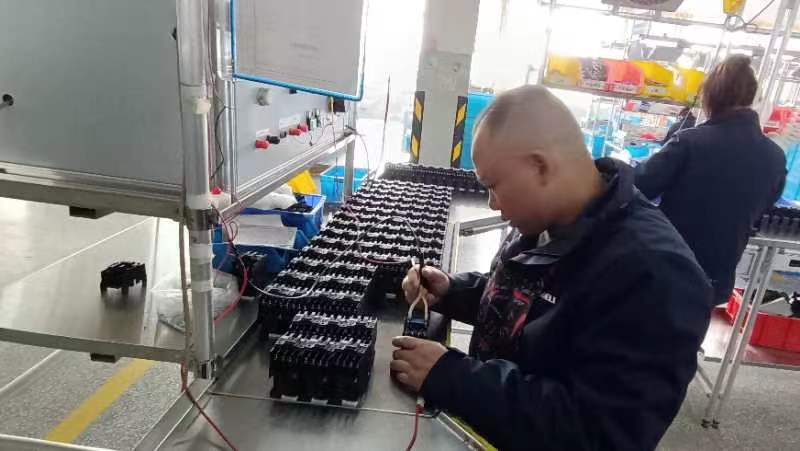
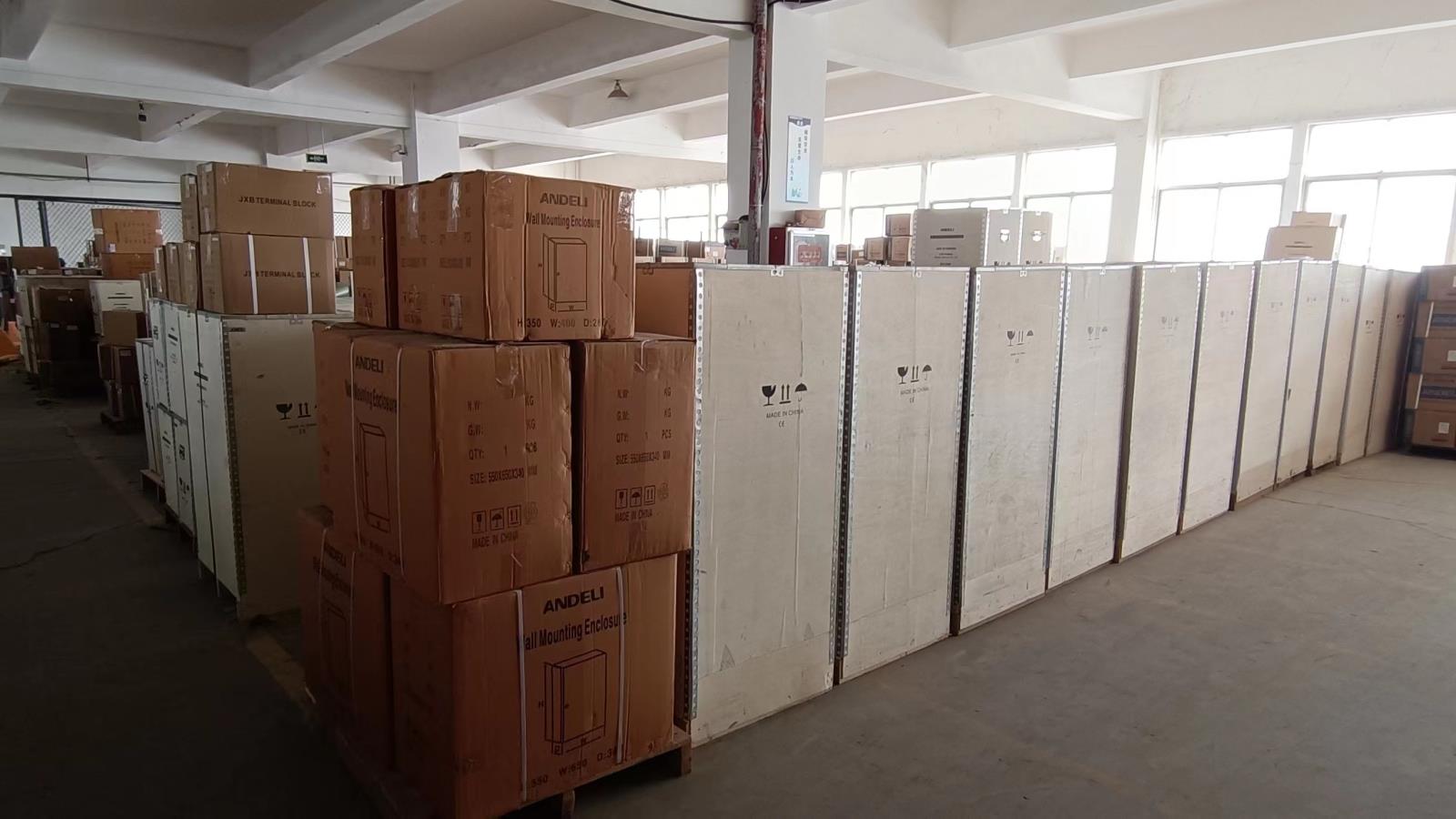
Reliable current monitors and control gear are built on micro-level consistency. Below is a comprehensive look at the step-by-step manufacturing, winding, and assembly processes executed at Wenzhou UniWave Electric Co., Ltd.'s facility. Each stage represents a critical control point for engineering tolerance and physical longevity.
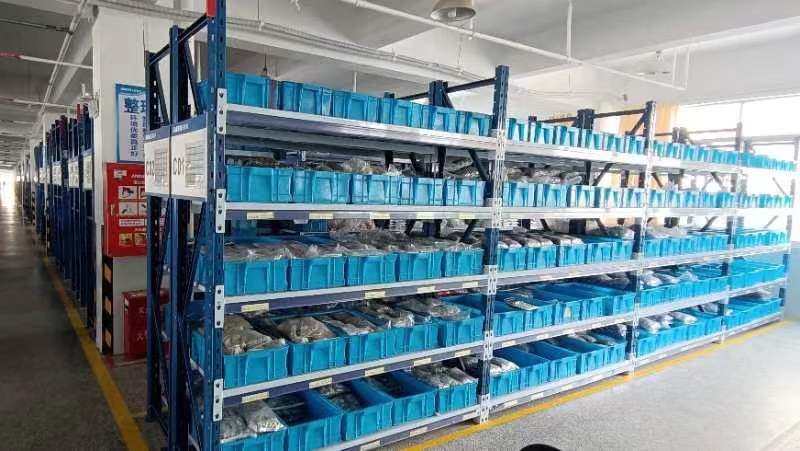
The low-voltage electrical landscape is undergoing a massive shift powered by industrial IoT (IIoT) and renewable energy systems. Sourcing managers should align their catalogs with these key developments to remain competitive over the next decade:
Traditional overload relays protect systems by disconnecting on thermal changes. However, modern procurement relies on devices such as WiFi Smart MCBs and digital current relays that transmit real-time telemetry. These tools detect sub-amp variations and feed diagnostic platforms with the necessary metrics to run predictive maintenance algorithms, avoiding unexpected plant shutdowns.
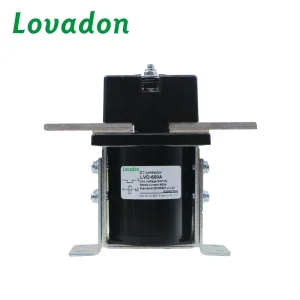
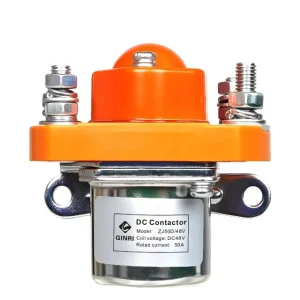
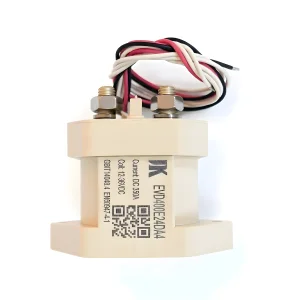
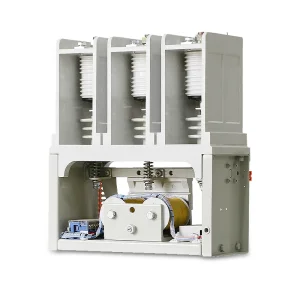
Standard AC distribution technology is being augmented by massive DC grids. The exponential rise of EV fast-charging stations (CCS and NACS standards) and battery energy storage systems (BESS) requires specialized DC relays, DC contactors (50A to 1500A), and high-voltage isolators. Managing arcing in 1000VDC environments requires optimized magnetic blowouts and gas-filled chambers—technologies developed directly at our Liushi R&D hub.
European and North American buyers are facing stricter environmental regulations (such as RoHS and REACH). Sustainable sourcing now requires manufacturers to use non-toxic polymers and recyclable copper alloys. UniWave ensures compliance at the raw material level, tracking lead-free alloys and clean coating methods throughout the production cycle.
Low-voltage devices do not operate in isolation; they form integrated safety networks across diverse operational environments. Here is how our component ecosystem is deployed to solve critical real-world challenges:
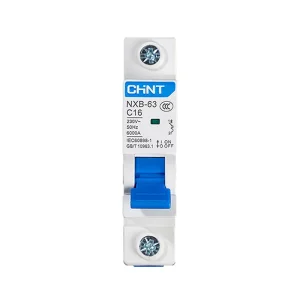
Overcurrent in solar strings can degrade photovoltaic panels and risk field fires. Our DC Miniature Circuit Breakers (MCB) 500V/1000V are integrated into PV combiner boxes and central inverters to provide safe current isolation. This allows maintenance teams to isolate arrays without shutting down the entire system.
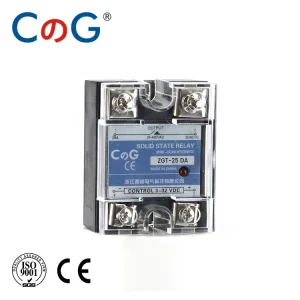
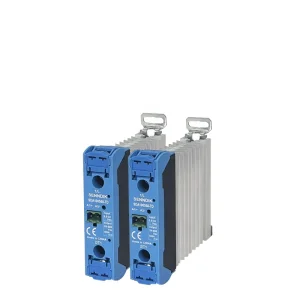
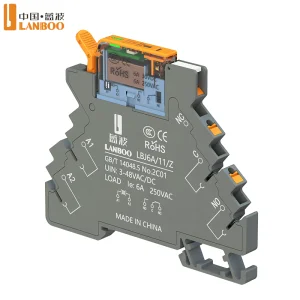
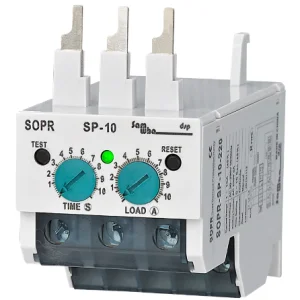
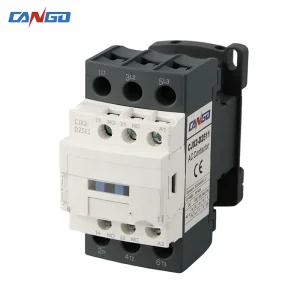
Heavy duty pump and conveyor motors require protection against phases dropping and sudden mechanical jams. Coordinated setups featuring an AC Contactor, a Thermal Overload Relay, and a Solid State Relay (SSR) ensure that current spikes are managed immediately, preserving motor windings and preventing expensive motor replacements.
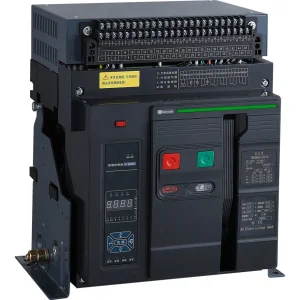
Cloud environments cannot tolerate even milliseconds of downtime. Combining high-capacity Withdrawable Air Circuit Breakers (ACB) with smart electronic protection units allows data center infrastructure to transition power sources cleanly, isolating faults locally without affecting adjacent server racks.
Designed for industrial machinery, clean energy infrastructure, and smart residential distribution panels.
Get authoritative answers on compliance, customization, and operations directly from our engineering team.