UniWave Electric
UniWave Electric
UniWave Electric
Engineered for absolute accuracy and extreme endurance in industrial environments, operating alongside our core circuit breaker range.
In modern high-speed industrial processing, precision feedback loops and mechanical safety systems form the foundation of operating efficiency. CE Certified Limit Sensors and heavy-duty position switches serve as primary sentinels. They protect automated machines by detecting spatial limits, positioning components, and feeding physical status signals back to system controllers. Without reliable limit sensing technology, automated conveyor networks, CNC systems, heavy crane structures, and production pipelines would be vulnerable to structural failure and dangerous overruns.
Wenzhou UniWave Electric Co., Ltd. integrates decades of low-voltage electrical engineering expertise to supply global markets with robust safety equipment. Located in Liushi, Wenzhou, China—often called the "City of Low Voltage Electrical Appliances"—UniWave leverages a strong engineering ecosystem to produce switches, contactors, relays, and circuit breakers. Our products are designed to survive under high mechanical stress, extreme thermal fluctuations, and corrosive environments while meeting international CE, CB, SAA, and ISO9001 standards.
In today's global market, the integration of automation components requires strict compliance with international safety protocols. In Europe, the CE marking is mandatory, indicating compliance with the Low Voltage Directive (LVD) 2014/35/EU and the Machinery Directive 2006/42/EC. In the United States, UL and NEMA standards dictate structural integrity and electrical enclosure ratings. Similarly, industrial growth in Southeast Asia and the Middle East has increased the demand for IEC-compliant products that can withstand high levels of dust and humidity.
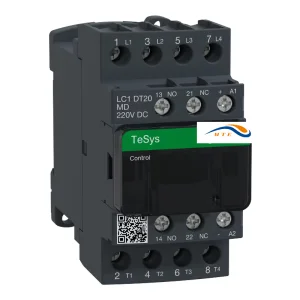
This dynamic has changed the role of limit sensor suppliers. They must provide more than just simple hardware. Today's suppliers need to deliver highly integrated electrical systems. At Wenzhou UniWave Electric, we design our products to handle both mechanical and electrical control. By pairing limit switches with our AC Contactors (LC1D, LC1DT) and Overload Relays (3RB), engineers can build unified systems where position detection leads to immediate circuit interruption or power switching. This integration ensures safety compliance while reducing engineering time for system builders.
Our entire low-voltage range is certified to meet international safety criteria, including IEC 60947 standards. This simplifies importing and regulatory compliance across Europe, the Middle East, and Asia.
We build our components to interface with modern digital factories, offering compatibility with PLCs, smart energy meters, and wireless network configurations.
From custom contact arrangements to specialized mechanical actuators, we provide custom configurations tailored to your specific application requirements.
Limit sensors and low-voltage protection systems operate under different conditions depending on the industry and region. To help engineering teams configure these systems, we have outlined four key application scenarios below:
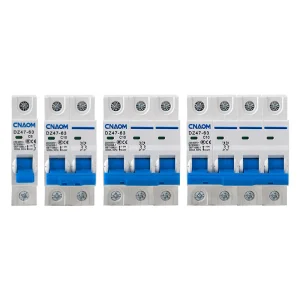
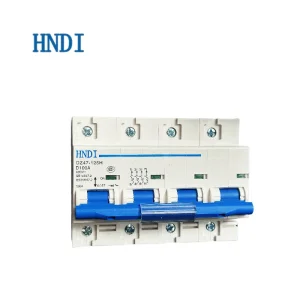
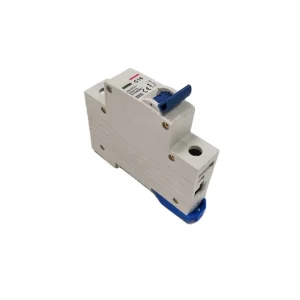
In major logistics hubs across Germany, the Netherlands, and France, high-speed sorting centers rely on sensor networks to keep package distribution moving smoothly. In these facilities, Limit Sensors monitor conveyor tray alignments and carriage positions. If an alignment error is detected, the sensor alerts a Miniature Circuit Breaker (such as the DZ47-63) or an AC Contactor to immediately cut power to the conveyor motor. This fast intervention protects the mechanical sorting arms and prevents packages from piling up.
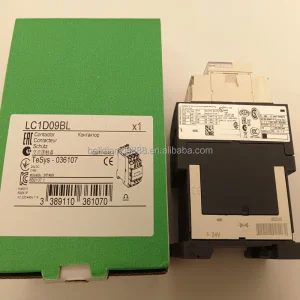
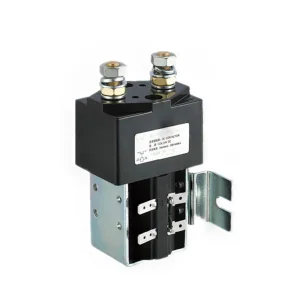
Port operations in countries like the UAE and Saudi Arabia face challenging environmental conditions, including fine sand, high temperatures, and saline air. Heavy-duty limit switches are installed on gantry cranes to prevent the hoist trolley from overrunning its tracks. These switches are paired with robust motor control components, such as the Schneider TesSys D style LC1DT contactors, which switch high motor currents without overheating. This combination keeps heavy cargo operations safe, even in extreme heat.
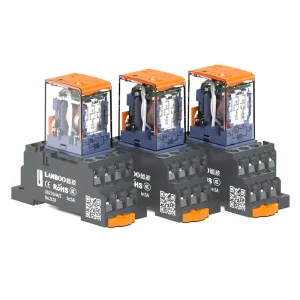
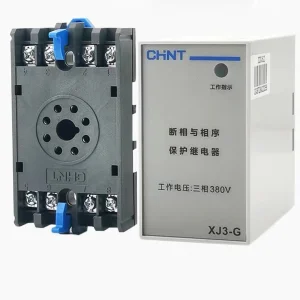
Precision manufacturing centers in Vietnam, Thailand, and Malaysia require high accuracy and quick response times. In these setups, sub-miniature limit sensors and proximity switches monitor the coordinates of tool-heads. These sensors send signals directly to high-reliability relays like the LANBOO Micro Electromagnetic Relay, allowing the system to quickly switch between manual setup and automatic execution modes while protecting the machine spindle from crashes.
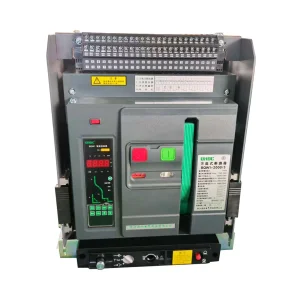
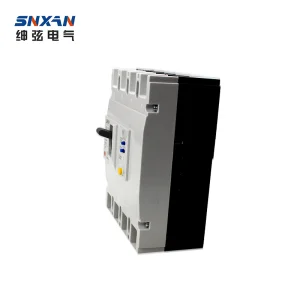
In mineral processing plants and steel mills, heavy equipment faces dust, vibration, and extreme mechanical stress. Our heavy-duty limit sensors are used here to detect the travel limits of massive rock hoppers and furnace doors. The electrical panels in these harsh environments are equipped with Durable Electronic MCCBs (such as our 4P 400A switches), providing reliable overcurrent and short-circuit protection for heavy-duty motors and operations.
Industrial sensing is shifting away from simple mechanical contacts toward smart, digital, and connected systems. The next generation of limit sensors will focus on communication protocols like **IO-Link**. This standard allows sensors to send real-time diagnostics, temperature readouts, and wear indicators back to central control systems, making it possible to replace worn components before they fail.
Additionally, wireless and energy-harvesting technologies are beginning to replace traditional wired connections. These self-powered switches generate a small electrical signal from the physical movement of the actuator, sending a wireless alert without requiring power lines or batteries. At Wenzhou UniWave Electric, we monitor these trends closely. We are updating our product lines to include intelligent, communicative breakers and relays that integrate with IoT gateways. This ensures our customers can transition smoothly into the era of smart factory automation.
We maintain a modern factory in Wenzhou, China, equipped with automated assembly and winding lines to ensure consistent quality and short lead times.
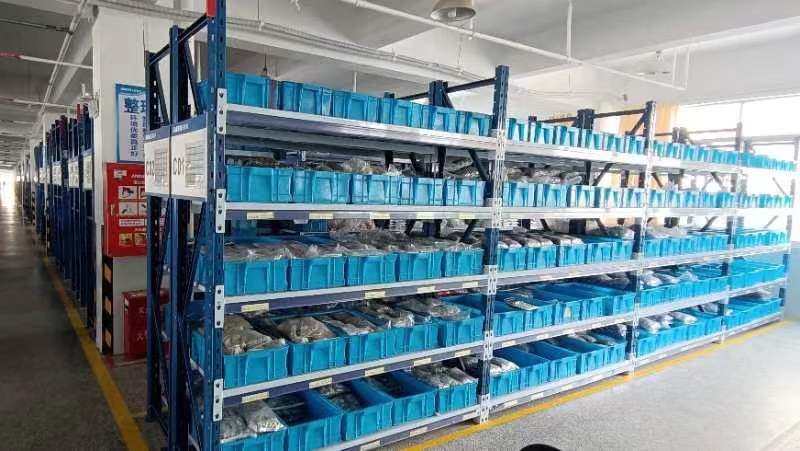
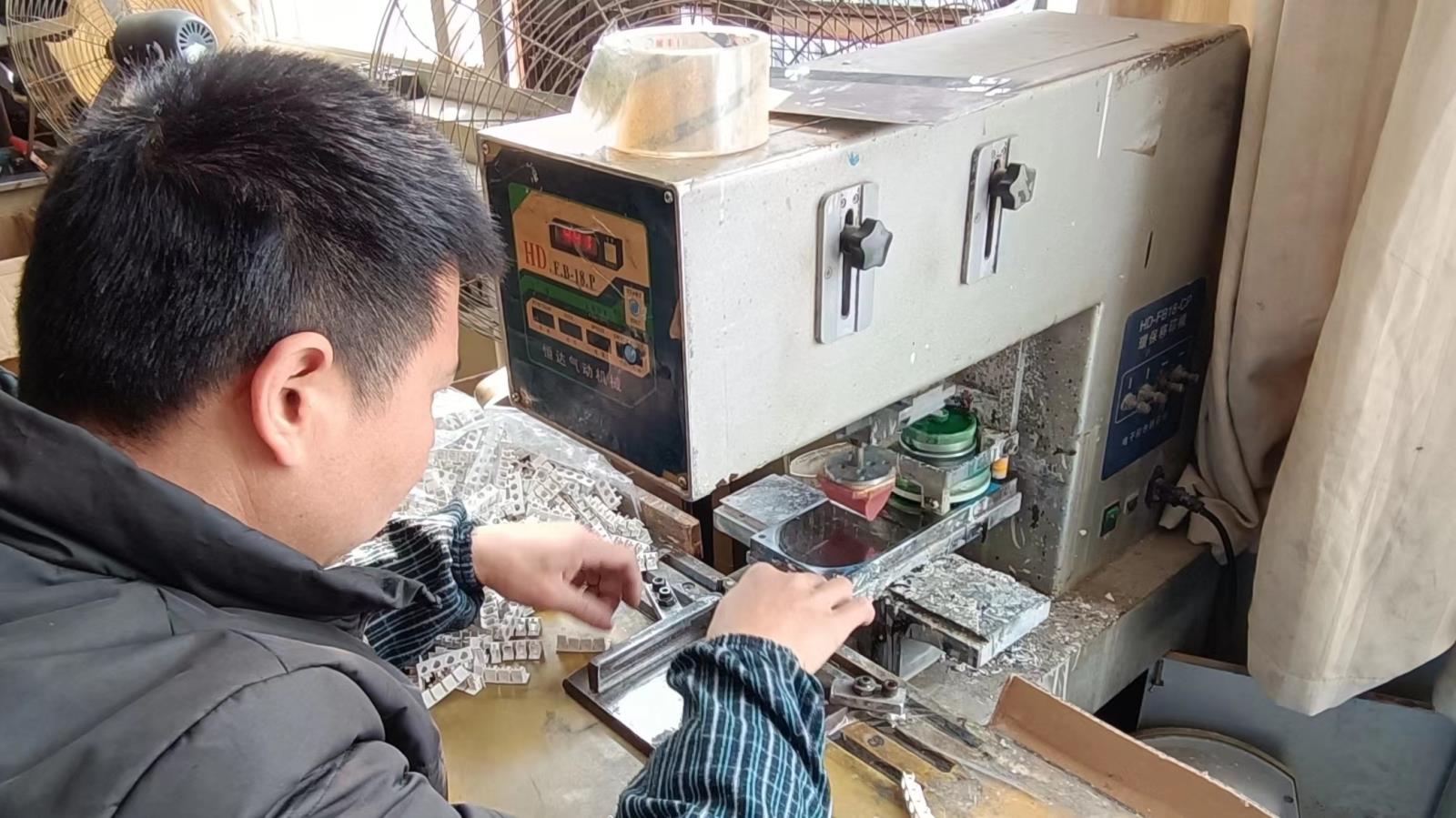
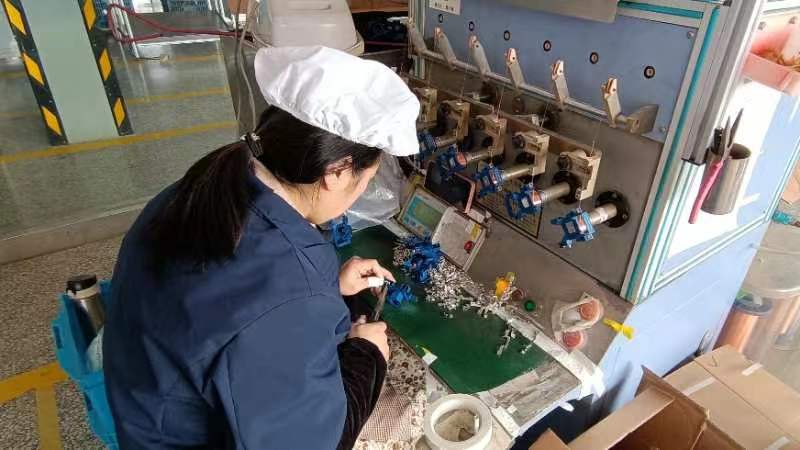
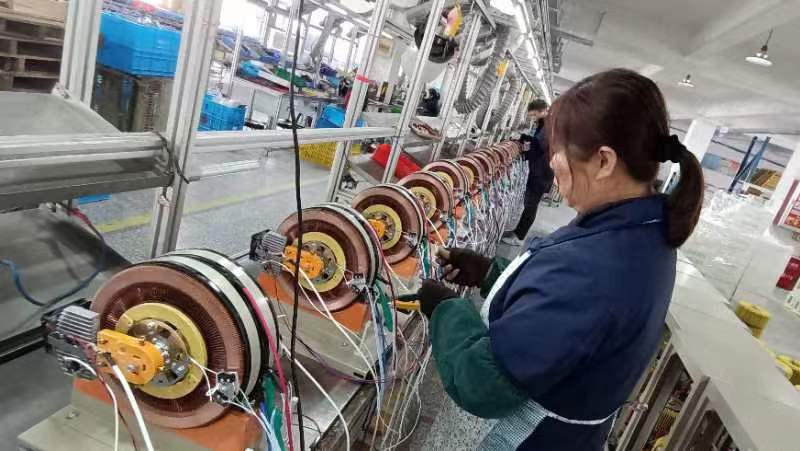
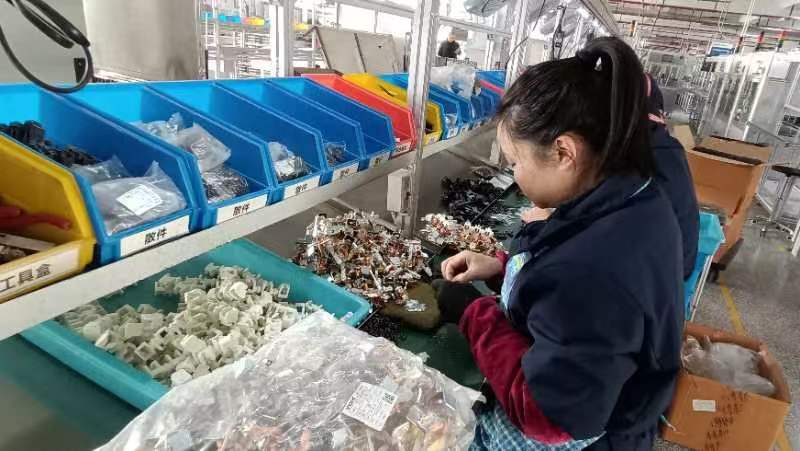
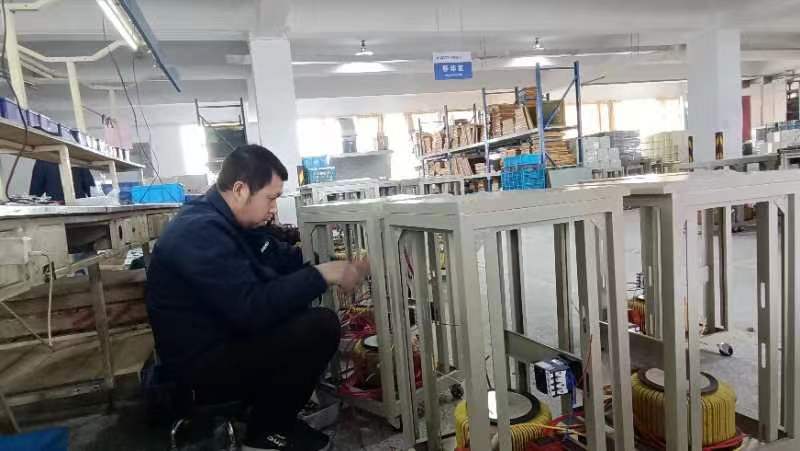
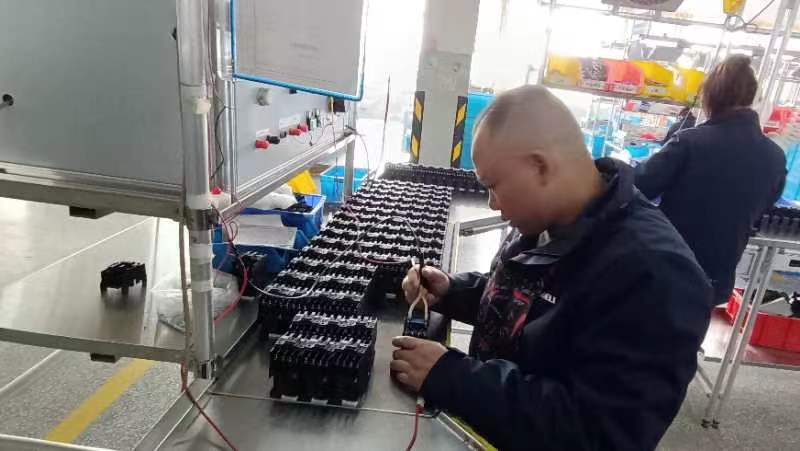
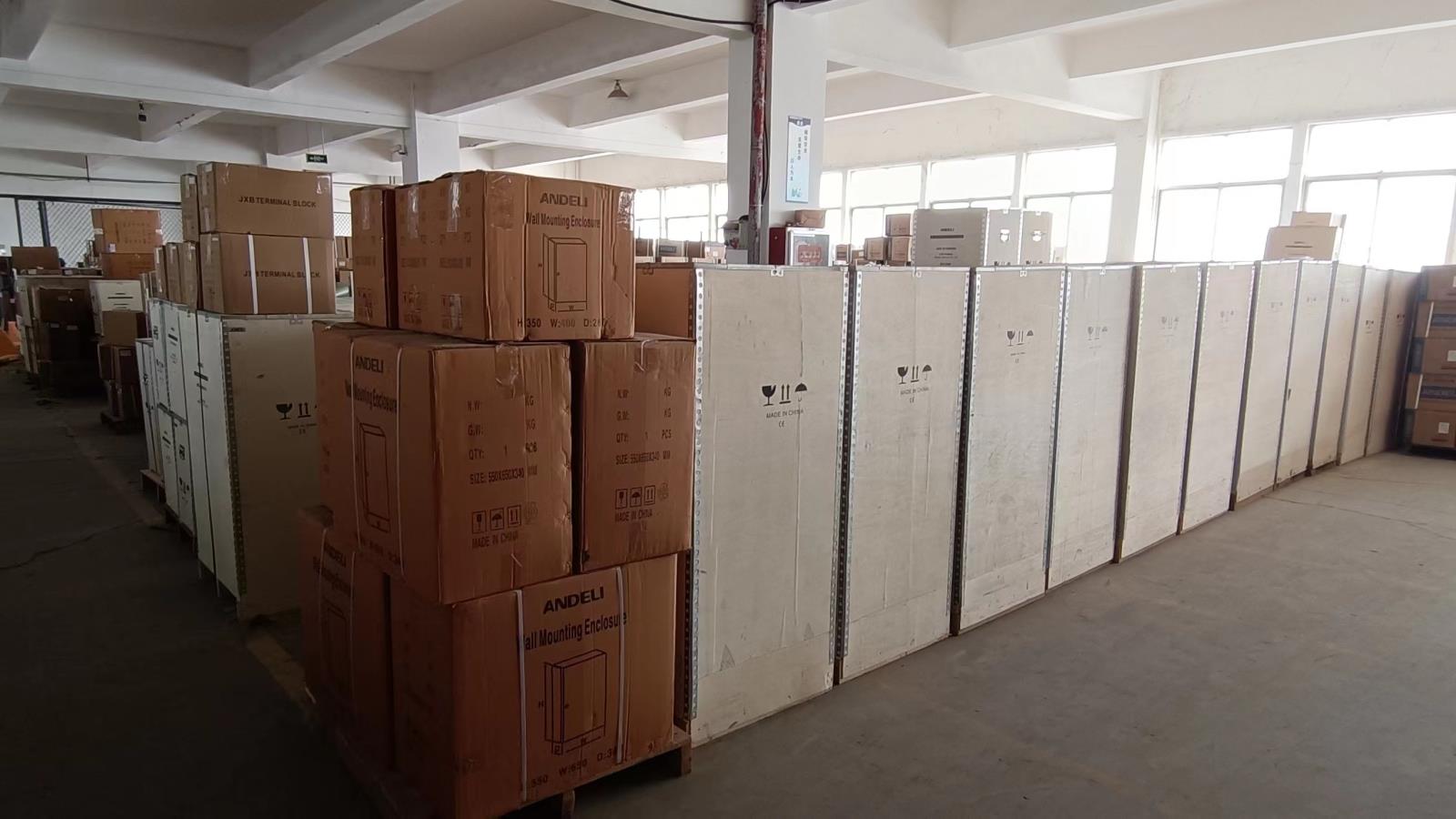
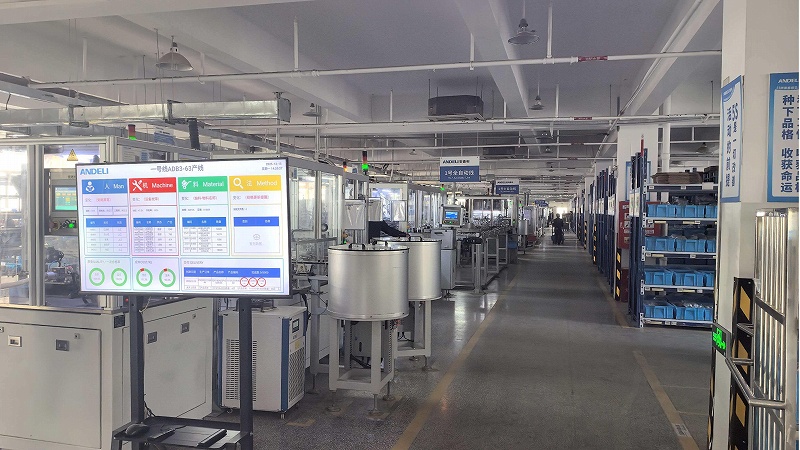
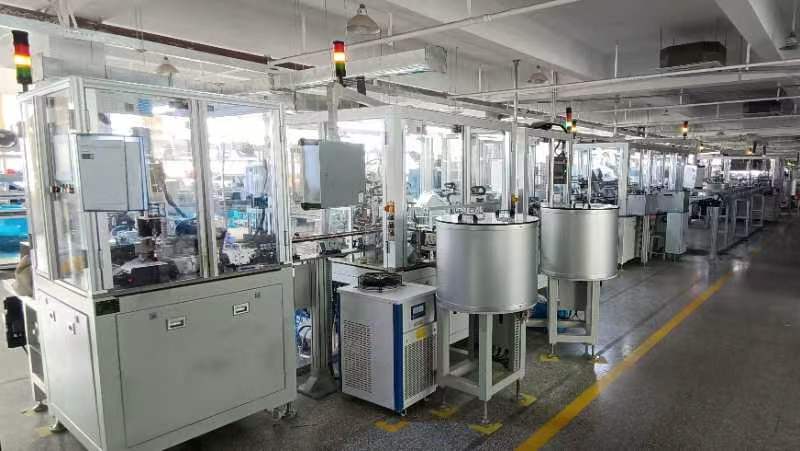
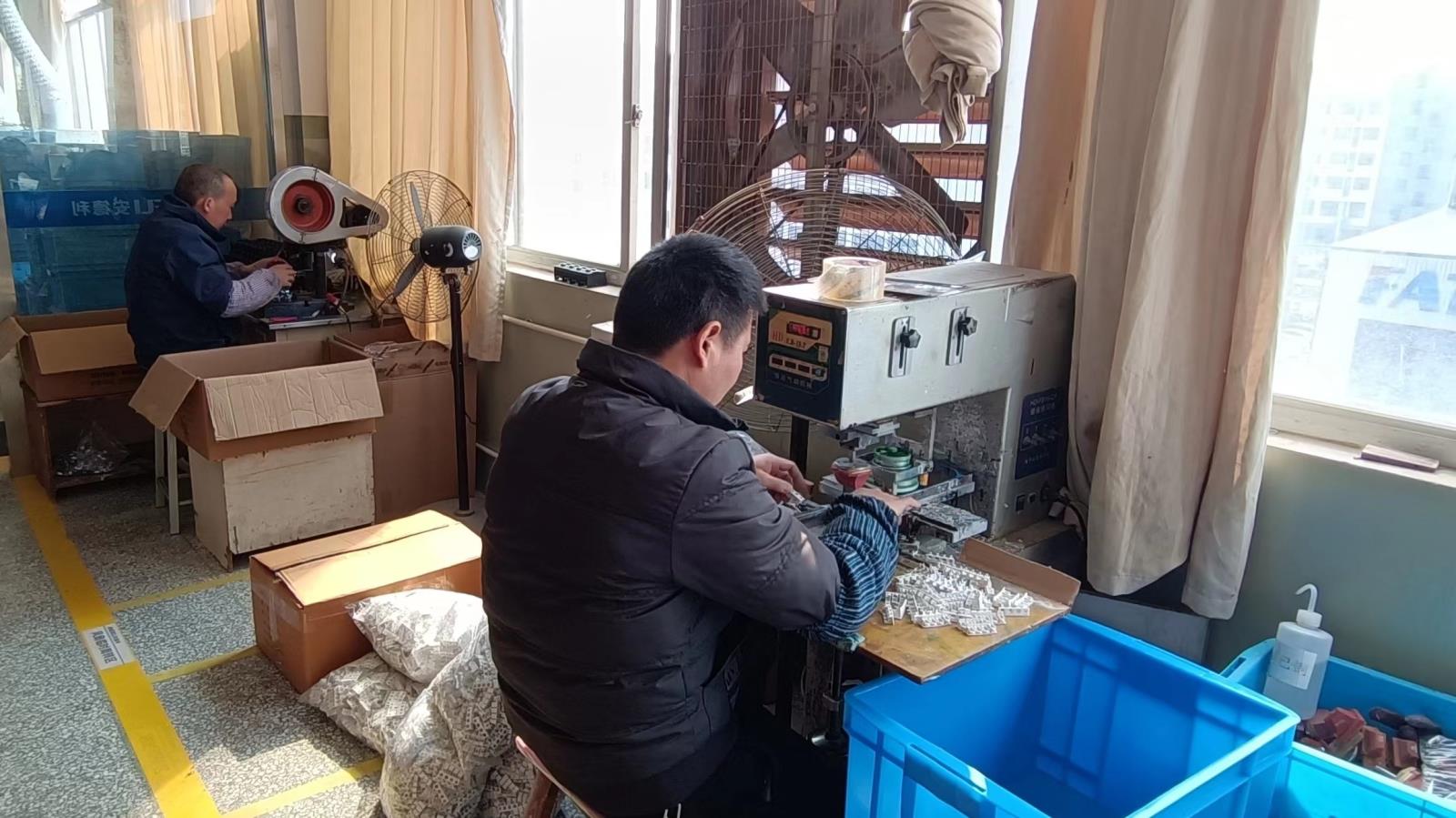
Wenzhou UniWave Electric Co., Ltd. benefits from its location in Liushi, Wenzhou—China's primary industrial cluster for low-voltage electrical manufacturing. This regional concentration gives us direct access to high-quality raw materials, specialized molding components, and advanced testing laboratories, all within a short radius. This proximity helps us lower manufacturing costs while maintaining high quality standards and keeping lead times short.
Our facility runs automated assembly systems and precision winding machines, supported by strict QA/QC testing. We inspect raw materials on arrival and test final products under load to verify their timing and performance. This integrated approach allows UniWave to deliver reliable, high-performance components to global distributors, OEMs, and system builders at competitive prices.
Technical answers to common questions about limit sensors, low-voltage protection, and system compatibility.
Explore our range of industrial circuit protection devices, relays, and motor starters designed to support safe and efficient operations.