UniWave Electric
UniWave Electric
UniWave Electric
Premium automation components engineered to coordinate seamlessly with solid-state systems and high-precision magnetic sensors.
A benchmark manufacturer of high-reliability distribution, sensing systems, and smart protective apparatus.
Rooted in the low-voltage epicentre of Liushi, Yueqing, Wenzhou, China, Wenzhou UniWave Electric Co., Ltd. has integrated production chains spanning over two decades, setting standards for safety, material science, and manufacturing consistency across circuit breakers, starters, and integrated electronics.
Our manufacturing workflow strictly matches IEC standards, possessing globally authoritative approvals including SAA, CE, CB, and ISO9001. This ensures that every component performs optimally under high stress across markets in Europe, America, Southeast Asia, and the Middle East.
Equipped with advanced testing instruments and a highly skilled R&D team, we transition smoothly from analog relay designs to smart digital interfaces and robust magnetic sensor integrations, offering customized OEM/ODM industrial solutions.
Deciphering the physics of contactless sensing and its synergy with modern solid-state and mechanical switchgear.
A Hall Effect Sensor operates on the core principle of electromagnetic voltage differentiation discovered by Edwin Hall in 1879. When a conductor carrying a current is placed within a transverse magnetic field, a potential difference—known as the Hall voltage—is induced perpendicular to both the path of the current and the magnetic vector field lines. In contemporary automation architectures, this basic physical phenomenon forms the foundation of contactless displacement, velocity, and current tracking systems.
As industrial automation shifts from mechanical physical contact to solid-state systems, the integration of Hall effect sensing devices has become essential. Unlike traditional mechanical limit switches or potentiometers, Hall effect devices offer virtually infinite mechanical lifetimes. They operate immune to environmental factors such as dust, humidity, oils, and intense vibrations commonly found in heavy industrial settings.
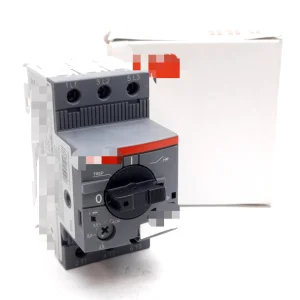
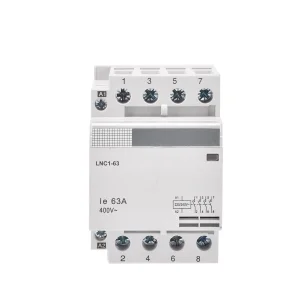
Furthermore, this sensing mechanism interfaces directly with high-performance motor controls, such as manual motor starters (e.g., MS132 series), AC contactors, and digital overload protection relays. By continuously monitoring the displacement of switching shafts or tracking high-frequency current signatures via integrated Hall-based transducer loops, controllers can detect phase imbalances, excessive load conditions, or structural mechanical wear prior to a critical hardware breakdown.
Technical Keynote: Integrating digital linear Hall-effect arrays within industrial switchgear structures allows operators to map magnetic flux distribution in real-time, achieving diagnostic resolution down to microseconds.
From simple threshold switches to high-dimensional AMR/TMR arrays and smart IoT interfaces.
Historical architectures focused heavily on simple threshold switches that toggled output states once the magnetic flux density exceeded a defined limit. Modern installations leverage linear, high-resolution analog Hall sensors. These chips deliver continuous voltage or PWM feedback proportional to the field magnitude, facilitating sub-millimeter precision in position-tracking loops.
While silicon-based Hall sensors remain highly cost-efficient, the technology roadmap is rapidly adopting Anisotropic Magnetoresistive (AMR), Giant Magnetoresistive (GMR), and Tunnel Magnetoresistive (TMR) sensor platforms. These technologies utilize thin-film metallic layers, achieving significantly higher signal-to-noise ratios, sub-microampere power consumption, and extreme thermal stability across a range of -40°C to +150°C.
The convergence of MEMS architectures with edge computing has yielded "smart" sensors. These sensors do not simply report magnetic fluctuations; they process digital signals locally, execute filtering algorithms, and transmit diagnostics via protocols such as CAN bus, IO-Link, or Modbus. At UniWave, this evolution aligns with our smart WiFi MCB and ACB roadmap, where sensor networks feed real-time performance analytics into cloud dashboards.
Deploying magnetic field sensing platforms across demanding global sectors.
In electric vehicles, Hall sensors monitor rotor position within synchronous motors, pedal positions, and battery disconnect units (BDU). Their zero-wear profile ensures reliable throttle and braking inputs.
Integrated current transformers with Hall feedback loops allow non-intrusive current measurement in medium and high-voltage circuit breakers, protecting main distribution nodes from transient surges without introducing impedance loads.
High-density brush-less DC (BLDC) motors rely on integrated Hall sensor arrays to commute phases. This synchronization is critical for robot joints, conveyor mechanisms, and automated packaging lines.
Solar trackers use directional magnetic sensors to align photovoltaic panels, while wind turbine pitch control systems track blade angles to optimize aerodynamic efficiency under variable wind vectors.
A transparent view inside our advanced manufacturing workflows in Liushi, Wenzhou.
Our production facilities implement advanced automation and standard testing protocols to ensure every circuit breaker, contactor, starter, and sensor configuration complies with strict global performance parameters.
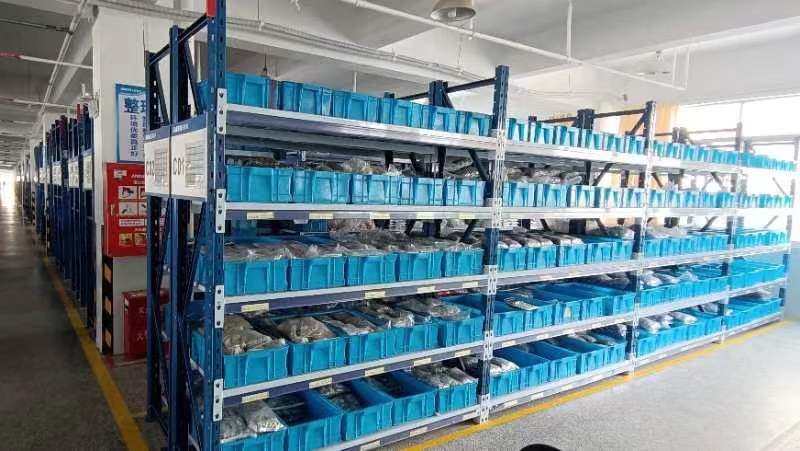
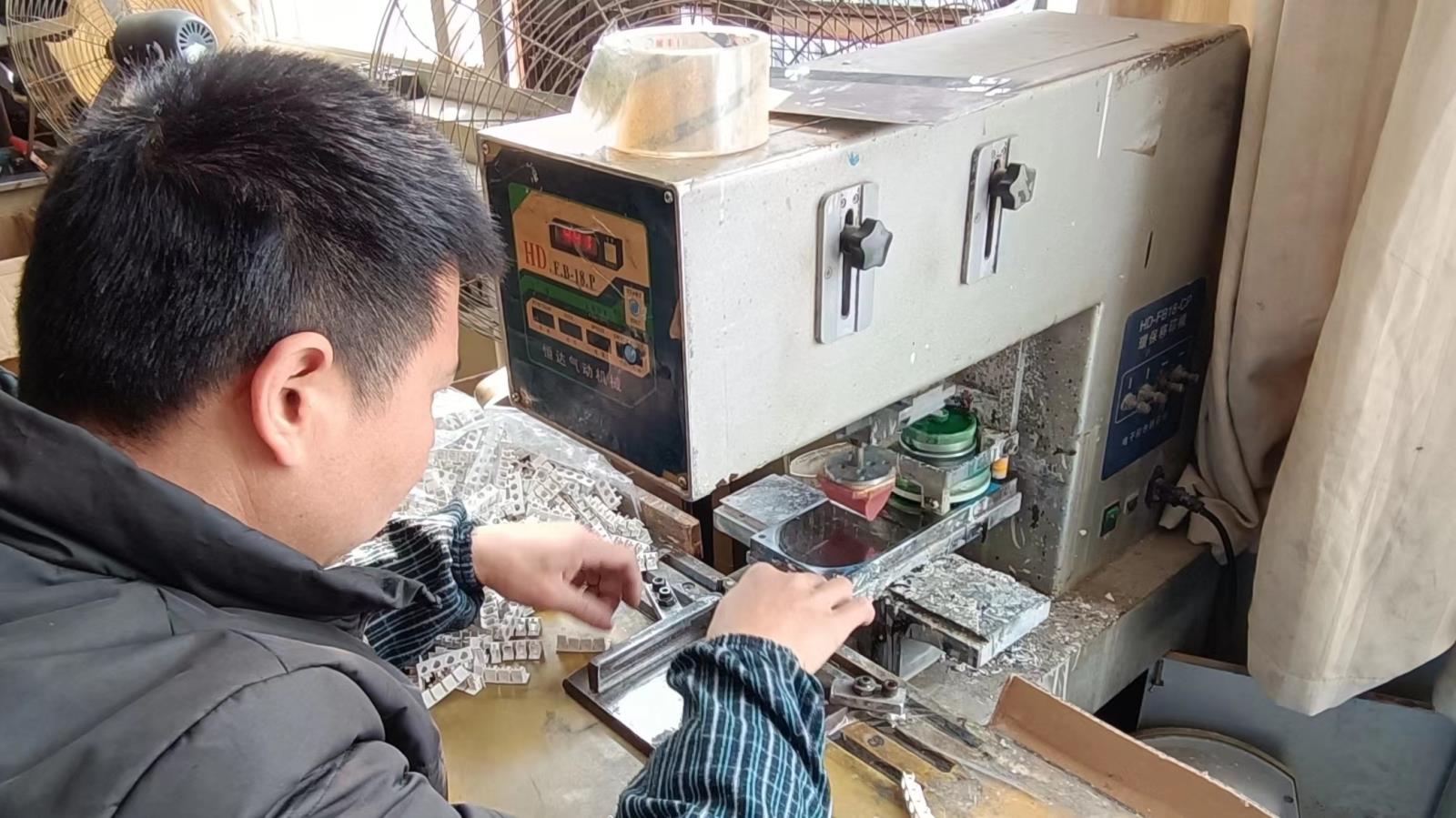
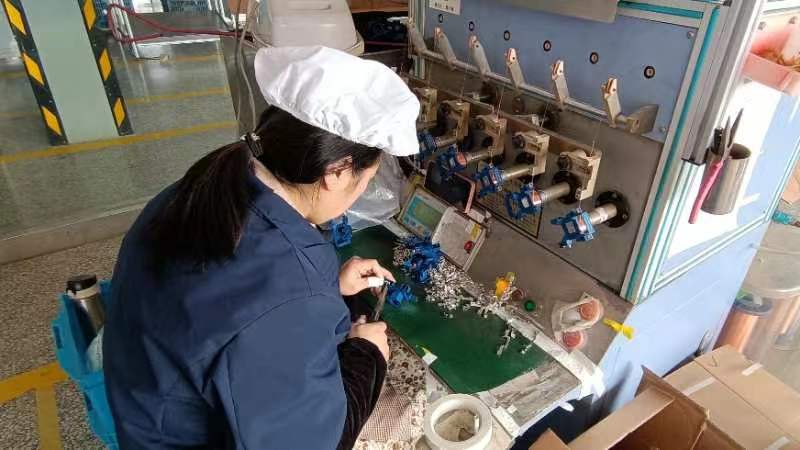
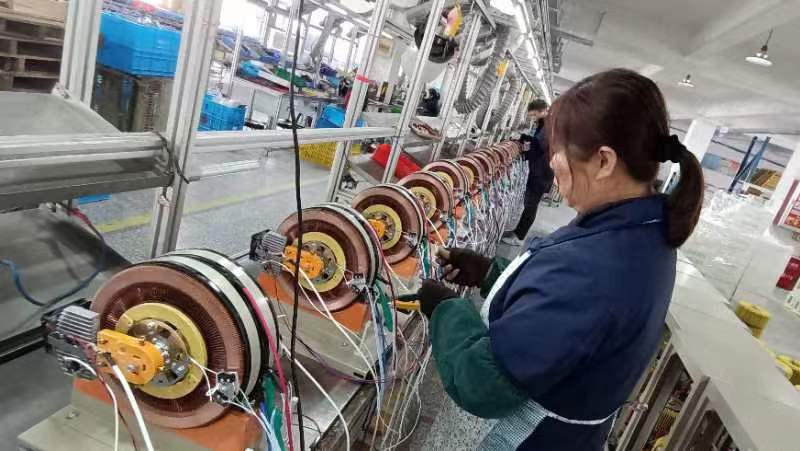
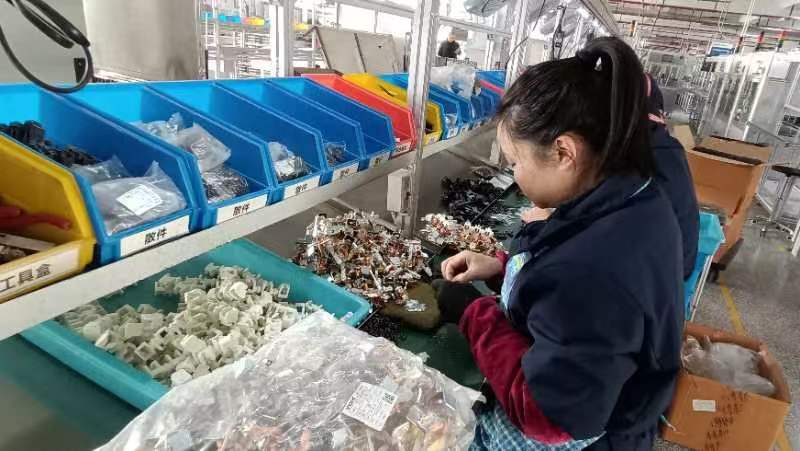
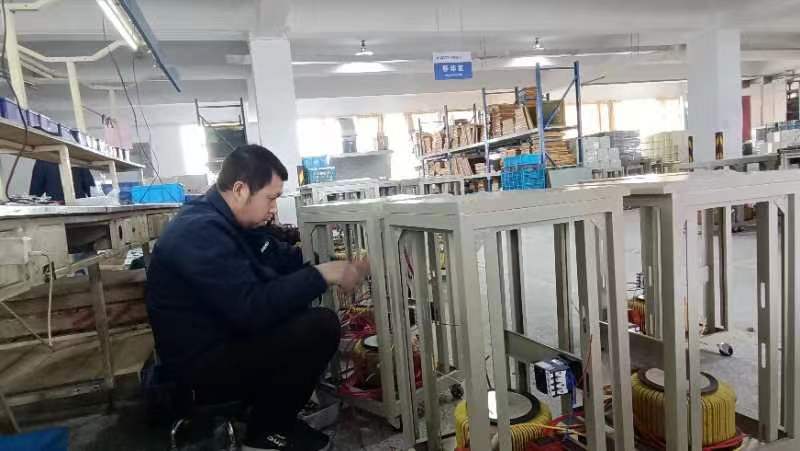
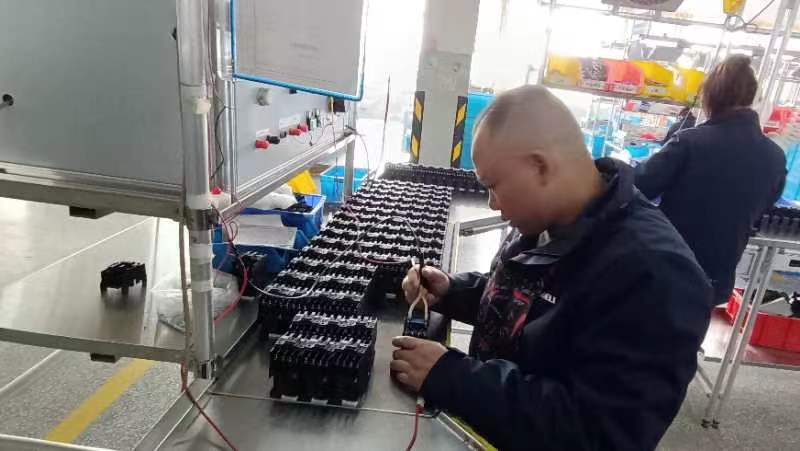
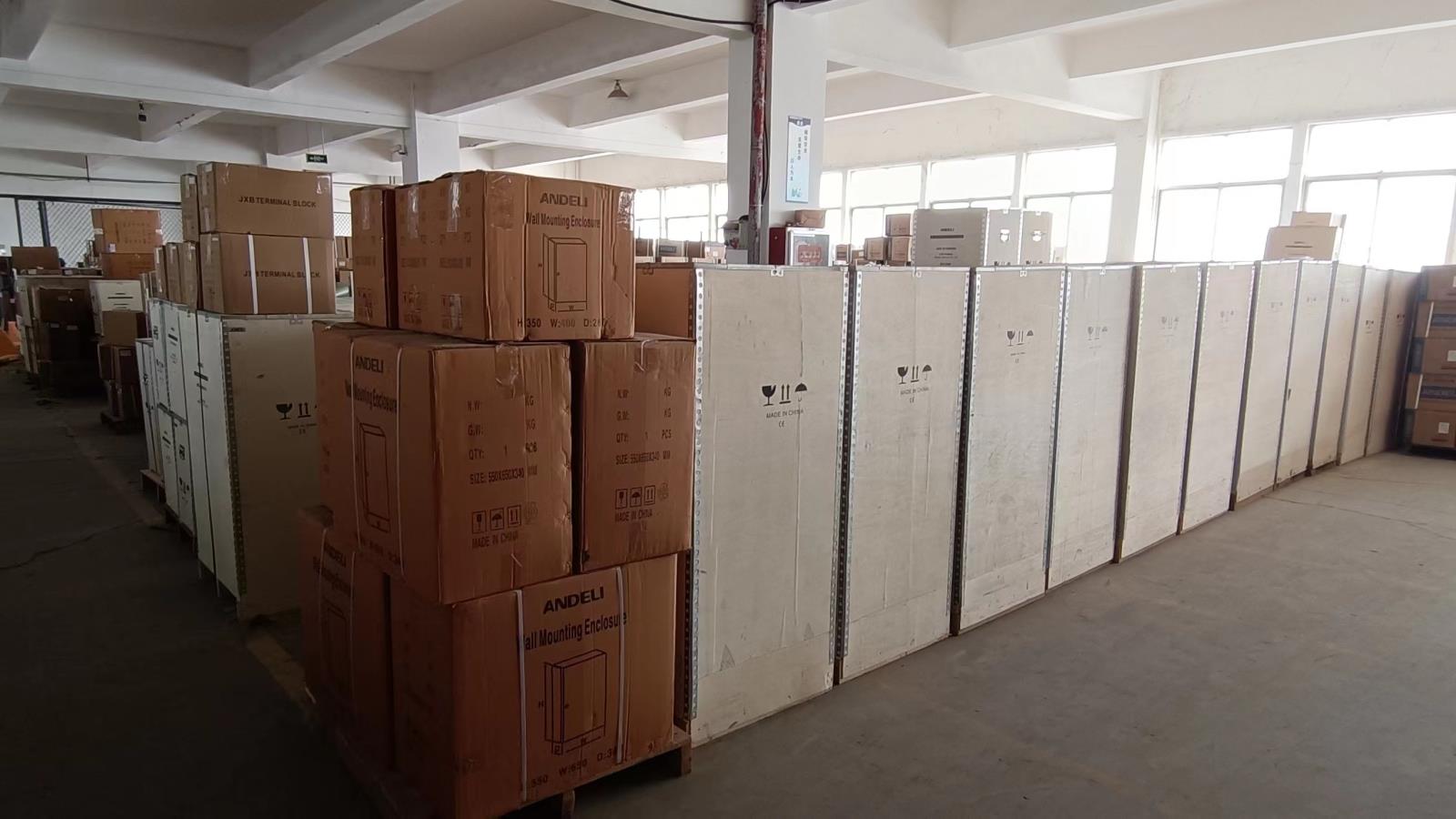
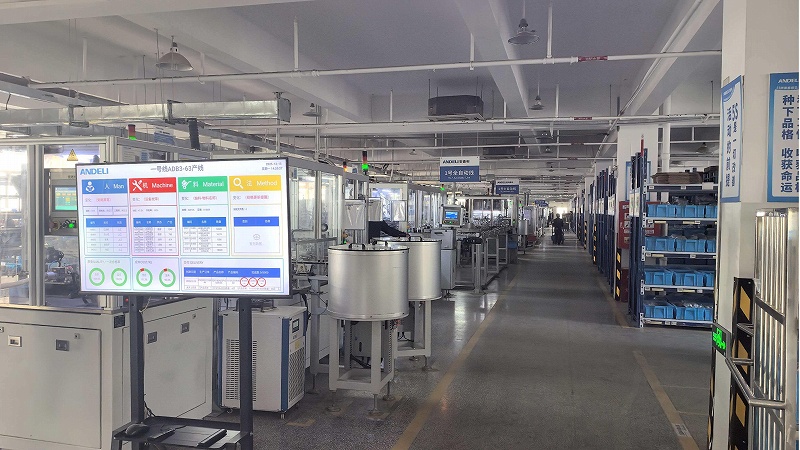
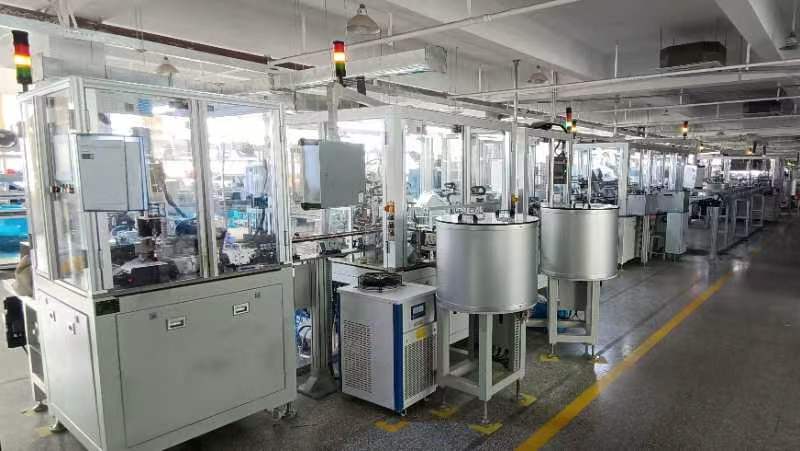
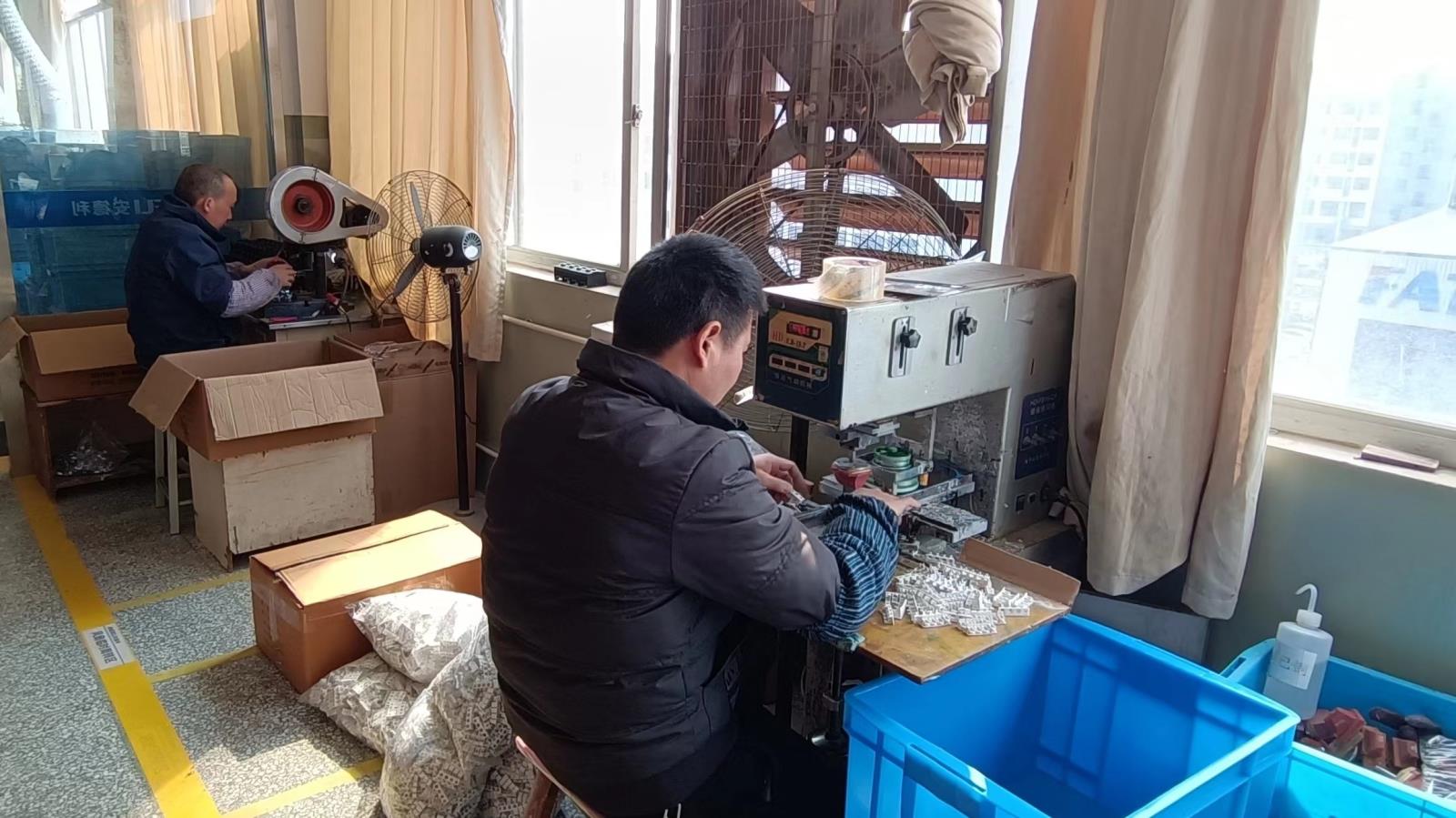
By coupling automated winding and assembly systems with manual inspection checkpoints, UniWave minimizes manufacturing variance. Our localized supply ecosystem in Liushi guarantees immediate raw material sourcing, direct access to engineering talent, and optimized logistics channels, resulting in shortened lead times and competitive pricing structures for global buyers.
Key checkpoints for procurement leads managing industrial sensor and control switch imports.
Global procurement teams prioritize compatibility parameters. Sensors must operate seamlessly across high-current networks and feature magnetic operating thresholds designed to avoid accidental triggers caused by adjacent high-voltage lines, such as those powering large magnetic contactors.
Each delivery batch requires individual serialization, component trace records, and complete testing certificates. Automated optical inspection (AOI) and magnetic calibration records should be accessible to guarantee reliability under operational stress.
Unplanned factory shutdowns can cascade through industrial production. Partnering with a vertically integrated manufacturer in Wenzhou enables reliable material supply chains and consistent dispatch schedules, minimizing risk for international distribution channels.
Overcoming cross-border barriers with certified compliance frameworks.
Entering international markets requires alignment with distinct local regulatory frameworks. Whether exporting to the European Union (requiring CE, RoHS, and WEEE compliance), Australia (requiring SAA approvals), or North America (demanding strict UL/CSA clearance coordinates), our products are pre-tested to meet these standards.
Beyond certifications, UniWave provides comprehensive engineering integration support. Our technical consulting divisions offer design-in support, assisting client teams with circuit mapping, 3D mechanical envelope design, and magnetic field modeling to ensure our components align seamlessly with custom client enclosures.
Expert answers addressing the design, operation, and logistics of high-reliability automation switchgear.
Bipolar latching Hall sensors require both a south magnetic pole (to activate/latch the output state) and a subsequent north magnetic pole (to reset the output state). In contrast, unipolar sensors activate only in the presence of a single pole (typically south) and deactivate once that magnetic field is removed. Bipolar variants are ideal for rotational encoders and commutation loops, whereas unipolar switches are typically deployed in door interlocks and simple proximity detection systems.
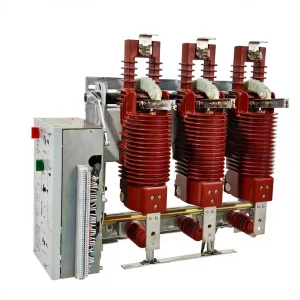
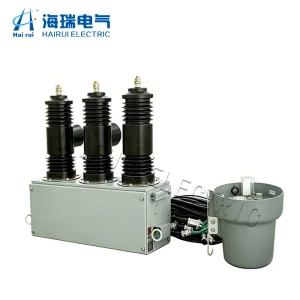
We integrate dedicated EMI/RFI suppression capacitors, twisted-pair shielded outputs, and differential sensing arrays inside our high-voltage control products (such as our 12kV vacuum breakers and high-power contactors). This ensures transient voltage spikes or switching arcs do not interfere with nearby low-voltage sensor lines.
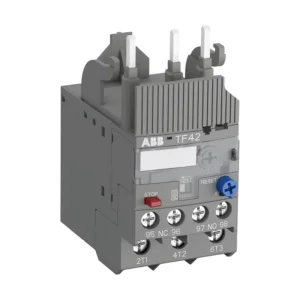
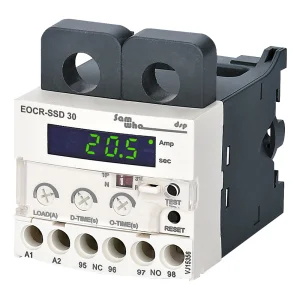
Yes. Our contactors and digital overload relays (like the Samwha-dsp EOCR series) use high-grade thermal housing plastics and magnetic elements that operate reliably up to 85°C. They feature built-in temperature compensation circuits to prevent false trips during thermal shifts.
Standard OEM production runs typically require 15 to 25 days depending on tooling requirements. Leveraging our localized supply network and automated assembly machinery in Liushi, Wenzhou allows us to maintain consistent lead times even during seasonal demand peaks.
Yes. We supply comprehensive documentation packs including original CE conformity reports, SAA test certifications, CB standard reports, and ISO9001 quality audit tracking sheets to ensure smooth customs clearance in your target market.
Our automated winding machines run continuous tension monitoring and copper wire insulation checks. Following the winding process, all coils undergo surge testing and resistance verification to ensure long-term electrical reliability.
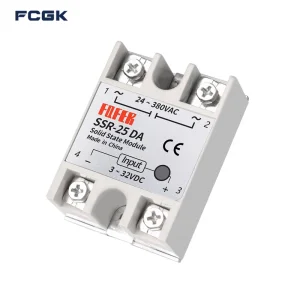
Yes. Unlike mechanical relays, our SSRs (like the SSR-40DA series) do not contain moving parts. This eliminates mechanical contact wear and makes them ideal for high-speed switching loops in plastic extrusion heating, PID thermal control, and packaging machinery.
Our engineering teams verify physical alignments using 3D CAD modeling and finite element method (FEM) simulations. This ensures that integrated auxiliary switches or internal sensing coils align perfectly within molded-case housing tolerances.
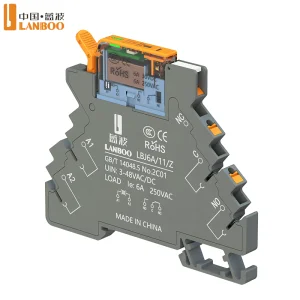
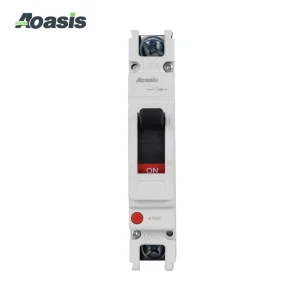
Explore our industrial-grade switchgear, auxiliary micro-relays, and heavy-duty contactors.