UniWave Electric
UniWave Electric
UniWave Electric
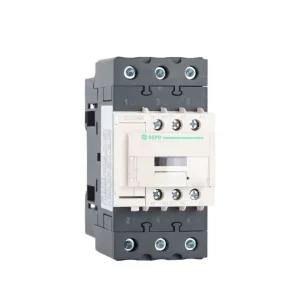
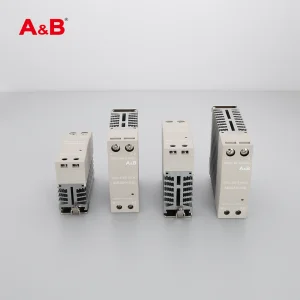
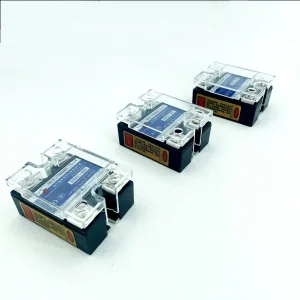
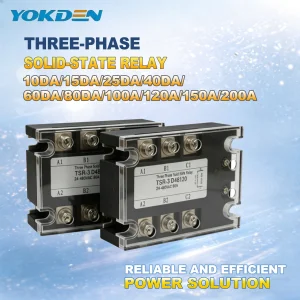
Positioned at the epicenter of the global electrical manufacturing network, Wenzhou UniWave Electric Co., Ltd. stands as a premier authority in the development, engineering, and mass production of low-voltage electrical apparatuses. Strategically headquartered in Liushi, Yueqing, Wenzhou, China—universally recognized as the "City of Low Voltage Electrical Appliances"—UniWave leverages a highly sophisticated local supply chain ecosystem combined with international research methodologies to deliver industrial-grade power protection and switching mechanisms.
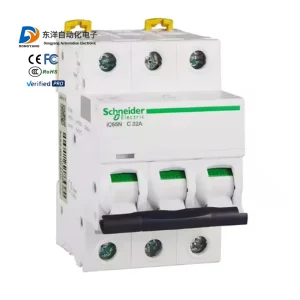
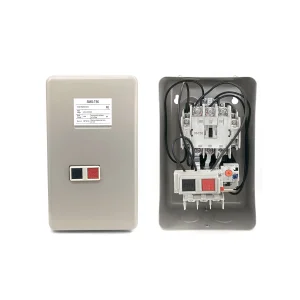
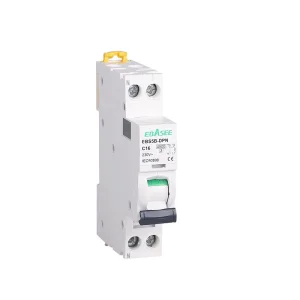
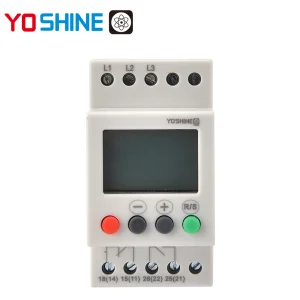
With an impressive operational tenure exceeding 25 years of engineering experience, the company maintains a strict focus on manufacturing integrity and material reliability. The comprehensive product lineup features state-of-the-art Circuit Breakers (RCBO, RCCB, MCB, WiFi Smart MCB, MCCB, ACB), Isolator Switches, Change Over Switches, AC Contactors, Thermal Relays, Magnetic Starters, Solid State Relays, Distribution Boxes, Voltage Stabilizers, and Voltage Protectors.
Every component manufactured by UniWave is calibrated to comply with rigorous IEC / EN standards, undergoing regular type-testing protocols. Our production methodologies and facility operations are certified under the ISO9001:2015 Quality Management System, while our products carry international safety and performance credentials including SAA, CE, and CB (IEC), ensuring seamless integration into public, commercial, and industrial power distribution grids globally across Europe, the Americas, Southeast Asia, the Middle East, and Africa.
The global low-voltage distribution landscape is undergoing a critical paradigm shift, transitioning from passive electrical isolation to active, smart grid-interactive power management systems. The Miniature Circuit Breaker (MCB) is no longer a simple mechanical safety trigger; it is the fundamental sensory node at the edge of power consumption grids.
Integration of micro-current transformers, embedded processors, and communication transceivers (Zigbee, Modbus, Wi-Fi) directly inside the standard 18mm DIN-rail form factor. This enables real-time current, voltage, temperature, and leakage profiling back to central energy management systems.
As fault current availability rises in urbanized networks, the demand for compact breakers with breaking capacities exceeding 6kA and 10kA (IEC 60898-1) without increasing footprint size has grown. Dynamic arc-runner designs and silver-alloy composite contacts optimize arc extinguishing speed.
Next-generation polymers (such as glass-fiber reinforced Polyamide PA66) offer higher structural stability under sustained mechanical stresses and temperature swings, preventing terminal deformation and maintaining precise trip-curve characteristics over a 20,000-cycle mechanical life.
To mitigate arc propagation hazards, contemporary MCB design focuses on upgrading the arc chute configuration. When an overcurrent event generates an electrical arc, it must be rapidly split, cooled, and extinguished. UniWave’s technical roadmap implements high-permeability steel de-ionizing plates (ranging from 9 to 13 plates per pole) treated with corrosion-resistant coatings to enhance thermal dissipation. Concurrently, our bimetallic strips are formulated with specific linear expansion coefficients to guarantee consistent thermal-trip curve integrity (B, C, and D characteristics) under ambient temp extremes from -35°C to +70°C.
Different operating environments present vastly different environmental and load stresses. Specifying the correct protective circuit breakers requires an engineering-first approach that respects the electrical and mechanical stresses of each sector.
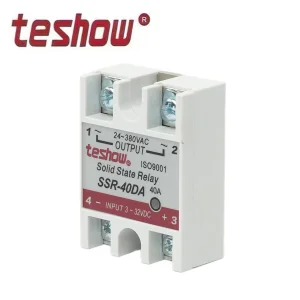
Datacenter power supply units present high inrush currents upon initialization. D-curve MCBs paired with fast-acting Solid State Relays (SSRs) shield power distribution units (PDUs) from cascade tripping. The inclusion of remote-monitoring smart MCBs allows system operators to isolate sub-circuits before minor overloads escalate into localized server outages.
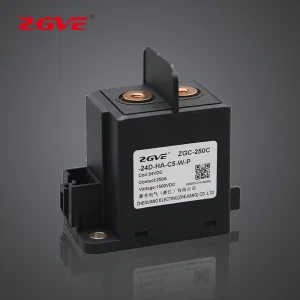
DC arcs do not have a natural zero-crossing point, making them exceptionally difficult to extinguish. Specialized DC MCBs with built-in permanent magnets (driving the arc into the extinguishing chamber) are designed for DC operating voltages up to 1000V DC. They protect battery strings and PV array combiners when integrated with high-efficiency DC contactor systems.
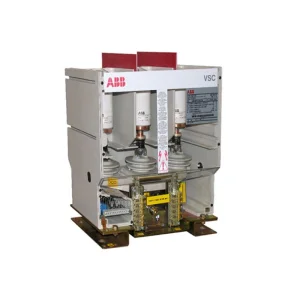
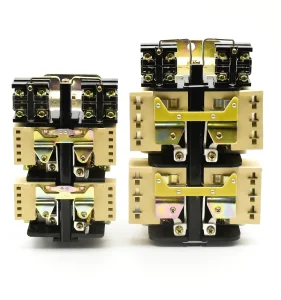
Electric motors represent inductive loads characterized by startup currents 5 to 8 times the nominal operating current. System coordination between manual motor starters, high-rating AC contactors, and thermal relays protects windings against single-phase stalling, phase imbalance, and rotor blockages without nuisance tripping.
UniWave's manufacturing facility integrates raw material control, automated winding, pad printing, and automated testing rigs to secure consistency, scale, and cost-efficiency. Explore our internal processes below.
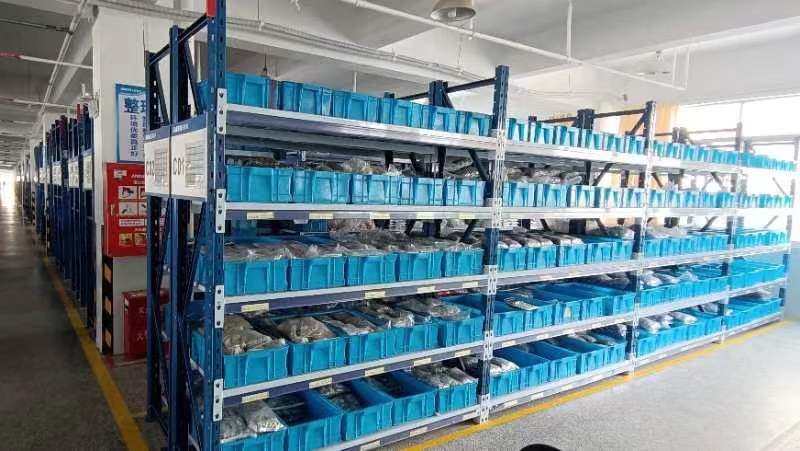
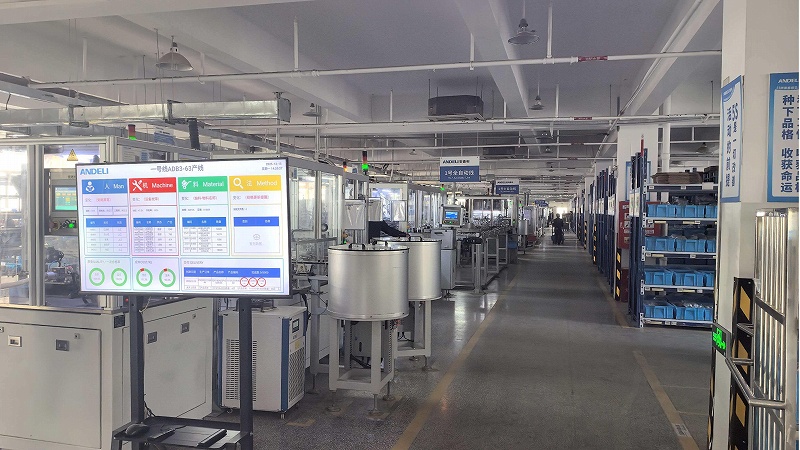
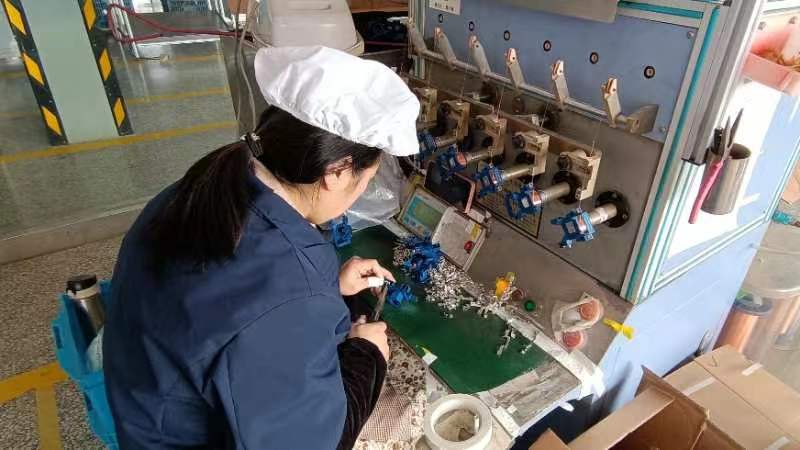
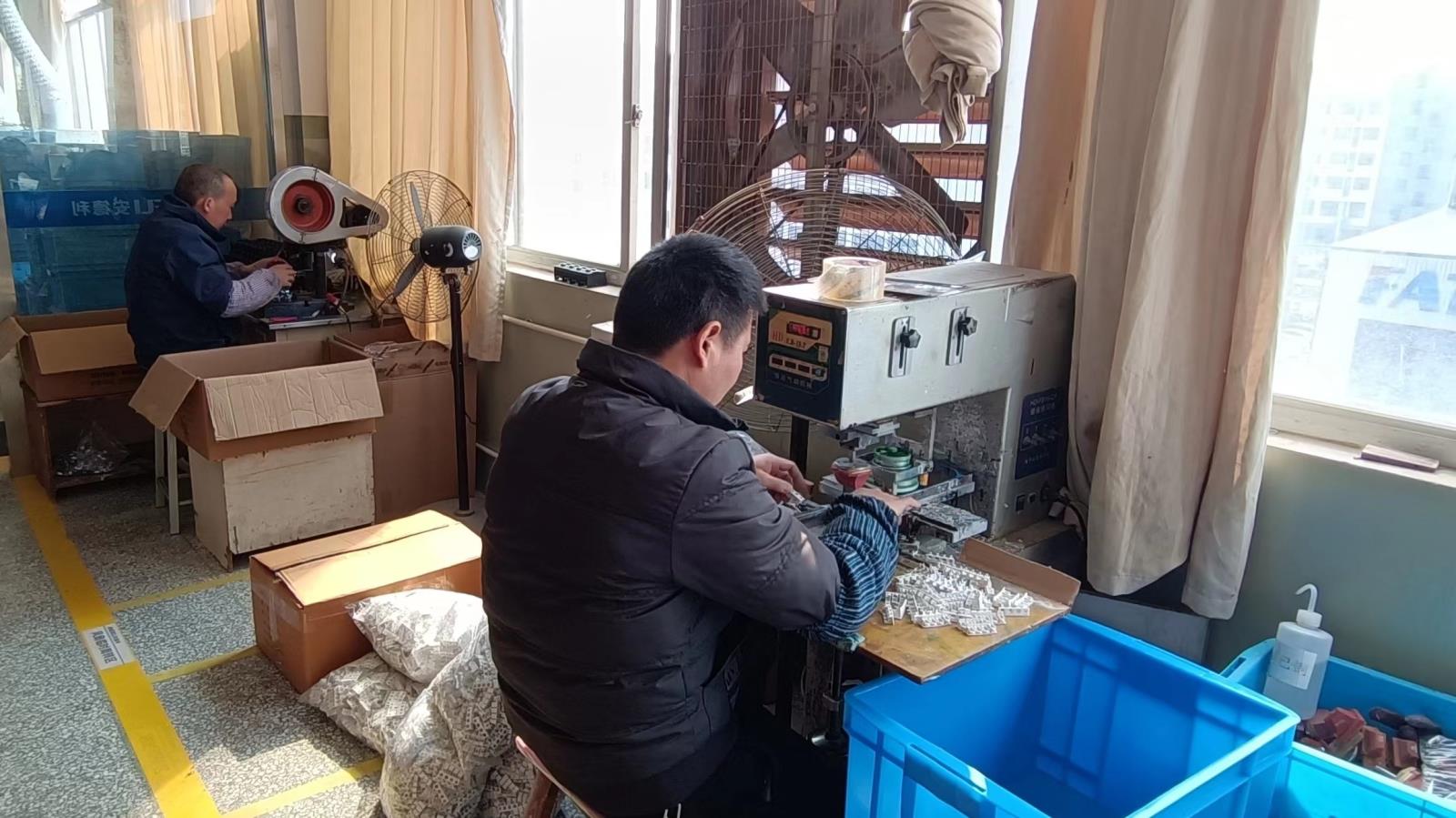
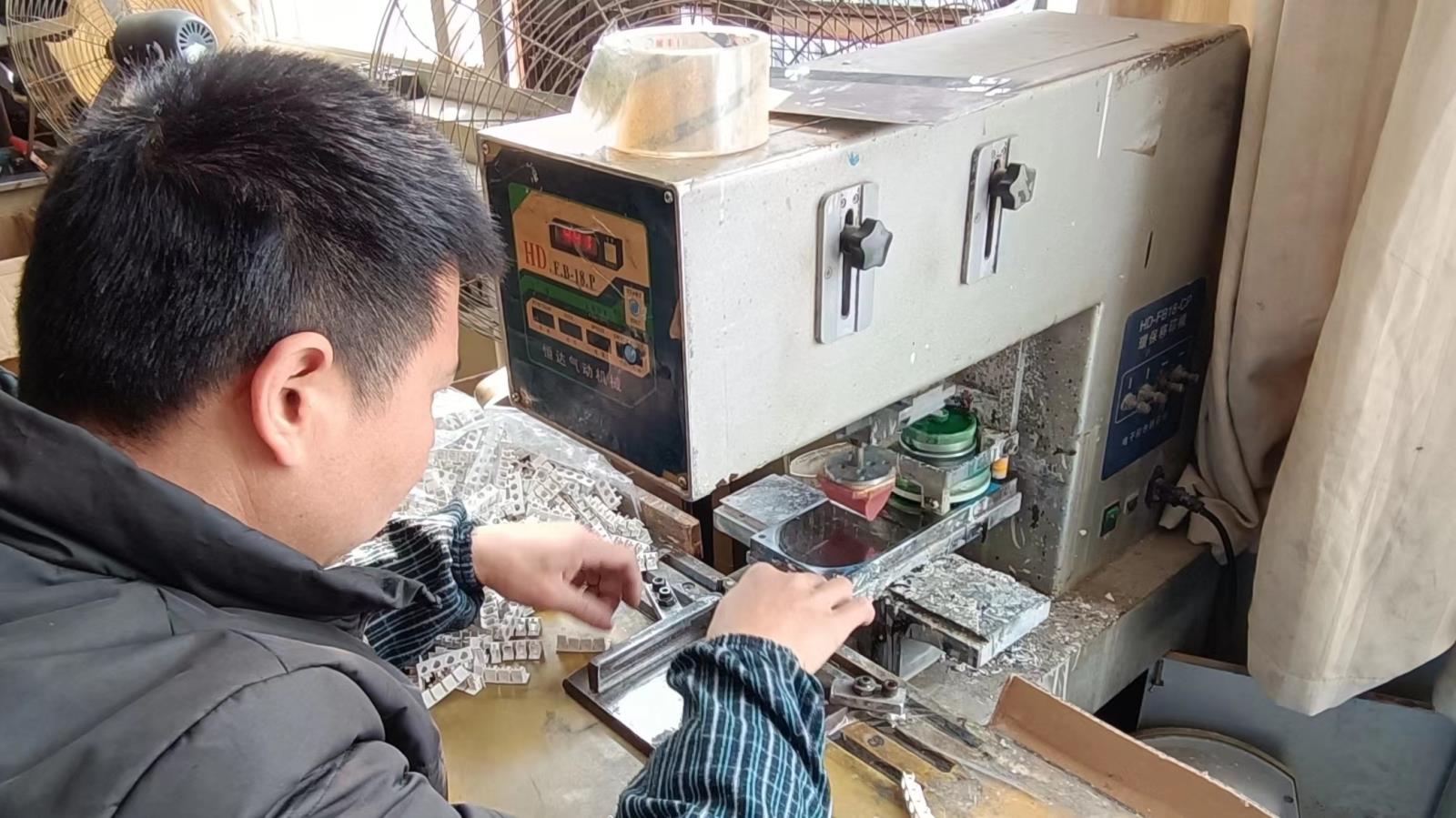
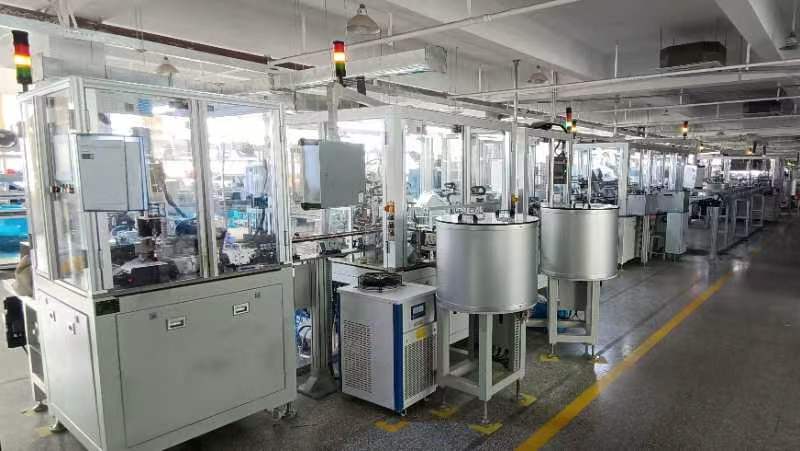
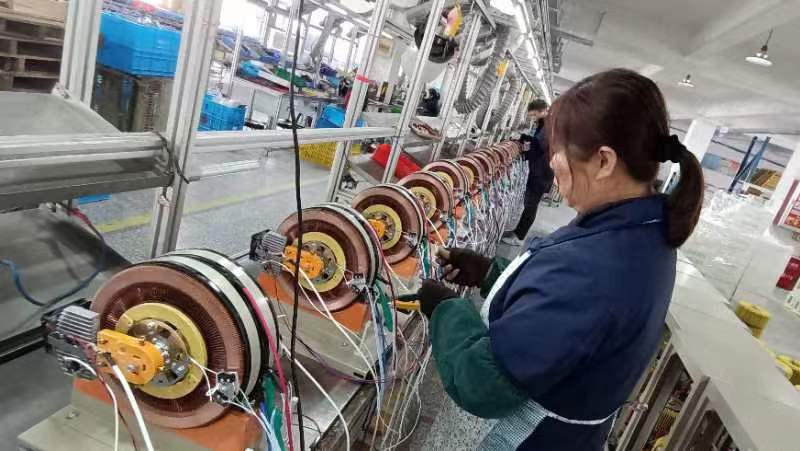
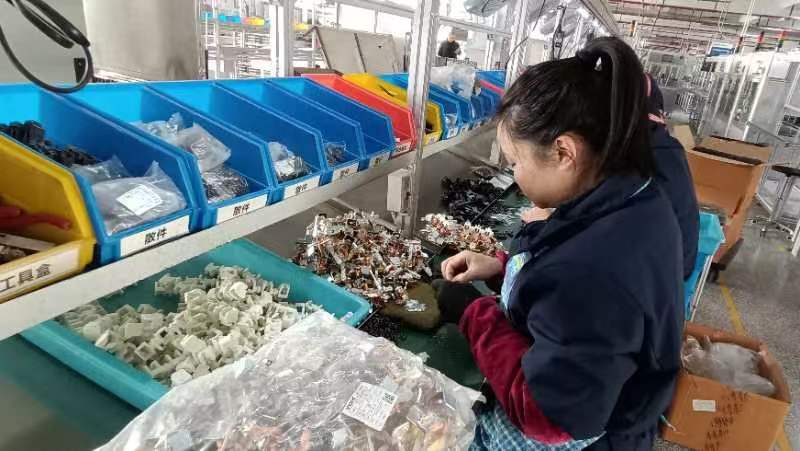
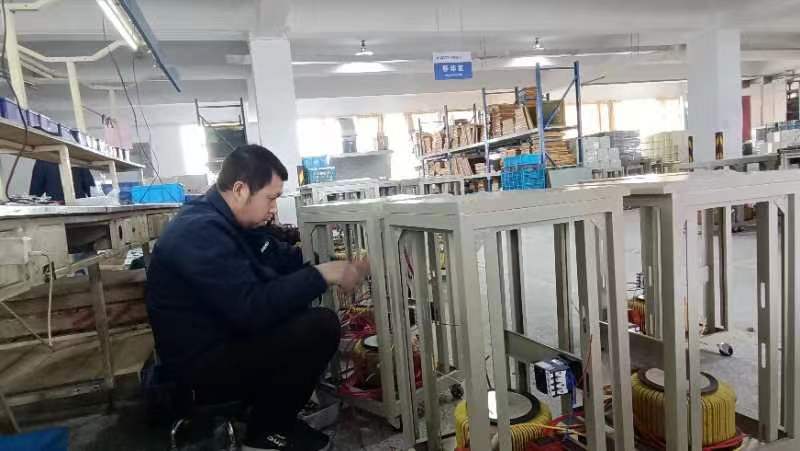
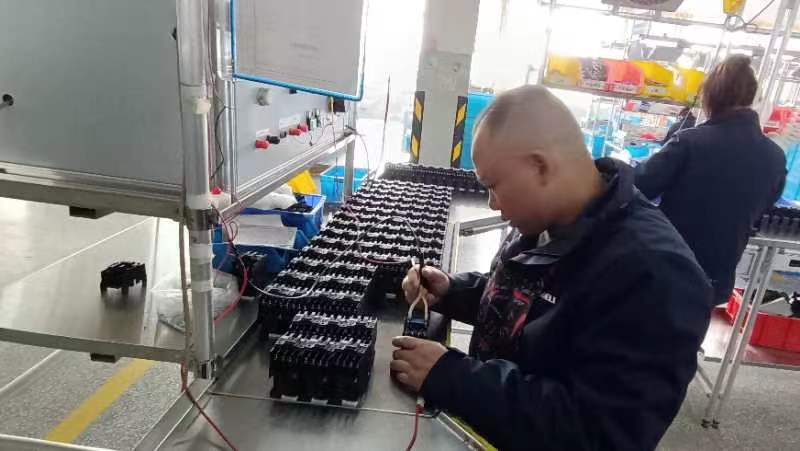
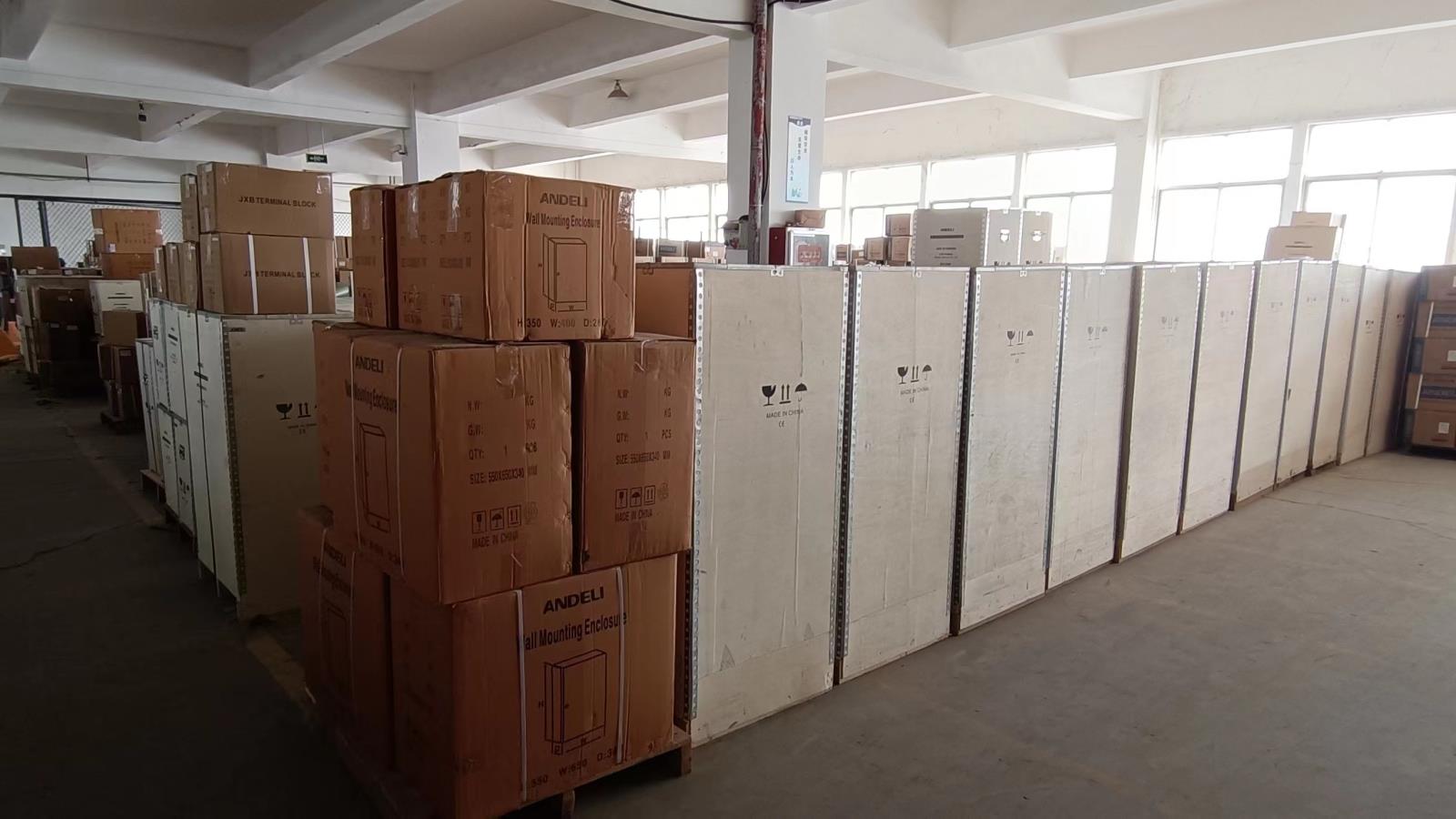
Our manufacturing ecosystem is defined by end-to-end traceabilty. As shown in the production sequence above, raw copper coils and thermal bimetal strip components are cataloged and tested for metal purity before entering the automated winding machines. The winding process maintains precise tension control to ensure the magnetic trip threshold is highly repeatable.
Subsequent assembly stages utilize robotic positioners to press the casing rivets and secure the internal components (the contact bridge, electromagnetic coil, and arc chamber). Every completed circuit breaker and contactor is routed through computerized testing rigs, exposing the unit to simulated short-circuit and overload conditions to verify trip limits before being logged in our warehouse system.
Procuring low-voltage electrical switchgear for public and private networks requires strict adherence to regional regulatory frameworks. Failure to comply with these standards can result in customs seizures, insurance denials, and catastrophic system failures.
Mandatory certification for Australia and New Zealand. Dictates specific creepage distances and fire-retardant enclosures under AS/NZS 60898 standards.
Demonstrates conformity with European health, safety, and environmental protection standards (LVD Directive 2014/35/EU).
International system for mutual recognition of test certificates for electrical equipment under IEC standards, simplifying multi-market entry.
Validates the corporate quality control framework, ensuring consistent raw material tracking, design calibration, and field defect reviews.
UniWave's commitment to compliance extends beyond marking products. We maintain a database of full type-test reports from accredited laboratories (TUV, KEMA, Intertek). For OEMs and custom system integrators, we supply custom markings, specific terminal arrangements, and terminal screw tension profiles that comply with regional code practices (such as North American ring terminals vs. European screw terminals).
Procurement directors and engineering leads face major structural headwinds when sourcing low-voltage electrical equipment. Maximizing "Information Gain" and supply chain transparency is the only viable method to minimize logistics and performance risks.
Electrical switchgear costs are heavily indexed to the market prices of LME copper and silver. Safe manufacturers use silver-alloy contact tips (such as AgNi or AgSnO2) to avoid contact welding. Substandard manufacturers decrease contact size or substitute silver with copper plating, leading to localized overheating and circuit failure. UniWave provides fully transparent raw material indexing agreements, documenting the mass of copper and silver in every contract line item.
Infrastructure delays can generate massive financial penalties. By co-locating near Liushi's specialized sub-assembly providers, UniWave maintains a highly dynamic production capacity, enabling raw material buffering and reducing standard lead times for high-volume orders down to 20-30 days.
A circuit breaker does not operate in isolation. Modern industrial control panels require cross-compatibility between MCBs, auxiliary contacts, shunt trips, undervoltage releases, AC contactors, and relays. Sourcing these components from a single qualified manufacturer ensures matched mechanical alignments and uniform electrical curves.
Professional-grade technical answers covering current ratings, calibration, testing protocols, and design requirements.