UniWave Electric
UniWave Electric
UniWave Electric
Engineered to guarantee exceptional protection, continuity, and configuration flexibility
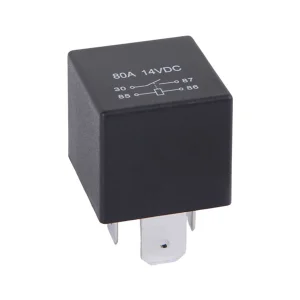
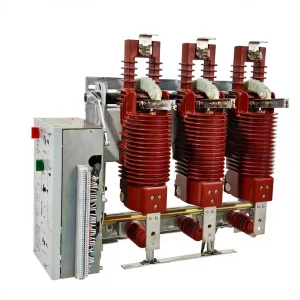
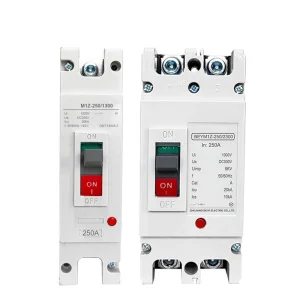
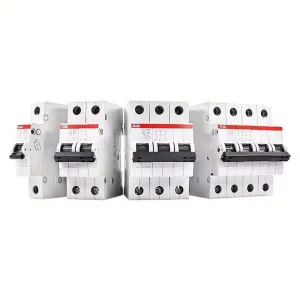
Analyzing global demand, safety requirements, and critical engineering specs for OEMs
The global low-voltage distribution landscape is undergoing a monumental paradigm shift. As industries aggressively integrate high-density electronics, renewable energy distribution topologies, and decentralized power architectures, the demand for precise, ultra-reliable circuit protection has surged. The global market is no longer satisfied with legacy thermal-magnetic trip mechanisms that offer slow response times. Today's commercial, infrastructure, and heavy industrial facilities require Miniature Circuit Breakers (MCBs) engineered to survive harsh harmonic environments, withstand extreme ambient temperature variations, and deliver high short-circuit breaking capacities (up to 10kA or 15kA under IEC 60947-2 standards).
For electrical system design engineers, Original Equipment Manufacturers (OEMs), and procurement managers worldwide, procuring miniature breakers is not merely about finding a vendor—it is about securing a partner capable of executing strict tolerance levels, reliable mechanical wear-resistance, and complete material safety. Modern MCBs, RCBOs (Residual Current Breakers with Overcurrent Protection), and RCCBs must integrate seamlessly into compact switchboards, motor control centers, and smart home networks. System designers require customized OEM solutions to adjust trip curves (B, C, D, K, and Z configurations), input-output terminal designs, and internal magnetic latch mechanisms to guarantee selective coordination and prevent nuisance tripping across vulnerable machinery arrays.
A premier low-voltage electrical apparatus manufacturer in Liushi, Wenzhou, China
With a historic legacy spanning more than 25 years of engineering experience, Wenzhou UniWave Electric Co., Ltd. has positioned itself at the vanguard of circuit breaker and contactor manufacturing. Strategically headquartered in Liushi, Yueqing, Wenzhou, China—unanimously celebrated as the globally dominant "City of Low Voltage Electrical Appliances"—UniWave leverages a dense local supply ecosystem, state-of-the-art testing infrastructure, and high-precision tooling to provide unparalleled OEM and ODM production capabilities.
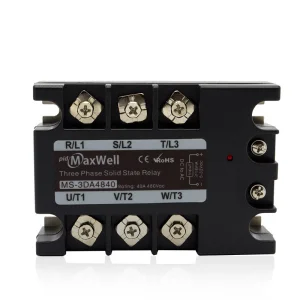
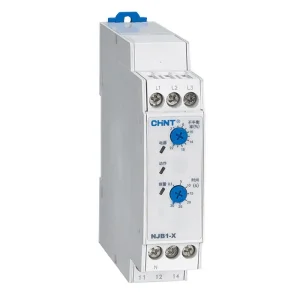
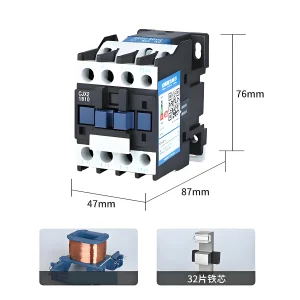
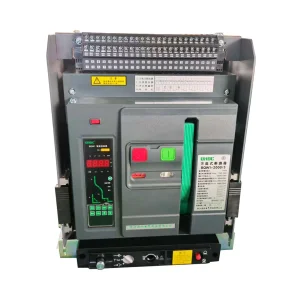
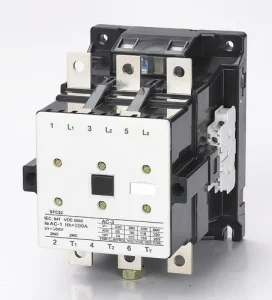
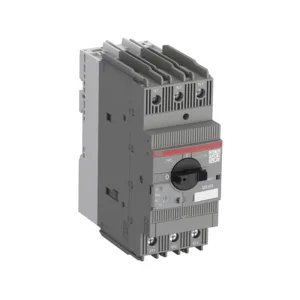
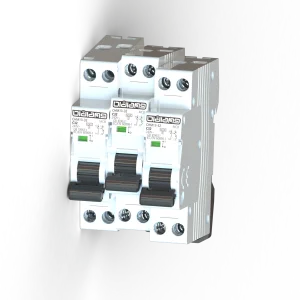
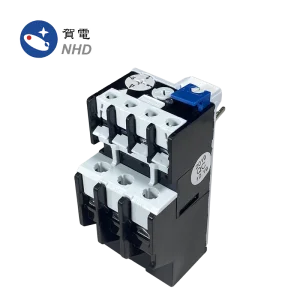
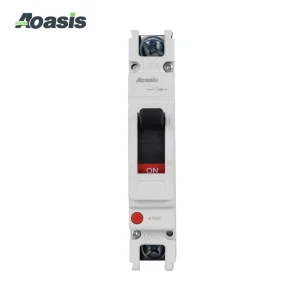
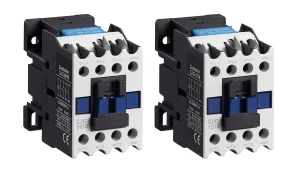
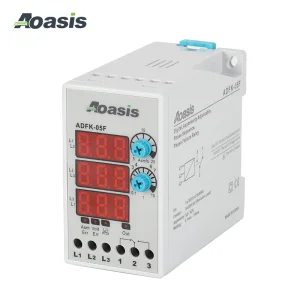
Our comprehensive portfolio features advanced electrical safety components including Circuit Breakers (RCBO, RCCB, MCB, WiFi Smart MCB, MCCB, ACB), Isolator Switches, Change Over Switches, AC Contactors, Thermal Relays, Magnetic Starters, Solid State Relays, Distribution Boxes, Voltage Stabilizers, and Voltage Protectors. Backed by rigorous quality control processes aligned with ISO9001, SAA, CE, and CB (IEC), UniWave constructs every breaker using carefully selected, high-grade materials. From engineering high-conductivity, silver-alloy contacts that prevent micro-welding during faults to formulating V-0 flame-retardant polyamide (PA66) housings that resist severe thermal deformation, our manufacturing protocols are engineered for extreme operational environments.
Every miniature circuit breaker is a culmination of high-tolerance mechanical assembly and rigorous multi-stage calibration. Below is a tour of our specialized production processes, from raw material inspection to automated validation and safe storage.
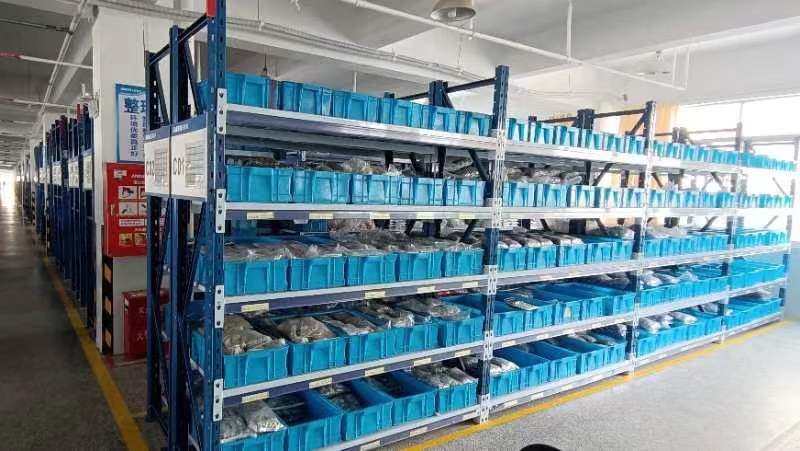
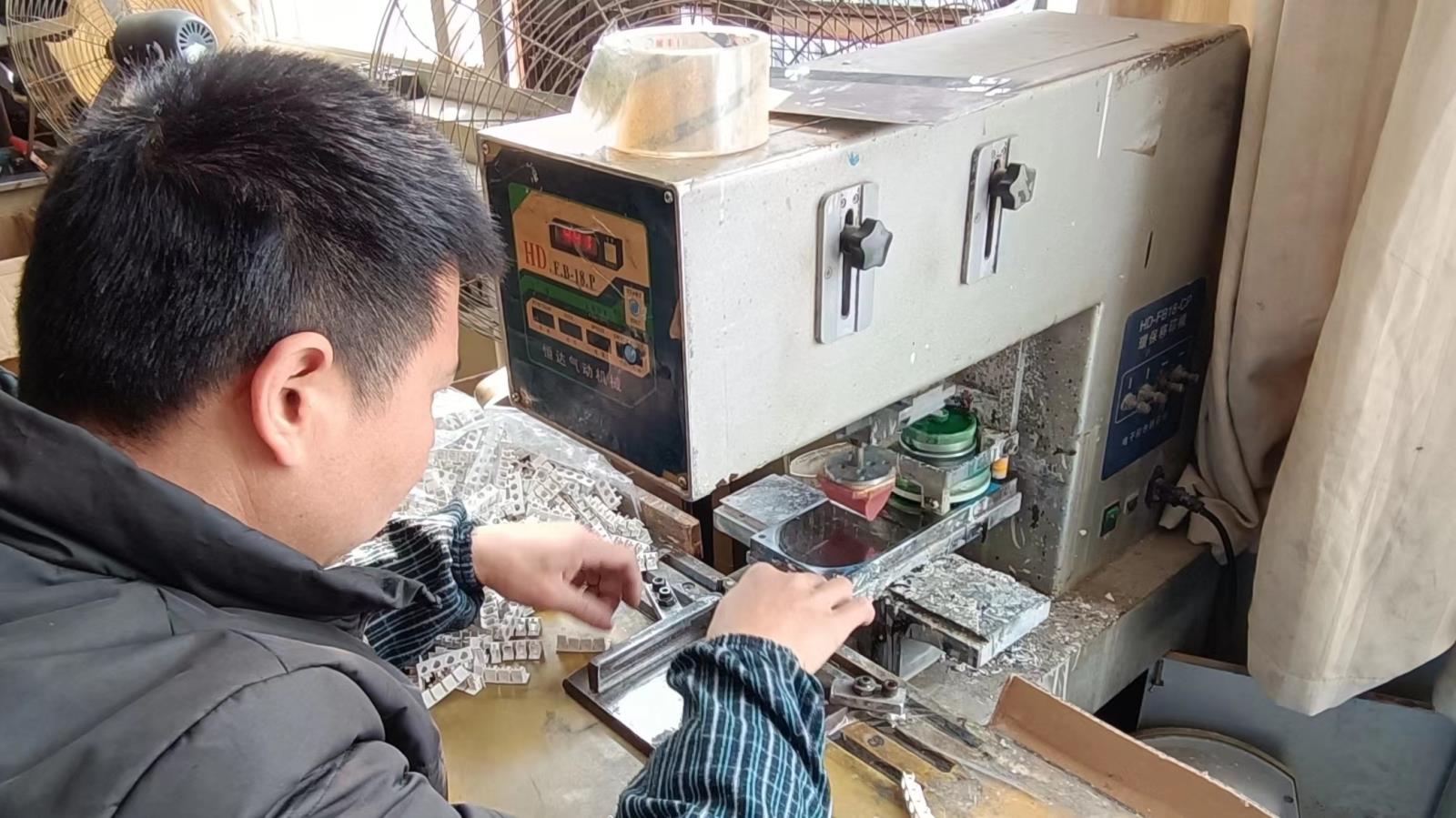
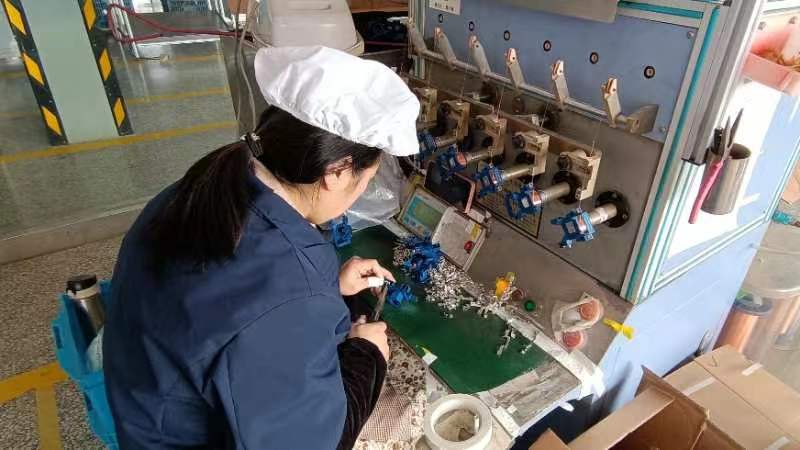
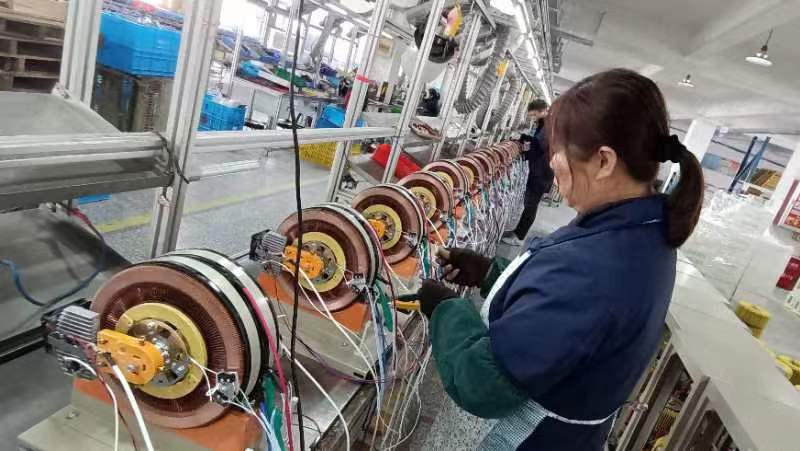
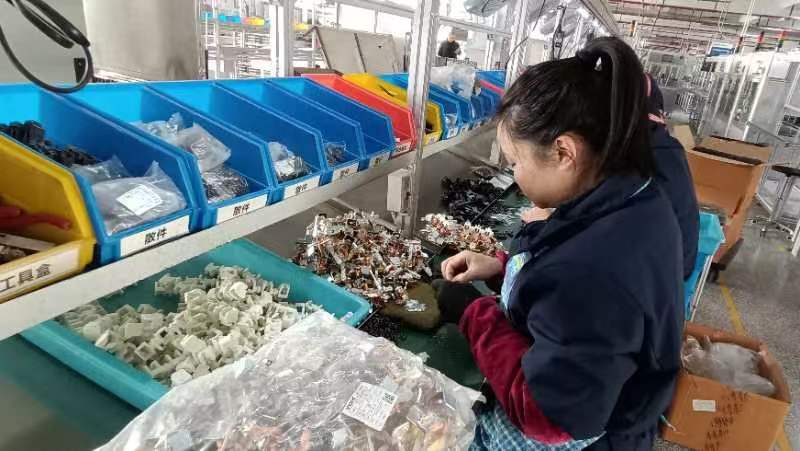
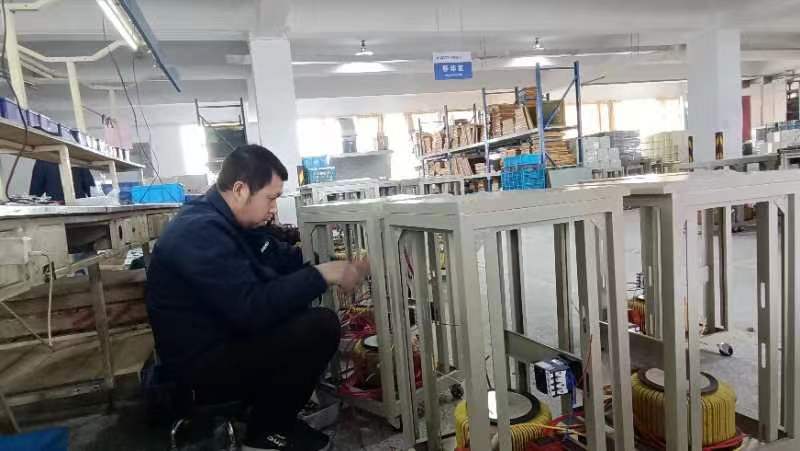
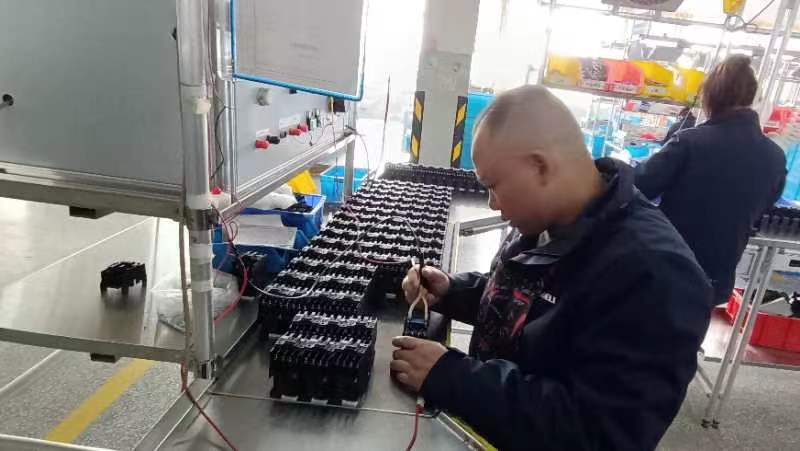
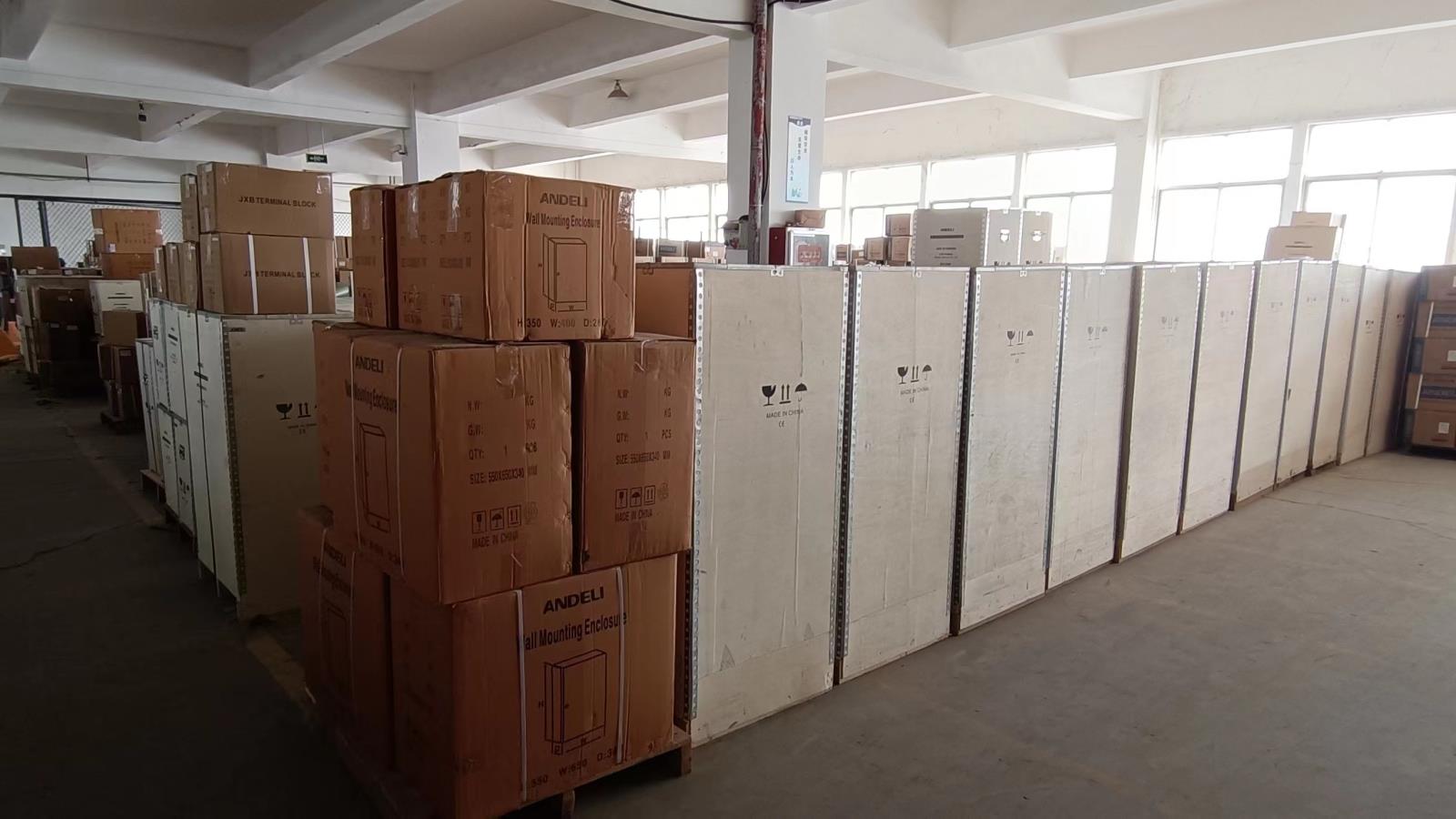
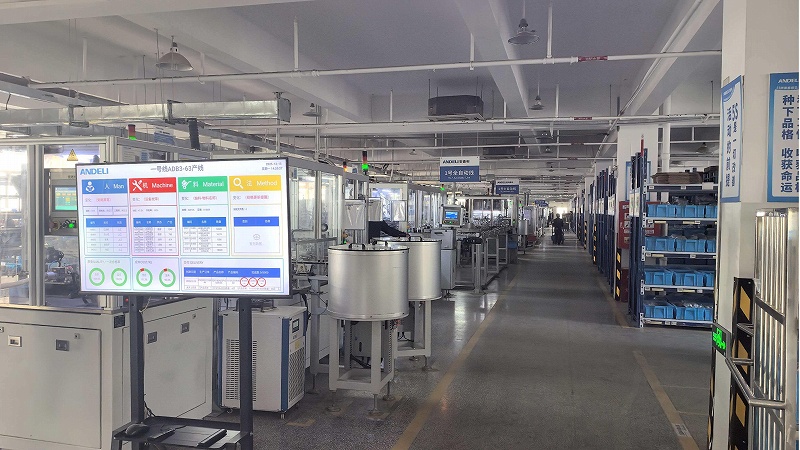
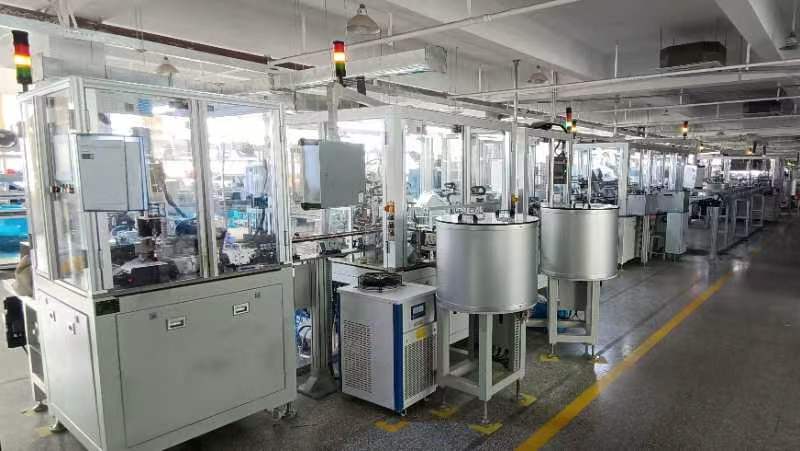
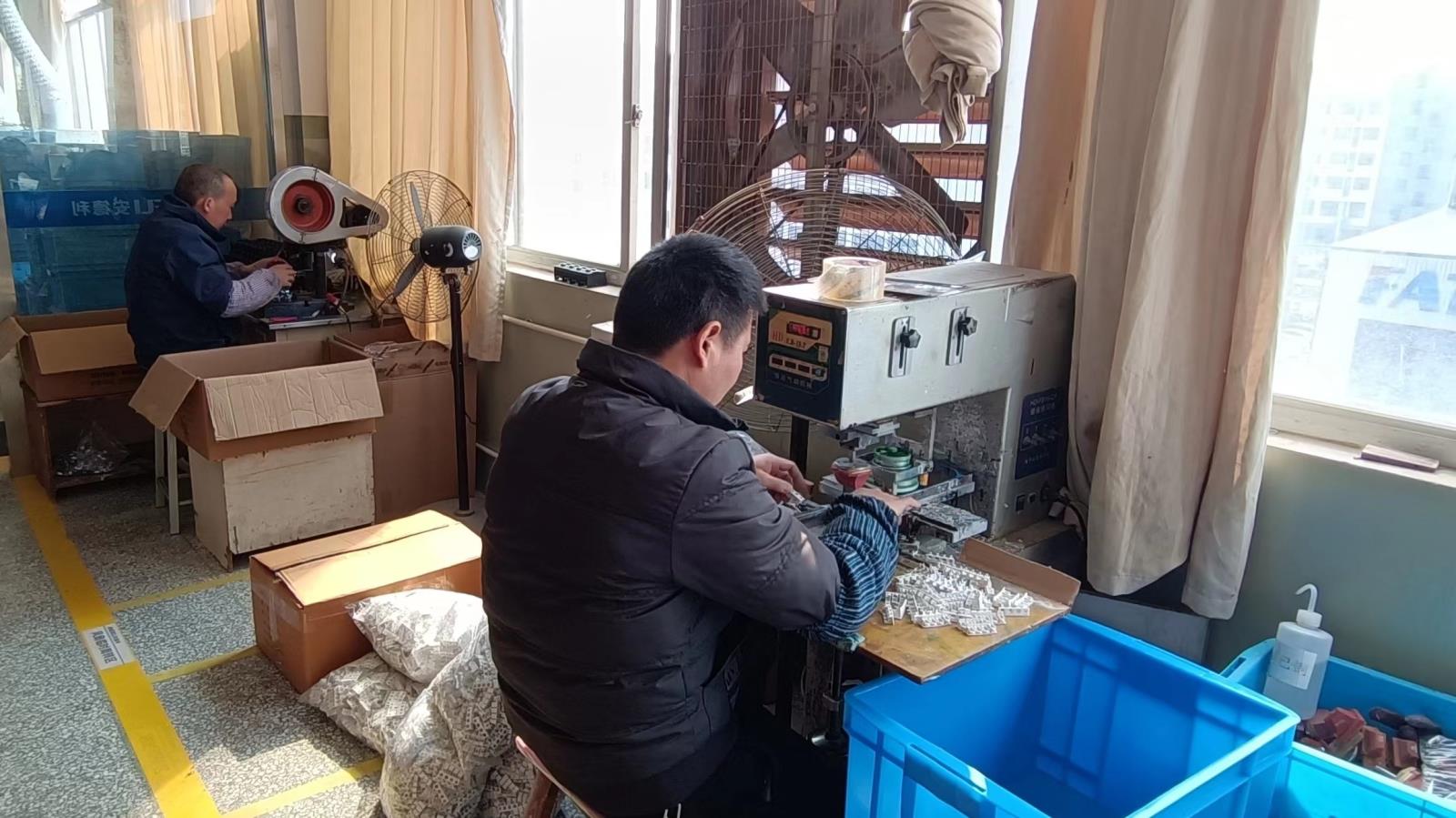
Adapting miniature circuit breakers to meet demanding real-world challenges
Industrial electrical infrastructure varies significantly by geography, climate, and local grid topologies. A standardized off-the-shelf circuit breaker rarely meets the specific operating demands of complex local systems. That is why UniWave customizes its OEM breaker products to perform in demanding, high-risk scenarios.
Electric vehicle charging stations require protective elements that can handle complex AC and DC fault currents. We supply OEMs with Type B residual current devices and MCBs with high thermal stability to withstand continuous loading under extreme sun exposure.
In PV systems, DC circuit breakers must manage bi-directional current flows and high voltages. Our custom-designed high-voltage DC miniature circuit breakers reliably interrupt overcurrent conditions in remote solar farms and utility arrays.
Hyperscale data centers require lightning-fast fault clearing to prevent systemic voltage sags that can damage delicate server hardware. We customize D-curve and K-curve breakers to accommodate initial power-supply inrush currents while maintaining high sensitivity.
Corrosive sea salt and high humidity can quickly degrade metal components inside distribution boxes. Our marine-grade circuit breakers use specialized anti-corrosive treatments on the copper terminals and internal latching mechanisms to ensure long-term durability.
Motor starters and heavy-duty contactors operating in automation systems demand precise coordination. Our products are engineered with coordinated overload settings to minimize downtime and prevent catastrophic phase failures in production lines.
As urban grids transition to digital architectures, our IoT-enabled WiFi Smart MCBs offer real-time power monitoring, remote control, and energy consumption telemetry, allowing seamless integration into building management systems.
How Liushi's industrial cluster drives competitive advantages for international buyers
In an era defined by global shipping bottlenecks, volatile raw material prices, and tight lead times, supply chain agility is a critical differentiator. Operating from Liushi, Wenzhou—the low-voltage electrical manufacturing capital of China—gives UniWave unique logistical and production advantages. The region features a highly concentrated ecosystem of raw material suppliers, specialized component molders, and automated assembly machinery manufacturers.
This geographical cluster allows UniWave to source sub-components—such as specialized bimetal elements, precision copper terminals, and flame-retardant enclosures—without the delays of long-distance transit. We maintain direct relationships with major copper and plastic polymer suppliers, helping us insulate our clients from market price fluctuations. In addition, our high level of vertical integration means tool design, stamping, spot welding, assembly, calibration, and safety testing are all performed in-house under strict quality controls.
Furthermore, our facility is situated close to major shipping hubs in Ningbo and Shanghai. This allows for fast, flexible logistics options to help overseas buyers optimize inventory levels, reduce lead times, and lower total landed costs.
The next generation of circuit protection: Digital twins, IoT integration, and eco-friendly designs
At Wenzhou UniWave Electric, we design our products with future technologies in mind. The traditional mechanical circuit breaker is evolving from a passive safety device into an active, intelligent terminal within the smart grid ecosystem. Our technology roadmap focuses on three main developments:
First, we are expanding our smart home and smart industrial portfolios. By integrating energy metering chips and wireless communication modules (including WiFi, Zigbee, and LoRaWAN) directly into standard MCB chassis, we enable predictive maintenance. These smart breakers monitor phase voltages, load currents, power factors, and temperature profiles in real time. They can flag minor issues before they lead to costly system-wide shutdowns.
Second, we are researching solid-state circuit breaker (SSCB) technologies. By using wide-bandgap semiconductors like Silicon Carbide (SiC) and Gallium Nitride (GaN), solid-state designs can interrupt microsecond-level fault currents without creating physical electric arcs. This eliminates contact wear and extends the operating life of the breaker.
Third, environmental sustainability is a core priority. We are phasing out heavy metals and hazardous substances in favor of recyclable materials, ensuring our products comply with RoHS and REACH regulations to support circular economy initiatives.
Ensuring absolute compliance and technical support for global markets
Electrical distribution systems require strict compliance with international standards to ensure human safety and equipment protection. UniWave maintains rigorous quality management systems that meet the demands of global regulatory bodies.
All UniWave products comply with applicable IEC (International Electrotechnical Commission) standards, including IEC/EN 60898-1 for residential circuit breakers and IEC/EN 60947-2 for industrial applications. Our products have earned certifications from recognized bodies, including SAA for Australia and New Zealand, CE for the European Economic Area, CB certificates for global reciprocity, and ISO9001 quality management standards.
Beyond product certifications, we offer comprehensive technical support. We assist engineering teams with technical data sheets, time-current trip curves, CAD files, and compliance documentation. Whether you are navigating regional building codes or configuring selective coordination schedules, UniWave provides the engineering expertise to help speed up project approvals and minimize deployment risks.
Answers to technical, operational, and supply chain questions from OEM/ODM partners
Heavy-duty, high-efficiency equipment engineered for robust industrial automation