UniWave Electric
UniWave Electric
UniWave Electric
Highly durable contactors, breakers, and monitoring relays designed to maintain the electrical stability of automated sensor hubs and control circuits.
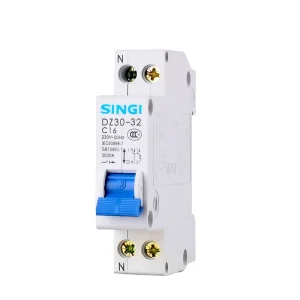
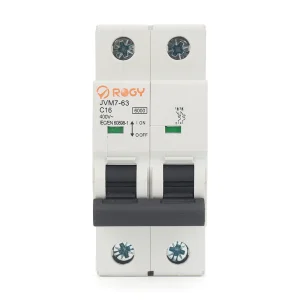
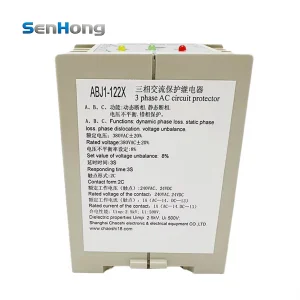
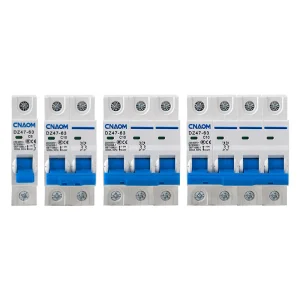
In modern industrial engineering, the demand for precision force feedback loops has elevated the role of torque sensors from specialty metrology lab equipment to critical, frontline components of industrial machinery. As automated assemblies scale, dynamic and reaction torque sensors act as the core measurement systems within automated drivetrains, electric motors, aerospace testing units, and high-precision CNC machinery. A Custom OEM Torque Sensor design ensures that mechanical loads, torque vectors, and rotational friction are calculated with down to ±0.05% margin of accuracy.
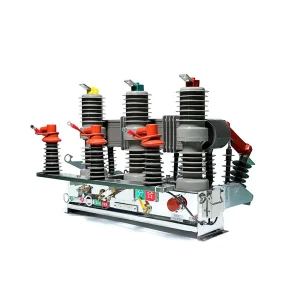
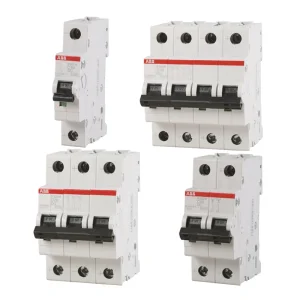
However, high-accuracy sensing hardware requires a resilient electrical environment to survive the intense electromagnetic interference (EMI) typical in manufacturing plants. Heavy inductive loads from high-capacity electric motors cause dramatic voltage sags and surge currents. Without advanced circuit protectors, like the Wenzhou UniWave Electric Co., Ltd. suite of smart WiFi miniature circuit breakers (MCBs), vacuum contactors, and high-voltage circuit breakers, sensitive analog and digital signals from torque transducers are vulnerable to degradation, resulting in signal drift, measurement loss, or hardware failure. Integrating advanced torque sensing technology with robust electric protection elements is essential for achieving a reliable, stable system architecture.
The force measurement sector is experiencing a paradigm shift driven by industry demands for higher efficiency, safety, and digital integration. Below are the key development trends shaping the field:
Transitioning from traditional slip-ring designs to non-contact rotary sensors that use inductive telemetry or Surface Acoustic Wave (SAW) technology, minimizing maintenance requirements and friction-induced errors.
Integrating embedded micro-transmitters directly onto the sensor rotor. This allows real-time digital signal conditioning, conversion, and filter processing before transmitting data via industrial fieldbus protocols.
Optimizing torsion shafts for high rotative speeds (exceeding 20,000 RPM) to support testing criteria for modern electric vehicle (EV) motors and lightweight aerospace drivetrains.
Additionally, manufacturers are increasingly requesting integrated multi-axis sensors. These hybrid devices capture torque, thrust, and bending moments simultaneously. As sensor nodes multiply, power distribution safety becomes critical. Using specialized electrical protection controls like solid-state relays (SSRs) and phase failure relays ensures that the auxiliary control units for multi-axis sensors remain powered by clean, stable current.
Global procurement managers face complex decisions when sourcing sensor and electrical control assemblies. A major challenge is finding partner factories capable of delivering custom mechanical interfaces (such as keyed, splined, or flanged connections) alongside specialized digital protocols like EtherCAT, PROFINET, and CANopen. Off-the-shelf solutions often fail to meet the performance criteria required for challenging environments.
Additionally, system integration projects require components with high IP protection ratings. The control enclosures houses the signal converters, PLCs, and power units, which must be protected against dust, humidity, and chemical exposure. Selecting components like the UniWave DZ47-63 air leakage protection device and molded case circuit breakers (MCCBs) ensures that power control cabinets maintain their sealing and operation integrity, safeguarding the delicate circuitry that supports the sensors.
Modern heavy industrial plants require complex systems to ensure safety and precision. The diagram below illustrates how custom torque sensor feedback arrays are typically integrated with high-capacity electrical control machinery:
1. Rotational Mechanics: Custom OEM torque transducers capture torque readings directly from the motor drive shaft.
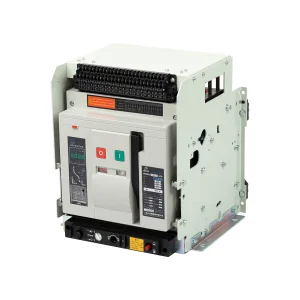
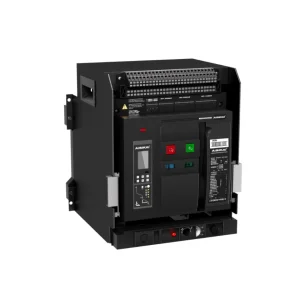
2. Low Voltage Protection: Power distribution is managed by an Air Circuit Breaker (ACB) such as the UniWave Rimw1-2000 to prevent power surges.
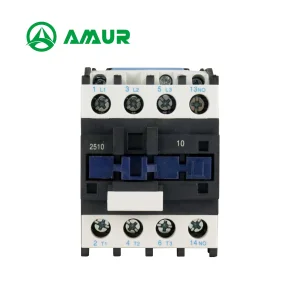
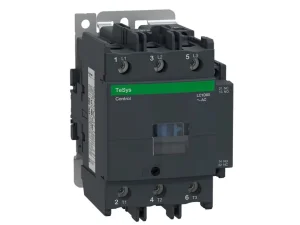
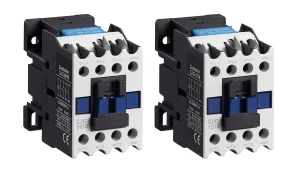
3. Magnetic Interlock: High-power switching is routed through heavy-duty AC magnetic contactors like the Cjx2-D09 or TeSys Deca contactor, allowing safe automated shutdown when torque limits are exceeded.
4. Data Feedback: Signal conditioners transmit real-time torque profiles to the main PLC, enabling predictive maintenance.
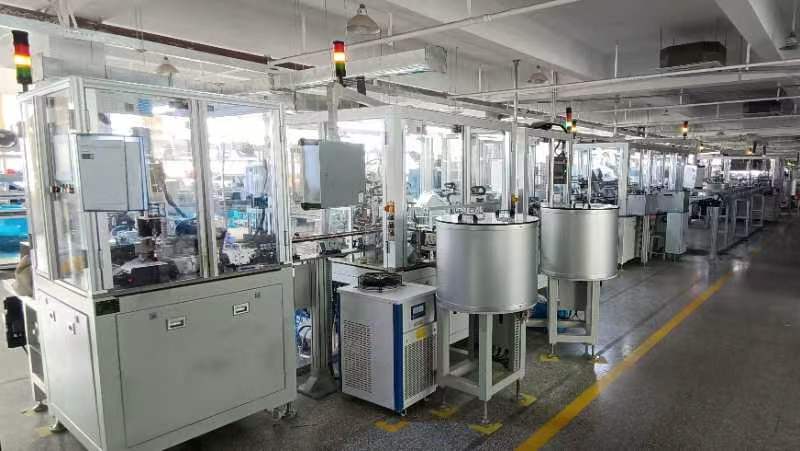
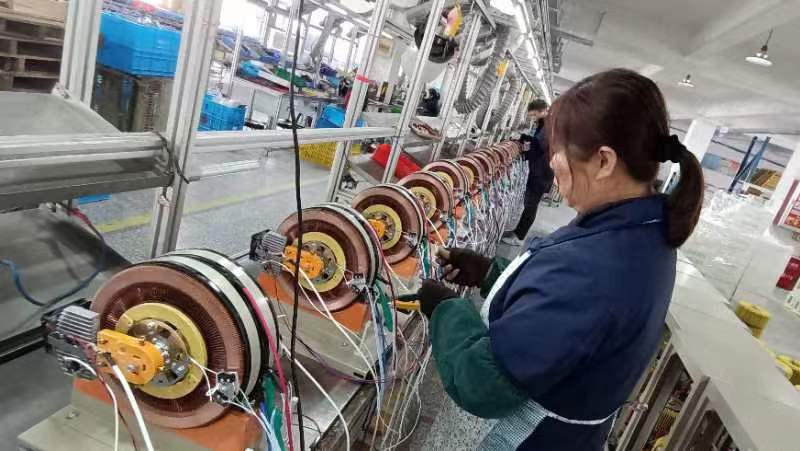
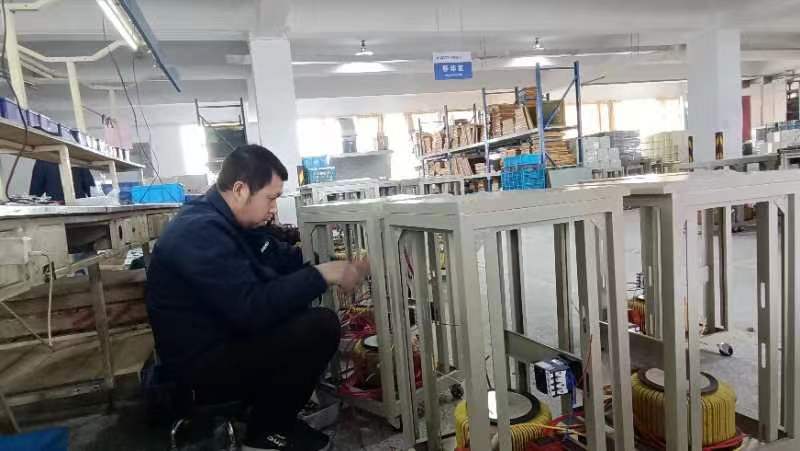
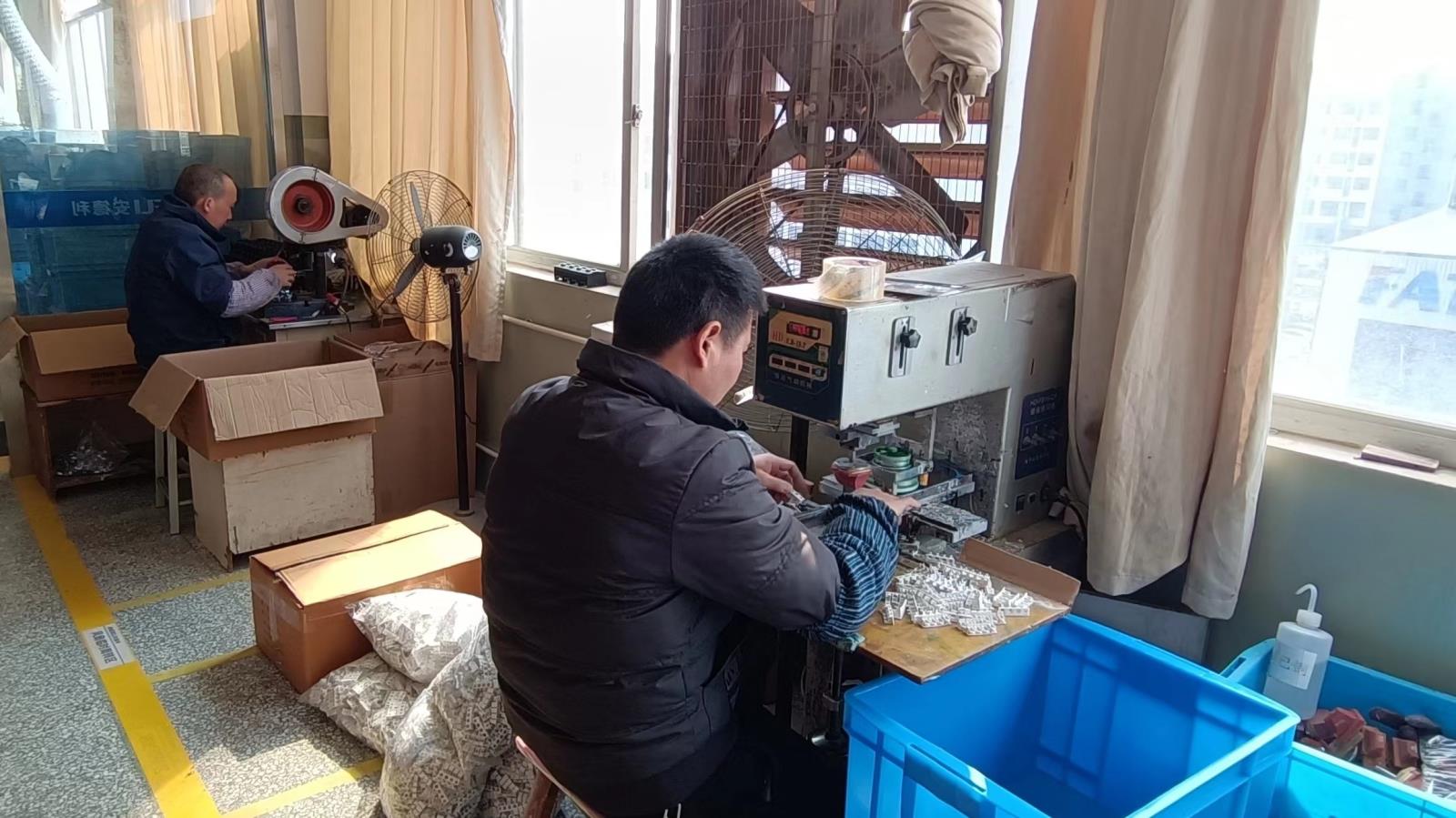
Wenzhou UniWave Electric Co., Ltd. is a leading manufacturer specializing in a wide range of electrical products, including Circuit Breakers (RCBO / RCCB / MCB / WiFi Smart MCB / MCCB / ACB), Isolator Switches, Change Over Switches, AC Contactors, Thermal Relays, Magnetic Starters, Solid State Relays, Distribution Boxes, Voltage Stabilizers, and Voltage Protectors. Our company is located in Liushi, Yueqing, Wenzhou, China, famously known as the “City of Low Voltage Electrical Appliances,” offering both a thriving industrial environment and a beautiful natural setting.
With over 25 years of experience in the circuit breaker and AC contactor industry, Wenzhou UniWave Electric has established a strong reputation for quality, reliability, and innovation. Our products strictly comply with IEC standards and have obtained internationally recognized certifications, including SAA, CE, CB (IEC), and ISO9001.
Our company is equipped with advanced testing instruments and a highly skilled R&D team, allowing us to continually develop new products and improve existing ones. We are committed to providing cutting-edge solutions that meet the evolving needs of our customers. Our products are widely exported and highly appreciated in various markets around the world, including Europe, America, Southeast Asia, the Middle East, and Africa.
At Wenzhou UniWave Electric, we focus on customer satisfaction, innovation, and sustainable development. We warmly welcome inquiries from global partners and are dedicated to establishing long-term, mutually beneficial business relationships with clients worldwide. Contact us today to explore cooperation opportunities and experience the UniWave difference!

The evolution of force sensing is closely linked with progress in micro-electronics and network connectivity. Over the next decade, sensor systems will transition from passive measuring components to active, self-correcting units. The integration of high-speed digital processors within sensor assemblies allows real-time compensation for thermal drift and mechanical degradation, reducing recalibration intervals.
Furthermore, the introduction of IoT-enabled circuit breakers and digital monitoring relays allows facility operators to track system power usage and torque signatures simultaneously. This combined dataset is essential for building predictive maintenance models. By analyzing torque anomalies alongside power fluctuations, maintenance teams can identify potential mechanical or electrical failures before they cause system downtime.
A: The selection depends on the motion of the system under test. If the load is stationary or has limited angular displacement (less than 360 degrees), a static (reaction) torque sensor is ideal. However, if the shaft rotates continuously, such as in an engine drivetrain or electrical motor shaft, a dynamic (rotary) torque sensor is required to ensure accurate, continuous measurement.
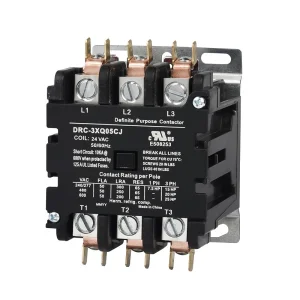
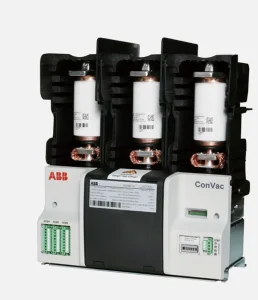
A: Vacuum contactors, such as the ABB ConVac series, extinguish electric arcs within a sealed vacuum chamber. This design eliminates ionized gas paths and reduces the high-frequency electromagnetic interference (EMI) that can interfere with sensitive torque sensor cables and analog-to-digital converters.
A: A phase failure relay, like the ABJ1-122, monitors three-phase power supplies for phase loss, reversal, or voltage imbalance. In high-power test stands, a phase failure can cause motors to run hot or spin erratically, creating severe torque spikes. The relay prevents damage by quickly disconnecting the power supply.
A: IEC standards define strict parameters for electrical safety, clearance distances, and electromagnetic compatibility. For global exporters, using IEC-compliant devices ensures smooth customs clearances, compatibility with global standards, and reliable operation under international grid specifications.
A: Yes. Smart circuit breakers allow remote control and monitoring via Modbus or TCP/IP. In automated test cells, when torque sensors detect a mechanical overload, the system can trigger the smart circuit breaker to shut down the system, protecting both mechanical and electrical components.
High-capacity switching, industrial relays, and isolation breakers engineered for stable operations in high-demand environments.
Connect with our team to discuss customization options for your industrial measurement and electrical control systems.
Inquire Now & Connect with Engineers