UniWave Electric
1. Industrial Intelligence & The Critical Role of High-Performance Photoelectric Sensors
In the era of smart factories, industrial internet of things (IIoT), and digitalized production chains, the demand for precision sensing technologies has reached unprecedented levels. As a cornerstone of automated processing, photoelectric sensors represent the sensory organs of modern manufacturing hardware. These devices emit modulated light beams—typically infrared, visible red, or laser—to detect the presence, absence, position, or characteristics of components on high-speed assembly lines without physical contact. By eliminating mechanical wear and maximizing response times, photoelectric sensors are integral to keeping factory ecosystems operational and efficient.
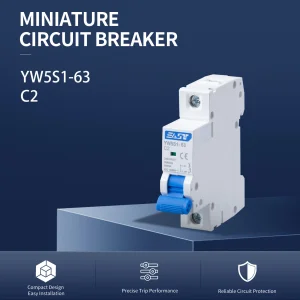
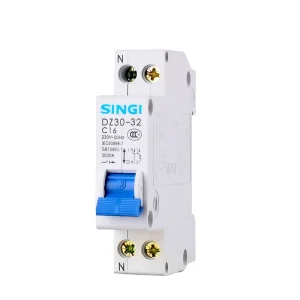
At Wenzhou UniWave Electric Co., Ltd., we understand that sensing systems cannot operate in isolation. A photoelectric sensor detects a system status, which then triggers actions within the electrical grid—communicating with AC contactors, solid-state relays, and miniature circuit breakers (MCBs) to secure, isolate, or switch industrial loads. Operating from Liushi, Yueqing, Wenzhou, China—the undisputed capital of low-voltage electrical components—UniWave utilizes over 25 years of electrical engineering excellence to manufacture and supply world-class OEM/ODM photoelectric sensors alongside integrated system controllers, providing an end-to-end automated control environment for international enterprises.
2. The UniWave Manufacturing Ecosystem: Why China Factories Lead Global Supply Chains
China's industrial zones offer unmatched structural advantages for B2B buyers seeking stable, scalable OEM/ODM partnerships. In Liushi, Yueqing, Wenzhou, UniWave Electric operates within a concentrated raw-materials cluster. From high-grade electromagnetic copper winding wires to advanced optoelectronic diodes and flame-retardant thermoplastics, every phase of production is vertically integrated. This spatial clustering minimizes material logistics transit times and enables rapid design cycles, allowing us to build, refine, and ship custom designs faster than regional competitors.
Our commitment to quality assurance is validated by our advanced testing instruments and a highly skilled R&D team. Our products strictly comply with IEC standards and have obtained internationally recognized certifications, including SAA, CE, CB (IEC), and ISO9001. Every photoelectric sensor and electrical breaker undergoes rigorous thermal stress analysis, dielectric withstand testing, and optical alignment calibration to maintain operational integrity in harsh conditions.
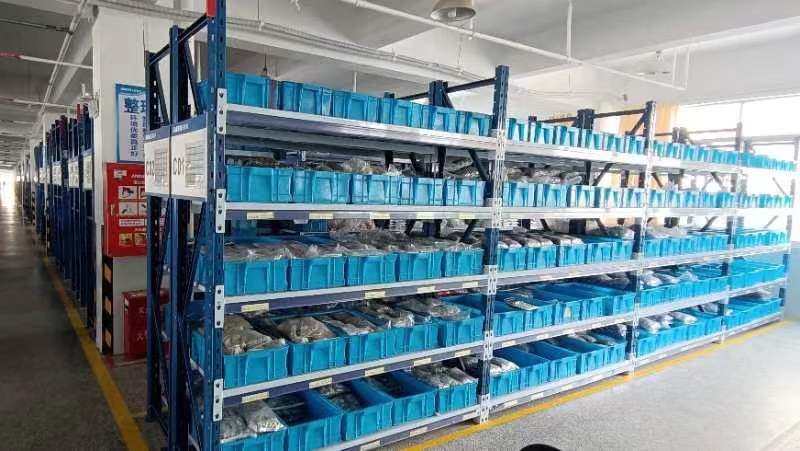
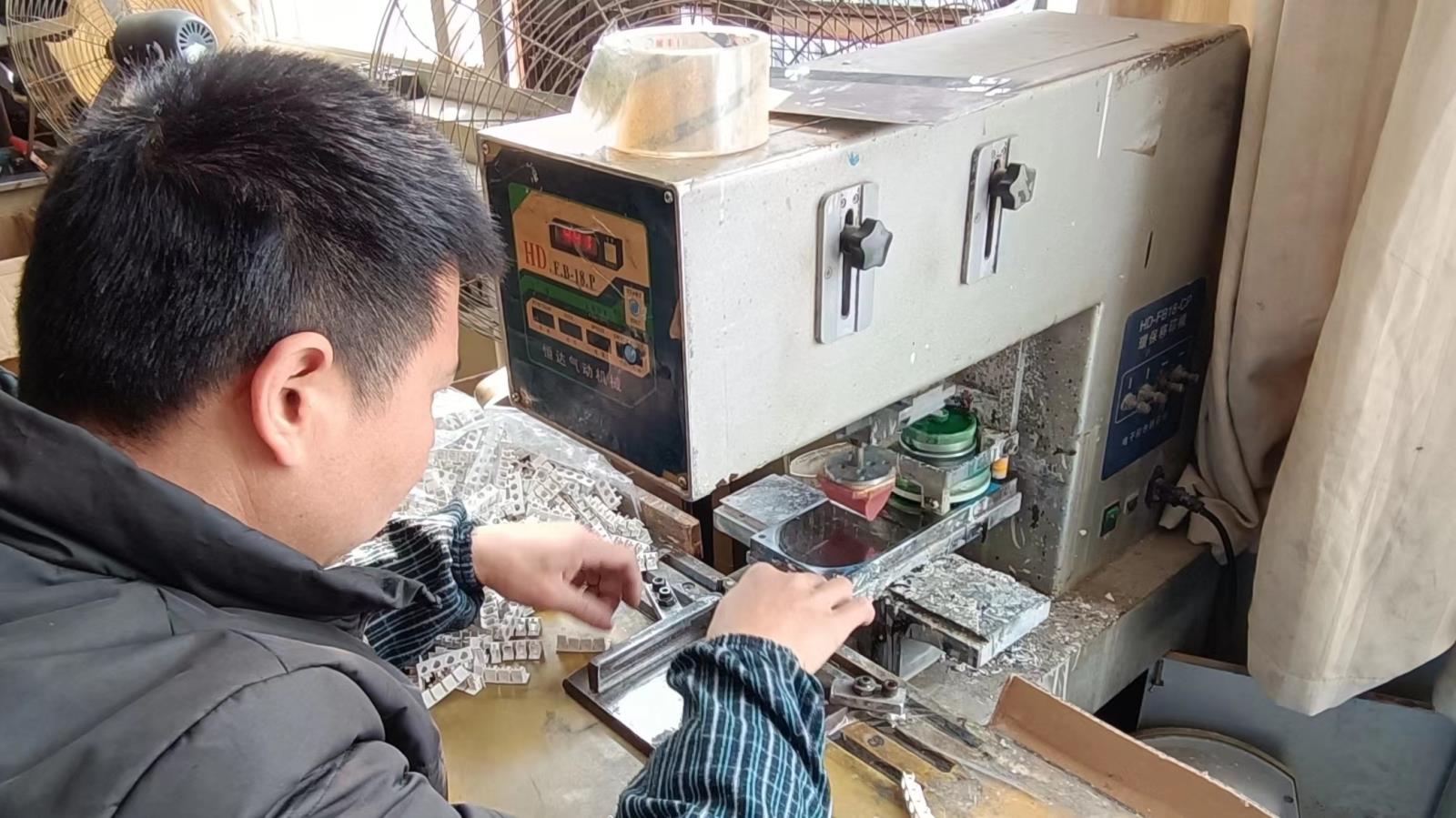
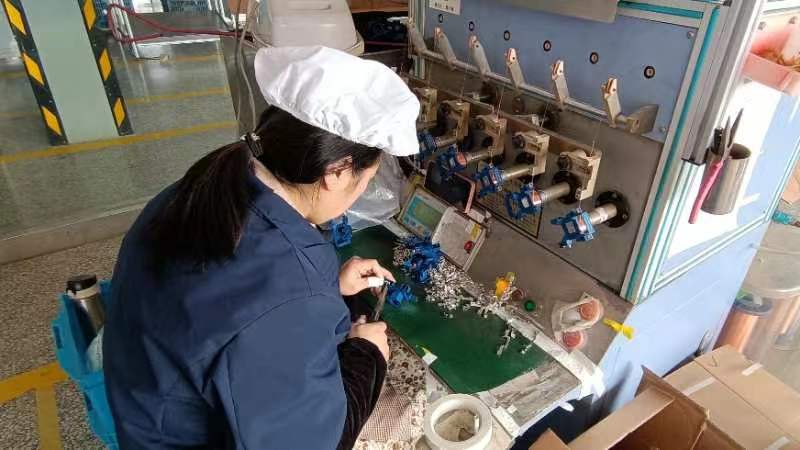
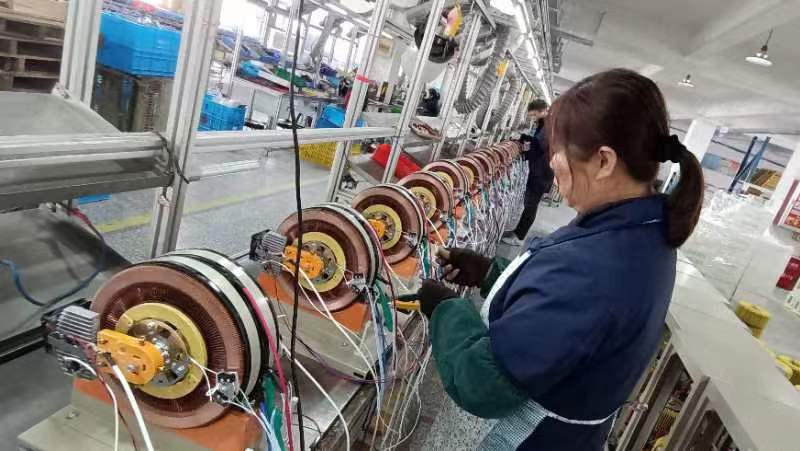
Our State-of-the-Art Production Processes
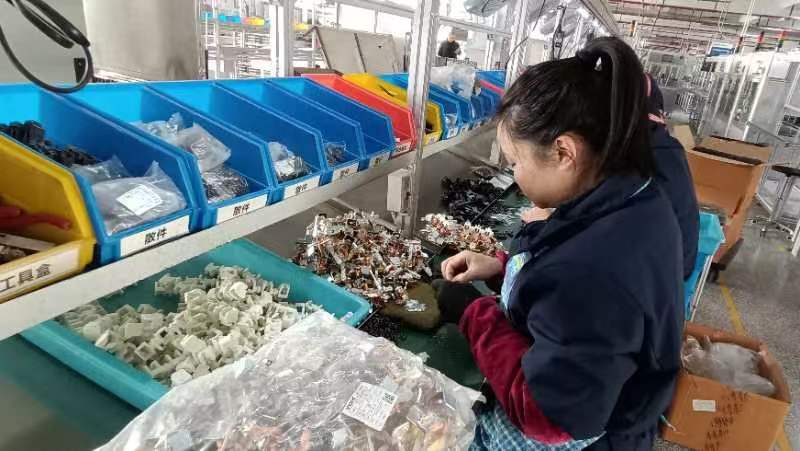
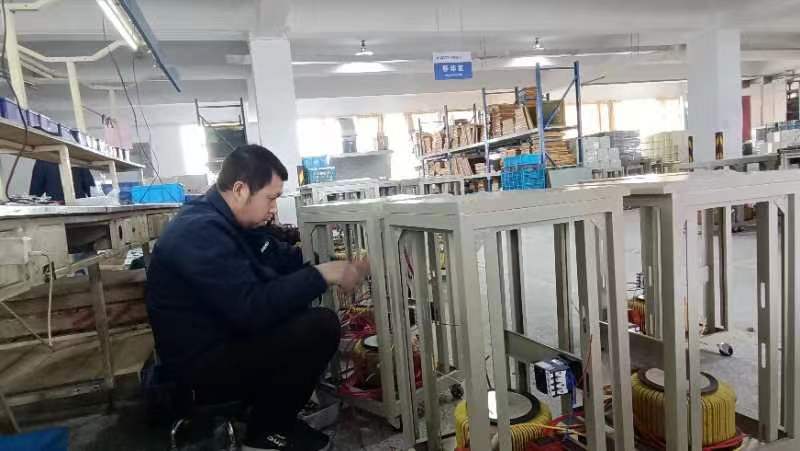
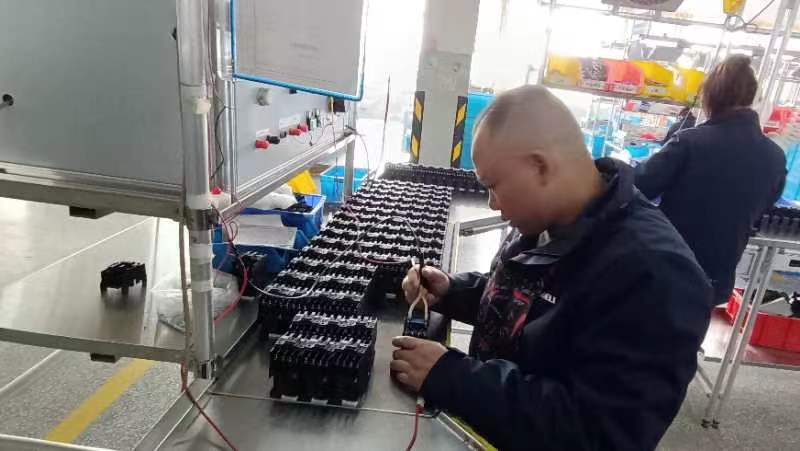
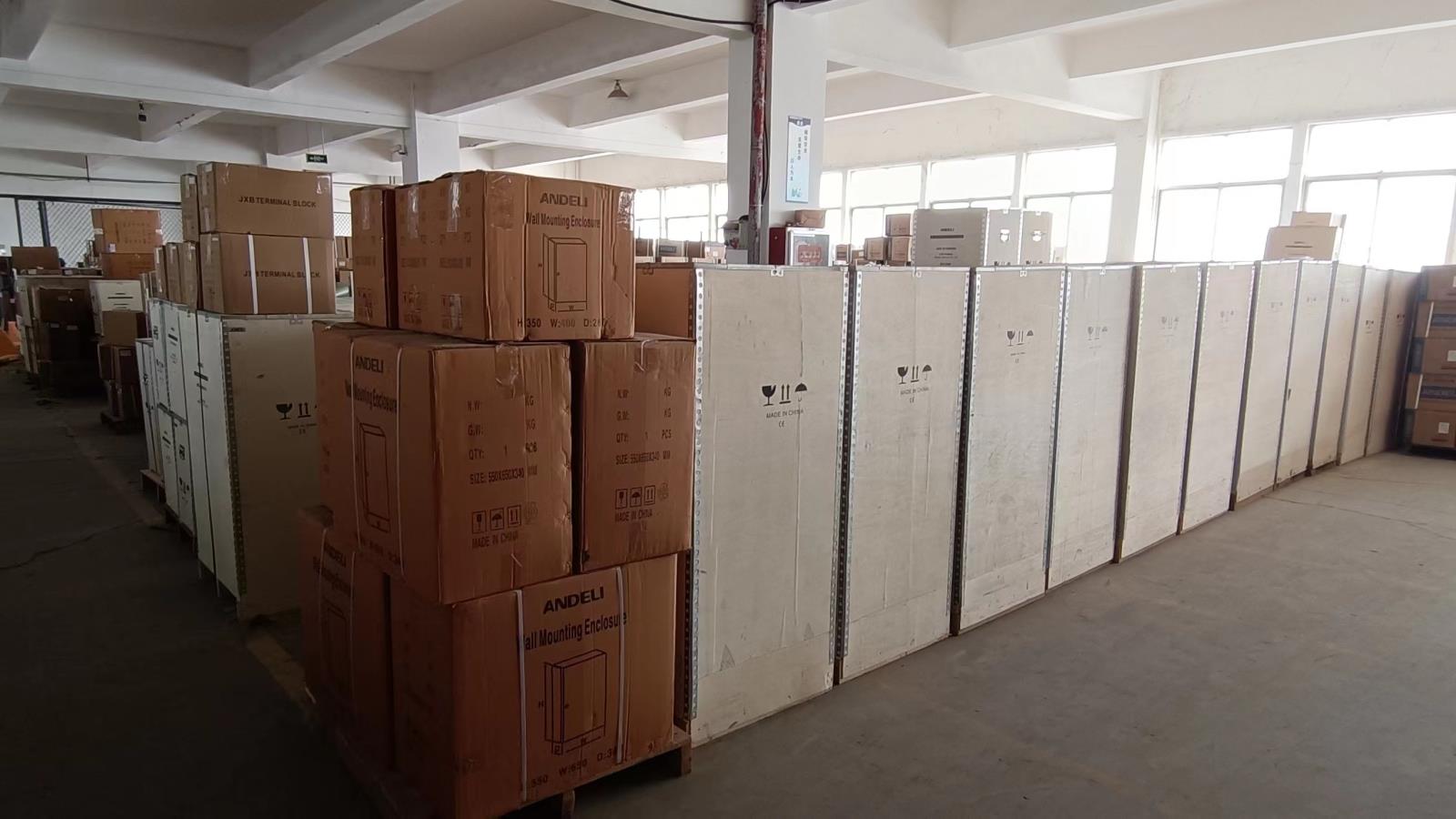
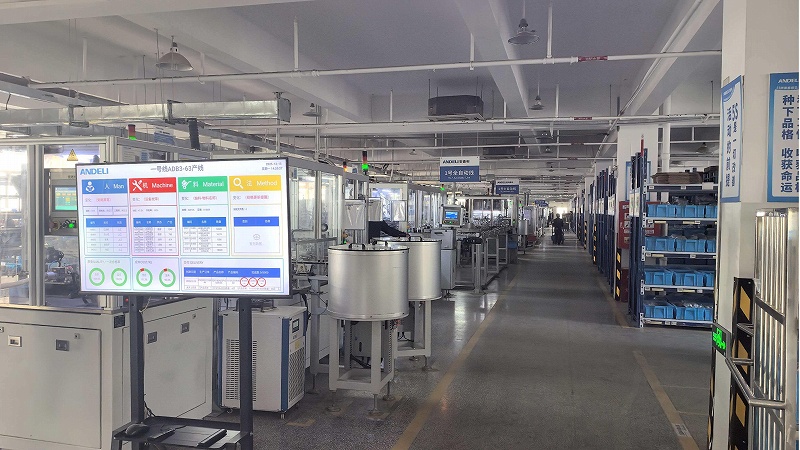
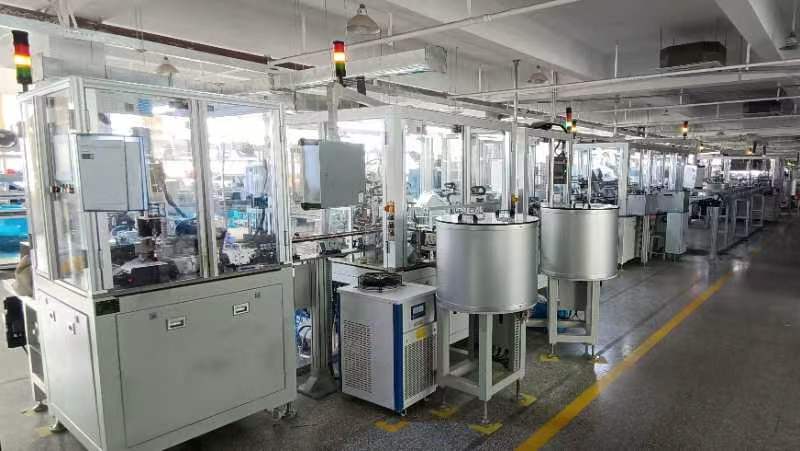
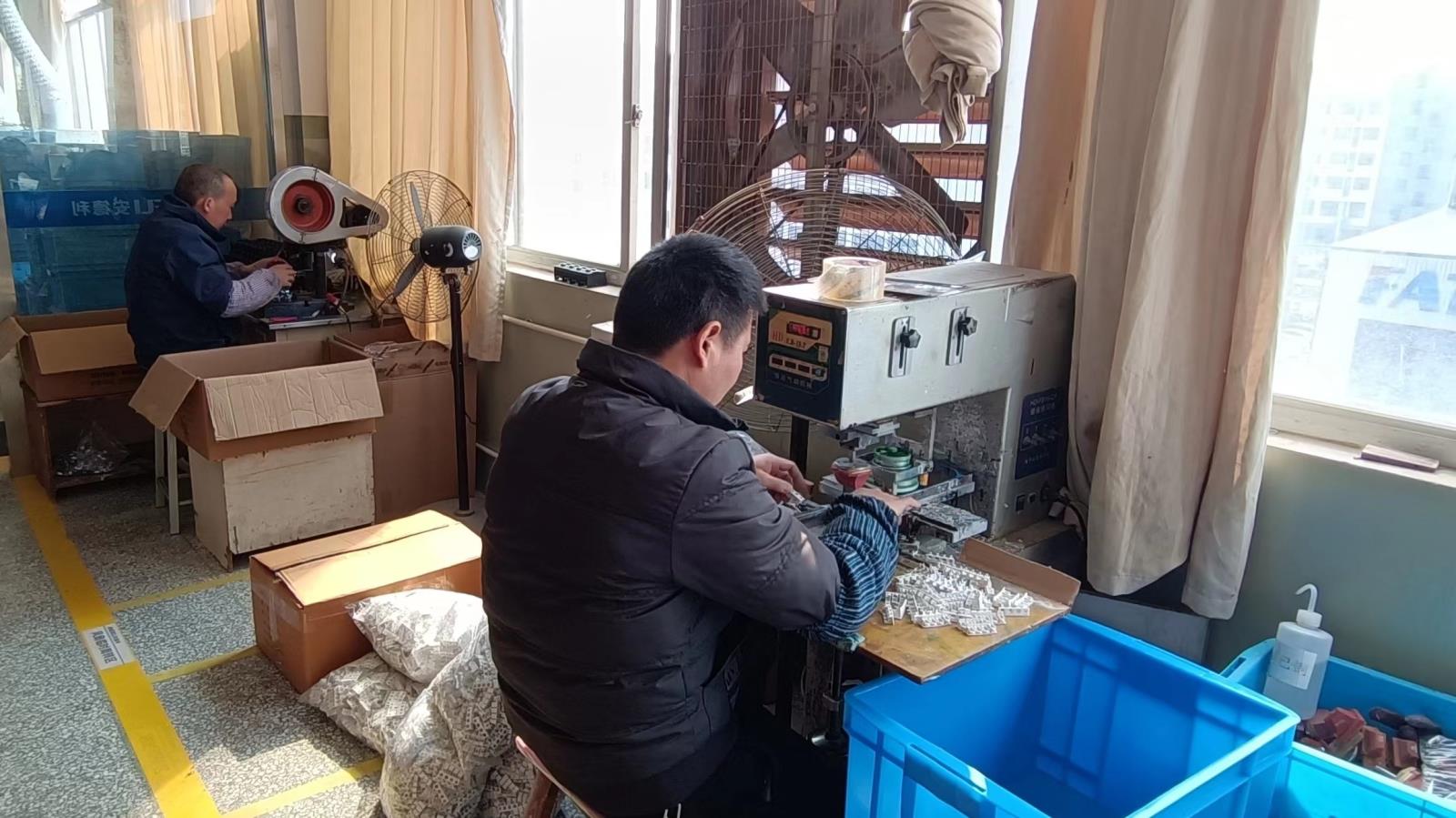
3. Photoelectric Sensor Classifications & Advanced Working Modalities
Industrial applications require specific optical arrangements. To assist B2B purchasing managers in choosing the right sensors for their automated environments, we design and customize three primary modes of optoelectronic sensing:
Thru-Beam Sensors
Features separate transmitter and receiver units positioned opposite one another. This configuration allows for the longest operating ranges and excels in harsh conditions where dust, steam, or oil could scatter light beams.
Retro-Reflective Sensors
House both the transmitter and receiver in a single housing, aligned with a retro-reflector across the path. Integrated polarizing filters ensure only light returned from the reflector is processed, preventing false triggers from shiny metal objects.
Diffuse-Reflective Sensors
Emit light that strikes the target directly and bounces back to the receiver. They are compact and easy to mount, and can be configured with background suppression to ignore background details beyond the target distance.
Custom Specialized Sensing
Custom sensor solutions optimized for high-temperature zones, chemical washdowns (IP69K), color mark registration, and ultra-miniaturized form factors for tight machine layouts.
4. Macro Industry Solutions: Integrating Sensing and Control
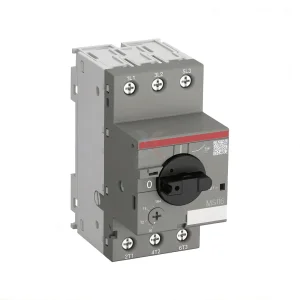
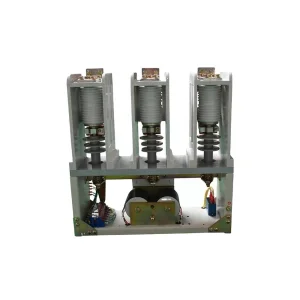
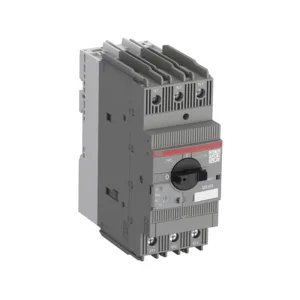
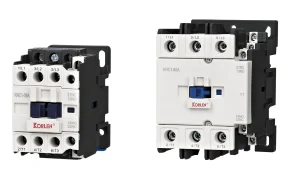
Industrial performance relies on cohesive ecosystems. High-speed factory production lines require sensors to detect positions and direct motor behaviors. If a photoelectric sensor detects a jam on a conveyor line, the control logic must instantly trip the circuit or stop the motor starter. This is where UniWave's complete product line offers significant advantages. By integrating our photoelectric sensors with our robust manual motor starters, high-current magnetic contactors, and digital voltage monitoring relays, we provide a unified control and protection solution.
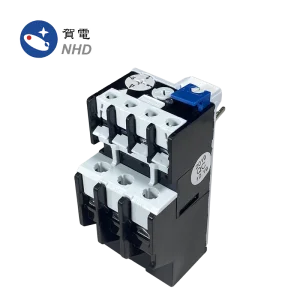
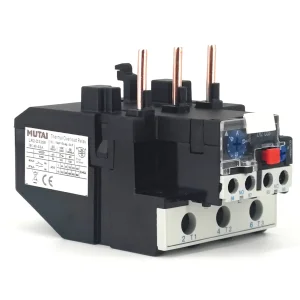
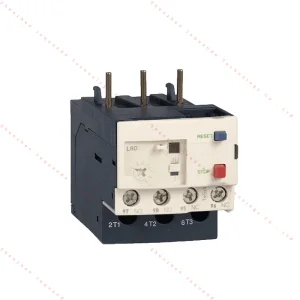
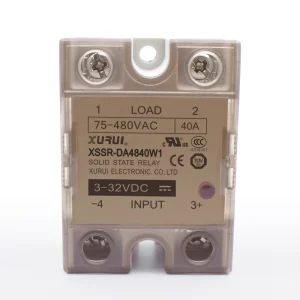
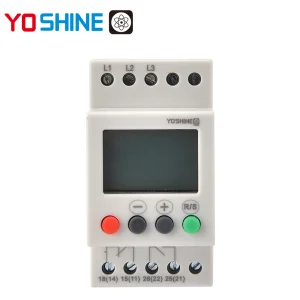
For example, in automated packaging plants, our photoelectric sensors monitor box alignment. If a mismatch is detected, a signal is sent to the Yoshine AC240V 16A 3-Phase digital voltage monitoring relay or a solid-state relay to pause the feed drive. If an over-current block occurs, the JR28 / LR2 electric thermal overload relay trips the system, preventing motor burnout. Our 25 years of experience in low-voltage electrical engineering ensures that all components work together seamlessly without signaling delay or compatibility issues.
5. Global Procurement Requirements & Supply Chain Security
For international buyers in Europe, the Americas, and Southeast Asia, procuring electrical hardware involves assessing quality, lead times, regulatory compliance, and supply chain security. The UniWave difference lies in our rigorous compliance and testing standards. Our products comply with IEC standards, which are verified by SAA, CE, and CB certificates. This ensures easy import customs clearance, smooth installation, and guaranteed insurance compliance in Western jurisdictions.
Additionally, our OEM/ODM capabilities allow us to provide custom private-label solutions. Whether you require specific laser markings, custom housing materials, specialized wire harness lengths, or custom sensitivity profiles, UniWave’s engineering team can develop custom components tailored to your needs. This flexibility, backed by a stable supply chain, makes us a reliable partner for global industrial distributors, panel builders, and automated machine manufacturers.