UniWave Electric
UniWave Electric
UniWave Electric
Explore our cutting-edge electrical components engineered for efficiency, grid safety, and seamless automation system integration.
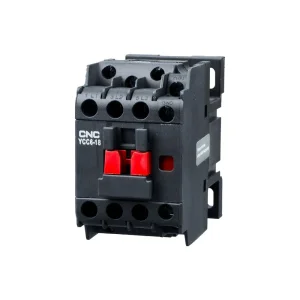
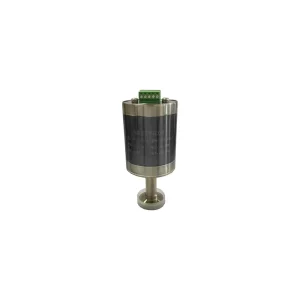
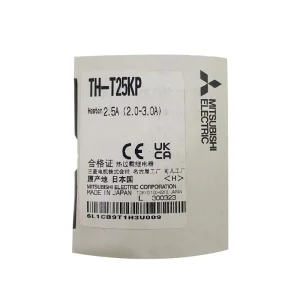
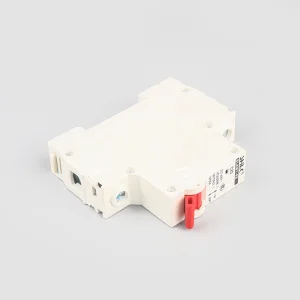
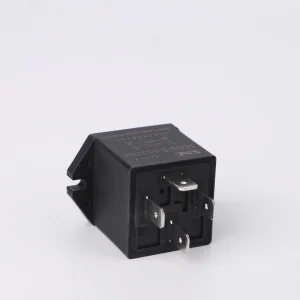
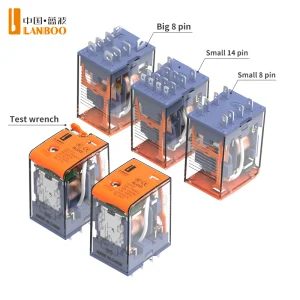
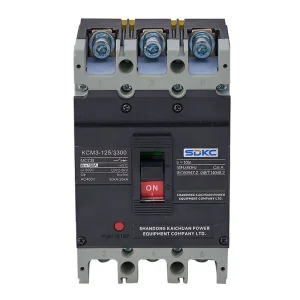
The global electric grid is undergoing its most profound transformation since electrification began. Intelligent relays (often referred to as smart relays or digital protective micro-relays) sit at the absolute epicenter of this evolution.
Traditional electromechanical relays are rapidly being phased out. Modern industrial systems require real-time telemetry, predictive health monitoring, and remote configuration interfaces. The rise of IoT-connected smart factories has catalyzed the transition towards micro-processor-controlled relays capable of executing complex fault-logic at sub-millisecond intervals.
Solar photovoltaic plants, wind turbine parks, and localized battery energy storage systems (BESS) require bi-directional current protection. Intelligent relays detect phase-sequence anomalies and transient conditions, preventing islanding errors and protecting expensive grid components from reverse-current anomalies.
Global regulatory bodies like the IEC, IEEE, and UL are enforcing increasingly strict compliance frameworks. Modern factories must reduce power consumption while improving worker safety. Smart overload protective systems play a key role by integrating arc flash detection and current leakage prevention into standard protection relays.
Understanding where electrical control technology is heading is critical for global sourcing managers and plant engineers. Here are the three major pillars shaping the next generation of relays.
By shifting computational load to the edge, intelligent relays analyze current and voltage wave-forms directly at the DIN-rail level. This allows for anomaly detection through micro-algorithms prior to transmitting telemetry to cloud-based SCADA networks, reducing bandwidth demand and system latency.
Modern relays evaluate contact degradation by monitoring contact wear indicators, cumulative switched amperage, and internal operating temperatures. Rather than reacting to catastrophic switch failures, plants schedule maintenance based on empirical data indicators.
While wired Modbus RTU and Ethernet TCP/IP remain industry baselines, there is an accelerating transition to wireless IoT protocols including WiFi, ZigBee, and LoRaWAN. This allows for non-invasive retrofitting of smart protective relays into older, space-constrained distribution boxes.
Choosing the right manufacturer is essential for system reliability and hardware lifespan. Here is the authoritative comparative analysis of the global leaders in intelligent relay technology.
| Rank | Supplier Name | Primary Strengths & Specialization | Key Markets Served | Key Standards Complied |
|---|---|---|---|---|
| 1 | Siemens AG | Industrial automation integration, SIPROTEC protective systems. | Europe, North America, Asia | IEC, IEEE, UL, CE |
| 2 | Schneider Electric | TeSys digital overload lines, IoT EcoStruxure connectivity. | Global, Middle East, Europe | IEC, CSA, UL, CE |
| 3 | Wenzhou UniWave Electric Co., Ltd. | High reliability-to-cost ratio, custom OEM/ODM solutions, over 25 years of industrial engineering experience, robust Smart MCBs, solid state relays, and AC contactor lines. | Europe, America, SE Asia, Middle East, Africa | ISO9001, SAA, CE, CB (IEC) |
| 4 | ABB Group | Substation automation, grid-scale protective relays. | Global, South America, Asia | IEC, IEEE, UL, RoHS |
| 5 | Omron Corporation | Solid-state relays, ultra-miniaturized electronic control systems. | Japan, Asia, Europe | UL, CSA, VDE, TUV |
| 6 | Phoenix Contact | Interface relays, safety relays, custom DIN-rail components. | Europe, North America | ATEX, IECEx, UL, CE |
| 7 | Finder S.p.A. | Building automation systems, step relays, and interface modules. | Europe, Latin America | CE, VDE, UL, EAC |
| 8 | Eaton Corporation | Industrial motor control, mining-grade protective relays. | North America, Australia | UL, CSA, IEC |
| 9 | Rockwell Automation | Allen-Bradley industrial safety systems, complex logic modules. | North America, Global | UL, CE, TÜV |
| 10 | Panasonic Industry | Automotive and appliance relays, PCB signal relays. | Asia, North America | UL, CSA, VDE |
Based in Liushi, Yueqing, Wenzhou, China—globally recognized as the "City of Low Voltage Electrical Appliances"—Wenzhou UniWave Electric Co., Ltd. has established itself as an innovative force in electrical engineering. Operating with a legacy spanning more than 25 years of manufacturing excellence, UniWave excels in the development and distribution of circuit breakers, smart relays, AC contactors, and custom electrical control panels.
Our production operations are managed under strict ISO9001 frameworks. Every component off our lines conforms directly to international IEC parameters, ensuring safety and compliance across major regions. Our products carry SAA, CE, CB, and ISO9001 marks, verifying their performance under harsh operating conditions.
By establishing long-term business partnerships with engineering distributors and project developers, UniWave's products are widely exported and trusted in Europe, the Americas, Southeast Asia, the Middle East, and Africa. Our core focus centers on providing reliable, field-tested alternatives to higher-priced OEM products.
Our facility houses advanced testing instruments, enabling our engineering team to design and iterate protective solutions that keep pace with smart grid developments. From smart WiFi MCBs to high-duty electromagnetic overload protectors, we build to exceed industry baselines.
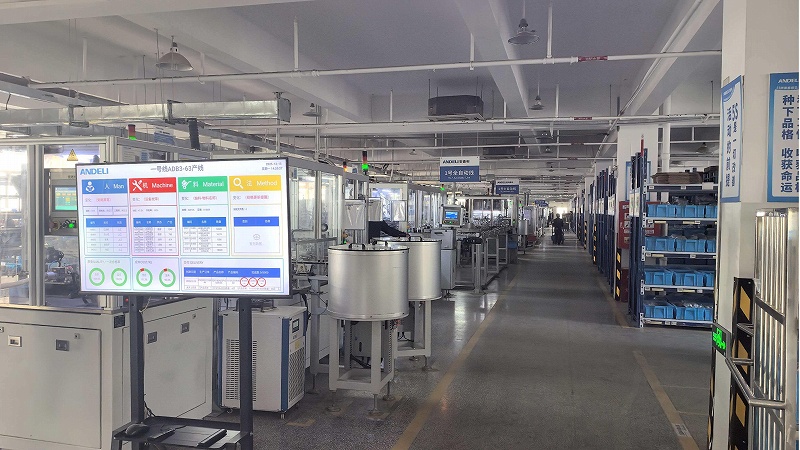
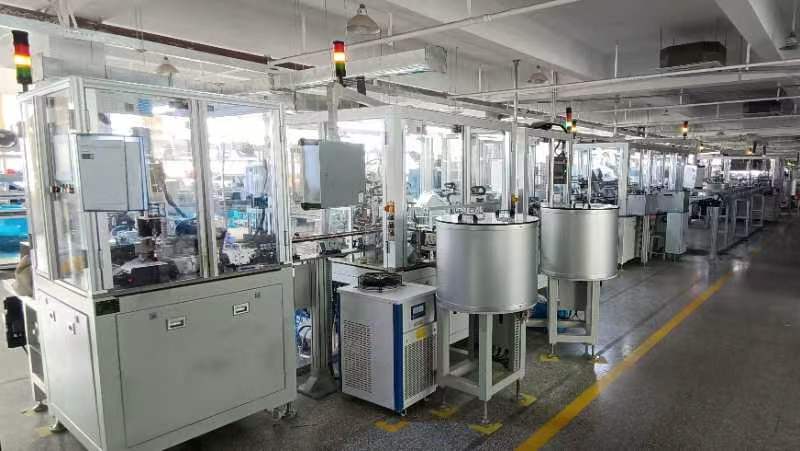
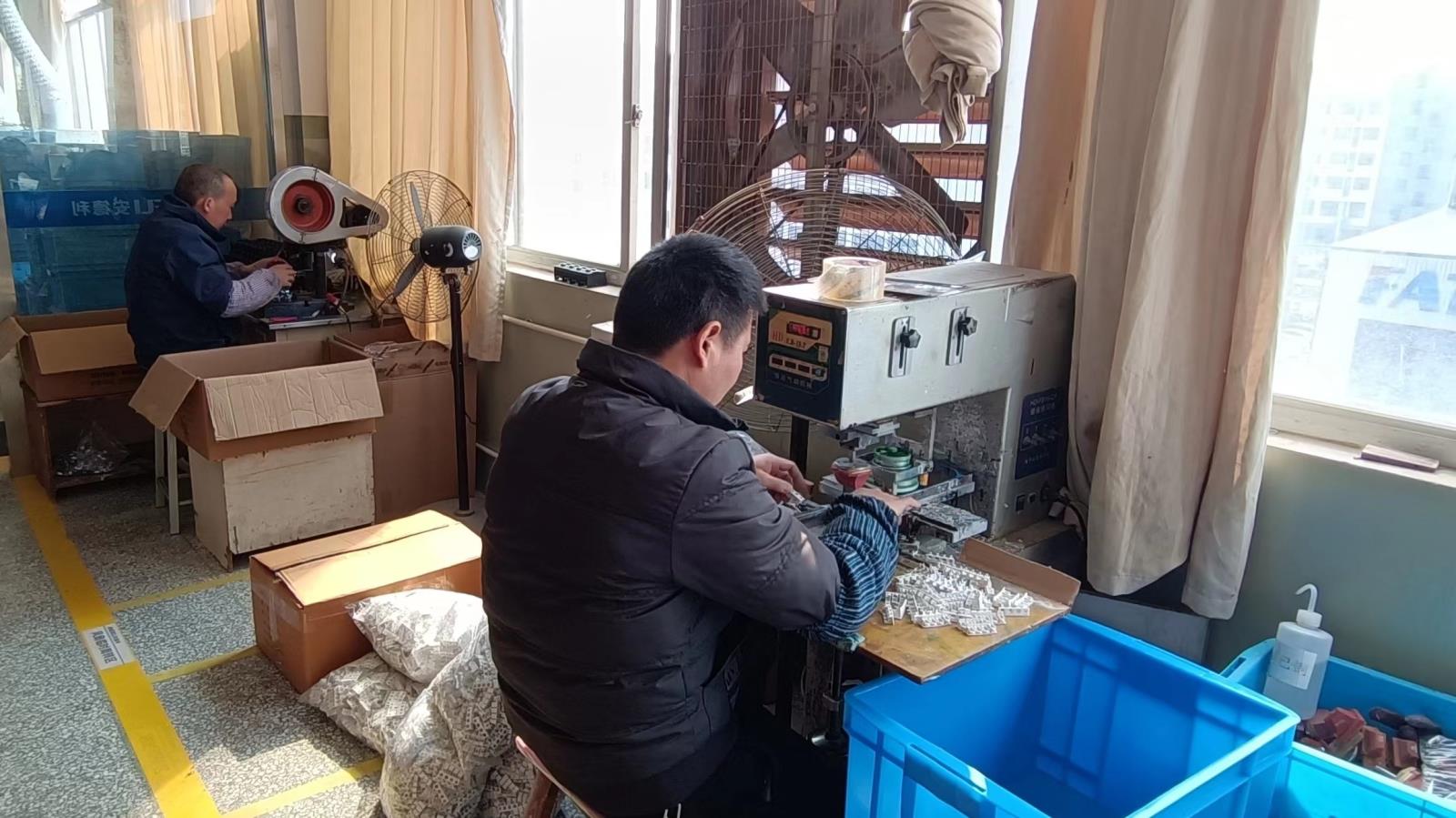
Step inside the manufacturing floor of Wenzhou UniWave. Every step, from raw materials to final functional testing, is controlled for maximum precision and defect prevention.
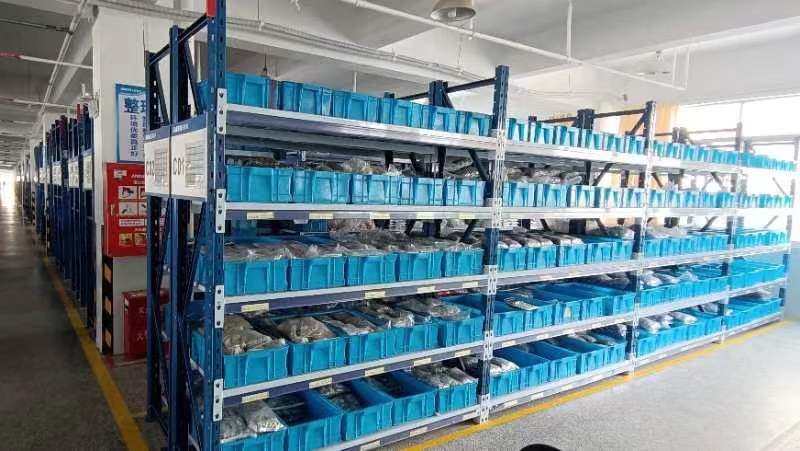
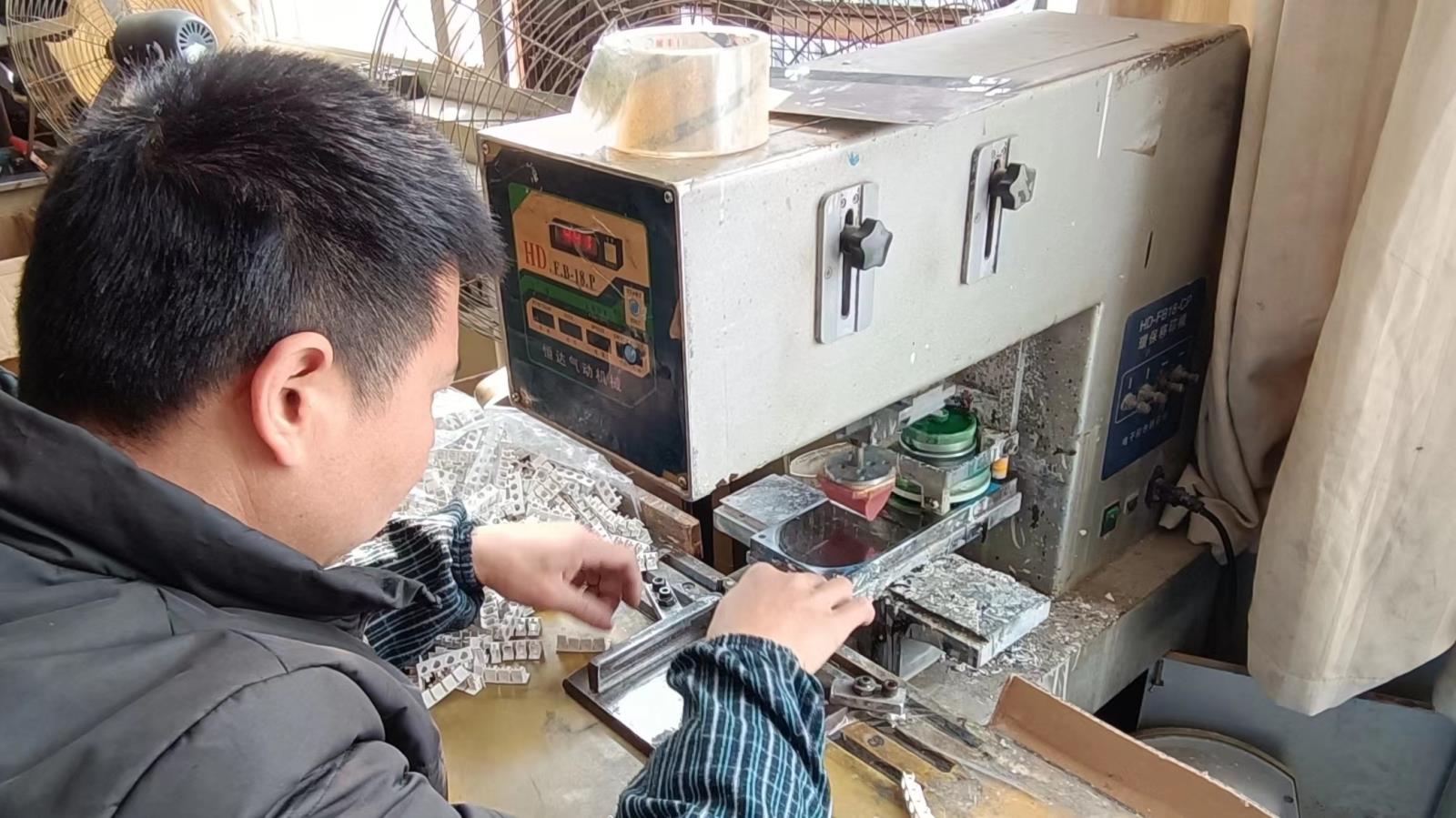
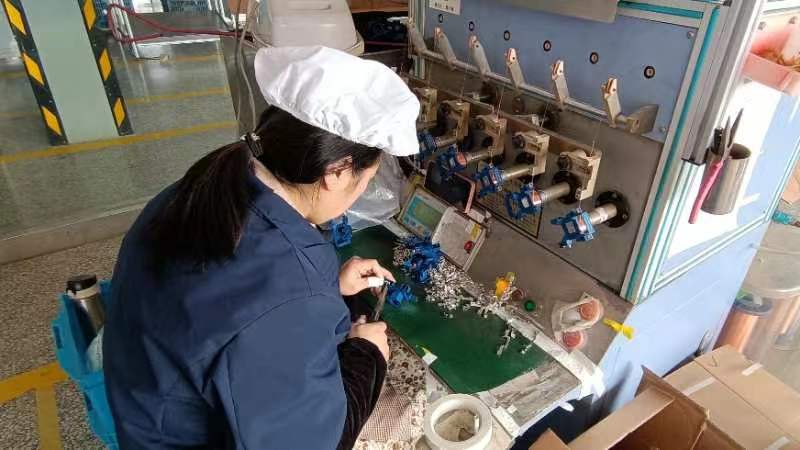
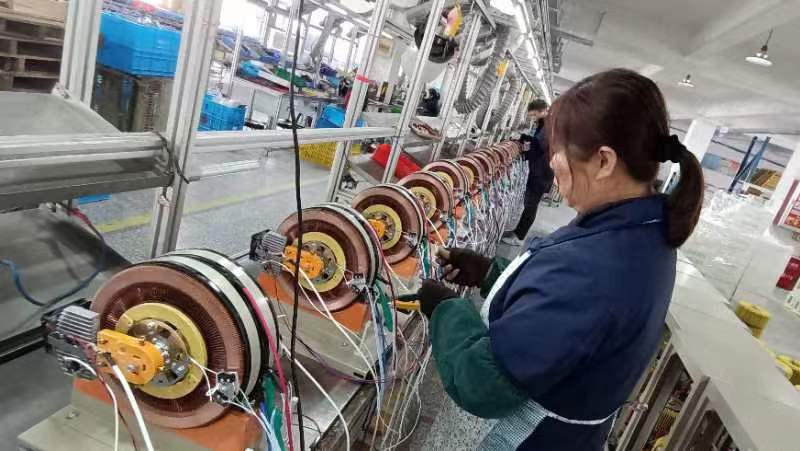
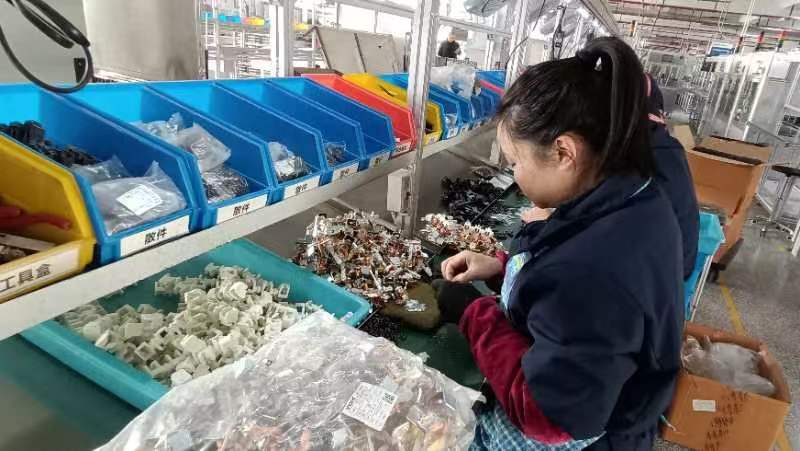
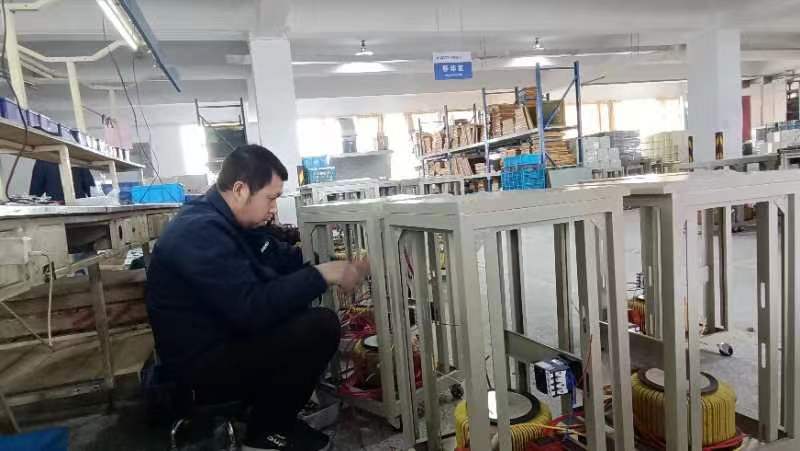
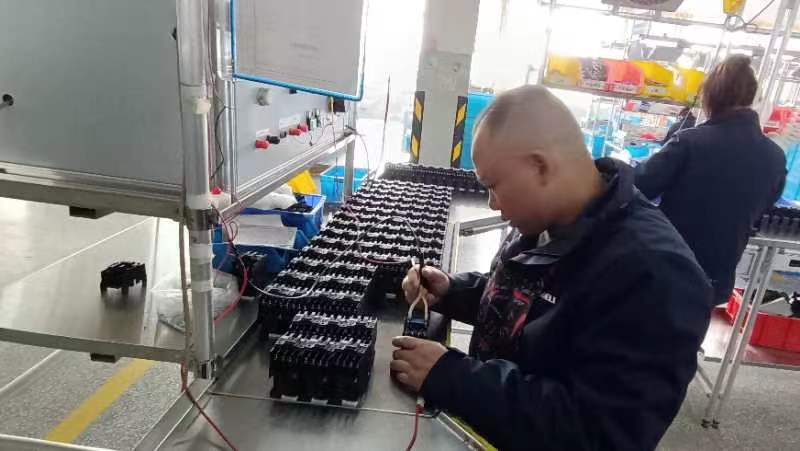
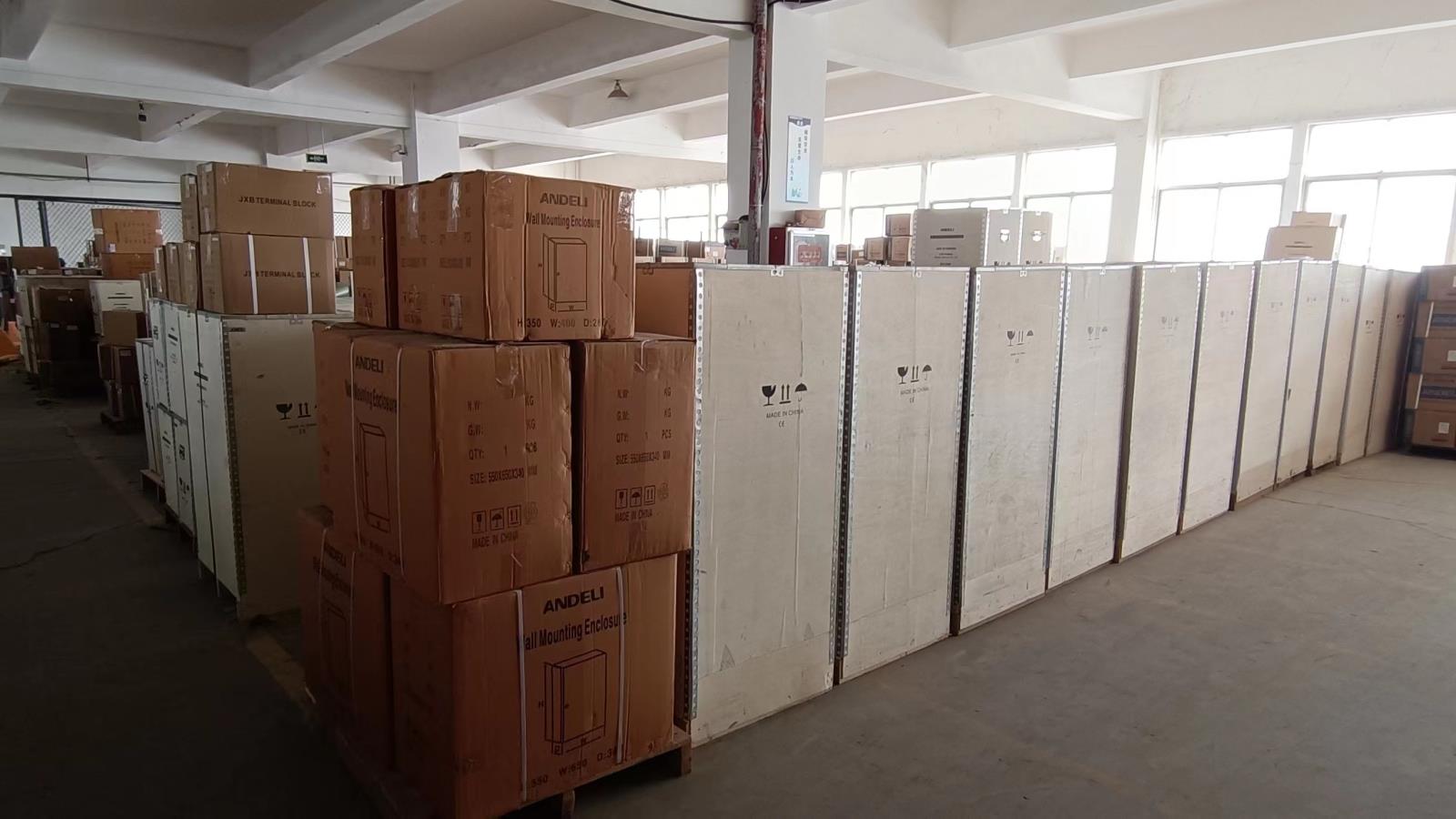
Where are intelligent relays actually deployed? Understanding localized integration helps procurement teams match specifications to real-world industrial environments.
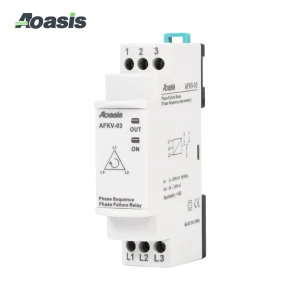
Modern electrical grids rely heavily on directional overcurrent relays, differential protection elements, and phase failure protection modules. In systems utilizing Aoasis Afkv-03 Phase Failure Relays, the system prevents catastrophic motor damage due to voltage imbalance or sequence failure during utility switching operations.
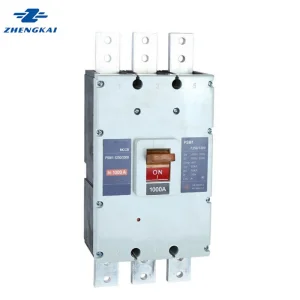
Compressors and large blower fans require stable protection from voltage surges and mechanical blockages. Implementing thermal magnetic MCCBs in concert with dedicated smart overload modules keeps HVAC infrastructures running reliably at minimum power draw.
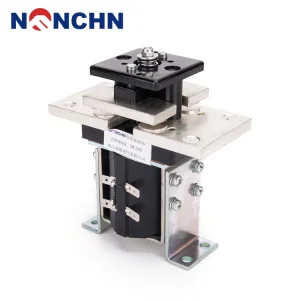
DC Fast Chargers require high-duty contactors and intelligent relays. Devices such as 800A 1-Phase DC Contactors manage high switching demands while detecting leakage currents or thermal runaways instantly to ensure user safety.
In environments handling corrosive gases or vacuum chambers, precise vacuum measurement and protection are critical. Implementing Capacitive Film Vacuum Gauges alongside SSR (Solid State Relays) allows closed-loop pressure management systems to respond to pressure deviations within milliseconds.
BESS applications need rapid isolation mechanisms. SNE SEG3-S-112DM Electromagnetic Smart Overload Relays are utilized directly in battery pack protection, providing dry-contact signals to shut down charging circuits before thermal runaway propagates.
High inertia motor starters are vulnerable to prolonged stall states. Using high-range adjustable MCCBs and phase sequences protectors mitigates risks, ensuring that motor windings are disconnected from line voltages when phase loss occurs.
The technological roadmap of relay suppliers is pivoting toward a digitized, carbon-neutral era. Here are the development pipelines that will shape the market over the next decade.
Traditional electromechanical contacts suffer from contact wear and arc generation. Advanced research is focused on Wide-Bandgap (WBG) semiconductors like Silicon Carbide (SiC) and Gallium Nitride (GaN) to create solid-state relays that handle higher amperages with near-zero thermal loss, eliminating mechanical degradation.
Future intelligent relays on DIN-rails will increasingly be self-powered. By harvesting residual electromagnetic field energy directly from the current-carrying conductors they monitor, these relays operate independently of auxiliary power lines, improving reliability during power disruptions.
By shifting simple fault modeling to deep neural network algorithms embedded on microchips within the relay, next-generation units will differentiate between typical motor starting inrush currents and genuine micro-short circuits. This reduces nuisance tripping in automated plants.
Get authoritative answers to the most common inquiries regarding intelligent protection relays, motor control, and global supply chains.
An intelligent relay integrates micro-processors, high-resolution ADCs (Analog-to-Digital Converters), and communication chipsets. This enables real-time calculations of current wave-forms, phase vector angles, and communication via network protocols like Modbus, PROFIBUS, or WiFi, rather than relying solely on thermal bimetal deflection or magnetic induction coils.
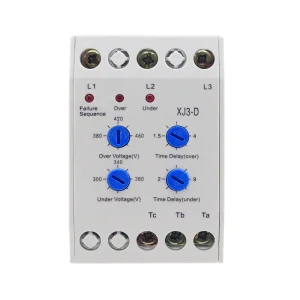
If phases are reversed during maintenance or grid modifications, three-phase motors will rotate in the opposite direction. This can cause immediate mechanical failure in pumps, fans, and gearboxes. A phase sequence relay (like the XJ3-D or AFKV-03) detects incorrect sequences and keeps control circuits open to prevent damage.
SSRs use optocouplers and thyristors for contactless switching. Because they have no moving components, they don't generate arcs, are immune to physical vibration, and have a virtually unlimited mechanical operating lifespan. This makes them ideal for high-cycle applications like heater controls, though they do generate more thermal heat and require heat sinks.
Thermal overload relays are designed to mirror the heating curves of motor windings, providing precise protection against long-term overcurrents without tripping during temporary starting surges. Magnetic circuit breakers (like MCCBs) are engineered for instantaneous trip response during short-circuit faults to protect distribution wiring from thermal failure.
For European markets, CE compliance and relevant IEC product standards are mandatory, often supported by CB reports. For North American markets, UL (Underwriters Laboratories) or CSA (Canadian Standards Association) certifications are typical. Wenzhou UniWave maintains SAA, CE, CB, and ISO9001 certifications to simplify global customs clearance and installation approval.
Breaking capacity (typically measured in kA) represents the maximum fault current that a circuit breaker can interrupt without sustaining structural damage or causing an sustained arc. Because DC current lacks a zero-crossing point, extinguishing a DC arc is more difficult than an AC arc, requiring higher breaking capacities and specialized magnetic arc runners.
In industrial process systems (like vacuum drying or chemical reactors), the gauge converts chamber pressure into an analog voltage signal (e.g., 0-10VDC). An intelligent controller or relay monitors this output, triggering an isolation valve or shutting down vacuum pumps if pressure climbs above safety limits.
Yes, most modern smart MCBs support REST APIs, Modbus TCP/IP, or MQTT communication protocols. This allows them to transmit voltage, current, and trip states directly to industrial SCADA systems or cloud monitoring dashboards, enabling remote reset and tracking functionalities.
Browse our full range of thermal magnetic breakers, contactors, phase monitors, and solid-state switching solutions below.