UniWave Electric
UniWave Electric
UniWave Electric
Explore our elite selection of industrial protection, overload, and dynamic contact components engineered for performance and precision.
In modern industrial setups, Timer Relays (also known as time-delay relays) function as critical logical gatekeepers. They defer contact closures or openings before, during, or after an electrical trigger event. This temporal isolation is fundamental in mitigating mechanical stress, preventing severe current surges, and organizing step-by-step processes. As energy costs soar and automated grids demand unprecedented safety profiles, choosing a premium-grade timer relay becomes a cornerstone of architectural safety and energy conservation.
With the emergence of Industry 4.0, timer relays are no longer simple electromechanical switches. They have evolved into smart timing modules operating alongside Programmable Logic Controllers (PLCs), utilizing solid-state design and microprocessing units to deliver precision timing ranges from fractions of a millisecond to several days. Understanding the manufacturing capabilities, supply-chain resilience, and engineering rigor behind these timing solutions is crucial for global procurement leads.
Analog dials are rapidly yielding to digital controllers. These digital variants provide LED feedback, minimal drift, and precise timing adjustments that guarantee operational consistency under extreme thermal fluctuations.
Contemporary timer relays support Modbus and IO-Link communication, facilitating remote diagnostics and continuous status checks for modern energy hubs and remote installations.
Enhanced electrical endurance features safeguard systems against highly erratic back-EMFs in massive inductive operations, extending overall machinery lifespan.
Industrial buyers face unique procurement hurdles: selecting components that fulfill domestic standards across multiple continents while securing stable lead times. When auditing potential timer relay partners, engineering and procurement teams should prioritize the following key indicators:
An authoritative compilation of the world's leading tier-1 and highly-capable specialized manufacturers offering robust solutions for modern systems.
Siemens leads with its SIRIUS series, presenting timing relays that seamlessly interface with industrial controllers. Known for incredible digital timing precision and safety certifications, their relays are ideal for high-reliability systems.
Schneider's Zelio Time range offers user-friendly adjustments and wide voltage options. They stand out for smart packaging, long life cycle ratings, and strong environmental compliance profiles.
Omron's H3DT and H3CR series are recognized worldwide for compact footprints and ultra-low energy dissipation. Ideal for panel builders seeking space-saving DIN-rail configurations.
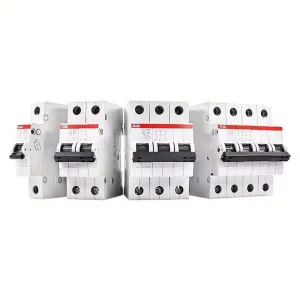
ABB provides universal electronic timers like the CT-S range. They offer excellent EMC protection, making them ideal for heavy machinery operations plagued by electronic noise.
A European pioneer specializing in relays, Finder’s 80 series of modular timers features flexible multi-voltage options and precise potentiometer calibration, trusted for HVAC controls.
Eaton’s components are highly valued in critical distribution networks. Their timing relays possess high-impact housings designed to resist thermal overload and violent short-circuits.
Offering timing modules integrated with advanced terminal blocks, Phoenix Contact focuses on logic-level automation, providing push-in wire setups for speedy cabinet assembly.
Based in Liushi, Wenzhou—China's low-voltage electrical capital—UniWave brings over 25 years of specialized expertise in circuit protection, AC contactors, and relays. A powerhouse for cost-effective, premium-built OEM/ODM setups with robust international certificates.
An international developer offering multi-function electronic time relays, Carlo Gavazzi emphasizes diagnostic outputs, monitoring parameters, and industrial-grade sensor integration.
Crouzet specializes in micro-control technology and custom timing relays for high-stress aerospace, transport, and automated defense apparatus, boasting unparalleled vibration resistance.
For organizations demanding top-tier component integration at competitive price points, Wenzhou UniWave Electric Co., Ltd. stands out as a leading global manufacturer and strategic OEM/ODM provider. Based in Liushi, Yueqing, Wenzhou, China—famously known as the "City of Low Voltage Electrical Appliances"—UniWave leverages a highly advanced local industrial ecosystem alongside rich natural resources to supply robust solutions globally.
Over the past 25 years, UniWave has honed its design, test, and assembly processes, securing a reliable position in the power distribution and industrial relay landscape. The company maintains strict control over its production pipeline, ensuring that every relay, circuit breaker, contactor, and stabilizer meets strict testing routines before dispatch.
All UniWave products conform meticulously to IEC standards. Through continuous investment in quality frameworks, the company has secured internationally recognized credentials including SAA, CE, CB (IEC), and ISO9001. This structured quality approach ensures smooth integration into highly regulated industrial projects across Europe, the Americas, Southeast Asia, Oceania, and the Middle East.
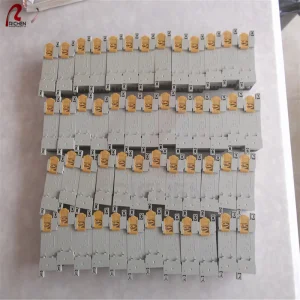
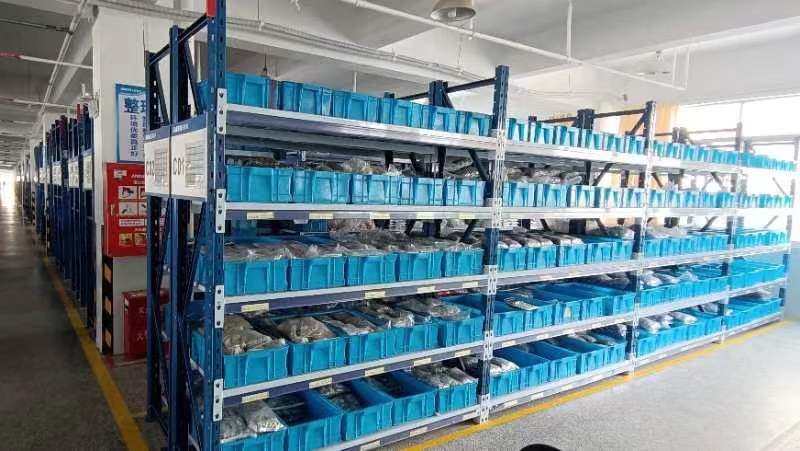
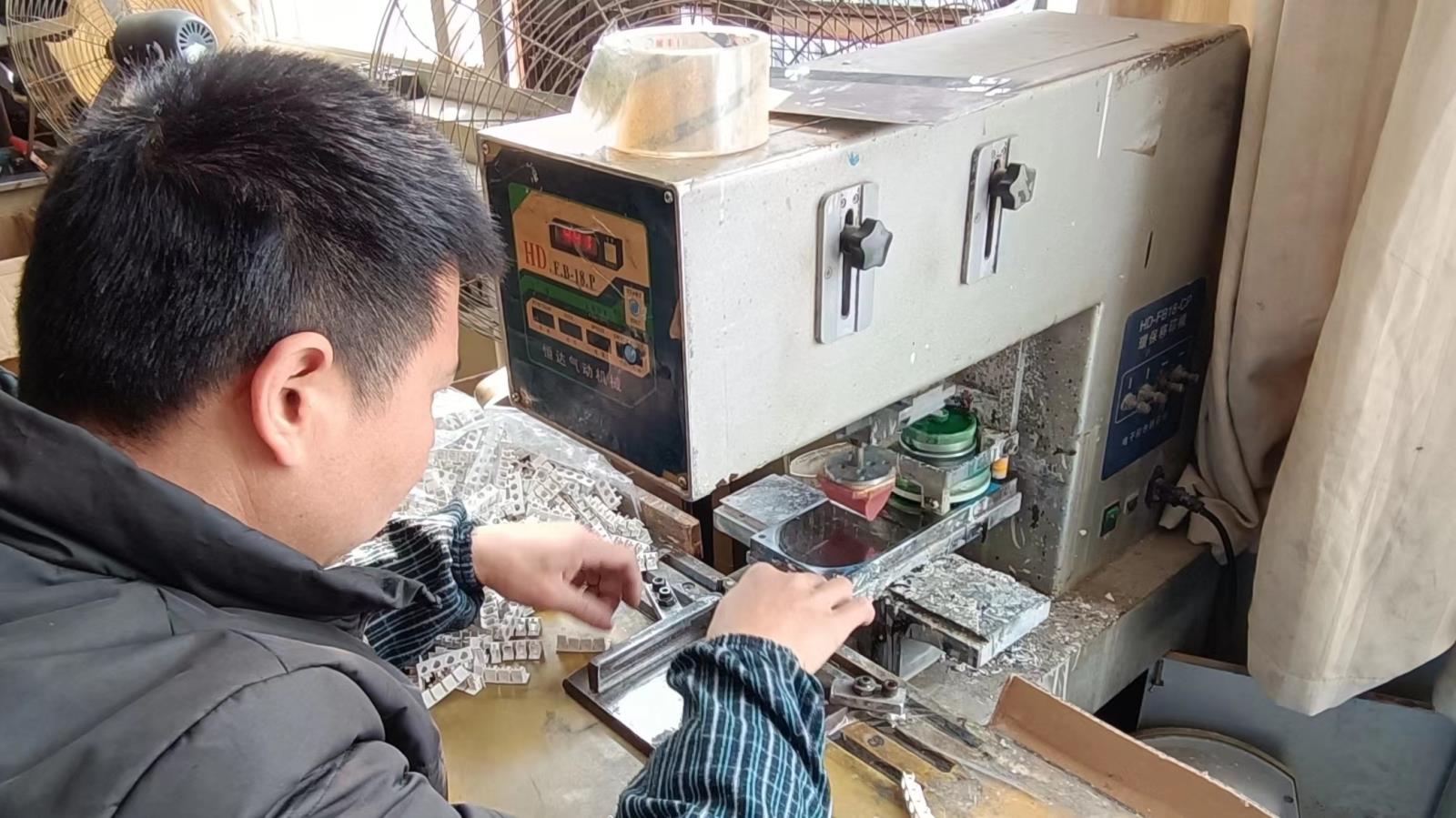
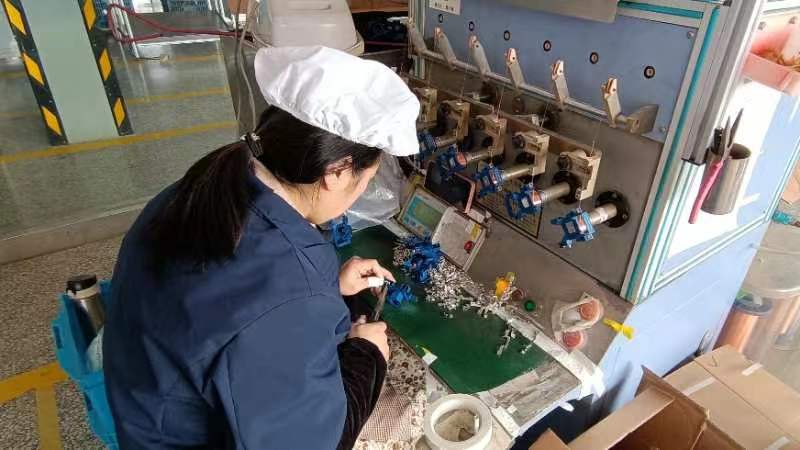
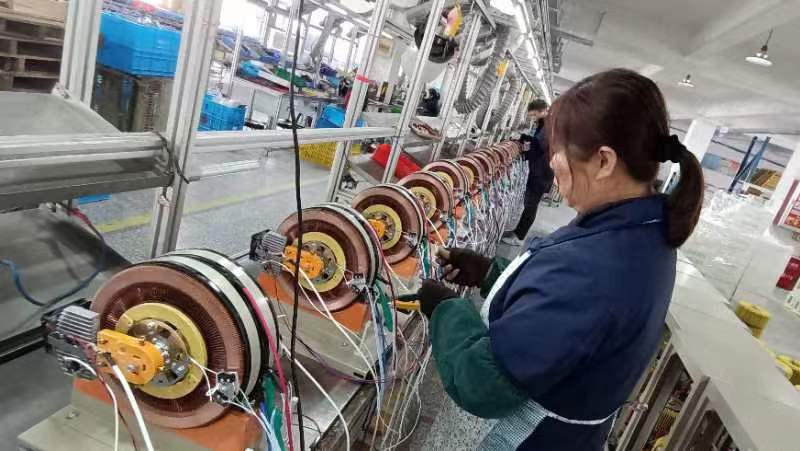
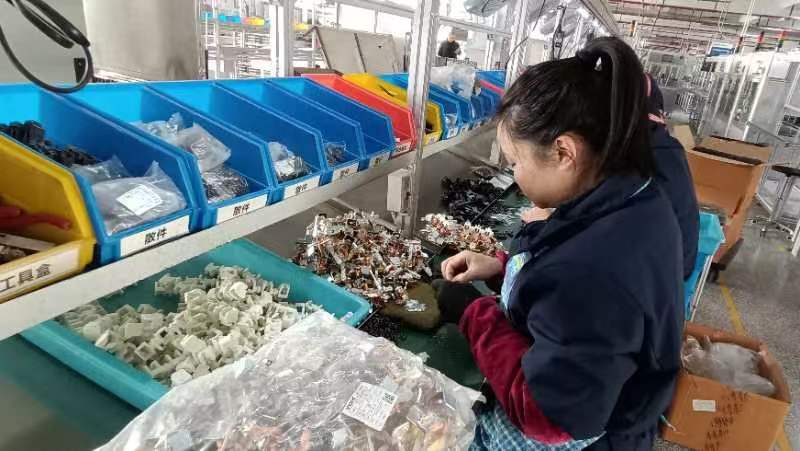
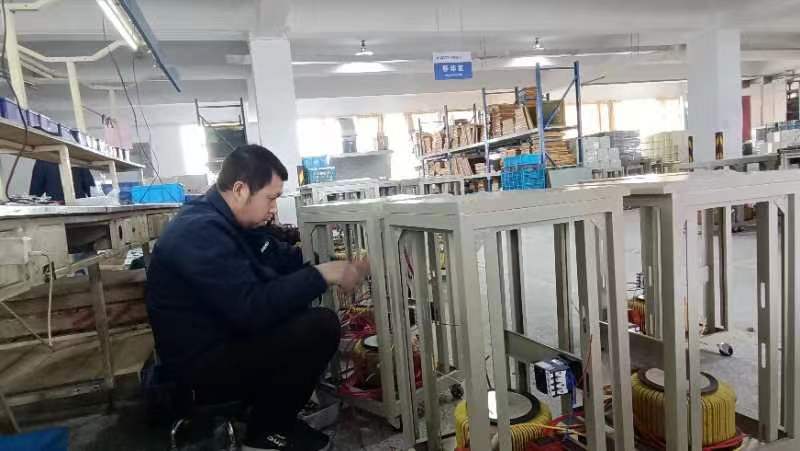
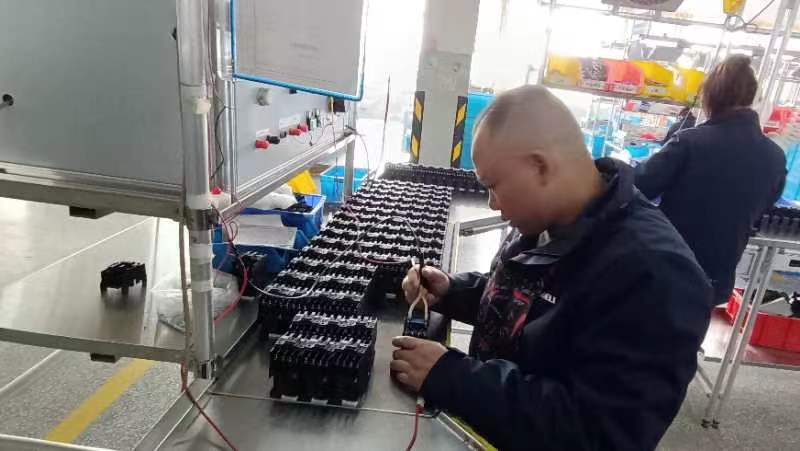
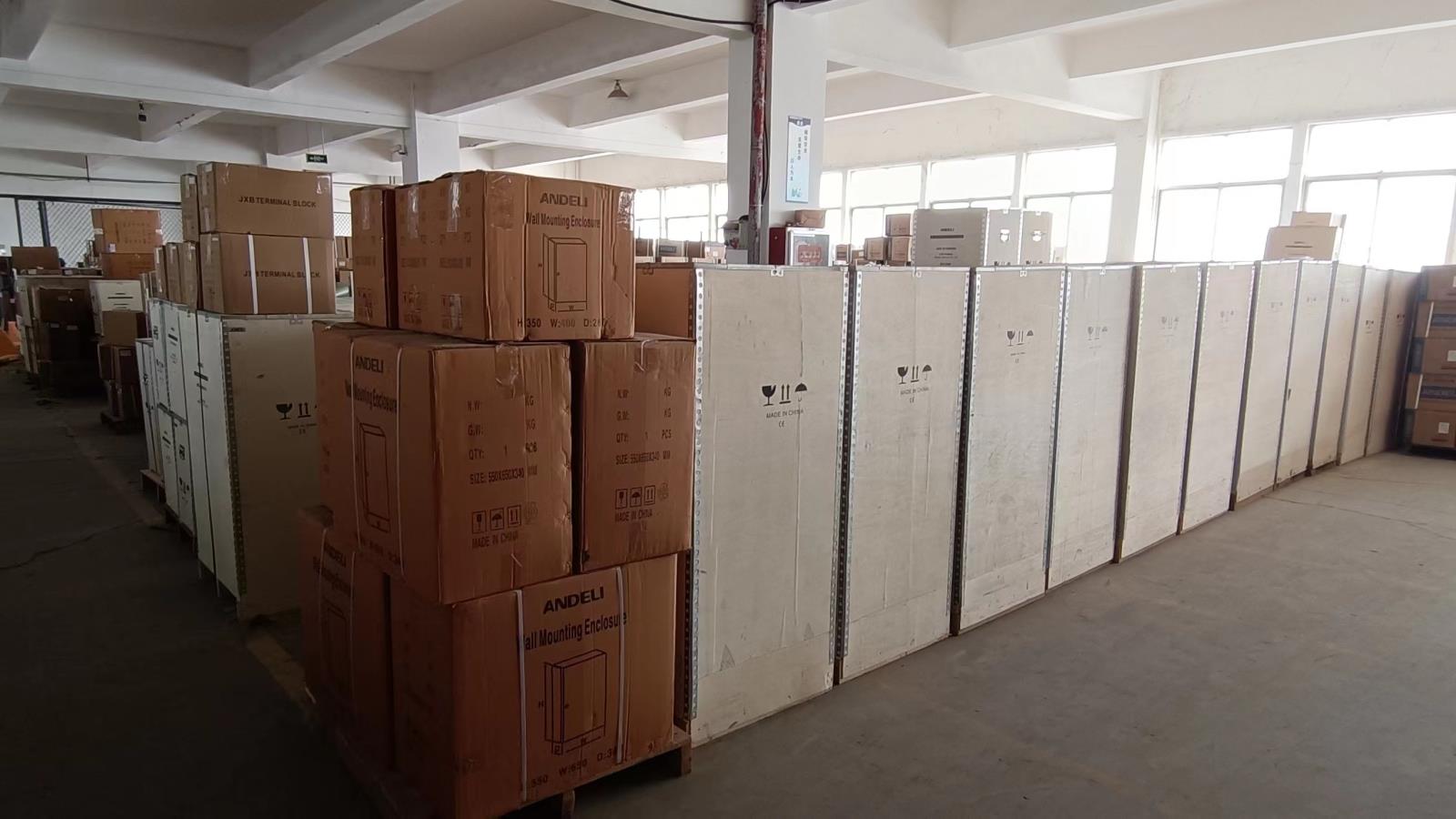
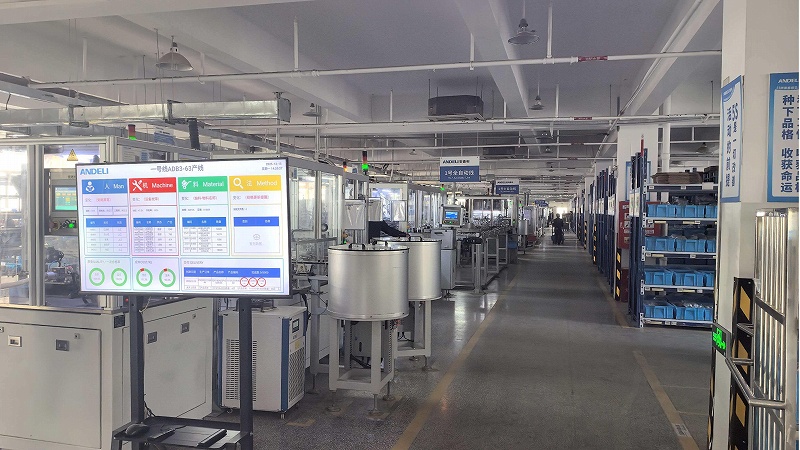
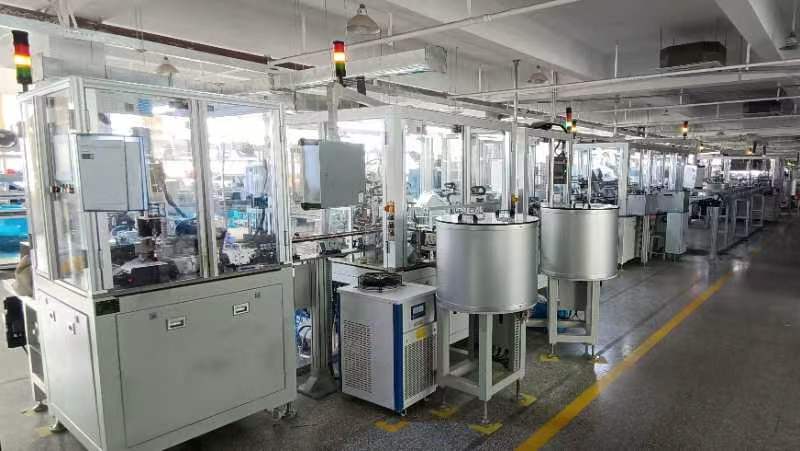
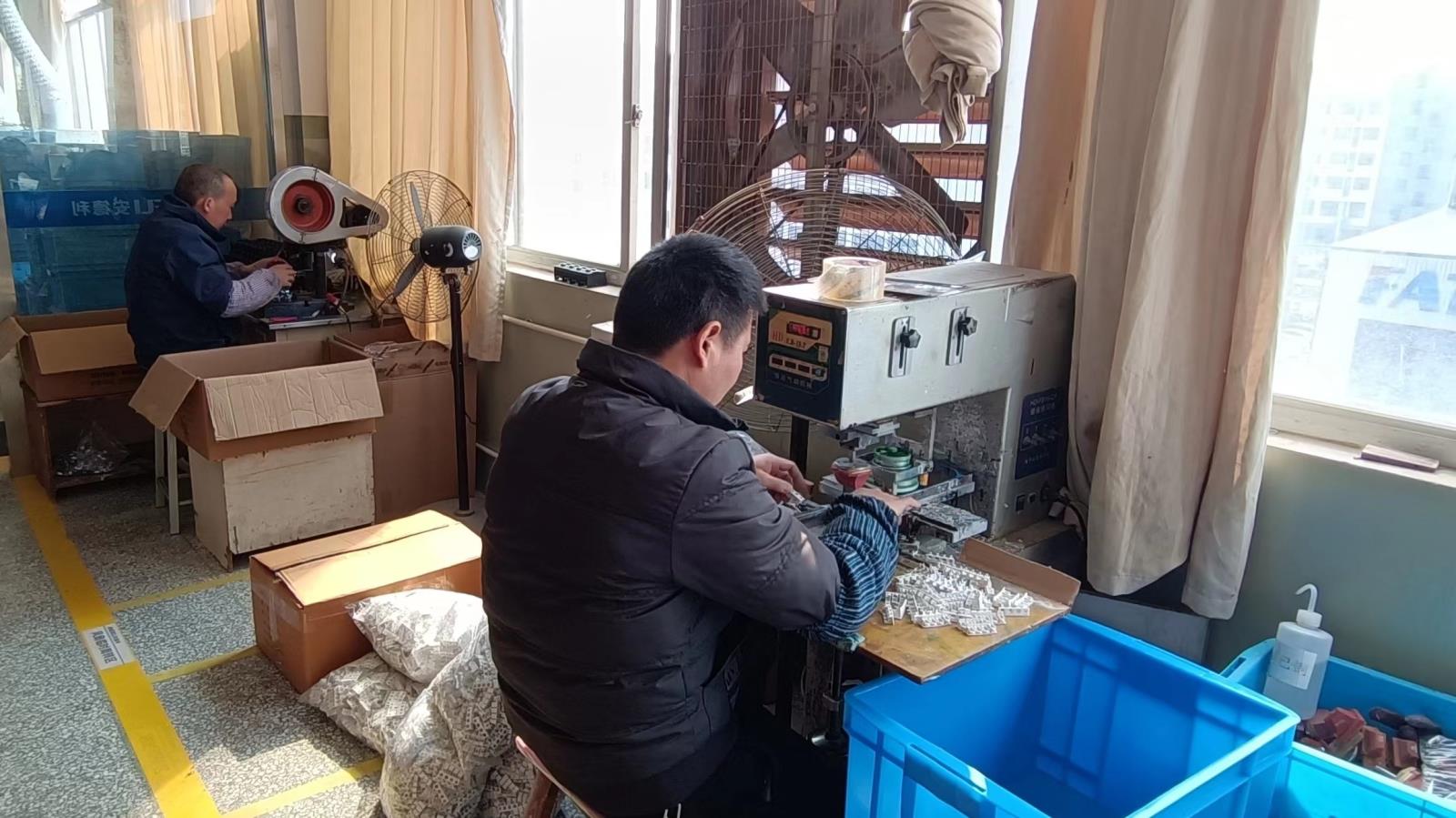
The reliability of UniWave's control components lies in its modern facility, equipped with precision machinery and automated processes. These factory images show how UniWave guarantees build consistency and device endurance:
Timer relays are crucial components in complex macro-systems. When designing large projects, engineers use them to resolve typical automated control challenges:
Starting high-power motors directly can draw up to 8 times the normal operating current, leading to voltage sags across the plant network. By deploying a Star-Delta timer relay, the system initially starts the motor in the Star configuration to limit current, then automatically switches to the Delta configuration once the motor gains speed. This smooth transition protects the local electrical network.
In modern server farms, maintaining steady temperatures is critical. When main power fails and fallback generators start, timer relays prevent the cooling fans from starting simultaneously, which could cause a sudden voltage drop. Instead, they sequence the startup of different cooling blocks, protecting the delicate server hardware.
Wind and solar power sources can be highly unpredictable. Timer relays manage connection delays to the grid, ensuring that clean energy sources remain connected only when their voltage output is stable and safe for distribution.
As industrial ecosystems become smarter, timer relays are evolving to offer new capabilities:
Solid-state switches are replacing mechanical contact parts. By eliminating mechanical wear, they offer virtually unlimited switching cycles, making them ideal for high-speed automated lines.
NFC-equipped and Bluetooth-enabled timers allow technicians to set and adjust timing parameters from a smartphone, eliminating the need to access live electrical panels.
Next-generation timers connect directly to cloud diagnostics platforms, enabling predictive maintenance by tracking switching counts and identifying abnormal timing delays before failures occur.
Answers to crucial technical and procurement questions regarding timer relays and power management systems.
Explore our second collection of solid-state relays, circuit breakers, and magnetic switches designed for modern grid environments.