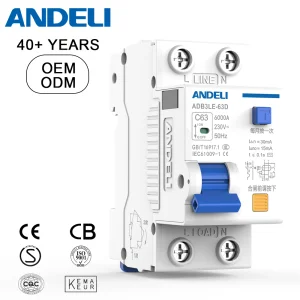
UniWave Electric UniWave Electric

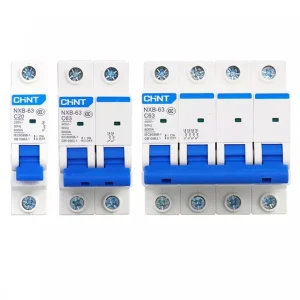
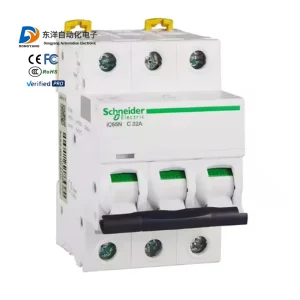
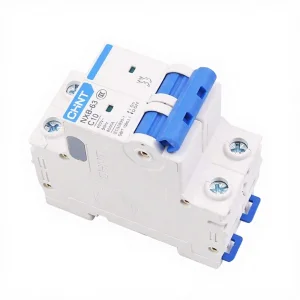
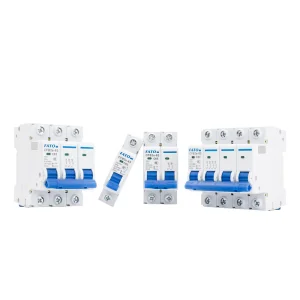
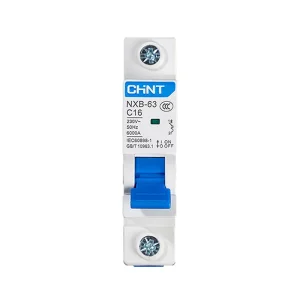
Miniature Circuit Breaker Manufacturers & Exporters in Berlin

Engineered for Germany's Grid Standards: Discover High-Performance DIN Rail MCB Solutions & Direct Chinese Sourcing Benefits from Wenzhou UniWave Electric

Send Inquiry Now
Industrial Analysis

Berlin's Modern Grid Infrastructure: The Search for Reliable Circuit Protection

Germany's ambitious *Energiewende* (energy transition) has positioned Berlin at the heart of decentralized power networks, electric vehicle (EV) charging expansion, and smart building automation. As grid topologies transform from centralized power plants to complex distribution networks featuring local photovoltaic arrays, battery energy storage systems (BESS), and bidirectional heat pumps, the demands on low-voltage switchgear have surged exponentially. The role of the **Miniature Circuit Breaker (MCB)** is no longer limited to basic thermal-magnetic overcurrent protection; it is now a critical component in ensuring continuous availability, selective coordination, and safety across commercial and residential structures alike.

In Berlin’s commercial real estate sector—stretching from the high-tech startups in Berlin-Mitte to the massive automated manufacturing facilities in Berlin-Spandau and the neighboring Brandenburg industrial corridors—reliable electrical infrastructure is non-negotiable. Industrial engineers and electrical contractors face a strict regulatory environment under Germany's VDE guidelines, which mandate components that can withstand high prospective short-circuit currents without failure. A failure in selectivity or coordination can trigger cascading outages, halting critical production lines or disrupting computational operations in local data centers.

SEO Insight / Information Gain: Under VDE 0100-410 and related European EN 60898-1/60947-2 standards, electrical switchgear deployed in Berlin must not only interrupt overcurrents safely but also exhibit high mechanical and electrical endurance to maintain grid stability amid high voltage fluctuations.

Berlin's Local Application Scenarios

From historic building retrofits in Charlottenburg to ultra-modern logistics warehouses in Schönefeld, miniature circuit breakers are deployed across diverse applications:

  • Commercial Office Complexes: Ensuring high selectivity with Type B or Type C MCBs to prevent nuisance tripping caused by high inrush currents from LED lighting arrays and switch-mode power supplies (SMPS).
  • EV Charging Infrastructure (Wallboxes): Deploying specialised MCBs alongside Type A or Type B RCBOs to guarantee individual line protection for residential and public charging units.
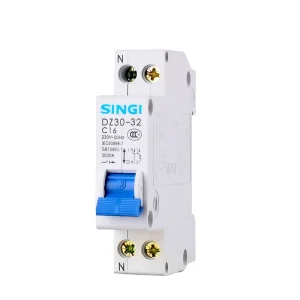
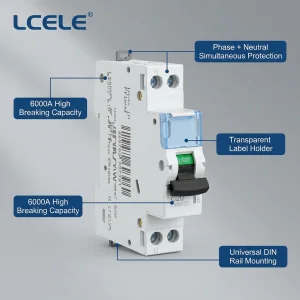
  • Historic Building Renovation (Altbau): Retrofitting old distribution panels with space-saving DPN (1P+N) circuit breakers to meet contemporary protection standards within tight space restrictions.
  • Industrial Automation in Berlin-Spandau: Deploying Type D MCBs with high magnetic tripping thresholds to tolerate the intense starter-current spikes of heavy electric motors and industrial transformers.
25+
Years of Industry Expertise
10kA
Max Breaking Capacity (Icn)
100%
IEC & VDE Standard Compliance
50+
Exporting Countries Globally
Compliance & Quality

Technical Standards and Compliance in Germany

Operating within the German electrical market requires strict compliance with European Union harmonized standards and national specifications. The primary standard for MCBs in domestic and similar installations is **DIN EN 60898-1 (VDE 0641-11)**, which applies to AC-only breakers designed for operation by uninstructed users up to a maximum voltage of 440V and currents not exceeding 125A. For industrial settings, the tougher **DIN EN 60947-2 (VDE 0660-101)** applies, specifying the characteristics of circuit breakers intended for use in installations where operations are handled by skilled personnel.

When selecting MCBs for projects in Berlin, engineers look at the critical ratings below:

  • Breaking Capacity ($I_{cn}$ / $I_{cu}$): Typically, Berlin's utility networks demand a minimum of 6kA breaking capacity for residential applications. In industrial parks, sub-distribution panels demand 10kA or 15kA ratings to prevent catastrophic arc damage during severe short circuits.
  • Tripping Curves (B, C, D Characteristics):
    Type B: Trips at 3 to 5 times the rated current. Ideal for protecting cables and domestic appliances.
    Type C: Trips at 5 to 10 times the rated current. Suitable for commercial installations with moderate inrush currents.
    Type D: Trips at 10 to 20 times the rated current. Engineered for industrial equipment, high-output motors, and large transformers.
  • Thermal-Magnetic Trip Assemblies: The bimetal strip provides delayed thermal protection against slow overcurrents, while the electromagnetic coil provides instantaneous protection against sudden short circuits.

Expert Advice: When sourcing components internationally, verifying certification by recognized bodies (like SAA, CE, and CB conforming to IEC 60898-1) is critical. For German contractors, ensuring these products possess clean test reports and transparent technical documentation is a baseline requirement to pass VDE 0100 initial inspections.

Factory Profile & Sourcing

Optimizing the Supply Chain:Sourcing Directly from Wenzhou UniWave Electric

Berlin-based electrical distributors, OEMs, and procurement specialists are increasingly looking for ways to streamline their supply chain without compromising on regulatory compliance or electrical safety. For many years, European brands dominated the market, but today, advanced manufacturers from China’s leading industrial zones offer equivalent reliability at significantly higher cost-efficiency. Sourcing directly from Wenzhou UniWave Electric Co., Ltd. provides European importers with a competitive advantage.

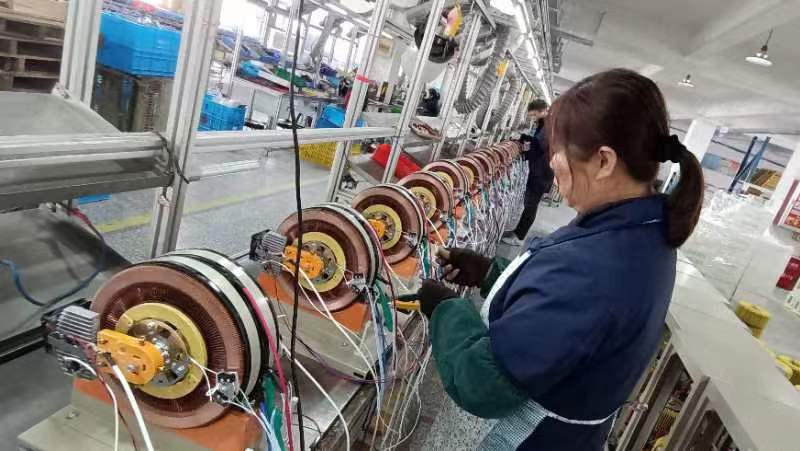
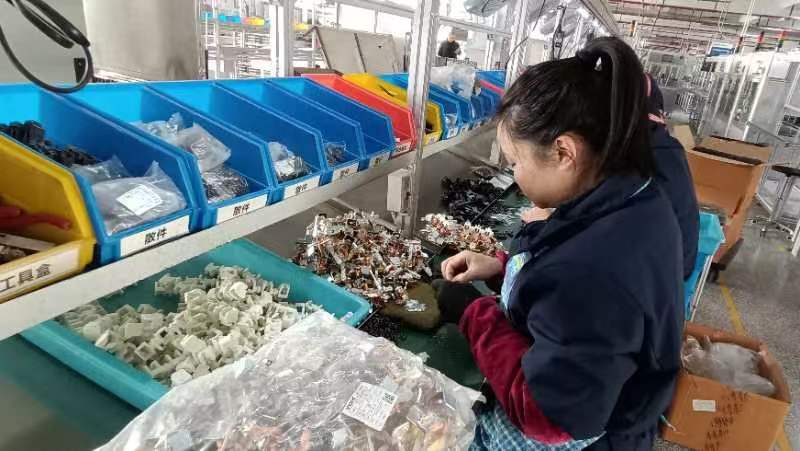
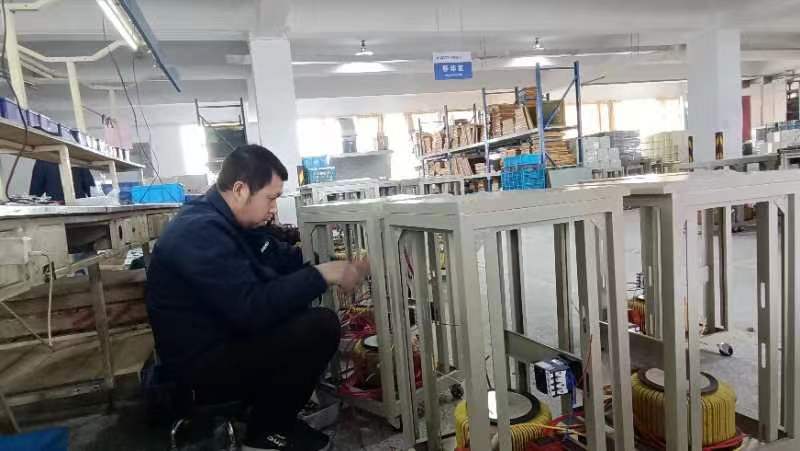
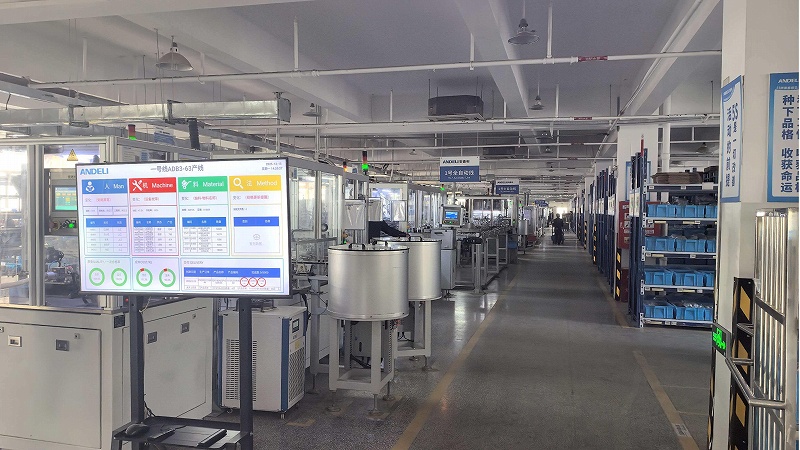
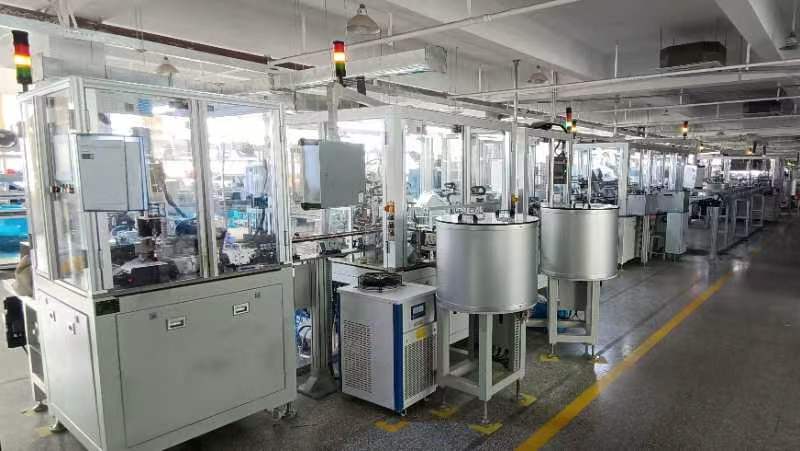
Located in **Liushi, Yueqing, Wenzhou, China**—globally acknowledged as the "Capital of Low Voltage Electrical Appliances"—Wenzhou UniWave Electric operates within a highly concentrated industrial ecosystem. This concentration ensures access to high-grade raw materials (including high-purity copper windings, high-conductivity silver-alloy contact tips, and UL94 V-0 flame-retardant thermoplastics) and cutting-edge manufacturing equipment. Over the course of 25 years, UniWave has transitioned from manual sub-assembly to a state-of-the-art semi-automated factory floor, ensuring high mechanical and thermal repeatability across large-volume production runs.

By bypassing multiple layers of European distribution margins, Berlin importers can secure factory-direct pricing on standard DIN rail MCBs, RCBOs, changeover switches, and smart energy meters. Furthermore, our internal R&D capabilities allow us to adjust technical parameters—such as trip thresholds, customization of pad printing labels, and offering specialized terminal clamps—to suit local German preferences.

Advanced In-House Manufacturing & Workflow

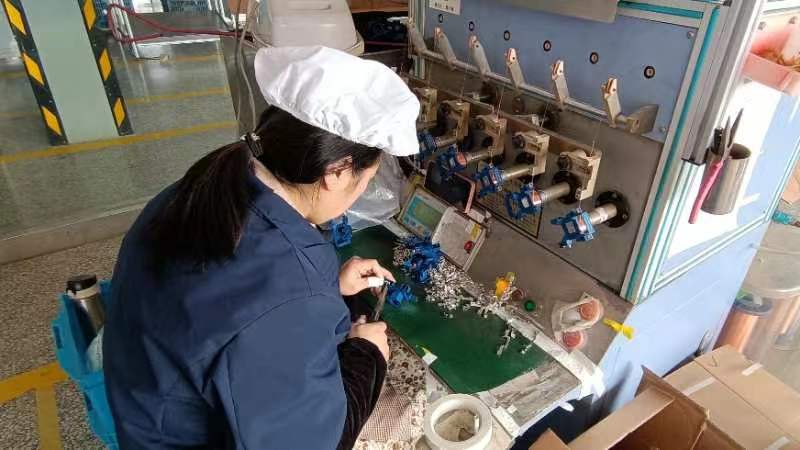
Every single Miniature Circuit Breaker produced at our facility undergoes a rigorous, multi-stage fabrication and validation sequence to ensure zero field-failures in European installations:
Raw Material Inspection
Raw Material Quality Inspection
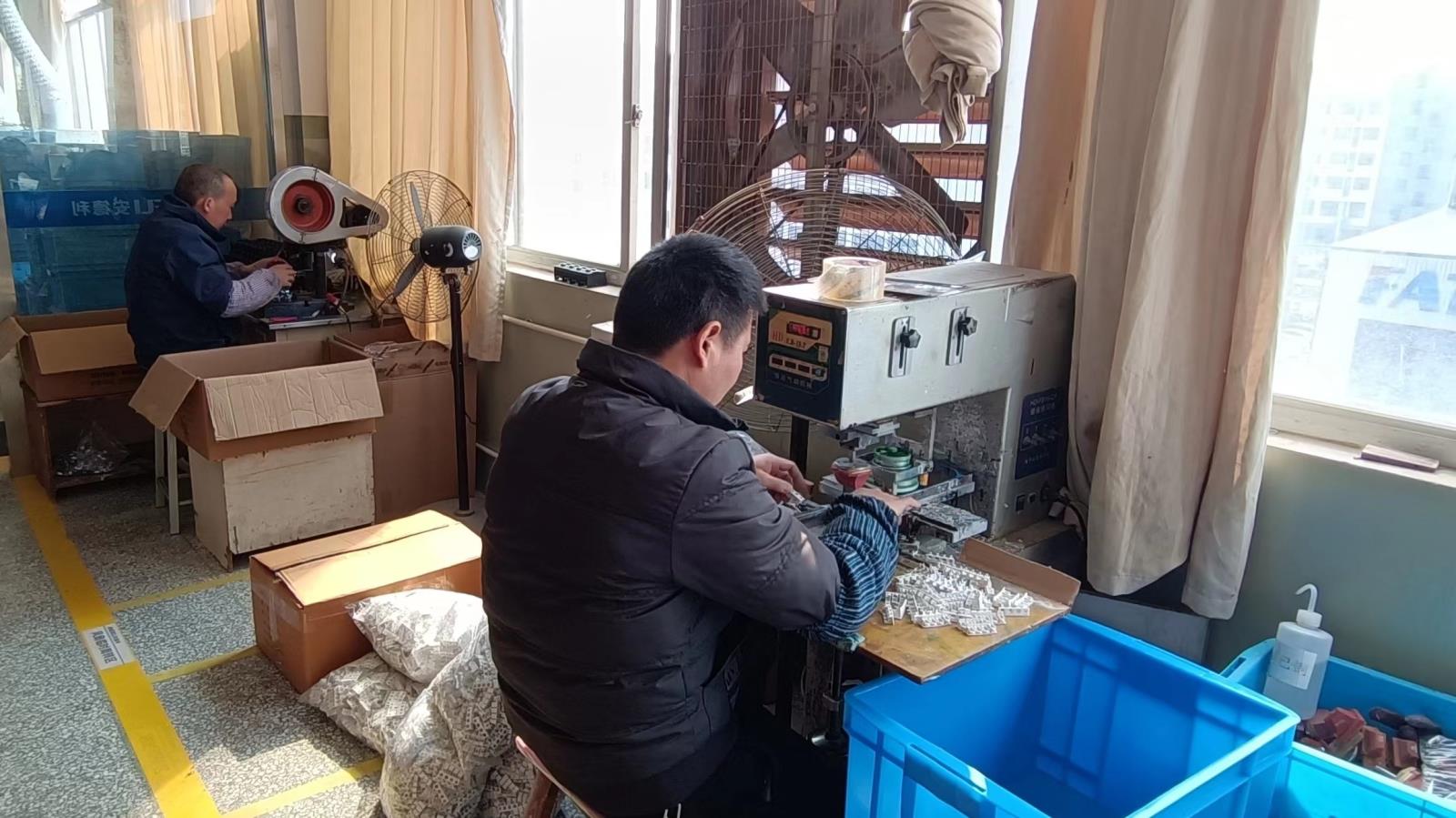
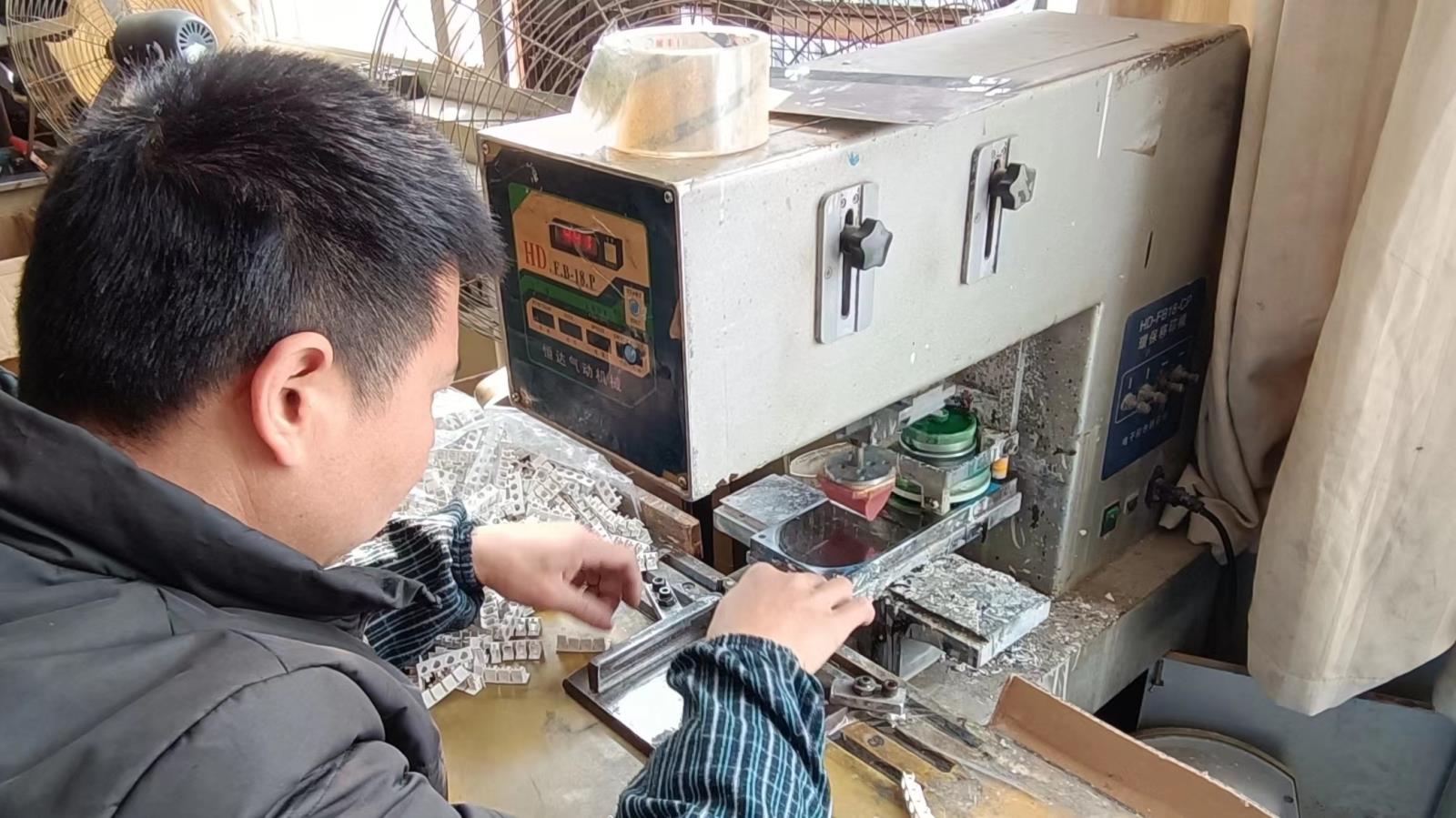
Pad Printing Process
Precision Pad Printing Process
Winding Process
Electromagnetic Winding Process
Assembly Process 01
Component Assembly Process 01
Assembly Process 02
Component Assembly Process 02
Assembly Process 03
Component Assembly Process 03
Test Process
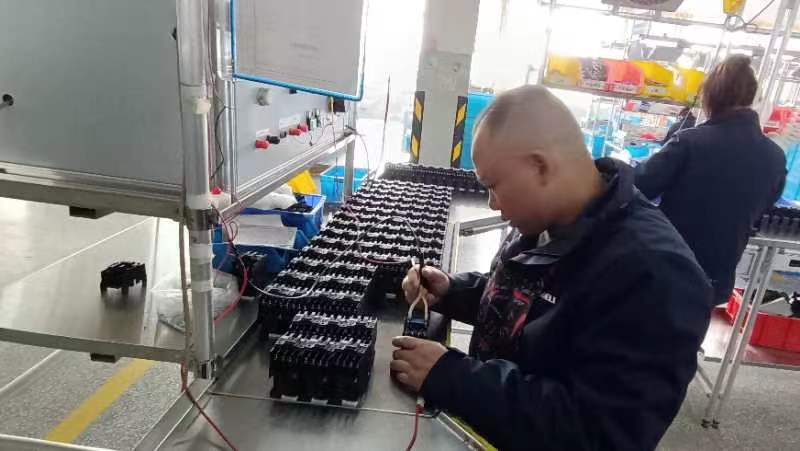
Automated Magnetic & Thermal Testing
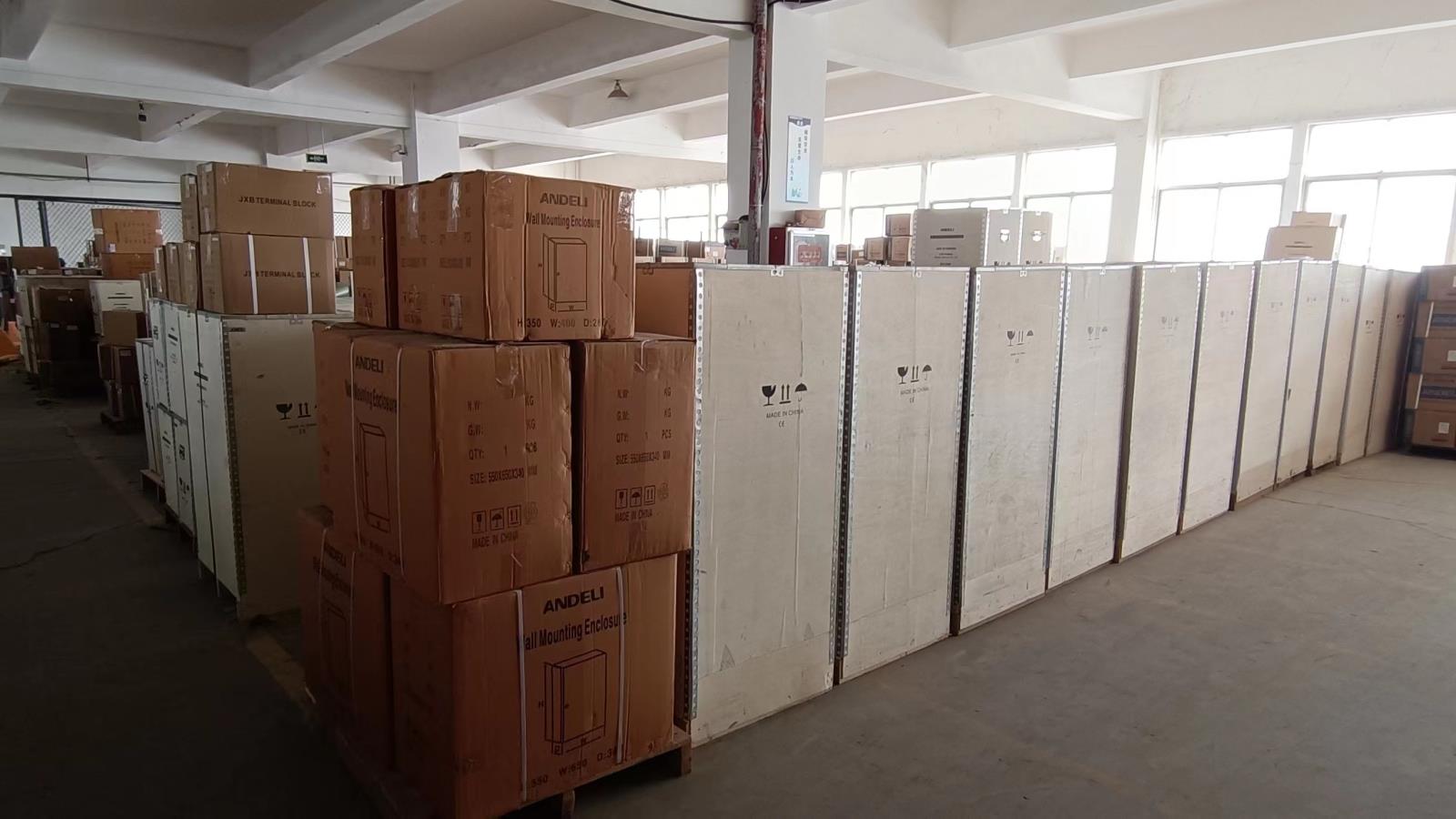
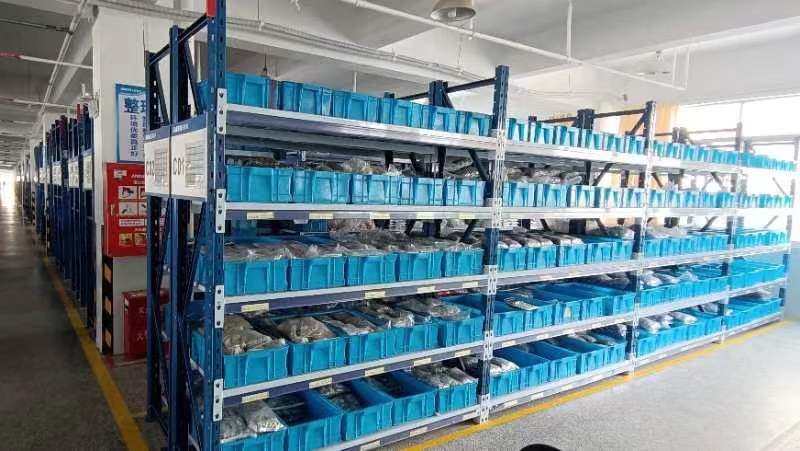
Warehouse
Secure Finished Goods Warehouse
Winding Machine
Automated Winding Machinery
Automatic assembly machine
High-Speed Automatic Assembly Station
Pad Printing Machine
High-Precision Laser & Pad Printing
Market Trends

Emerging Trends in Low Voltage Protection

The electrical engineering landscape in Berlin and across Europe is rapidly shifting toward digitalization and heightened security. The core areas of innovation include:

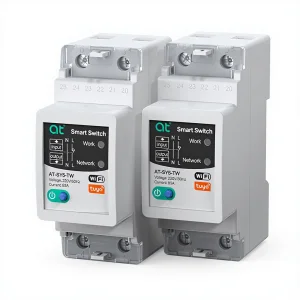
  1. IoT-Enabled Smart Circuit Breakers: Modbus and Wi-Fi-enabled smart circuit breakers allow plant managers and building supervisors to monitor real-time energy usage, detect micro-leakages, and remotely isolate sub-grids before an overcurrent fault manifests.
  2. High-Voltage DC Application MCBs: With the acceleration of solar photovoltaic roof installations on commercial buildings across Berlin, DC circuit breakers capable of operating at up to 1000V are in high demand to isolate PV strings from inverters.
  3. Integrated Arc Fault Detection Devices (AFDDs): Recognizing micro-arcs that standard thermal-magnetic breakers cannot catch, AFDDs are becoming mandatory in public and wooden-structured buildings in Germany to prevent electrical fires.

Critical Sourcing Considerations for Berlin Wholesalers & OEMs

When engineering and procurement leads select an overseas partner, they must evaluate more than just standard unit costs. The key factors to evaluate include:

  • Material Traceability: Insist on certified copper coils instead of copper-clad aluminum to ensure long-term thermal dissipation and minimal impedance.
  • Quality Control Documentation: Verify ISO 9001:2015 manufacturing protocols. A reputable manufacturer must provide CB scheme test certificates confirming testing under IEC/EN 60898-1 standards.
  • Supply Chain Transparency: Evaluate automated component assembly and calibration procedures to ensure that high performance is maintained across bulk shipments.
Q&A / Technical FAQ

Frequently Asked Questions: Sourcing MCBs for German Markets

Q1: What is the fundamental difference between EN 60898-1 and EN 60947-2 standards?
EN 60898-1 applies to household and similar overcurrent protection devices operated by untrained users (residential and standard commercial applications). EN 60947-2 specifies circuit breakers designed for industrial switchboards and controlled plants where they are serviced and operated by qualified personnel. Industrial-grade breakers are tested under more aggressive overload environments.
Q2: Why is 6kA or 10kA breaking capacity crucial for installations in Berlin?
The breaking capacity ($I_{cn}$) defines the maximum fault current that the MCB can safely interrupt without structural failure or forming a permanent arc. Berlin's urban power grid features high prospective fault currents due to low-impedance substation transformers. Using a 3kA breaker where 6kA is required can lead to breaker explosion during a short circuit.
Q3: Can I use AC miniature circuit breakers in DC solar PV installations?
No. DC current does not cross the zero-point voltage line, making direct currents much harder to extinguish than AC currents. DC MCBs feature integrated permanent magnets that drag the electrical arc into the arc-extinguishing chamber to safely isolate the fault. Attempting to use an AC MCB on a high-voltage DC string is a severe hazard.
Q4: How does Wenzhou UniWave Electric ensure quality and calibration compliance?
Our facility in Liushi utilizes state-of-the-art automated testing jigs. Each MCB undergoes visual inspection, instant magnetic trip calibration, and thermal calibration. Our products carry CE, CB, SAA, and ISO9001 certifications, ensuring compliance with international IEC standards.
Q5: What are the standard lead times and options for custom branding (OEM)?
Our standard lead time ranges between 20 to 30 days depending on the volume and degree of customization. We offer comprehensive OEM/ODM solutions, including custom shell branding, bespoke laser marking, adjusted tripping characteristics, and customized packaging to fit your local market branding needs.

Optimize Your Electrical Infrastructure Projects Today

Gain access to factory-direct prices from a certified low-voltage leader in Liushi, Yueqing, Wenzhou. Ensure maximum reliability, standard compliance, and cost efficiency for your projects in Berlin and surrounding European networks.

Send Inquiry Now