What is the meaning of the suffix -R in model names?
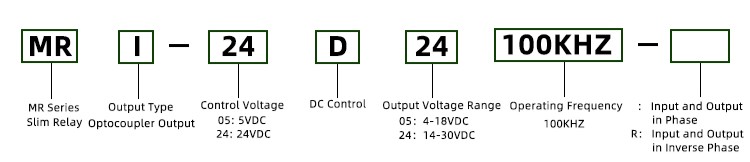
Models with the suffix -R feature inverting output: when a high-level signal is input, a low-level signal is output; when a low-level signal is input, a high-level signal is output. Models without the suffix feature non-inverting output (high-level input outputs high-level, and low-level input outputs low-level).
For MRI optocoupler relays, what is the difference between 300Hz and 100KHz?
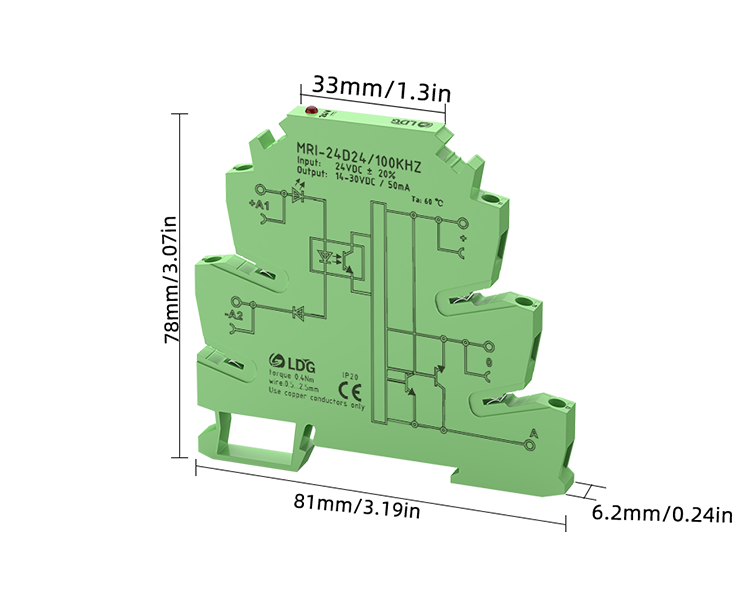
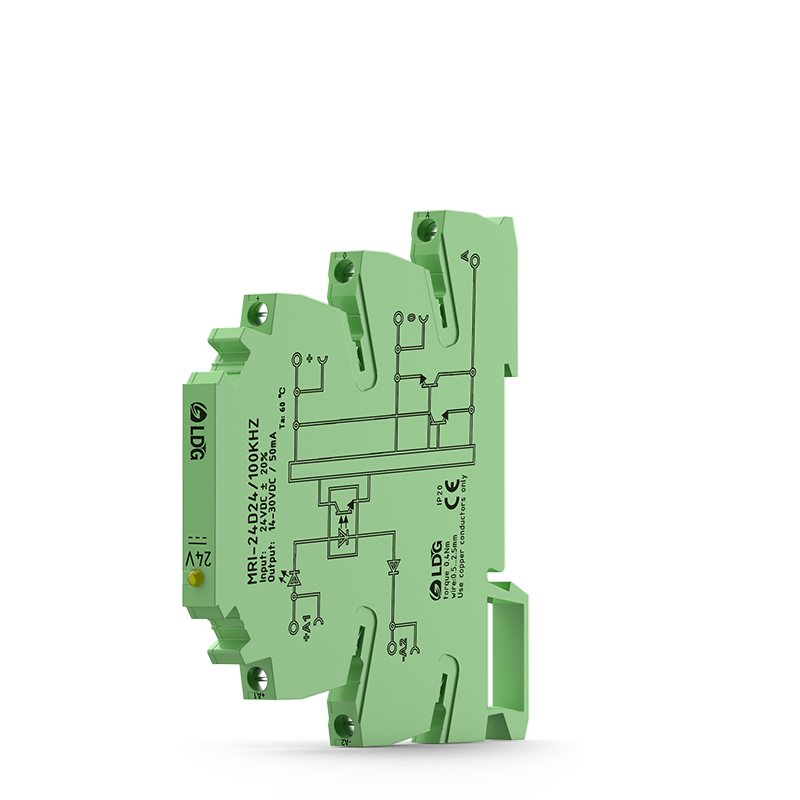
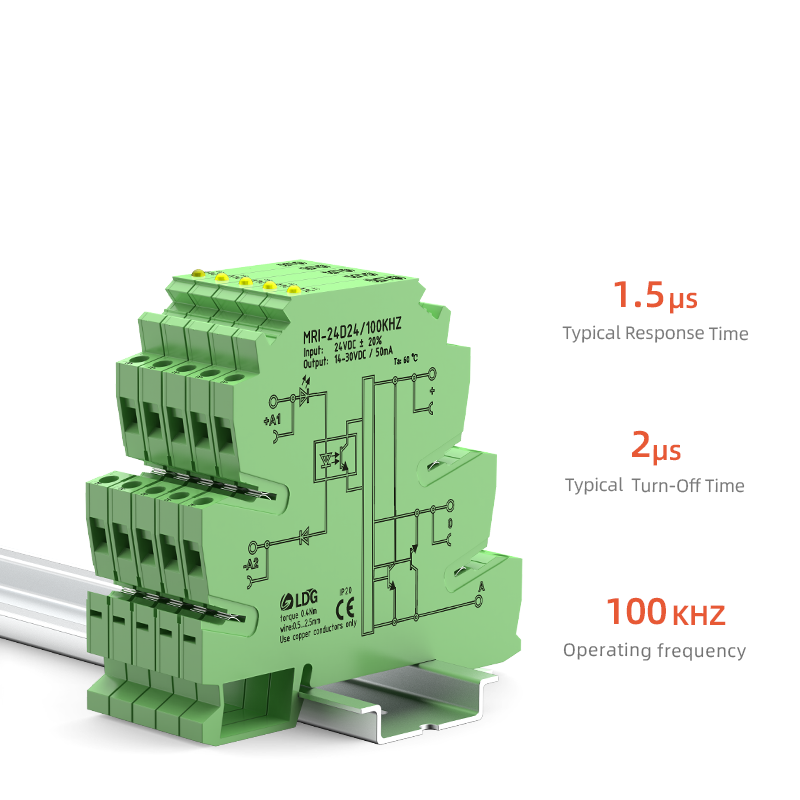
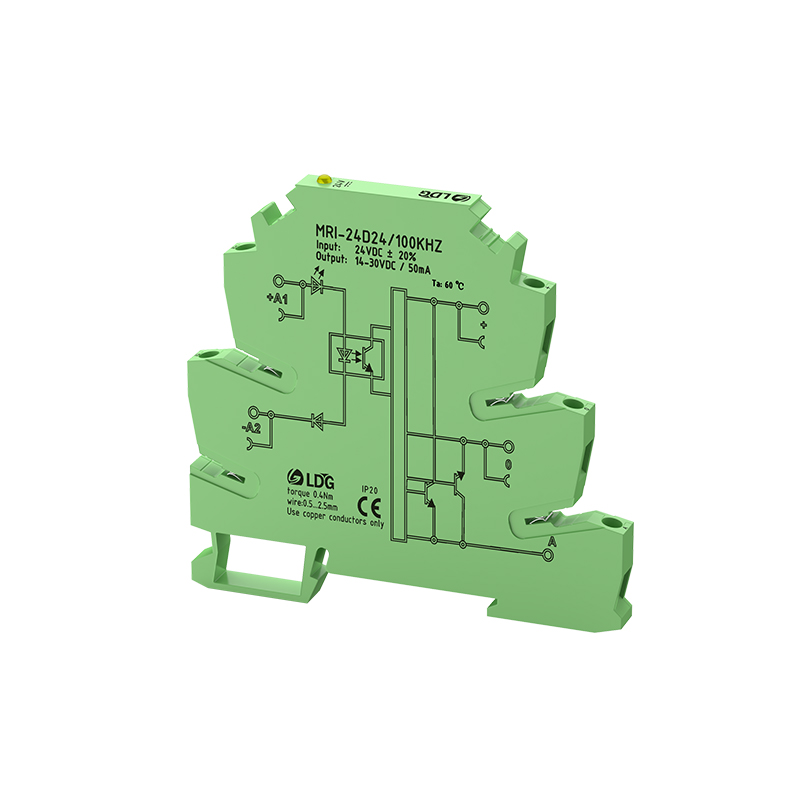
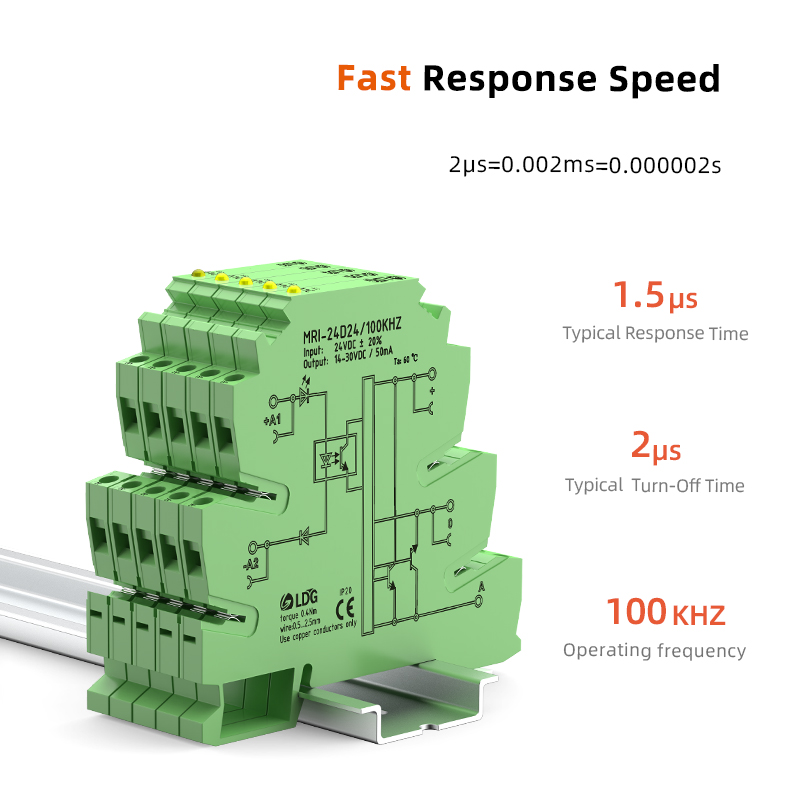
The 100KHz model features push-pull output (50mA) and is mostly used in industrial cameras, encoders, PLCs, etc. The 300Hz model does not have push-pull output and functions as a PLC input/output photoelectric coupling isolation relay.
Why do integrated solid-state relays have advantages over plug-in types?
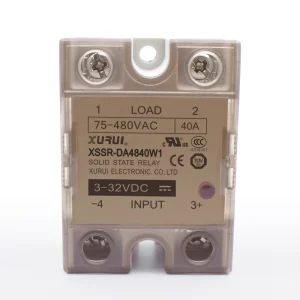
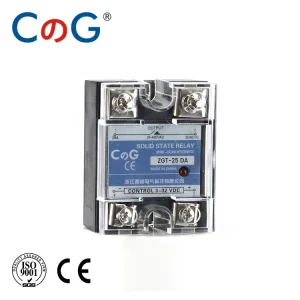
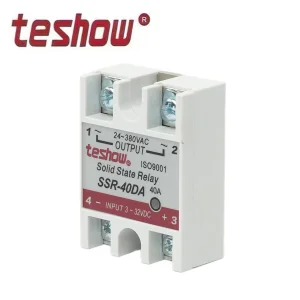
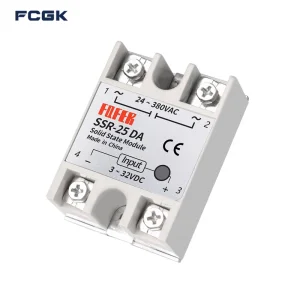
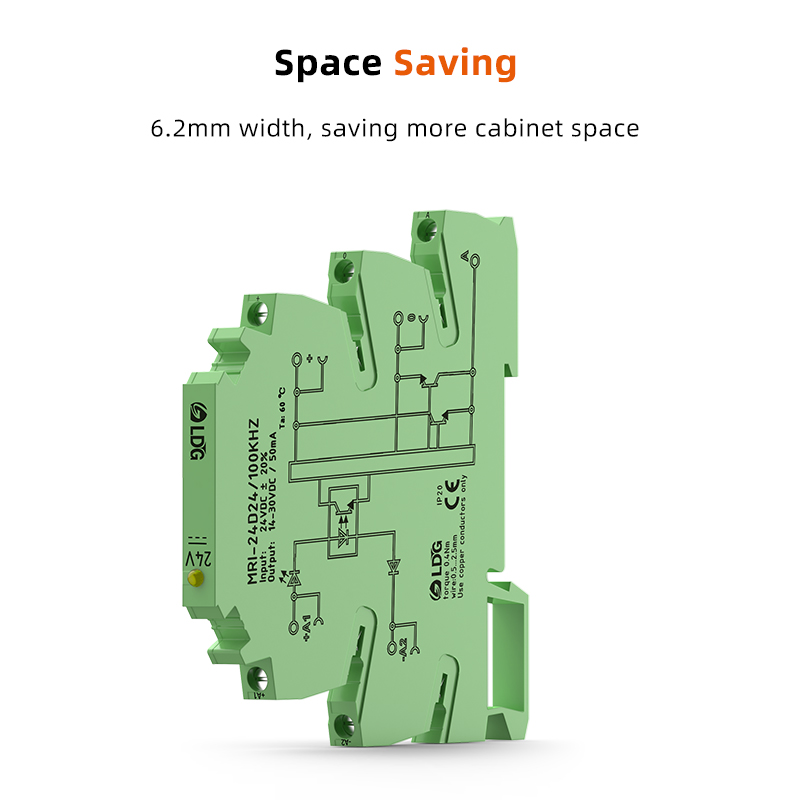
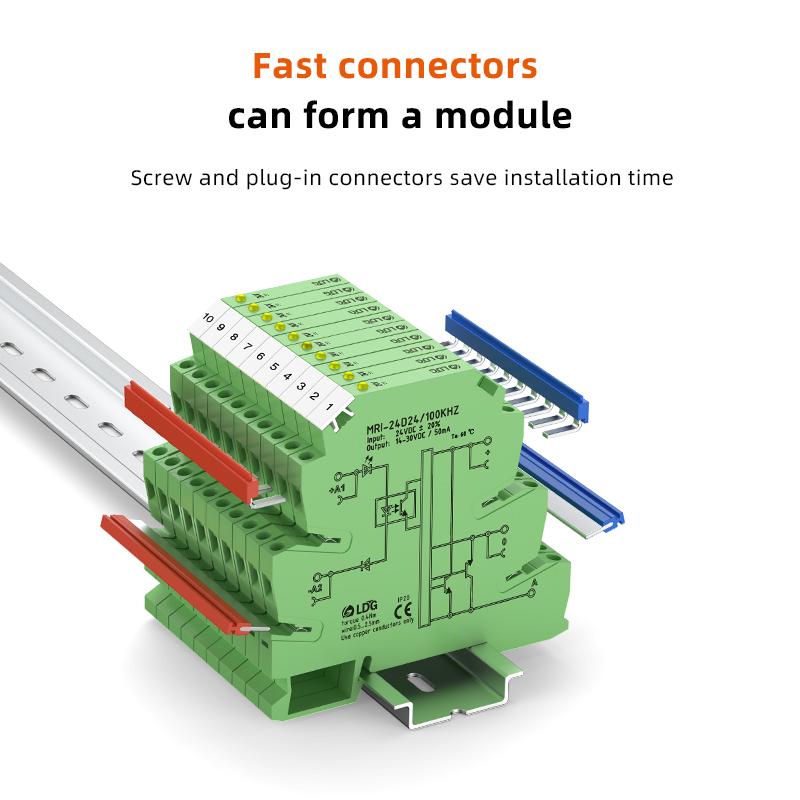
Compared with contact relays that wear mechanically and require replacement, solid-state relays have a longer service life. Plug-in types add extra contact points which can easily loosen due to vibration, transportation, or handling. Integrated solid-state relays eliminate this issue and reduce poor contact possibilities.
What voltages are supported by the MRI optocoupler relay?
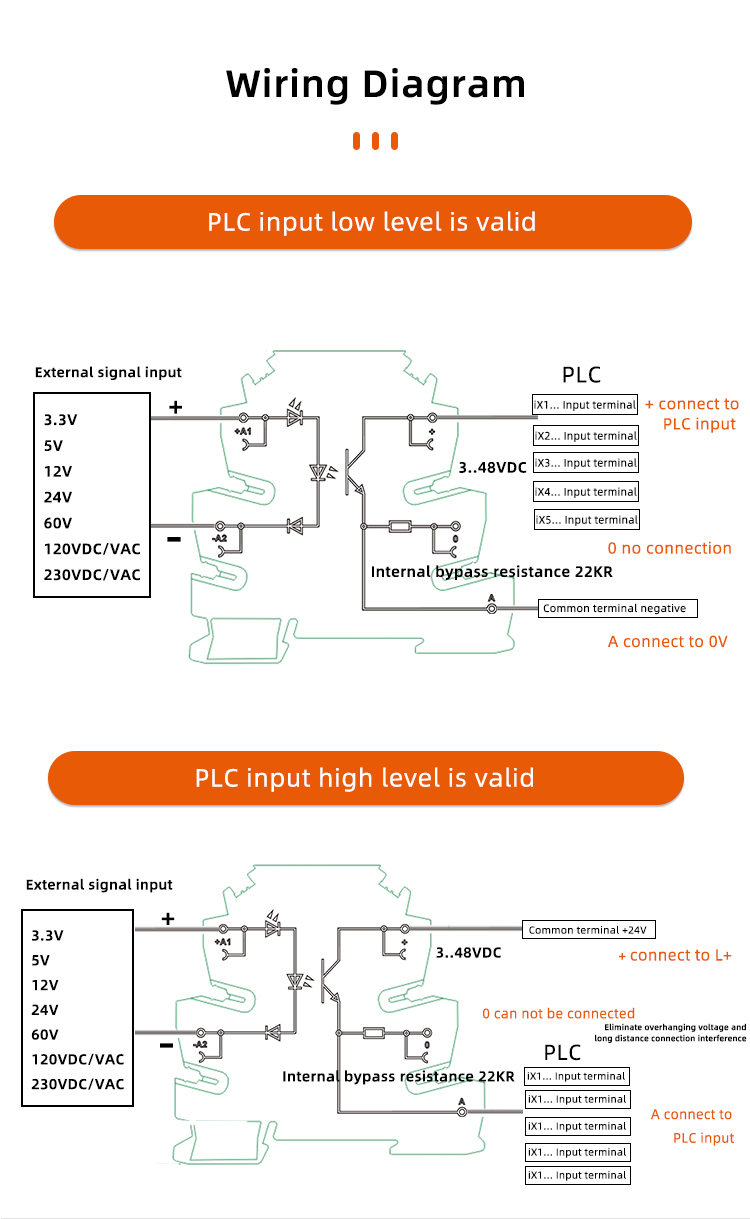
The relay supports multiple input voltages including 3.3V, 5V, 12V, 24V, and 230V, with output support of up to 48VDC.
Does the MRI optocoupler relay feature any safety protections?
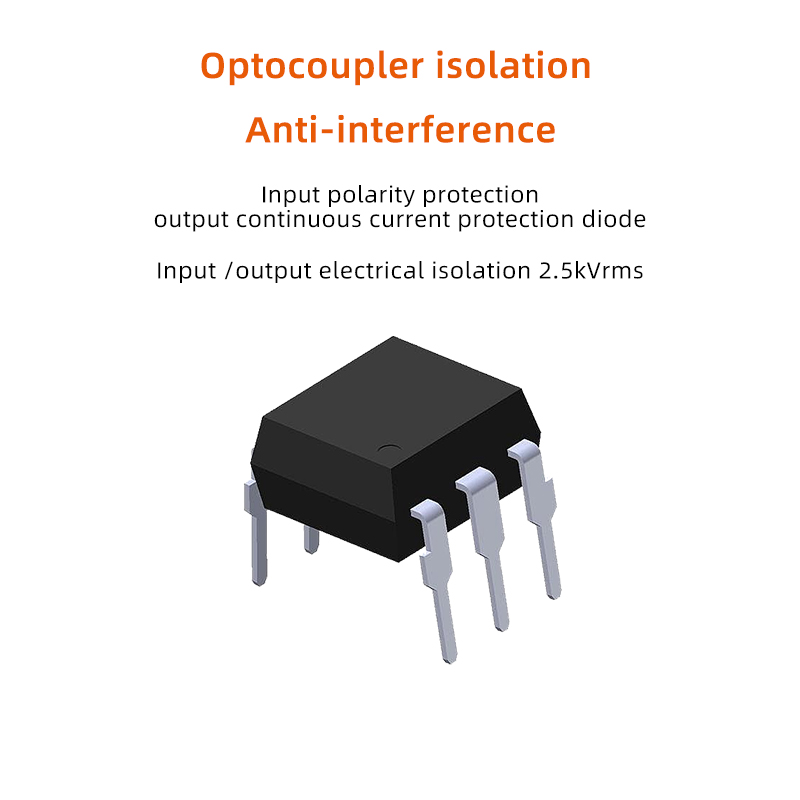
Yes, it contains an internal input/output polarity protection circuit and an output continuous current protection diode. Additionally, it offers input/output electrical isolation of 2.5kV (50Hz, 1min).
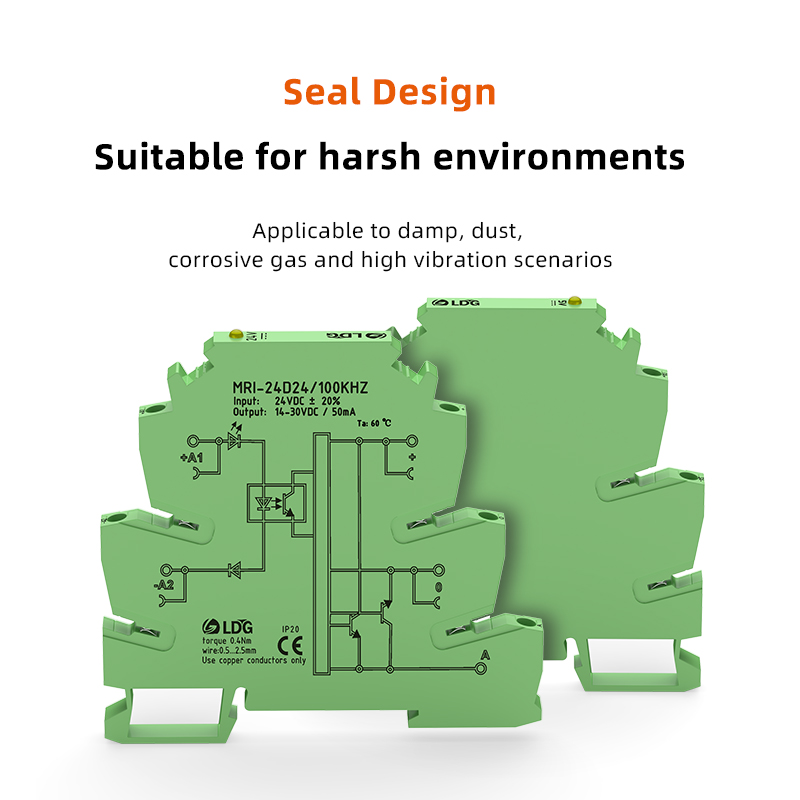
Can these relays be used in harsh industrial environments?
Yes, they feature a sealed design that makes them highly suitable for damp, dusty, corrosive gas, and high vibration scenarios. They are designed to operate safely in ambient temperatures ranging from -20°C to +60°C (-4°F to 140°F).
 UniWave Electric