Frequently Asked Questions
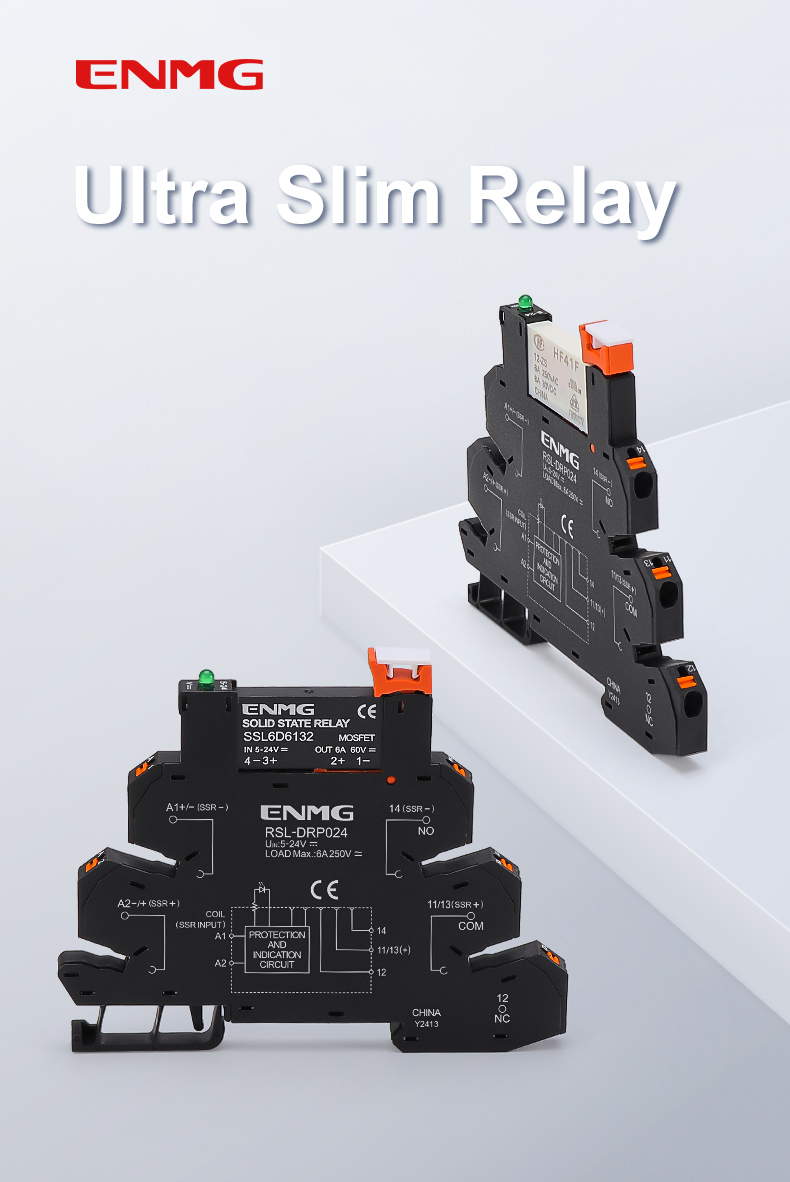
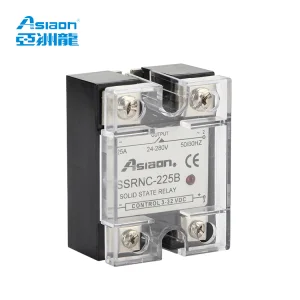
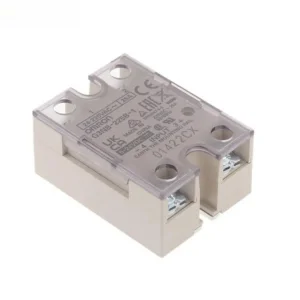
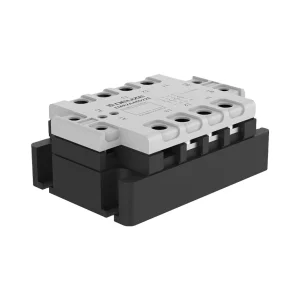
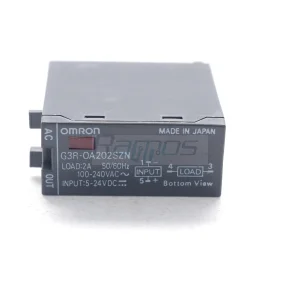
Q1: What are the main benefits of a SIP inline PCB mount Solid-State Relay (SSL)?
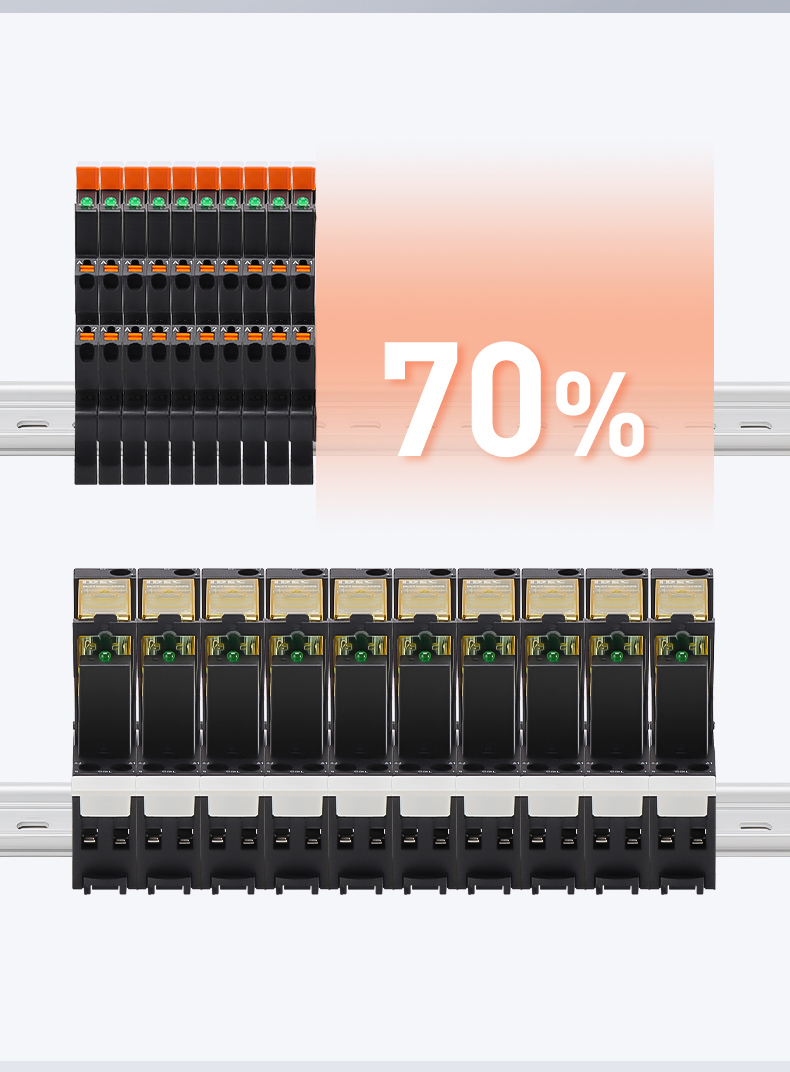
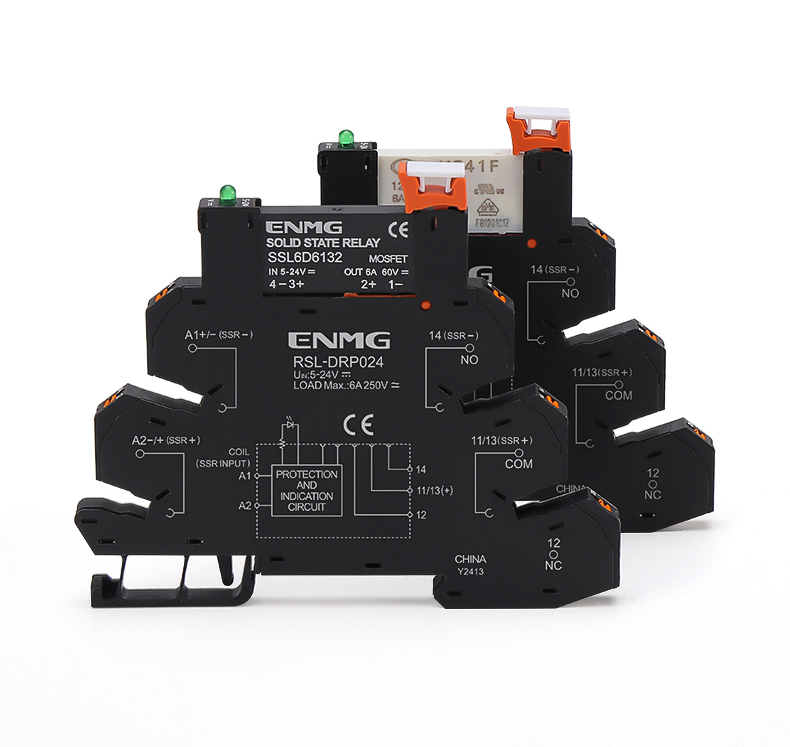
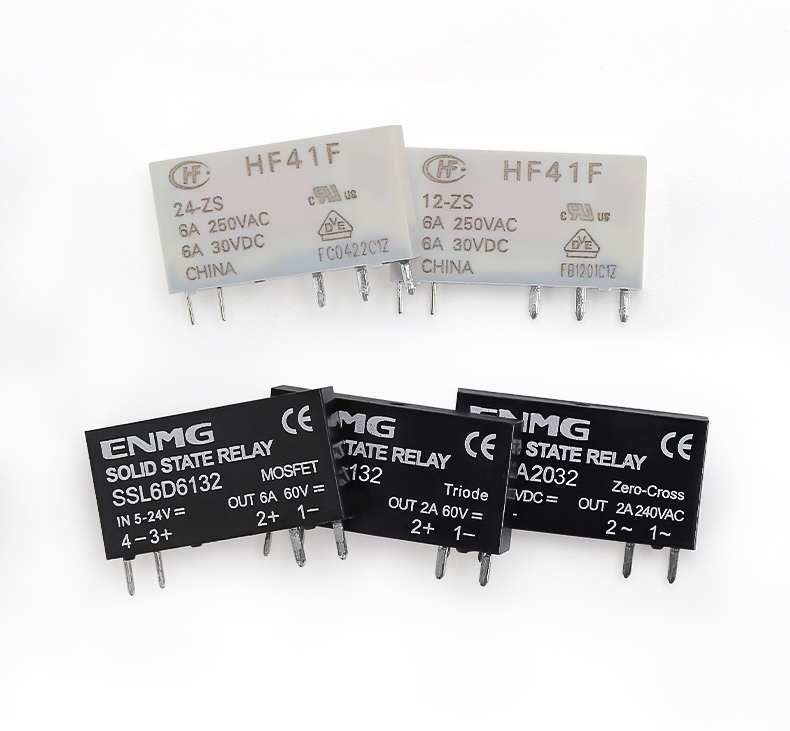
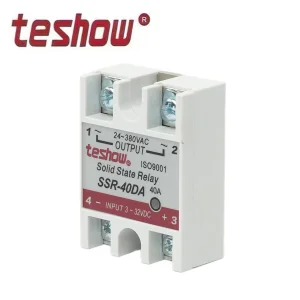
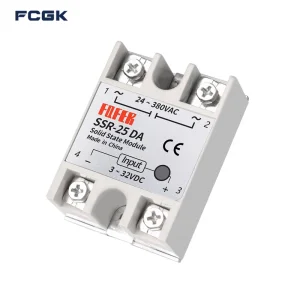
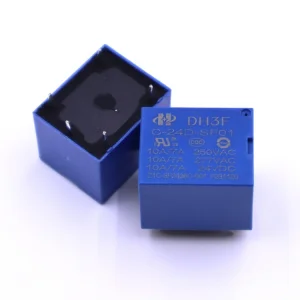
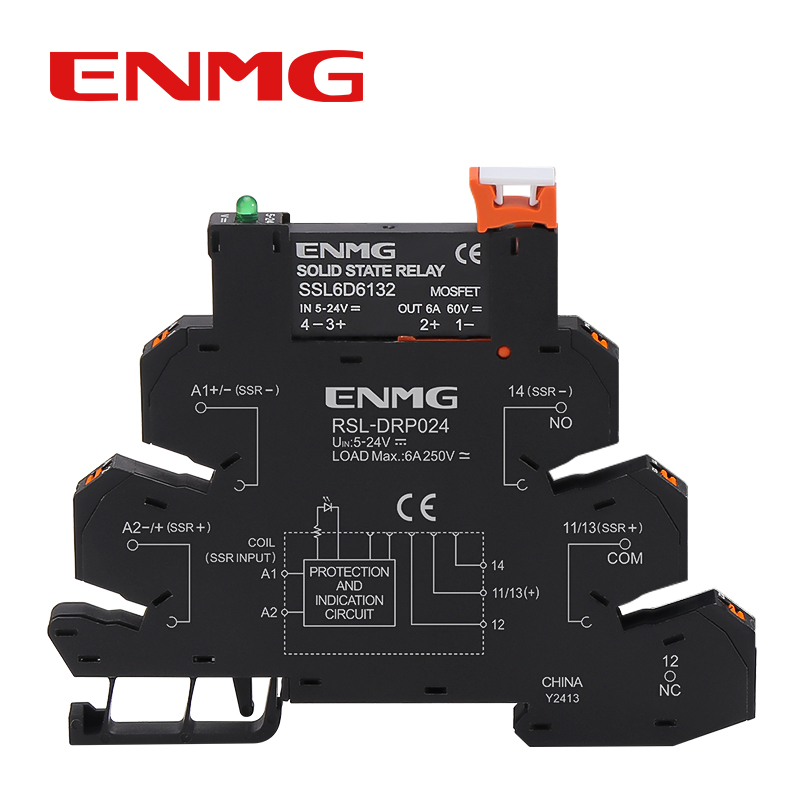
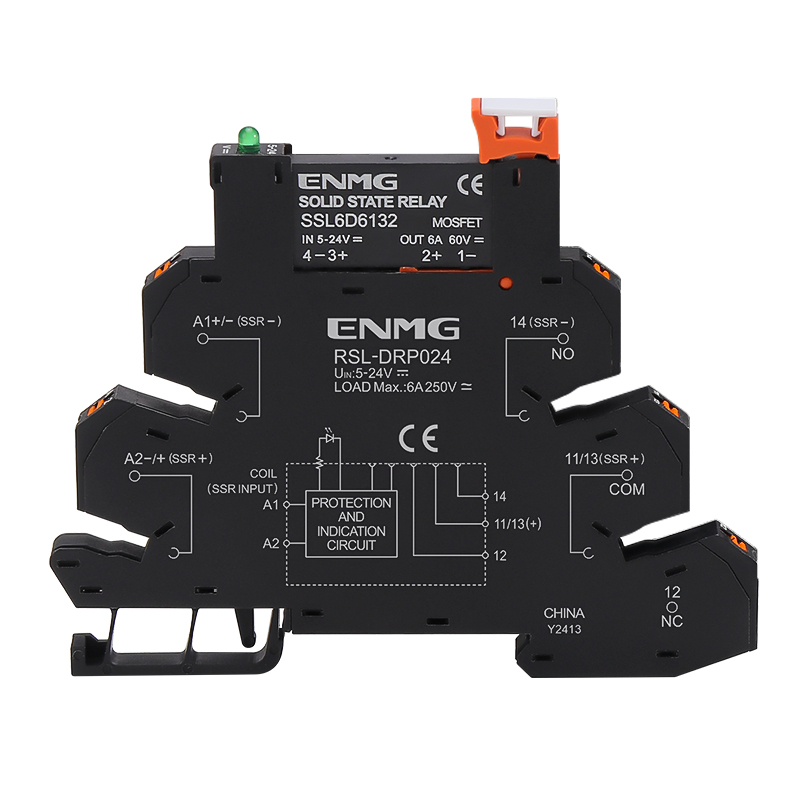
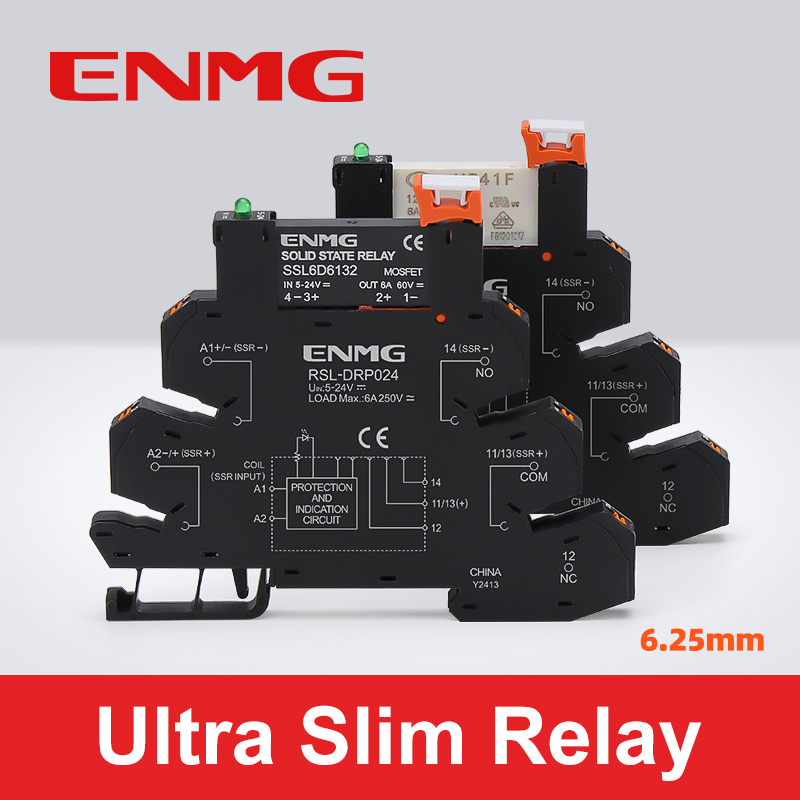
A: The SIP (Single In-line Package) footprint offers an extremely small profile, making it ideal for applications where board space is highly limited. It allows for high-density packaging on PCBs without sacrificing thermal efficiency.
Q2: How does the opto-isolation design protect the circuit?
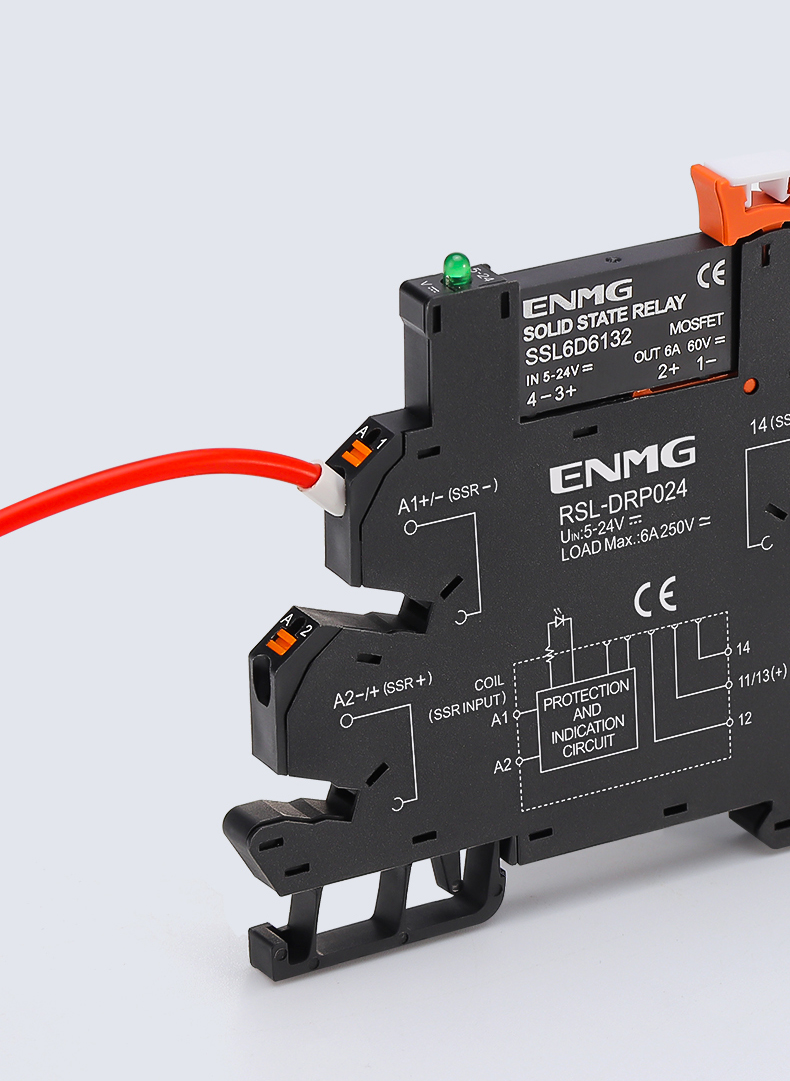
A: Opto-isolation uses light signals to transfer electrical energy between the input and output controls. This provides complete electrical isolation, protecting sensitive control circuitry from high-voltage spikes and transient surges on the load side.
Q3: What is the difference between AC and DC output modes for this relay?
A: The dual-mode output offers two versions: an AC output version utilizing a built-in TRIAC for switching alternating current loads, and a DC output version using an internal power MOSFET designed for switching direct current loads with low on-resistance.
Q4: Why is surge protection built into these solid-state relays?
A: Built-in RC snubber networks and zero-cross isolation absorb transient voltage spikes, preventing accidental triggering or damage, ensuring reliable operation in electrically noisy industrial environments.
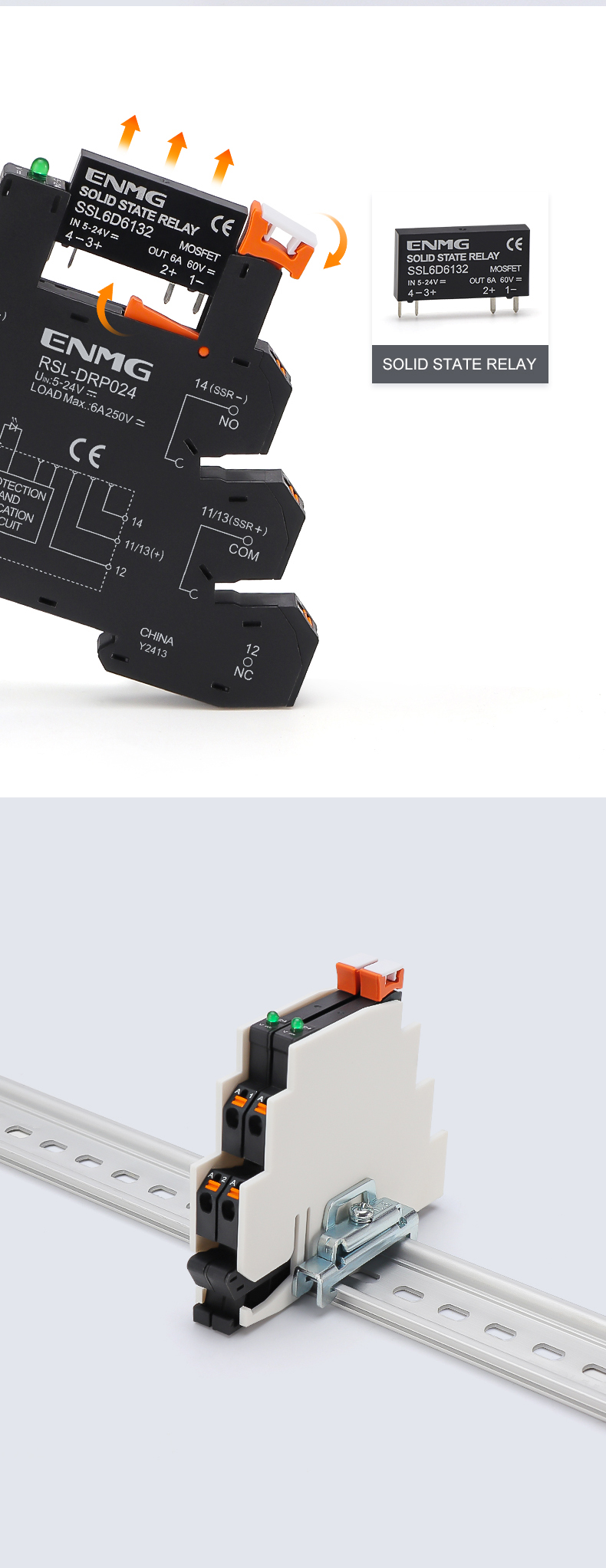
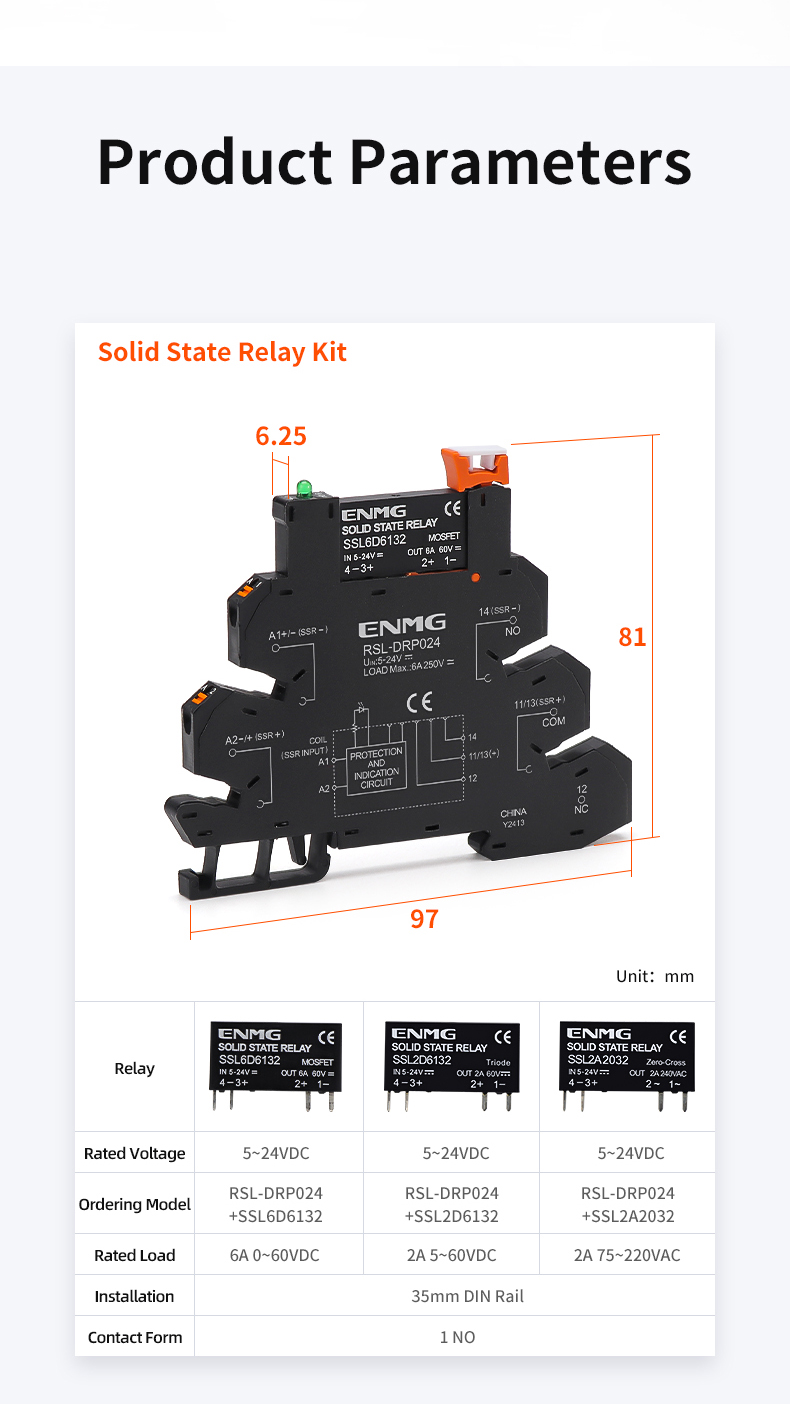
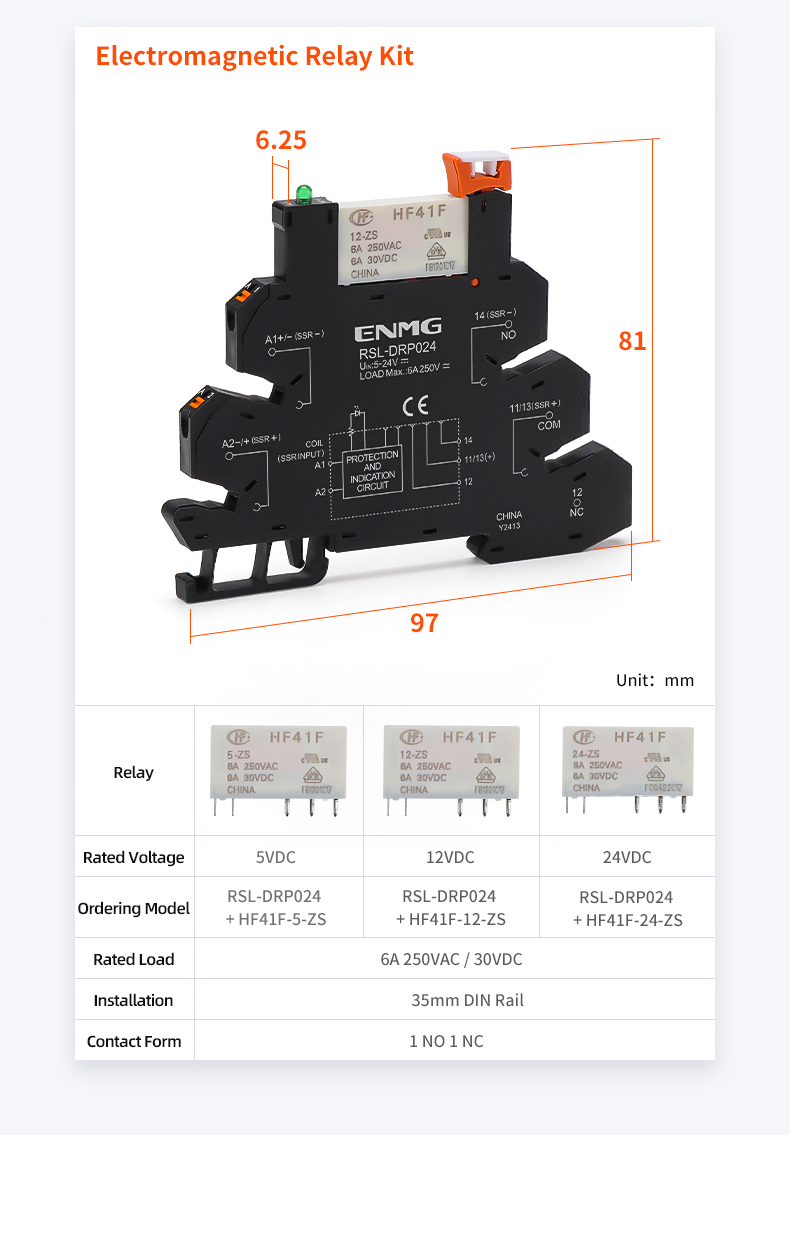
Q5: Can these relays be installed on DIN-rails?
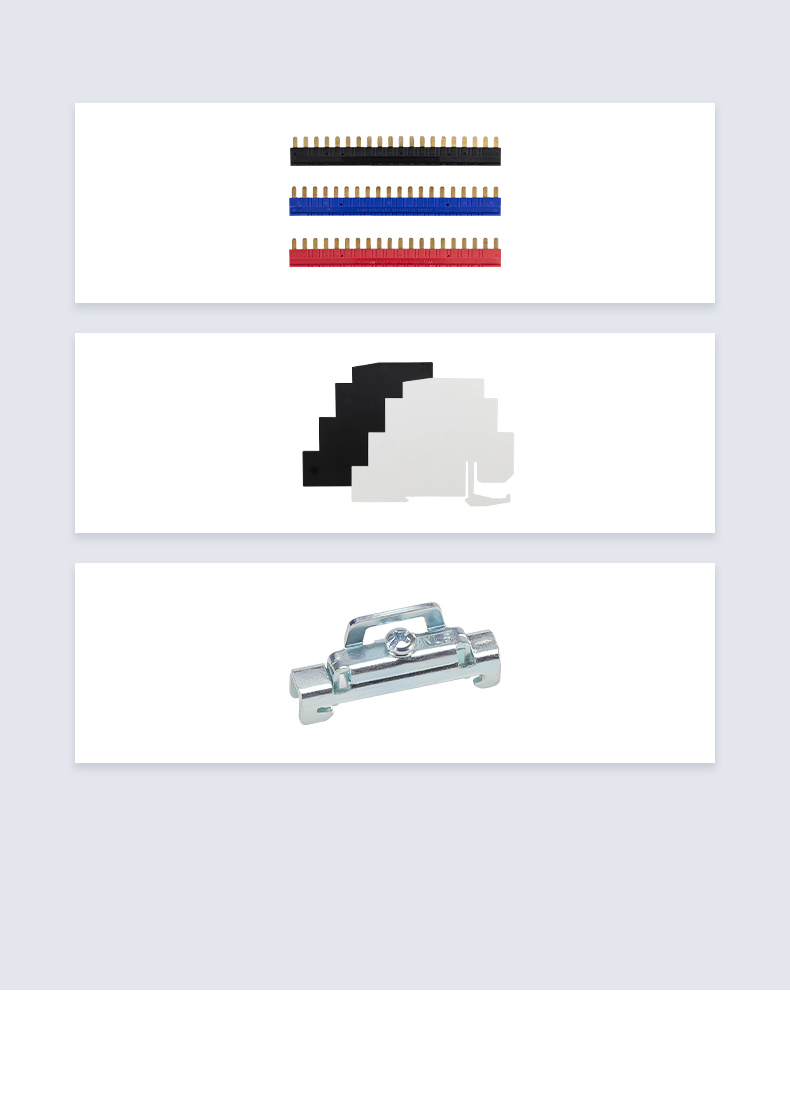
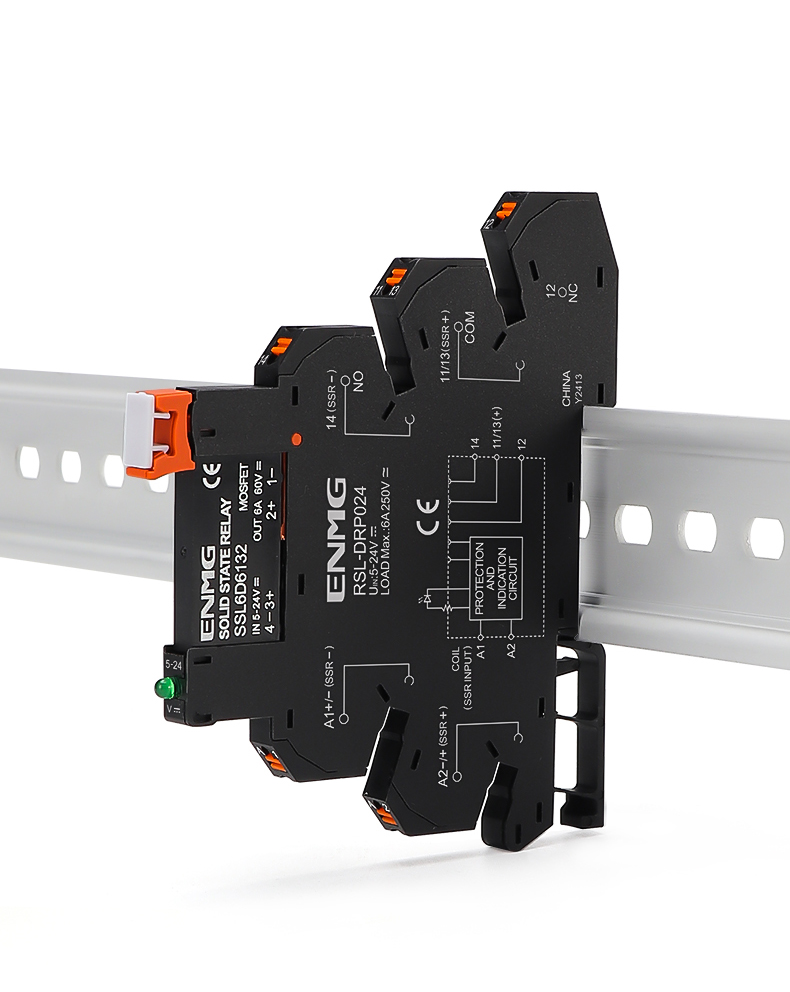
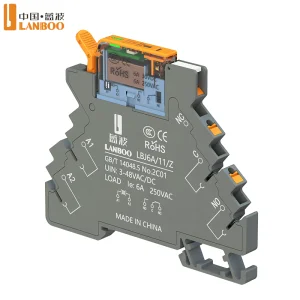
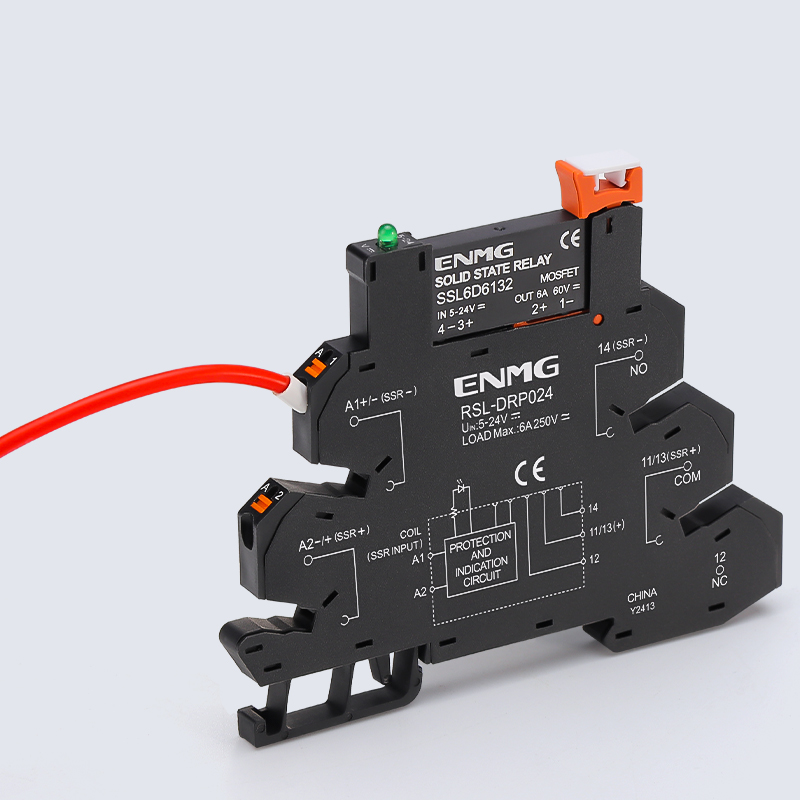
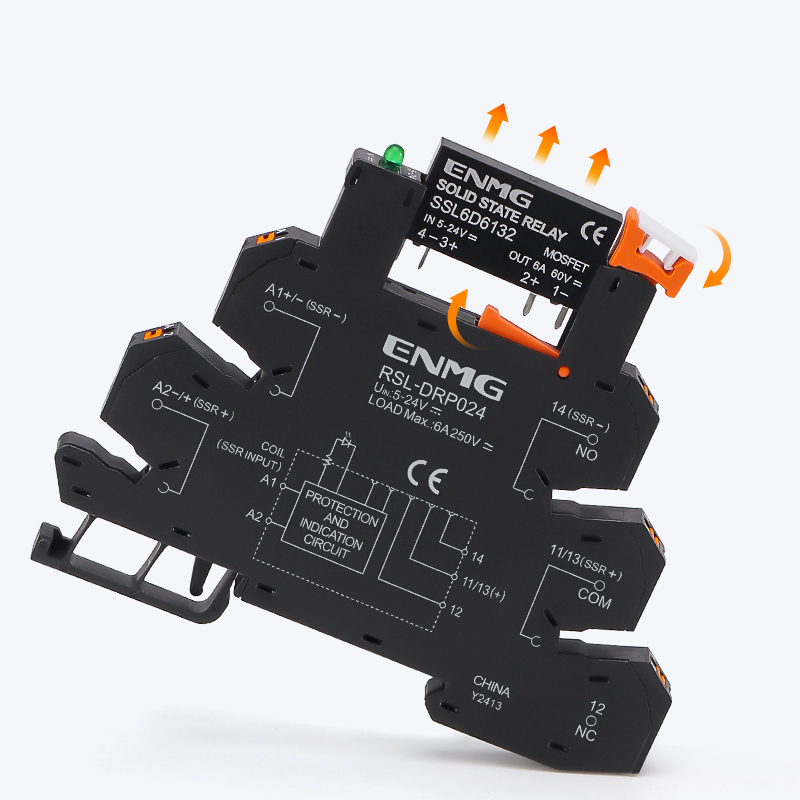
A: Yes, despite their compact SIP PCB-mount design, they can be easily integrated onto DIN-rail systems using compatible DIN-rail adapters for flexible control cabinet installations.
Q6: What makes these solid-state relays maintenance-free?
A: Since there are no moving mechanical contacts inside, there is no mechanical wear, contact bounce, or arcing. This fully electronic design results in a silent, maintenance-free, and exceptionally long operating lifespan.
 UniWave Electric