UniWave Electric
UniWave Electric
UniWave Electric
Explore our selection of premium motor starters, thermal relays, contactors, and circuit breakers engineered for critical power protection and automation networks.
The global industrial sectors are currently experiencing a paradigm shift towards decarbonization and intelligent automation. At the core of this transition lies the modern Smart Relay. What once functioned as a simple electromagnetic switch has evolved into a highly integrated, intelligent control node. According to recent industrial data, the market for intelligent relays, solid state relays (SSRs), and digital monitoring relays is growing at a rapid CAGR. This growth is driven by the mandate for absolute operational efficiency, real-time energy monitoring, and predictable maintenance schedules.
Europe and North America lead in the standardization and enforcement of energy-efficiency regulations, making certifications like CE, CB (IEC), and UL mandatory criteria for all industrial exports. In the Asia-Pacific region, rapid infrastructure expansion and smart city deployments are scaling the production demands for protective control components. With the integration of advanced Communication Networks (Modbus, Profibus, EtherCAT, and WiFi), smart relays have transformed from isolated switches into dynamic endpoints in IoT networks, directly contributing to Industrial Edge Computing.
Additionally, modern systems now require relays to function under severe environmental stresses. By incorporating high-grade flame-retardant materials, optimized magnetic coils, and reliable solid-state architectures, manufacturers are providing critical safety nets for both machinery and human operators in hazardous sectors including petrochemicals, mining, and metallurgy.
Understanding the differences between electromechanical relays, digital monitoring switches, and solid-state solutions is key to building highly reliable system architectures.
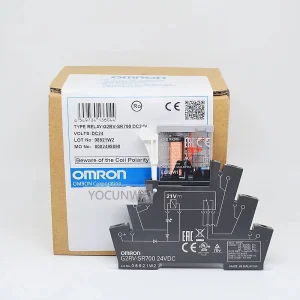
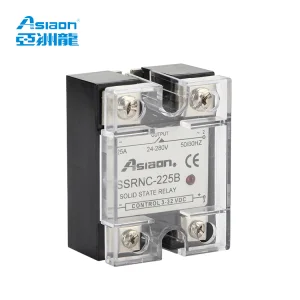
Utilizing optoelectronic isolation, SCRs, and MOSFET configurations, solid-state relays like the OMRON G2RV Series and Asiaon SSRs eliminate mechanical wear, ensuring near-instantaneous switching speeds and high vibration resistance.
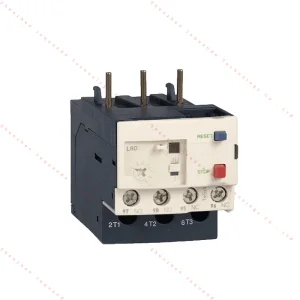
Moving past traditional bimetallic strips, modern thermal overload relays (such as the LRD484C Series) integrate microcontrollers for high-accuracy current tracking, phase imbalance detection, and remote system resets.
The introduction of WiFi Smart MCBs and networkable protective relays allows real-time current telemetry, voltage logs, and smart cloud dashboards to connect directly to standard industrial PLCs or SCADA platforms.
| Relay Type | Core Switching Technology | Typical Response Time | Primary Industrial Applications | Key Certifications |
|---|---|---|---|---|
| Solid State Relays (SSR) | Optocoupler / Thyristor / MOSFET | < 1 ms | Heater control, PID loops, packaging machinery, medical devices | CE, CB, RoHS |
| Thermal Overload Relays | Bimetallic sensor / Electronic current transformer | Adjustable (Trip Classes 10A, 10, 20) | Three-phase motor overload protection, stall protection | CE, IEC 60947-4-1 |
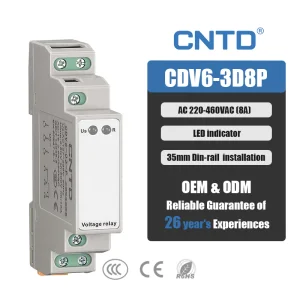
| Voltage Monitoring Relays | ASIC Microprocessor monitoring phase states | < 100 ms (configurable) | Phase sequence detection, undervoltage/overvoltage protection | CE, ISO9001 |
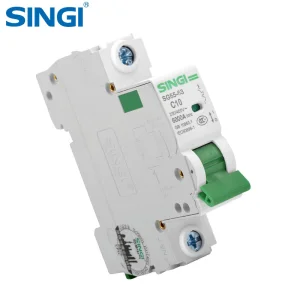
| Smart MCB / WiFi Relays | Electromechanical with Integrated Wireless Chips | < 20 ms | Smart home automation, commercial BEMS, remote power distribution | CE, SAA |
UniWave products form highly integrated protection systems. Below is how we combine our devices into reliable industrial solutions.
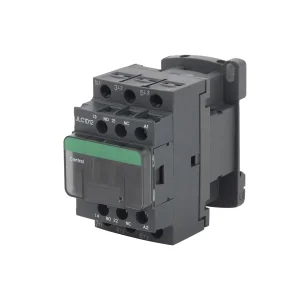
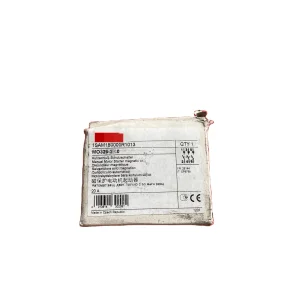
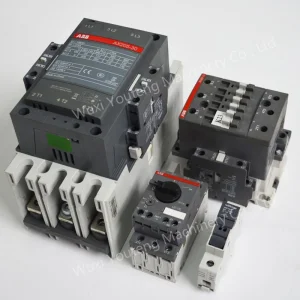
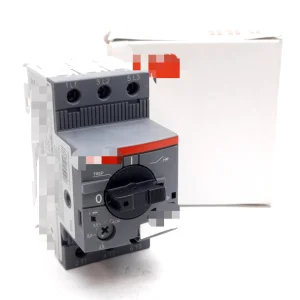
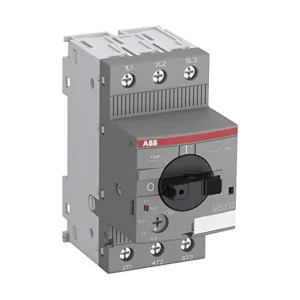
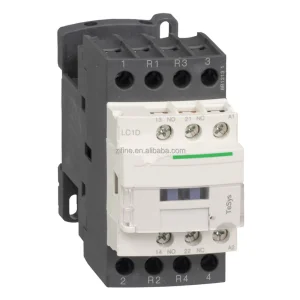
For high-horsepower machinery setups, our Manual Motor Starters (MS116, MS132, MO325) work in concert with AC Contactors (LC1-D25A) and Thermal Overload Relays (LRD484C). This provides standard Type-2 coordination, protecting both operations and control loops from short circuits, phase loss, and running overcurrent events.
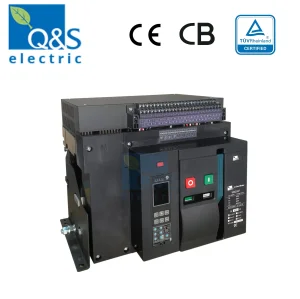
Fluctuating voltages are a major cause of downtime in solar farms and regional microgrids. Using our CNTD CDV6-3D8P Three-phase Voltage Monitoring Relays alongside Air Circuit Breakers (ACB) and Vacuum Contactors (VSC/P 12kV-400A), grids can dynamically isolate high-voltage surges and balance loads instantly.
How UniWave electric components meet specific regional industrial standards and environmental conditions worldwide.
In Europe, strict compliance with the Low Voltage Directive (LVD) and EMC requirements is non-negotiable. Our components, ranging from miniature circuit breakers to heavy-duty AC contactors, are engineered to run reliably in automated manufacturing systems across Germany, France, and Italy. By using halogen-free materials and implementing finger-safe terminal designs (IP20), we ensure total compliance with EN regulations.
Commercial buildings in the US and Canada demand heavy-duty overcurrent protection with high interrupting ratings. Our Air Circuit Breakers (ACB) and molded case circuit breakers (MCCB) protect local HVAC distribution networks. They integrate with BACnet control networks using smart monitoring modules to allow automated load-shedding and reduce peak demand charges.
High humidity and ambient heat can cause insulation breakdown and premature fatigue in electromagnetic coils. UniWave's products feature epoxy protection (such as the CNTD CDV6-3D8P) and specialized tropicalized coils to prevent oxidation, performance degradation, and nuisance tripping in hot, humid climates.
Based in Liushi, Wenzhou, China—widely recognized as the "City of Low Voltage Electrical Appliances"—UniWave brings over 25 years of specialized design, testing, and production experience to global markets.
Wenzhou UniWave Electric Co., Ltd. is a leading manufacturer specializing in a wide range of electrical products, including Circuit Breakers (RCBO / RCCB / MCB / WiFi Smart MCB / MCCB / ACB), Isolator Switches, Change Over Switches, AC Contactors, Thermal Relays, Magnetic Starters, Solid State Relays, Distribution Boxes, Voltage Stabilizers, and Voltage Protectors. Our company is located in Liushi, Yueqing, Wenzhou, China, offering both a thriving industrial environment and a beautiful natural setting.
With over 25 years of experience in the circuit breaker and AC contactor industry, Wenzhou UniWave Electric has established a strong reputation for quality, reliability, and innovation. Our products strictly comply with IEC standards and have obtained internationally recognized certifications, including SAA, CE, CB (IEC), and ISO9001.
Our company is equipped with advanced testing instruments and a highly skilled R&D team, allowing us to continually develop new products and improve existing ones. We are committed to providing cutting-edge solutions that meet the evolving needs of our customers. Our products are widely exported and highly appreciated in various markets around the world, including Europe, America, Southeast Asia, the Middle East, and Africa. At Wenzhou UniWave Electric, we focus on customer satisfaction, innovation, and sustainable development.
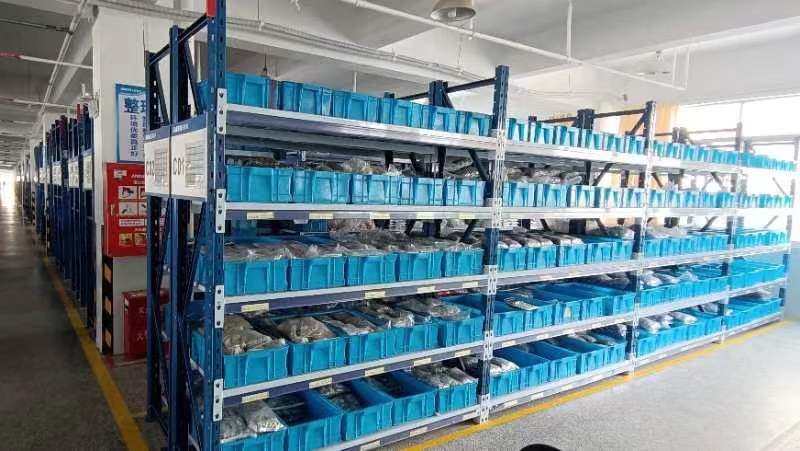
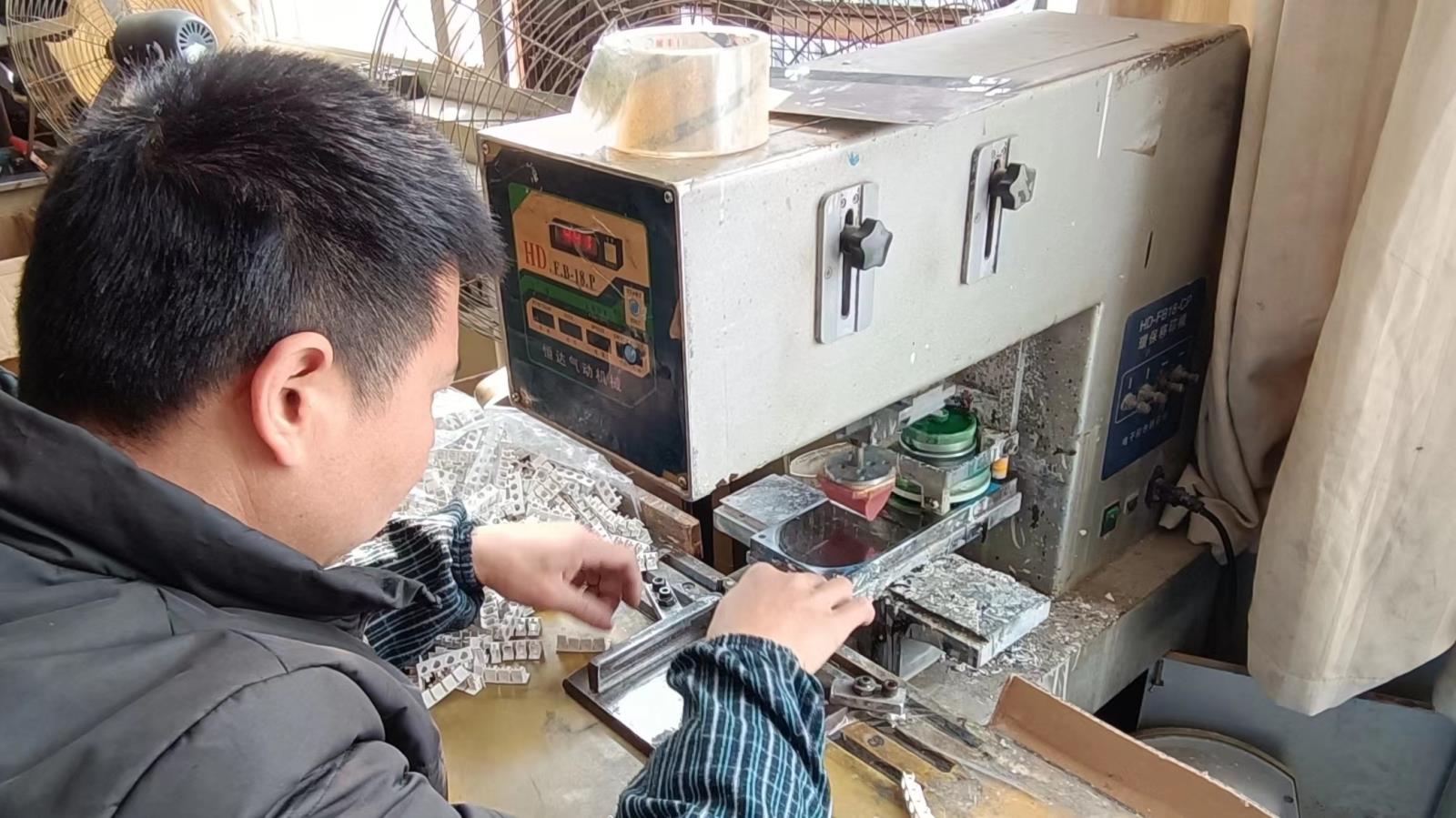
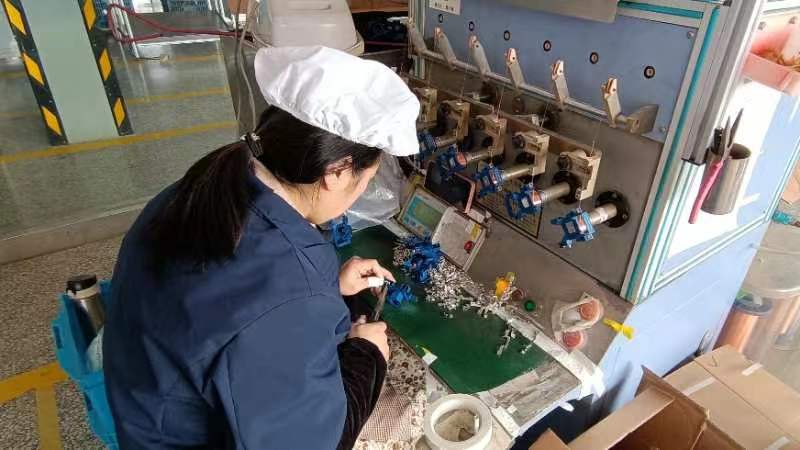
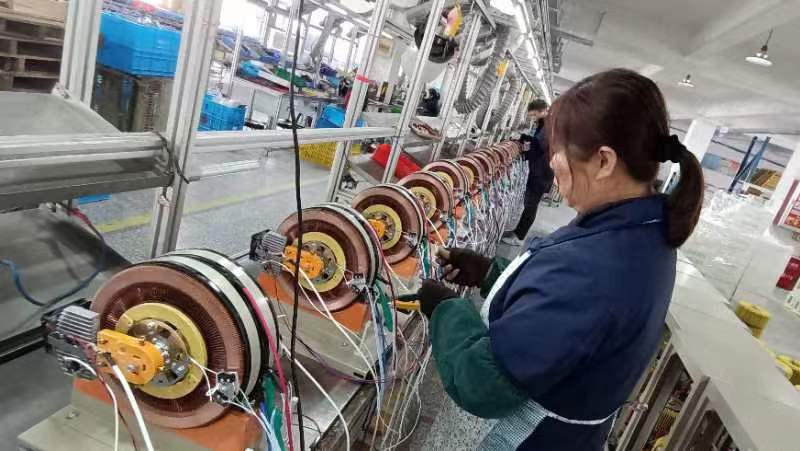
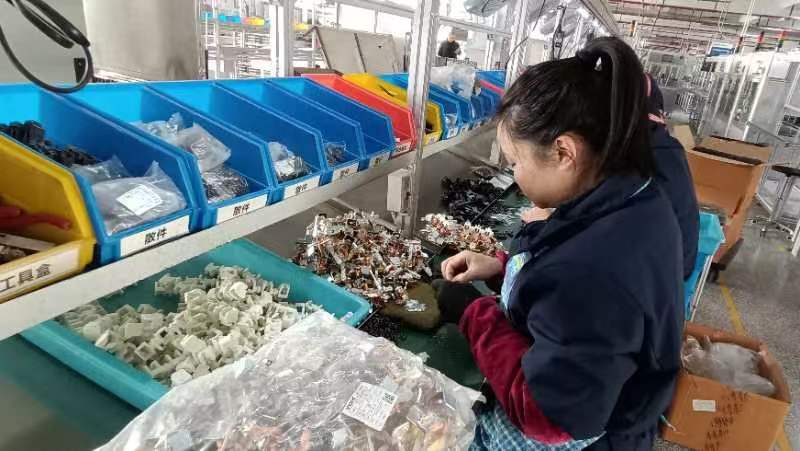
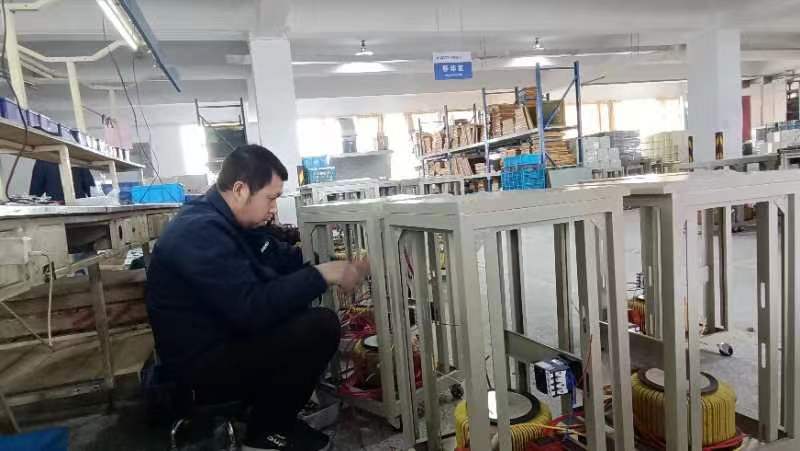
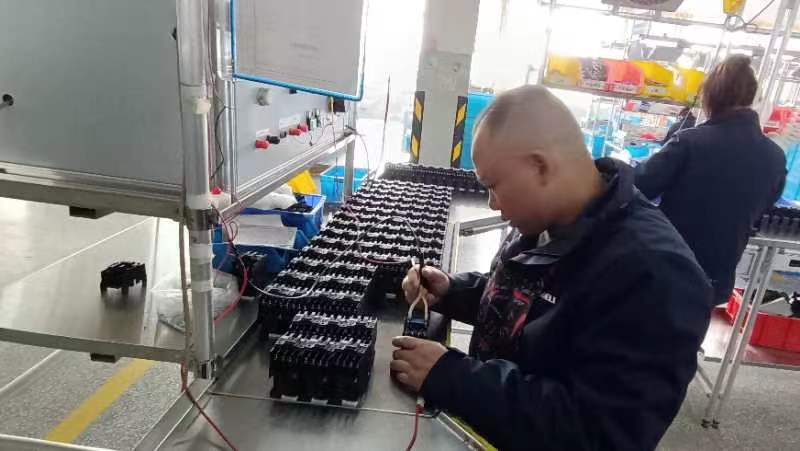
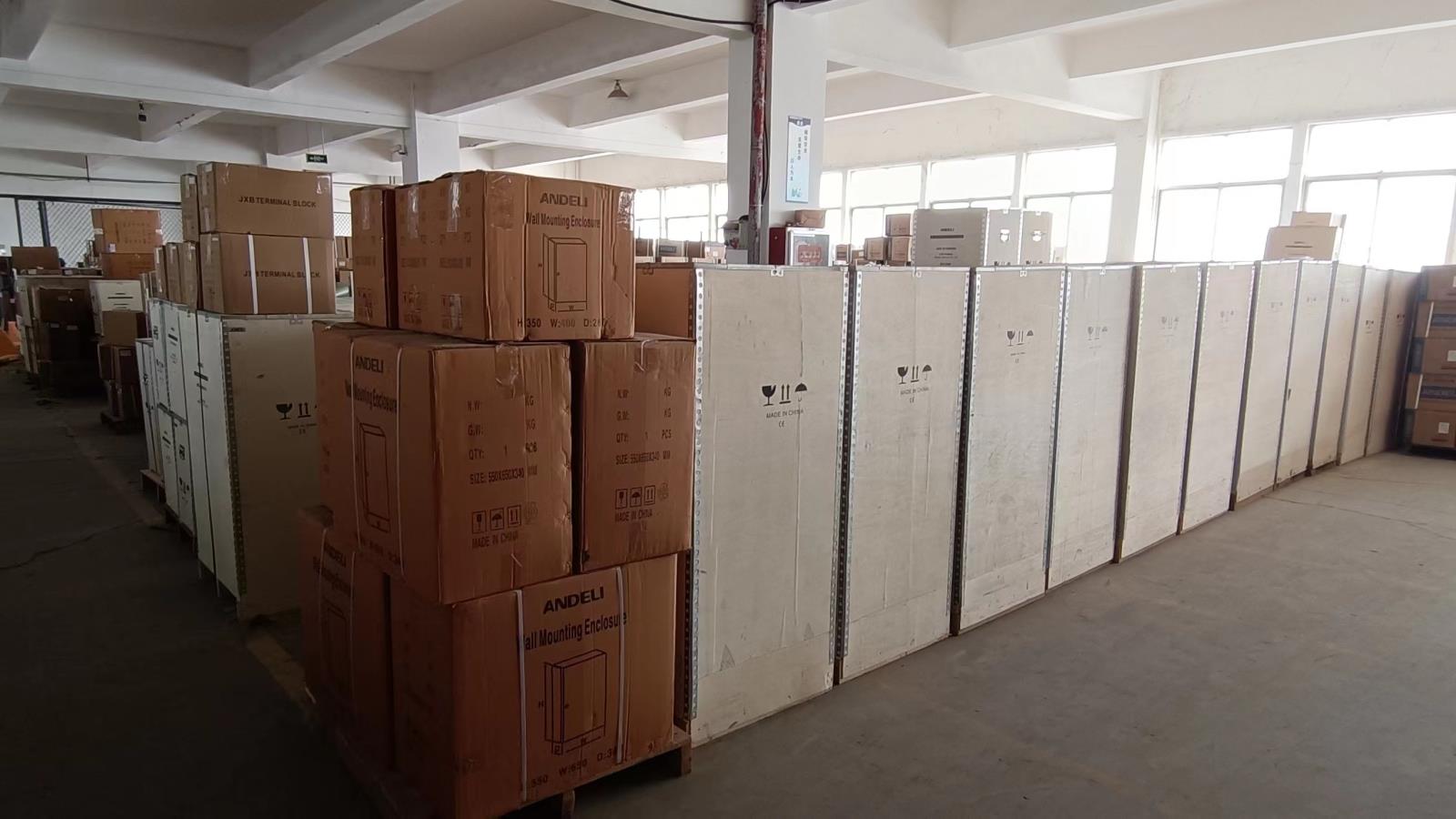
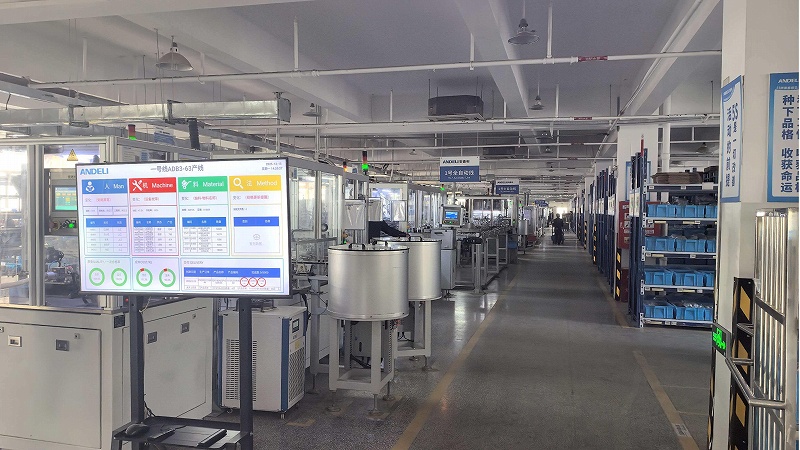
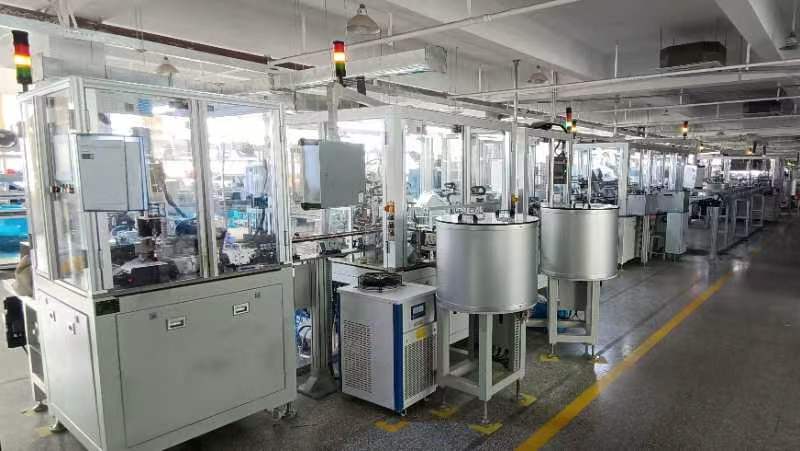
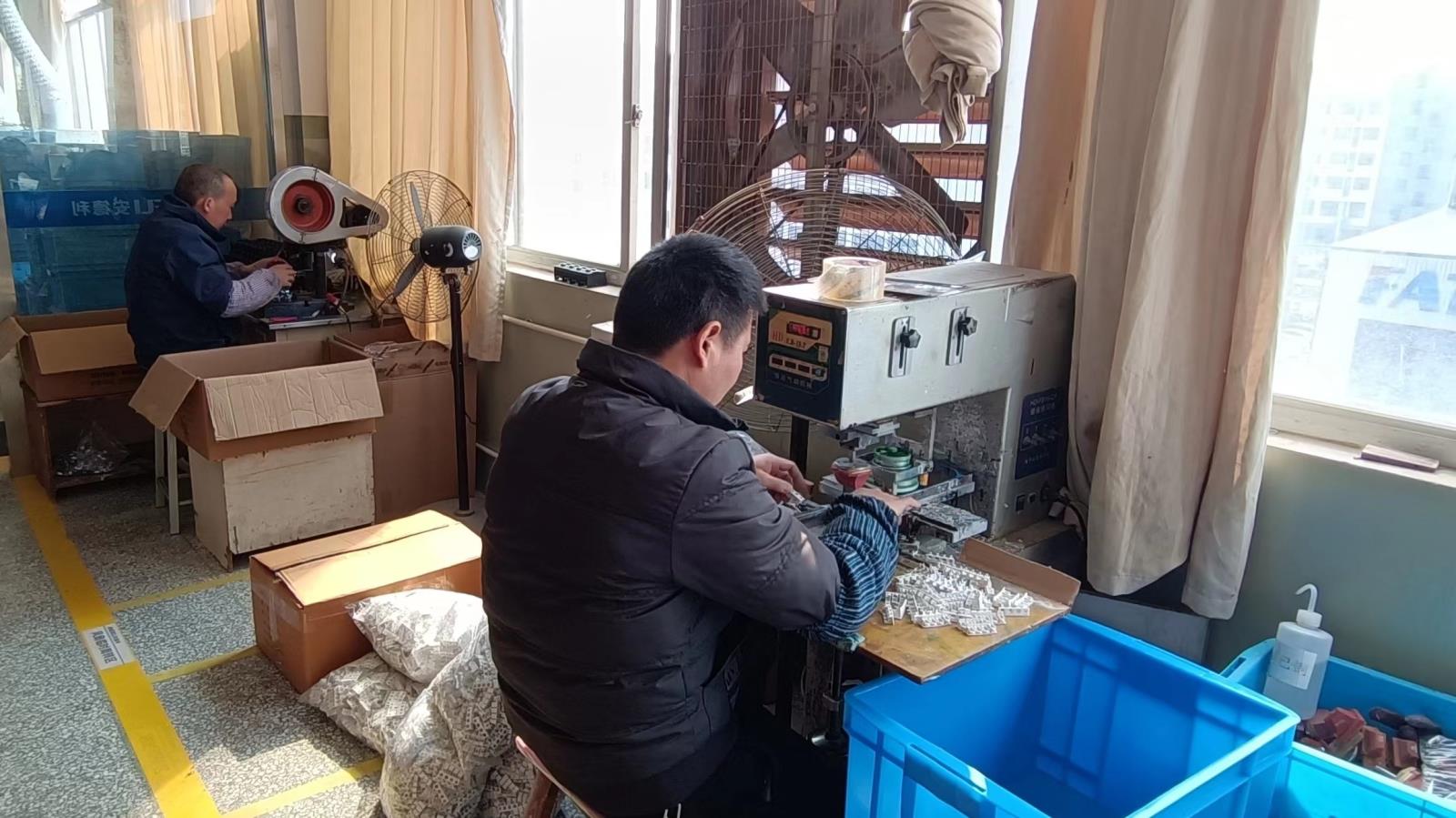
Our state-of-the-art facility utilizes advanced, automated assembly machinery and rigorous testing protocols to ensure every relay and breaker performs to standard before dispatch.
Providing verified, technical answers regarding industrial relay selection, certifications, and operational parameters.
Partner with Wenzhou UniWave Electric. Let our R&D expertise support your next smart distribution project.
Contact Our Engineering TeamDiscover our medium-voltage vacuum contactors, air circuit breakers, and miniature breakers designed for residential, commercial, and heavy industrial distribution.