UniWave Electric
Understanding the Critical Safety Role of Isolator Switches in Heavy-Duty Power Grids
An Expert Analysis on Electrical Safety, Design Topologies, and Mechanical Disconnection Criteria.
In modern industrial and commercial power distribution architectures, the term Isolator Switch (often designated as an electrical disconnector) represents a fundamental layer of hardware safety. Unlike circuit breakers designed to interrupt heavy fault currents automatically during short-circuit occurrences, an isolator switch serves a distinct, manually or motor-driven safety-centric function: to ensure an electrical circuit is completely de-energized and visually isolated for maintenance, inspection, or emergency shutdowns. According to the international electrotechnical standards—specifically IEC 60947-3—an isolator switch must provide a safe and reliable air gap in the open position under zero-load conditions or low load currents depending on its classification.
Global electrical infrastructure projects demand uncompromising structural integrity. Sub-par isolator switches represent a catastrophic failure point, posing terminal risks of electrical arcing, arc flash explosions, and total system thermal runaways. Thus, for engineering procurement construction (EPC) firms, utility operators, and machinery system builders, identifying and vetting qualified isolator switch manufacturers is not merely a budgetary decision—it is a critical risk mitigation protocol. China's electrical manufacturing hubs, particularly the cluster in Yueqing, Wenzhou, have transitioned from producing low-cost basic electrical gear to engineering top-tier, compliant, and smart isolation technologies designed to endure severe environmental stressors.
Technical Classification & Structural Configurations of Isolator Switches
Industrial isolators are designed in multiple topologies depending on their specific current capacity, environmental exposure, and poles configuration:
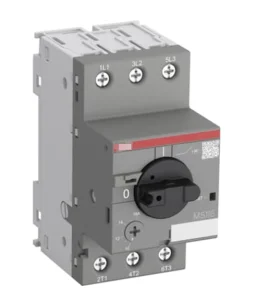
- Rotary Isolator Switches: Commonly utilized in low-voltage HVAC systems, industrial machinery, and local control panels. They offer high mechanical durability and simple rotary handle mechanisms, often lockable in the 'OFF' position to comply with lock-out tag-out (LOTO) protocols.
- PV DC Isolator Switches: With the explosive growth of global utility-scale solar energy grids, DC isolators have become mandatory. Solar PV arrays generate continuous direct current (DC), which does not have natural zero-crossing points, rendering arc extinction highly difficult. Specialized PV DC isolators utilize rapid-break knife contact assemblies and magnetic arc-extinction chambers to safely isolate solar string arrays up to 1500V DC.
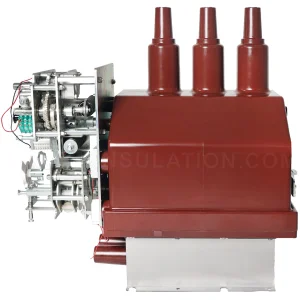
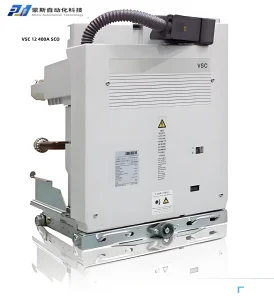
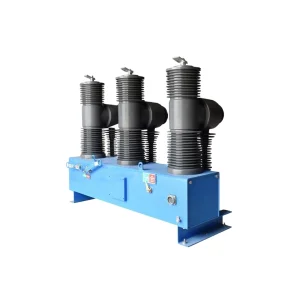
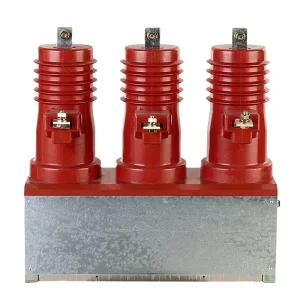
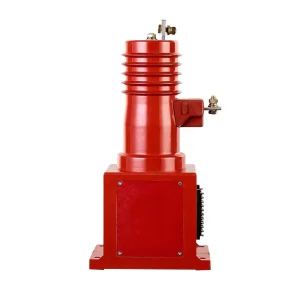
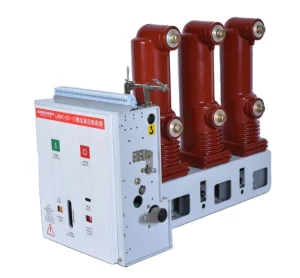
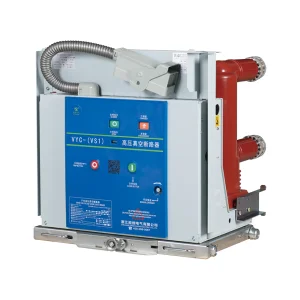
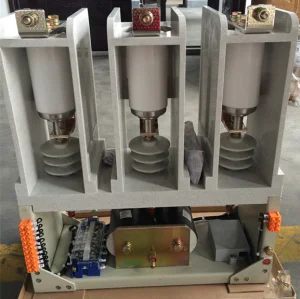
- Medium-Voltage (MV) & High-Voltage (HV) Disconnectors: Employed in electrical substations to isolate high-voltage buses, vacuum circuit breakers, and transformers. These units feature substantial mechanical structures (pantographs, vertical-break, or center-break switches) with visual air gaps to assure operators of safety before ground-switch application.