UniWave Electric
UniWave Electric
UniWave Electric
Deploying cutting-edge circuit protection, vacuum diagnostics, and solid-state power switching engineered for continuous commercial and industrial operations.
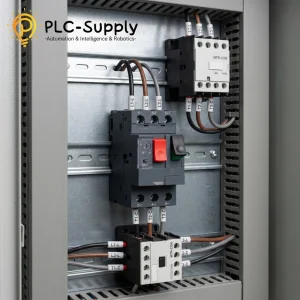
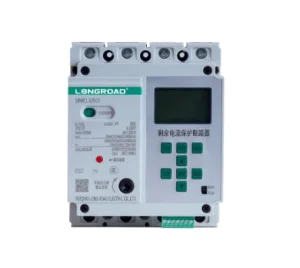
In the contemporary industrial and commercial landscape, electrical power distribution systems face unprecedented stresses. The rapid expansion of high-density data centers, automated manufacturing hubs, and large-scale renewable energy installations demands robust, intelligent, and highly reliable circuit protection mechanisms. Molded Case Circuit Breakers (MCCBs) serve as the vital line of defense, isolating fault currents, preventing catastrophic equipment destruction, and securing human safety against overloads and short circuits.
As grid complexity increases with the integration of decentralized energy systems (such as solar photovoltaics, wind energy, and battery storage), circuit protection requirements have evolved beyond simple mechanical switching. Modern power grids require circuit breakers with higher short-circuit breaking capacities (Icu/Ics), optimized thermal-magnetic coordinates, and digital system integration. Understanding the dynamic capabilities, selection parameters, and design variations of MCCBs is critical for procurement officers, electrical engineers, and distribution network designers worldwide.
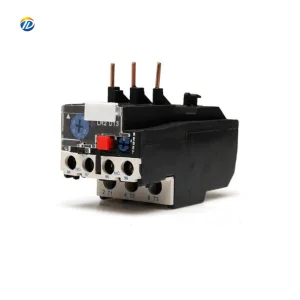
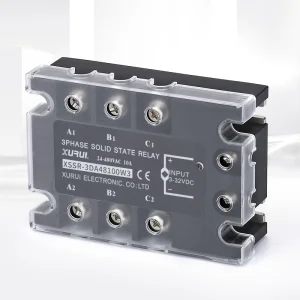
Wenzhou UniWave Electric Co., Ltd. is a leading manufacturer specializing in a wide range of electrical products, including Circuit Breakers (RCBO / RCCB / MCB / WiFi Smart MCB / MCCB / ACB), Isolator Switches, Change Over Switches, AC Contactors, Thermal Relays, Magnetic Starters, Solid State Relays, Distribution Boxes, Voltage Stabilizers, and Voltage Protectors. Our company is located in Liushi, Yueqing, Wenzhou, China, famously known as the “City of Low Voltage Electrical Appliances,” offering both a thriving industrial environment and a beautiful natural setting.
With over 25 years of experience in the circuit breaker and AC contactor industry, Wenzhou UniWave Electric has established a strong reputation for quality, reliability, and innovation. Our products strictly comply with IEC standards and have obtained internationally recognized certifications, including SAA, CE, CB (IEC), and ISO9001. This ensures that every component leaving our facility integrates seamlessly into critical infrastructure projects worldwide, meeting the rigorous code requirements of various municipal and private sector operators.
Our company is equipped with advanced testing instruments and a highly skilled R&D team, allowing us to continually develop new products and improve existing ones. We are committed to providing cutting-edge solutions that meet the evolving needs of our customers. Our products are widely exported and highly appreciated in various markets around the world, including Europe, America, Southeast Asia, the Middle East, and Africa.
A Molded Case Circuit Breaker utilizes an insulated housing to isolate the electrical conductors from mechanical mounting components and operators. At its core, the device functions via two primary tripping mechanisms: a thermal element for overload protection and an electromagnetic element for instantaneous short-circuit protection. By combining these two principles, MCCBs provide comprehensive protection across different overcurrent magnitudes.
The selection between thermal-magnetic and electronic trip units is fundamental to system protection. Thermal-magnetic trip units utilize a bimetallic strip that bends under continuous moderate overcurrents. This thermal expansion leads to a physical release of the spring-actuated operating mechanism. During high-fault currents, the electromagnetic coil creates a magnetic force that pulls the trip bar instantly. In contrast, electronic trip units utilize internal Current Transformers (CTs) to monitor current waveforms. A microprocessor evaluates these currents and executes trip algorithms based on exact user-defined current and time thresholds (L.S.I.G: Long time, Short time, Instantaneous, Ground fault protection). This digital accuracy provides superior selectivity and reduces the risk of nuisance tripping in complex coordination networks.
When contact separation occurs under load, an electrical arc forms between the opening contacts. The control and rapid extinguishment of this arc are vital to prevent explosive gas buildup and internal degradation. MCCBs utilize specialized arc chute assemblies consisting of parallel steel divider plates. The magnetic forces pull the arc into these plates, segmenting the single arc into multiple smaller arcs, cooling it rapidly and increasing its resistance until it collapses. The housing material itself is molded from high-dielectric, glass-reinforced thermosetting polyester or advanced thermoplastics, designed to resist extreme thermal stress without mechanical deformation.
| Technical Parameter | Standard Limits (IEC 60947-2) | UniWave Engineered Capabilities |
|---|---|---|
| Rated Current (In) | 16A to 1600A | Up to 1600A Customizable |
| Rated Ultimate Short-Circuit Capacity (Icu) | 25kA - 85kA at 400V | Up to 100kA Super-High Capacity |
| Rated Service Short-Circuit Capacity (Ics) | 50% - 100% of Icu | 100% Ics (Guaranteed Durability) |
| Rated Insulation Voltage (Ui) | Up to 800V AC | Up to 1000V AC (High Dielectric Strength) |
| Mechanical Endurance (Operations) | 5,000 to 10,000 Cycles | Tested up to 20,000 Cycles |
Operating from Liushi, Yueqing, Wenzhou—the low-voltage electrical capital of China—UniWave utilizes unmatched supply chain integration to deliver high-quality, cost-efficient, and rapid-turnaround solutions to global OEM and ODM buyers.
We provide full customization of current ranges, customized trip curves (B, C, D, K, Z), dynamic color options, custom laser pad printing, and private label packaging to fit specific regional market demands.
By producing raw materials, winding critical electromagnetic coils internally, and conducting robotic component assembly in-house, we eliminate intermediate markups and secure rigid quality control.
Every single molded case breaker goes through strict electronic trip testing, impulse dielectric checks, thermal calibration, and mechanical cycle validation to eliminate fault rates prior to container loading.
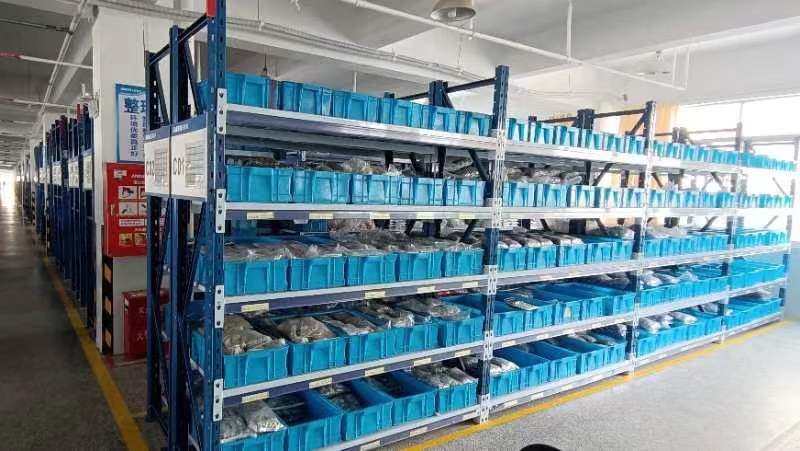
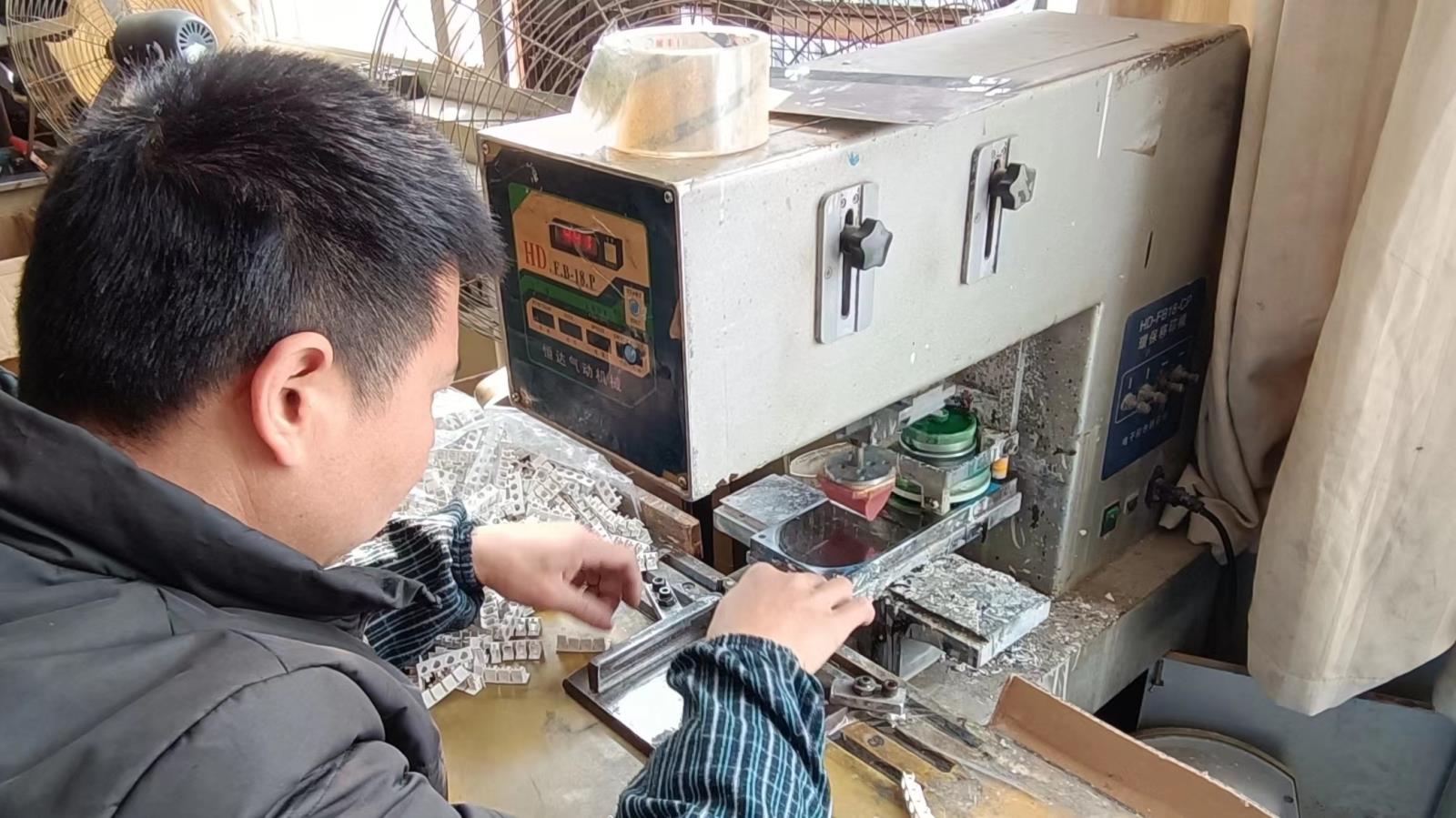
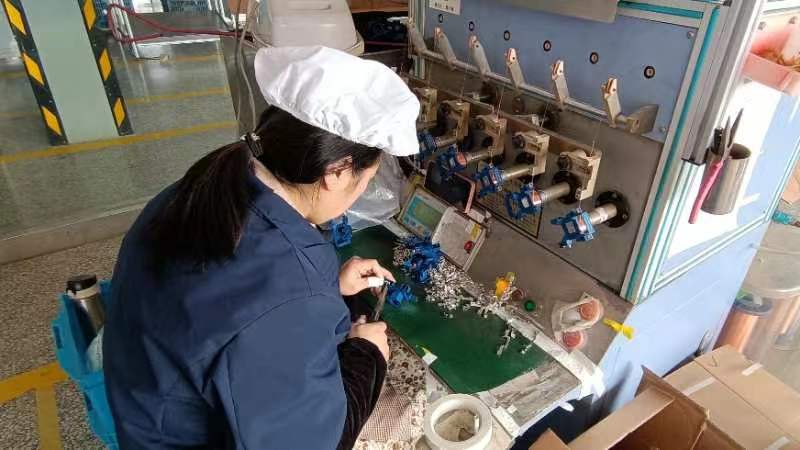
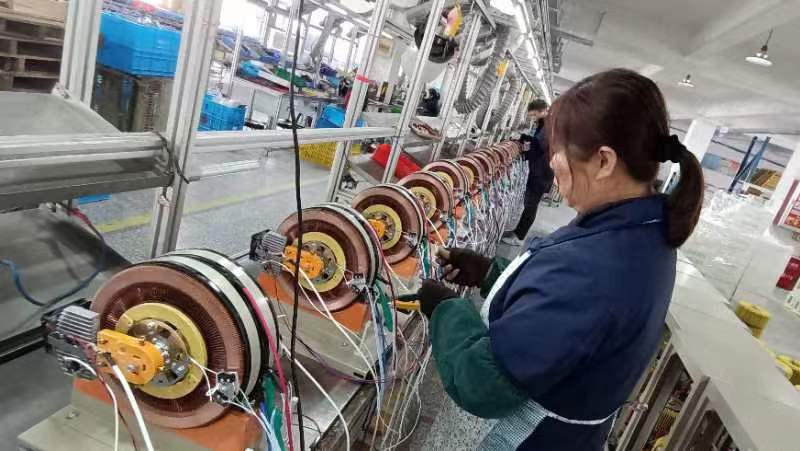
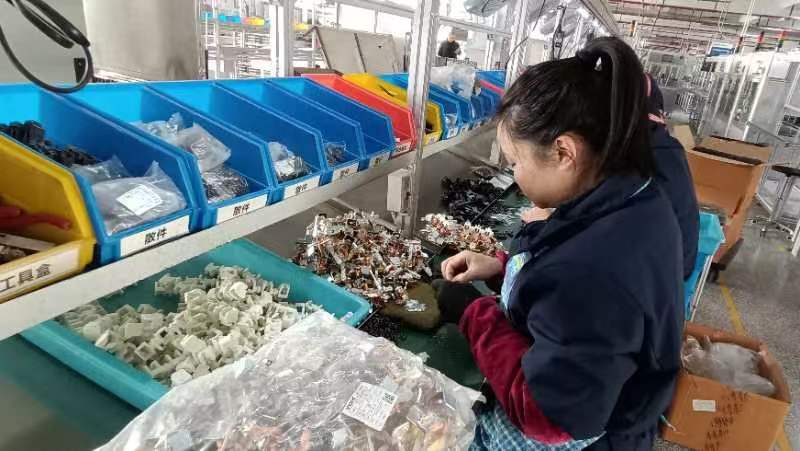
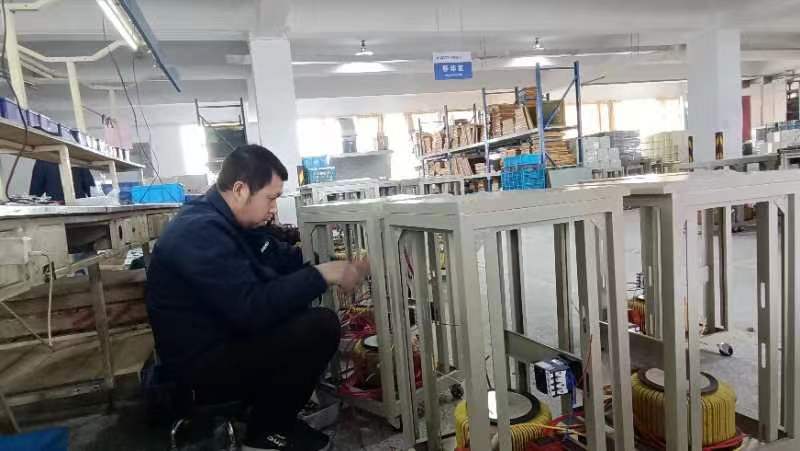
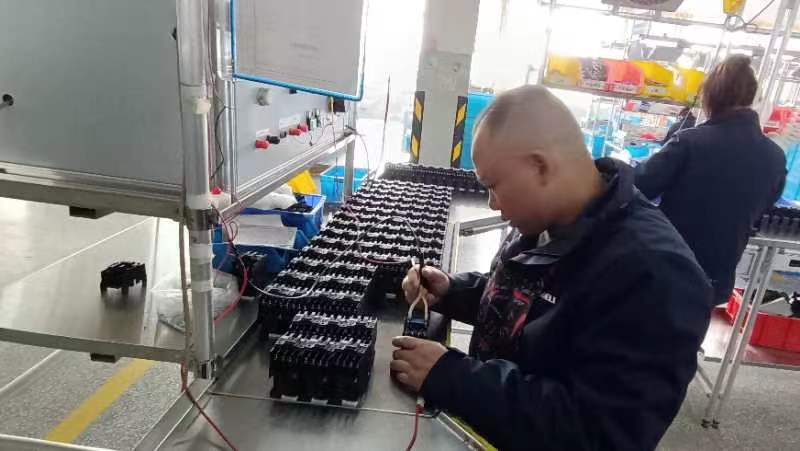
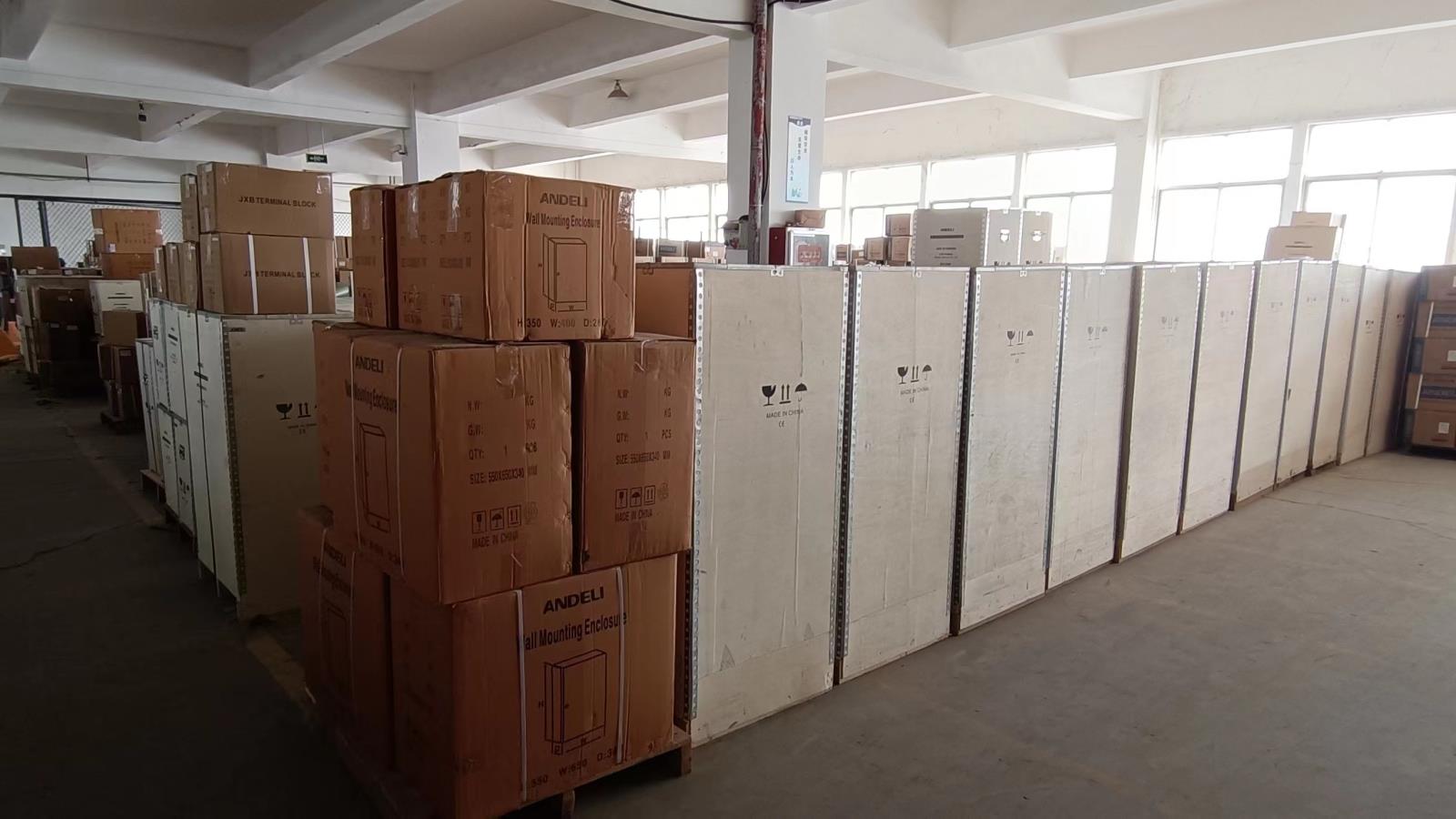
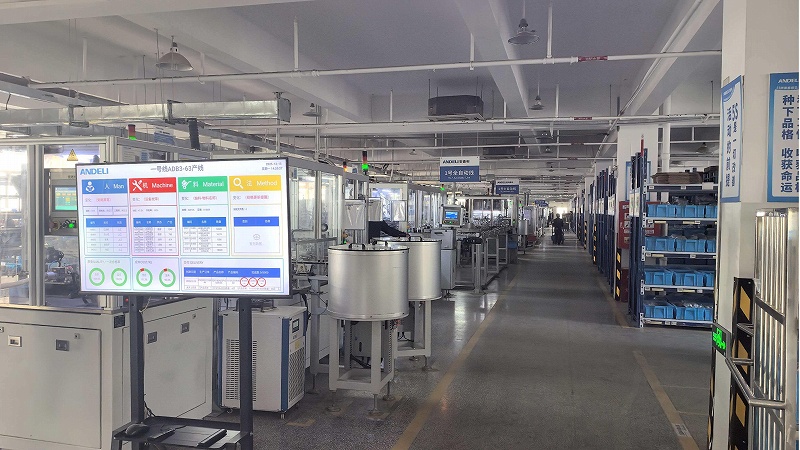
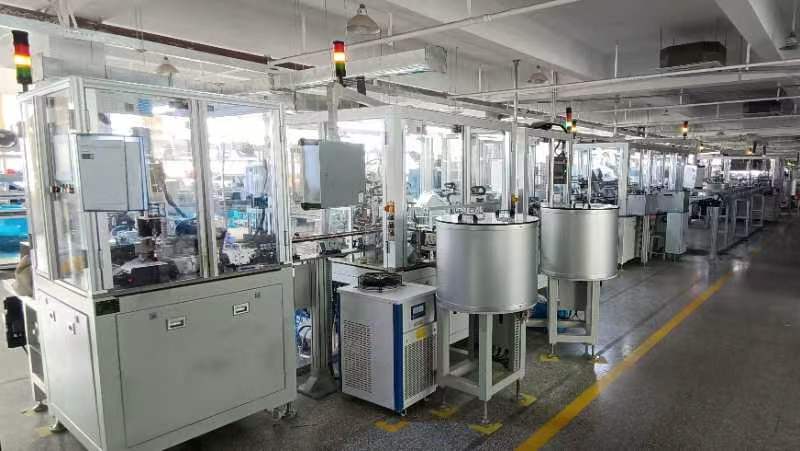
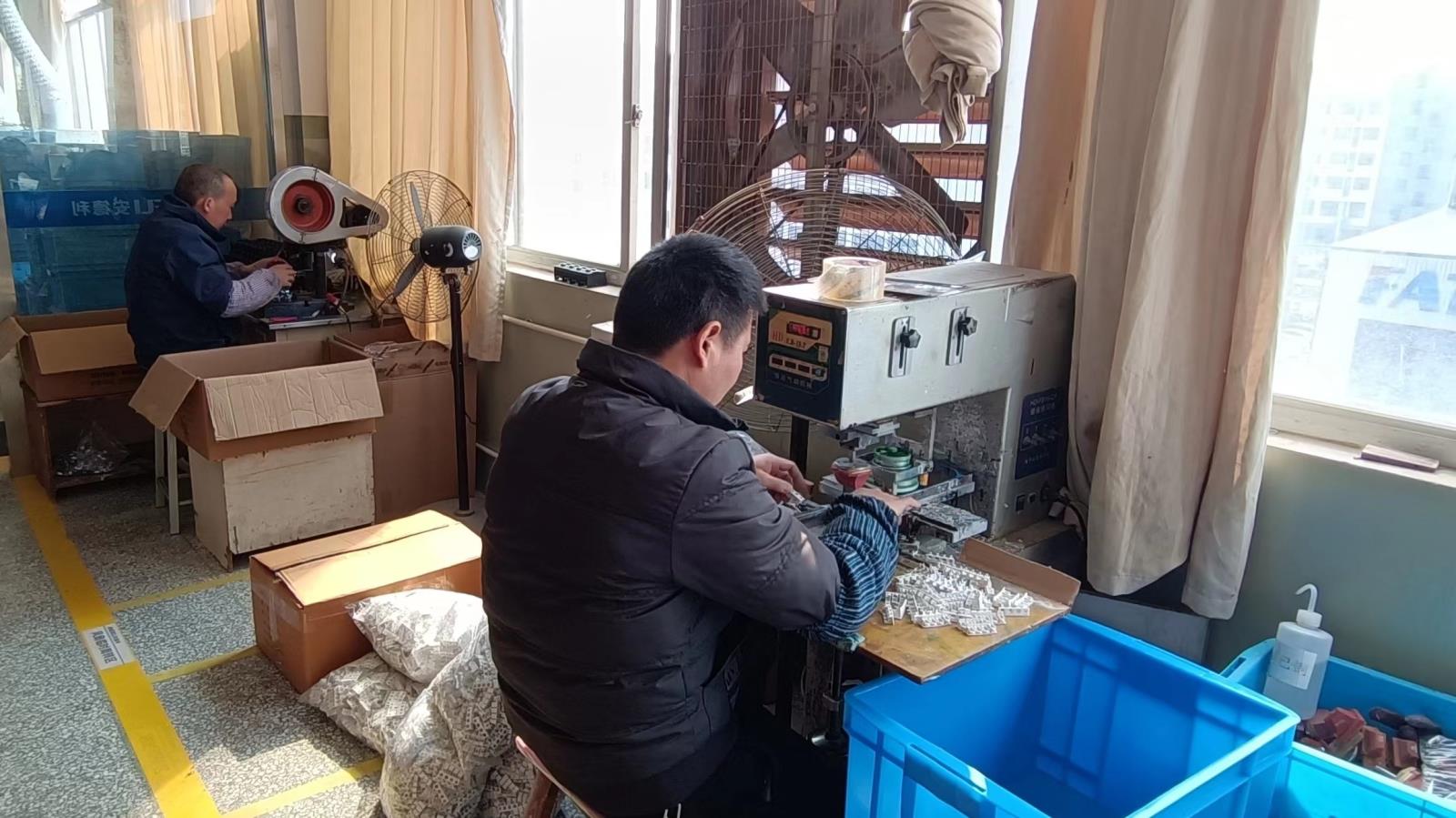
Circuit breakers operate under vastly different electrical and environmental conditions depending on their location and application. Implementing a generic off-the-shelf solution without configuring for localized stresses can lead to premature failure or safety hazards. Here is how Wenzhou UniWave designs custom solutions for distinct installations:
The low-voltage electrical industry is shifting rapidly toward intelligence, compact structures, and environmental sustainability. Wenzhou UniWave Electric Co., Ltd. is positioned at the forefront of this evolution, investing heavily in the next generation of circuit protection technology.
Our technological development focuses on three primary fields:
Standards and Regulatory Verification: Global distribution requires compliance with regional safety certificates. Every product series exported by UniWave undergoes type testing under certified laboratories. We guarantee compliance with IEC 60947-2 (Circuit Breakers), and hold SAA (Australia/New Zealand), CE (Europe), CB (International System), and ISO9001:2015 quality management certifications. Our localization teams work with regional engineers to handle customs clearances, testing verification, and technical support.
Get expert engineering insights regarding selection, implementation, and customization of OEM/ODM Molded Case Circuit Breakers.
Explore our collection of protective devices, magnetic contactors, smart switchgear, and manual motor starters built to secure modern power applications.