UniWave Electric
UniWave Electric
UniWave Electric
Explore our flagship heavy-duty contacts, sequence protections, and smart vacuum circuit breakers designed for modern industrial applications.
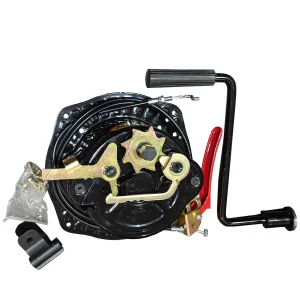
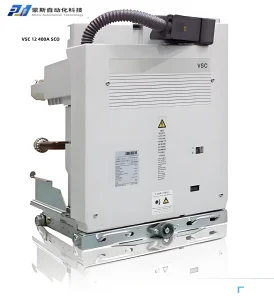
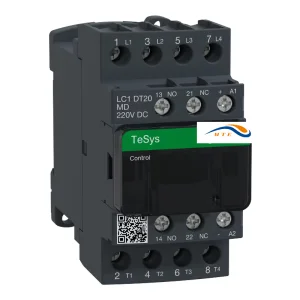
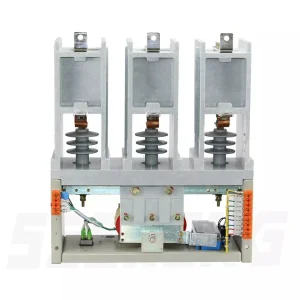
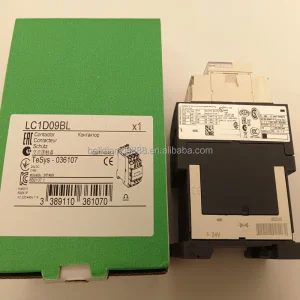
The global power switching landscape is undergoing a monumental transition. Across industrial automation, smart grids, and clean energy storage, relays function as the foundational gatekeepers of electric energy flow. Power relays are robust electromechanical switches that allow a low-power control signal to switch high-voltage, high-current circuits. Today's commercial infrastructure demands component reliability that can withstand continuous operational stresses, high switching frequencies, and demanding environment conditions.
As power grids migrate to digitalized structures, the integration of relays with smart sensors and diagnostic mechanisms has transformed simple components into intellectual network nodes. Our specialized focus spans this technological frontier. Our products ensure clean, rapid switching events that minimize contact bounce, avoid arc-related damage, and control thermal dissipation. This is particularly critical in energy systems, such as solar photovoltaic inverters and electrical vehicle (EV) charging stations, where relays must safely manage significant DC loads and prevent catastrophic system failures under fault conditions.
"Precision contact material engineering (such as Silver Tin Oxide) combined with advanced magnetic coil systems ensures that our relays function flawlessly through millions of mechanical switching cycles."
Your Global Partner in Advanced Power System Components
Based in the prominent industrial hub of Liushi, Yueqing, Wenzhou, China—globally recognized as the "City of Low Voltage Electrical Appliances"—we leverage a world-class manufacturing ecosystem to develop high-performance components. Over the past 25 years, our engineering teams have designed and manufactured rugged components including Circuit Breakers (RCBO / RCCB / MCB / WiFi Smart MCB / MCCB / ACB), Isolator Switches, Change Over Switches, AC Contactors, Thermal Relays, Magnetic Starters, Solid State Relays, Distribution Boxes, Voltage Stabilizers, and Voltage Protectors.
UniWave Electric operates under a rigorous quality management framework certified to ISO9001. Our commitment to international safety and reliability parameters is verified by certifications such as SAA, CE, and CB (IEC). Through a combination of material science engineering, automated production lines, and strict testing protocols, we guarantee performance that meets the high expectations of engineering contractors, grid operators, and equipment manufacturers.
Our dedicated research and development facility focuses on contact degradation analysis, electromagnetic force optimization, and high-dielectric enclosure design. This enables us to continually upgrade our products, ensuring that each generation of relays and contactors has greater capability to handle higher inrush currents with minimal temperature rise, facilitating reliable, long-life operation in compact installations.
Our facility integrates automated assembly systems, specialized winding processes, and strict quality control stations to ensure complete component consistency.
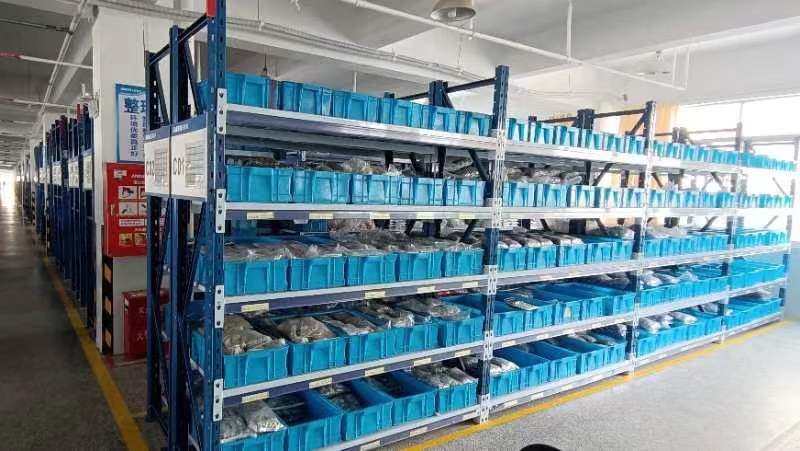
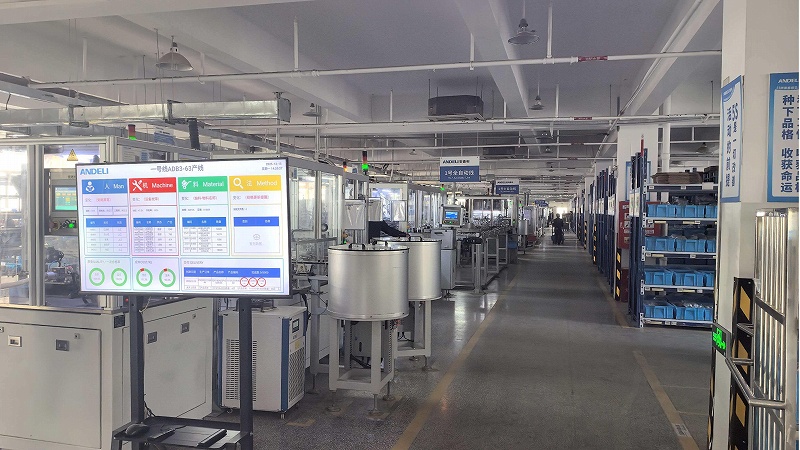
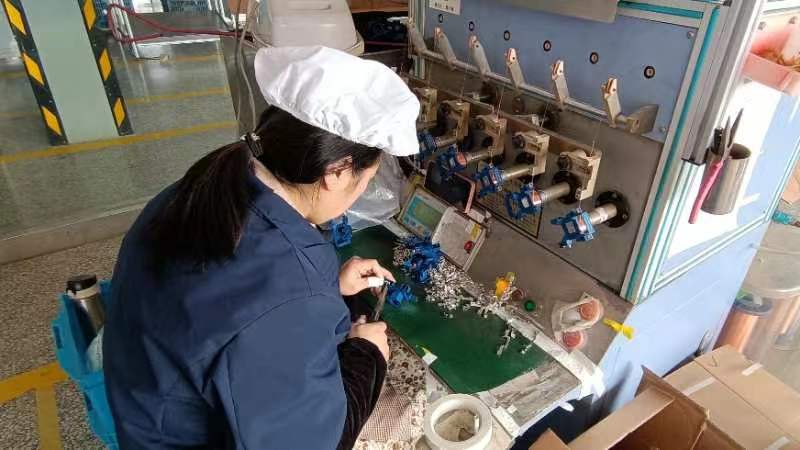
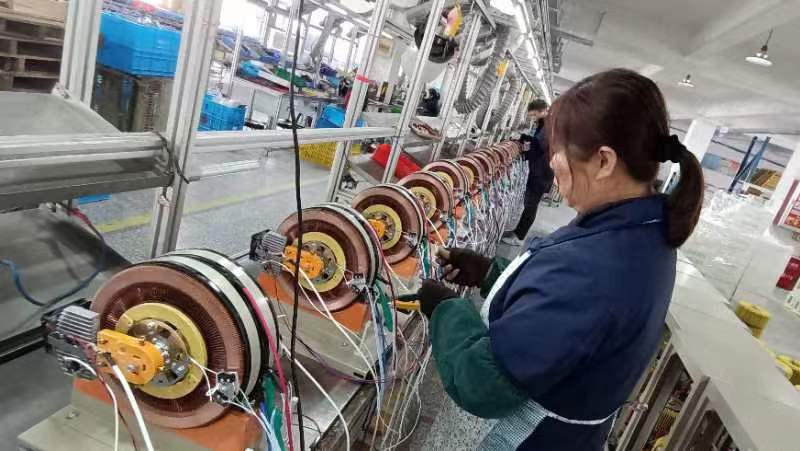
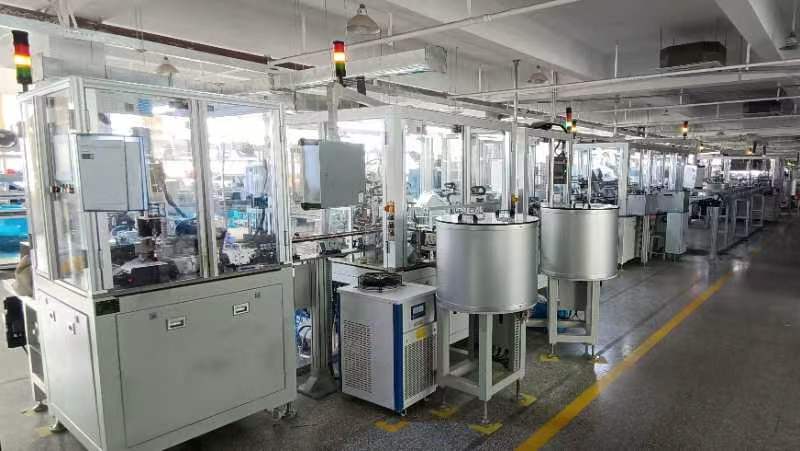
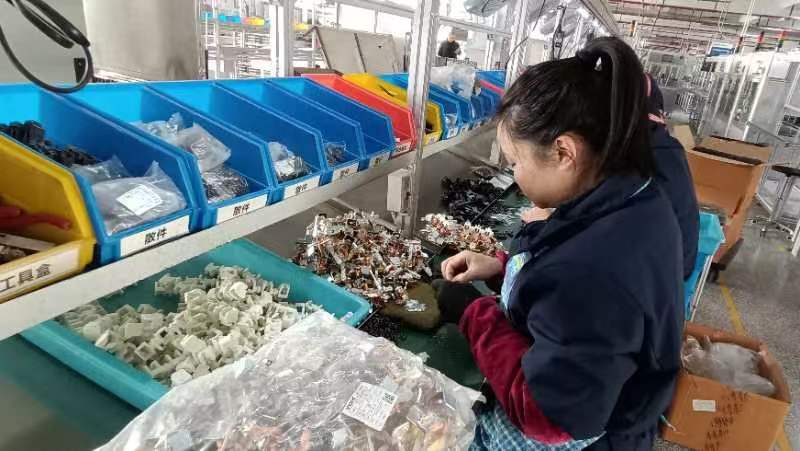
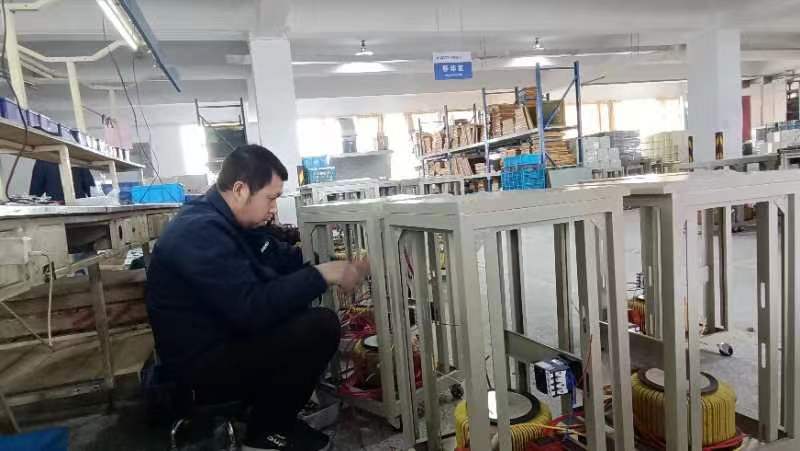
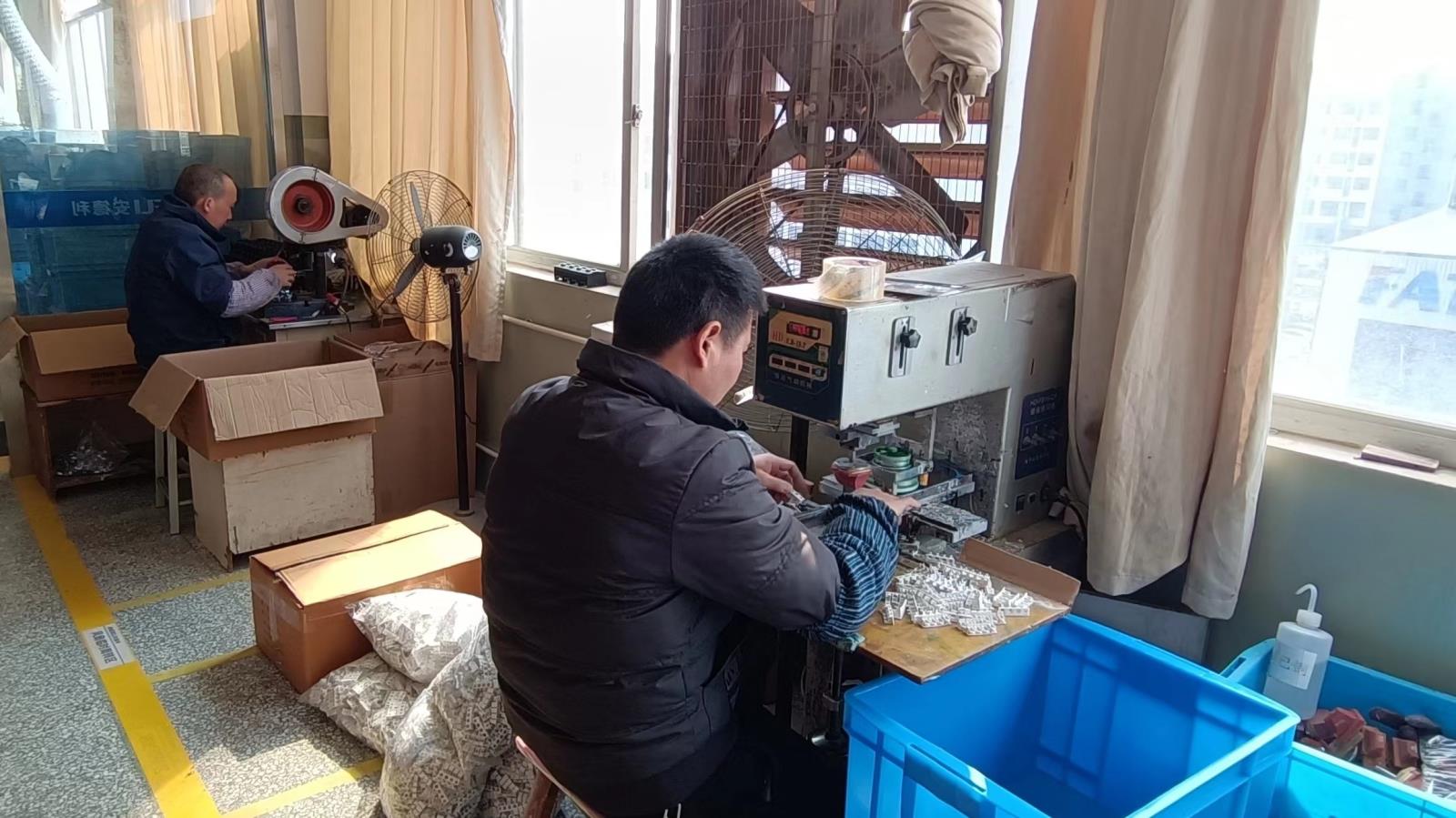
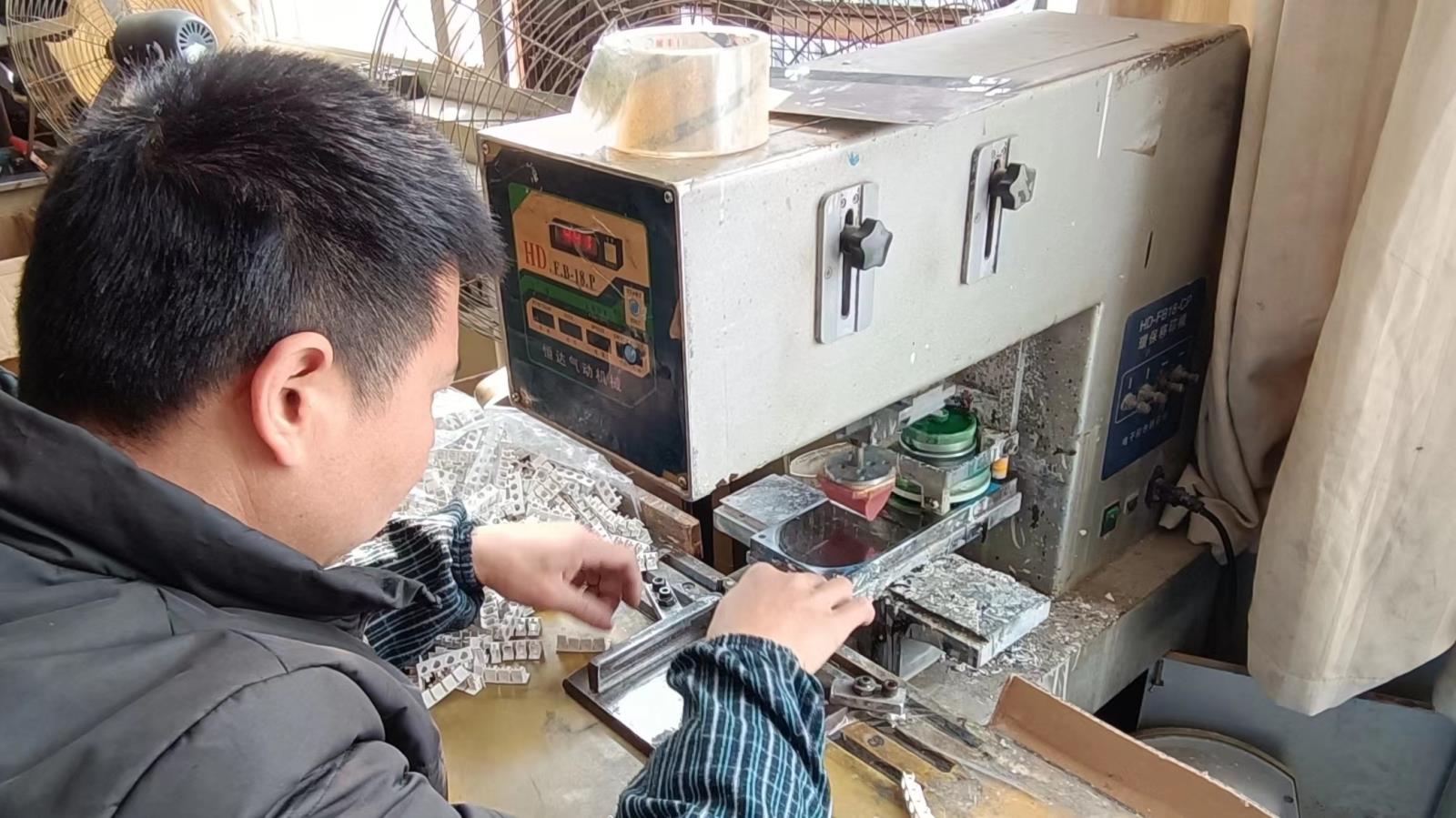
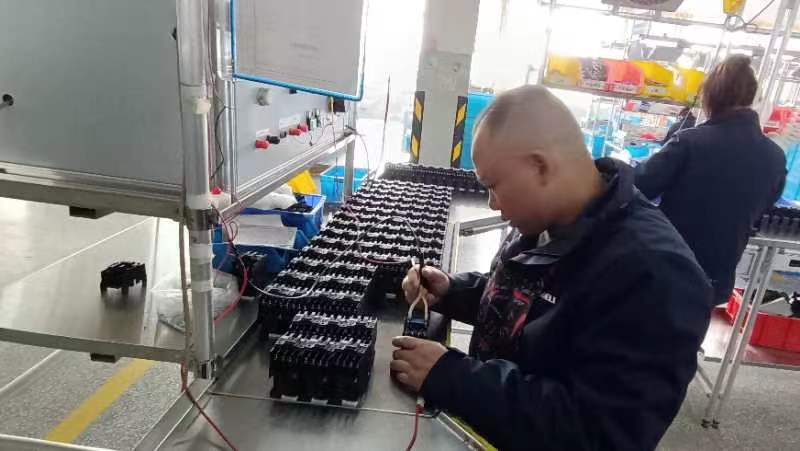
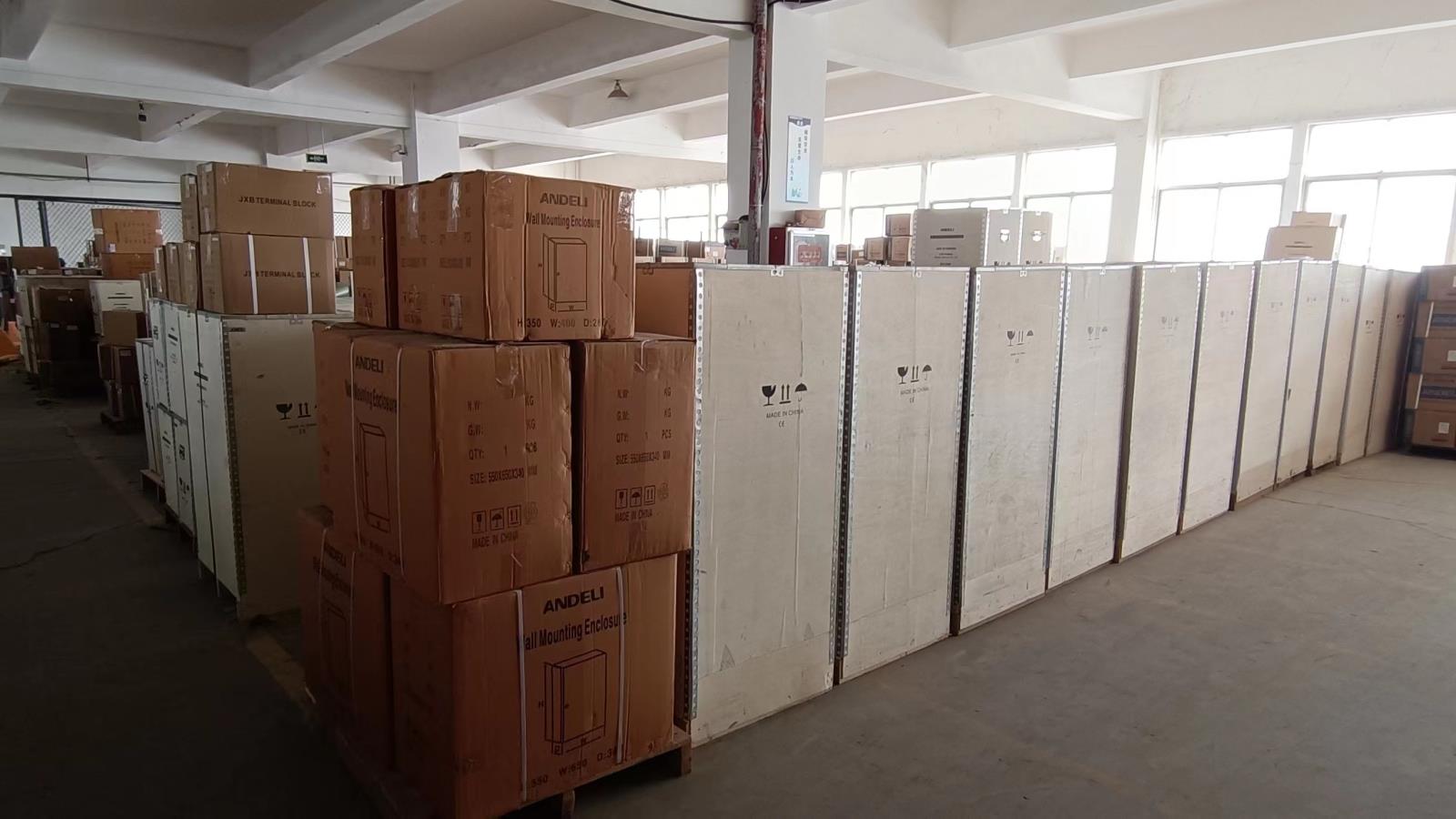
UniWave Electric operates as a strategic engineering partner rather than a simple supplier. We understand that global power relay applications demand customized approaches. Factors like spatial restrictions in compact electrical cabinets, specific contact combinations, and distinct inrush profile characteristics mean that standardized products are not always the optimal solution.
Our comprehensive OEM and ODM programs allow us to adapt products to your exact requirements. We collaborate closely with your engineering teams from initial CAD prototypes to final certified products. We can customize crucial parameters including coil sensitivity, terminal geometries, magnetic core properties, and contact material mixtures (such as Silver Nickel for resistive loads and Silver Tin Oxide for inductive setups).
Our production capabilities ensure rapid development cycles, reducing the typical timeline from prototype validation to mass production. By utilizing advanced plastic injection molding, automated coil winding, and custom laser marking systems, we deliver components that install easily, integrate with your current systems, and carry the necessary international certifications.
Tailored operating voltages (both DC and AC formats) from 5VDC up to 480VAC, designed to optimize energy efficiency and thermal dissipation characteristics.
Specialized alloys formulated to manage contact welding, capacitive rush peaks, and minimize contact oxidation under high-humidity environments.
Custom terminal pins, quick-connect lugs, PCB through-hole positioning, or dedicated DIN-rail mounts designed for secure installation.
How we support design engineers and purchasing departments with detailed technical verification, material testing, and quality control.
For global distributors and system builders, product failures in the field represent a significant liability. Reliable system design begins with robust component sourcing. Our testing laboratory conducts extensive evaluations of both mechanical operations and electrical contacts under load to verify long-term performance.
We perform regular dielectric strength tests to ensure robust electrical isolation between the control coil and power contact assemblies. This prevents voltage surges from damaging sensitive logic controllers. In addition, our automated testing stations verify pickup and dropout voltages across varying temperature profiles, ensuring stable operation even under fluctuating voltage supply conditions.
Operating from our specialized hub in Wenzhou, China, allows us to balance performance and cost efficiency. The concentration of component manufacturers in Liushi provides us with access to high-quality raw materials and efficient local logistics networks, enabling shorter production lead times.
We support global supply chains through responsive production scheduling and inventory management. Whether coordinating mixed container shipments for regional distributors or supplying components for high-volume manufacturing lines, our logistics team handles all export documentation, custom clearance clearances, and compliance processes.
By offering complete engineering data packages, including 3D step files, electrical schematic diagrams, and comprehensive testing documentation, we help clients simplify their engineering evaluation processes and accelerate overall time-to-market.
Answers to common engineering questions regarding selection, thermal limits, and application considerations.
Contactor-type power relays are designed to switch high current and voltage loads (typically over 10A to hundreds of amps), featuring heavy-duty contact materials, larger creepage/clearance distances, and arc suppression features. Signal relays are optimized for low-level logic switching, prioritizing minimal contact resistance and signal preservation over raw power handling capability.
Inductive loads generate significant back-EMF voltage transients upon opening, resulting in electrical arcing. Under these conditions, Silver Tin Oxide (AgSnO2) contacts provide excellent resistance to metal transfer, welding, and erosion compared to traditional Silver Nickel (AgNi) contacts, making them suitable for motor starting, solenoid control, and power supply switching.
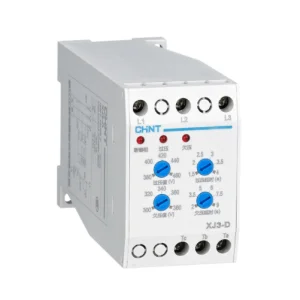
Phase sequence protection relays, such as our XJ3-D series, prevent three-phase motors from running in reverse in the event of phase sequence errors. They monitor supply voltage consistency and instantly open control contacts if phase failure, phase asymmetry, or phase reversal is detected, preventing mechanical damage and electrical overheating.
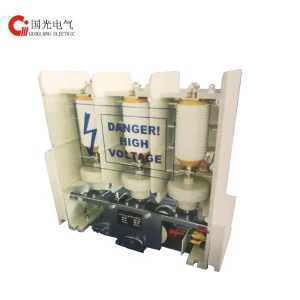
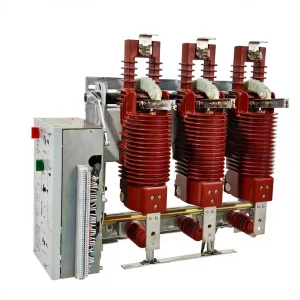
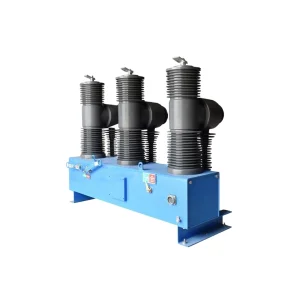
Vacuum contactors house their switching contacts inside a hermetically sealed vacuum chamber. Because vacuum has high dielectric strength, any arc generated during switching is quickly extinguished. This design minimizes contact wear, reduces unit size, prevents oxidation, and enables high-voltage switching (e.g., 6kV to 12kV) within a compact footprint.
Higher operating temperatures increase coil winding resistance, which reduces coil current and magnetic holding force. This can lead to contact chatter, increased contact resistance, and potential contact welding. Our designs utilize class F and H winding insulation along with ventilation pathways to maintain performance across broad operating temperature ranges.
For environmental protection, we provide sealed housing designs (RT III ratings) to prevent dust and moisture ingress. For mounting, we offer various configurations, including PCB terminals for wave soldering, quick-connect spade terminals, screw chassis mounts, and standard DIN-rail assemblies for industrial control cabinets.
Complete your power configuration with our range of low-voltage air circuit breakers, vacuum breakers, backflow preventers, and magnetic contactors.