 UniWave Electric
UniWave Electric
UniWave Electric
In modern industrial and commercial infrastructure, power systems form the bedrock of operations. The term Air Circuit Protection defines a broad class of low-voltage switchgears and relays—including Air Circuit Breakers (ACBs), Molded Case Circuit Breakers (MCCBs), Miniature Circuit Breakers (MCBs), vacuum contactors, and protective relays—designed to intercept overcurrent, short-circuit faults, and phase anomalies before they cause catastrophic damage. As global electricity demands soar alongside industrial automation, selecting the right partner from the leading Air Circuit Protection suppliers is not merely a purchasing task; it is a critical strategy for mitigating risks, maintaining operational continuity, and achieving long-term sustainability.
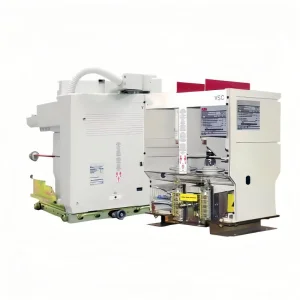
Today's global market demand is split between two major operational criteria: safety compliance and technological intelligence. Heavy industrial plants require highly durable mechanical switchgear like ACBs and vacuum contactors capable of handling continuous loads of up to 7400A under intense conditions. Simultaneously, commercial facilities demand space-efficient solutions, such as DIN-rail mounted MCBs and solid-state relays, that interface cleanly with Building Management Systems (BMS). Achieving this balance requires deep technical expertise, robust manufacturing capacity, and strict quality control.
Air circuit protection devices are not one-size-fits-all. Different environments present distinct electrical profiles, environmental challenges, and regulatory needs. Below, we examine key application scenarios where specific devices are deployed:
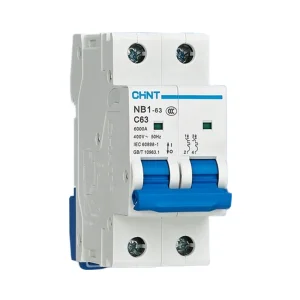
With solar installations generating substantial DC power before inversion, circuit breakers like the CHNT AC/DC Universal Circuit Breaker NB1Z-63 are vital. They manage bidirectional current flows and protect inverters from localized surges and thermal overloads caused by ambient heat.
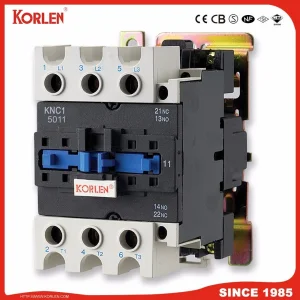
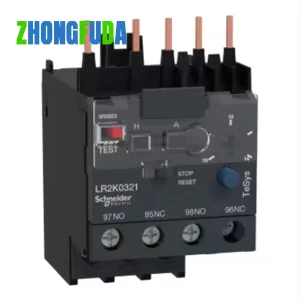
Industrial equipment experiences high inrush currents during startup. Devices like Cjx2 AC Contactors combined with Thermal Overload Relays (e.g., LR2K0321) prevent motor winding burnout while avoiding nuisance trips, securing stable uptime for assembly and packaging lines.
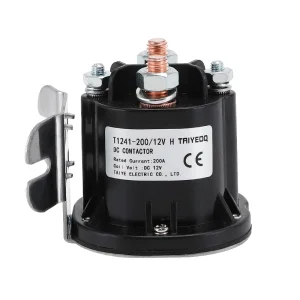
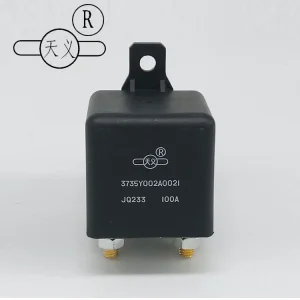
Electric forklifts, warehouse automated guided vehicles (AGVs), and auxiliary winches rely on high-amperage, low-voltage direct current. Utilizing specialized 12V/24V/48V 200A 1NO DC Contactors protects battery packs and drive motors from overload conditions.
The electrical protection industry is transitioning from reactive mechanical safety components to smart, predictive, and integrated edge-computing nodes. This evolution is driven by the need for real-time monitoring and smart energy management.
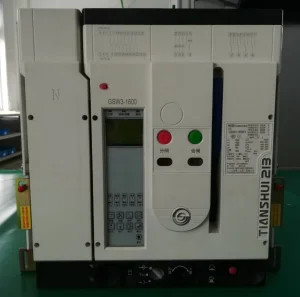
Traditional circuit breakers used bi-metallic strips and electromagnetic coils to trigger trips based on thermal heat and magnetic fields. Modern designs rely on digital microcontrollers embedded directly within the unit. Devices like the GSW3 Intelligent Air Circuit Breaker monitor waveforms, calculate true RMS values, and communicate status via Modbus or Ethernet protocols, giving operators insight into system health and power usage.
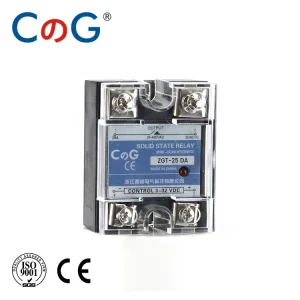
In high-frequency switching setups, mechanical contacts are prone to wear and arcing. Solid-State Relays (SSRs), such as the CG SSR-25DA, leverage optocouplers and thyristors to switch loads without moving parts. This design eliminates contact bounce, provides galvanic isolation, and extends operational life, making them ideal for temperature control systems and precision heaters.
| Technology Phase | Core Characteristics | Primary Advantages | Key Products Covered |
|---|---|---|---|
| Phase 1: Mechanical Protection | Thermal-magnetic, mechanical contact dynamics, bi-metallic strips. | Proven reliability, cost-effective, zero power draw. | LR2K0321 Thermal Relay, Cjx2 AC Contactor |
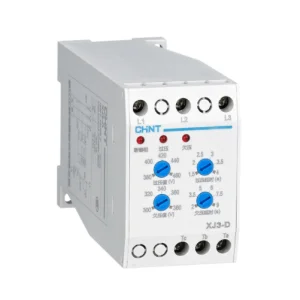
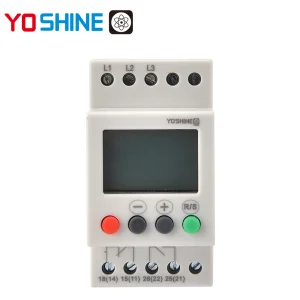
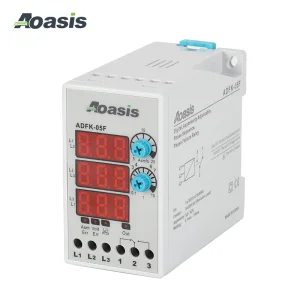
| Phase 2: Digital Diagnostics | Microprocessor trips, adjustable asymmetry, phase loss sensing. | Precise adjustments, early diagnostic indicators. | DFK-05F Digital Relay, XJ3 Phase Sequence Relay |
| Phase 3: IoT & Smart Edge Integration | Real-time telemetry, remote operation, high-interrupt capacities. | Predictive maintenance, automated smart building control. | GSW3 Intelligent ACB, WiFi Smart MCB Series |
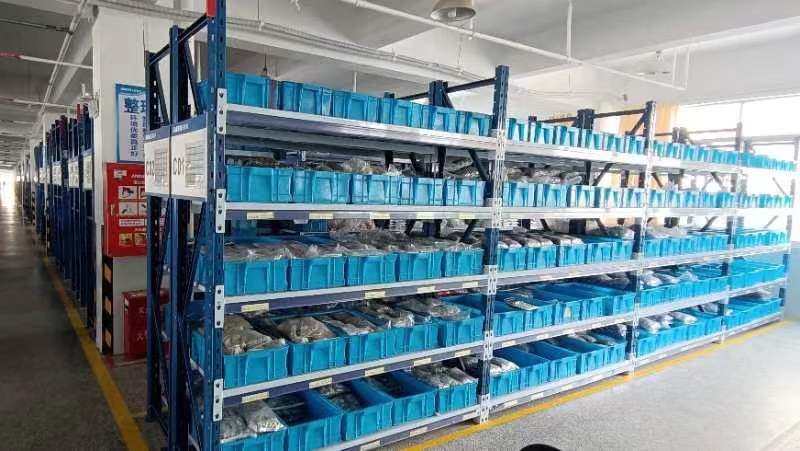
Wenzhou UniWave Electric Co., Ltd. operates in Liushi, Yueqing, Wenzhou, China—widely recognized as the "City of Low Voltage Electrical Appliances." This specialized manufacturing hub provides access to a comprehensive supply chain, from high-grade raw materials and precision winding components to automated testing labs. This geographic advantage allows us to deliver high quality, short lead times, and competitive pricing.
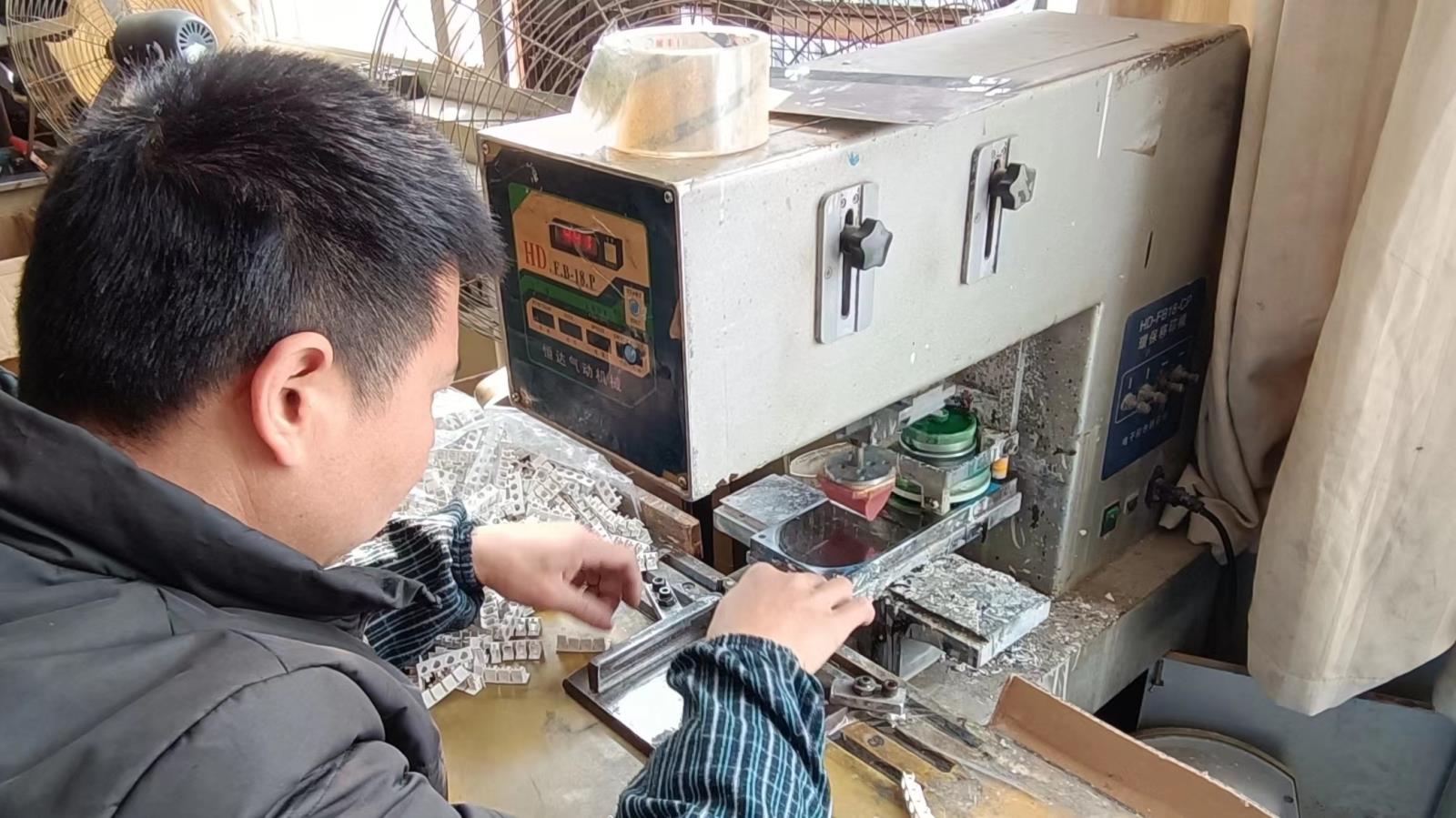
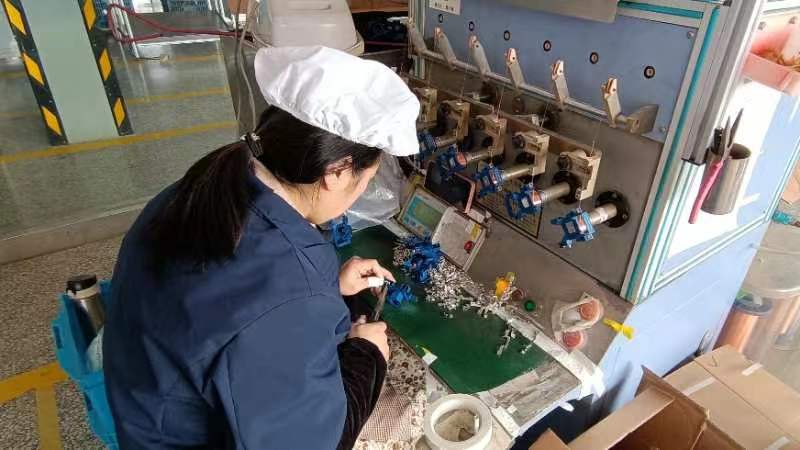
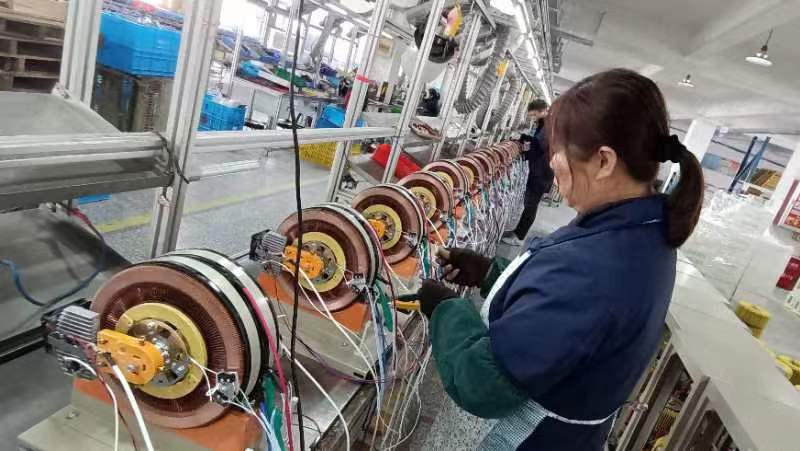
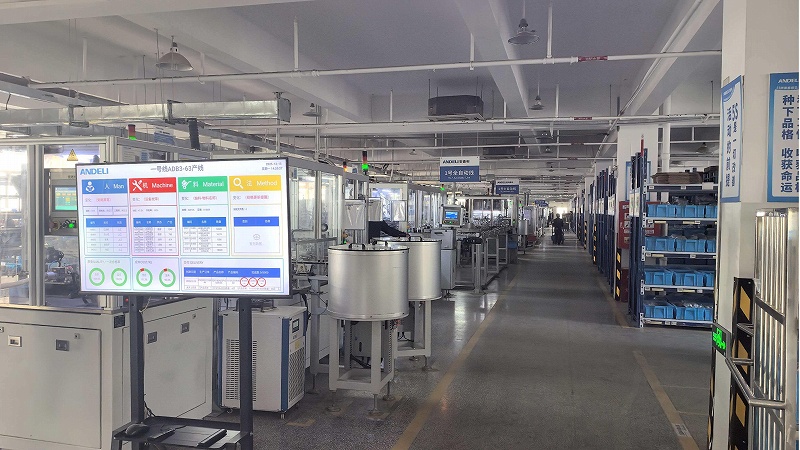
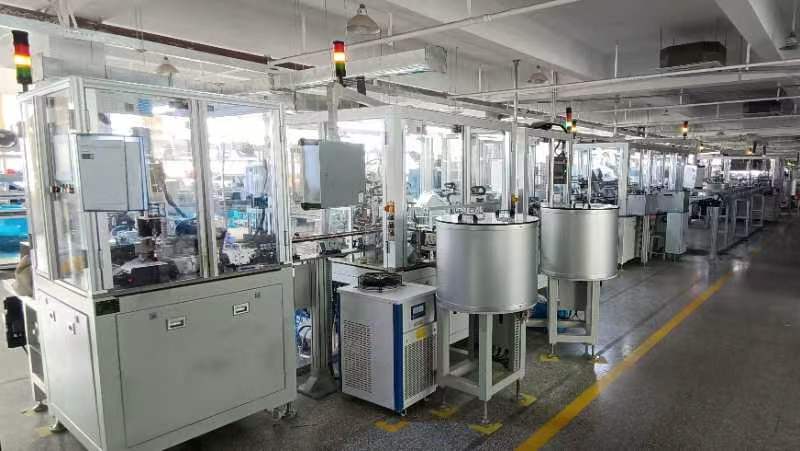
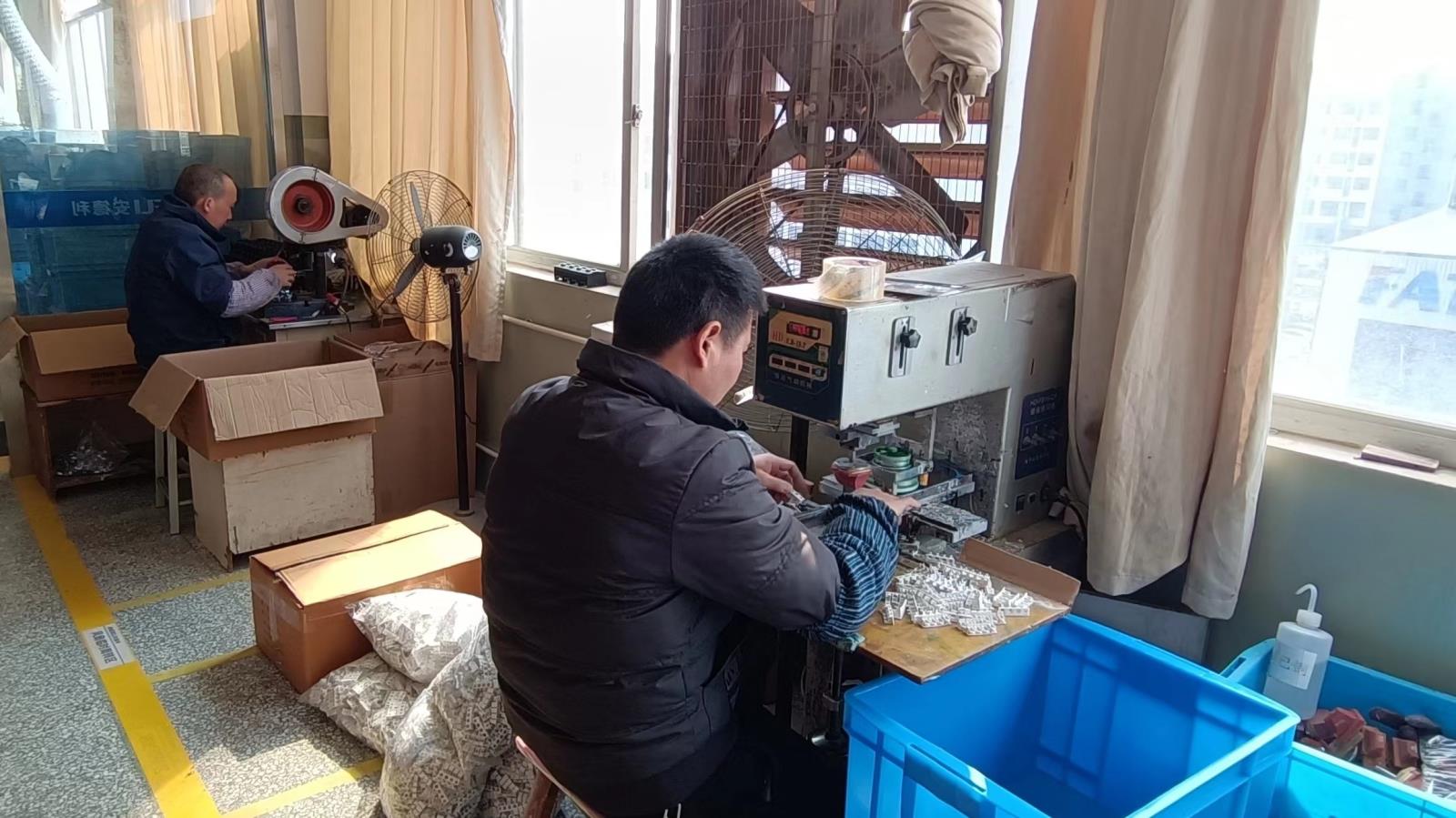
Our facility is equipped with automated assembly machines, winding systems, and quality inspection tools. With over 25 years of manufacturing experience, we ensure every component—whether a 10kA miniature breaker or a high-voltage vacuum contactor—strictly complies with IEC standards and is certified by international bodies including SAA, CE, CB, and ISO9001.
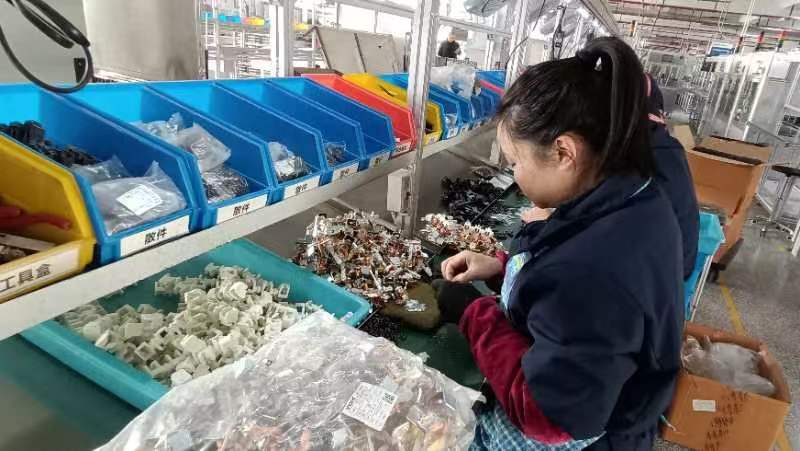
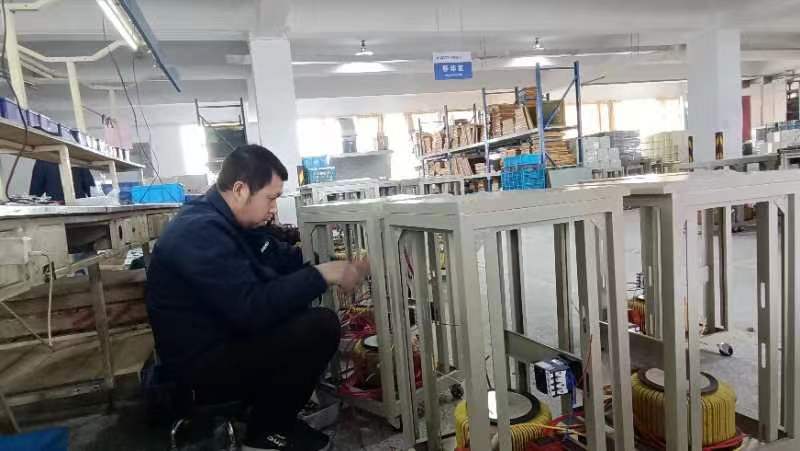
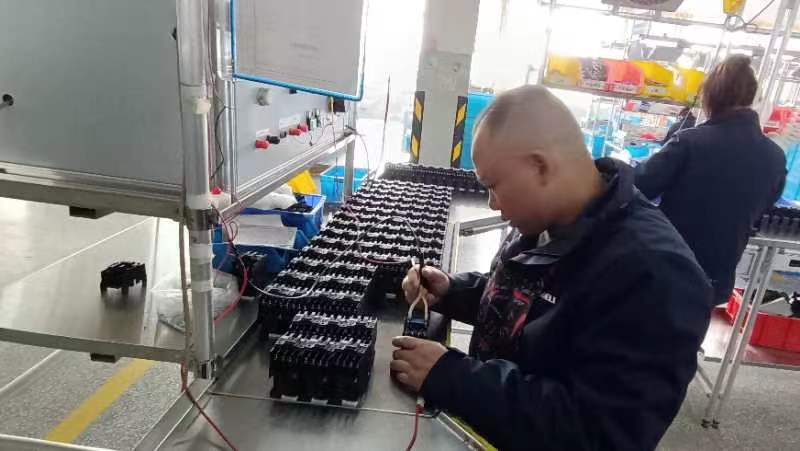
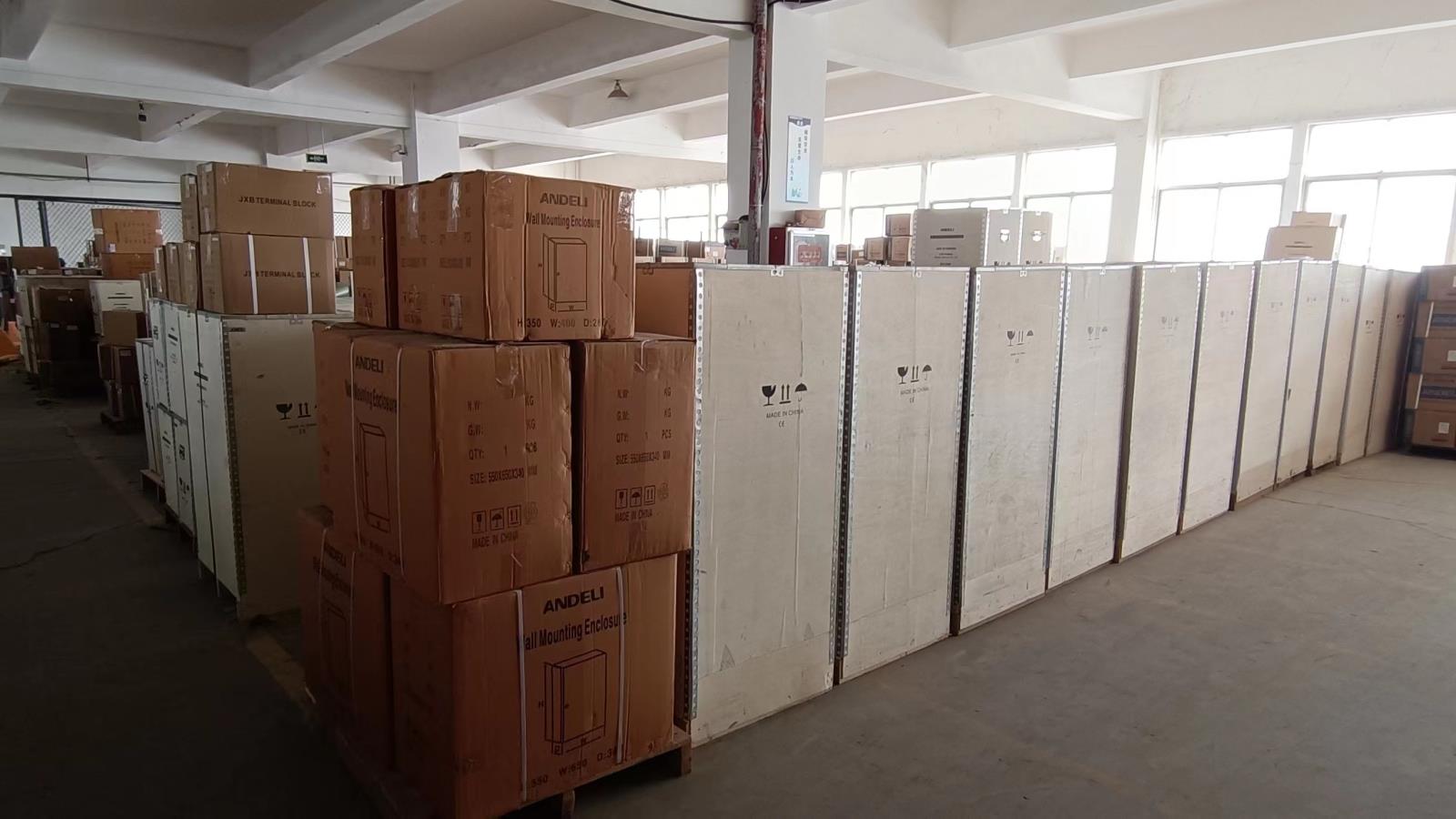
Electrical components operate under strict regional safety frameworks. Global compliance ensures imports clear customs efficiently and installations align with local electrical codes.
IEC Compliance (International Electrotechnical Commission): The foundational standard for low-voltage systems. All MCBs and contactors must meet standards like IEC 60947-2 (for circuit breakers) and IEC 60947-4-1 (for contactors and motor starters). These certifications verify that the devices can safely interrupt fault currents up to their rated breaking capacity without posing danger to personnel.
SAA & CE Certifications: Crucial for accessing the European Union and Oceanic regions. Compliance confirms the equipment meets essential safety and environmental protection rules, preventing project delays and liability issues.
Our engineering team answers common questions about selecting, installing, and maintaining circuit protection components.
Partner with Wenzhou UniWave Electric to access certified, high-performance air circuit protection components. Our engineers are ready to assist with your specific requirements.
Contact Our Engineering Experts Now