UniWave Electric UniWave Electric

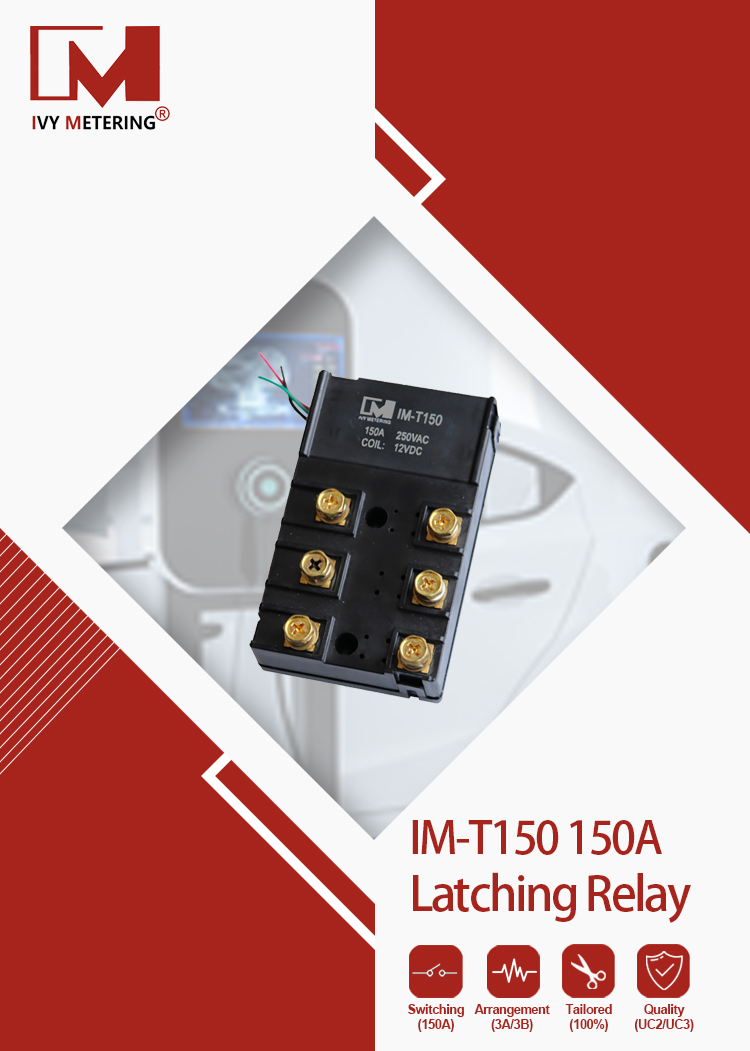
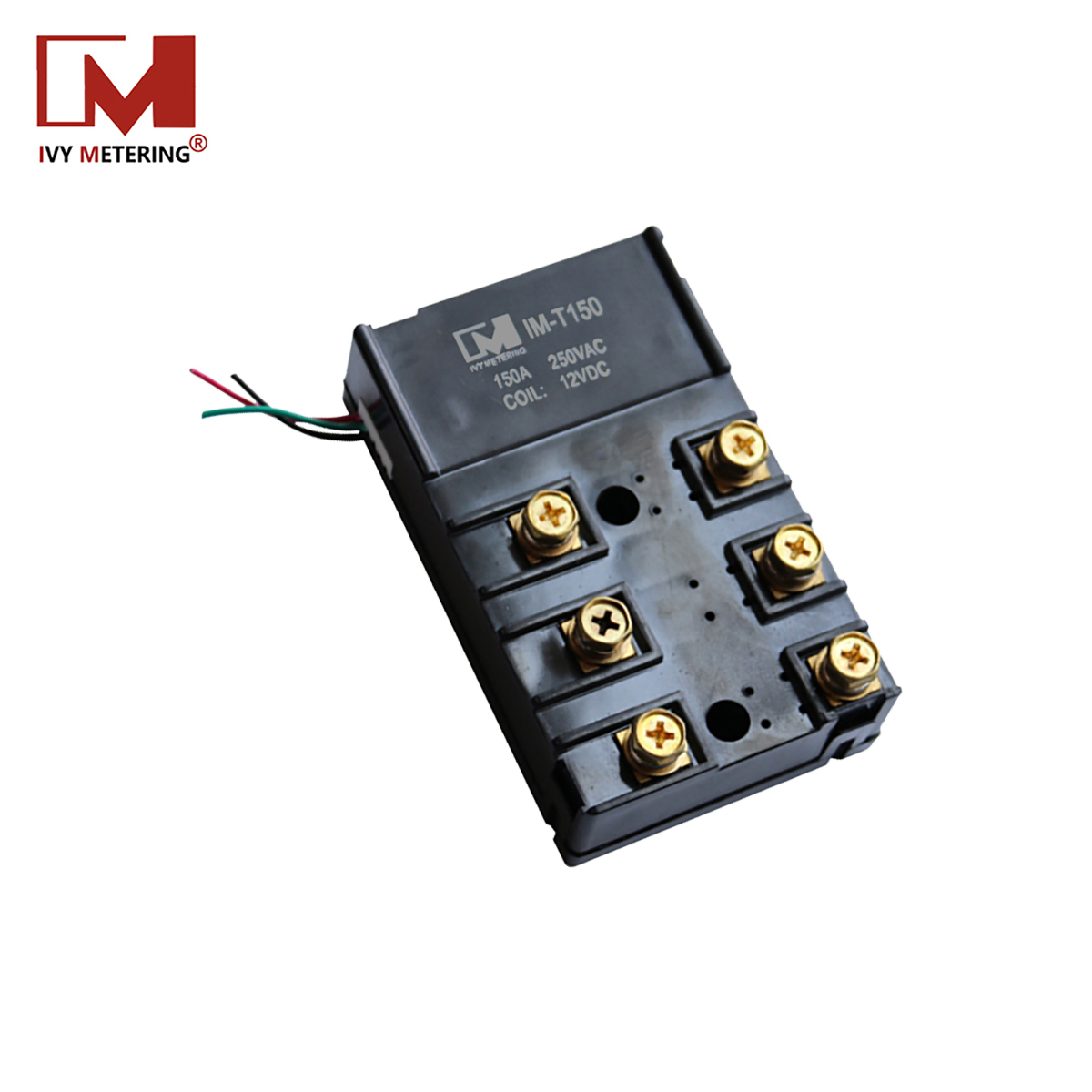
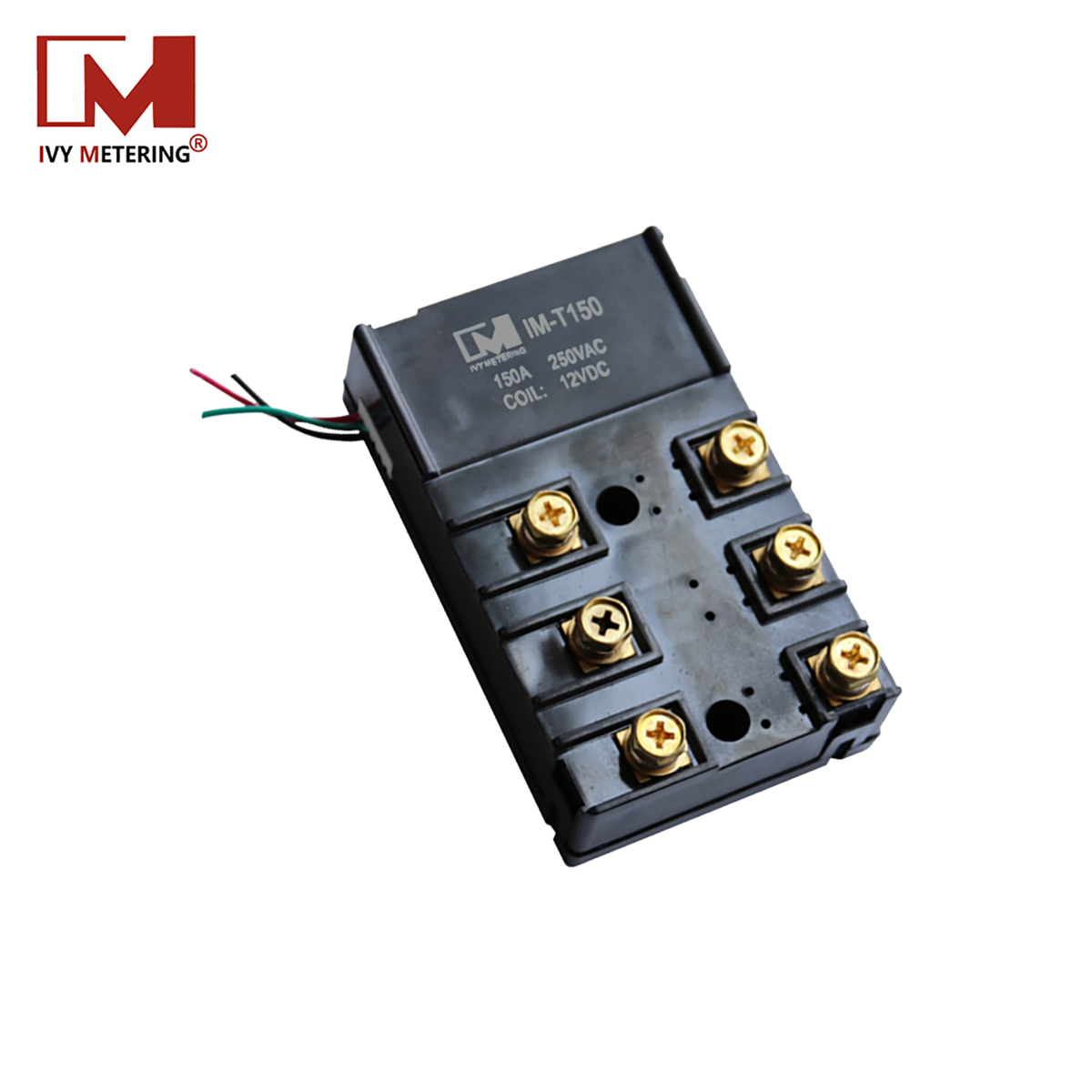
IVY IM-T150 150A 250VAC 3PST 12V 24V 48VDC 3 Pole Power Latching Relay With Auxiliary Contact

Product Description

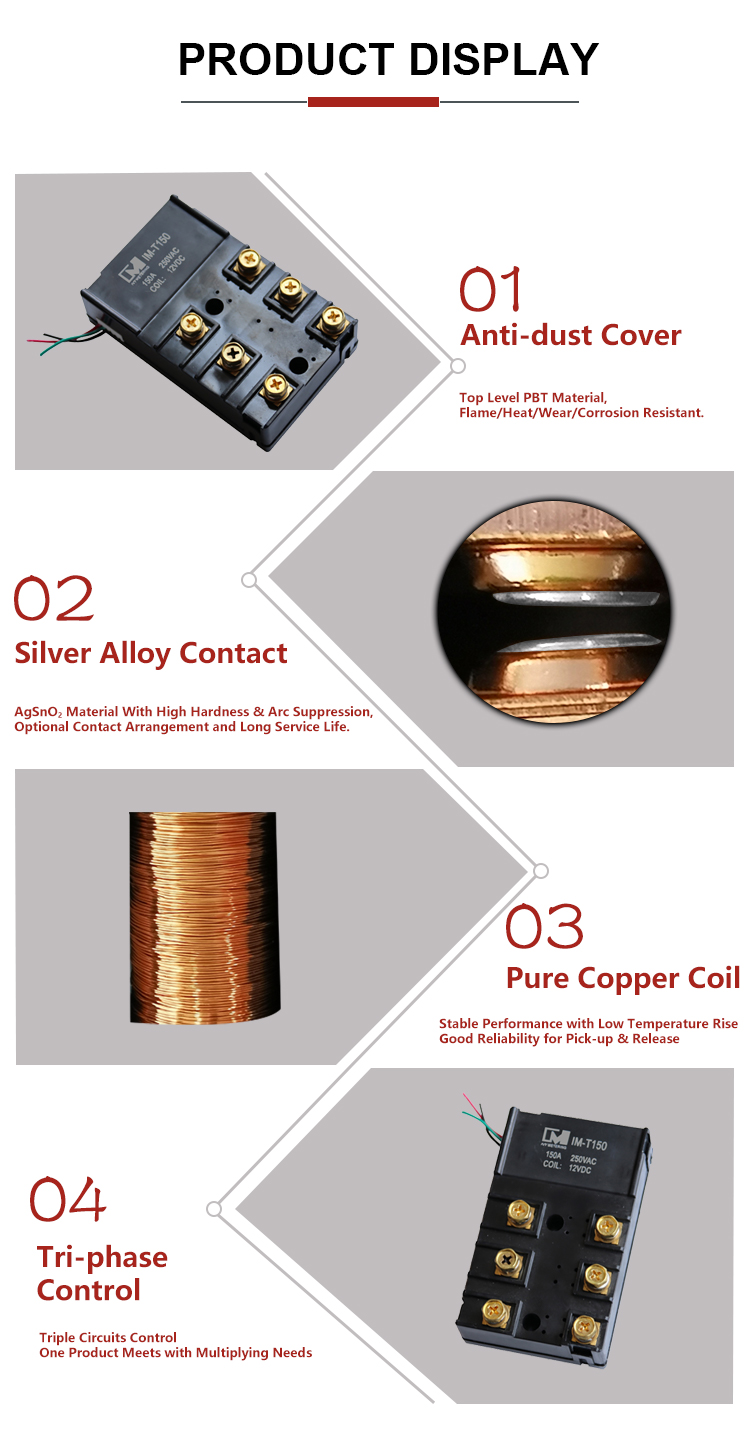
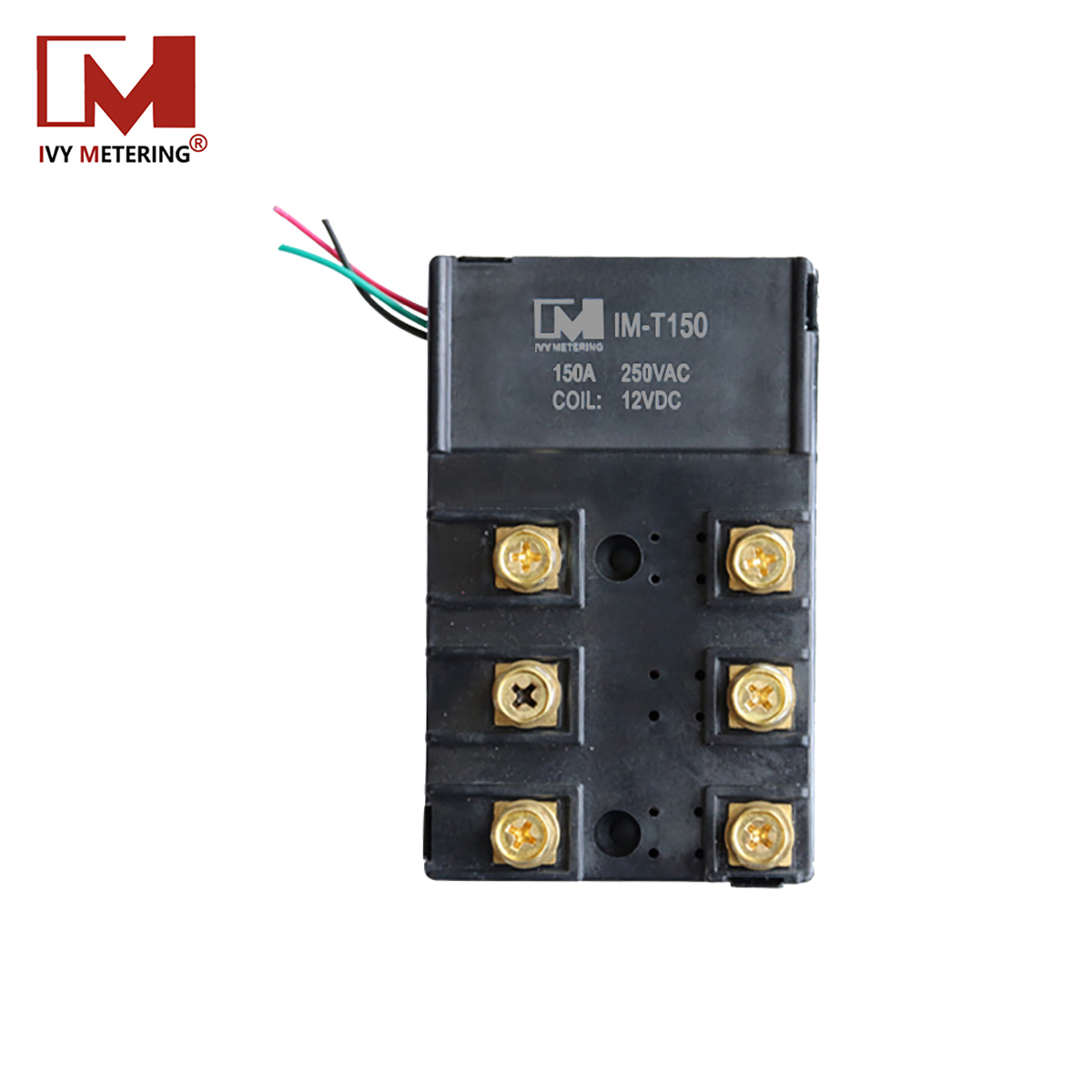
Relay Detail Image 1
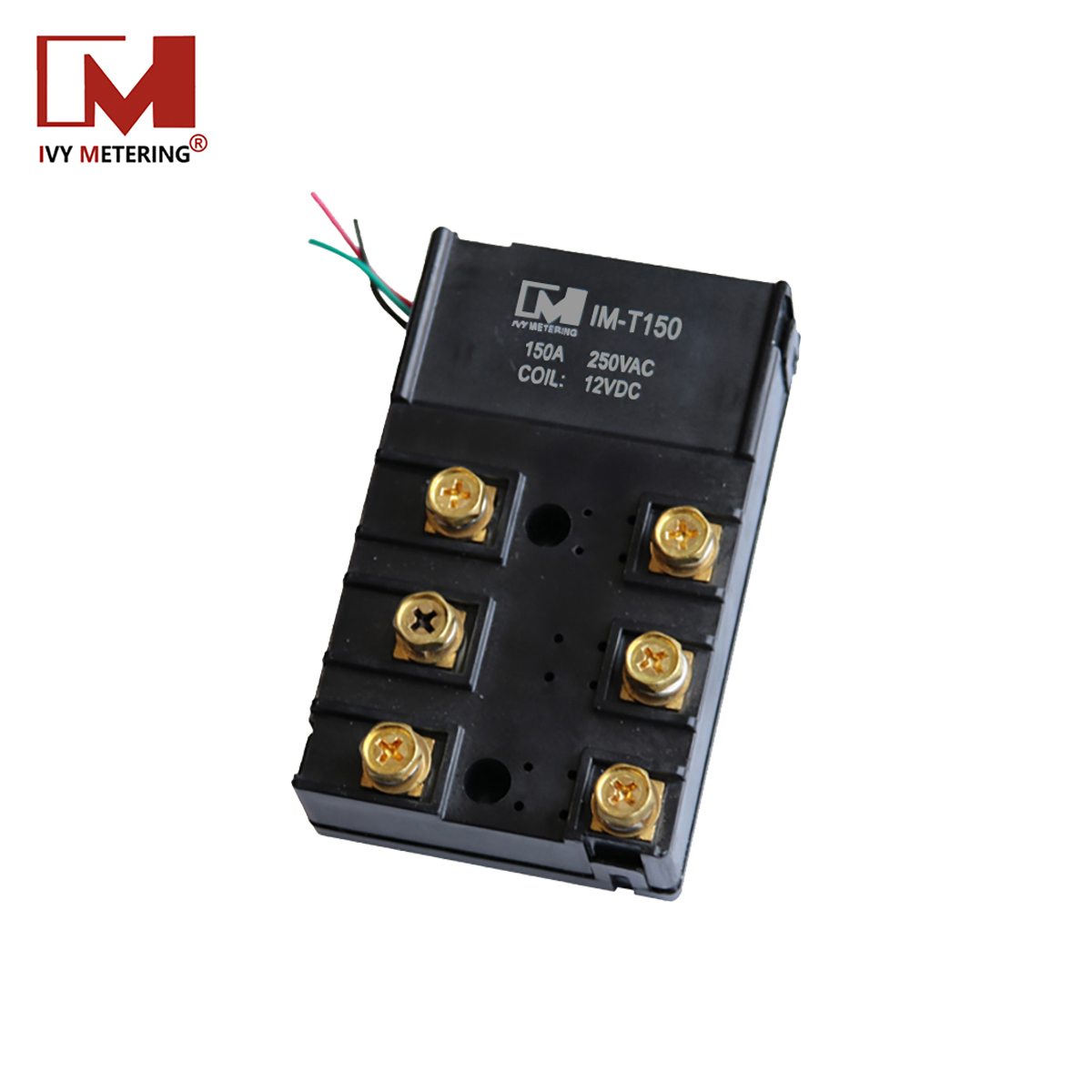
Relay Detail Image 2
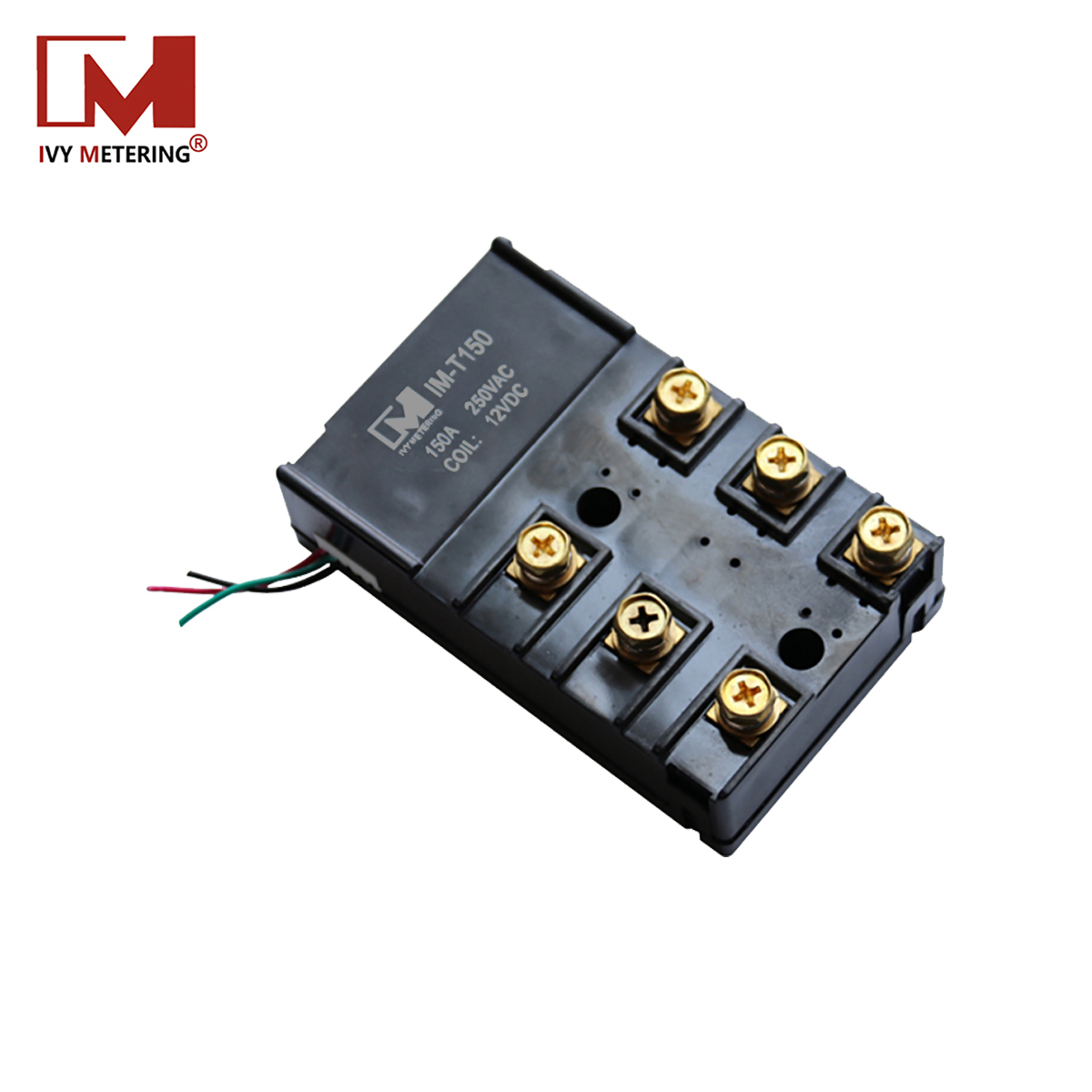
Relay Detail Image 3
Basic Data
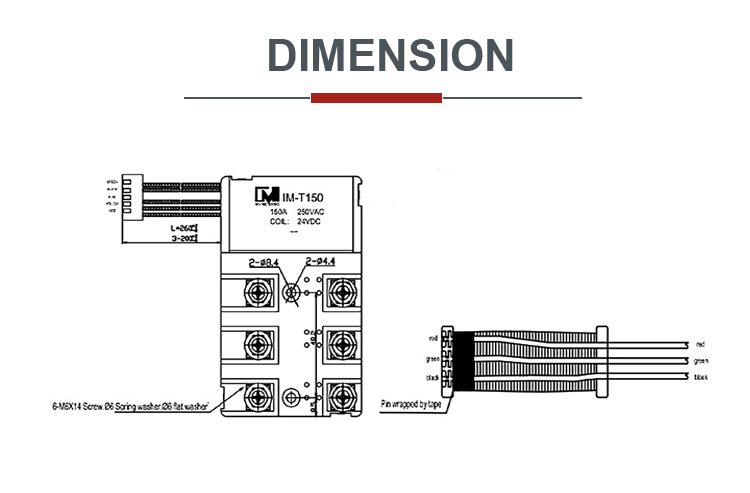
Dimension (mm) 110 × 68 × 35
Weight ( g ) 424
Contact Arrangement 3A/3B
Contact Material AgSnO2
Ambient Temperature -40 ~ 70 ℃
Ambient Humidity 45% ~ 90% RH
Vibration 10 ~ 55Hz, 1.5mm (DA)
Specification Data
Nominal Voltage 6 ~ 48VDC
Power Consumption Single Coil: 3.0W, Dual Coil: 6.0W
Max. Switching Voltage 250VAC
Max. Switching Current 150A
Max. Switching Power 37500 VA
Contact Resistance < 2.0 mΩ
Insulation Resistance 1000MΩ (DC 500V)
Dielectric Creepage 8 mm
Dielectric Strength (Across Open Contact) > 2000VAC 1min
Dielectric Strength (Coil to Contact) > 4000VAC 1min
Electrical Life 10,000 cycles
Mechanical Life 100,000 cycles
Picking-up & Release Time ≤ 50ms
Pulse Duration 100 ms
Functional Shock Resistance 10G
Destructive Shock Resistance 100G
Relay Detail Image 4
Relay Detail Image 5
Relay Detail Image 6
Relay Detail Image 7
Relay Detail Image 8
Relay Detail Image 9

Cautions of Latching Relay

1. Suggestions of relay’s input
(1) Polarity: Please check the polarity inside the technical specification. If single coil then "+ -" or "- +" are fine, and you can change it by one pulse. If double coil, it is necessary to confirm "-+-" or "+-+" before leaving the factory.
(2) Driving: Please energize the relay at the recommended pulse width and rated voltage for reliable performance. If using 1.5 times or 2 times of the value, or under lower driving conditions, please confirm with the engineering support team.
(3) Relays’ contact status: The status may be changed during transportation or installation due to the impact of external forces. Therefore, please reset it to the required status.
2. Suggestions of relay’s output
(1) Hard connection: When choosing a relay with a hard connection, please avoid external force on load terminals during or after the installation.
(2) Screw/Bolt Terminals: When the relay is connected with screws or bolts to the terminals, please make sure your connection is securely fastened to prevent the relay from damages or safety problems due to temperature rise.
(3) Sampling signal wires: The sampling signal wires of products are limited. Please do not pull or torque them during installation.

Frequently Asked Questions

How should the polarity of a latching relay be verified?
Please verify the polarity according to the technical specifications. Single coil configurations work with either "+ -" or "- +" and can be switched with one pulse. Double coil configurations require confirming either "-+-" or "+-+" polarity before leaving the factory.
What are the recommended driving conditions for optimal performance?
Energize the relay using the recommended pulse width and rated voltage. If your application conditions require 1.5 to 2 times the values or lower driving conditions, please consult with technical support.
What should be done if the relay's contact status shifts during transport?
The contacts of the relay may change state due to external vibration and impacts during transport or installation. Always reset the contacts to the required status before starting operations.
How should hard connection relays be handled during installation?
For relays with hard connections, ensure that no external forces or physical strain are applied to the load terminals during or after the installation process.
How do you prevent relay damage caused by temperature rise?
When securing terminal connections with screws or bolts, make sure they are tightly fastened. Poorly fastened terminals can lead to increased electrical resistance, causing temperature rises that damage the component.
What precaution applies to the relay's sampling signal wires?
The structural tolerance of the sampling signal wires is limited. Do not pull, twist, or subject these wires to high torque during the installation.

Related Products