UniWave Electric UniWave Electric

Top 10 Isolation Switch Factories & Exporters

High-Voltage & Low-Voltage Industrial Disconnectors: A B2B Global Procurement Whitepaper & Supplier Directory

Advanced Circuit Protection & Safety Control Solutions

Explore our top-tier vacuum circuit breakers, intelligent air disconnectors, and precision protective relays engineered for high-availability systems.
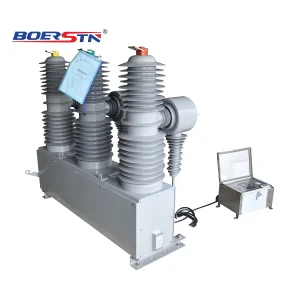
33Kv 35Kv 40.5Kv High Voltage Outdoor Vacuum Circuit Breaker ZW32-40.5

33Kv 35Kv 40.5Kv High Voltage Outdoor Vacuum Circuit Breaker ZW32-40.5 High Voltage Auto Recloser VCB For Power Distribution

View Specifications
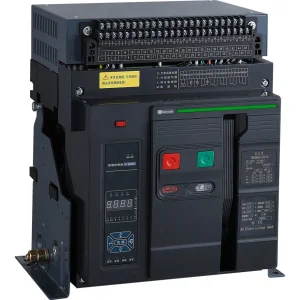
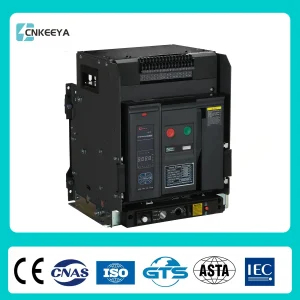
Cnkeeya Air Circuit Breaker

Cnkeeya Air Circuit Breaker / 2000A Air Circuit Breaker Acb / Fixed Type Air Circuit Breaker

View Specifications
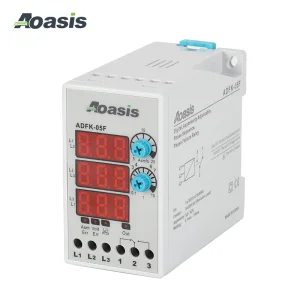
DFK-05F Digital Phase Sequence Relay

A DFK-05F Digital, Asymmerty Adjustable, Phase Sequence, Phase Failure Relay

View Specifications
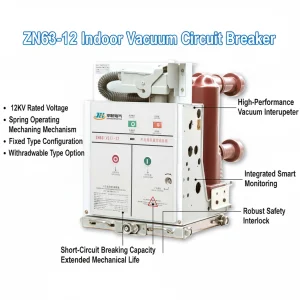
Three Phase ZN63-12 Vacuum Circuit Breaker

Three Phase ZN63-12 12kv 11kv 6.6kv Vcb Vacuum Circuit Breaker Electrical Supplies

View Specifications
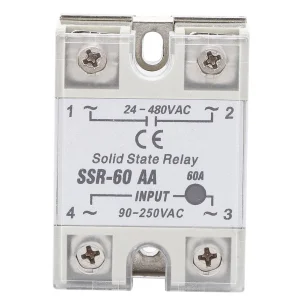
Ssr-60da-h High Voltage Solid State Relay

Ssr-60da-h High voltage 480V control voltage 3-32VDC single-phase SSR solid-state relay

View Specifications
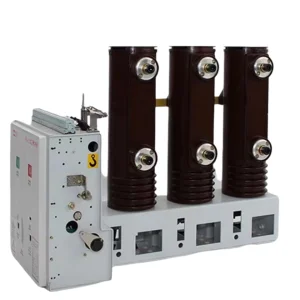
Indoor Side-mounted Draw-out VS1 Vacuum Circuit Breaker

Indoor Side-mounted Draw-out Three Phase VS1 Model Voltop Brand Vacuum Circuit Breaker 6kV-40.5kV Compact Miniaturized Full

View Specifications
Data Center Power Safety Protection Sac Series ACB

Data Center Power Safety Protection Sac Series Air Circuit Breaker

View Specifications
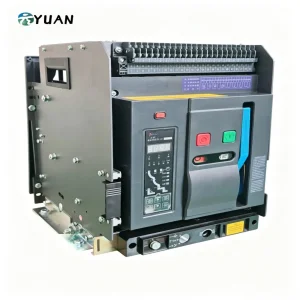
Intelligent 3 Pole 2000A Draw-out Type Air Circuit Breaker

Intelligent 3 Pole 2000A Draw-out Type Air Circuit Breaker (ACB) for Power Distribution

View Specifications

Whitepaper: Industrial Isolation Technology

An authoritative exploration of modern disconnect switch advancements, material physics, and safety optimization protocols.

1. The Evolution of Industrial Disconnectors & Isolation Switches

In modern electrical engineering, the isolation switch (often referred to as a disconnector) is the cornerstone of circuit safety. Unlike circuit breakers, which are designed to interrupt high-voltage faults and load currents under standard operational envelopes, an isolation switch provides an unambiguous, visible break in an electrical circuit. This physical separation guarantees that downstream maintenance crews can perform diagnostic or structural repairs under zero-voltage conditions.

Over the past two decades, the global electrical grid has undergone a major shift. The rise of renewable energy integration (especially utility-scale solar PV and wind systems) has driven the demand for high-capacity, heavy-duty electrical disconnectors. Isolation switches must now endure extreme environments, ranging from sub-zero wind fields to high-temperature deserts. Manufacturers are responding by moving away from simple mechanical knife switches toward intelligent, modular, and hermetically sealed safety switches that prevent accidental arc flashes and increase personnel safety.

Information Gain Indicator: In high-voltage DC configurations (such as solar fields exceeding 1000V DC), standard AC isolation switches are unsuitable due to the continuous nature of DC arcs. Specialized DC disconnect switches with rapid-arc-quenching magnetic runners are required to ensure safe load separation without terminal meltdown.

2. Key Differences: Disconnectors vs. Load Break Switches vs. Circuit Breakers

For international procurement departments, understanding the mechanical boundaries of safety devices is critical to avoiding system specification errors. Below is a comparative overview of switchgear roles:

Switchgear Class Load Interrupting Capability Arc Chute / Quenching Mechanism Primary Functional Role Grid Execution Standard
Isolation Switch (Disconnector) Off-Load Operation Only (No Arc Interruption) Minimal to None (Visible Air Break) Guarantees circuit isolation for safe system maintenance. IEC / EN 60947-3
Load Break Switch (LBS) Can break nominal currents up to rated values Compact Arc Chutes integrated into contacts Facilitates manual or motorized path-switching under load. IEC / EN 60947-3
Circuit Breaker (MCB / MCCB / ACB / VCB) Handles heavy short-circuit fault currents Advanced Vacuum, SF6, or High-Volume Air Chambers Autonomous safety interruption during overcurrent or phase failure. IEC / EN 60947-2

3. Global Procurement Demands & Standard Compliance

Enterprise buyers and grid developers face strict regulatory demands when sourcing power distribution equipment. Compliance with international standards is not just a commercial preference; it is a legal requirement for safety certification.

  • IEC 60947-3 (Global Harmonization): This standard details testing parameters for switch-disconnectors. Buyers must confirm that their selected manufacturer tests under categories like AC-21A, AC-22A, and AC-23A to ensure performance under varying inductive loads.
  • CE & CB Certifications: Indispensable for entering European Union markets. The CB Scheme (governed by the IECEE) serves as the basis for national safety certifications globally.
  • SAA & AS/NZS 60947.3: Vital for the Australian and New Zealand markets, especially regarding outdoor solar isolators, which must withstand intense UV radiation and temperature fluctuations.
  • ISO 9001 Quality Control: Confirms the factory has a reliable Quality Management System (QMS), minimizing failure rates during large batch shipments.

Supplier Spotlight: Wenzhou UniWave Electric Co., Ltd.

A premier Chinese manufacturing hub delivering 25+ years of certified low-voltage and medium-voltage electrical components.

25+
Years Industry Experience
100%
IEC Compliant Production
5+
Global Certifications (SAA, CE, CB)
50+
Export Destination Markets

Located in Liushi, Yueqing, Wenzhou, China—famously recognized as the "City of Low Voltage Electrical Appliances"—Wenzhou UniWave Electric Co., Ltd. is a leading manufacturer specializing in high-performance circuit protection and control apparatus. The factory operates a comprehensive product line that integrates:

  • Circuit Protection: RCBO, RCCB, MCB, WiFi Smart MCB, Molded Case Circuit Breakers (MCCB), and heavy-duty Air Circuit Breakers (ACB).
  • Switchgear & Disconnectors: Isolator Switches, Change Over Switches, and industrial AC Contactors.
  • Control & Protection Systems: Thermal Relays, Magnetic Starters, Solid State Relays, Phase Sequence / Failure Protectors, and Voltage Stabilizers.

With an advanced R&D team and a quality control setup utilizing modern testing instruments, UniWave consistently refines its production processes. This dedication has earned the trust of global clients across Europe, America, Southeast Asia, the Middle East, and Africa.

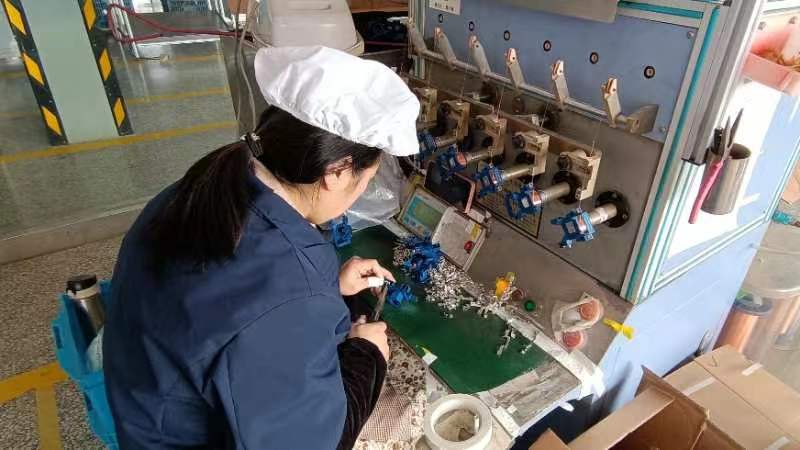
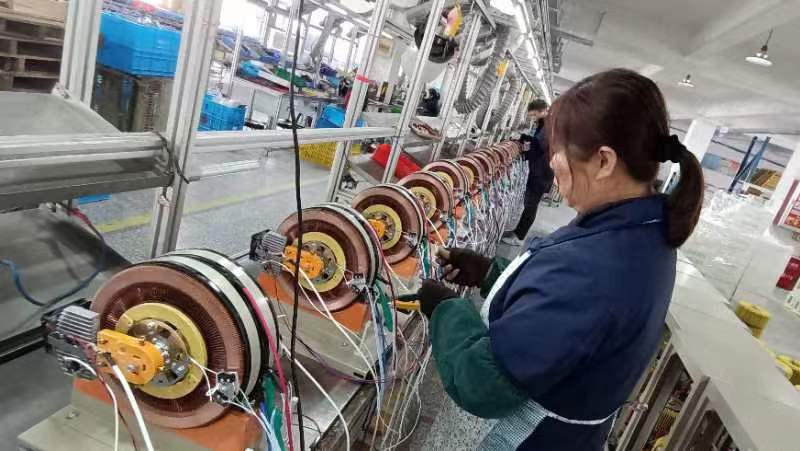
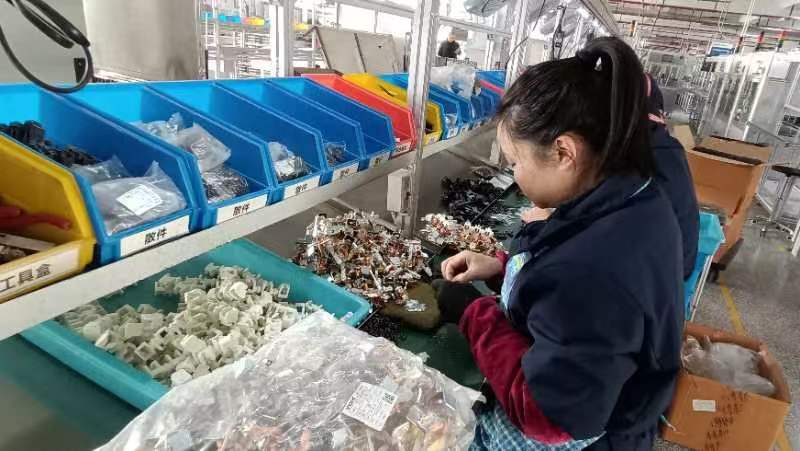
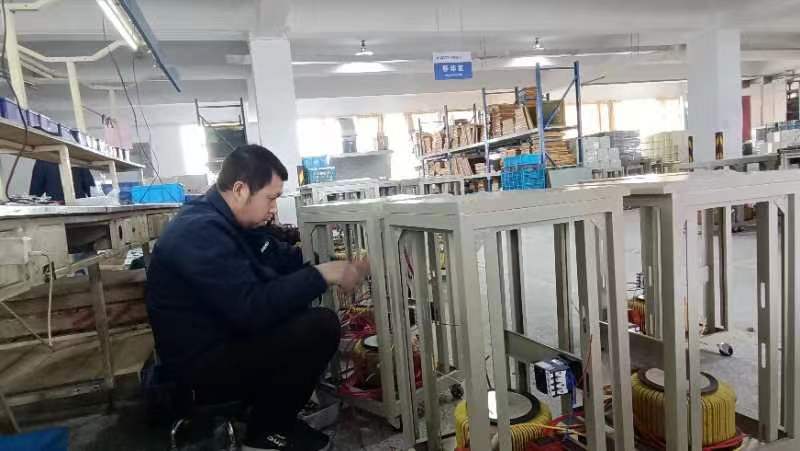
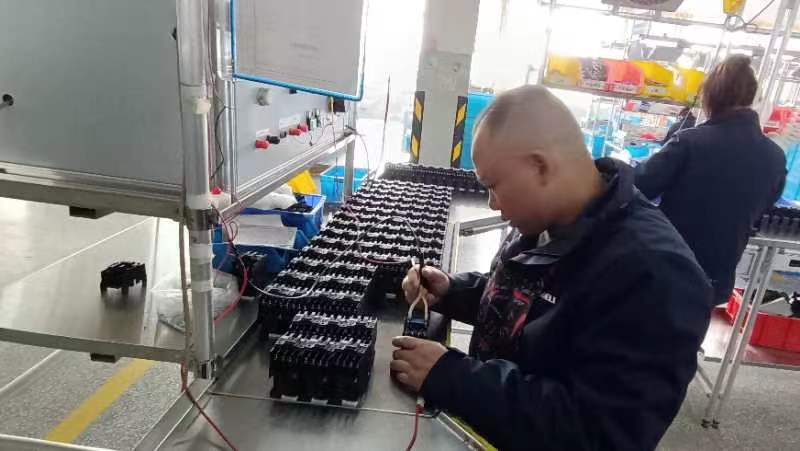
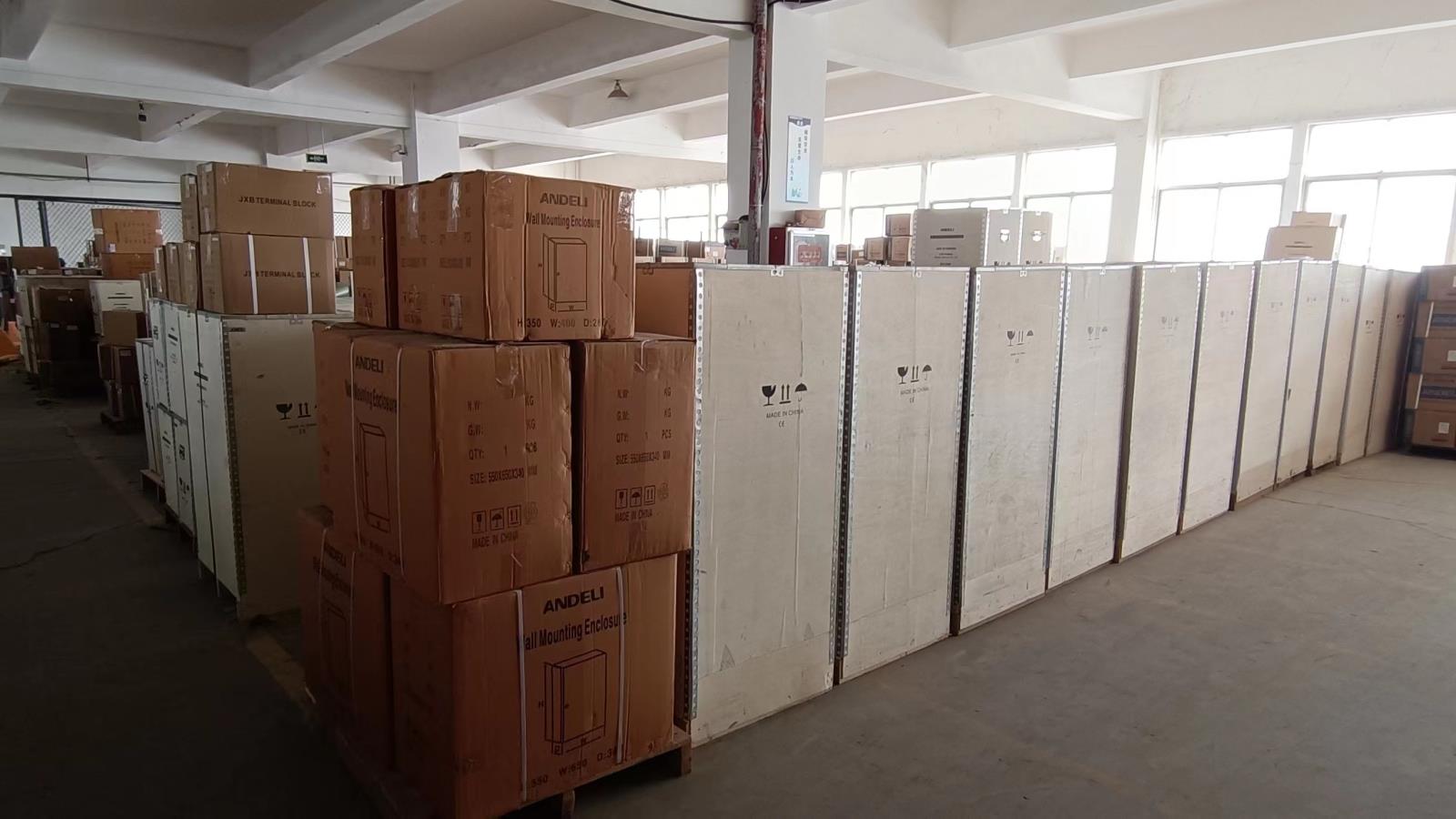
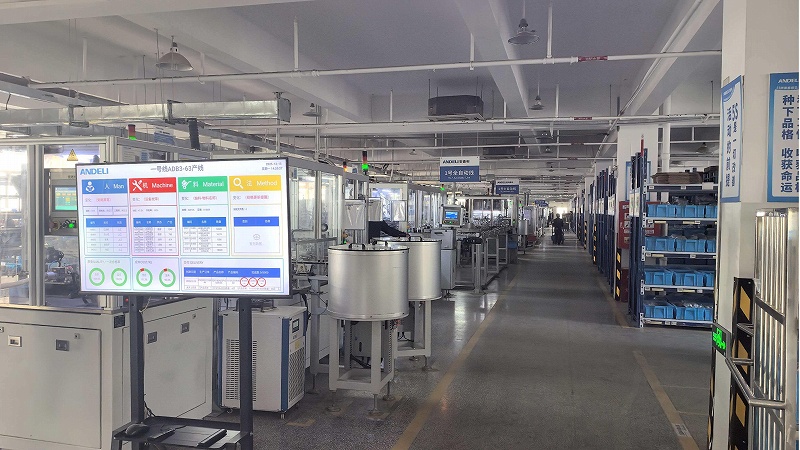
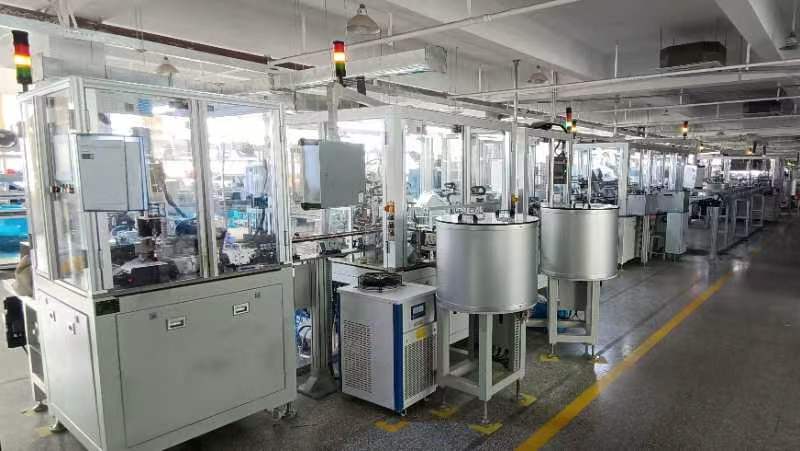
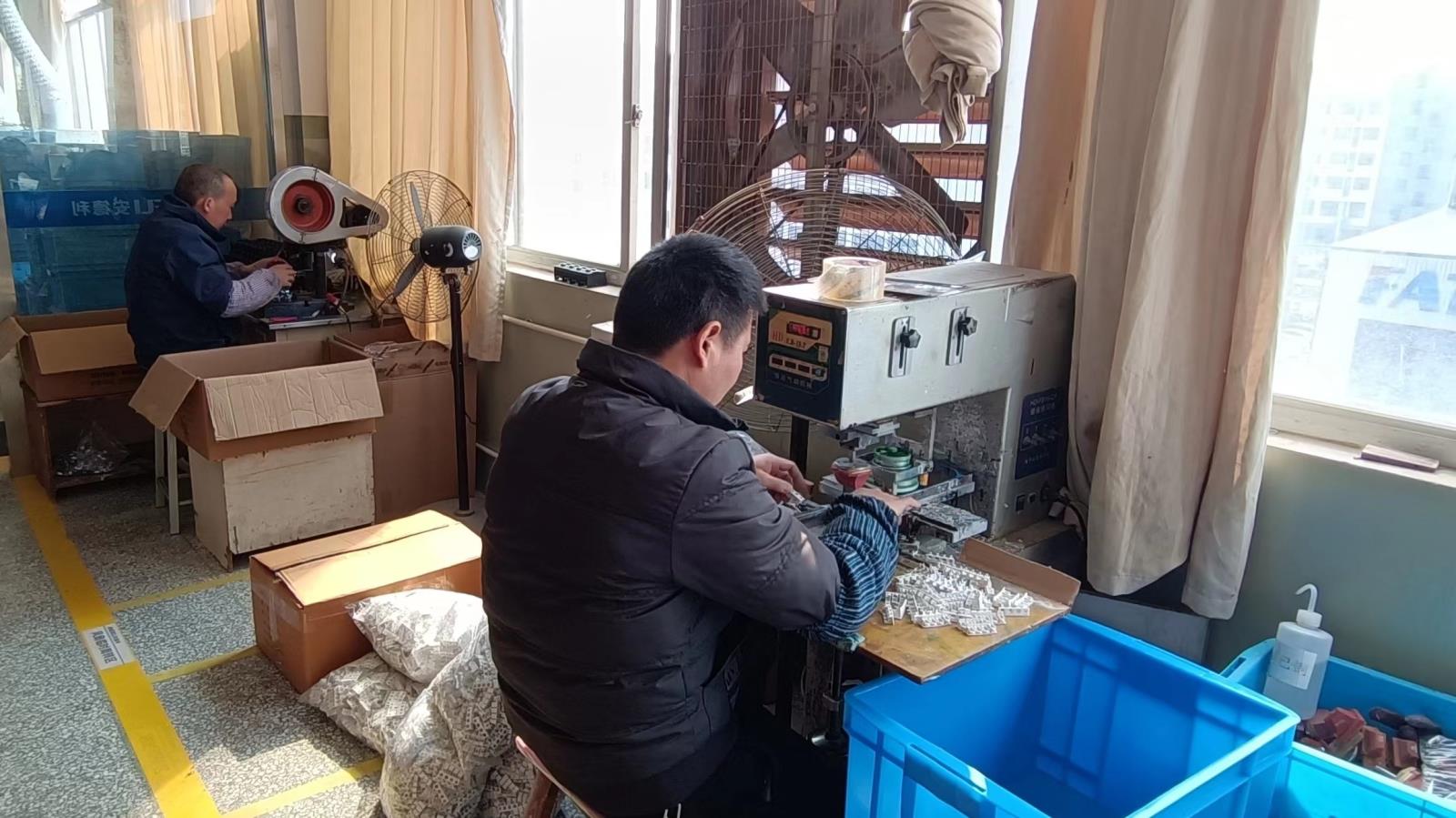
A Behind-the-Scenes Look at Our Manufacturing

From premium raw materials to automated winding and testing, our production line balances precision with safety compliance.
Raw Material Inspection
Raw Material Selection
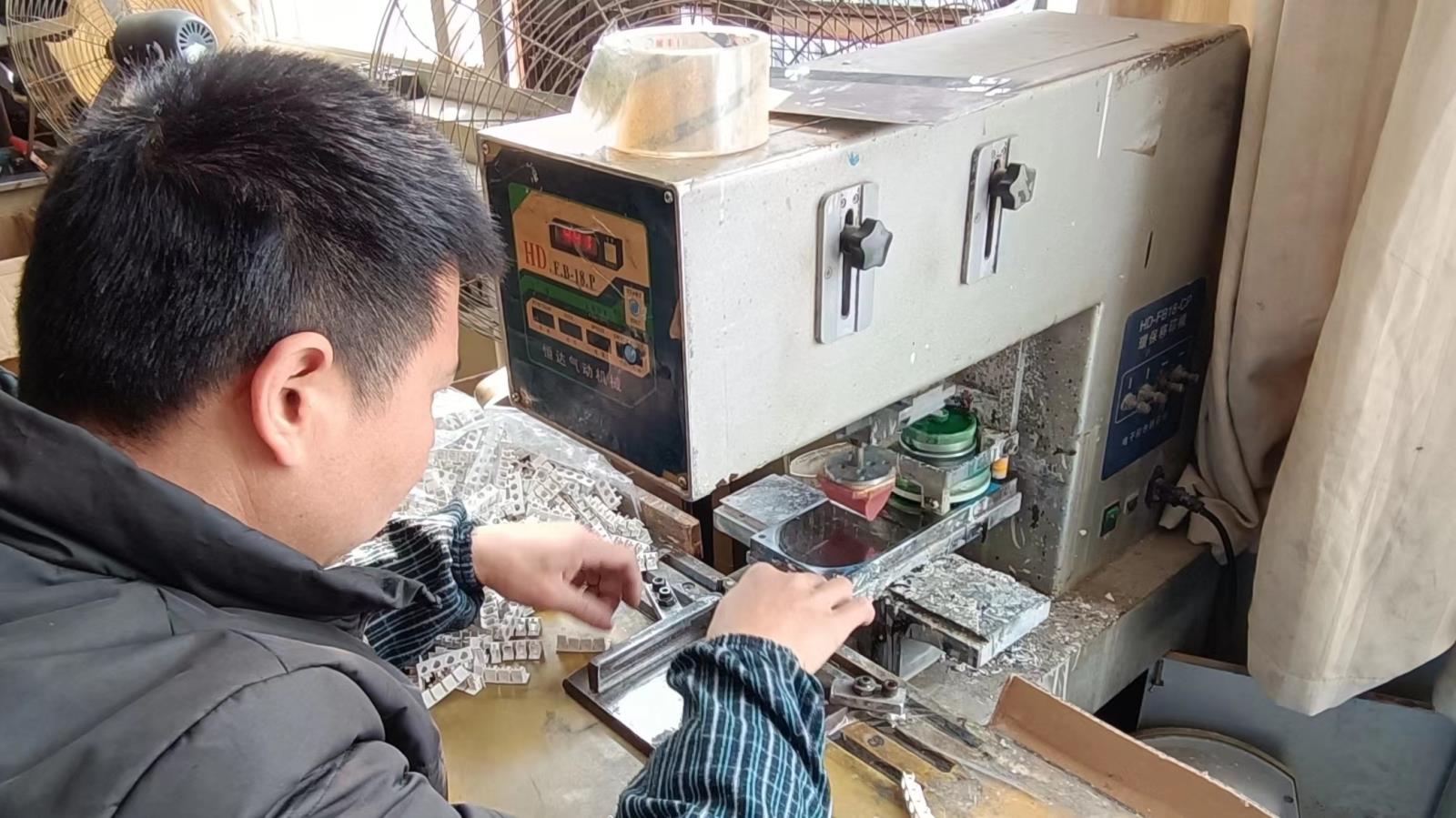
Pad Printing Process
Winding Process
Winding Process
Assembly Process 01
Assembly Process 01
Assembly Process 02
Assembly Process 02
Assembly Process 03
Assembly Process 03
Test Process
Rigorous Testing Process
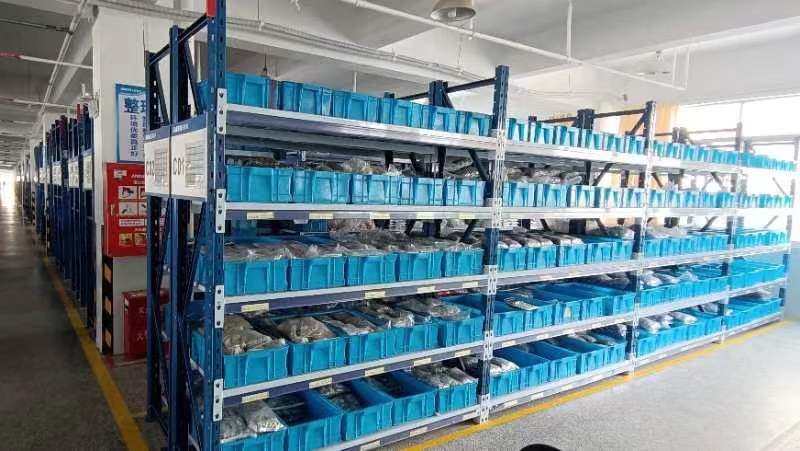
Warehouse Storage
Organized Warehouse
Winding Machine
Automatic Winding Machine
Automatic assembly machine
Automatic Assembly Machinery
Pad Printing Machine
High-Definition Pad Printing

Global Industry Solutions & Application Scenarios

From renewable solar arrays to heavy industrial complexes, our components are built for performance and durability.

Photovoltaic & Renewable Energy Systems

In commercial and utility-scale solar installations, DC voltage levels often reach 1500V. At these heights, isolating the PV arrays from central inverters requires high-capacity DC isolators. Underestimating this requirement can lead to destructive arc flashes. UniWave’s isolation systems are engineered with quick-break contact mechanisms and arc-extinguishing chambers to handle DC loads safely, protecting technicians during routine maintenance.

Heavy Industry Manufacturing & Motor Control

For heavy industries like metallurgy, chemicals, and processing plants, isolation switches serve as local safety disconnectors near large electric motors. In emergency shutdown scenarios or maintenance periods, local isolation ensures that workers are isolated from central control loops. This mechanical isolation prevents accidental remote restarts.

Data Centers & Telecommunication Infrastructure

Data centers depend on continuous power. Within these high-availability architectures, air circuit breakers (ACB) and high-current isolation switches manage power flow between primary grids, uninterruptible power supplies (UPS), and backup generators. The design of these switches focuses on low contact resistance to prevent heat buildup, protecting sensitive server racks from thermal issues.

Technical Roadmap & Future Outlook

Exploring the future of smart grid integration, environmentally friendly designs, and telemetry-enabled circuit protection.

The future of industrial switchgear is defined by digitization. The transition from simple analog mechanical components to smart, connected units is changing grid management practices:

  • IoT-Enabled Telemetry: Future isolators will feature integrated sensors to monitor contact temperature, vibration, and mechanical cycle counts. This data will transmit via Modbus or Ethernet/IP to SCADA systems, enabling predictive maintenance schedules.
  • Eco-Friendly Gas Alternatives: In high-voltage environments, the industry is transitioning away from SF6 (sulfur hexafluoride) due to its global warming potential, shifting toward dry air, vacuum technology, and eco-friendly gas mixtures.
  • Compact Footprints: Space constraints in urban substations and containerized solar storage systems demand smaller switchgear. Ongoing R&D focuses on optimizing dielectric performance to reduce the space required for isolation.

Frequently Asked Questions (FAQ)

Clear answers to key technical and commercial questions regarding procurement, compliance, and application.

Q1: Can an isolation switch be operated under load condition?
No, standard disconnectors (isolation switches) are off-load devices. They do not feature arc chutes or rapid-contact mechanisms to interrupt arcing under load. Opening an isolation switch under load can generate a high-temperature electric arc, risking equipment damage and serious injury. Always open the upstream circuit breaker or load break switch first to clear current before operating the isolator.
Q2: What is the significance of the IEC 60947-3 standard for international trade?
IEC 60947-3 governs switches, disconnectors, switch-disconnectors, and fuse-combination units. It ensures the equipment has been verified for dielectric performance, temperature rise, mechanical endurance, and short-circuit withstand capacity. Suppliers holding IEC 60947-3 CB certificates can easily clear customs globally and register products for government or public utility tenders.
Q3: How do environmental factors like UV radiation affect outdoor isolators?
Outdoor isolation switches (like solar rooftop isolators) are exposed to UV rays, rain, sand, and temperature swings. If the housing lacks proper UV stabilization, the plastic can become brittle and crack, leading to water ingress (loss of its IP66 rating) and electrical short circuits. High-quality manufacturers use UV-stabilized polycarbonate or aluminum enclosures to ensure long-term outdoor performance.
Q4: Why is Liushi, Wenzhou referred to as China’s low-voltage electrical capital?
Liushi is home to a dense cluster of thousands of manufacturers, copper/brass refineries, silver-alloy contact specialists, and tooling workshops. This concentrated supply chain lowers production costs and accelerates custom product development, allowing companies like Wenzhou UniWave Electric to offer competitive prices while maintaining high quality.
Q5: What is the difference between AC-22A and AC-23A utilization categories?
Utilization categories define the severity of switching duties:
  • AC-22A: Covers switching of mixed resistive and inductive loads, including moderate overloads (e.g., standard industrial heating or lighting distribution).
  • AC-23A: Covers switching of highly inductive motor loads or other highly inductive circuits. It requires the switch to manage higher inrush currents and handle break conditions without terminal failure.

Heavy Industrial Protection & Specialized Relays

Specialized relays, latching mechanisms, and heavy-duty molded case circuit breakers for complex industrial distribution.
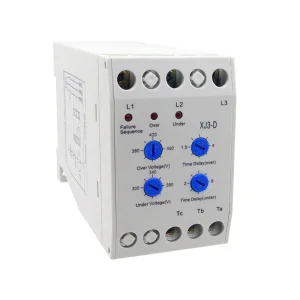
China Supply Phase Sequence Motor protection Relay

China Supply Phase Sequence Motor protection Relay Phase Monitoring XJ11 XJ3-D Phase Failure Relay

View Specifications
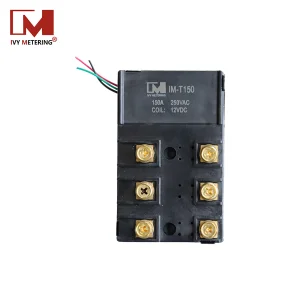
IVY IM-T150 150A Latching Relay

IVY IM-T150 150A 250VAC 3PST 12V 24V 48VDC 3 Pole Power Latching Relay With Auxiliary Contact

View Specifications
Industrial GCS Model Vacuum Circuit Breaker

Industrial 12kv 24kv 35kv 24mv Ourili GCS Model 400~4000A Vacuum Circuit Breaker Switchgear Power Distribution Equipment

View Specifications
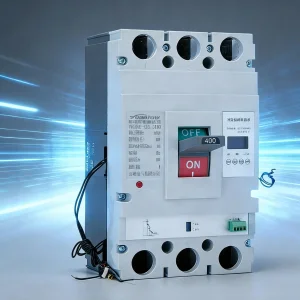
High Precision Molded Case Circuit Breaker MCCB

High Precision 3pole 800V 400V Smart Molded Case Circuit Breaker MCCB

View Specifications
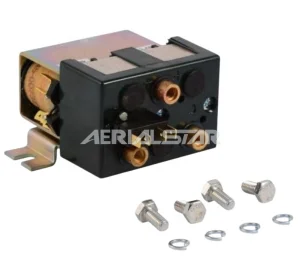
Construction Machinery Parts Relay Contactor

Construction Machinery Parts Aftermarket 3740135 Relay Drive Contactor 48V DC for JLG Lift 3369LE 100% Tested 1 Year Warranty

View Specifications
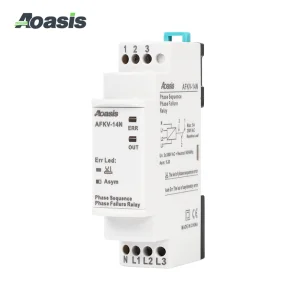
FKV-14N 220V Multi-function Protector Relay

Good Quality FKV-14N 220V Multi-function Protector AFKV-14N Phase Sequence Phase Failure Relay With 0.2s Delay Time Function

View Specifications
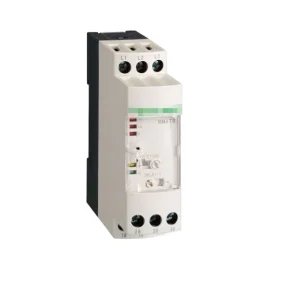
RM4TR32 Protection Control Relay

RM4TR32 Protection Control Relay Thermal Overload Relay

View Specifications
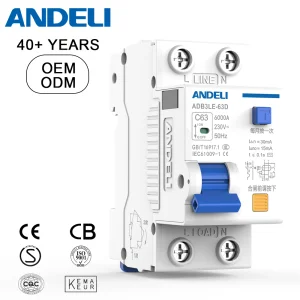
ANDELI ADB3LE-63D Miniature Circuit Breaker

ANDELI ADB3LE-63D 1P 25A 63A Breaking Capacity Copper Material Miniature Circuit Breaker (MCB) Rail Mounting Leakage Protection

View Specifications