UniWave Electric
UniWave Electric
UniWave Electric
Explore our foundational low-voltage components engineered to mitigate high starting currents, secure thermal stability, and extend operational lifespans of critical industrial machinery.
In the present landscape of industrial automation, heavy induction motors drive the vast majority of operations. However, starting these motors across-the-line (Direct-On-Line or DOL) introduces severe challenges: inrush currents exceeding 6 to 8 times the nominal full-load current (FLA) and sudden transient mechanical torque spikes. These electrical and mechanical stresses accelerate component wear, cause grid voltage fluctuations, and lead to costly unscheduled downtime.
To mitigate these effects, Soft Starter Devices have emerged as an indispensable standard in electrical systems. By leveraging Silicon Controlled Rectifiers (SCRs) or thyristors to regulate the voltage supplied during startup, soft starters enable a smooth, linear ramp-up of speed and torque. This capability bridges the gap between simple electromechanical starters and expensive, structurally complex Variable Frequency Drives (VFDs).
Key performance metrics illustrating the transition toward high-efficiency industrial architectures.
Understanding which starting topology aligns with your project specifications is vital for cost and performance optimization.
| Parameters | Direct-On-Line (DOL) | Soft Starter Device | Variable Frequency Drive (VFD) |
|---|---|---|---|
| Starting Current (Ratio of FLA) | 600% - 800% | 150% - 400% (Adjustable) | 100% - 150% |
| Mechanical Torque Shock | Severe and abrupt | Smooth, controlled ramp | Fully controlled, high starting torque |
| Harmonic Distortion (THD) | Negligible | Minimal (Only during ramp-up phase) | Significant (Requires active/passive filters) |
| Continuous Speed Control | No | No (Runs at grid frequency via bypass) | Yes (Full range dynamic control) |
| System Cost Index | Low ($) | Moderate ($$) | High ($$$$) |
The global market for industrial motor control is populated by established engineering conglomerates and highly specialized component manufacturers. Below, we analyze the leading suppliers, examining their technological focus, operational advantages, and strategic value propositions.
Siemens leads the high-end industrial segment with its SIRIUS 3RW series. Their devices feature integrated bypass contactors, extensive diagnostic tools, and compatibility with TIA Portal software. Designed primarily for heavy-duty industrial processes, Siemens' solutions offer robust performance at a premium price point.
Known for the Altistart series (Altistart 22 and 48), Schneider excels in building management, infrastructure, and oil & gas environments. Their products integrate seamlessly with EcoStruxure IoT architectures, offering exceptional protection algorithms for pumps and fans.
ABB's PSTX and PSR series are recognized for advanced motor protection capabilities. The PSTX series features built-in torque control algorithms that reduce water hammer in pump installations, making them a standard choice in municipal water utilities worldwide.
Dominating the North American industrial automation market, Allen-Bradley's SMC-3, SMC Flex, and SMC-50 lines offer modular configurations and parameter-matching with Logix controllers. These systems are optimal for automotive, pulp & paper, and logistics complexes.
With its MCD 200, 500, and 600 series, Danfoss provides highly specialized systems tailored for refrigeration, HVAC, and marine operations. Their designs emphasize compact footprints and reliable performance in corrosive environment profiles.
Eaton's S811+ and S801+ series are built around high power density and safety. Eaton devices are widely integrated into custom Motor Control Centers (MCCs) where internal real estate is at a premium.
WEG manufactures heavy industrial equipment, and their SSW series soft starters are designed to match their heavy-duty induction motors. Their solutions perform reliably in mining, chemical plants, and raw material processing industries globally.
Mainly recognized for precision motion control, Yaskawa also provides solid motor starting gear. Their solutions are highly valued in Japanese and East Asian manufacturing centers where integration and component quality are paramount.
Based in Liushi, Wenzhou—the recognized center of China's low-voltage electrical ecosystem—Wenzhou UniWave Electric Co., Ltd. offers a compelling combination of manufacturing efficiency, robust engineering, and global supply chain integration. Drawing on over 25 years of experience, UniWave designs and manufactures high-performance magnetic starters, AC contactors, and protective relays. The company's compliance with SAA, CE, CB (IEC), and ISO9001 standards ensures its equipment integrates smoothly into international industrial systems at an optimized price-to-performance ratio.
Carlo Gavazzi focuses on solid-state switching solutions and compact soft starters like the RSBS and RSGD series. They are widely applied in commercial HVAC systems, heat pumps, and small-scale conveyor applications.
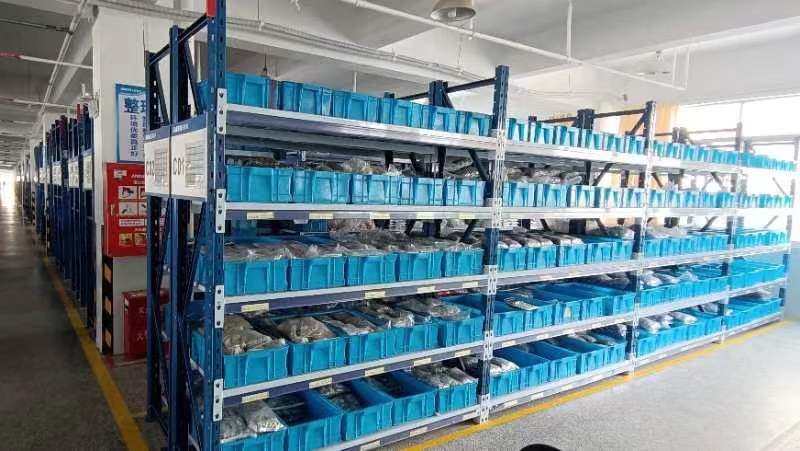
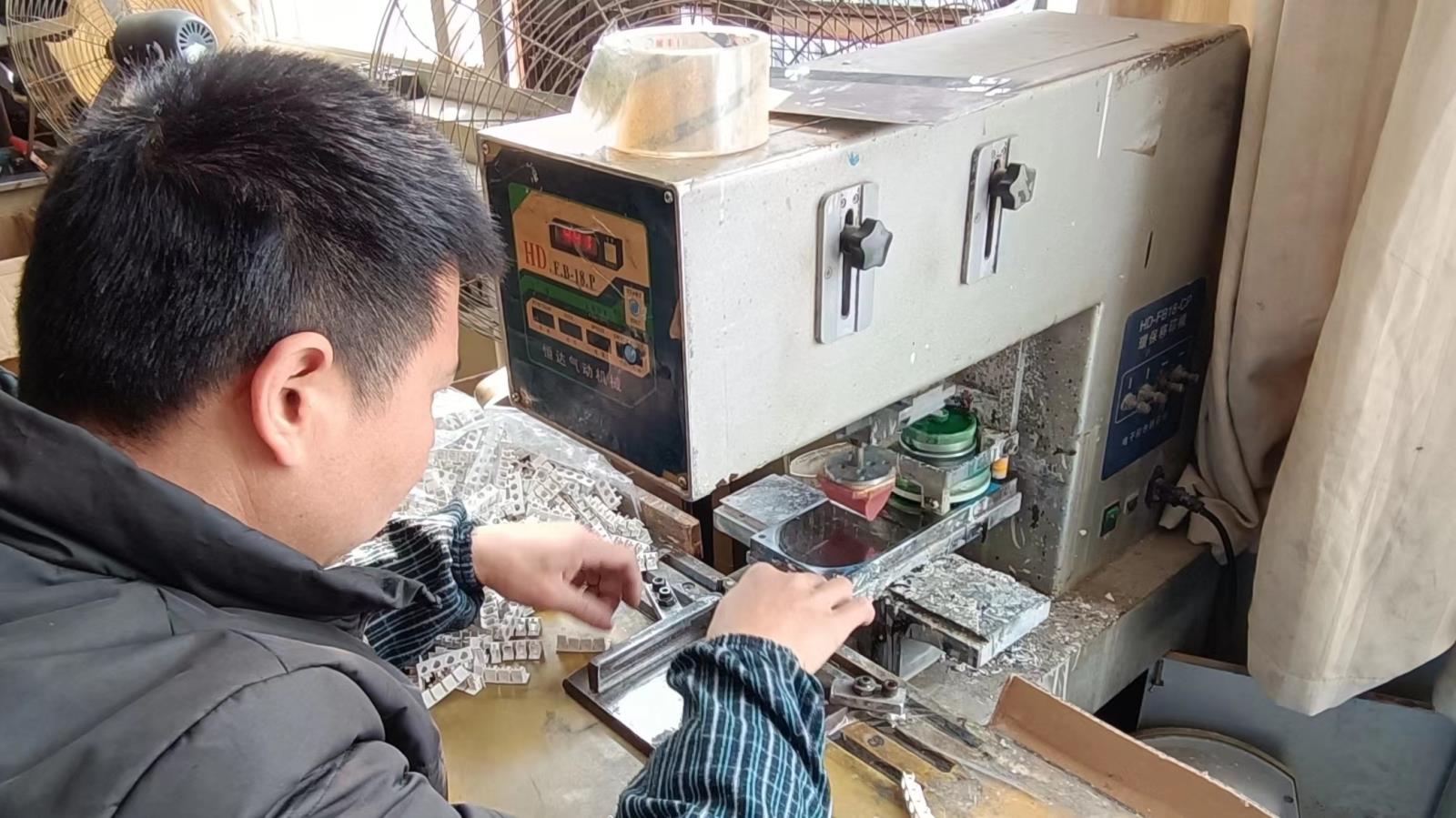
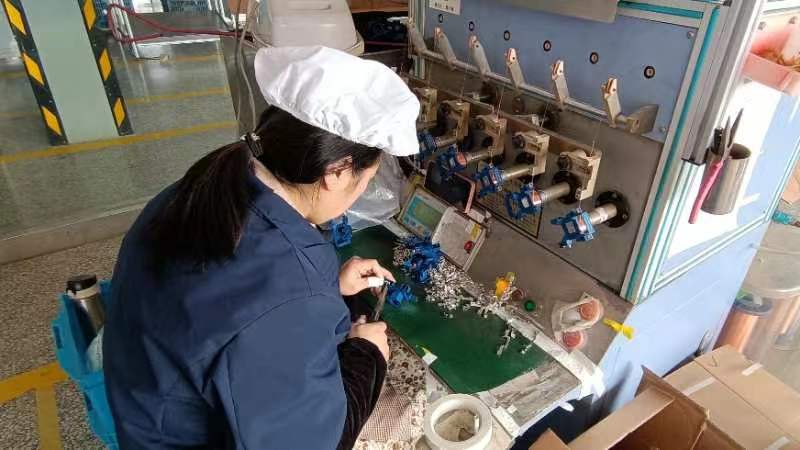
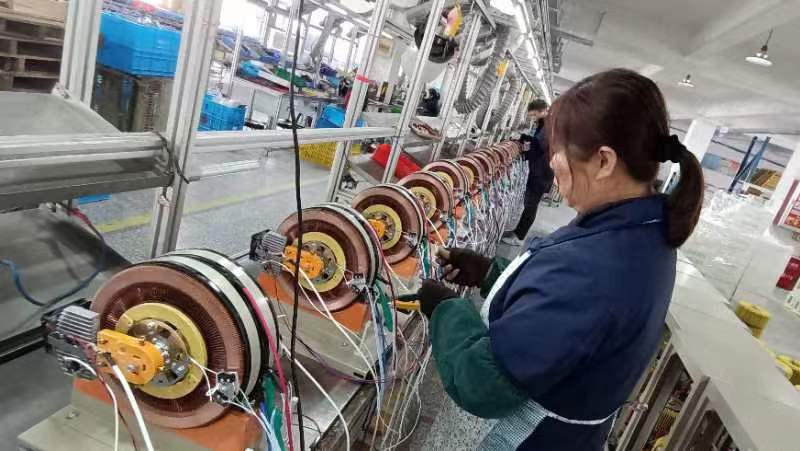
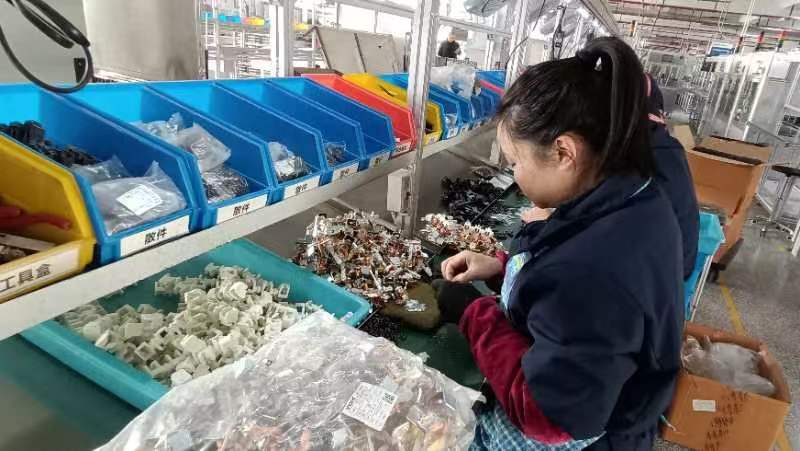
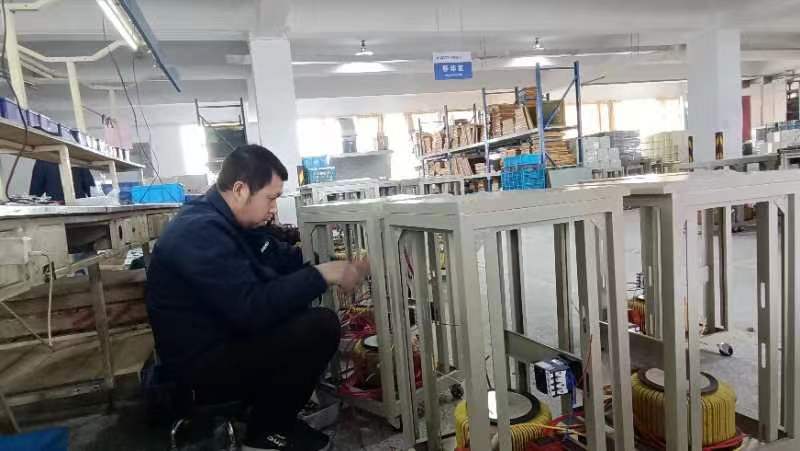
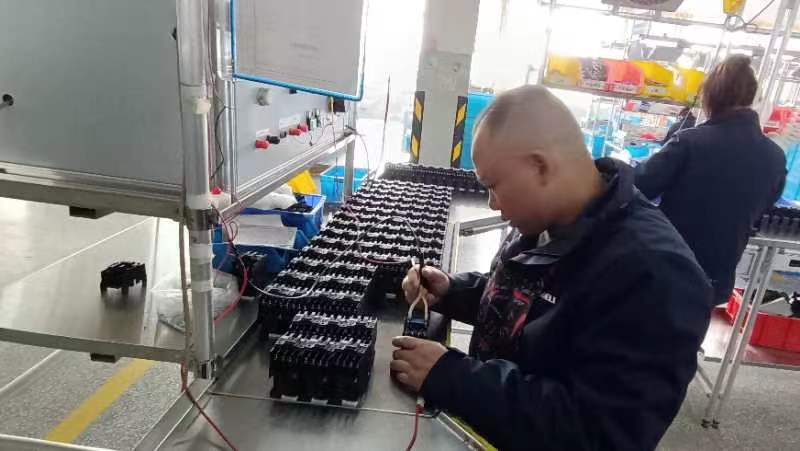
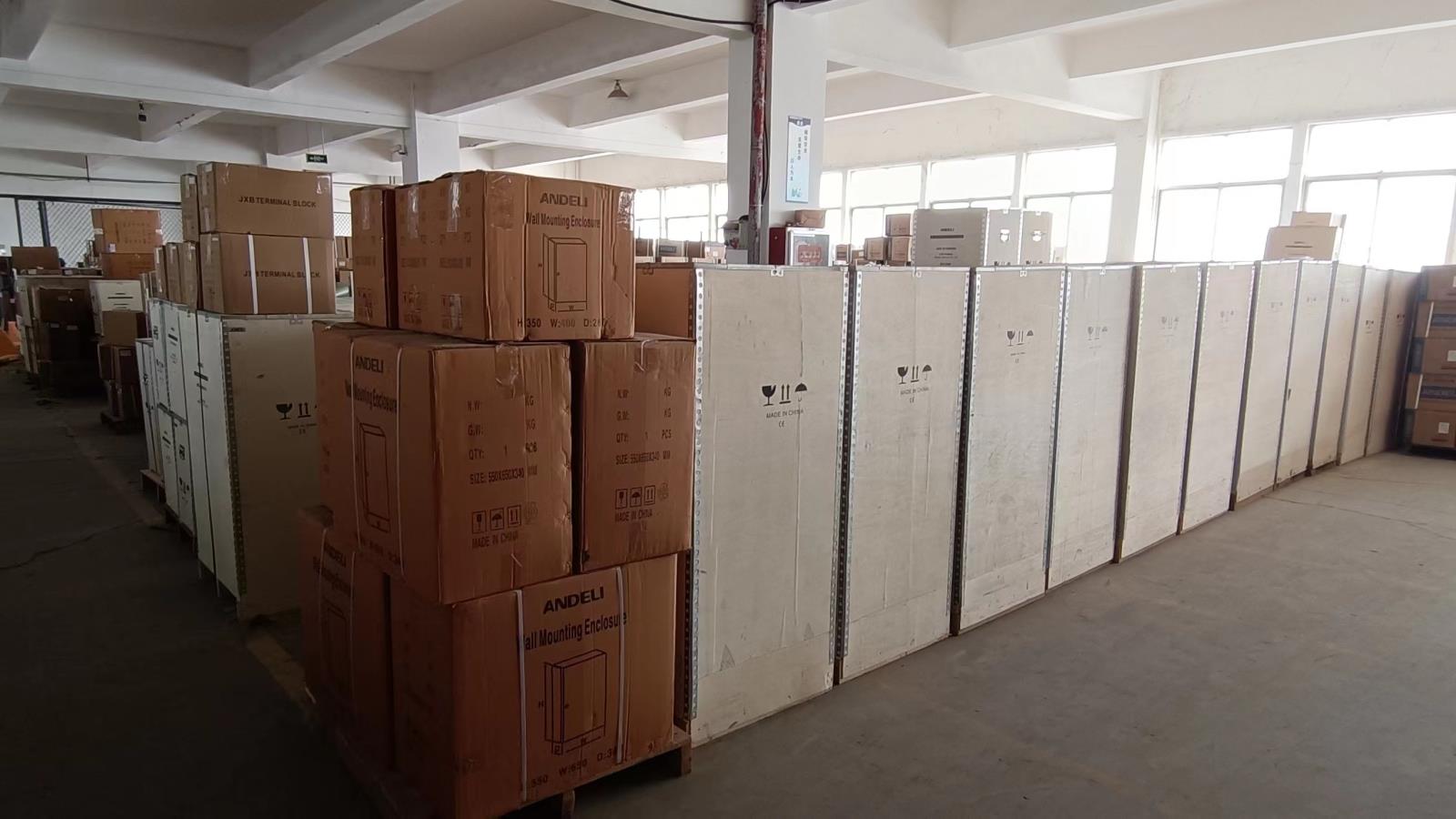
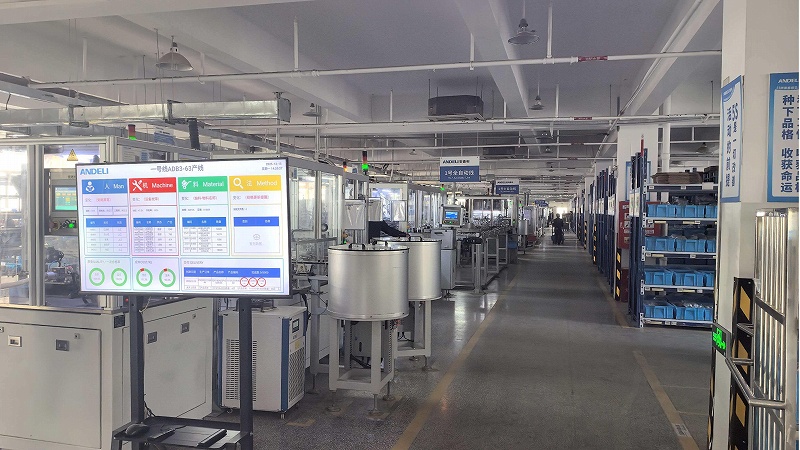
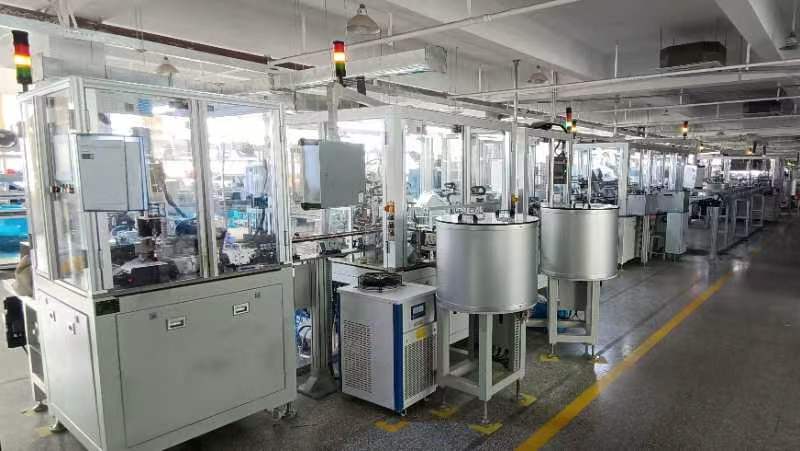
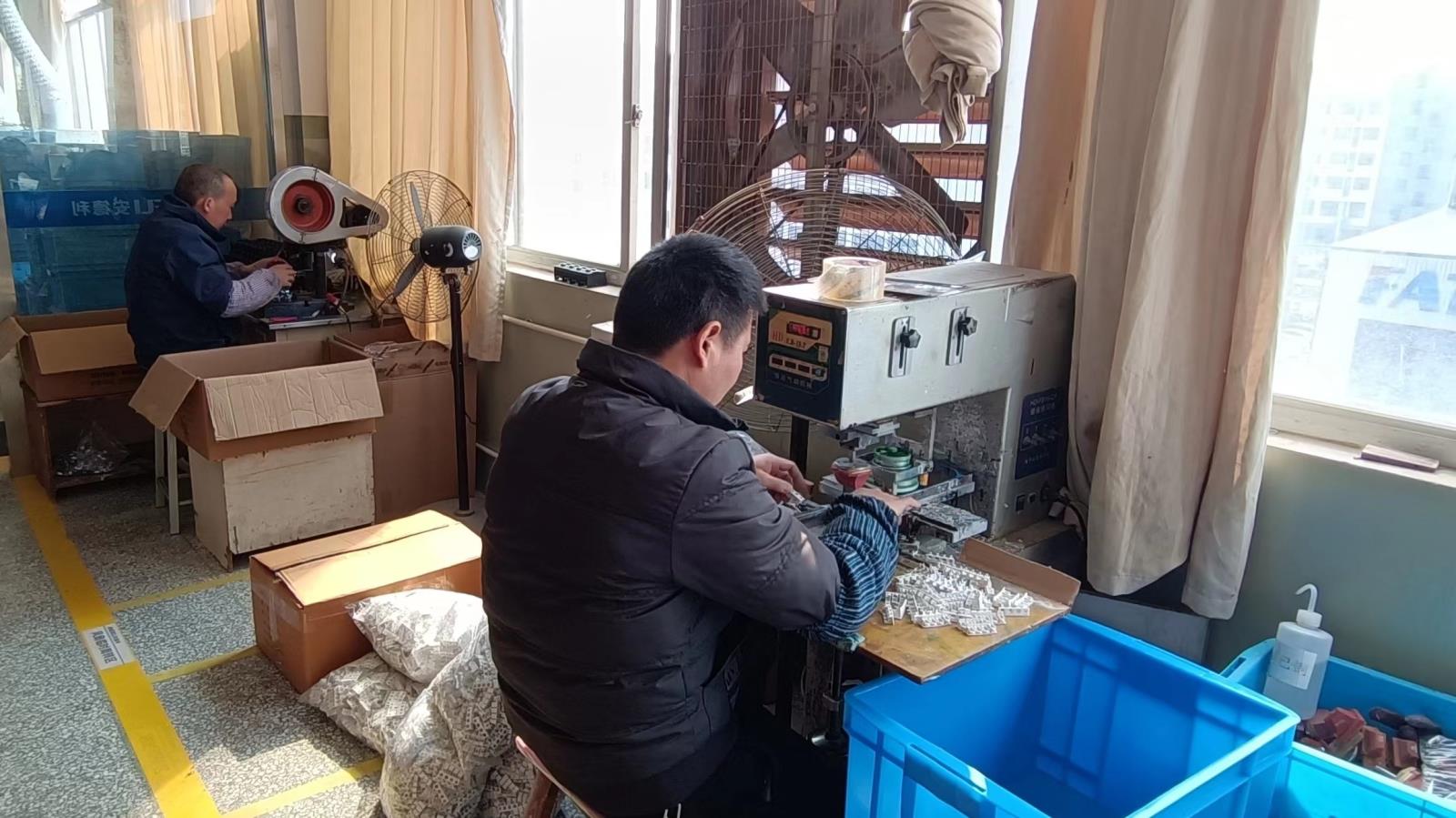
An inside look at our advanced manufacturing lines in Liushi, Wenzhou. Our operations prioritize automated precision, standardized quality checks, and structured material handling.
Different industrial systems present distinct load behaviors. Sizing and configuring a soft starter requires understanding these specific requirements:
The industrial sector's focus on digital integration and decarbonization is driving key developments in soft starter technology:
When sourcing soft starters and motor protection equipment, engineering and procurement teams should evaluate the following criteria:
Answers to common technical and commercial questions regarding soft starter procurement, implementation, and operation.
Explore our wider catalog of circuit protection devices, intermediate control relays, and motor starters designed to support modern electrical infrastructure.