UniWave Electric
UniWave Electric
UniWave Electric
High-performance low-voltage protective devices optimized for Toronto’s commercial high-rises and municipal electrical grids.
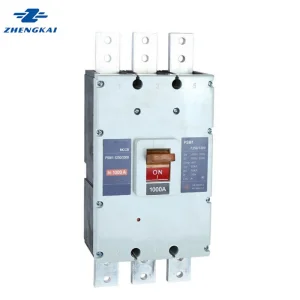
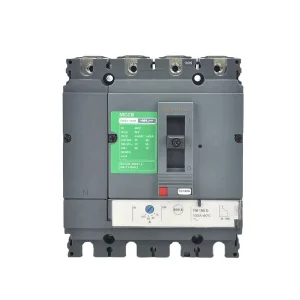
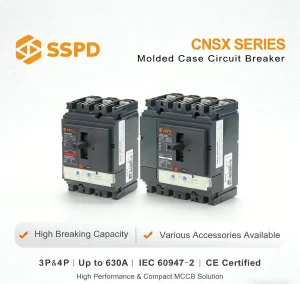
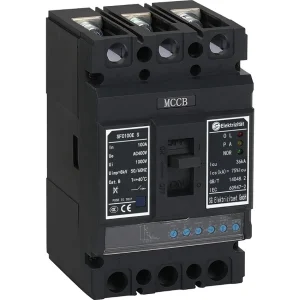
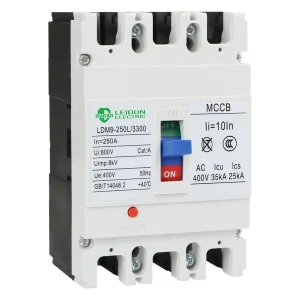
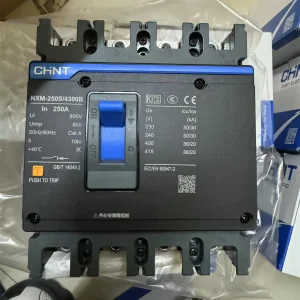
In the contemporary electrical engineering landscape, Molded Case Circuit Breakers (MCCBs) represent the vital line of defense for industrial, commercial, and utility power distribution systems. As the Greater Toronto Area (GTA) continues its rapid vertical and horizontal expansion, local electrical grids face unprecedented pressure. From hyperscale data centers in Vaughan and Markham to high-density mixed-use residential developments in downtown Toronto and Mississauga, the need for robust, reliable, and compliant circuit protection has never been more critical.
This technical whitepaper explores the critical integration of modern MCCB technology within the Toronto electrical market. We delve into regulatory frameworks such as the Ontario Electrical Safety Code (OESC) and the Canadian Standards Association (CSA) guidelines, detail the supply chain dynamics connecting high-efficiency Chinese manufacturing hubs like Liushi to Toronto distribution lines, and outline the key factors engineering firms and procurement managers must prioritize when securing import partnerships.
Toronto's economic growth requires tailored electrical engineering solutions. Generic, off-the-shelf equipment frequently fails to meet the specific requirements of Toronto's municipal planning guidelines and localized environmental challenges. Here are the core sectors within the GTA where premium MCCBs play an indispensable role:
With Toronto serving as Canada’s primary technology hub, areas like Markham and Vaughan have seen a surge in data center development. These facilities require ultra-reliable MCCBs with electronic trip units to ensure selective coordination, preventing downstream faults from triggering building-wide blackouts that can disrupt financial systems and digital networks.
The skyline of Downtown Toronto features some of North America's tallest residential and commercial structures. High-rise developments demand space-efficient switchgear and panel boards. Molded case circuit breakers with high interrupting capacities (Icu) are critical to safely isolate massive fault currents generated near utility substations.
Metrolinx transit expansions (such as the Eglinton Crosstown LRT and Ontario Line) require highly durable, vibration-resistant, and climate-resilient switchgear. Heavy industrial operations in Mississauga and Brampton rely on MCCBs configured with adjustable thermal-magnetic trips to safeguard high-current machinery against severe overload and short-circuit faults.
Furthermore, Ontario's continental climate places exceptional demands on electrical enclosures and component thermal tolerances. Switchgear cabinets installed in unconditioned spaces or outdoor transformer pads must reliably perform across an ambient temperature range of -30°C in the depth of winter to +35°C during summer heatwaves. This environment requires MCCBs built with high-quality, non-hygroscopic, flame-retardant glass-polyester casings, utilizing precise thermal compensation algorithms or advanced electronic sensors that remain unaffected by ambient shifts.
For any electrical equipment imported into Canada, and specifically Ontario, compliance with local safety standards is non-negotiable. The Ontario Electrical Safety Code (OESC) outlines the legal requirements for electrical installations. Under OESC Section 2, all electrical equipment must be approved by a recognized certification agency accredited by the Standards Council of Canada (SCC).
While the United States relies primarily on UL 489 standards, Canada operates under the CSA C22.2 No. 5-16 standard for molded-case circuit breakers, molded-case switches, and circuit-breaker enclosures. Importers, contractors, and builders in Toronto must ensure their products are certified to these standards. Choosing manufacturers that comply with IEC 60947-2 standards provides a strong foundation, as CSA standards align closely with IEC test parameters. However, local ESA field inspections often require explicit marking or field evaluations for non-CSA-labeled imported components.
Wenzhou UniWave Electric Co., Ltd. resolves this challenge by offering products manufactured to international standards. Our systems are tested and certified to comply with internationally recognized benchmarks, including SAA, CE, CB (IEC), and ISO9001. This alignment facilitates local field approvals and certification processes, reducing operational delays for Toronto project engineers.
The global electrical market relies on efficient supply chain dynamics to keep project costs under control. Wenzhou UniWave Electric Co., Ltd. operates from Liushi, Yueqing, Wenzhou, China—famously recognized as the "City of Low Voltage Electrical Appliances." This specialized cluster offers major competitive advantages for Toronto-based importers:
By bypassing multiple layers of regional distributors and purchasing directly from the source in Liushi, Toronto-based electrical distributors, EPCs, and switchboard builders can achieve cost reductions of 25% to 40%. This pricing advantage is vital for winning competitive commercial tenders in the GTA's real estate development sector.
Over 25 years of circuit breaker engineering expertise, built on automated assembly, strict quality control, and certified reliability.
Founded on the principles of customer satisfaction, continuous innovation, and sustainable development, Wenzhou UniWave Electric Co., Ltd. is a leading manufacturer specializing in a wide range of electrical protection and control products. Our comprehensive portfolio includes Circuit Breakers (RCBO / RCCB / MCB / WiFi Smart MCB / MCCB / ACB), Isolator Switches, Change Over Switches, AC Contactors, Thermal Relays, Magnetic Starters, Solid State Relays, Distribution Boxes, Voltage Stabilizers, and Voltage Protectors.
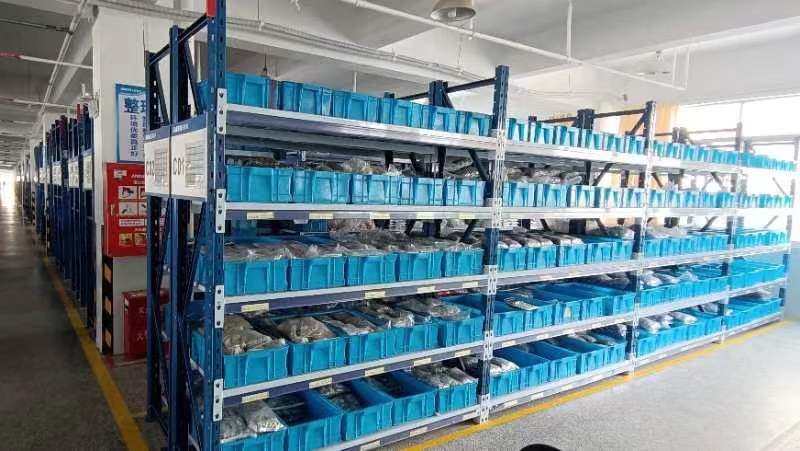
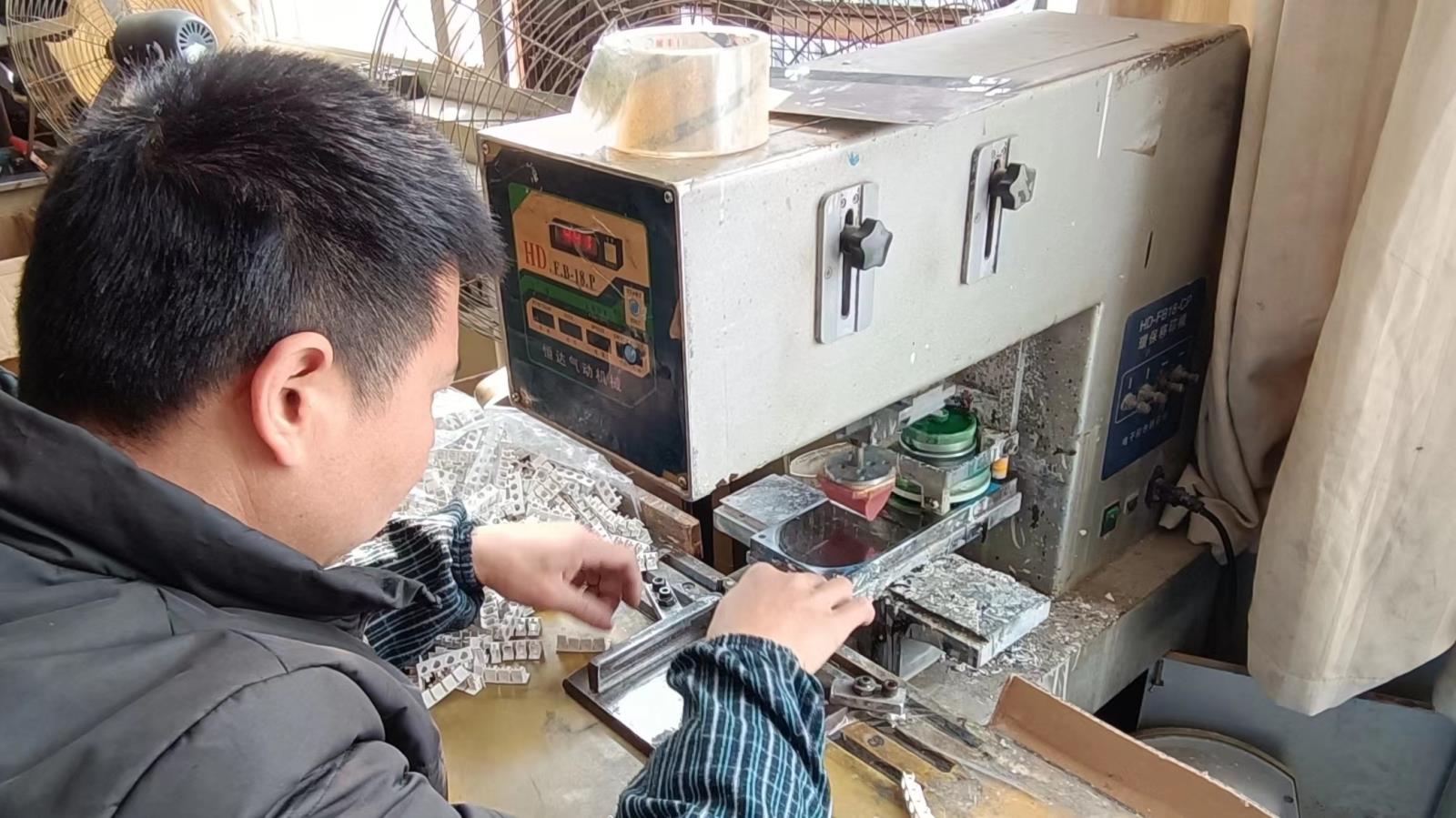
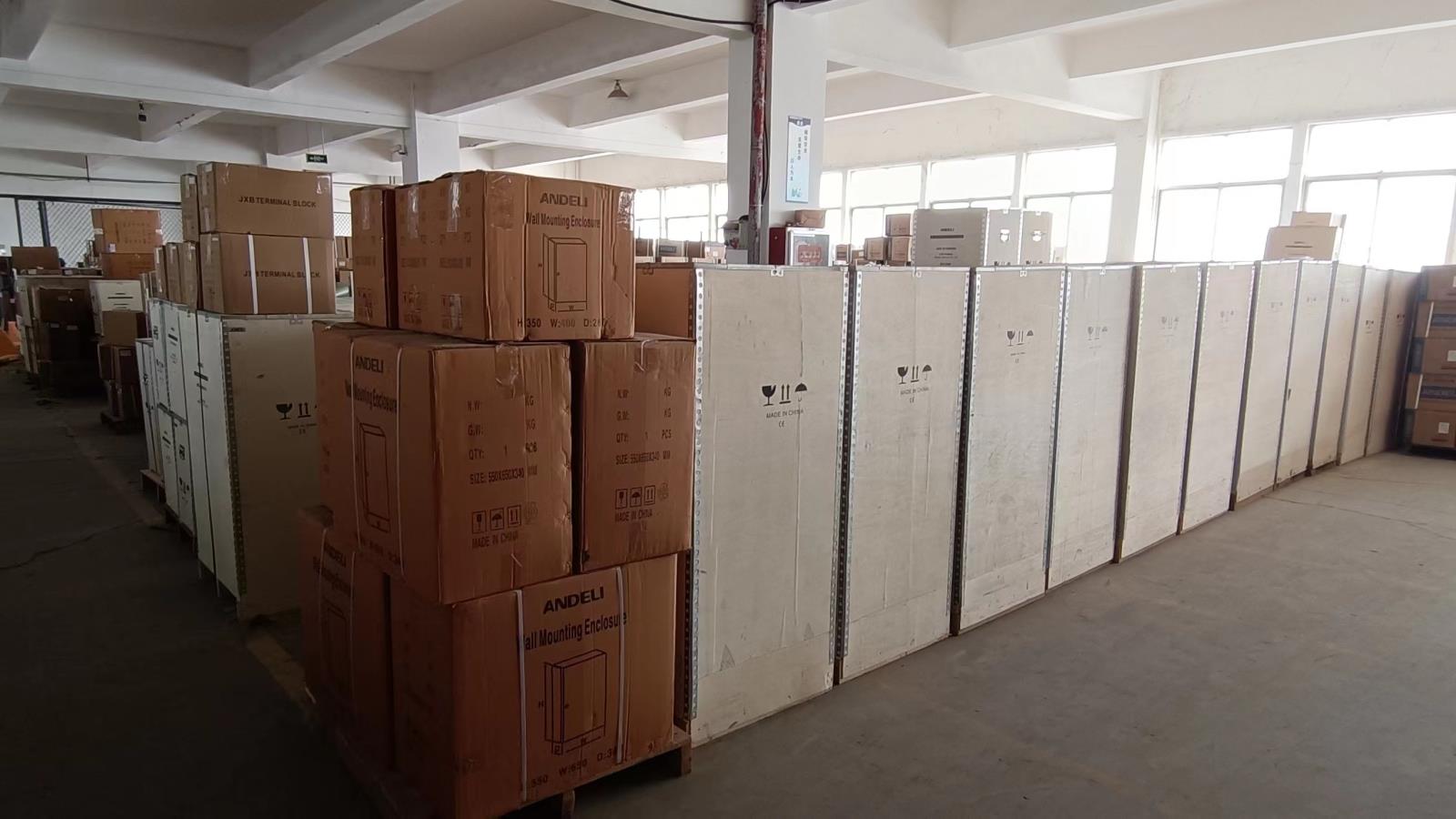
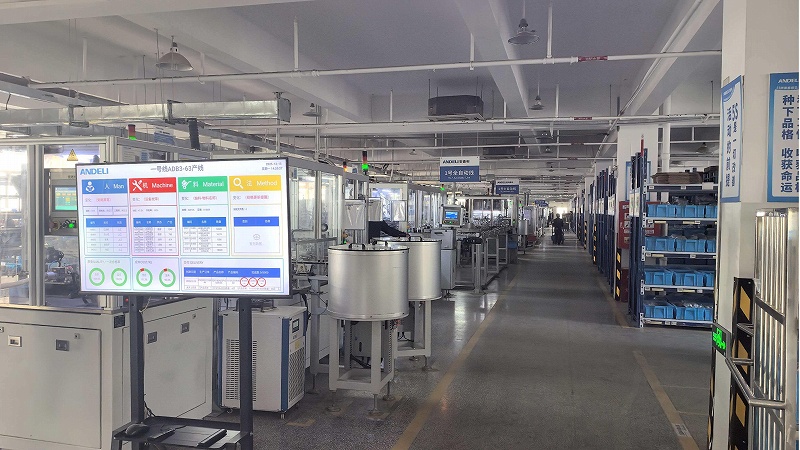
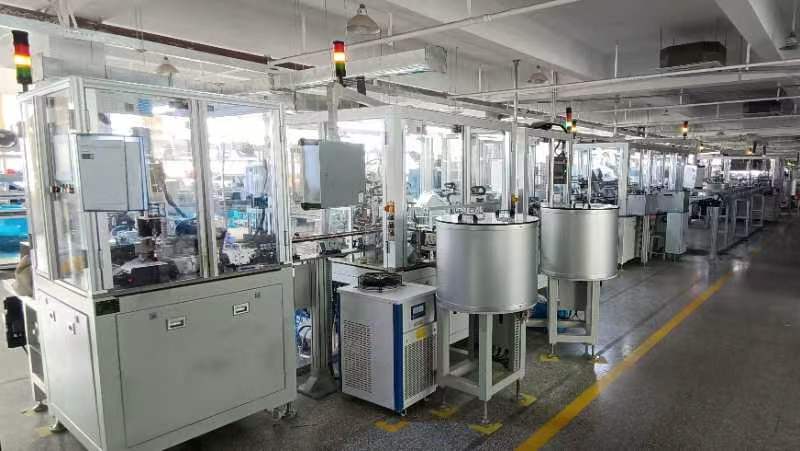
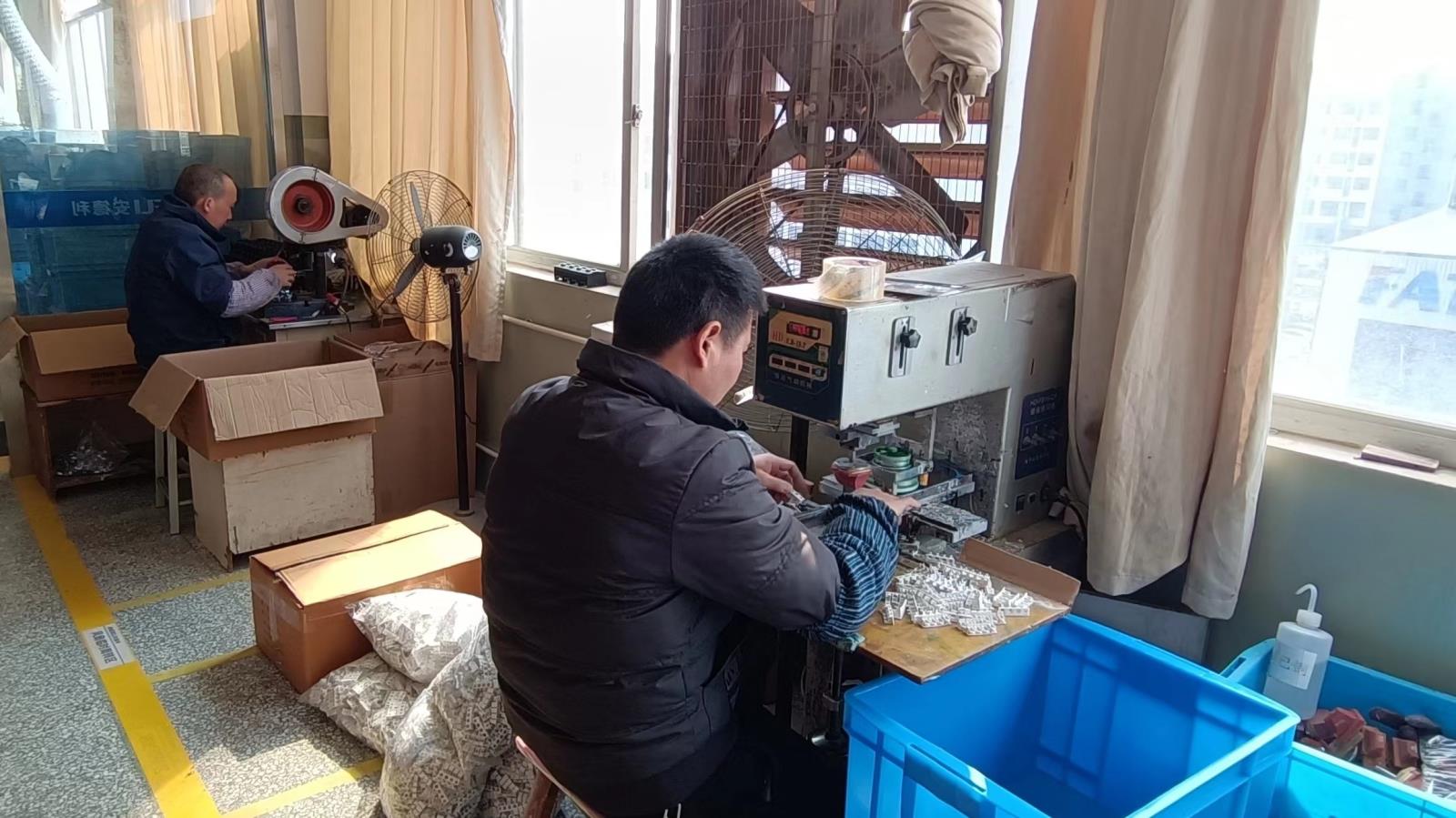
Our production facilities utilize modern technology, automated assembly lines, and high-precision testing chambers. Below is a look at our standard manufacturing, calibration, and distribution operations:
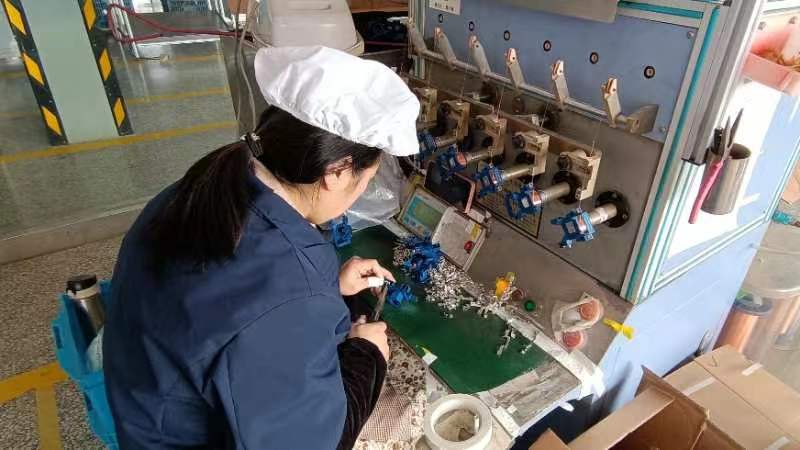
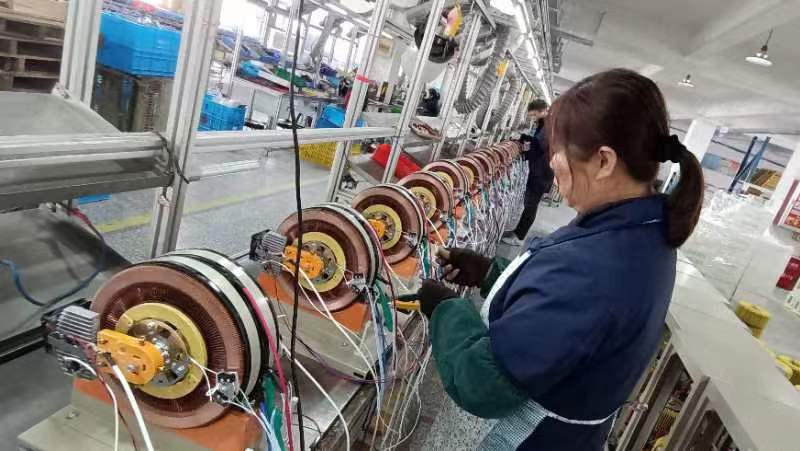

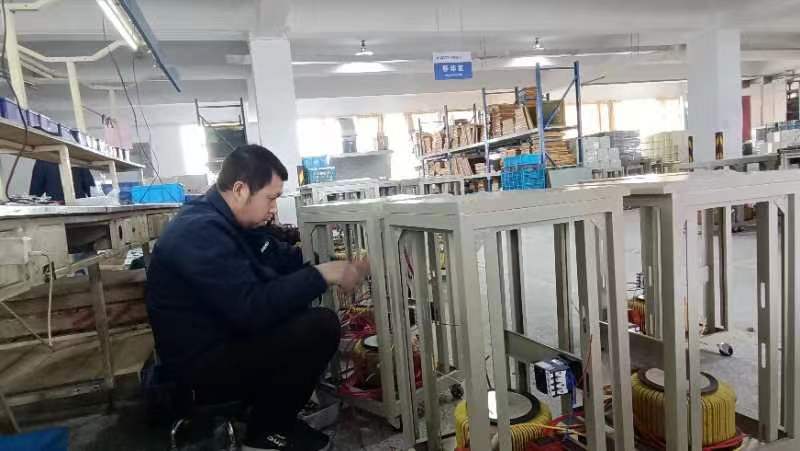
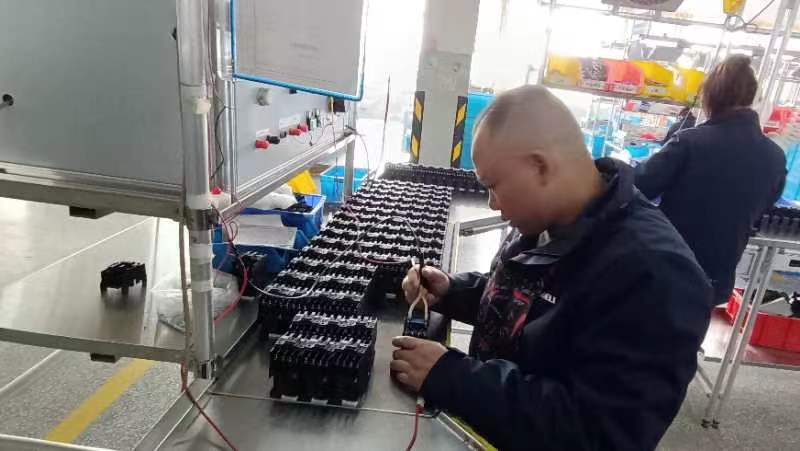
In Toronto’s competitive commercial construction market, a standard MCCB model will not fit every project. Custom engineered solutions are often required to align with space-constrained electrical closets or retrofit applications. Our dedicated OEM/ODM services allow engineering offices and distributors to customize components to their exact specifications:
Custom Branding & private labeling: We provide high-quality pad printing for brand logos, customized catalog numbering systems, and wiring diagrams printed directly onto the MCCB housings, ensuring a professional appearance inside panel assemblies.
Bespoke Trip Curves: Depending on the downstream loads—whether inductive motors, capacitive banks, or resistive heating systems—we adjust and calibrate internal bimetallic elements and magnetic trip mechanisms to meet specific coordination needs.
Custom Shunt Trips & Auxiliary Switches: We configure internal accessories like shunt trips, auxiliary contacts, and undervoltage releases directly at our factory, saving local panel builders time on site.
The electrical industry is transitioning toward digital integration. "Dumb" analog circuit breakers are increasingly replaced by smart, connected devices. In Toronto, energy conservation incentives like the Ontario Energy Board's initiatives and LEED construction standards drive demand for energy monitoring and remote system control.
Modern MCCBs now feature built-in microprocessors capable of real-time monitoring of current, voltage, active power, and harmonic distortion. With Modbus, BACnet, or Ethernet connectivity, these breakers feed diagnostic data directly to Building Automation Systems (BAS) and cloud dashboards. This shift enables facility managers in Downtown Toronto's major towers to identify phase imbalances or overloading conditions before they lead to unexpected power failures.
Additionally, the expansion of commercial EV fast-charging stations along Ontario's major highways (such as the 401 and QEW corridors) and municipal solar microgrids has increased the demand for high-voltage DC protection. Conventional AC circuit breakers cannot reliably extinguish DC arcs. This requires the development of dedicated DC MCCBs rated up to 1000V and 1500V, featuring specialized magnetic blow-out coils and extended arc chutes to isolate high-voltage DC faults safely.
Explore our technical range, featuring adjustable thermal settings, electronic leakage protection, and compact spacing designs optimized for modern distribution boards.
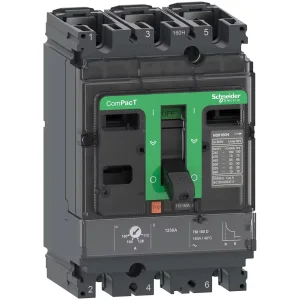
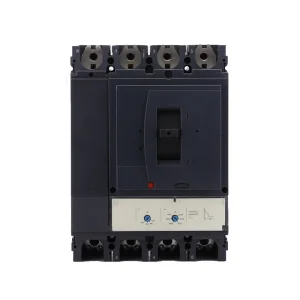
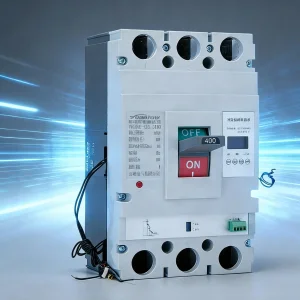
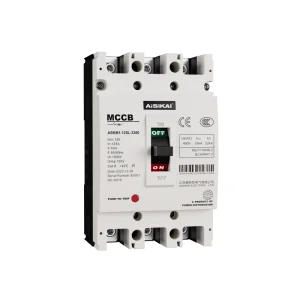
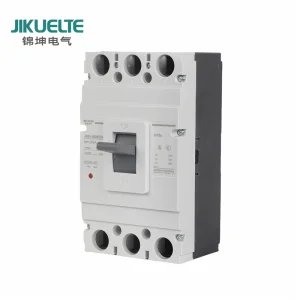
Key technical queries resolved by our engineering and compliance divisions.
Ultimate Breaking Capacity (Icu) defines the maximum short-circuit fault current that the circuit breaker can safely interrupt without permanent damage to the surrounding system, though the breaker itself may need replacement. Service Breaking Capacity (Ics) is the maximum fault level the breaker can interrupt and still remain fully functional. For critical infrastructure projects in Toronto, engineering specifications often demand that Ics equals 100% of Icu (Ics = 100% Icu) to minimize post-fault downtime.
The OESC requires all electrical equipment to be certified by an SCC-accredited testing agency (such as CSA, UL, Intertek, or QPS). If an imported MCCB does not bear a direct CSA mark, it must undergo a Field Evaluation (under SPE-1000 standards) conducted by an authorized inspection agency (like the Electrical Safety Authority - ESA) in Ontario before the installation can be energized.
4-Pole MCCBs are used in systems where switching the neutral conductor is required. This is common in dual-power sources (e.g., switching between utility power and backup generators) to prevent stray neutral currents, and in systems with high harmonic distortion (typically caused by modern IT loads and LED lighting) to protect the neutral conductor from overheating.
Standard manufacturing times range from 10 to 20 days depending on the volume and customization required. Ocean freight from Ningbo or Shanghai port to the Port of Montreal or Port of Halifax, followed by rail transport to the GTA, typically takes 25 to 35 days. For urgent projects, air freight options are available with a transit window of 5 to 7 days.
Because Ontario experiences wide seasonal temperature swings (-30°C to +35°C), thermal-magnetic MCCBs can experience nuisance tripping in summer heat or fail to trip during winter cold due to changes in bimetallic strip behavior. To address this, specify either electronic trip units (which are less sensitive to ambient temperature changes) or utilize temperature-compensated thermal units calibrated for a 40°C reference rating.