UniWave Electric
UniWave Electric
UniWave Electric
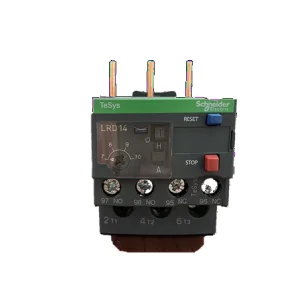
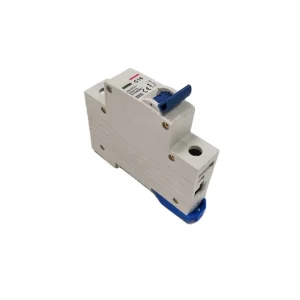
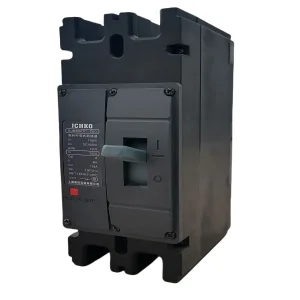
Explore the initial selection of our export-oriented, CE-certified low-voltage controls and high-capacity switching elements engineered for global heavy industry.
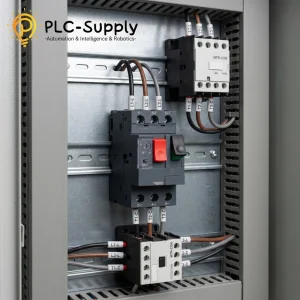
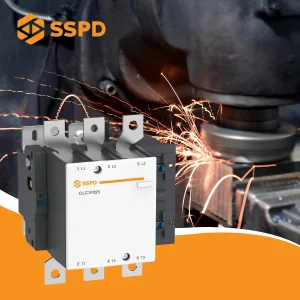
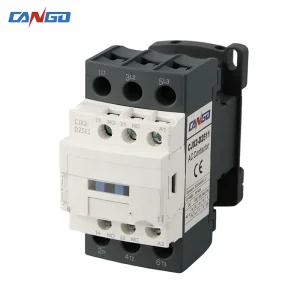
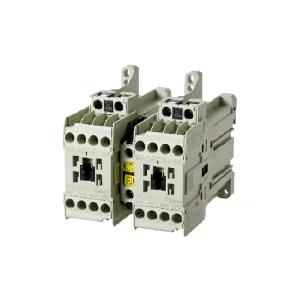
In the rapidly changing landscape of industrial automation, the control relay stands as a fundamental component. Far from being simple mechanical switches, modern control relays are highly specialized instruments designed to process logic, isolate sensitive electronic controller circuits from raw electric grid power, and execute real-time circuit control under challenging operational conditions. Whether directing low-current logic commands to activate high-power contactors or monitoring parameters like phase imbalance, overcurrent, and thermal thresholds, control relays are the critical safeguard of industrial control units.
The global demand for control relays has risen significantly due to the growth of smart manufacturing systems, green energy infrastructures, and automated commercial environments. Selecting an experienced and accredited exporter is no longer just a purchasing decision—it is a critical choice for supply chain safety, regulatory compliance, and operational reliability.
Protects microcontrollers, PLC systems, and digital inputs from high-voltage surges, transient spikes, and inductive back-EMF.
Provides thermal overload sensing, phase monitoring, and voltage anomaly detection, preventing expensive system failures.
Acts as the logic link in hardwired circuits, managing interlocks and delays without relying solely on software-level routines.
For international sourcing directors, electrical distributors, and industrial switchgear system designers, sourcing components without global compliance certificates introduces significant operational, legal, and financial risks. The CE mark represents more than just a regulatory badge; it indicates that a control relay has been rigorously tested and matches the strict requirements of EU Harmonized Directives, specifically the Low Voltage Directive (2014/35/EU) and the Electromagnetic Compatibility Directive (2014/30/EU).
By selecting CE-marked and IEC-compliant control relays, businesses secure:
A leading manufacturer specializing in circuit protection and control relay technology, with 25+ years of verified industry experience based in Yueqing, Wenzhou, China.
Wenzhou UniWave Electric Co., Ltd. is a leading manufacturer specializing in a wide range of electrical products, including Circuit Breakers (RCBO / RCCB / MCB / WiFi Smart MCB / MCCB / ACB), Isolator Switches, Change Over Switches, AC Contactors, Thermal Relays, Magnetic Starters, Solid State Relays, Distribution Boxes, Voltage Stabilizers, and Voltage Protectors. Our company is located in Liushi, Yueqing, Wenzhou, China, famously known as the “City of Low Voltage Electrical Appliances,” offering both a thriving industrial environment and a beautiful natural setting.
With over 25 years of experience in the circuit breaker and AC contactor industry, Wenzhou UniWave Electric has established a strong reputation for quality, reliability, and innovation. Our products strictly comply with IEC standards and have obtained internationally recognized certifications, including SAA, CE, CB (IEC), and ISO9001.
Our company is equipped with advanced testing instruments and a highly skilled R&D team, allowing us to continually develop new products and improve existing ones. We are committed to providing cutting-edge solutions that meet the evolving needs of our customers. Our products are widely exported and highly appreciated in various markets around the world, including Europe, America, Southeast Asia, the Middle East, and Africa.
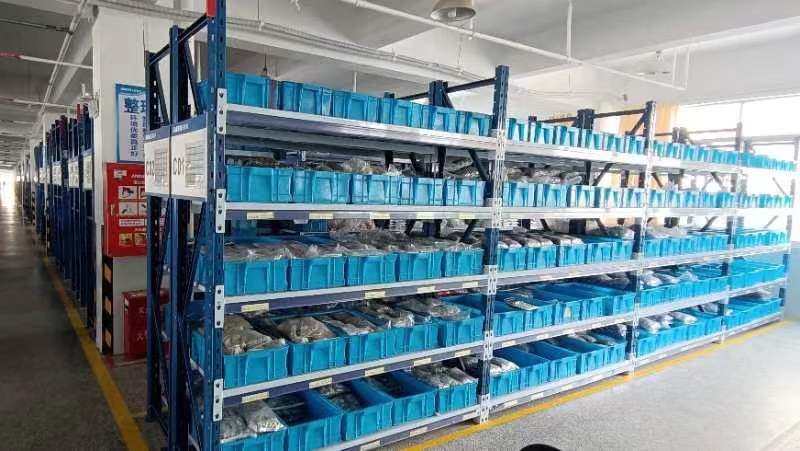
Through advanced, automated production steps, UniWave maintains strict quality control from raw materials to final packaging.
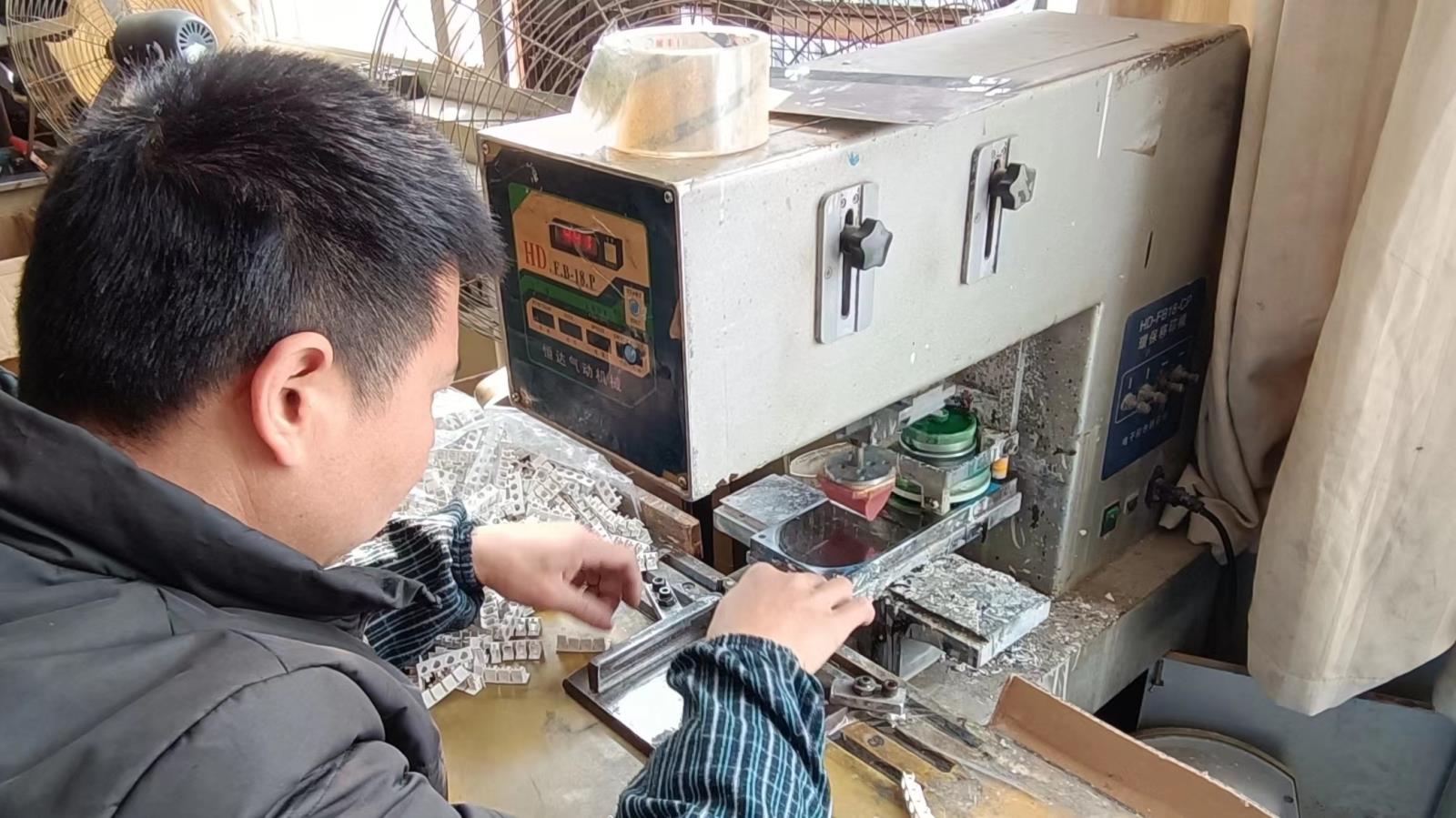
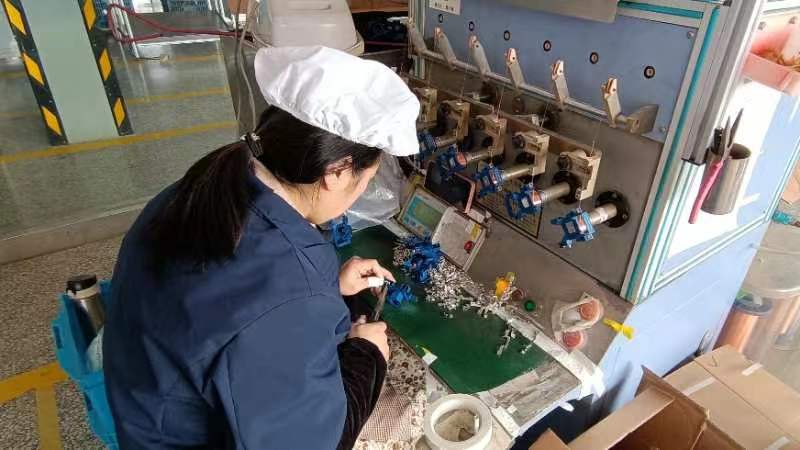
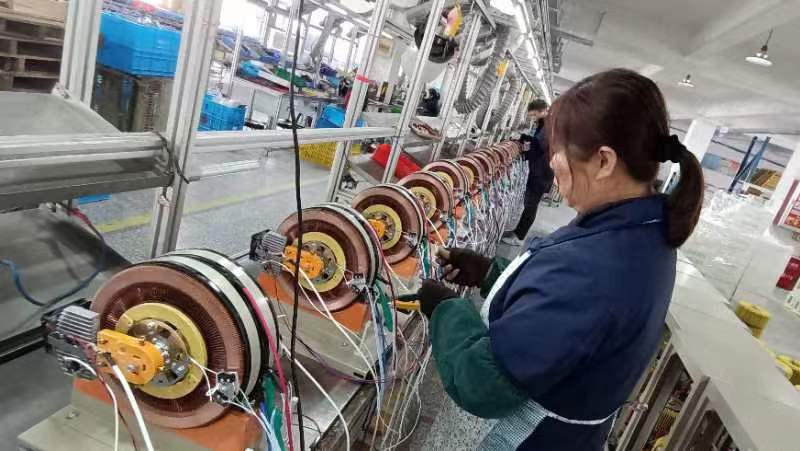
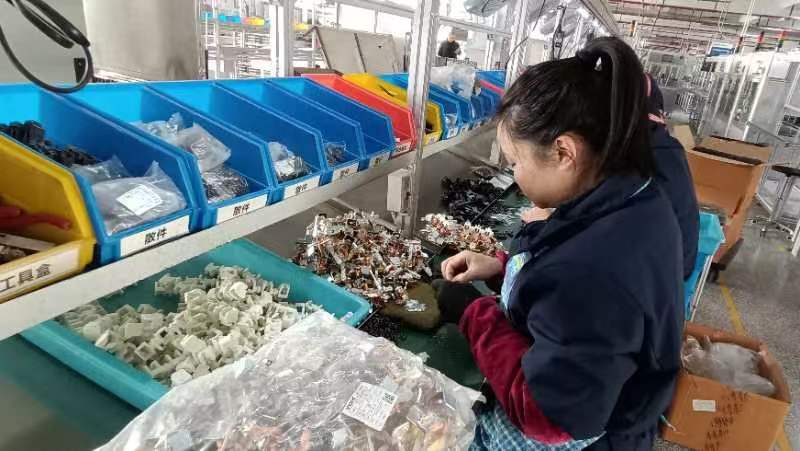
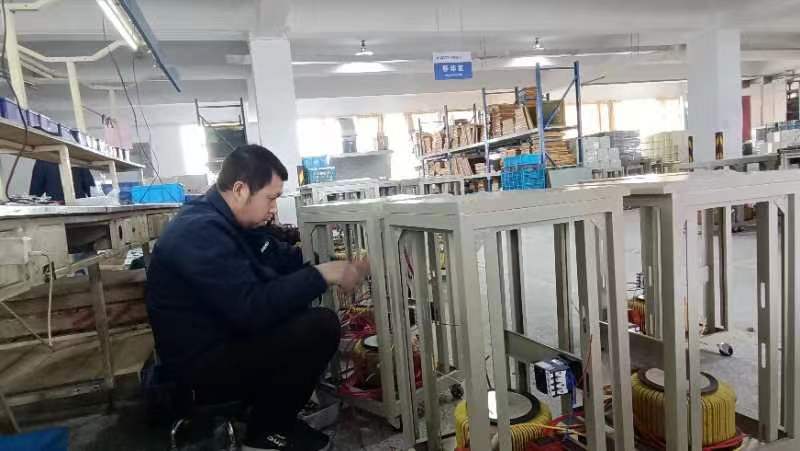
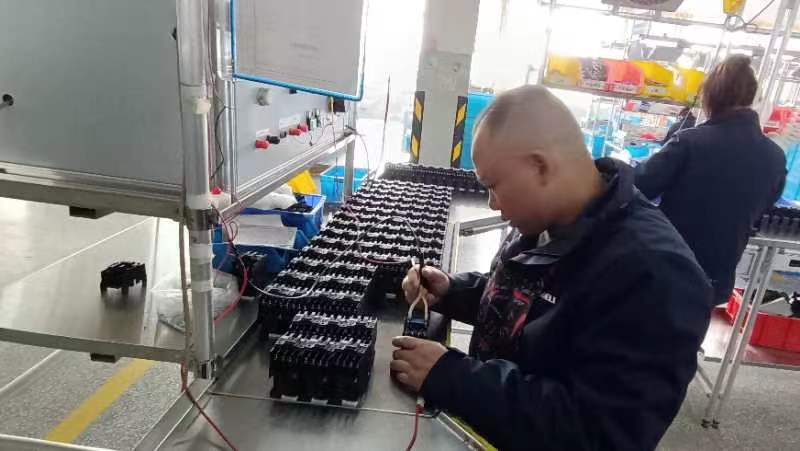
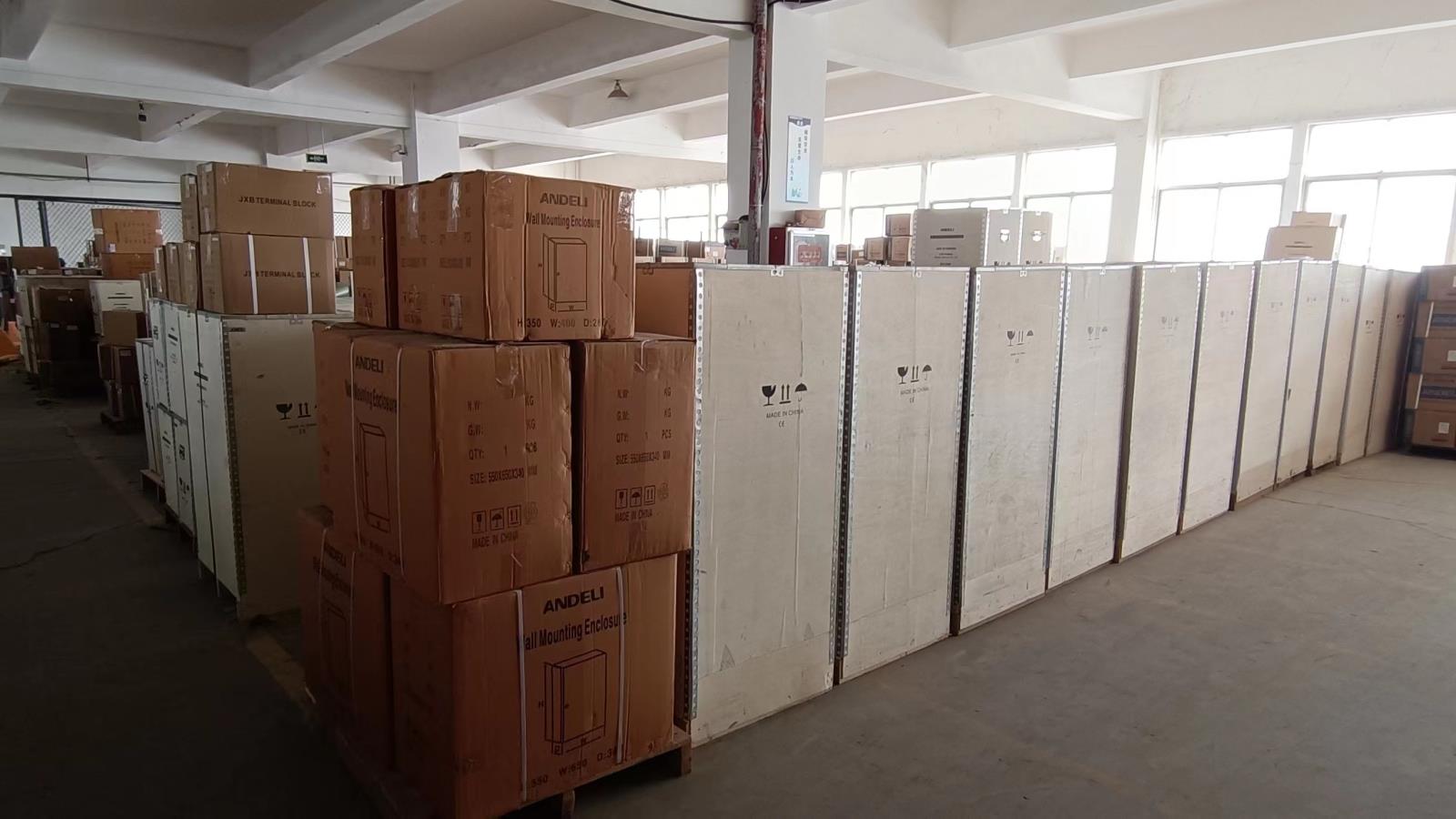
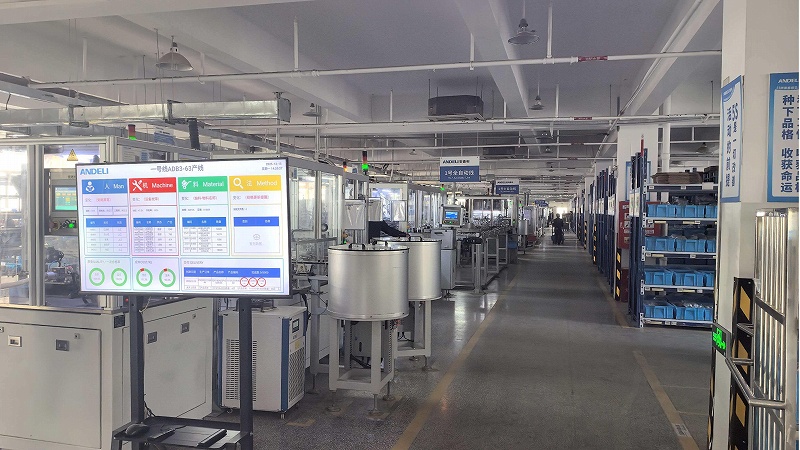
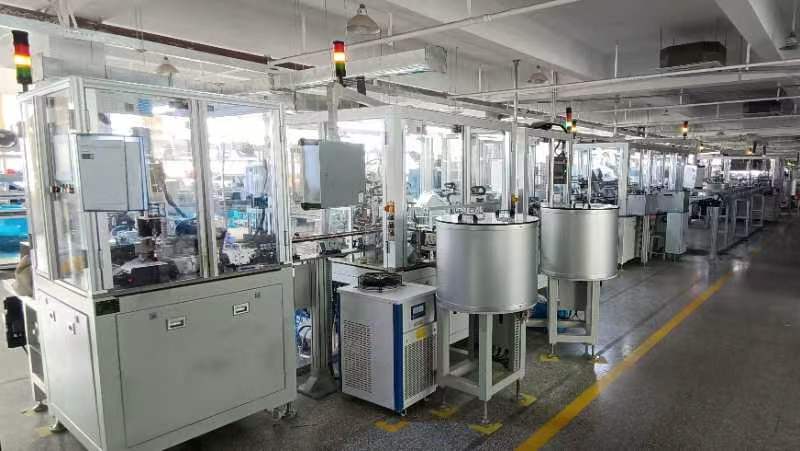
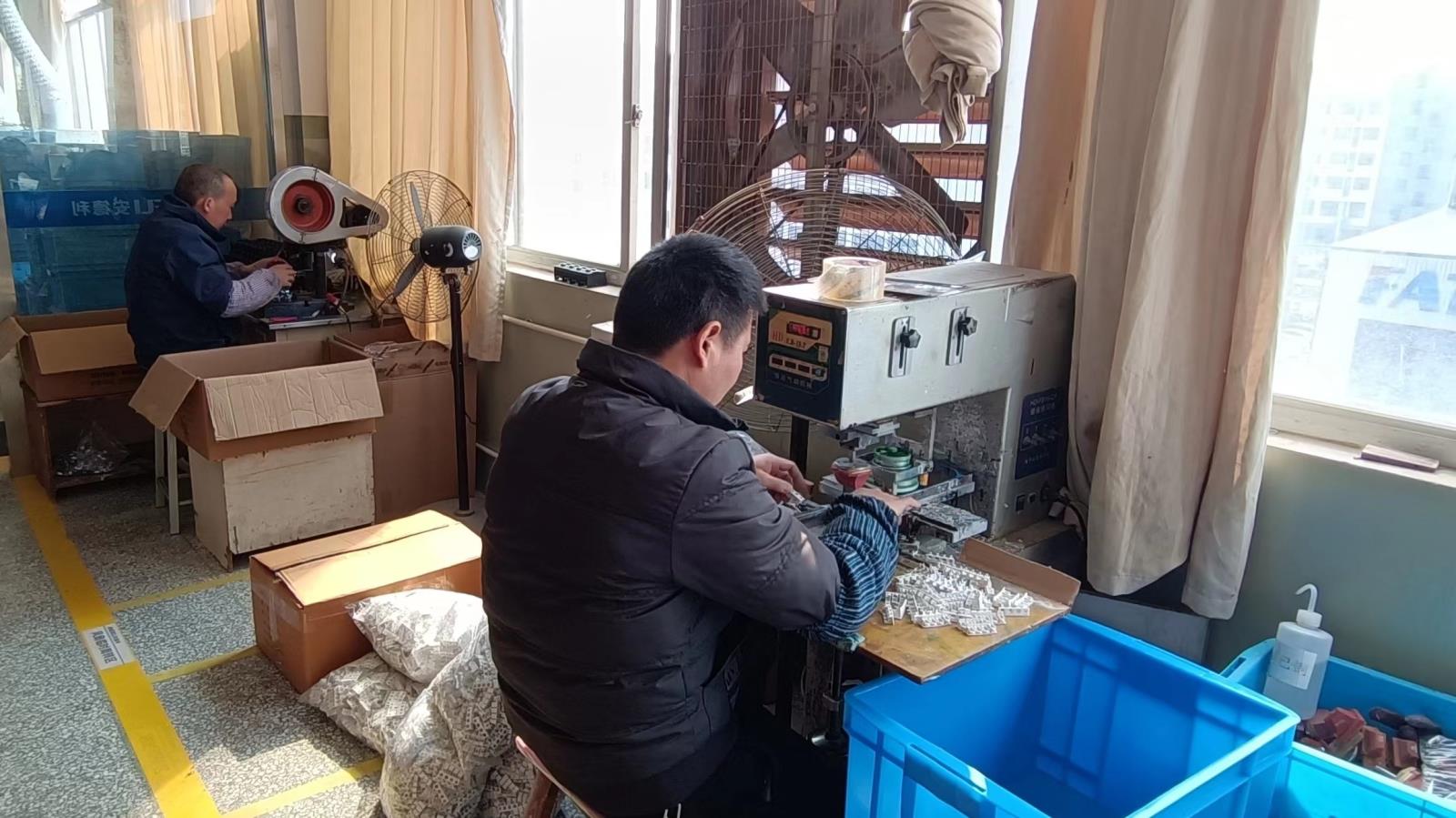
Liushi in Wenzhou is often called the "City of Low Voltage Electrical Appliances," but it represents much more than a simple cluster of component assemblers. Today, it stands as an integrated ecosystem that leverages Industry 4.0 principles to balance manufacturing flexibility, consistent product quality, and cost efficiency. At Wenzhou UniWave Electric, we combine this local manufacturing ecosystem with automated winding, high-speed automated pad printing, and computer-controlled testing processes.
Our factory uses custom-engineered winding systems that apply consistent wire tension and precise wrap counts to electromagnetic coils. This precision helps reduce heat output and prevents coil burnout during continuous operation. Our automated assembly and multi-point automated testing systems ensure that every control relay is calibrated to matching specifications, eliminating variations associated with manual assembly.
Recent global logistics disruptions have emphasized that price is only one part of the sourcing equation; supply chain resilience is equally critical. By managing raw materials, processing coils, and handling stamping and printing in-house, UniWave minimizes vulnerability to external vendor delays. This end-to-end control allows us to offer reliable lead times for large OEM orders, ensuring your projects stay on track.
Control relays serve different functions depending on the region and the specific application environment. Understanding these specific application scenarios helps engineers select the optimal relay layout.
In modern commercial buildings, energy efficiency and quiet operation are critical. Our low-power, energy-saving control relays operate with minimal magnetic hum, making them well-suited for installation in acoustic ceilings, air handlers, and heat pump panels. Designed to interface directly with 24V AC/DC building management system (BMS) controllers, they isolate these low-voltage circuits from high-power fan motors and compressors.
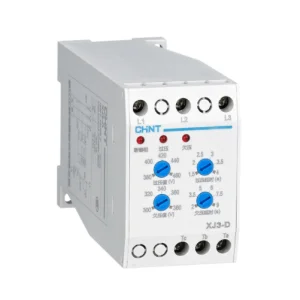
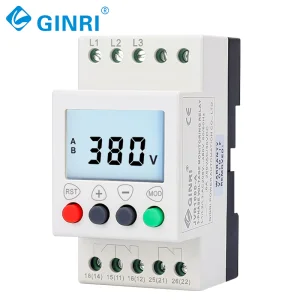
Agricultural and industrial pump control panels often face unstable line voltages, which can lead to motor overheating. For these environments, our three-phase phase monitoring relays (such as the JVR1000-A) provide critical system protection. By continuously tracking phase symmetry and voltage levels, the relay instantly disconnects the starter control loop if it detects a phase failure or voltage drop, saving costly submersible pumps from motor burnout.
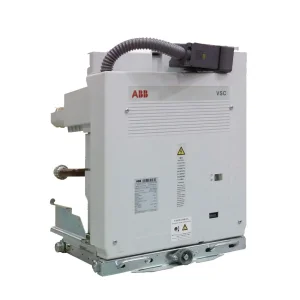
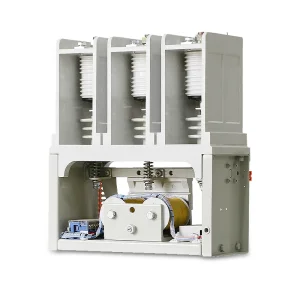
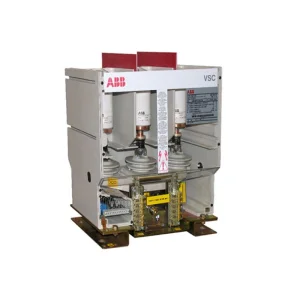
In mining, metal processing, and high-capacity electrical grids, standard air-break contactors can wear down quickly due to electric arcing. For these demanding installations, vacuum contactors (such as the CKG3-7.2KV series) isolate the switching contacts inside a sealed vacuum chamber. Without oxygen, electric arcs are extinguished rapidly, allowing the contacts to handle thousands of switching cycles at several kilovolts with minimal wear.
Get answers to the most common engineering and procurement questions regarding CE-certified control relays, phase monitors, and industrial starters.
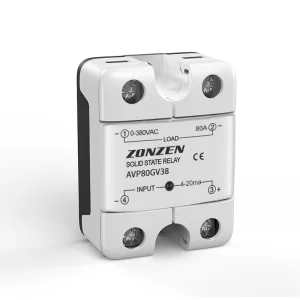
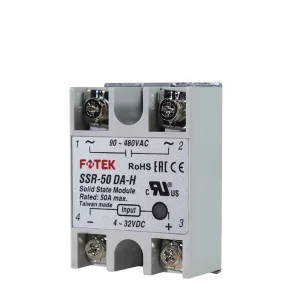
Review the second half of our high-quality product line, featuring advanced phase protection, heavy-duty vacuum contactors, and solid-state switching solutions.