UniWave Electric
UniWave Electric
UniWave Electric
High-precision protection and control components engineered to secure intelligent drive networks and industrial machinery.
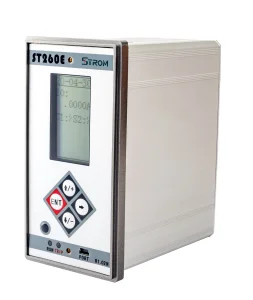
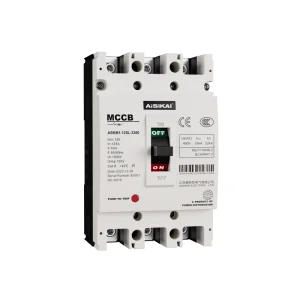
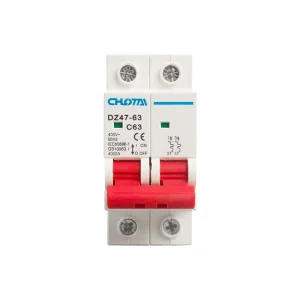
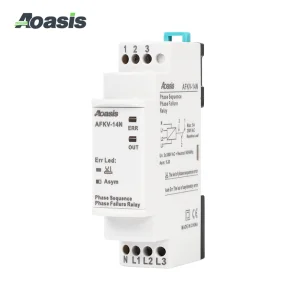
The industrial landscape is undergoing an unprecedented transition towards hyper-efficiency, electrification, and intelligent power distribution. At the epicenter of this dynamic shift is the frequency inverter (Variable Frequency Drive or VFD), an essential system component responsible for converting standard input power into adjustable voltage and frequency. By controlling motor acceleration, torque, and velocity, these devices deliver massive operational advantages: up to 50% energy savings on centrifugal applications, reduced mechanical fatigue, and optimized control parameters for precise automation processes.
However, the rapid implementation of high-frequency switching semiconductors in frequency inverters introduces unique electrical challenges. Modern high-power IGBTs (Insulated-Gate Bipolar Transistors) cycle thousands of times per second, generating microsecond-fast voltage pulses with high dv/dt slopes. These transients stress motor windings and produce harmonic distortion that flows back into the grid, posing critical system-wide degradation risks. Consequently, procuring high-performance frequency inverters requires a holistic system-level perspective. The success of a variable-frequency motor installation is not merely defined by the drive itself, but by the robust protective switchgear, vacuum contactors, molded case circuit breakers (MCCB), and automatic reclosers that isolate and support it.
Modern motor drive architectures have transcended simple speed regulation. The current era focuses on the deep integration of frequency inverters with Industrial Internet of Things (IIoT) frameworks and smart grid systems. Driven by stringent carbon neutrality policies worldwide, manufacturers are shifting from simple open-loop scalar systems to high-performance vector and Direct Torque Control (DTC) systems. These controls allow induction and permanent magnet synchronous motors (PMSM) to execute complex, dynamic torque profiles with zero-speed precision.
Simultaneously, the widespread incorporation of wide-bandgap (WBG) semiconductors such as Silicon Carbide (SiC) and Gallium Nitride (GaN) is reshaping VFD power electronics. WBG materials allow inverters to operate at significantly higher switching frequencies, vastly reducing thermal energy dissipation and miniaturizing inductive and capacitive line filter footprints. Furthermore, the integration of grid-forming software control and active front-end (AFE) technologies has transformed frequency inverters from passive loads into active grid stabilizers. In modern microgrid environments, dynamic regenerative braking systems allow the energy stored in decelerating mechanical loads to be fed cleanly back into the municipal grid, optimizing overall network utilization and minimizing system heat.
For international procurement directors, utility operators, and system integrators, securing high-voltage and low-voltage power regulation products is an exercise in risk mitigation. A typical procurement cycle must address distinct structural, electrical, and commercial parameters:
1. Harmonic Mitigation (THDi Compliance): Frequency inverters naturally generate harmonic currents that disrupt sensitive electronic devices on the same grid. Global engineering departments demand compliance with standard regulations like IEEE 519, requiring suppliers to design integrated or external AC/DC chokes, passive harmonic filters, or advanced active front-end topologies that keep Total Harmonic Distortion below critical 5% thresholds.
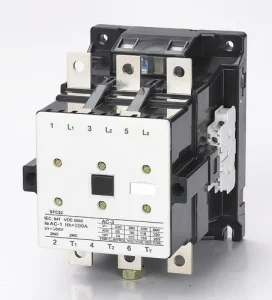
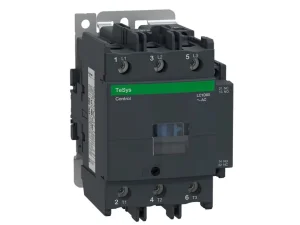
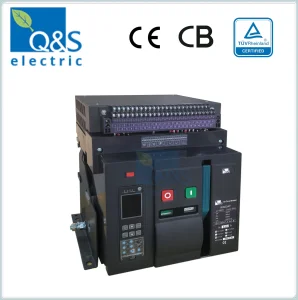
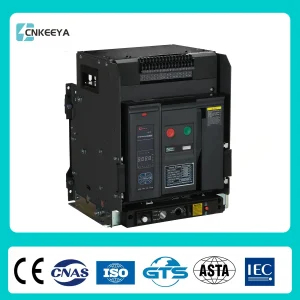
2. Upstream Coordination and Electrical Integrity: A variable frequency drive must be paired with high-performance protective gear. In industrial environments with high prospective short-circuit currents, the upstream Air Circuit Breakers (ACB) and Molded Case Circuit Breakers (MCCB) must possess adequate breaking capacities (e.g., up to 45kA or 65kA) to prevent destructive arc flashes. Moreover, vacuum contactors (such as permanent magnet contactors) are vital to reliably switch high currents during emergency bypass operations without causing contact wear or degradation.
3. Severe Environmental Resilience: Motor controllers are frequently deployed in hostile outdoor applications, coastal environments, or dusty industrial halls. Procurement agents require high ingress protection standards (IP54 to IP66 ratings), advanced conformal coating on printed circuit boards (3C3 classification for chemical atmospheres), and rugged thermal management options to prevent premature field failures.
Achieving system optimization requires treating the frequency inverter, protective switchgear, and load as a single unified system. Modern heavy industry applications demand robust, coordinated electrical networks:
As a leading name in power control technology, Wenzhou UniWave Electric Co., Ltd. (located in the heart of Liushi, Yueqing, Wenzhou, China—widely celebrated as the "City of Low Voltage Electrical Appliances") has spent more than 25 years establishing its reputation for manufacturing excellence. Rather than providing isolated products, UniWave focuses on delivering coordinated, system-wide protection and switching architectures that keep high-performance frequency inverter installations safe, reliable, and compliant.
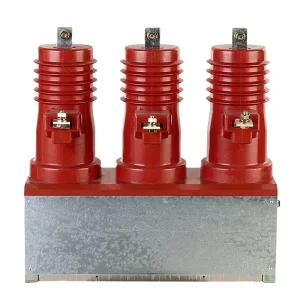
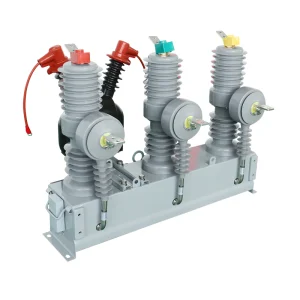
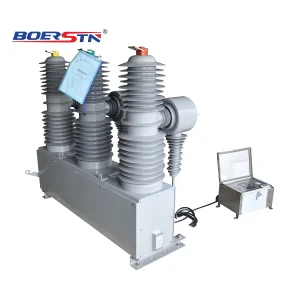
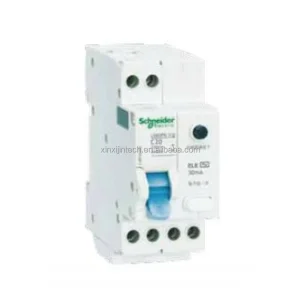
Our expansive product portfolio spans the entire protective chain: high-voltage vacuum circuit breakers, modern Air Circuit Breakers (ACB) designed for smart grid integration, Molded Case Circuit Breakers (MCCB) with thermal-magnetic and electronic leakage trip units, AC contactors, and specialized self-powered phase-failure protection relays. All UniWave products strictly align with international IEC standards and have obtained recognized safety and performance certifications including SAA, CE, CB, and ISO9001 quality management control. With advanced testing equipment and a dedicated R&D team, we continuously pioneer new solutions that support modern green industrialization efforts in Europe, America, Southeast Asia, the Middle East, and Africa.
Looking ahead, the drive technology landscape is moving towards complete digitization. The next generation of frequency inverters will feature onboard machine learning algorithms to perform real-time edge diagnostics. By measuring tiny variations in current signatures, the drive will detect early mechanical bearing degradation, motor insulation breakdowns, or load-side imbalances before they lead to expensive downtime.
At the same time, the transition from silicon to Wide Bandgap devices will accelerate, resulting in ultra-compact drives that can be integrated directly onto the motor housing itself (integrated motor-drive packages). For power grid interfaces, the focus will center on smart grid protocols like IEC 61850. By adopting these standards, protective circuit breakers, relays, and inverters can exchange real-time status telemetry over high-speed Ethernet networks. This enables immediate grid reconfiguration, rapid fault isolation, and autonomous load balancing to maximize energy reliability.
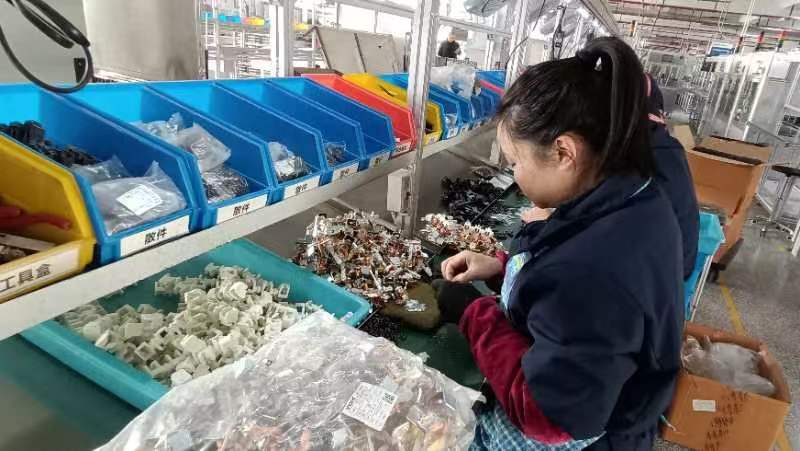
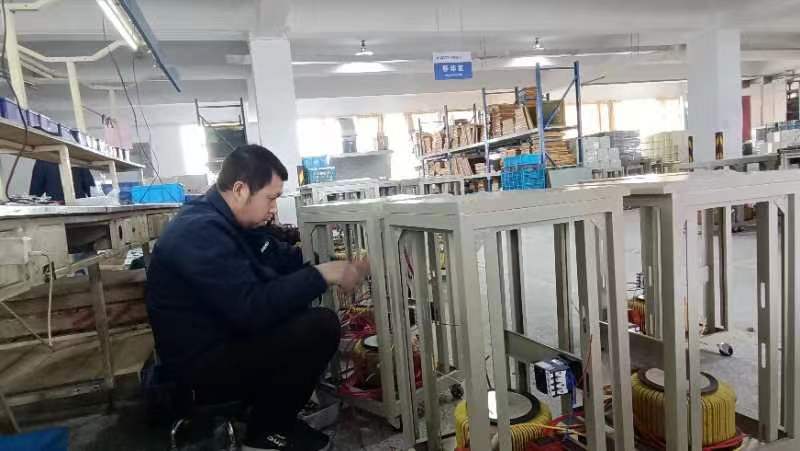
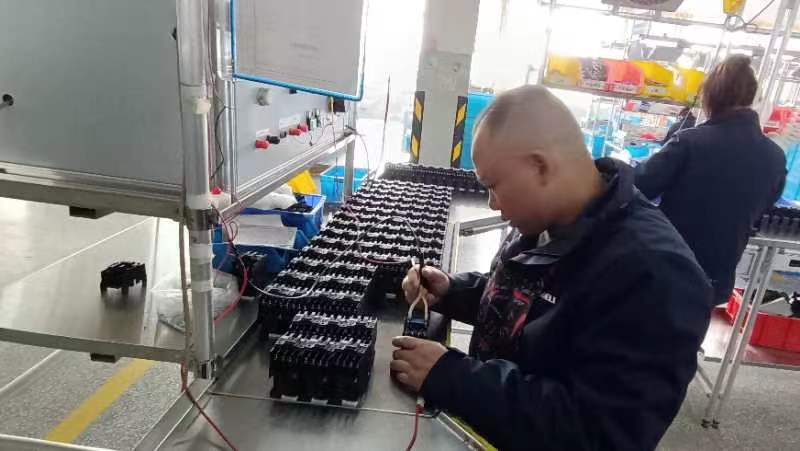
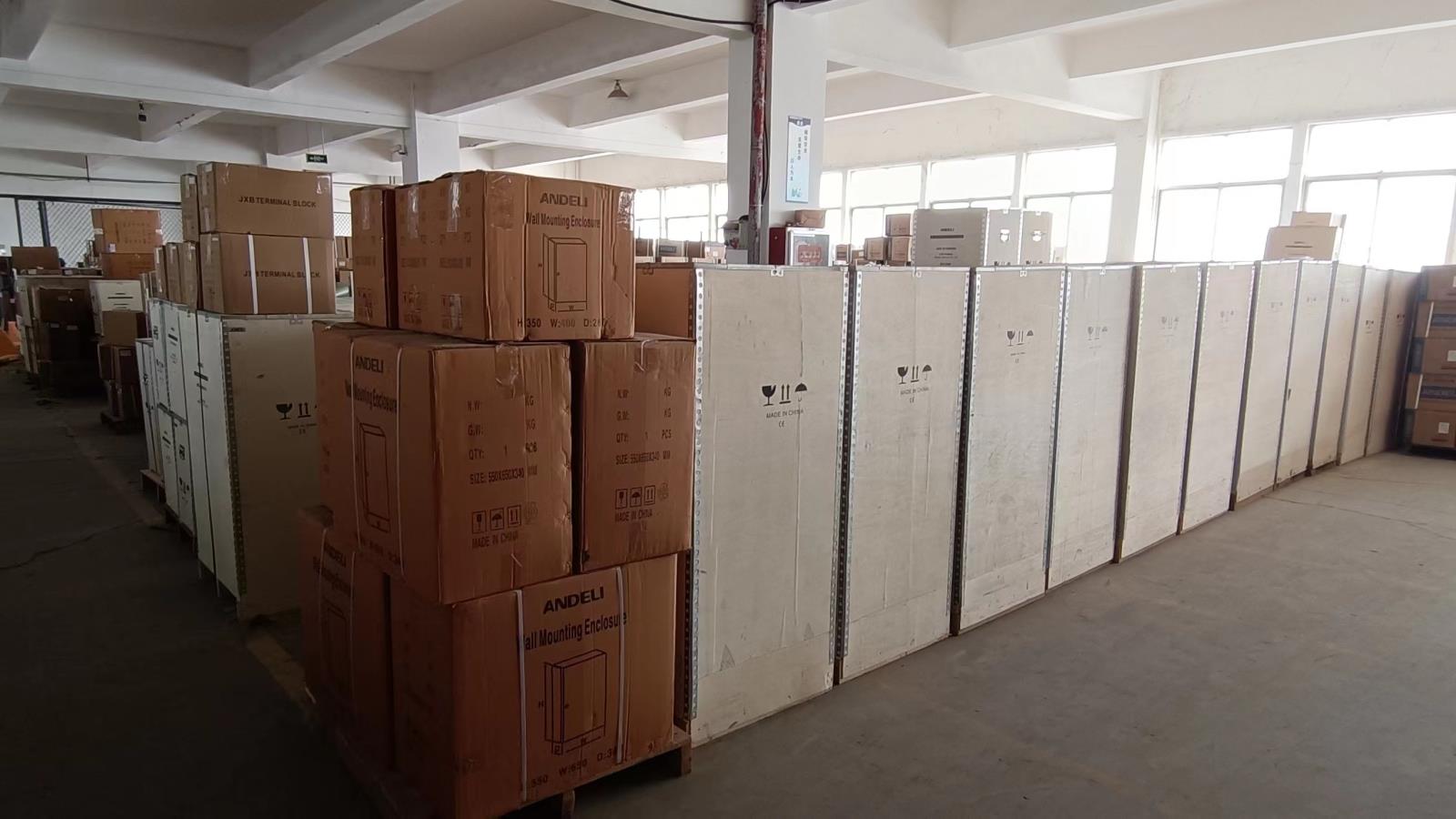
Inside UniWave Electric's state-of-the-art production site, showing our rigorous raw material inspection, precision winding, and strict quality control testing.
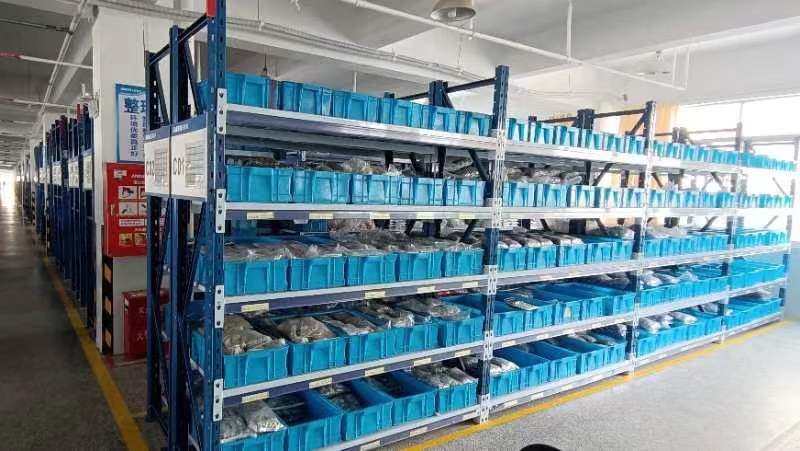
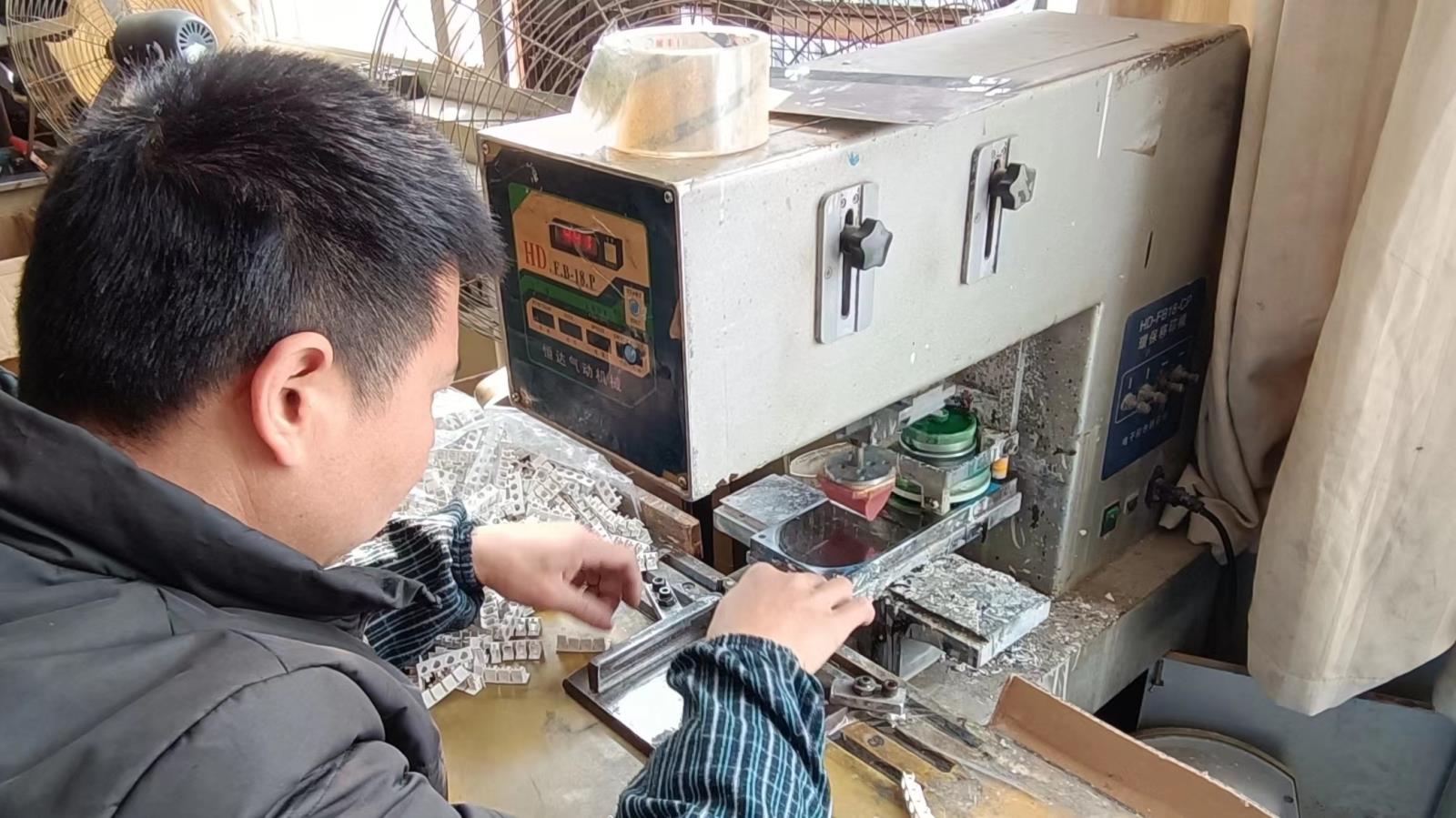
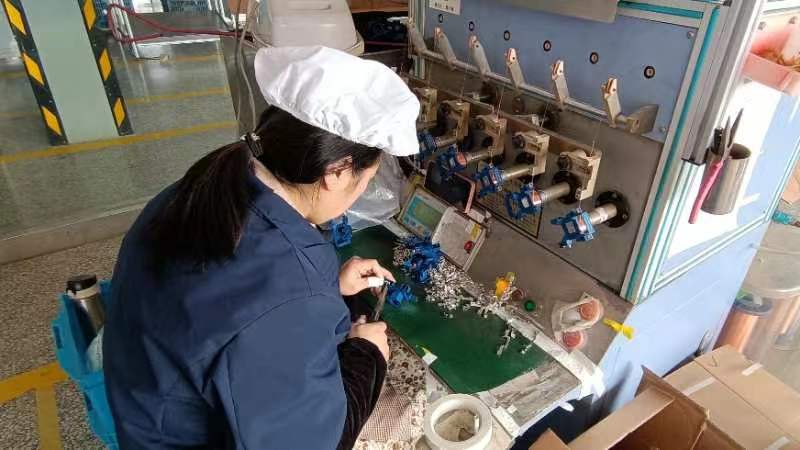
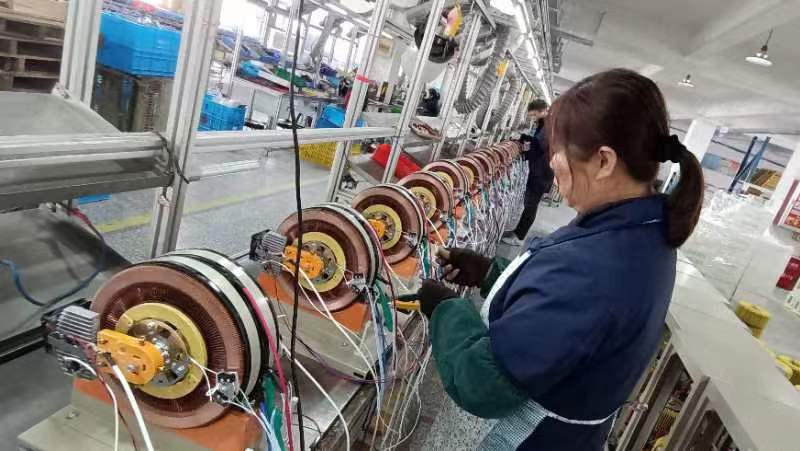
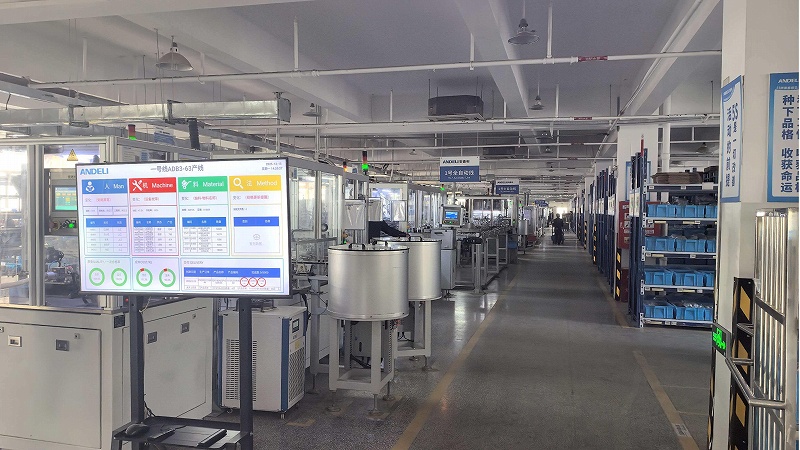
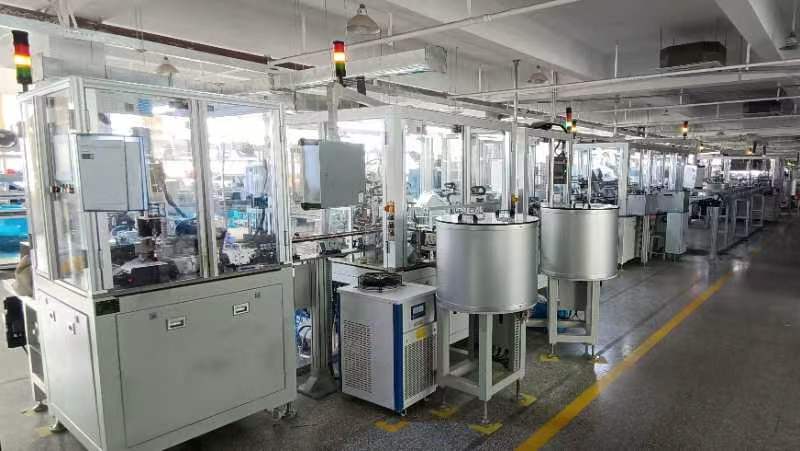
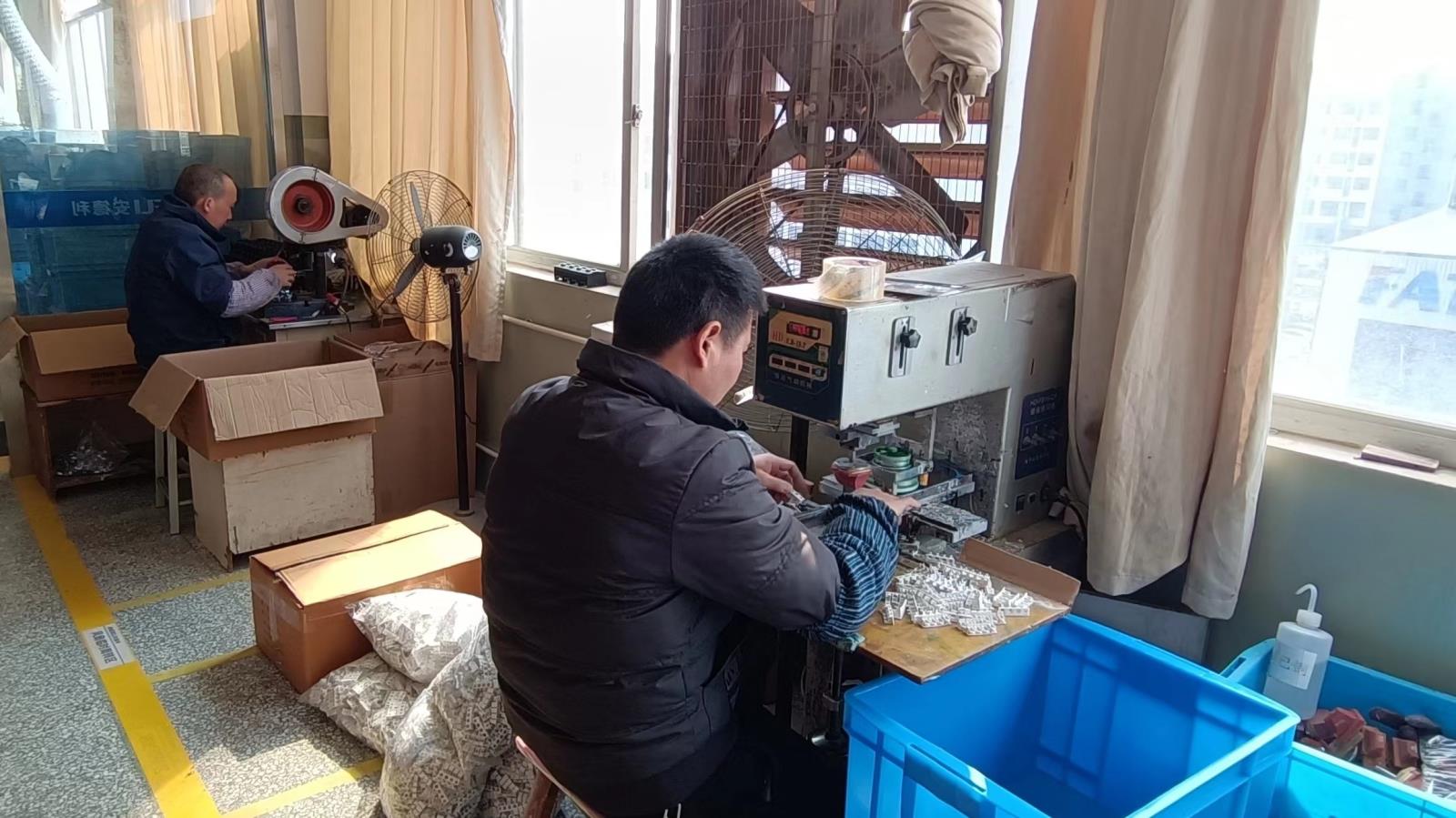
Professional engineering answers to core technical questions on selecting, protecting, and optimizing frequency inverters.
Upstream circuit breakers (such as MCCBs or ACBs) must be sized based on the inverter's maximum input current, plus a margin for harmonics (typically 125% of input rating). You must also ensure the breaker has an adequate interrupting capacity (Icu) to handle the system's prospective short-circuit current, and features a magnetic trip curve that prevents nuisance tripping caused by high inrush charging currents in the inverter's DC-link capacitor bank.
Vacuum contactors contain the electrical arc within a sealed vacuum bottle. This eliminates the risk of arc flashes, prevents contact oxidation, and allows for a significantly higher switching cycle lifetime compared to standard air contactors. They are highly reliable for motor bypass, soft starter switching, and emergency isolation paths in high-voltage drive enclosures.
If an input phase is lost (single-phasing) or reversed under load, the rectifier diodes in the frequency inverter will experience massive current imbalances, leading to rapid overheating and failure. A dedicated phase sequence/failure protection relay monitors line symmetry and immediately trips the upstream breaker or main contactor to isolate the drive from input faults.
Electrical gear must comply with IEC (International Electrotechnical Commission) design rules. Major export regions require specific certifications: CE and CB certificates are standard for European and international trade, SAA is required for Australia and New Zealand, and factories must maintain ISO9001 quality system credentials to ensure batch-to-batch consistency and process control.
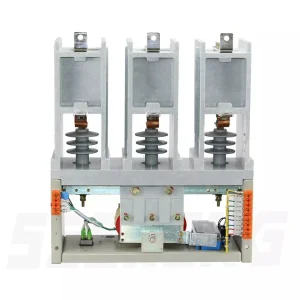
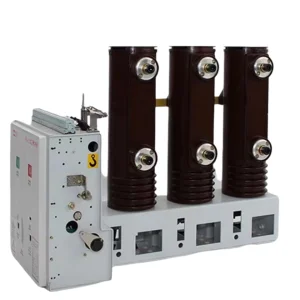
Medium and high voltage vacuum interrupters, automatic switchgear, and protective contactors designed for utility-scale systems.