UniWave Electric
UniWave Electric
UniWave Electric
High-performance control assemblies integrated in level-sensing infrastructure, ensuring continuous system safety, circuit protection, and automated fluid automation.
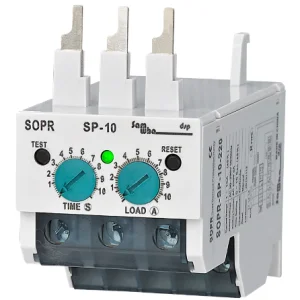
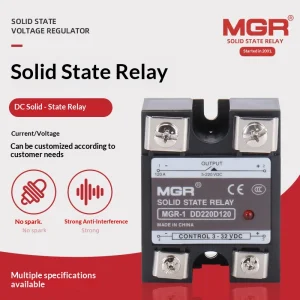
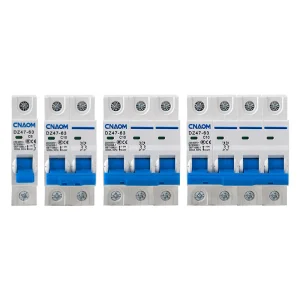
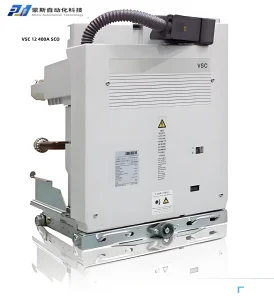
In modern process automation, level sensors serve as critical sensory inputs that drive the logic loops of automated pumping systems, chemical storage arrays, waste-water processing plants, and energy distribution systems. High-accuracy level detection—utilizing contact methods like tuning forks and guided waves, or non-contact solutions such as 80GHz FMCW radar and ultrasonic telemetry—enables real-time tracking of fluid levels. These sensors constantly translate physical measurements into 4-20mA, HART, Modbus, or IO-Link protocols, which communicate with PLCs (Programmable Logic Controllers).
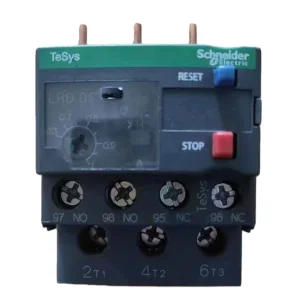
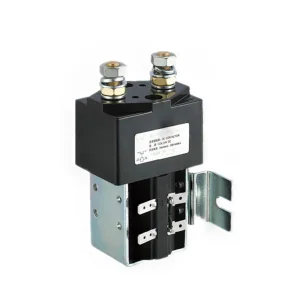
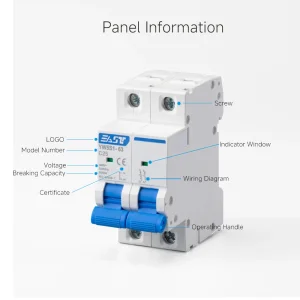
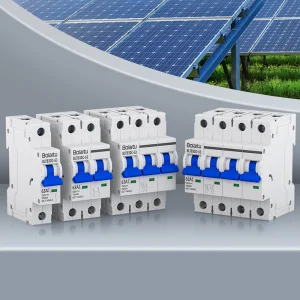
However, the sensing element is only the "eyes" of the system. The physical execution—acting upon the sensor signals to activate valves, control high-power pumps, and isolate circuits—depends heavily on robust electrical protection equipment. Components such as Miniature Circuit Breakers (MCBs), AC/DC Contactors, Solid State Relays (SSRs), and Thermal Overload Relays must work in perfect synchronization with level sensors to protect equipment from phase failures, current spikes, and dry-running hazards.
An authoritative, structural breakdown of the global landscape, identifying tech specializations, regional export hubs, and operational criteria for industrial buyers.
HQ: Switzerland | Core Tech: Radar & Guided Wave Radar (GWR)
Renowned for the Levelflex and Micropilot series, Endress+Hauser leads in high-accuracy hygienic applications and demanding process vessels. Their instrumentation integrates seamlessly with DCS networks via HART and Profibus protocols.
HQ: USA | Core Tech: Non-Contacting Radar & Hydrostatic Pressure
Rosemount manufactures industry-standard level senders. Their transmitters are optimized for tough petrochemical conditions, high temperatures, and high pressure, providing absolute safety compliance (SIL2 / SIL3 certificates).
HQ: Germany | Core Tech: 80GHz Radar Technology
A pioneer in high-frequency radar measurement, VEGA's VEGAPULS sensors are the benchmark for solids and liquids. Their focus is on high focus, high dynamic range, and fast reaction setups, providing unparalleled reliability.
HQ: Germany | Core Tech: SITRANS Ultrasonic & Radar
Siemens excels in municipal water and environmental monitoring. Their SITRANS Probe and LU series provide robust non-contact level sensing for open channels, wet wells, and raw material storage silos.
HQ: Japan | Core Tech: Hydrostatic Differential Pressure
Yokogawa’s EJX and EJA series transmitters leverage resonant silicon sensors, yielding high accuracy for closed tanks with volatile vapor spaces. Popular in large refinery applications.
HQ: Germany | Core Tech: OPTIFLEX Guided Radar & Bypass Indicators
KROHNE specializes in bespoke level and flow setups. Their bypass level indicators paired with guided wave radar offer a dual physical/electronic safety loop for corrosive storage.
HQ: USA | Core Tech: Thermal Dispersion & Buoyancy
Under AMETEK, Magnetrol designs heavy-duty switch solutions. Their mechanical float controls and thermal dispersion switches are rugged safety elements for critical boiler water levels.
HQ: Germany | Core Tech: Intrinsic Safety Barriers & Ultrasonic Sensing
P+F designs explosion-proof sensing systems. Their intrinsic safety barriers and level switches are widely deployed in hazardous zones requiring ATEX/IECEx certifications.
HQ: Switzerland | Core Tech: Laser Level Transmitters & Magnetostrictive
ABB is an innovator in laser level measurement (LLT series) which allows high-accuracy measurement over long distances in dusty environments without contact.
HQ: Germany | Core Tech: Optoelectronic & Guided Radar Sensors
Sick delivers highly reliable sensors for packaging and mechanical engineering, specializing in clean processes and rapid feedback electronics.
While level sensors provide precise industrial measurement data, translating that measurement data into physical control loops requires a highly dependable power management and circuit protection infrastructure. Wenzhou UniWave Electric Co., Ltd. is a leading manufacturer specializing in a wide range of electrical control products designed to safeguard industrial automation lines. Located in Liushi, Yueqing, Wenzhou, China—globally recognized as the "City of Low Voltage Electrical Appliances"—UniWave operates at the epicenter of electrical engineering and components manufacturing.
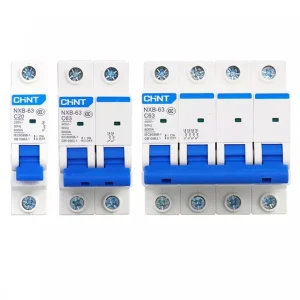
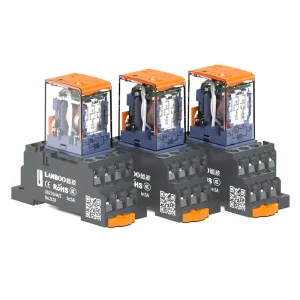
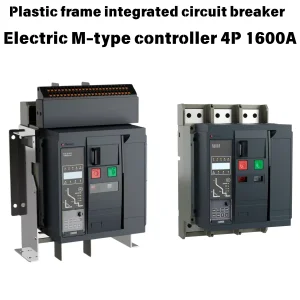
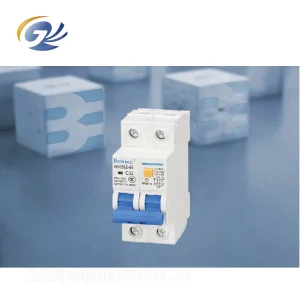
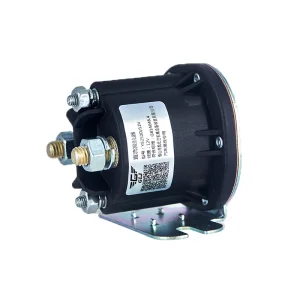
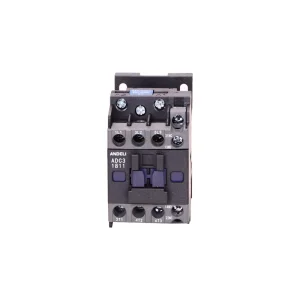
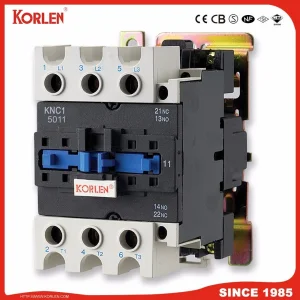
With over 25 years of industry experience in the circuit breaker and AC contactor sectors, Wenzhou UniWave Electric has built a strong reputation for manufacturing quality, reliability, and technical innovation. Our comprehensive catalog includes Circuit Breakers (RCBO, RCCB, MCB, WiFi Smart MCB, MCCB, ACB), Isolator Switches, Change Over Switches, AC Contactors, Thermal Relays, Magnetic Starters, Solid State Relays, Distribution Boxes, Voltage Stabilizers, and Voltage Protectors. All products are manufactured in strict compliance with IEC standards, securing major international quality certifications such as SAA, CE, CB (IEC), and ISO9001.
Our R&D team and advanced testing instrumentation allow us to continuously refine our production processes to support global process control applications. From Europe and North America to Southeast Asia, the Middle East, and Africa, UniWave delivers the electrical control components that convert level sensor readings into safe, controlled motor and pump activation.
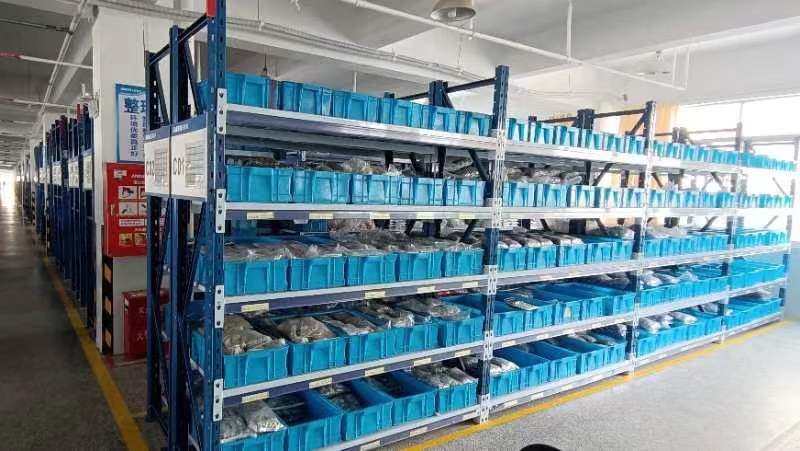
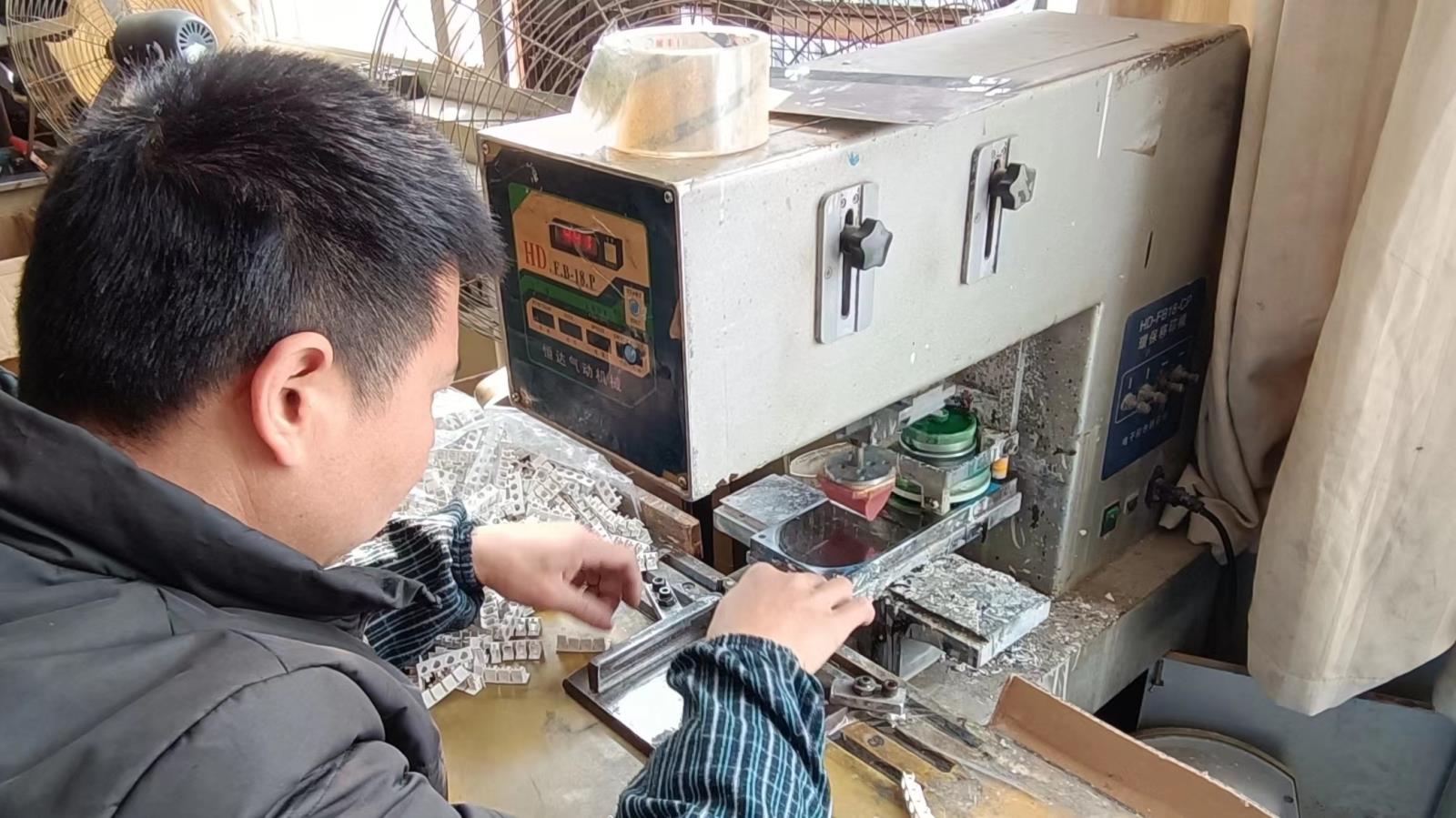
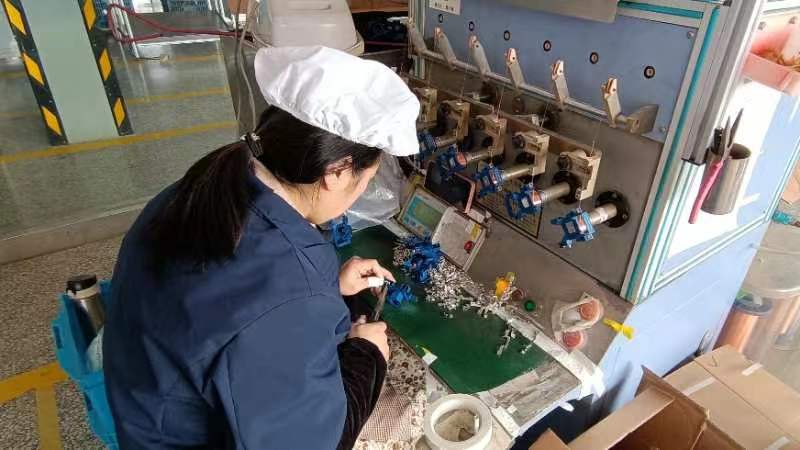
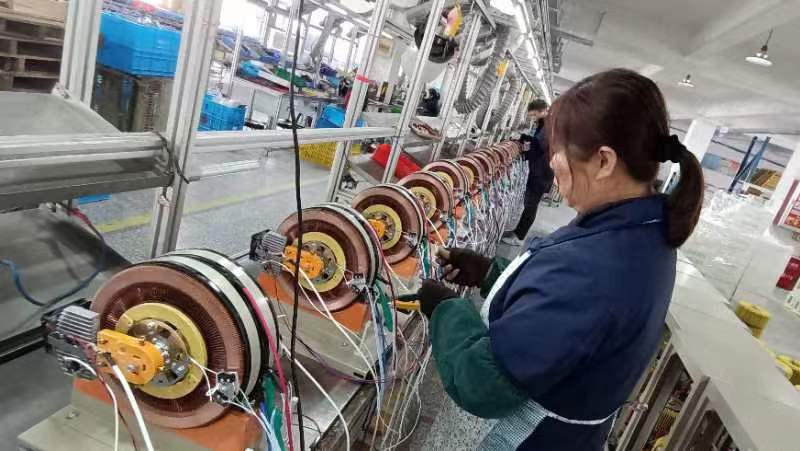
Take an inside look at Wenzhou UniWave's vertically integrated production facilities in Liushi, Wenzhou. Advanced winding machinery, automated assembly systems, and strict testing protocols guarantee reliable operation in challenging industrial environments.
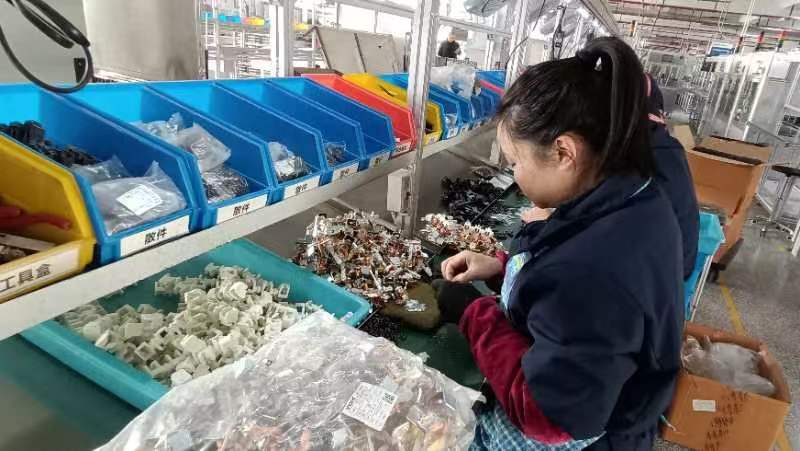
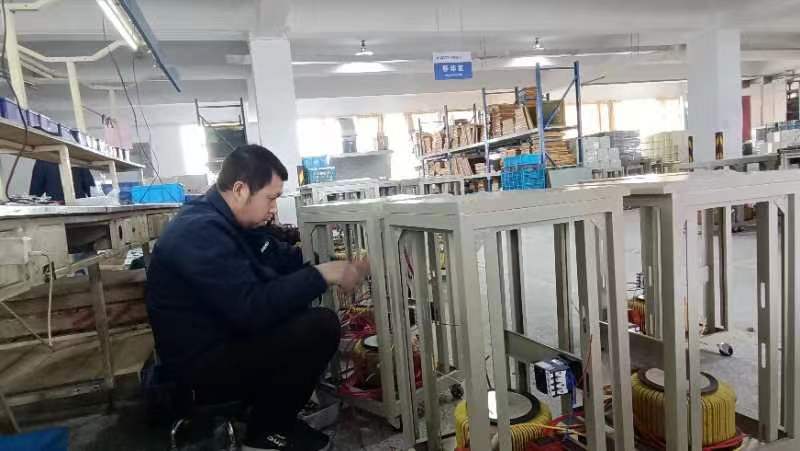
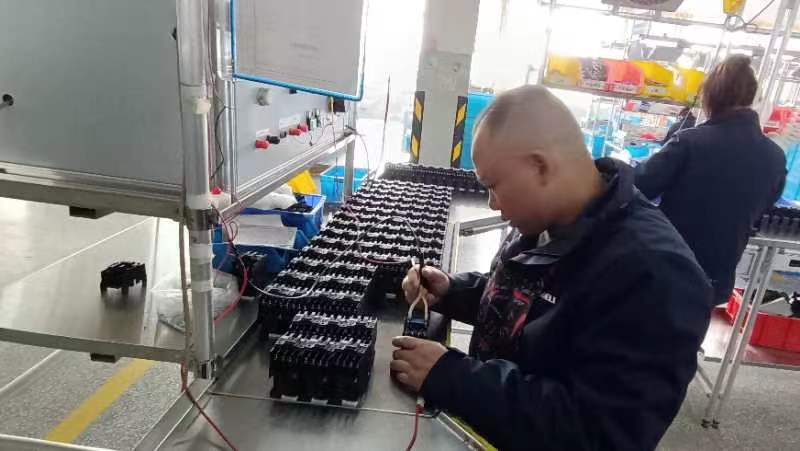
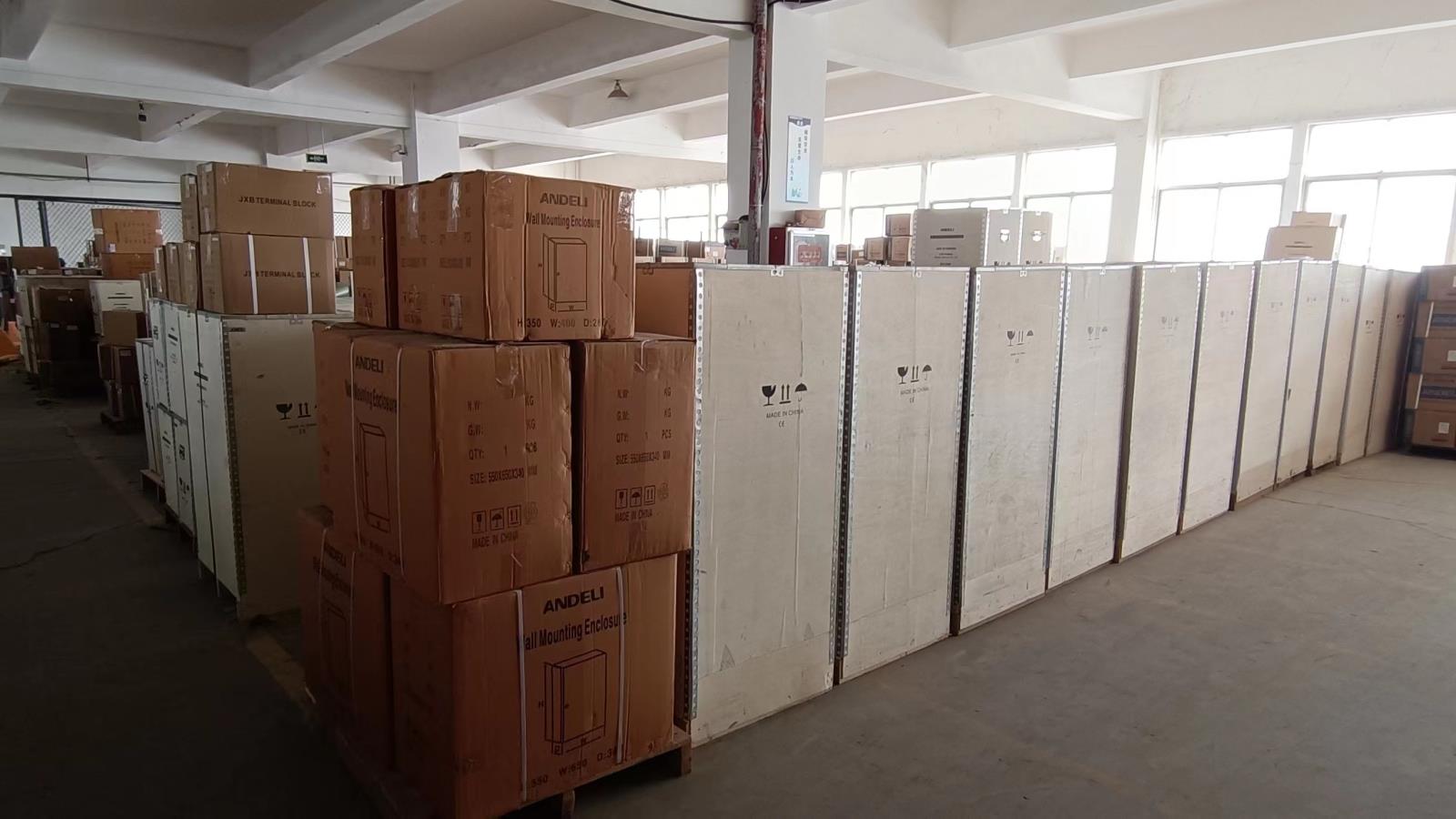
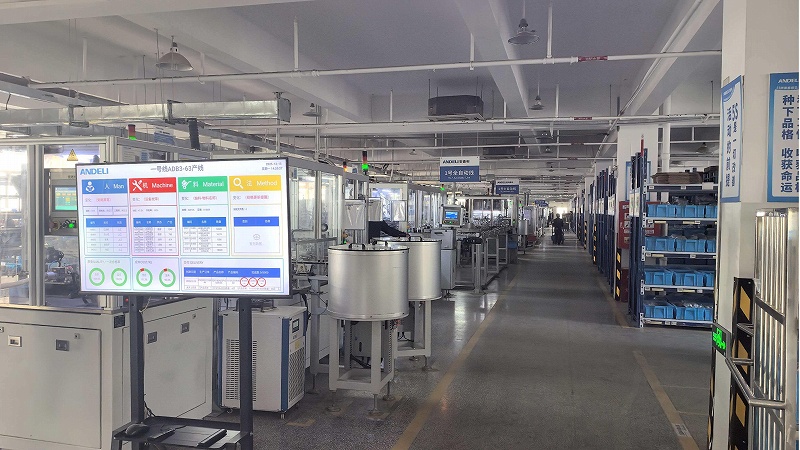
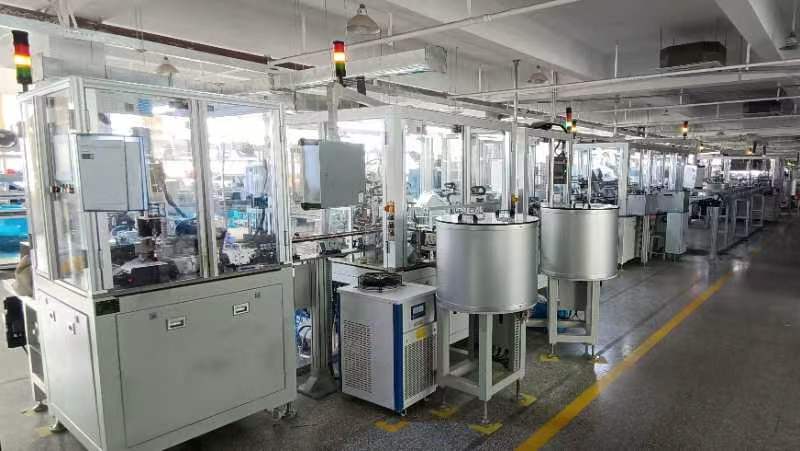
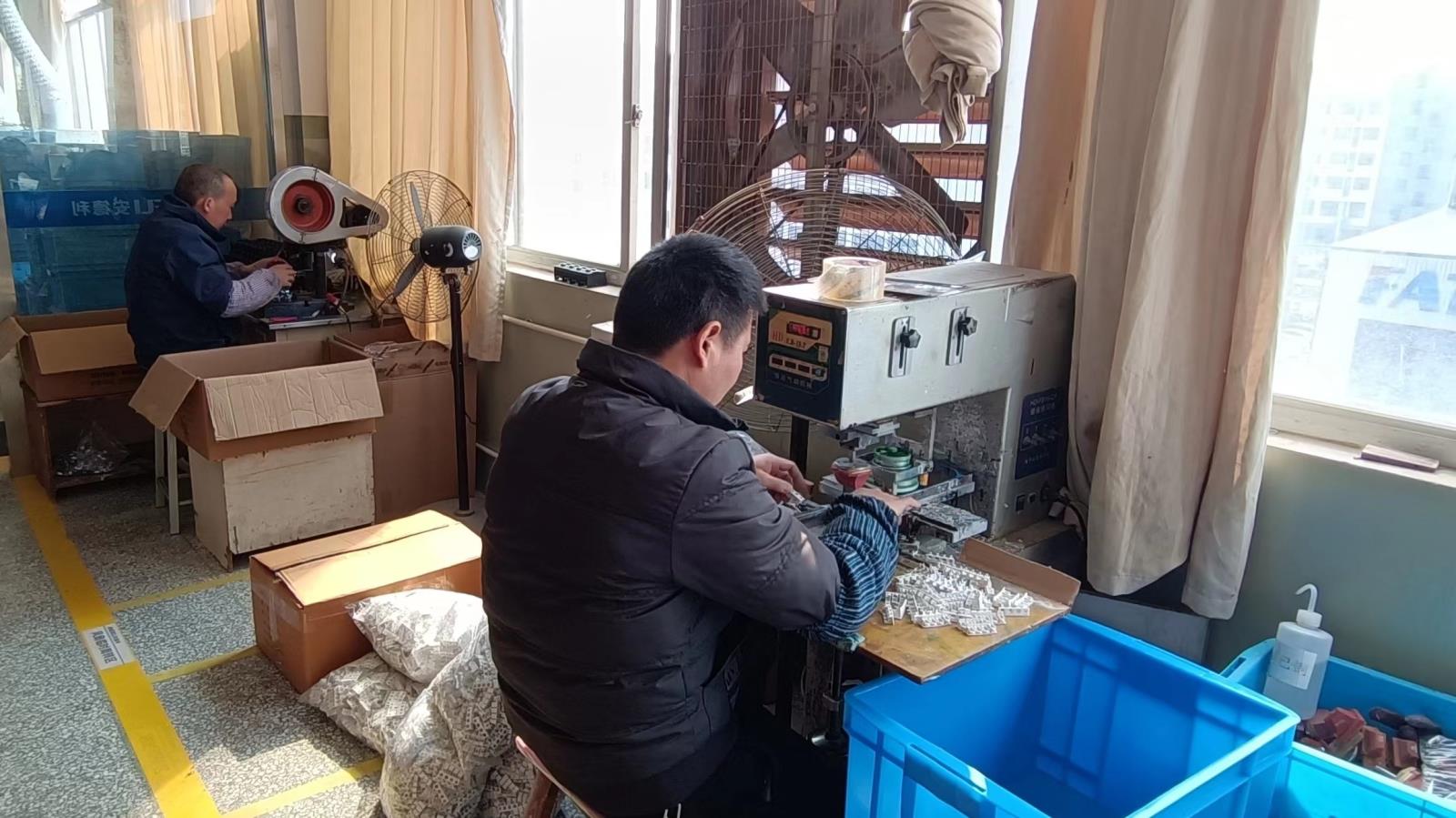
Industrial level detection technology is applied across highly diverse localized environments. Each application places specific demands on both the level sensor instrumentation and the corresponding downstream control panel electrical configuration:
Environment: Corrosive, flammable vapors, closed metallic vessels.
Sensor Setup: Explosion-proof non-contacting radar (80GHz) or PTFE-coated Guided Wave Radar (GWR).
Electrical Interface: Downstream logic requires isolated Solid State Relays (SSRs) to prevent sparking, along with Molded Case Circuit Breakers (MCCBs) designed for hazardous zone isolating panels.
Environment: Open wet wells, high humidity, foam, grease build-ups, and varying solid content.
Sensor Setup: Ultrasonic level transmitters or heavy-duty hydrostatic pressure cells.
Electrical Interface: Submersible pumps demand robust AC Contactors and Electronic Overload Relays (such as SAMWHA-DSP protectors) to handle rapid cycling and protect pump motors against mechanical jamming or dry-run overload states.
Environment: Strict CIP/SIP sanitary procedures, high temperatures, steam, agitated liquid surfaces.
Sensor Setup: Hygienic tuning fork level switches, capacitive probes, or flush-mounted radar.
Electrical Interface: Fast-switching control components housed in IP66 stainless steel distribution boxes, integrating leakage protection devices (RCBOs/RCCBs) to safeguard staff from high-pressure washing spray hazards.
Technical clarifications on integrating sensor telemetry with high-current process controls.
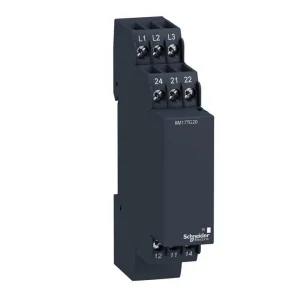
Complete your plant instrumentation and control architecture with UniWave's range of contactors, sequence relays, and industrial breakers.