

1 / 5
 UniWave Electric

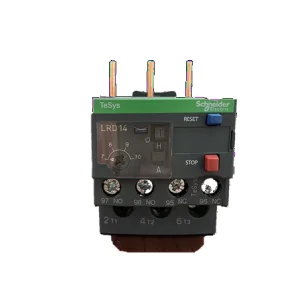
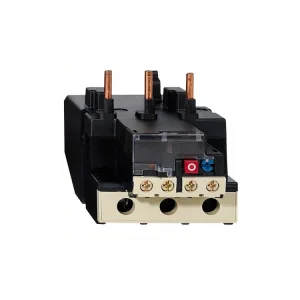
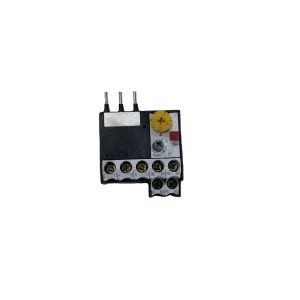
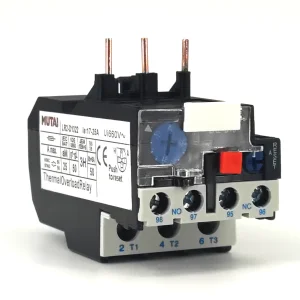
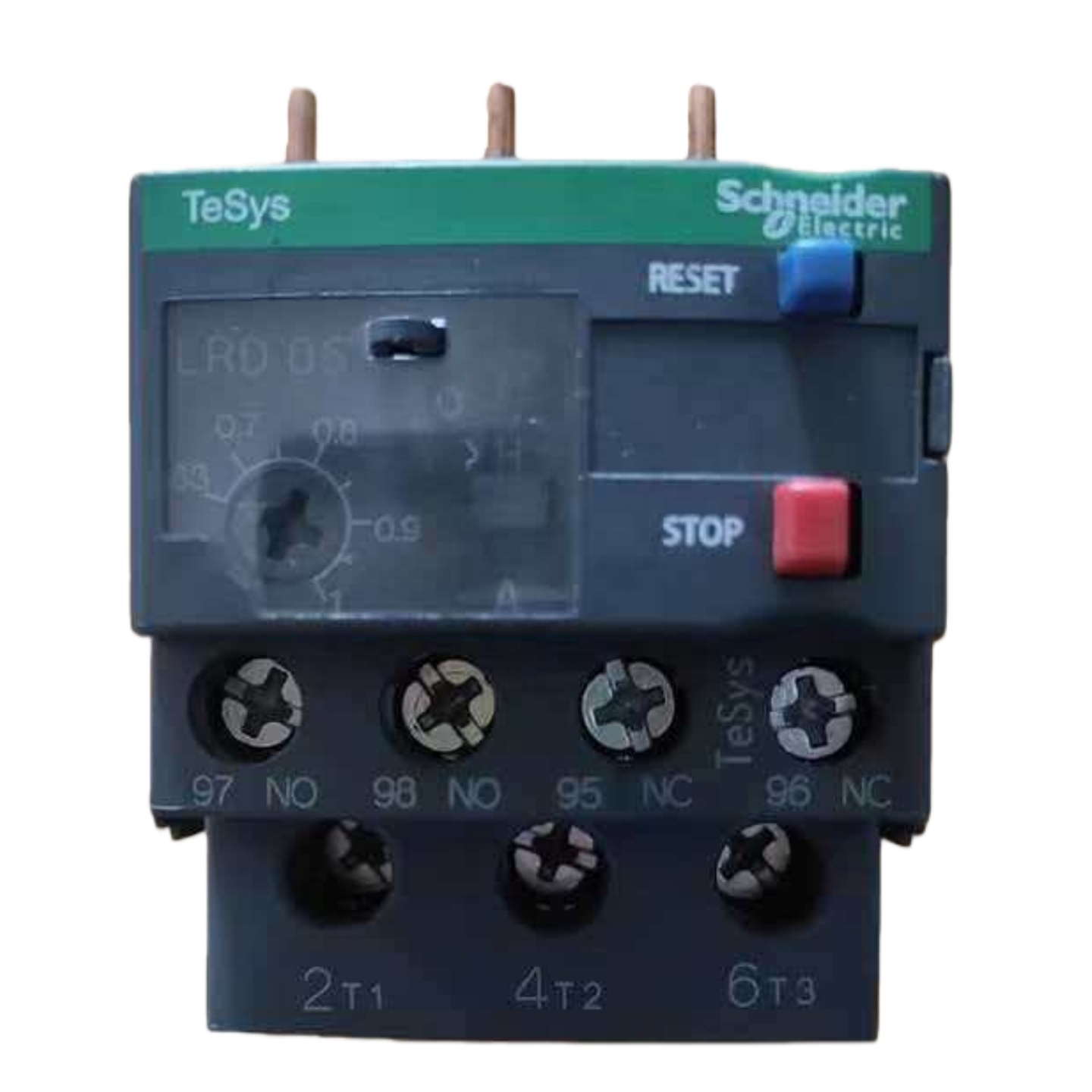
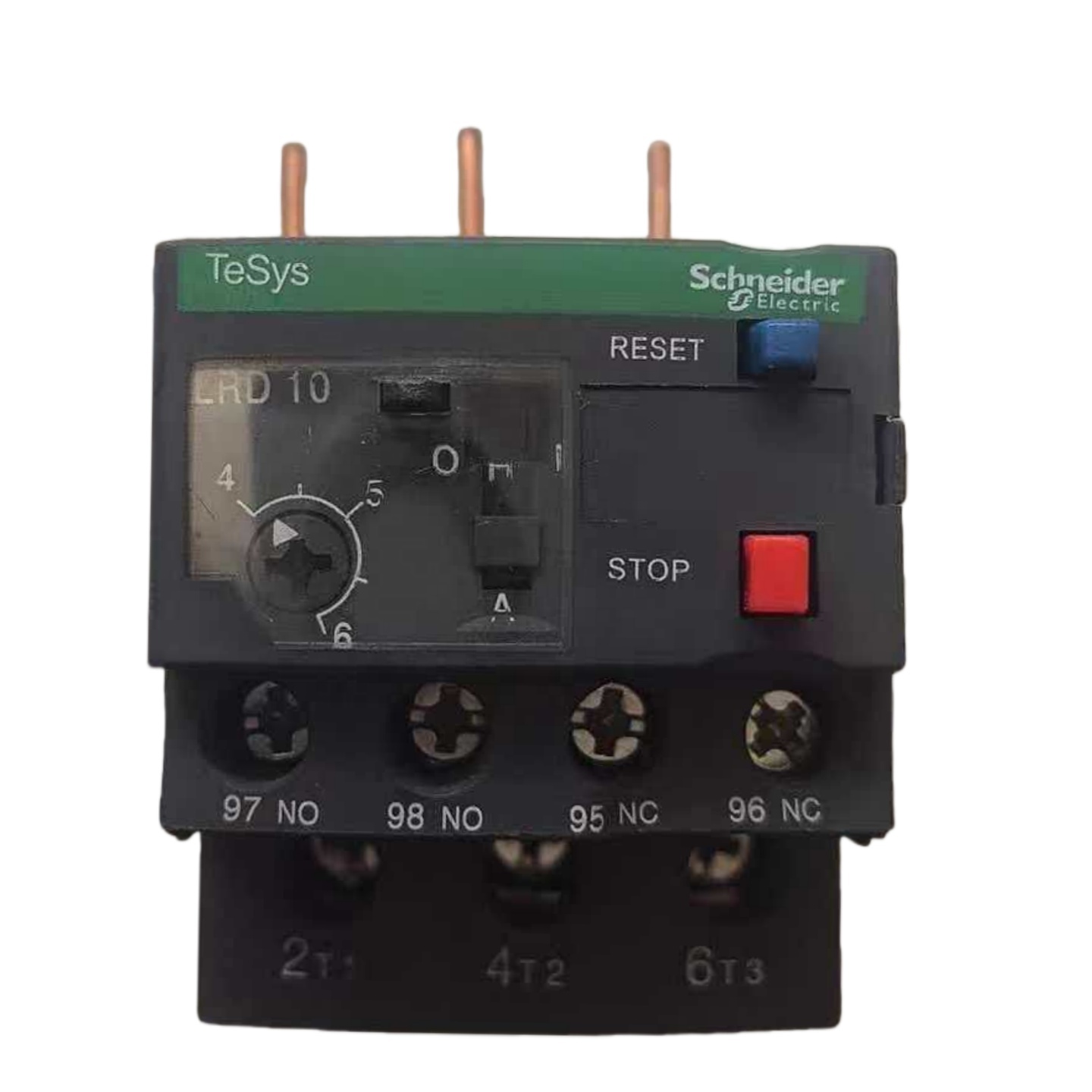
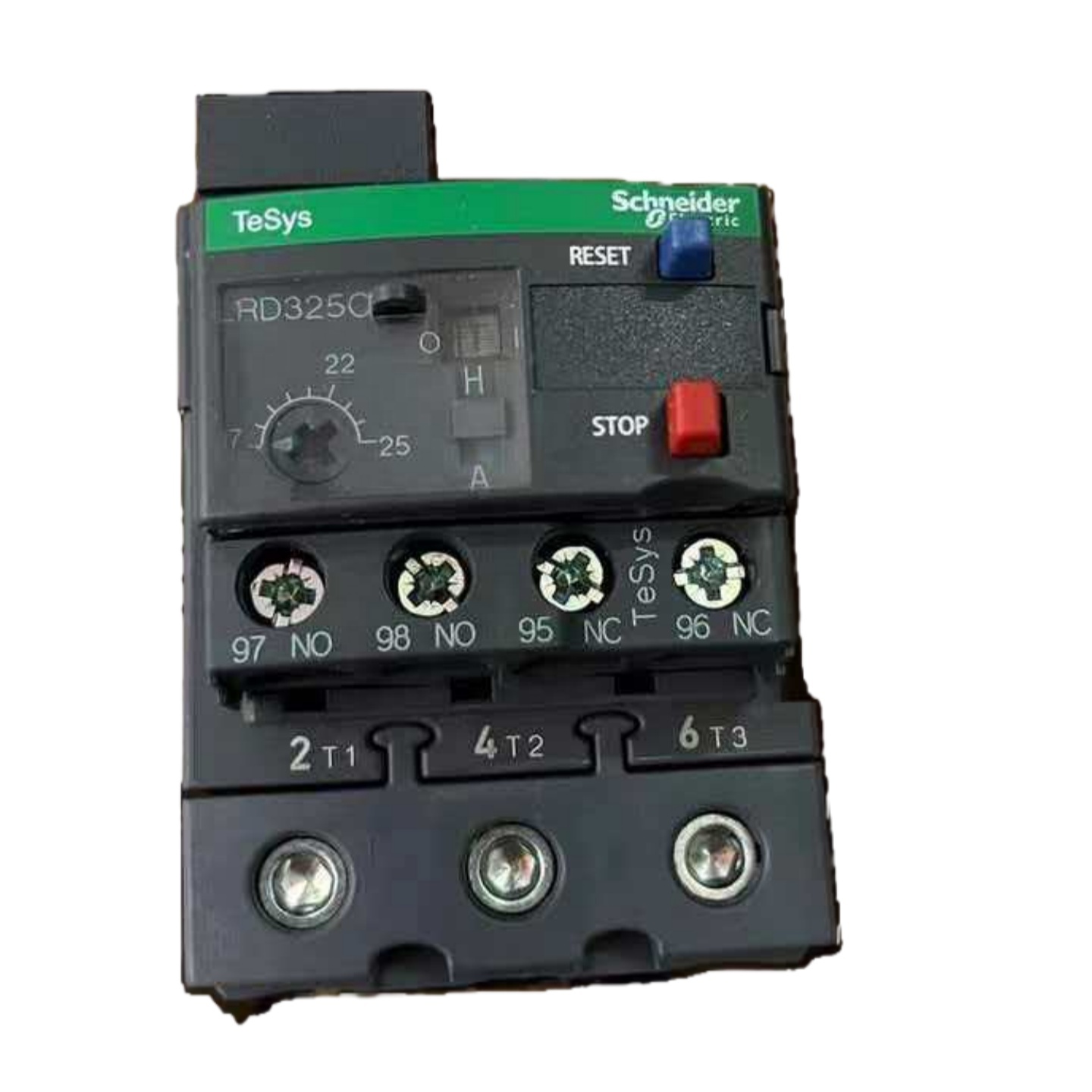
The LRD series thermal overload relays are used in AC circuits with a frequency of 50Hz or 60Hz, a voltage up to 690V, and a current up to 80A and below, to provide thermal protection for AC motors. They have functions such as phase failure protection, temperature compensation, action indication, automatic and manual reset, and stop function, with reliable operation.
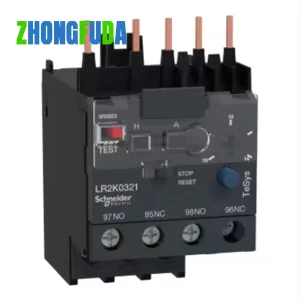
Adopt a three-phase bimetallic strip structure, with a tripping class of 10A. Equipped with a continuous adjustable device for setting current, the setting current can be adjusted through the current regulating cam. It is also provided with a testing mechanism, a stop button, and manual and automatic reset buttons, and has one normally open and one normally closed contact that are electrically separable.
Can be plug-in installed with contactors, or independently installed, and form an electromagnetic starter with CJX2 series contactors.
| Technical Specifications & Standards | |
|---|---|
| Meet the standards | IEC 60947-1, GB14048.4 |
| Product certification | CCC, CE |
| Protection level | IP2X |
| Protective measures | Compliant with IEC 68 standard "TH" |
| Storage temperature | -60°C ~ +70°C |
| Normal operating temperature | -20°C ~ +60°C (no derating) |
| Rated insulation voltage (Ui) | LRD 01C to 16C is 690V; LRD 21 to 35 is 690V; LRD 325C to 365C is 690V; LRD 3322C to 3365C is 750V; LRD 4365 to 4369 is 1000V; LRD 480C to 489C is 690V |







The LRD series thermal overload relays are primarily used in AC circuits (50Hz or 60Hz) with voltages up to 690V and currents up to 80A to provide reliable thermal protection for AC motors against overloads and phase failures.
These relays comply with international standard IEC 60947-1 and GB14048.4, and they have obtained CCC and CE certifications.
They feature a three-phase bimetallic strip structure with a tripping class of 10A, a continuously adjustable current setting cam, a testing mechanism, a stop button, and manual/automatic reset buttons. They also include one normally open (NO) and one normally closed (NC) contact.
The rated insulation voltage varies depending on the specific model. The Ui is 690V for the LRD 01C to 16C, LRD 21 to 35, LRD 325C to 365C, and LRD 480C to 489C models. It is 750V for LRD 3322C to 3365C, and 1000V for LRD 4365 to 4369 models.
The normal operating temperature range without derating is -20°C to +60°C, and the storage temperature range is -60°C to +70°C.
It can be plug-in installed directly with compatible contactors or mounted independently. It is designed to form an electromagnetic starter when combined with CJX2 series contactors.