UniWave Electric
UniWave Electric
UniWave Electric
Advanced thermal and electronic overload relays tailored for Indian industrial environments and global switchgear assemblies.
In modern industrial infrastructure, electric motors serve as the heart of mechanical processes, consuming over 60% of all industrial electricity. However, hostile operational conditions—ranging from unstable electrical grids to harsh ambient environments—threaten motor health daily. Overload conditions, phase imbalances, and locked rotor anomalies lead to rapid thermal breakdown of stator windings. To mitigate these risks, implementing high-reliability motor protection, specifically thermal and electronic overload relays, is not merely a safety precaution but an operational necessity.
B2B Market Insights: As India drives forward with its ambitious "Make in India" initiative and expands infrastructure projects across its major industrial corridors, the demand for high-quality, international-grade overload protection solutions has reached unprecedented levels. Wenzhou UniWave Electric Co., Ltd. sits at the intersection of advanced Chinese manufacturing prowess and Indian regional market demand, serving as a trusted partner and exporter to the subcontinent.
The industrial landscape in India presents unique electrical challenges. Manufacturers, steel plants, chemical processors, and agricultural enterprises operate under grid environments that are frequently subjected to voltage fluctuations, high harmonic distortion from non-linear loads, and ambient temperatures exceeding 45°C. Under these conditions, standard overload relays designed for temperate climates and highly stable grids fail prematurely or cause frequent nuisance tripping, which destroys plant productivity.
Therefore, Indian switchgear assemblers and industrial OEMs look for overload relays with robust ambient temperature compensation, adjustable trip classes (Class 10A, 10, 20, 30), and advanced phase-failure sensitivity. For instance, in heavy industrial centers like Gujarat, Maharashtra, and Tamil Nadu, where automated assembly lines and heavy pump stations are critical, reliability is paramount. A single motor failure can result in tens of thousands of dollars in lost production, making the selection of an experienced exporter of premium overload relays a critical decision for procurement managers.
Understanding the distinction between mechanical bimetallic thermal relays and modern electronic overload relays (EOCRs) is crucial for optimizing system designs:
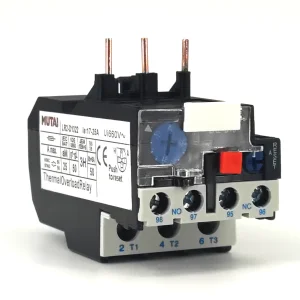
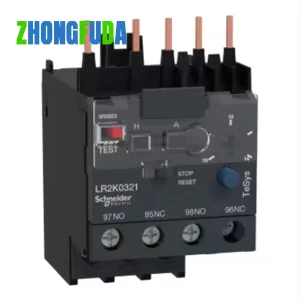
Utilizes bimetallic strips that bend upon heating from overcurrent. Excellent for standard applications, simple to install, cost-effective, and provides thermal memory tracking. Relies on temperature-compensated bimetals to operate consistently in warm environments.
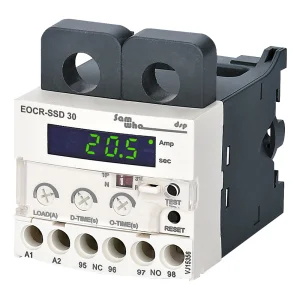
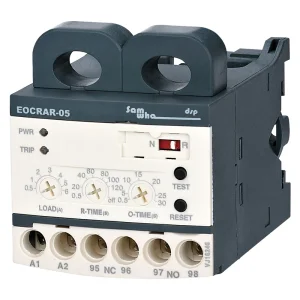
Utilizes internal current transformers (CTs) and microprocessors to monitor current continuously. Offers ultra-fast trip times, higher accuracy, wide current adjustment ranges (often 3:1 or 5:1), and built-in phase loss, phase asymmetry, and locked-rotor protection.
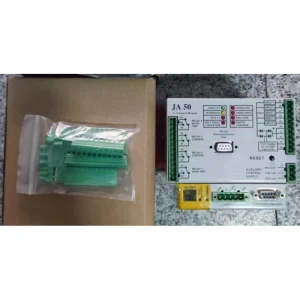
Integrates communication protocols like Modbus or PROFIBUS for remote monitoring and integration into SCADA systems. Allows predictive maintenance by transmitting real-time operating currents and thermal capacities back to control rooms.
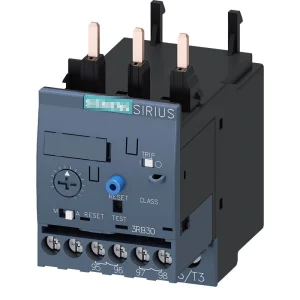
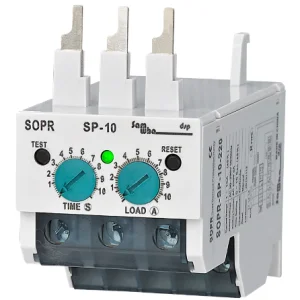
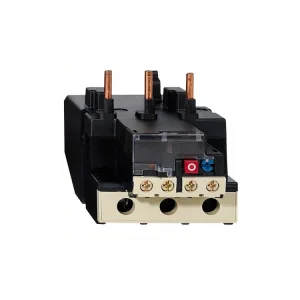
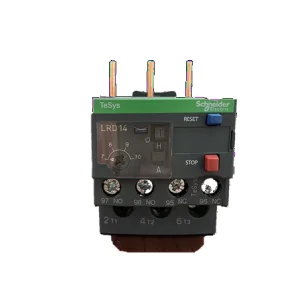
For Indian exporters and plant operators, bimetallic thermal relays like the LRD and JR28 series represent the standard choice due to their simplicity and direct mounting convenience onto contactors. However, for critical motors operating in municipal water pumping, mines, or high-duty cycle automated machinery, electronic and digital overload relays (such as Samwha EOCR models) are increasingly selected to provide comprehensive phase protection and precise adjustments.
1. Agriculture and Submersible Pumps: In states like Punjab, Haryana, and Andhra Pradesh, water management systems rely heavily on submersible pumps. These motors operate under highly variable voltage supplies. Thermal relays with phase-loss protection prevent winding burnout when one phase drops, which is a common occurrence in rural power lines.
2. Mining and Ore Processing: The mineral extraction sector in regions like Odisha and Jharkhand demands heavy-duty switchgear. Motors running crushers, conveyors, and ventilation fans encounter heavy mechanical loads and high-dust atmospheres. The 100326121 mining-grade overload relays are specifically ruggedized to handle these intensive duties without false trips, ensuring continuous extraction safety.
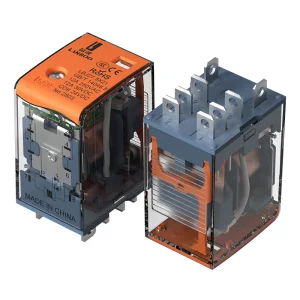
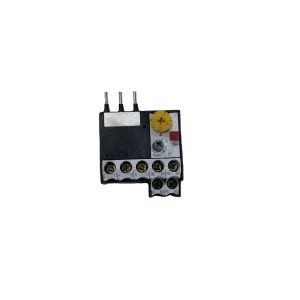
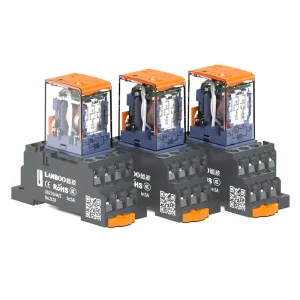
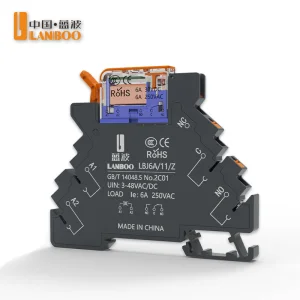
3. Textile and Automobile Manufacturing: Production hubs around Bangalore, Chennai, and Pune utilize extensive conveyor lines and synchronized motor arrays. Miniature and ultra-slim intermediate relays, along with compact bimetallic relays like the ZE-1.0 series, save critical space inside dense control panels, allowing high-density control configurations.
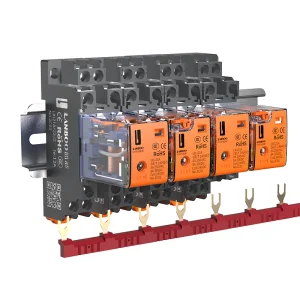
Compact, high-density intermediate electromagnetic relays designed to interface between control PLC systems and primary contactors.
For B2B procurement professionals, evaluating the technical capacity of an exporter is as critical as verifying the component specifications. Located in Liushi, Wenzhou, China—globally recognized as the "City of Low Voltage Electrical Appliances"—Wenzhou UniWave Electric Co., Ltd. leverages over 25 years of specialized experience. The proximity to raw materials, highly advanced copper winding processes, automated pad printing, and rigorous electrical calibration benches provides a robust ecosystem that delivers unmatched quality at optimal price points.
All overload relays and circuit protective devices manufactured by UniWave strictly comply with IEC (International Electrotechnical Commission) standards. B2B exporters handling distributions in India, Europe, Southeast Asia, and Australia benefit from our extensive certification portfolio, including SAA, CE, CB, and ISO9001 quality management systems. Our products undergo rigorous testing processes to guarantee they function continuously in volatile climates, ensuring safety and compliance across global grids.
E-E-A-T Guarantee: Our in-house research and development center operates advanced thermal calibration machines and electronic trip analyzers. This ensures that every Class 10A bimetal unit or digital sensor trips within milliseconds of its defined performance curve. We back all of our exports with full engineering documentation, technical datasheets, and responsive after-sales support.
As the electrical industry shifts towards Industry 4.0, motor protection is evolving from simple thermal bimetallic reaction units to predictive digital systems. Wenzhou UniWave Electric Co., Ltd. is actively expanding its R&D into smart connectivity. Future models of electronic overload relays and WiFi-enabled smart circuit breakers will feature real-time current telemetry, thermal capacity mapping, and cloud-based diagnostics.
These advanced tools allow Indian utility systems, massive warehouse distribution hubs, and automated textile mills to predict motor failures before they occur. By analyzing phase current imbalances and slight temperature variations over time, our upcoming IoT-connected devices will signal warning alerts to maintenance crews long before an emergency shutdown occurs, driving unplanned downtime to near-zero.
A transparent look inside the Wenzhou UniWave Electric production line, where precision engineering meets high-volume capacity.
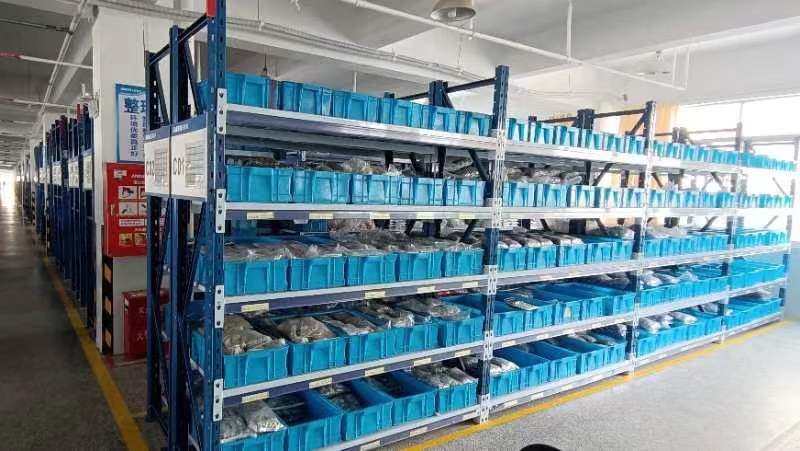
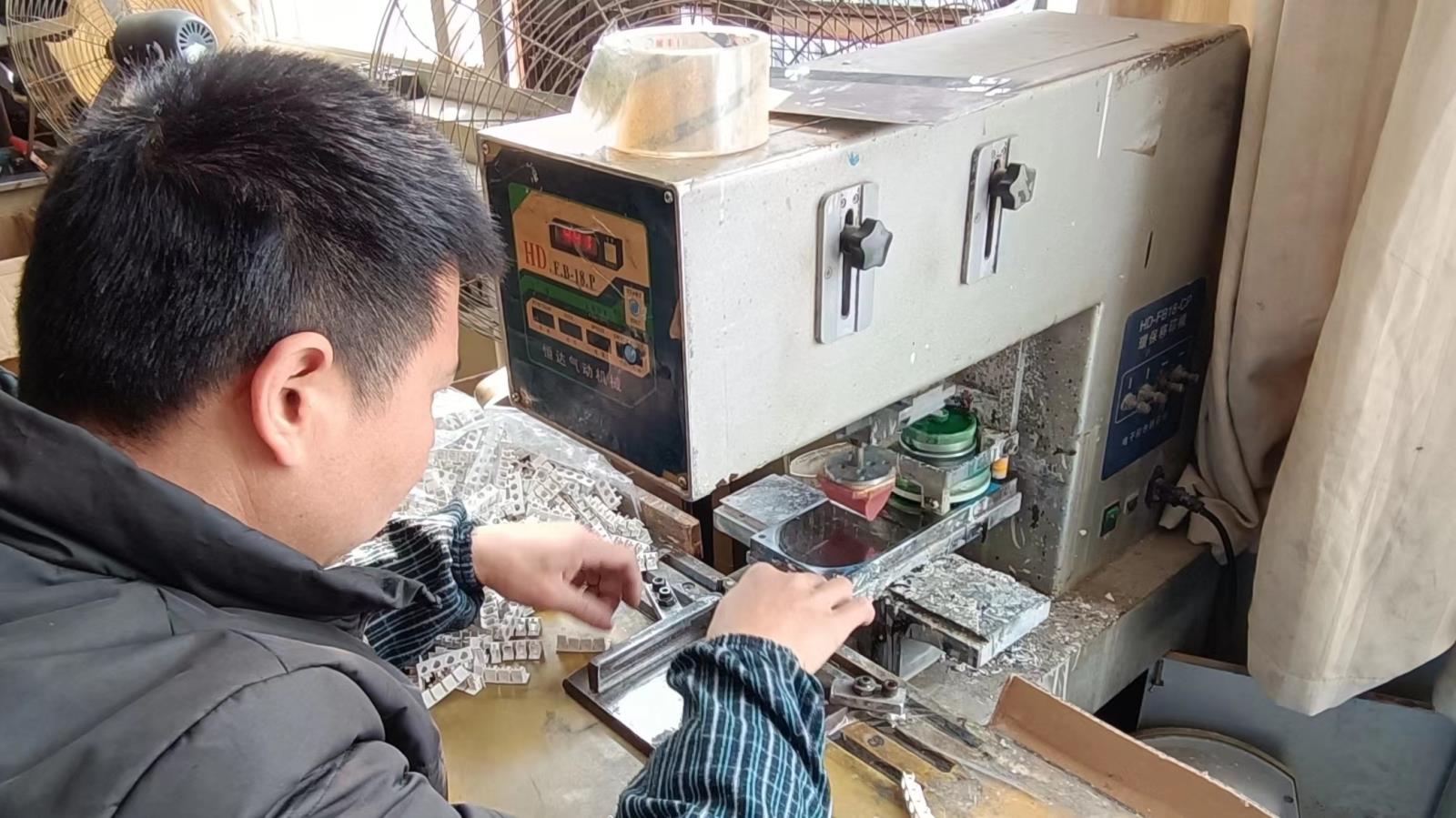
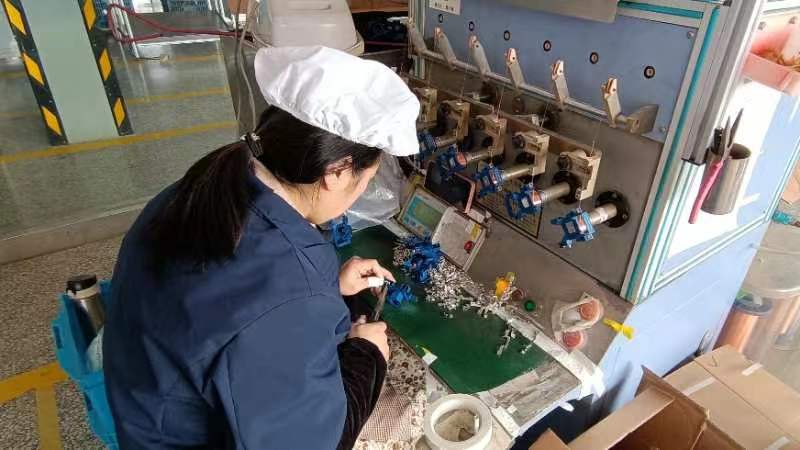
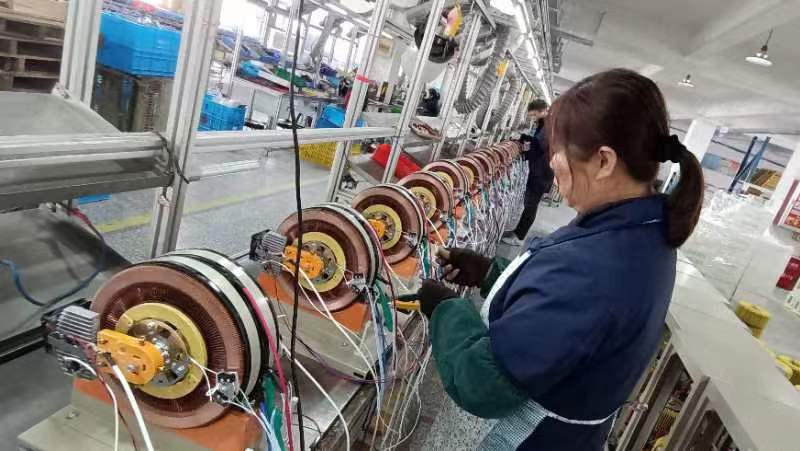
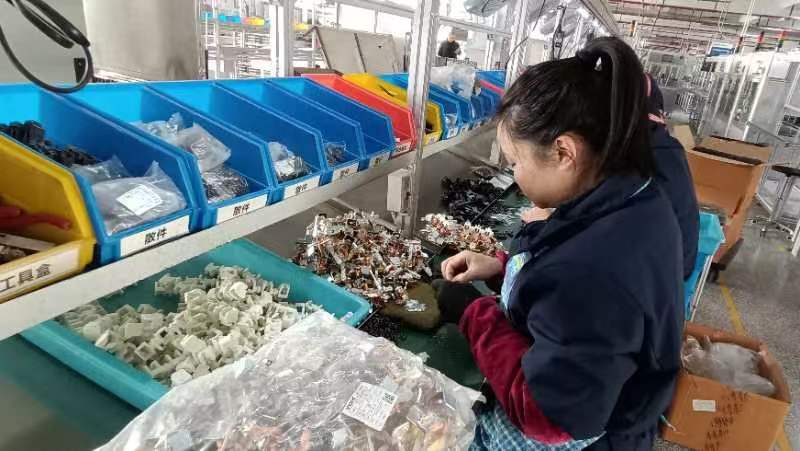
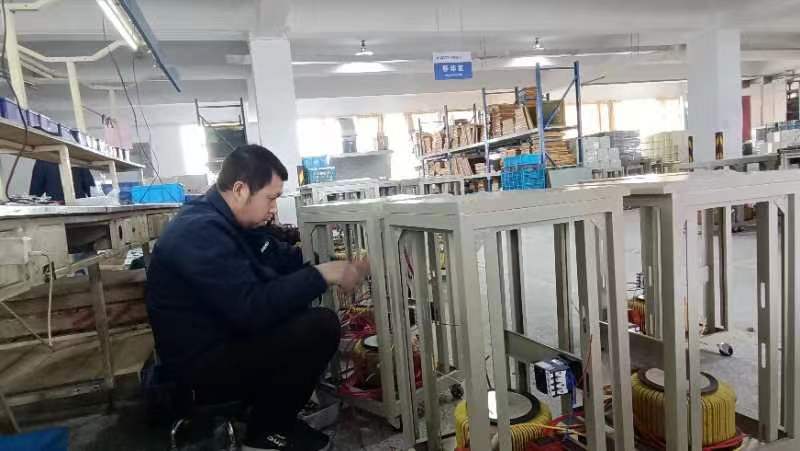
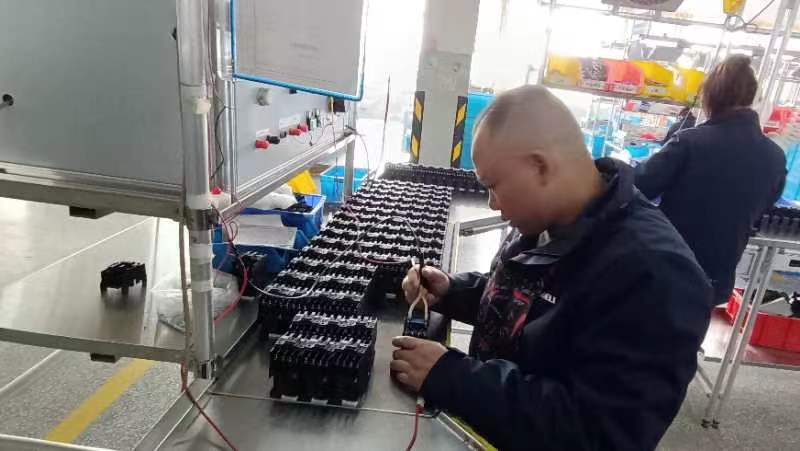
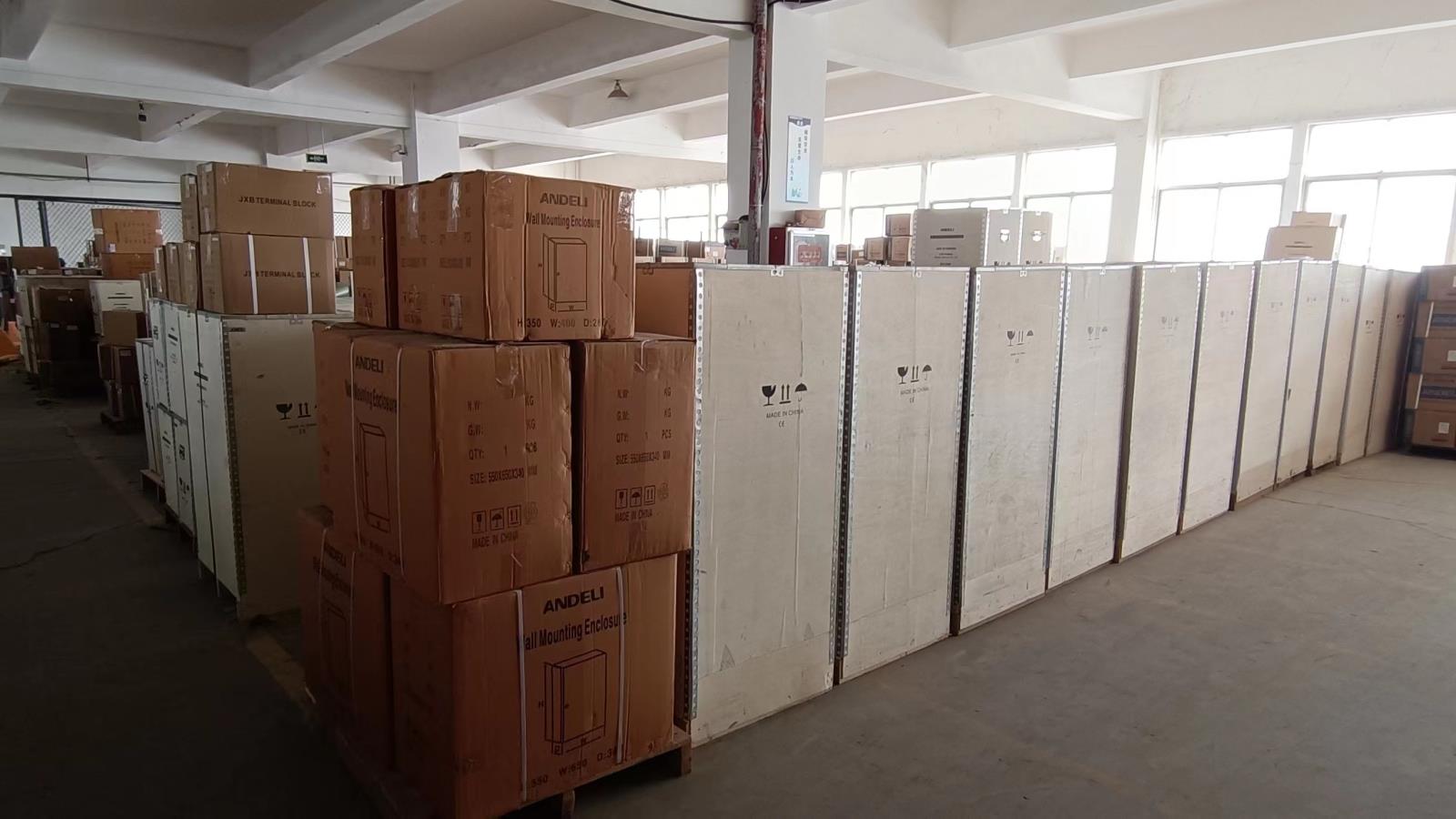
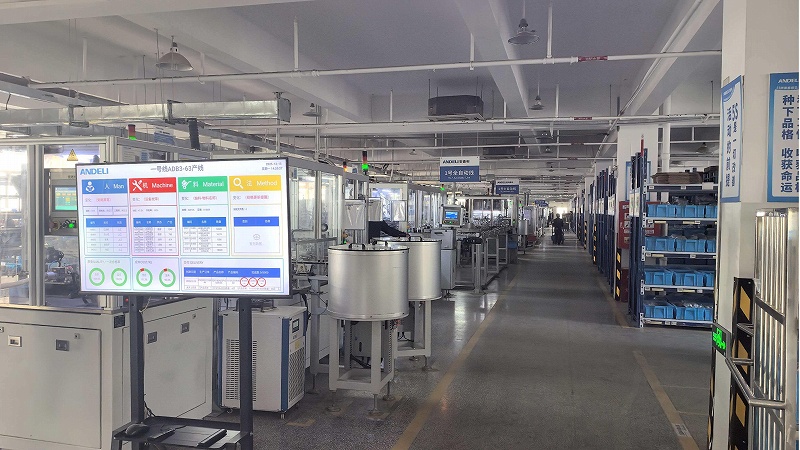
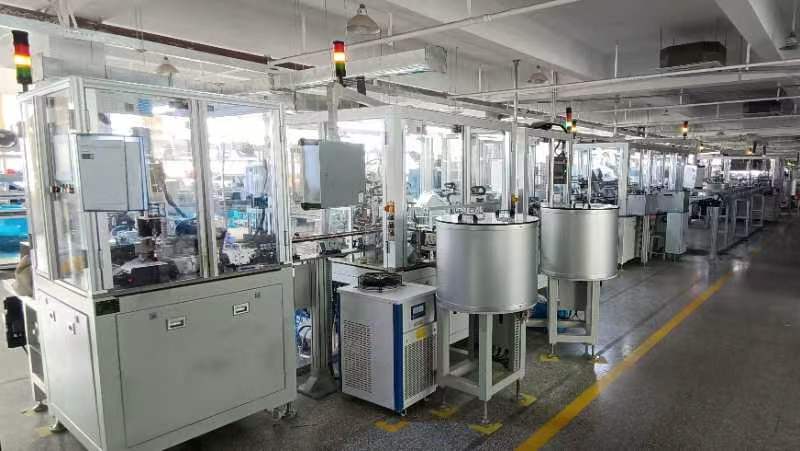
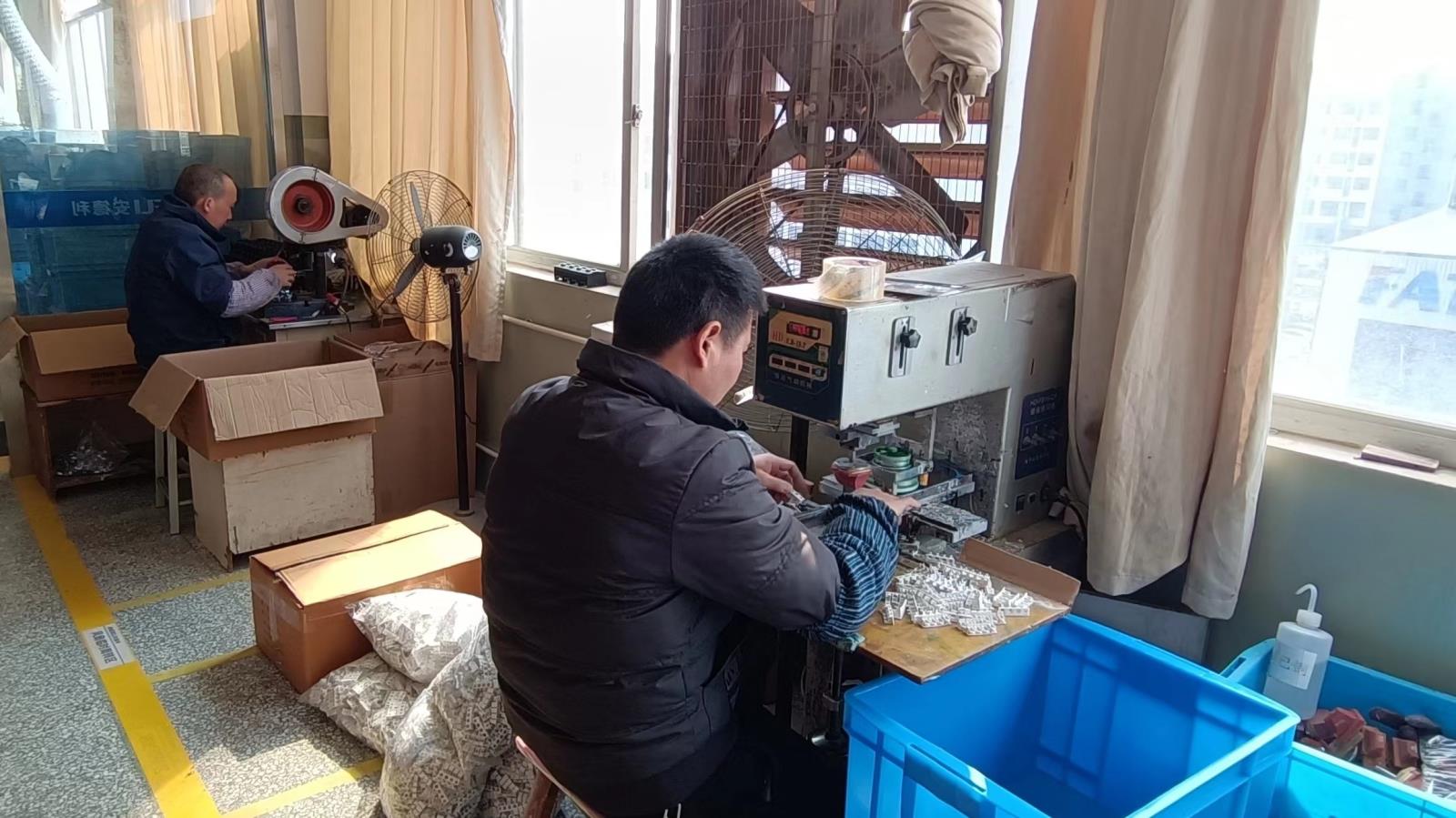
Each unit undergoes 100% calibration testing before dispatch to ensure zero out-of-box failures in India and globally.
Get professional insights from Wenzhou UniWave's engineering team regarding overload relay selection, deployment, and troubleshooting.
Explore our complete export range of original components, fully compatible with global switchgear brands.