UniWave Electric
UniWave Electric
UniWave Electric
Deploying high-breaking-capacity electrical distribution architecture designed to protect smart grids, critical data systems, and heavy-duty manufacturing environments globally.
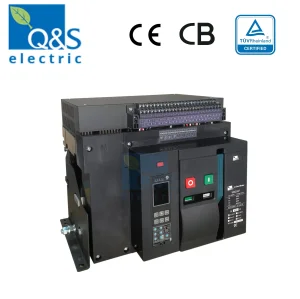
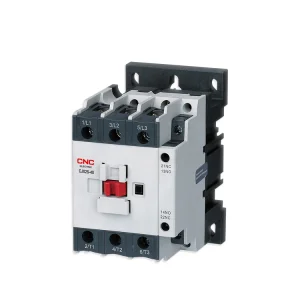
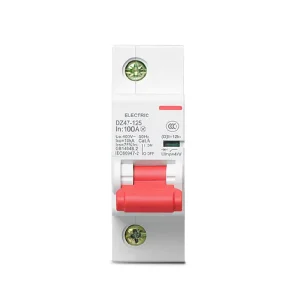
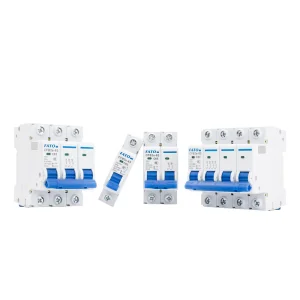
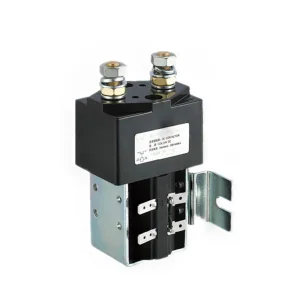
In the contemporary industrial landscape, the paradigm shift toward decarbonization, high-density computing (such as AI data centers), and advanced smart grid configurations demands unprecedented precision in electrical load monitoring and fault isolation. A robust electrical infrastructure depends on the synergistic integration of CE Certified Power Meters, digital sub-metering systems, and robust protection machinery like Air Circuit Breakers (ACBs) and Miniature Circuit Breakers (MCBs).
Industrial operations worldwide face severe grid volatility, harmonical distortion, and costly downtime. Real-time telemetry provided by high-precision power meters, paired with fast-acting isolation gear, mitigates these vulnerabilities. By quantifying electrical parameters—including active energy, reactive power, total harmonic distortion (THD), and voltage transients—operators can implement predictive load balancing strategies, ensuring long-term thermal safety and efficiency across large commercial and heavy industrial systems.
Securing CE certification for power meters and low-voltage electrical protection components is a mandatory technical gatekeeper rather than a marketing decoration. European Union Directives—specifically the Low Voltage Directive (LVD) 2014/35/EU, the Electromagnetic Compatibility (EMC) Directive 2014/30/EU, and the Measuring Instruments Directive (MID) 2014/32/EU—mandate strict testing rules. Devices must withstand severe surge conditions, maintain galvanic isolation, and prevent electromagnetic interference from compromising surrounding electronics.
For global engineering procurers, sourcing from a CE-certified manufacturer means securing components designed for high-dielectric endurance and long-term signal accuracy. Whether monitoring a high-capacity commercial HVAC system or isolating multi-phase motors in a processing plant, CE-certified components guarantee that the equipment is legally compliant, safe for field personnel, and resilient against power supply irregularities.
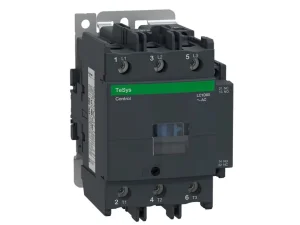
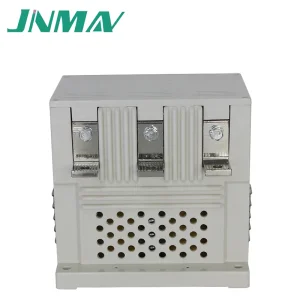
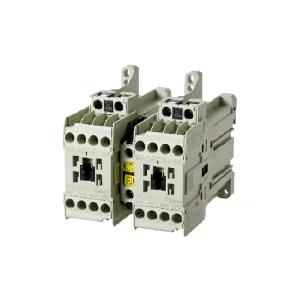
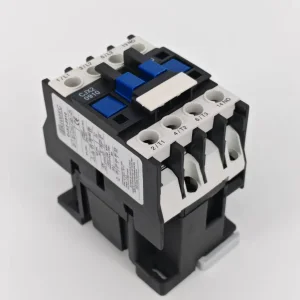
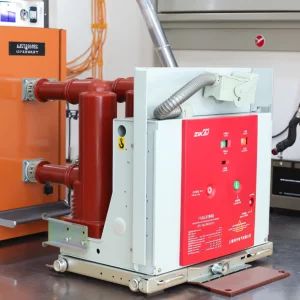
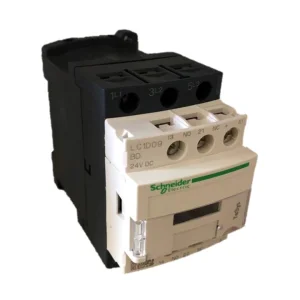
A resilient electrical distribution board functions as a unified ecosystem. Power meters act as the central nervous system, continuously analyzing incoming current and voltage waveforms. Meanwhile, heavy-duty contactors (such as the SCHNE1DER LC1D1506BD TeSys Deca or CKJ-3.6KV/160A-630A Vacuum Contactors) act as the physical operators, handling high-frequency load switching under severe inductive conditions.
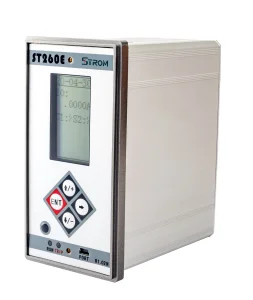
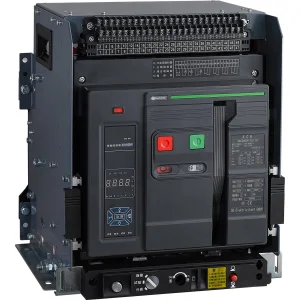
When abnormal current spikes occur, protection units like the ST260E Self-Powered Three Protection Relay and high-capacity Air Circuit Breakers step in. They quickly isolate faulty circuits within milliseconds to prevent fire risks and equipment damage. By integrating these systems, industrial plants gain complete visibility and protection: power meters identify operational anomalies early, while robust breakers and contactors execute physical isolation, preventing minor electrical faults from cascading into catastrophic system-wide failures.
Protects sensitive digital metering components from high-voltage spikes generated by switching massive inductive motor loads.
Isolates linear and non-linear loads, preventing measurement inaccuracies and over-temperature occurrences in phase conductors.
Integrates with Modbus-RTU, BACnet, and WiFi communication interfaces to enable seamless connection with building SCADA systems.
Based in the renowned Liushi, Yueqing, Wenzhou, China—globally recognized as the "City of Low Voltage Electrical Appliances"—Wenzhou UniWave Electric Co., Ltd. represents 25+ years of production expertise. Offering high-quality electrical control components, our comprehensive product portfolio spans RCBOs, RCCBs, MCBs, WiFi Smart MCBs, MCCBs, ACBs, Isolator Switches, Change Over Switches, AC Contactors, Thermal Relays, Magnetic Starters, Solid State Relays, Distribution Boxes, Voltage Stabilizers, and Voltage Protectors.
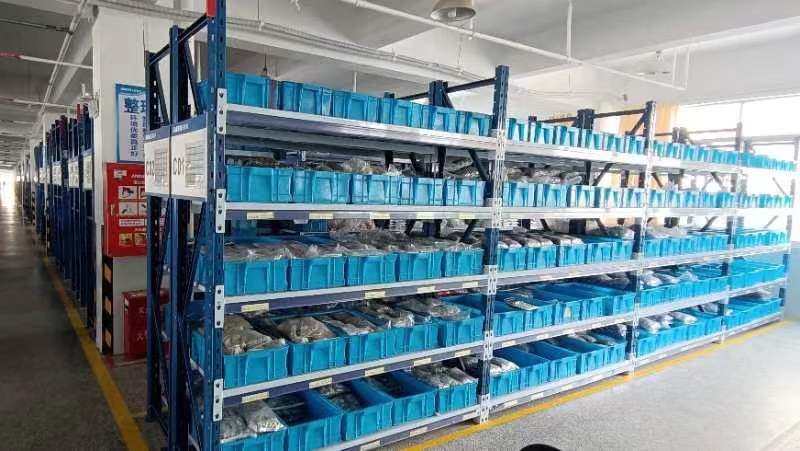
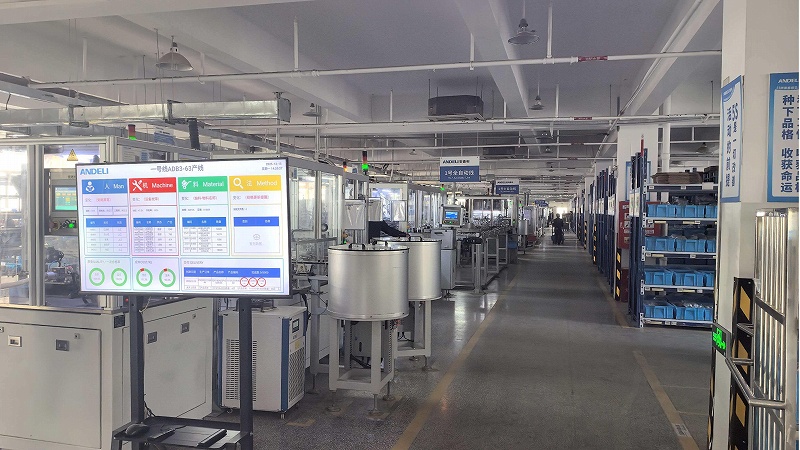
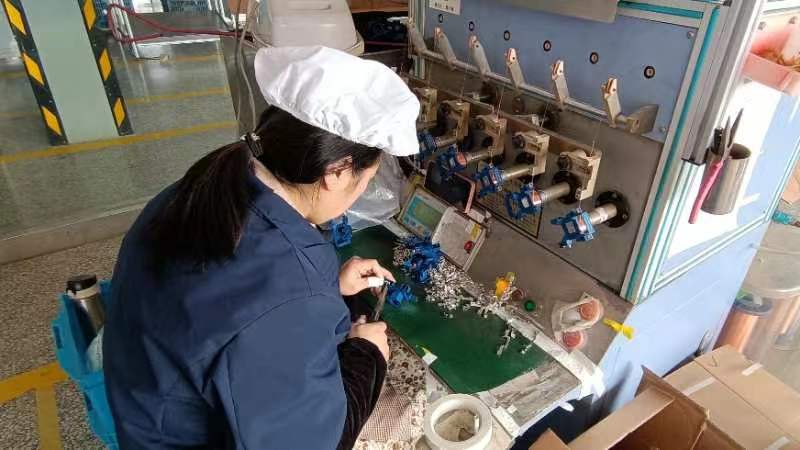
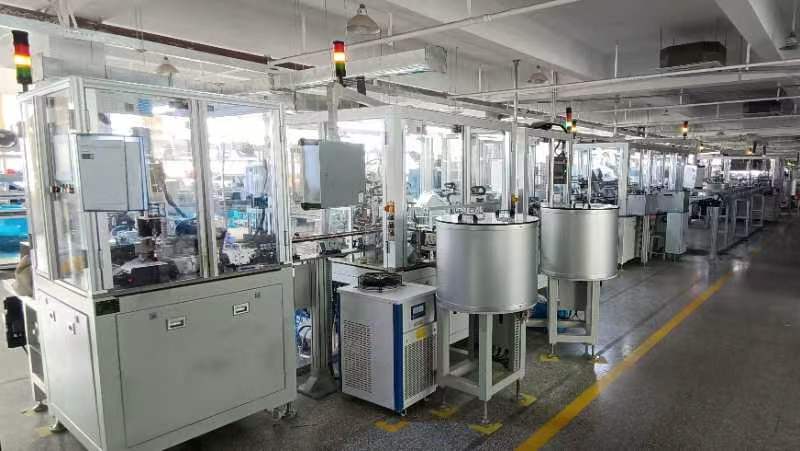
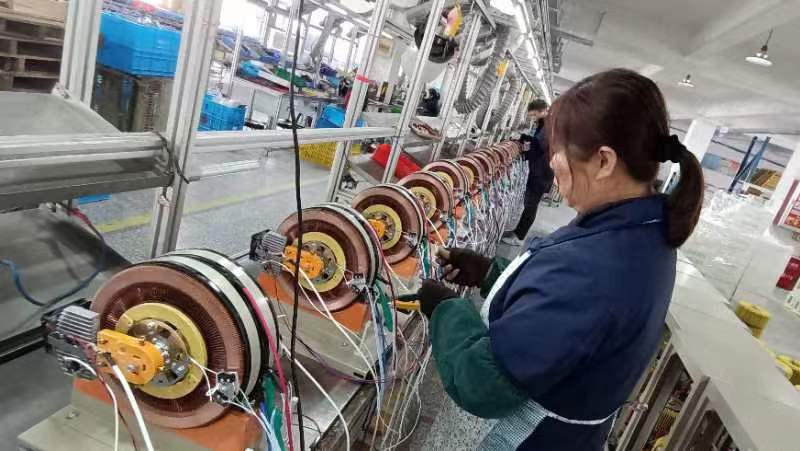
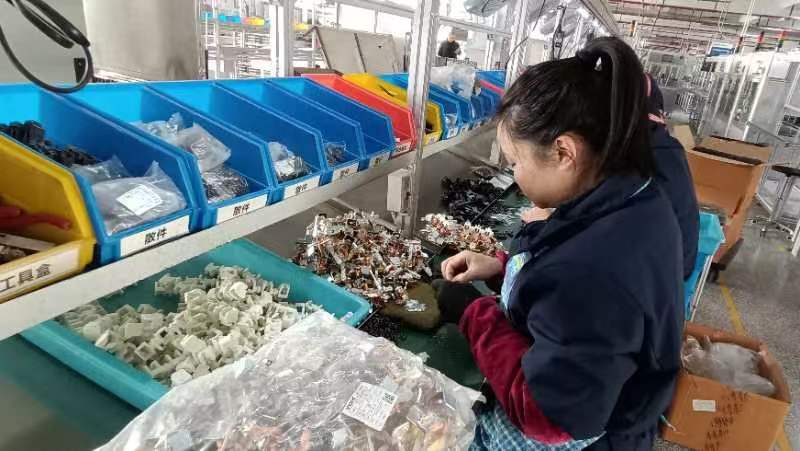
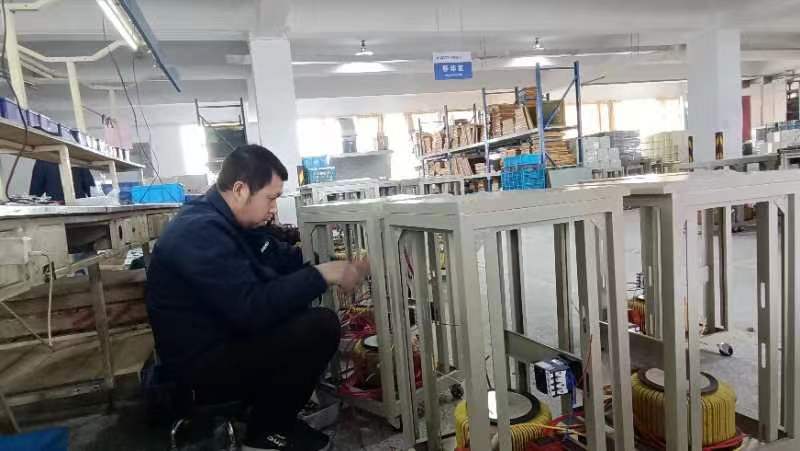
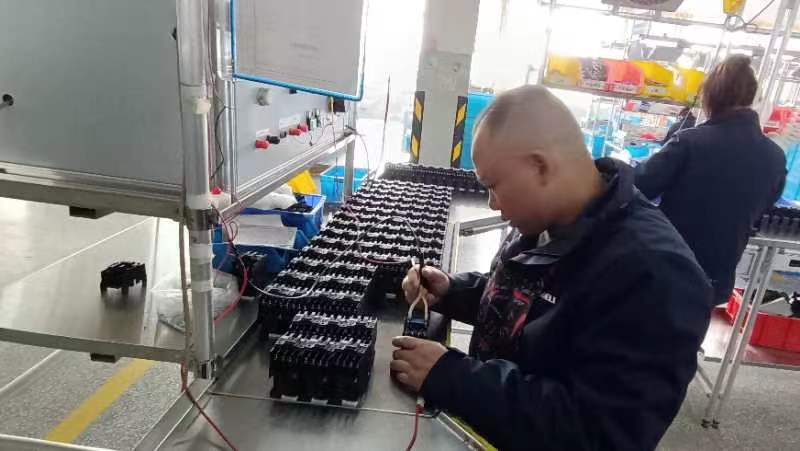
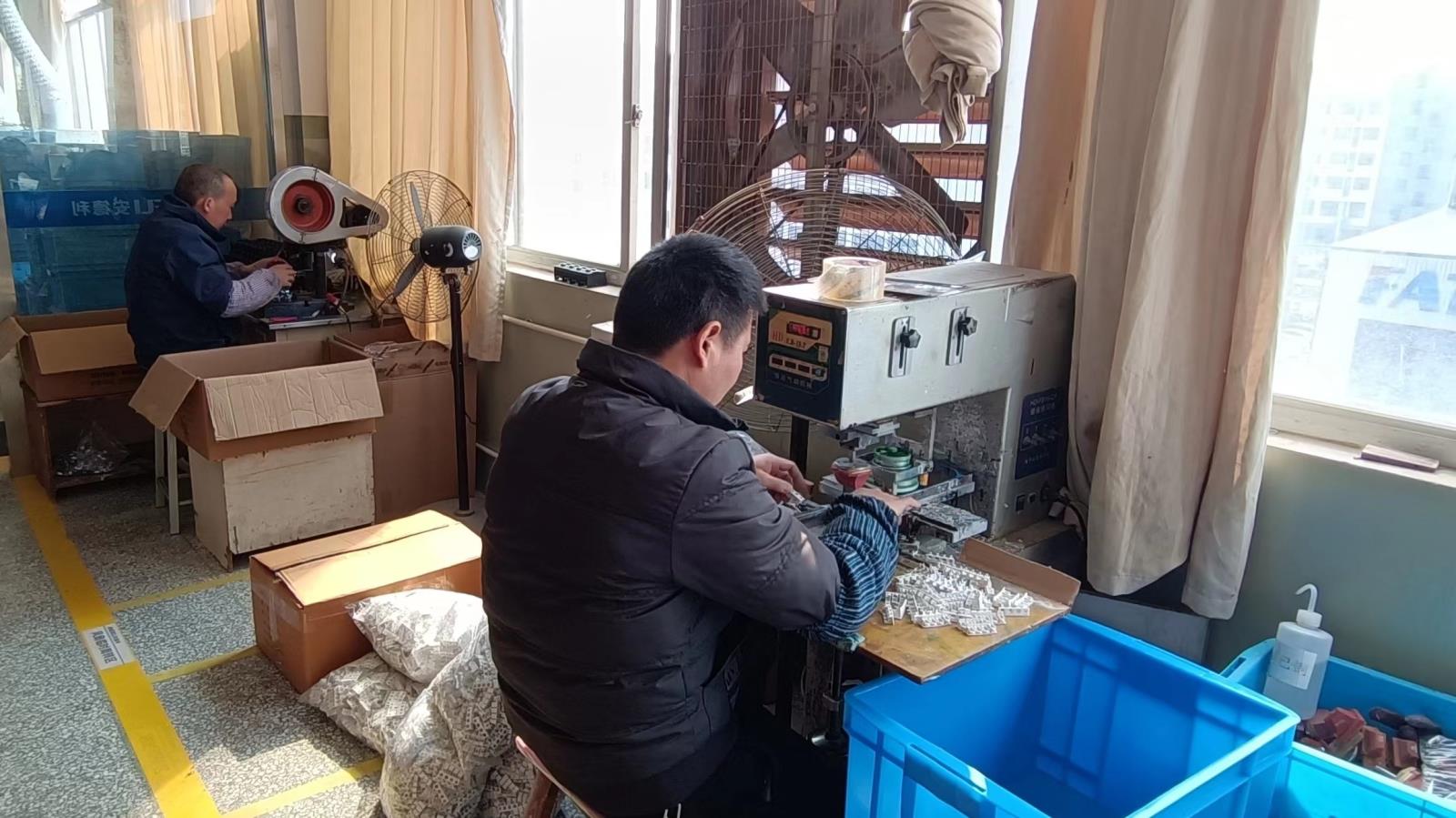
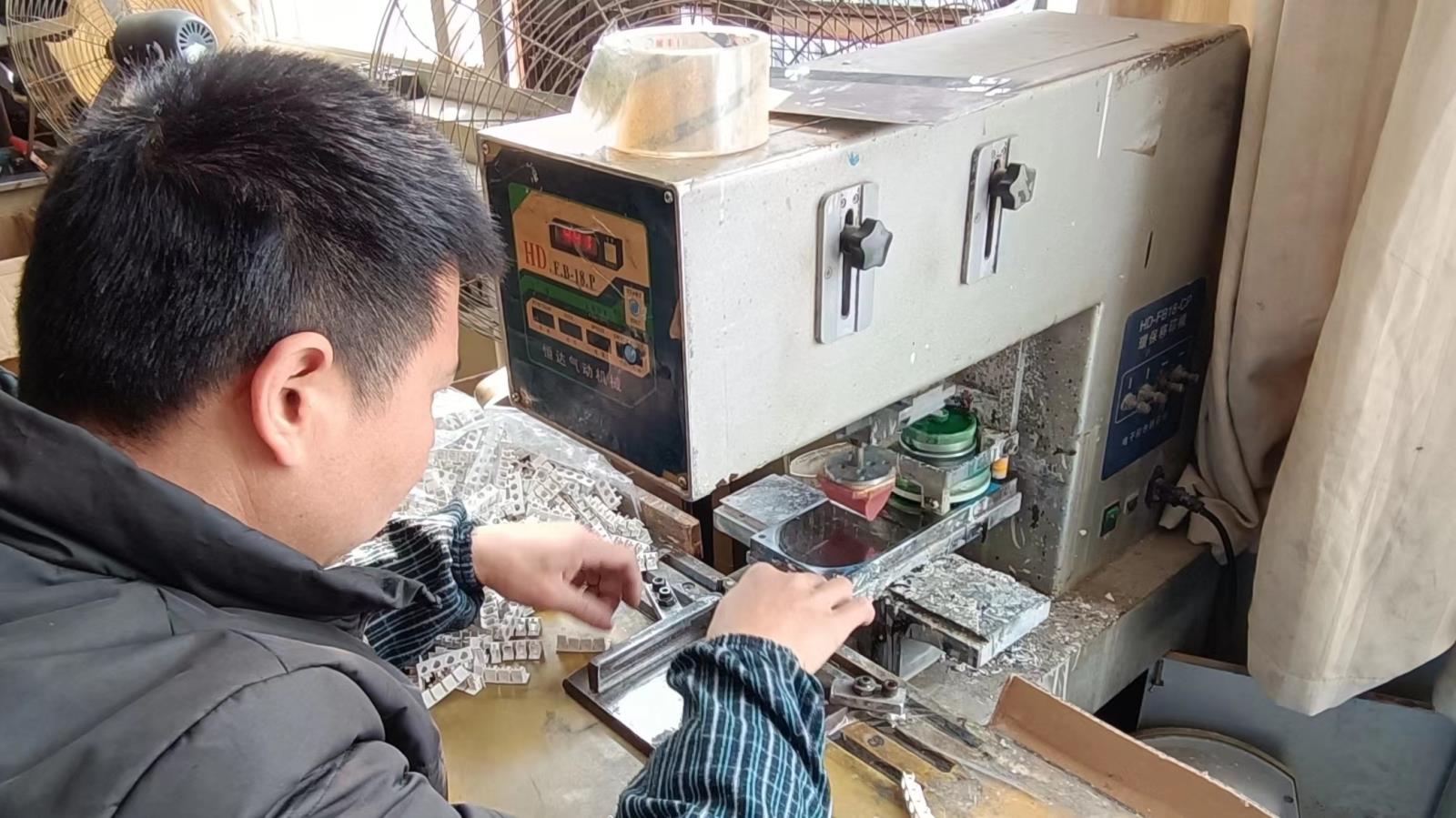
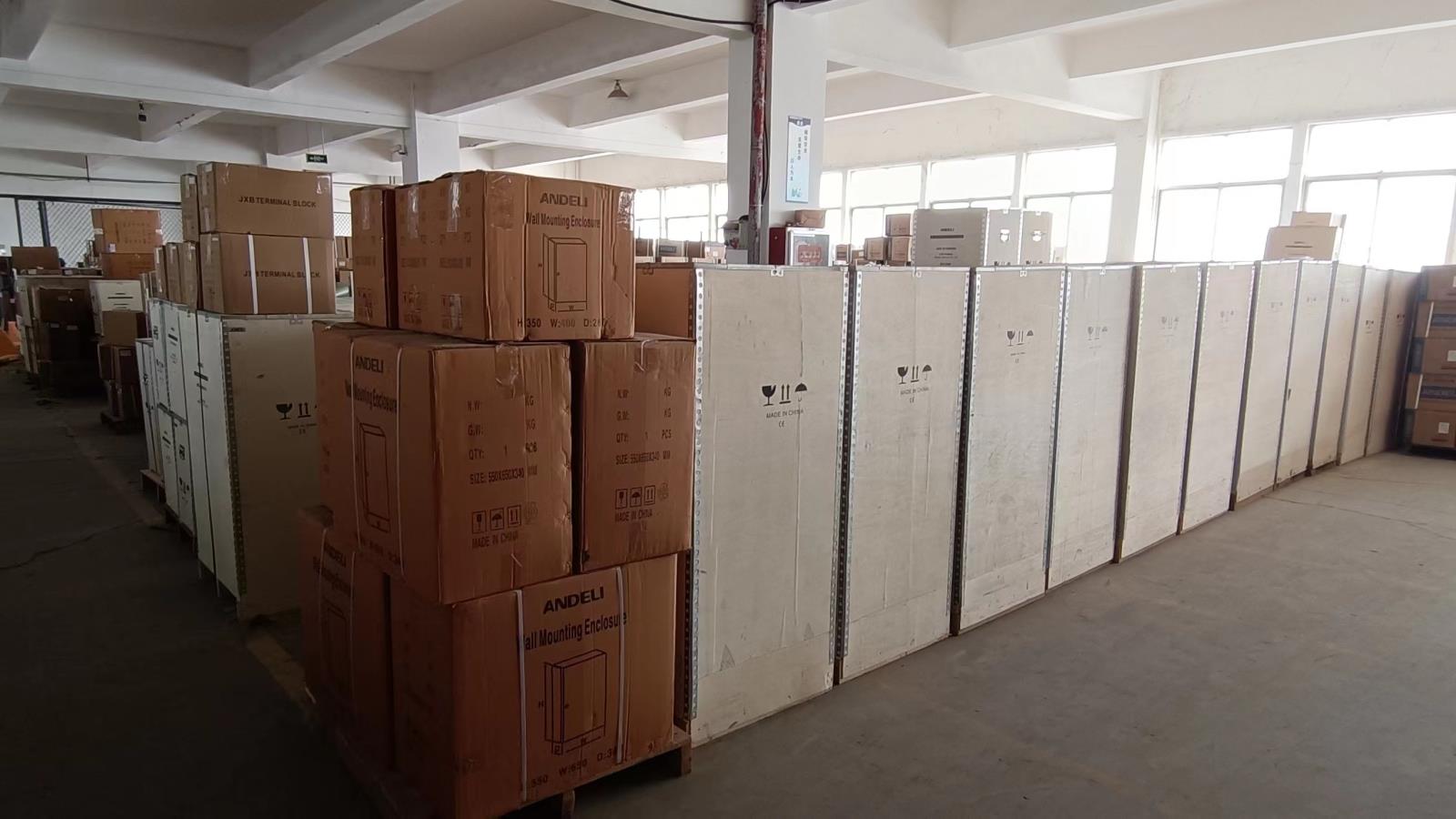
Our commitment to quality is backed by advanced testing equipment, a skilled R&D team, and international standards compliance (SAA, CE, CB (IEC), and ISO9001). This technical foundation ensures we deliver high-performance equipment to markets in Europe, the Americas, Southeast Asia, the Middle East, and Africa. Below is a detailed look at the core stages of our manufacturing process, which ensures that every device meets international performance requirements.
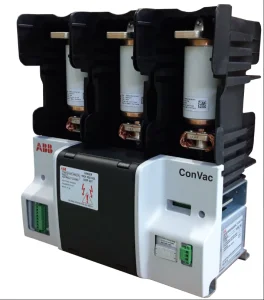
Marine environments present continuous challenges, including high humidity, salt-spray corrosion, and structural vibration. Deploying the IEC Indoor Vacuum Contactor VSC (up to 12 kV, 400 A) ensures arc quenching in hermetically sealed vacuum chambers. This prevents ionization faults, protecting the ship’s auxiliary propulsion and onboard power generation systems from catastrophic failures.
Modern smart buildings draw large, dynamic loads from HVAC units, server rooms, and elevators. Using an IEC Compliant Air Circuit Breaker (ACB) at the main intake panel provides high short-circuit breaking capacity. This ensures fault isolation at the sub-panel level while keeping critical safety and lighting systems online.
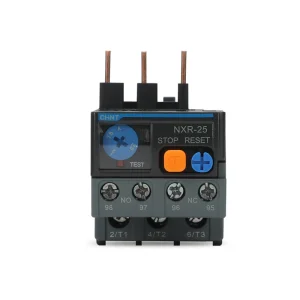
Industrial motors experience high inrush currents during startup. Combining 3-pole magnetic contactors with the Zhengtai NXR-25 Kunlun Thermal Overload Relay prevents motor windings from overheating. The thermal relay mimics the motor’s heating curve, triggering safety cut-offs before insulation degradation occurs.
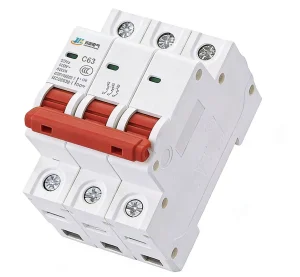
The future of low-voltage electrical systems lies in integrating physical protection devices with smart, cloud-connected software. Standard thermal-magnetic trip units are evolving into microprocessor-controlled smart relays. Micro-circuit breakers now feature integrated WiFi telemetry—such as the WiFi Smart MCB—allowing remote power management, scheduled switching, and predictive fault alerts.
Wenzhou UniWave Electric is directing its research and development toward solid-state switches and edge computing power meters. By analyzing transient waveforms locally on the device, these systems can identify tiny changes in insulation resistance and switchgear contact resistance. This shift from reactive maintenance to real-time predictive health monitoring helps industrial plants eliminate unplanned downtime, optimize energy efficiency, and protect sensitive automation systems.
Browse our certified range of electrical distribution and control components, designed for long-term reliability in demanding industrial applications.