 UniWave Electric
UniWave Electric
UniWave Electric
Intelligent low-voltage power distribution units custom-engineered to meet stringent Kansai grid requirements and extreme load transients.
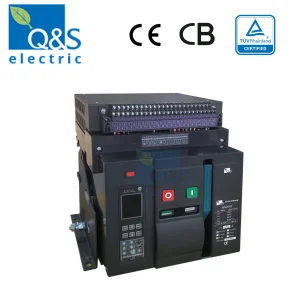
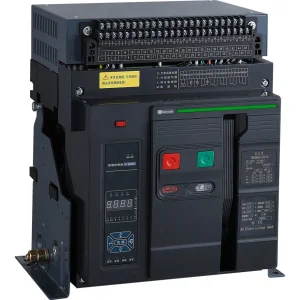
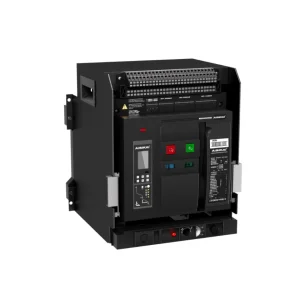
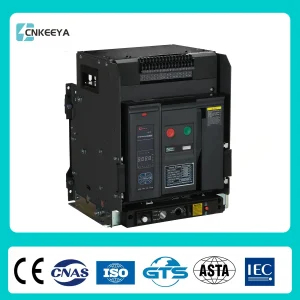
Osaka, as the economic heart of the Kansai region and Japan's historic industrial powerhouse, is undergoing a profound structural transition. From the heavy chemical, machinery, and steel plants lining the Sakai-Senboku coastal industrial zone to the rapid expansion of high-tech semiconductor fabs, biomedical hubs, and cloud-scale data centers in the Osaka Bay Area, the demand for electrical grid stability has never been higher. High-availability operations require switchgear capable of preventing catastrophic failures, minimizing downtime, and ensuring the absolute safety of expensive industrial assets.
A crucial technical nuance of the Osaka power grid is its operation at 60 Hz, which distinguishes Western Japan from the 50 Hz Eastern Japan grid. Low-voltage electrical distribution systems must be meticulously rated for this 60 Hz system, taking into account different transient behaviors and short-circuit interrupt speeds. Furthermore, due to Japan's high seismic vulnerability, electrical systems installed in Osaka must comply with strict vibration and seismic requirements, making robust mechanical chassis designs for Air Circuit Breakers (ACB) a mandatory specification rather than an option.
For operations in the Osaka prefecture, heavy manufacturing plants and smart logistics facilities rely on the local utility provider, Kansai Electric Power Co. (KEPCO). The high concentration of high-voltage receiving stations requires top-tier low-voltage distribution design. Air Circuit Breakers serve as the critical primary line of defense at the secondary side of transformer units, typically stepping down from 6.6kV to 400V or 690V.
Wenzhou UniWave Electric Co., Ltd. provides ACBs featuring high rated short-time withstand current (Icw) and ultimate short-circuit breaking capacity (Icu) designed to handle high energy releases without compromising mechanical integrity. This is particularly vital in protecting the automation lines of automotive manufacturers and machinery tools companies concentrated in Higashiosaka.
On a global scale, the electrical protection market is shifting away from reactive safety switches toward proactive, smart energy assets. Air Circuit Breakers are no longer regarded simply as safety valves; they are the fundamental edge nodes of industrial IoT (IIoT) architectures. The integration of microprocessor-controlled Electronic Trip Units (ETUs) allows for real-time monitoring of power quality, harmonics, active/reactive power consumption, and mechanical wear indicators.
This global trend is driven by ESG (Environmental, Social, and Governance) directives, demanding deep decarbonization of industrial operations. By leveraging intelligent ACBs, plant managers can accurately isolate faults, prevent wide-scale blackouts through advanced logical selectivity, and gather high-granularity data to identify energy inefficiencies. As global supply chains face mounting volatility, procuring robust, IEC-certified components from reliable factories with agile customization capabilities has become a strategic priority for engineering procurement managers.
Selecting the optimal circuit breaker configuration involves a careful balance between capital expenditure, maintenance windows, and the cost of unexpected downtime. For critical infrastructure in Osaka, understanding the mechanical and operational differences between Fixed Type and Draw-out (Withdrawable) Type ACBs is essential.
| Feature Description | Fixed Type ACB | Draw-out (Withdrawable) Type ACB |
|---|---|---|
| Installation Footprint | Compact; directly bolted within the switchgear panel. | Requires a chassis/cradle, taking up slightly more space. |
| Maintenance Downtime | High. Requires complete isolation of the busbar section. | Very Low. Can be isolated and racked out within minutes. |
| Safety Indication | Visual isolation requires external upstream isolators. | Physical isolation visible through "Connected, Test, Disconnected" positions. |
| Initial Cost | Lower initial capital expenditure. | Higher due to the mechanical cradle and safety shutters. |
| Typical Application | Auxiliary building systems, standard manufacturing machinery. | Data centers, hospitals, continuously running heavy chemical plants. |
The technical roadmap for low-voltage power distribution points toward the integration of hybrid mechanical-electronic breaking systems and eco-friendly gas-free arc extinguishment. Standard air circuit breakers rely on massive copper contact tips and arc chutes to split and dissipate intense thermal energy during a fault. While effective, the contact erosion is a limiting factor in device life expectancy.
Future iterations of UniWave ACBs will feature advanced contact-wear estimation algorithms that calculate contact deterioration based on breaking currents ($I^2t$ values). This predictive maintenance model matches the digitization goals of Osaka's "Society 5.0" initiative, minimizing preventive teardowns and moving towards data-driven asset management.
With massive investments from global hyperscalers, Osaka Bay is now a premier cloud hub. Data centers cannot tolerate even a millisecond of total power loss. The SAC Series Air Circuit Breaker, with its precise selectivity, protects UPS systems and generator switchboards from catastrophic cascade tripping, ensuring uninterrupted service delivery.
Micro-fabrication processes require extremely clean and uninterrupted electricity. A micro-second voltage dip can ruin entire production runs. Utilizing draw-out ACBs with intelligent electronic trip units allows for rapid circuit reconfiguration and predictive maintenance without interrupting the cleanroom power supply.
Osaka's subway networks and local private rail lines demand low-voltage power distribution setups capable of handling mechanical vibrations and high inrush currents from auxiliary traction equipment. Heavy-duty ACBs certified to withstand frequent operational switching are the standard requirement for these demanding transit grids.
A Global Leader in Safe, Smart, and Durable Low-Voltage Switchgear and Protective Components.
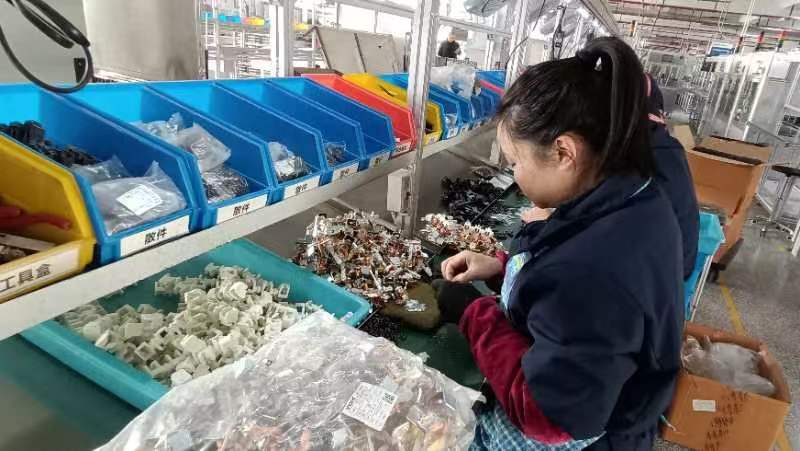
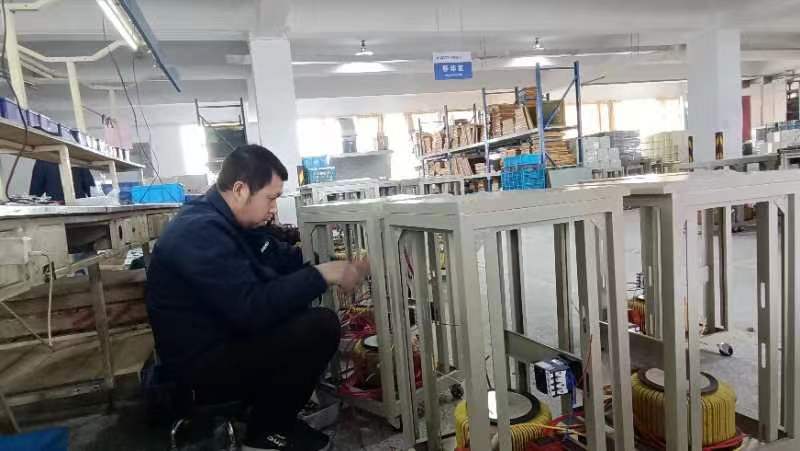
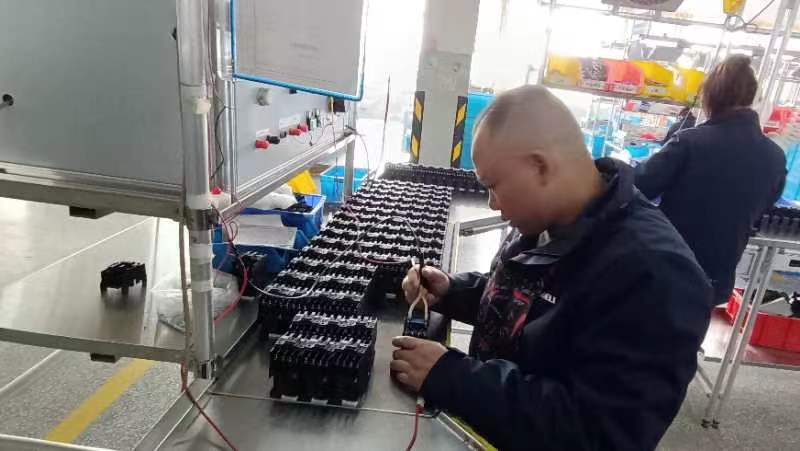
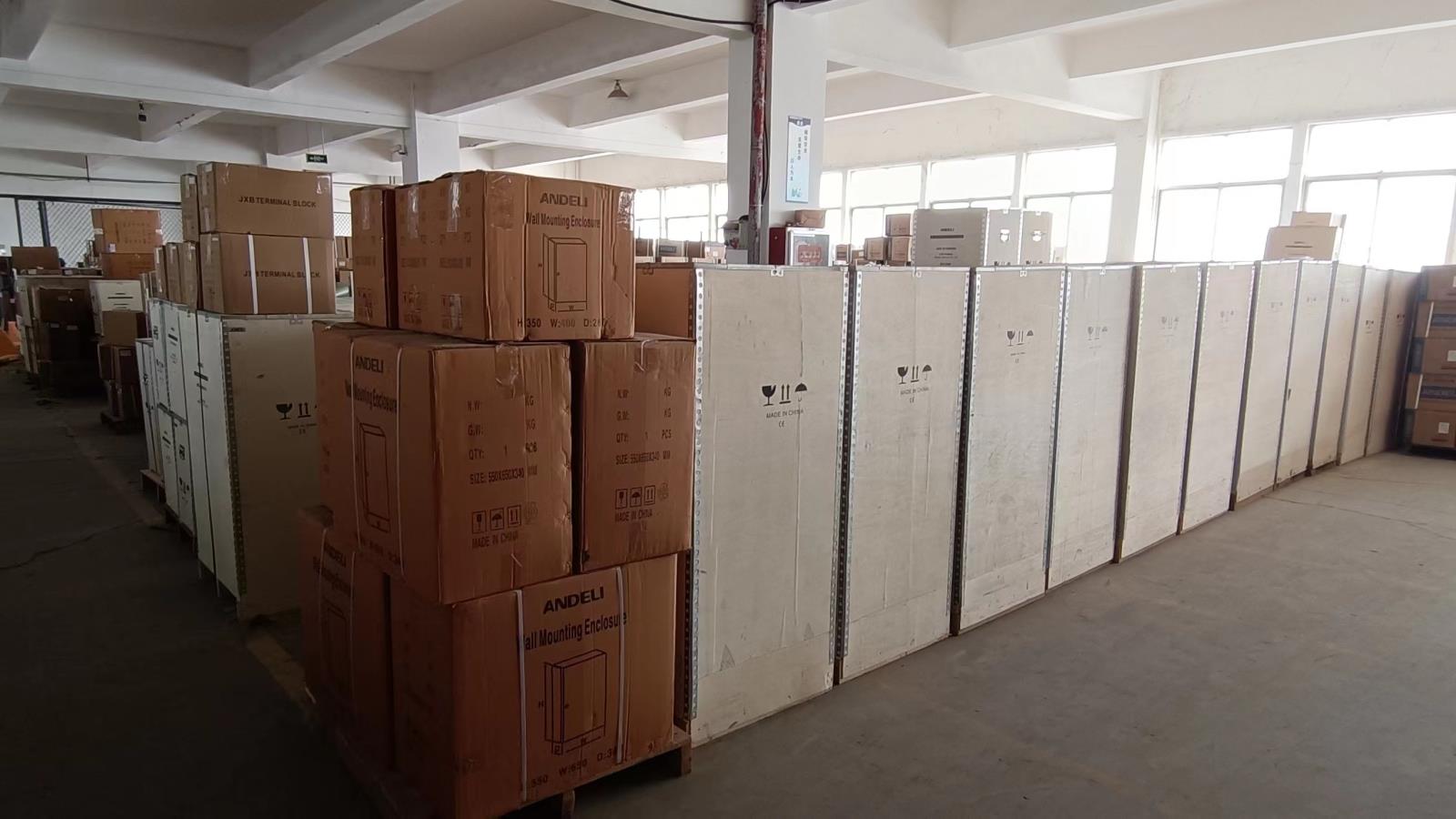
Wenzhou UniWave Electric Co., Ltd. is a leading manufacturer specializing in a wide range of electrical products, including Circuit Breakers (RCBO / RCCB / MCB / WiFi Smart MCB / MCCB / ACB), Isolator Switches, Change Over Switches, AC Contactors, Thermal Relays, Magnetic Starters, Solid State Relays, Distribution Boxes, Voltage Stabilizers, and Voltage Protectors. Our company is located in Liushi, Yueqing, Wenzhou, China, famously known as the “City of Low Voltage Electrical Appliances,” offering both a thriving industrial environment and a beautiful natural setting.
With over 25 years of experience in the circuit breaker and AC contactor industry, Wenzhou UniWave Electric has established a strong reputation for quality, reliability, and innovation. Our products strictly comply with IEC standards and have obtained internationally recognized certifications, including SAA, CE, CB (IEC), and ISO9001.
Our company is equipped with advanced testing instruments and a highly skilled R&D team, allowing us to continually develop new products and improve existing ones. We are committed to providing cutting-edge solutions that meet the evolving needs of our customers. Our products are widely exported and highly appreciated in various markets around the world, including Europe, America, Southeast Asia, the Middle East, and Africa. At Wenzhou UniWave Electric, we focus on customer satisfaction, innovation, and sustainable development.
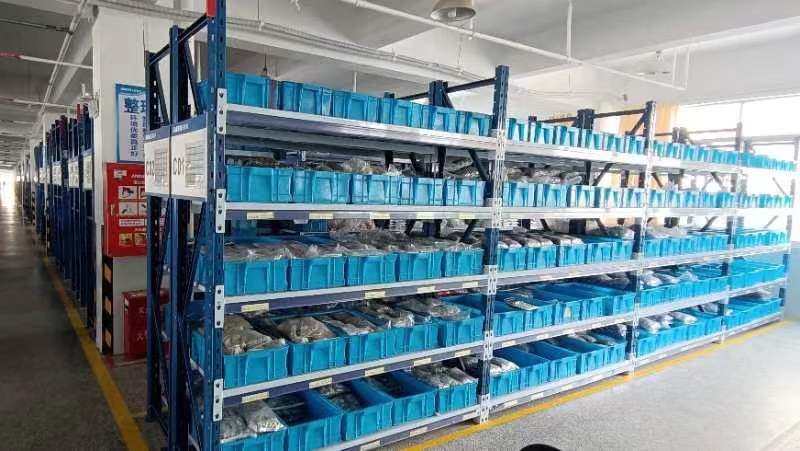
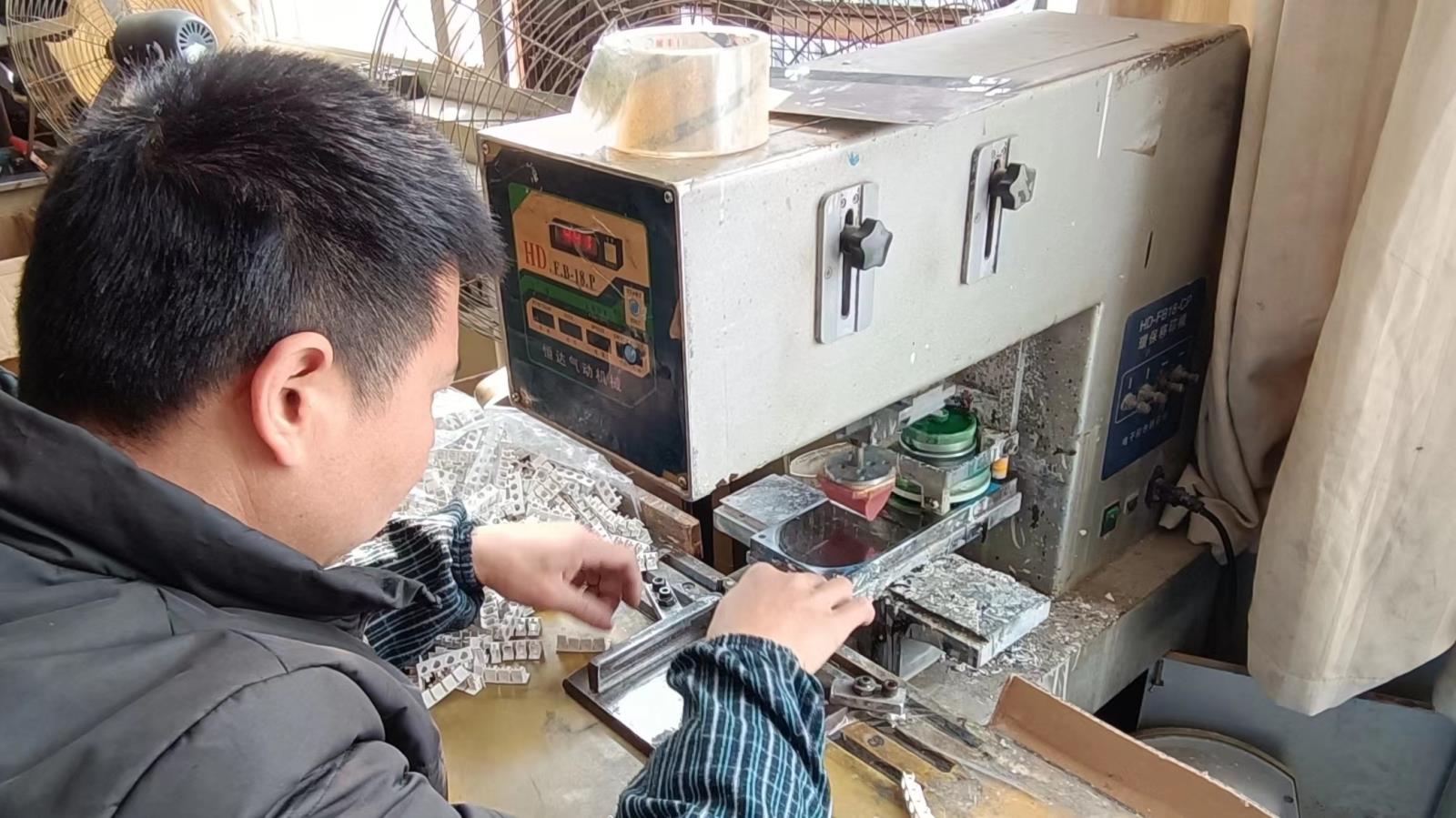
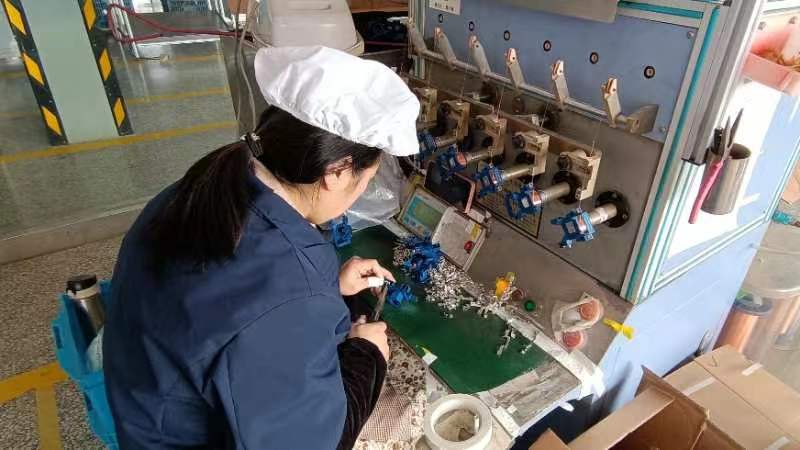
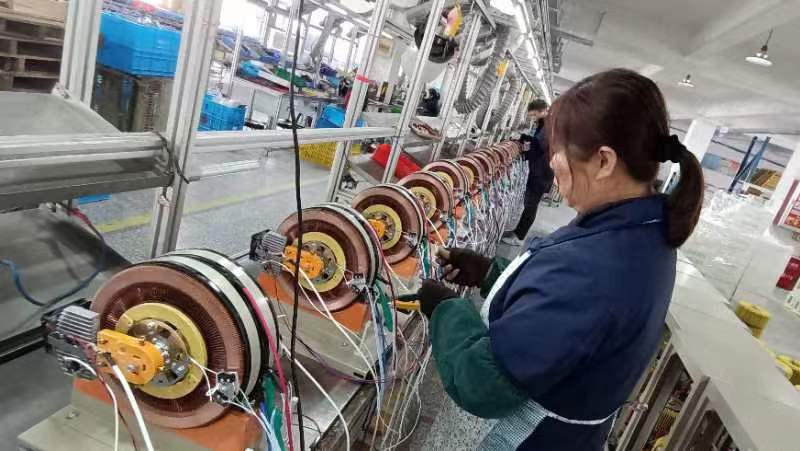
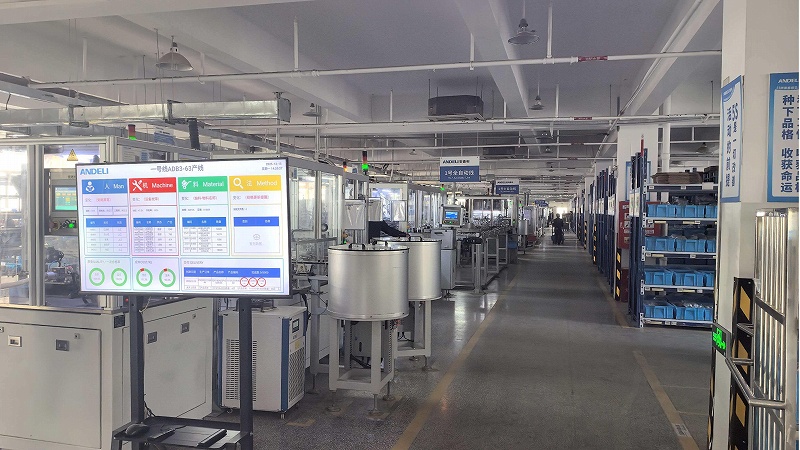
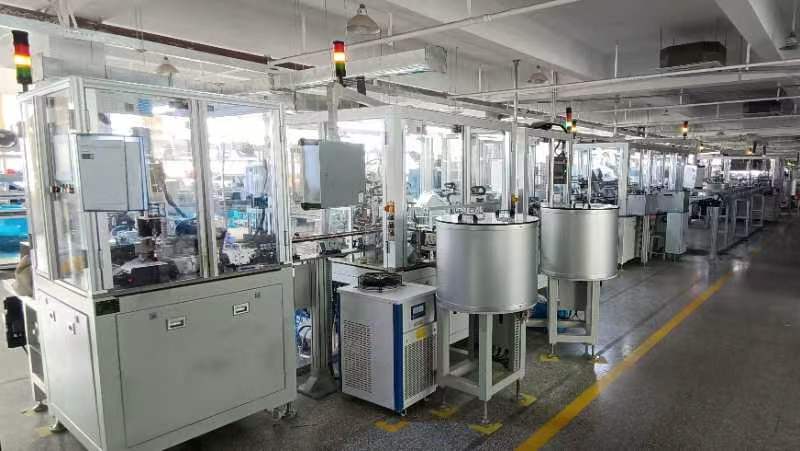
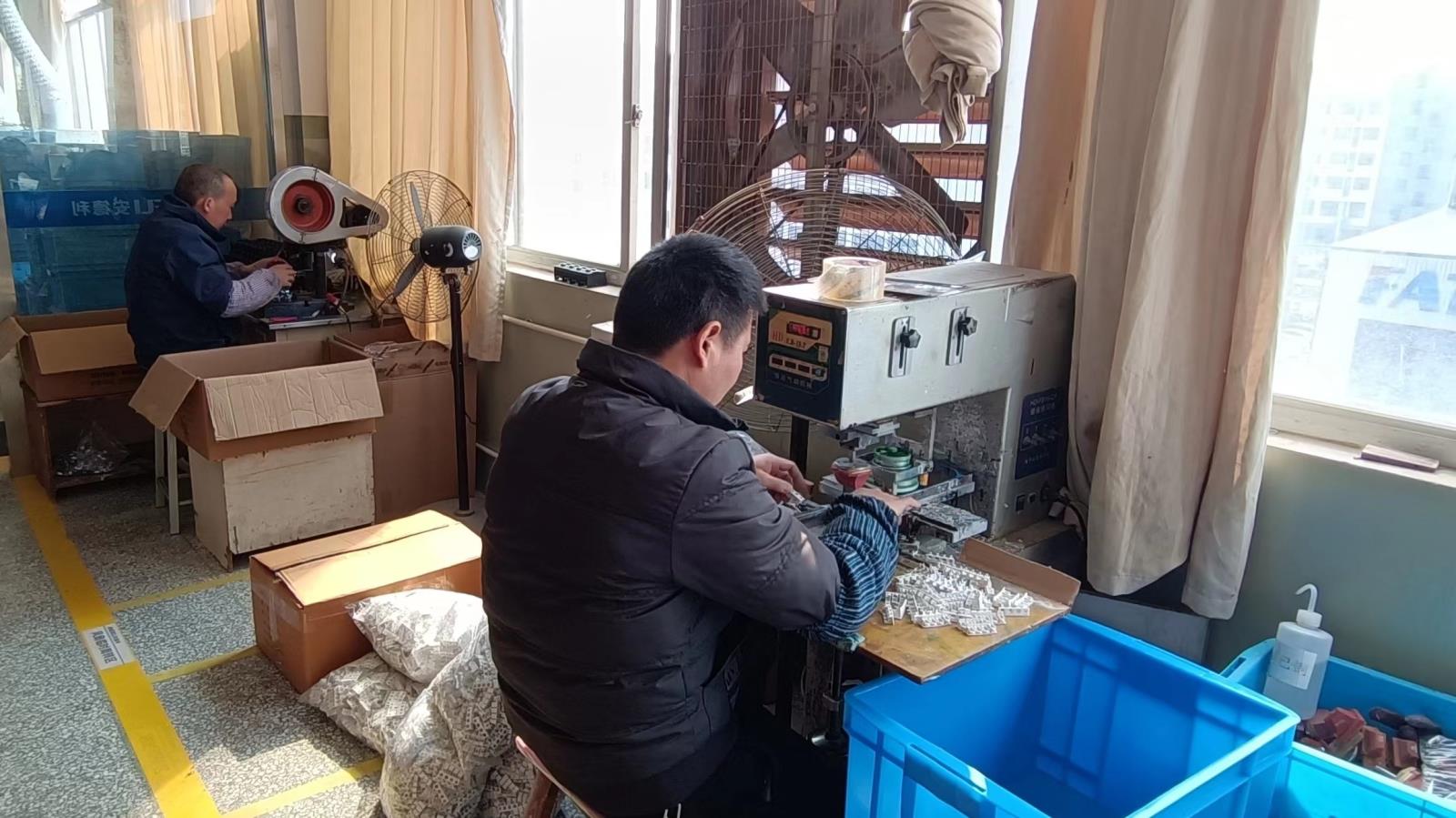
Engineered for extreme reliability, easy retrofitting, and absolute compliance with international standards.
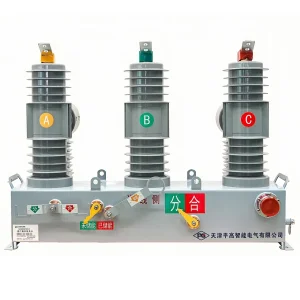
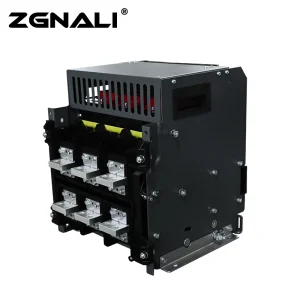
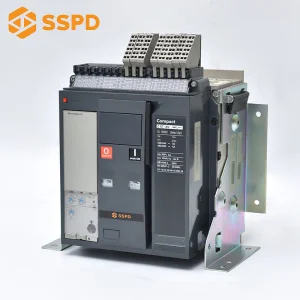
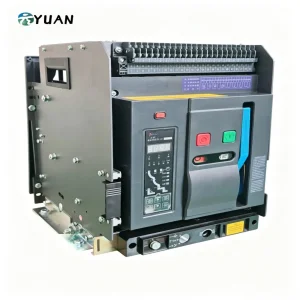
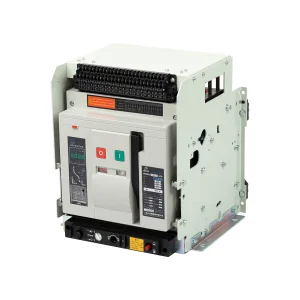
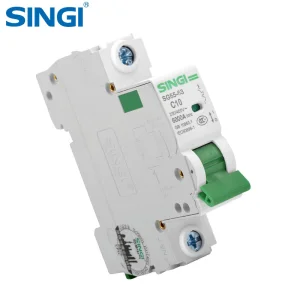
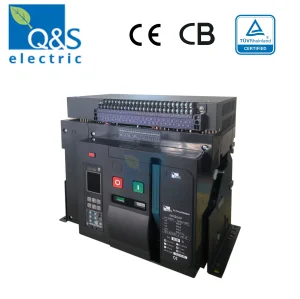
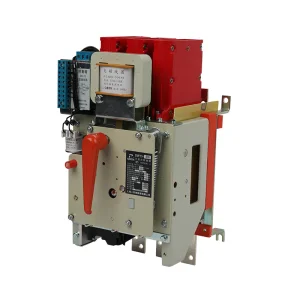
High-current capability and integrated switchgear units for comprehensive system engineering.
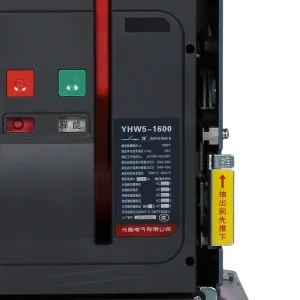
Answering the most critical engineering and logistical questions for Japanese industrial buyers.