UniWave Electric
UniWave Electric
UniWave Electric
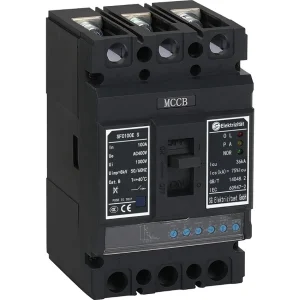
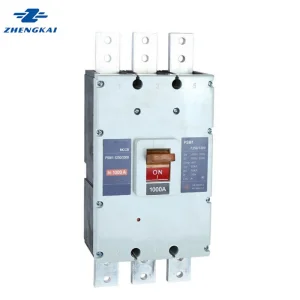
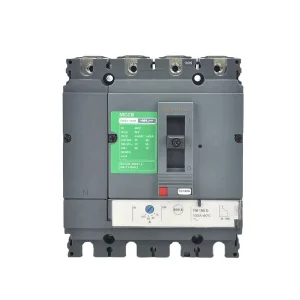
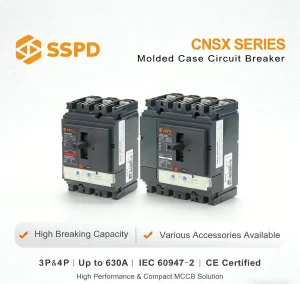
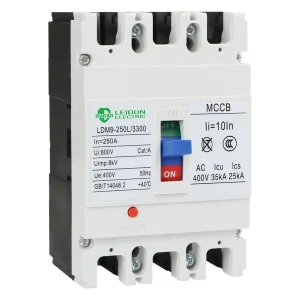
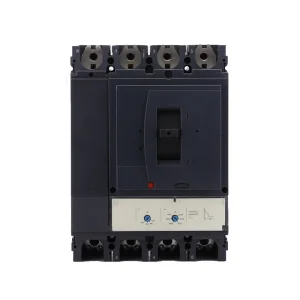
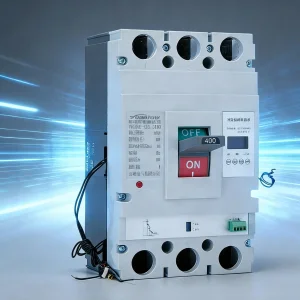
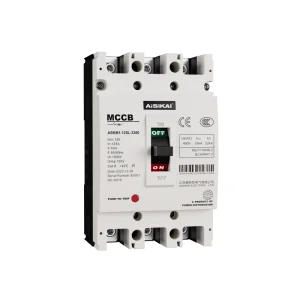
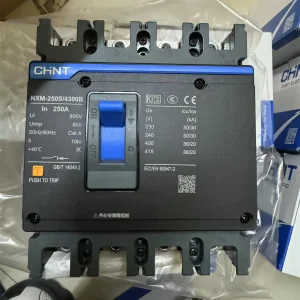
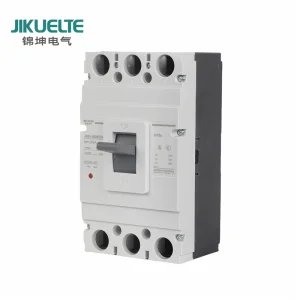
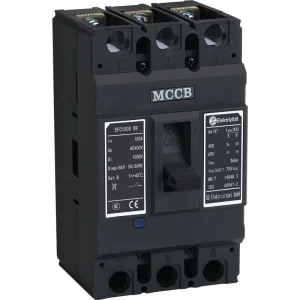
Explore our top-tier Molded Case Circuit Breakers (MCCBs) designated for critical electrical networks across the United Kingdom. Incorporating advanced thermal-magnetic and microprocessing trip topologies, these components deliver absolute selective coordination and overcurrent safety.
Need immediate engineering integration advice or customized quotes for these devices?
Send Inquiry NowThe UK electrical infrastructure is undergoing its most profound transformation since the post-war reconstruction era. Driven by the statutory mandate of the Climate Change Act to achieve Net Zero by 2050, the electrification of space heating (via commercial heat pumps), the roll-out of high-capacity Electric Vehicle (EV) charging hubs, and the integration of offshore wind from the North Sea are placing immense strain on traditional low-voltage networks.
For design engineers and specifiers operating in the UK commercial and industrial (C&I) sectors, compliance is non-negotiable. Installations must adhere strictly to the BS 7671 (IET Wiring Regulations), specifically focusing on the recent directives of the 18th Edition Amendment 2. In this regulation, the demand for enhanced safety, continuity of service, and protection against overcurrents and fault currents is paramount. Molded Case Circuit Breakers (MCCBs) must not only provide safe galvanic isolation but must also exhibit fault breaking capacities that match calculated prospective short-circuit currents (PSCC) at the main incoming switchboard.
Modern C&I installations across the UK—including those in the manufacturing hubs of the West Midlands, the biotechnology parks of Cambridge, and the financial data centers in the London Docklands—are characterized by high densities of non-linear loads. Switch-mode power supplies, variable speed drives (VSDs), and large-scale UPS installations generate high levels of harmonic currents.
This harmonic saturation leads to increased thermal stress in traditional electrical assemblies. UniWave's range of electronic and thermal-magnetic MCCBs is designed to operate safely in environments prone to high total harmonic distortion (THD), preventing nuisance tripping while maintaining accurate long-time overload protection.
BS 7671 strictly enforces coordination between protective devices to ensure that a localized fault is cleared only by the nearest upstream circuit breaker, preserving continuity of service for adjacent circuits. This is highly critical in data centers and automated processing plants.
UniWave’s MCCBs are supplied with highly customizable time-current characteristic curves. The adjustable thermal settings ($I_r$) and short-time delay parameters ($I_{sd}$) permit precise horizontal and vertical discrimination schemes with upstream Air Circuit Breakers (ACBs) and downstream miniature circuit breakers (MCBs).
Globally, the low-voltage switchgear market is shifting away from purely electromechanical protective units toward smart, digitalized components. As modern power networks migrate towards microgrids and decentralized power storage, MCCBs are transforming into intelligent sensors capable of telemetry, power metering, and communication over industrial bus protocols.
Our R&D team highlights three macro trends reshaping the global electrical engineering sector:
Making an informed engineering decision between Thermal-Magnetic (TMD) and Electronic Trip Units (ETU) depends heavily on the specific application parameters, cost considerations, and coordination requirements. The table below details the performance comparison based on UK industrial parameters:
| Performance Characteristic | Thermal-Magnetic Trip Unit (TMD) | Electronic Trip Unit (ETU / Microprocessor) |
|---|---|---|
| Operating Mechanism | Bimetal strip (overload) & electromagnetic coil (short-circuit). | Current transformers (CTs) with microprocessor logic boards. |
| Adjustability ($I_r$ & $I_{sd}$) | Fixed or coarse manual adjustment dial (typically 0.7 - 1.0 x $I_n$). | Fine steps (0.4 - 1.0 x $I_n$) and adjustable delay times. |
| Harmonic Sensitivity | Susceptible to premature thermal tripping due to harmonic heating. | True RMS sensing filters high-frequency noise. |
| Discrimination Capabilities | Moderate. Best suited for basic radial distribution systems. | Excellent. Allows fine-tuning to prevent upstream breaker tripping. |
| Fault Data Logging | No internal capability. Requires external line monitors. | Built-in event logging for overload, short-circuit, and ground faults. |
| Cost Profile | Highly cost-effective; low initial investment. | Higher initial capital expense; offset by reduced downtime. |
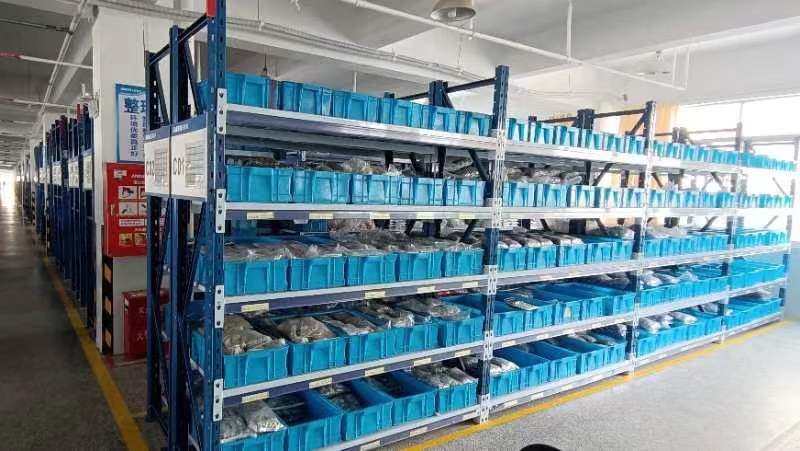
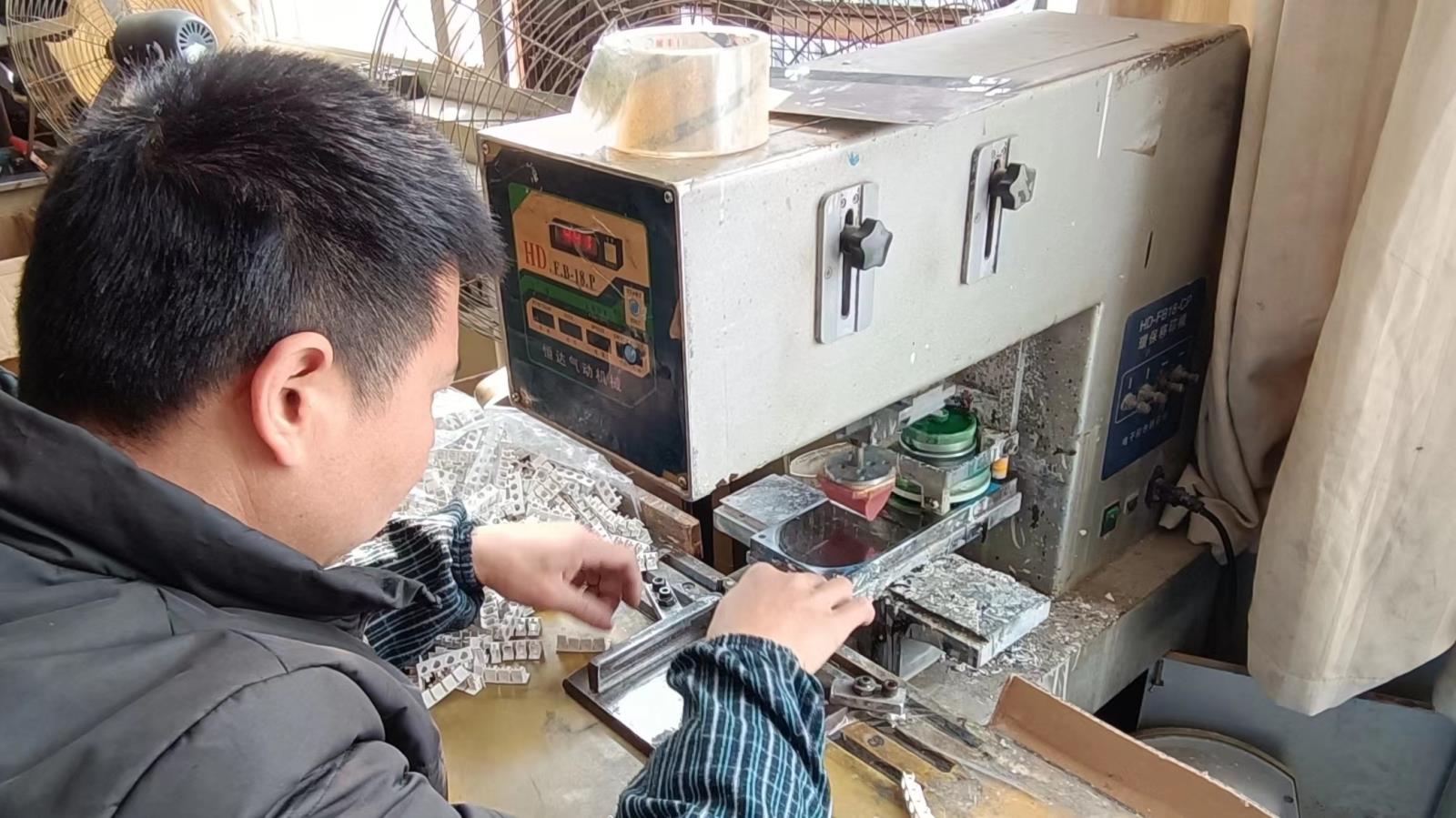
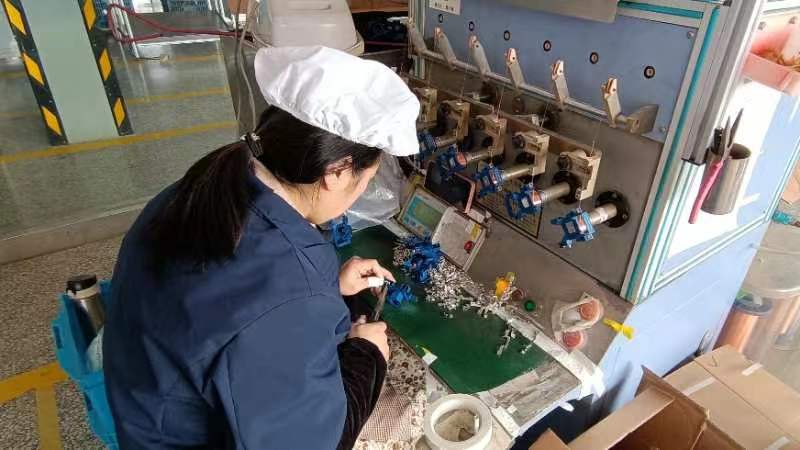
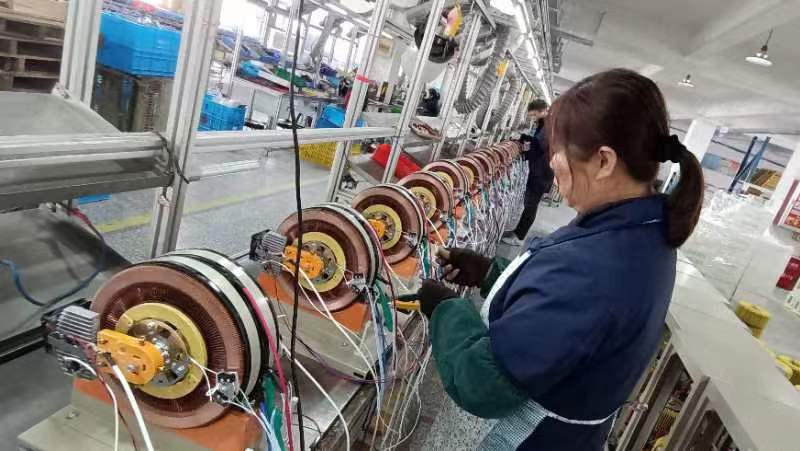
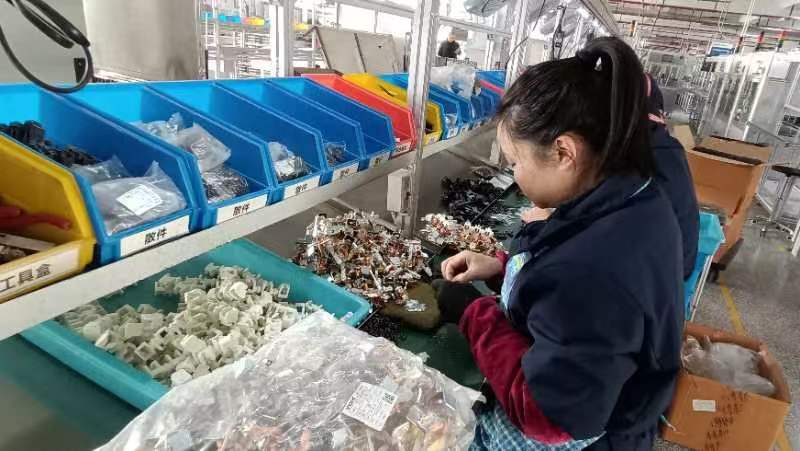
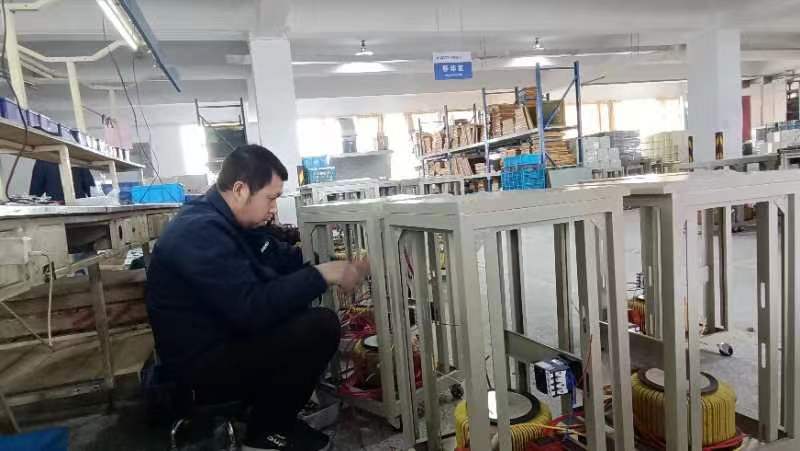
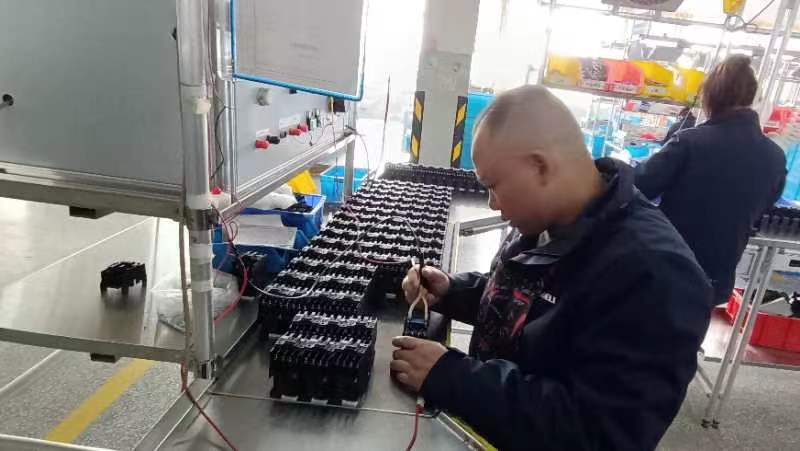
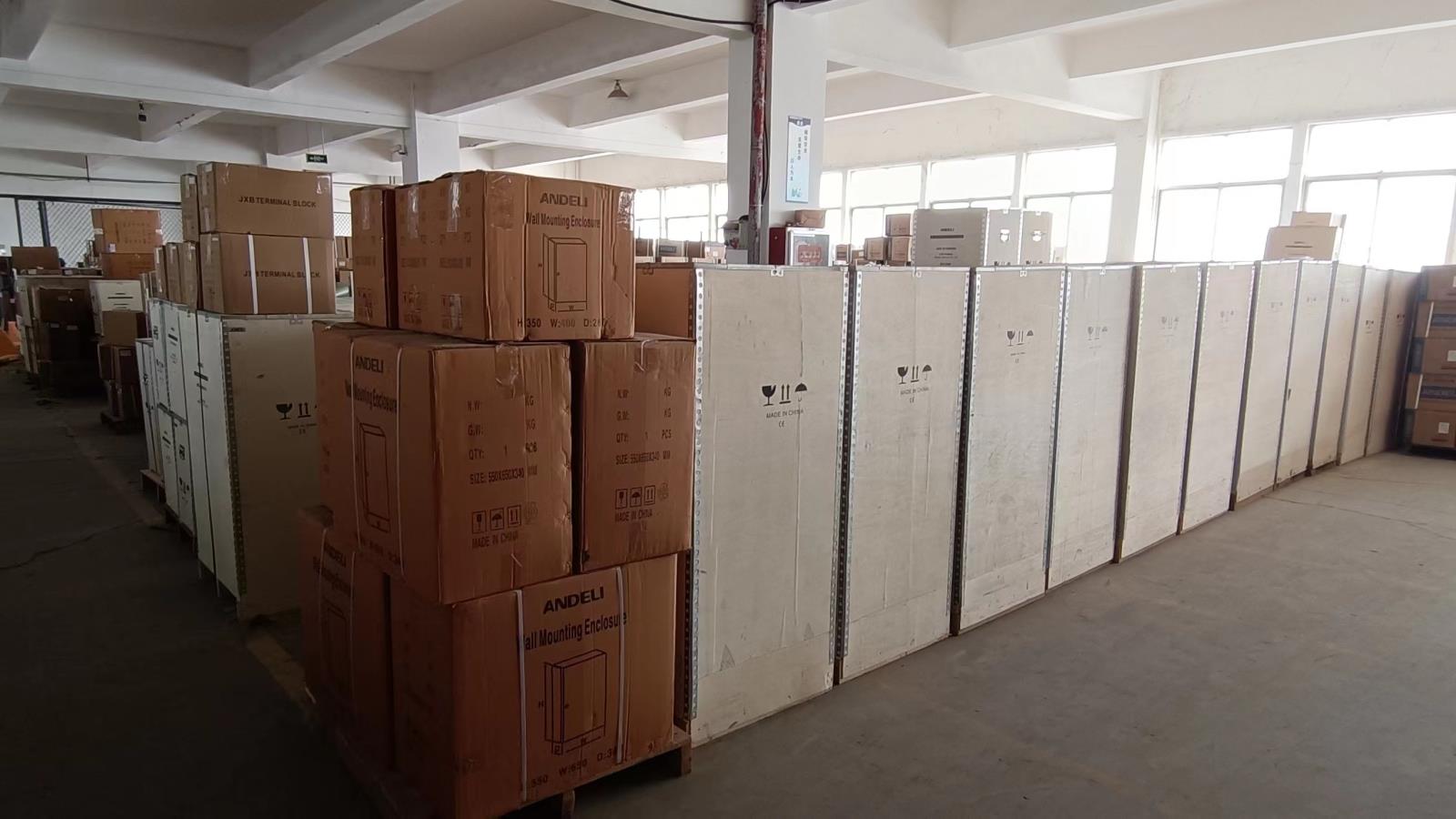
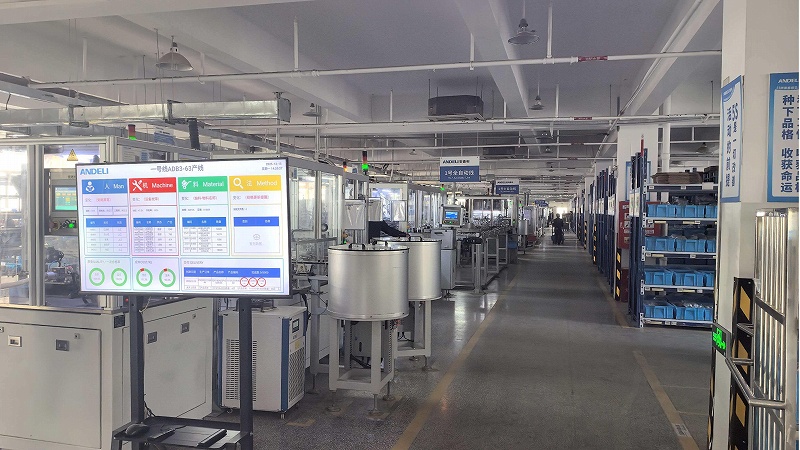
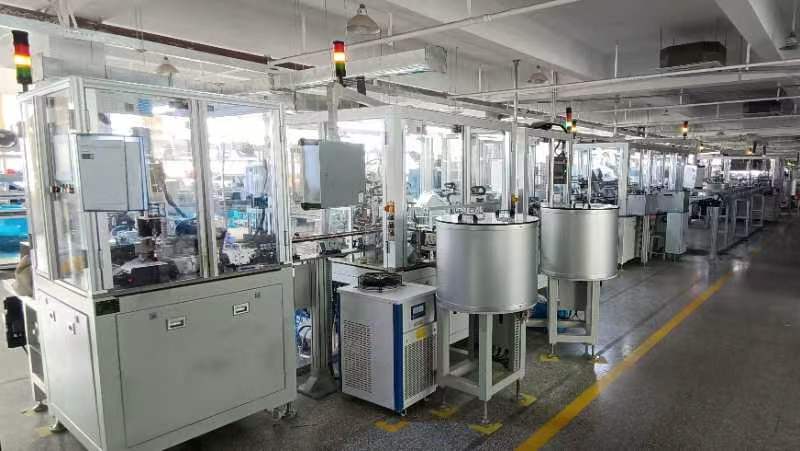
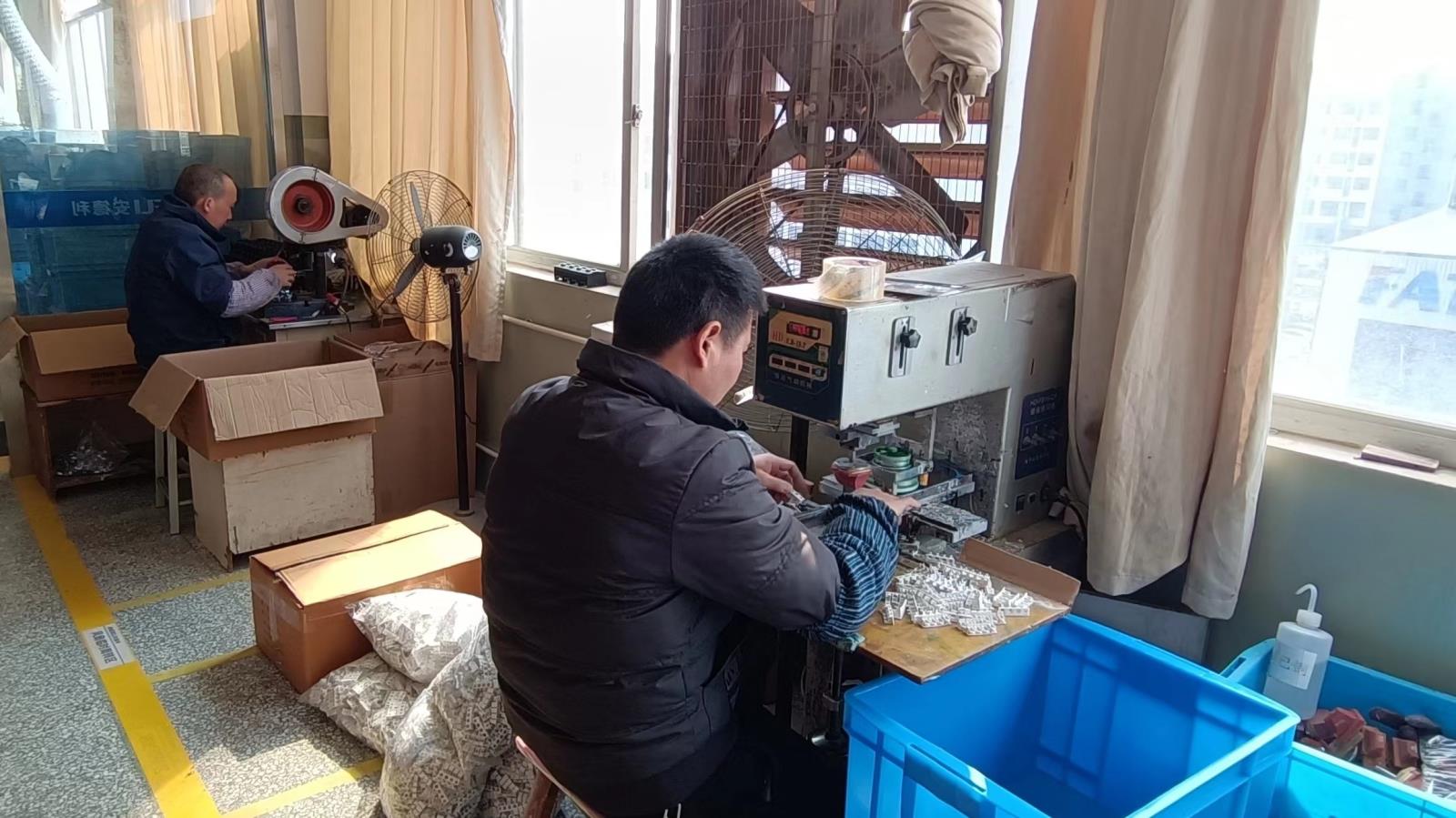
Leveraging over 25 years of specialized experience in circuit protection, Wenzhou UniWave Electric Co., Ltd. operates a highly automated manufacturing facility in Liushi, Yueqing, Wenzhou, China—internationally recognized as the "City of Low Voltage Electrical Appliances." Our engineering processes combine raw material quality controls with advanced mechanical testing to guarantee compliance with SAA, CE, CB (IEC), and ISO9001 standards.
UniWave's MCCBs are tailored to meet the environmental and electrical realities of key applications across Great Britain and Northern Ireland:
Providing absolute selectivity and zero downtime designs for servers situated in London, Slough, and the M4 Corridor.
Resisting high vibration levels and harsh maritime microclimates in UK offshore wind farm grid connection arrays.
Ultra-compact frame sizes designed to fit within the space-limited distribution chambers of historic listed properties in Edinburgh and London.
Robust electromagnetic tolerances built to manage high inductive load surges and motor inrush profiles in Midlands auto plants.
Expert engineering answers addressing regular technical queries about molded case circuit breaker specification, selection, and compliance within the UK.
Explore our comprehensive catalog of MCCBs, mini-breakers, and adjustable thermal-magnetic switchgear. Engineered for optimal compatibility with typical UK commercial boards.
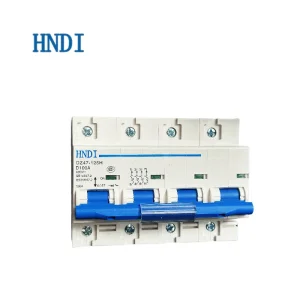
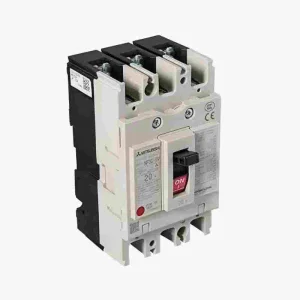
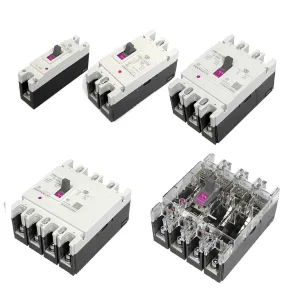
Whether you are engineering a distribution frame for a new UK commercial project, upgrading a data center power architecture, or procuring reliable breakers for export, our dedicated engineering team is here to assist. Partner with Wenzhou UniWave Electric Co., Ltd. for certified low-voltage protection equipment.
Send Inquiry Now