UniWave Electric UniWave Electric

OEM/ODM Backup Power System Factories & Exporter

Architecting Smart Grid Resilience: Advanced Electrical Safety & Control Components for Global Industrial, Commercial, and Smart Energy Infrastructures.

Understanding Global Sourcing & High-Reliability Architecture

Ensuring operational continuity through advanced switchgear and power management systems.

25+
Years Industry Expertise
100%
IEC Compliant Components
50+
Global Countries Served
ISO9001
Certified Operations

The Evolutionary Imperative of Backup Power Systems

In the contemporary industrial and commercial landscape, electrical energy is the lifeblood of productivity. Modern trends toward smart factories, edge computing, distributed generation, and massive cloud data centers have driven an unprecedented need for robust backup power infrastructures. These systems are no longer simple stand-alone diesel generators; they are dynamic, hybrid networks incorporating battery energy storage systems (BESS), solar photovoltaics (PV), uninterruptible power supplies (UPS), and automated transfer switchgears that must communicate instantly with local microgrids.

To operate seamlessly, these backup power topologies demand highly specialized control devices. Phase failure relays, DC vacuum contactors, smart Air Circuit Breakers (ACBs), and high-current protection devices are crucial in preventing catastrophic failure modes during power transients. This is where Wenzhou UniWave Electric Co., Ltd. steps in as an indispensable OEM/ODM engineering and manufacturing partner, delivering components that meet the complex grid configurations of different global regions.

"Reliability is not an afterthought; it is an engineered parameter. Our 25 years of electrical engineering expertise are embedded in every circuit breaker, contactor, and protective relay we export."

Global Enterprise Procurement Trends & Compliance

B2B procurement professionals from Europe, America, Southeast Asia, and the Middle East are shifting away from component-level transactional sourcing towards strategic, systemic partnerships. Procurement directors seek OEM/ODM factories capable of providing not just components, but certified, field-ready subsystems that align with regional standards such as IEC, CE, CB, SAA, and UL. A failure in a single phase-monitoring switch could lead to the destruction of multi-million-dollar HVAC or ventilation pumps in a mining operation, resulting in significant liability and operational downtime.

Therefore, E-E-A-T (Experience, Expertise, Authoritativeness, and Trustworthiness) is the foundation of modern electrical sourcing. When a factory demonstrates long-term manufacturing stability, rigorous quality control testing systems, and transparent material supply chains, it minimizes procurement risk. Global enterprises require customizable trip curves, specific operational temperature ratings, and ruggedized enclosures (such as IP20 or epoxy-protected components) to thrive in harsh environmental conditions.

UniWave Enterprise Profile

Wenzhou UniWave Electric Co., Ltd. is a leading manufacturer specializing in low-voltage and medium-voltage electrical components.

  • Location: Liushi, Yueqing, Wenzhou, China
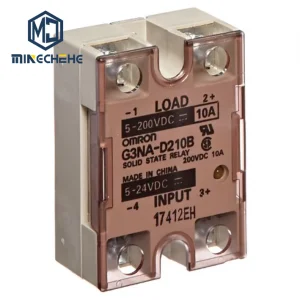
  • Key Products: RCBO, RCCB, MCB, Smart MCB, MCCB, ACB, Isolators, Change Over Switches, AC Contactors, Relays, Solid State Relays, Voltage Stabilizers.
  • Accreditation: ISO9001, SAA, CE, CB, IEC Standards.

China Factory 4.0: Lean Production & Vertical Integration

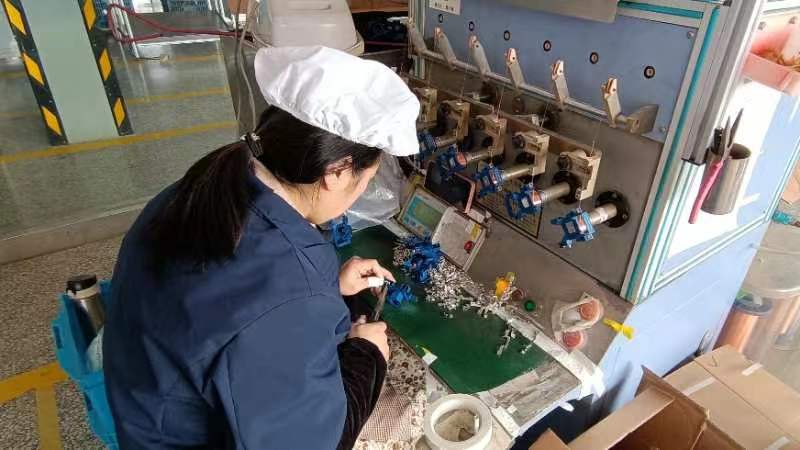
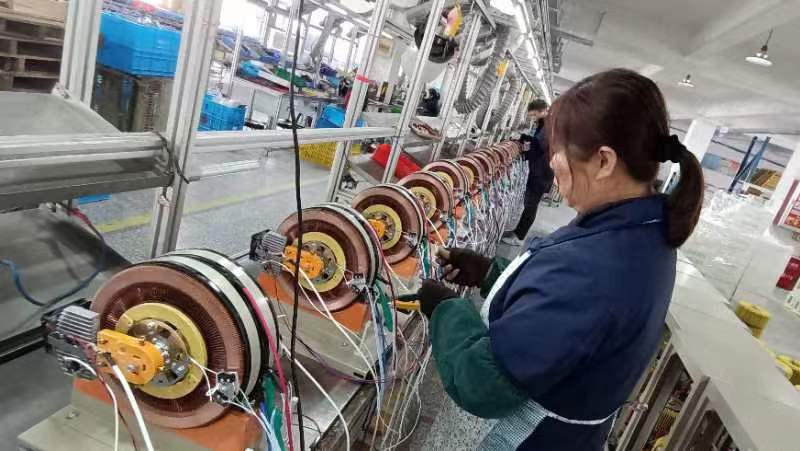
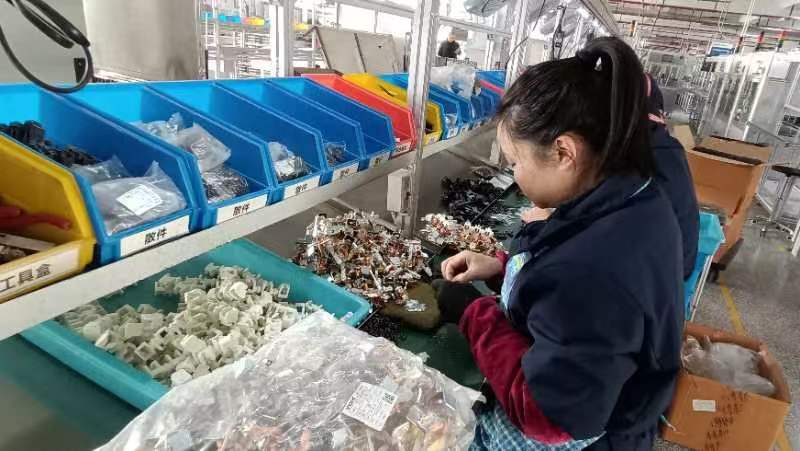
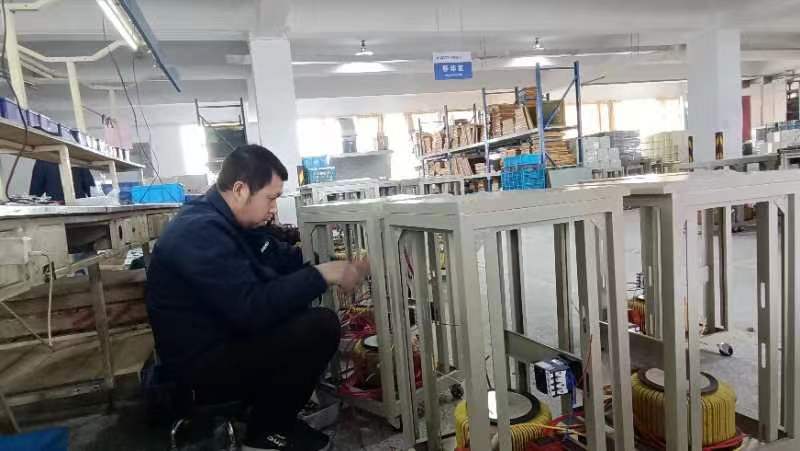
Witness the precision and technical excellence behind our state-of-the-art manufacturing facilities in Liushi, Wenzhou.
Raw Material Inspection
Raw Material QC
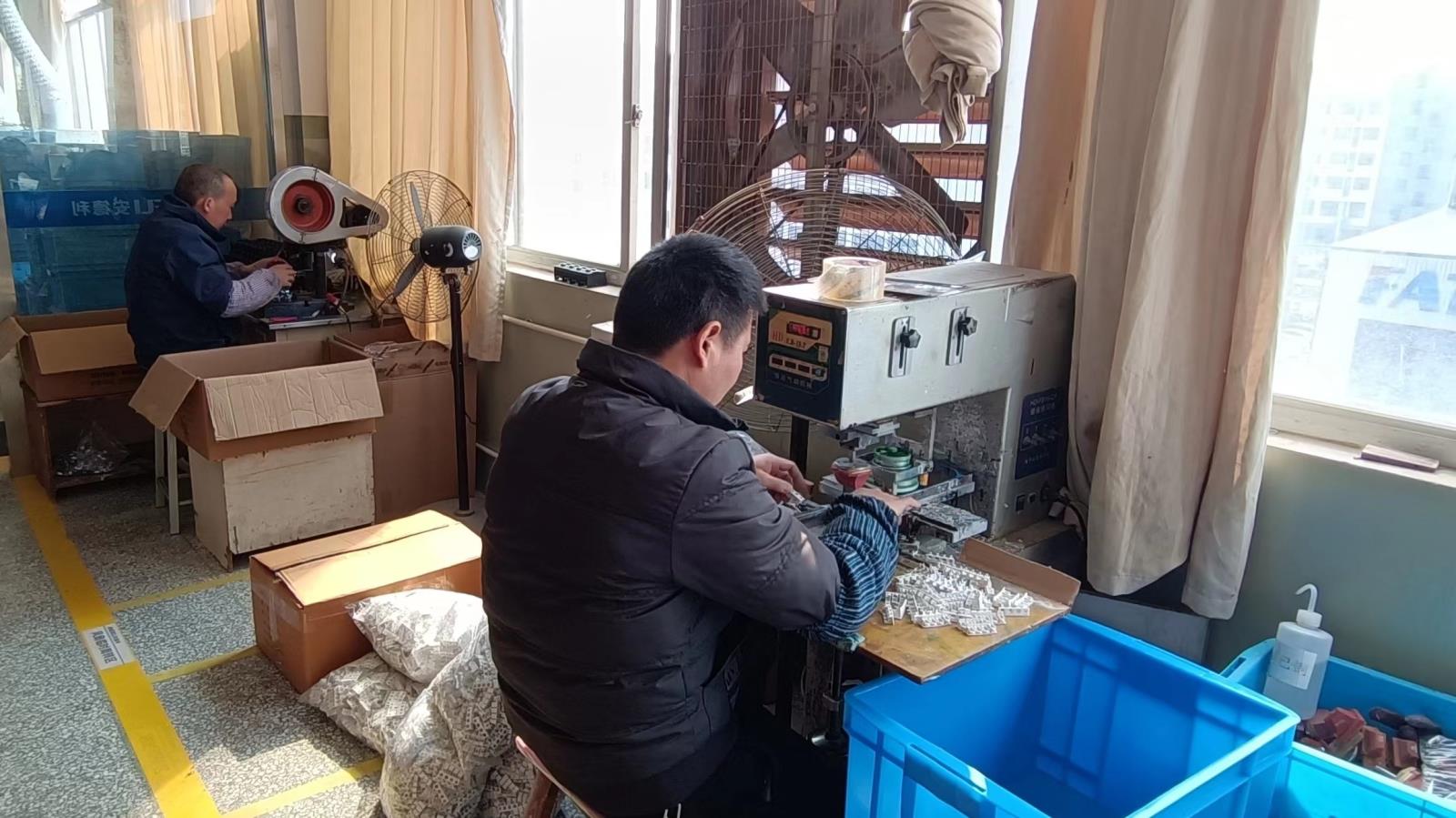
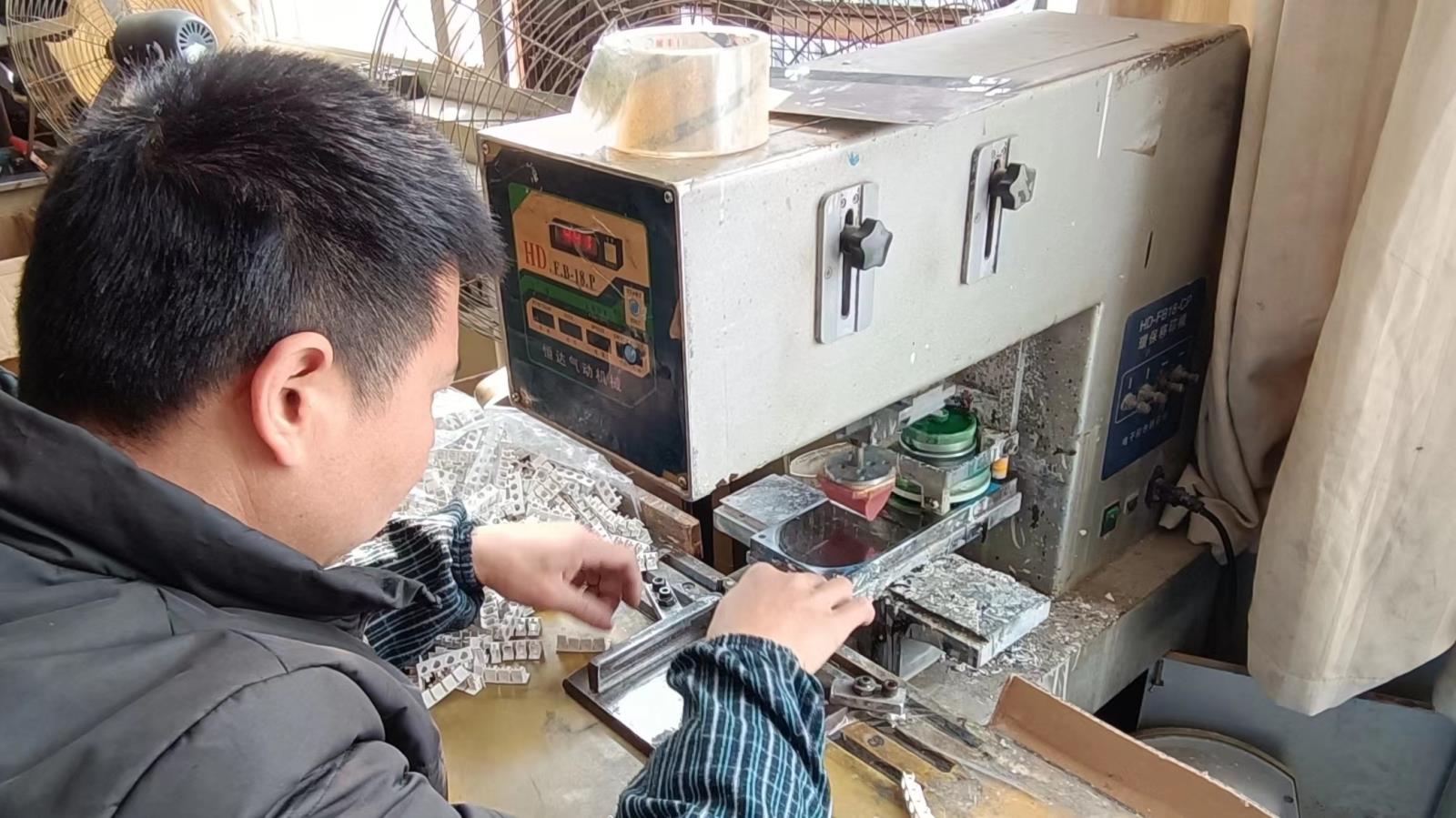
Pad Printing Process
Winding Process
Coil Winding Process
Assembly Process 01
Assembly Line 01
Assembly Process 02
Assembly Line 02
Assembly Process 03
Assembly Line 03
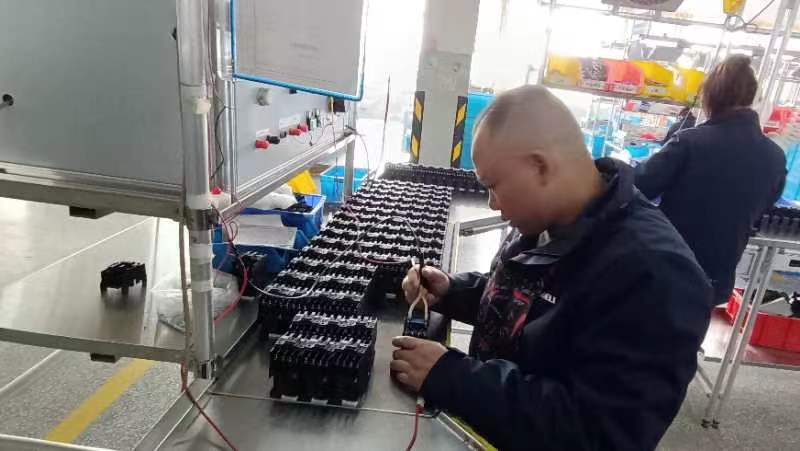
Testing and Diagnostics Process
100% Quality Testing
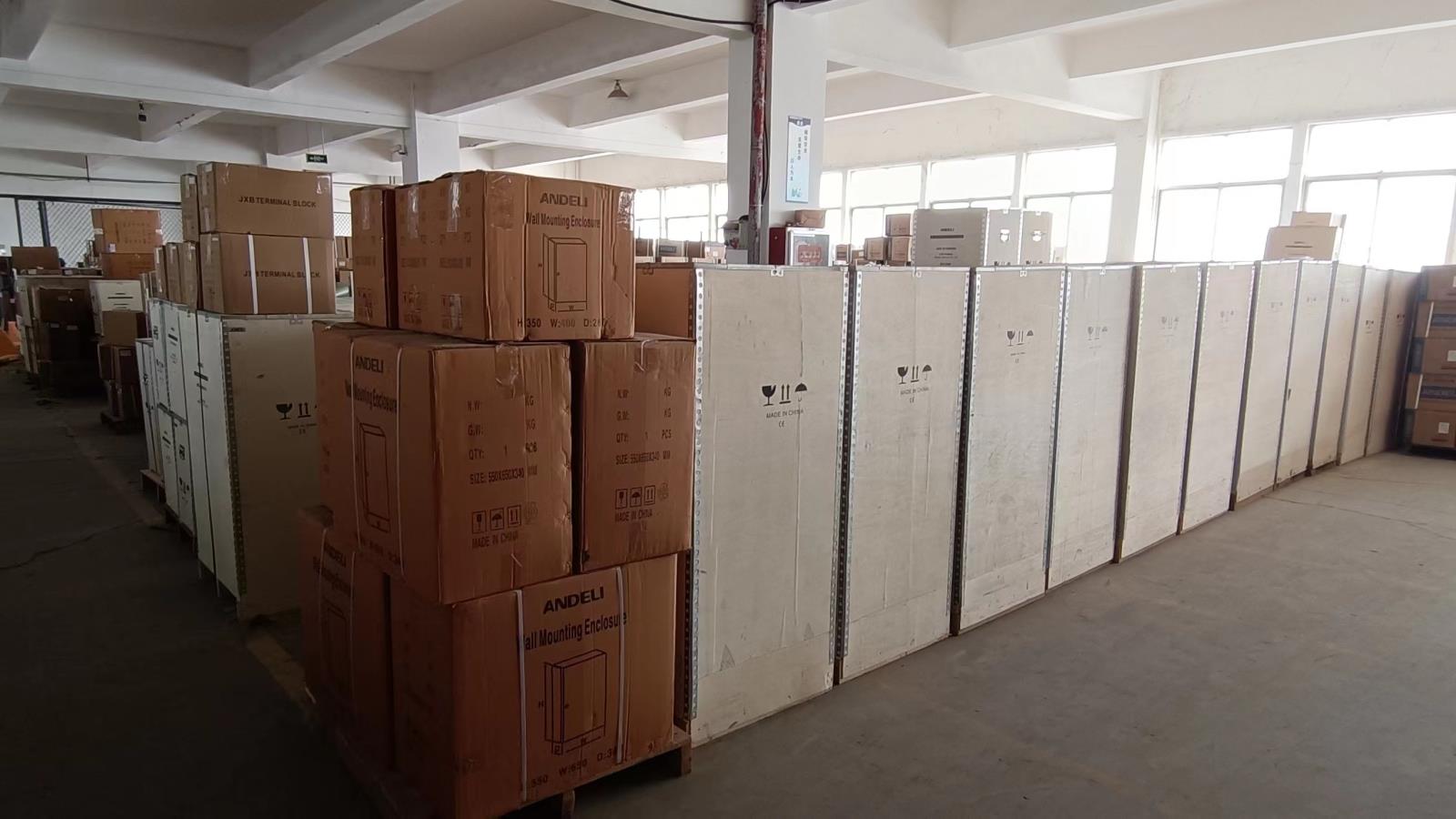
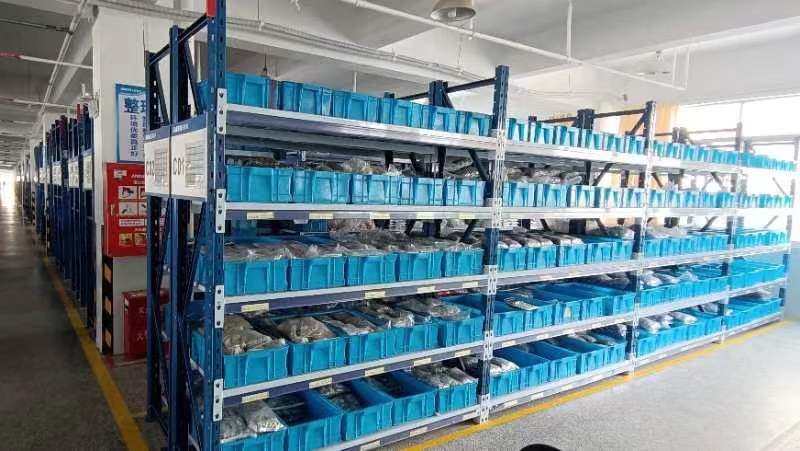
UniWave Warehouse
Finished Goods Warehouse
Automatic Winding Machine
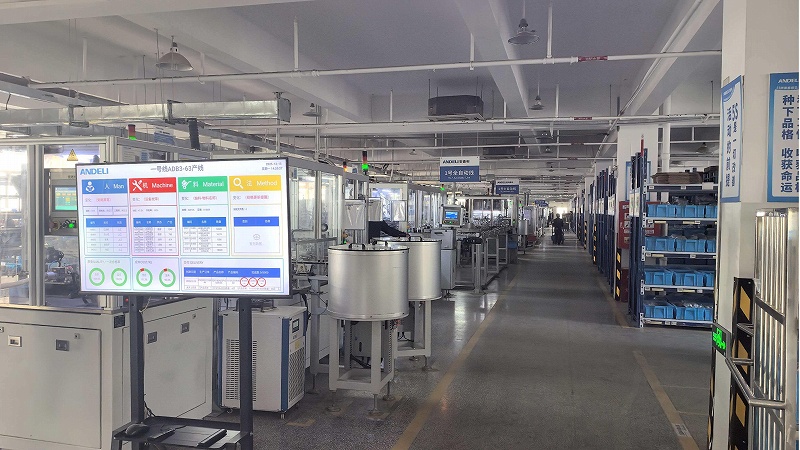
Automatic Winding System
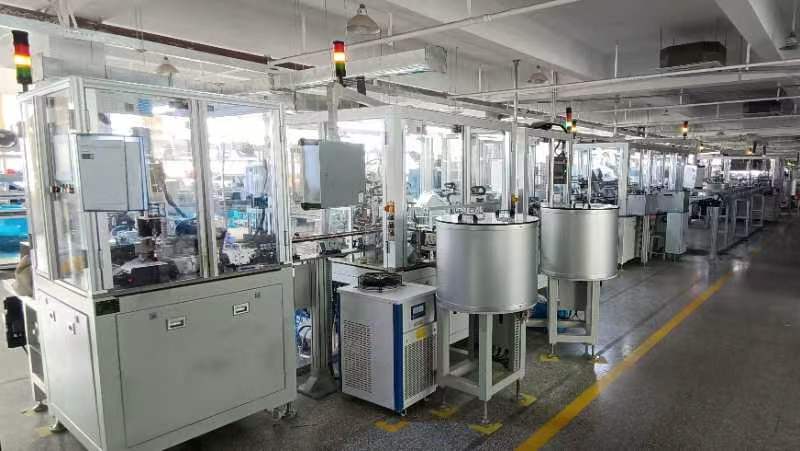
Automatic Assembly Machine
Automatic Assemblers
High Speed Pad Printer
Laser Pad Printing

Industrial Applications & Localization Scenarios

Deploying targeted electrical solutions engineered to withstand specialized environmental dynamics across different sectors.

Water & Waste Management

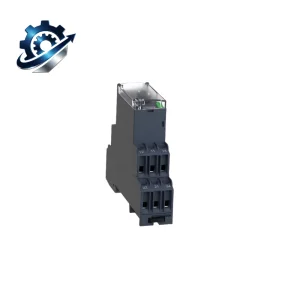
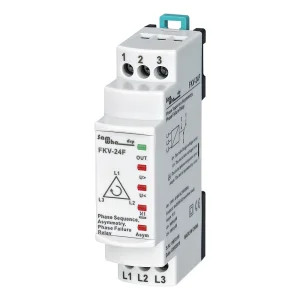
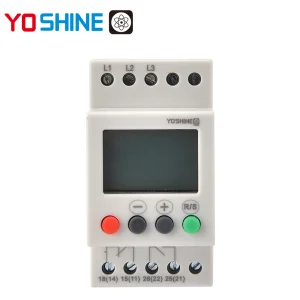
Utilizing phase failure relays (such as the RM35JA31MW and Samwha series) to protect heavy submersible pumps and cooling fan systems from phase loss, phase reversal, and voltage asymmetry.

Smart Grids & Sub-Stations

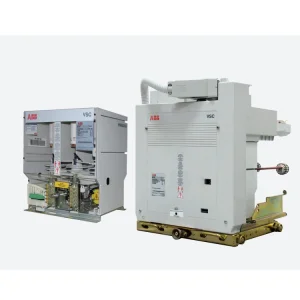
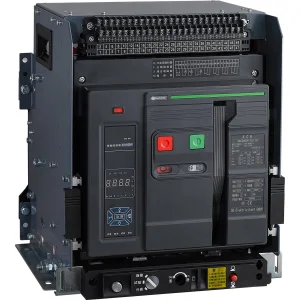
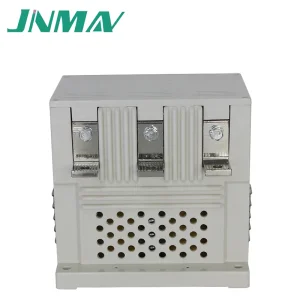
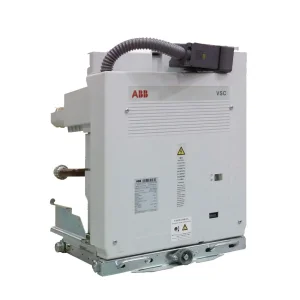
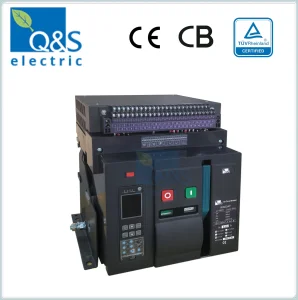
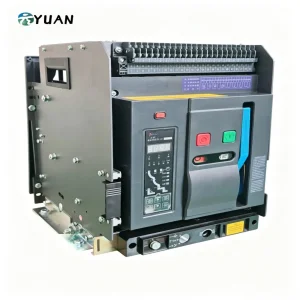
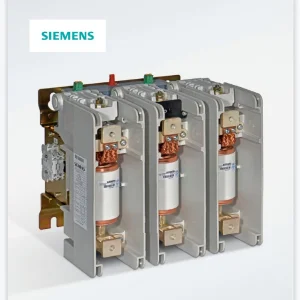
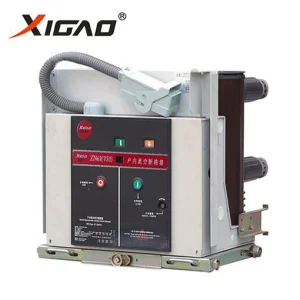
Integrating intelligent Air Circuit Breakers (ACBs) and Medium Voltage Vacuum Contactors (like the Convac and VSC series) equipped with communication interfaces to facilitate automated micro-grid switching.

Elevator & Logistics Systems

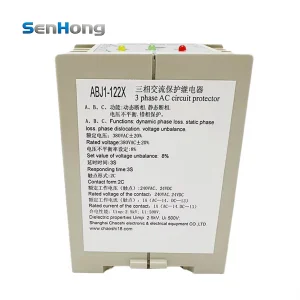
Incorporating specialized elevator phase monitoring modules (ABJ1 series) within low-voltage control cabinets to prevent lift motor operation in the event of phase imbalance or sequence failure.

China Factory 4.0: Supply Chain Resilience and Yueqing’s Clusters

Located in Liushi, Yueqing, Wenzhou—universally recognized as the "City of Low Voltage Electrical Appliances" in China—UniWave Electric leverages an ultra-optimized industrial ecosystem. Within a 10-kilometer radius, we secure access to premium copper alloys, high-grade engineering plastics (such as UL94-V0 rated polycarbonates), precise stamping dies, and automated winding machineries. This deep regional localization allows us to dramatically lower procurement overheads and maintain short production lead times, giving global buyers a substantial edge in speed-to-market.

Our facility runs on automated assembly frameworks combined with strict testing regimens. From winding processing to laser-etched pad printing, every station operates under the ISO9001 quality system framework. Unlike smaller assembly operations, UniWave ensures vertical integration—meaning we wind our own contactor coils and design our own trip mechanisms. By controlling the production flow, we eliminate raw material variability and guarantee that each circuit breaker or relay exported matches our technical specifications.

Technical Q&A: In-Depth Engineering Insights

Deep-dive analysis of common issues, standard applications, and technical considerations in modern backup power protection.

Q1: What causes phase failure in three-phase motors, and how do relays like the RM35JA31MW protect them?
Phase failure (or single-phasing) occurs when one of the three phases of a three-phase power supply is lost, often due to a blown fuse, physical cable damage, or transformer issues. Under these conditions, the motor attempts to run on the remaining two phases, causing current in those windings to surge by roughly 1.73 times normal values. This leads to extreme thermal accumulation, damaging insulation and leading to motor failure. Phase failure relays continually measure the voltage symmetry across all three lines. When a drop below a preset threshold (typically 10-15% asymmetry) or total phase loss occurs, the DPDT relay trips within milliseconds, signaling the contactor to open and isolate the motor before thermal damage occurs.
Q2: Why are vacuum contactors (such as the VSC/Convac series) preferred over traditional air contactors in medium voltage applications?
Vacuum contactors contain their primary electrical contacts within a hermetically sealed vacuum chamber (vacuum bottle). When the contacts separate, the arc that forms is extinguished rapidly due to the high dielectric strength of the vacuum environment and the fast diffusion of metal vapor. Unlike air contactors, there is no atmospheric oxygen to cause oxidation of the contacts, resulting in electrical contacts that last significantly longer (often millions of operations) without oxidation or degradation. They are much safer in volatile environments (mining, oil & gas) because the electrical arc is completely contained, eliminating the risk of igniting ambient gases or dust.
Q3: How do DC ceramic contactors (e.g., EA882) support high-voltage Battery Energy Storage Systems (BESS)?
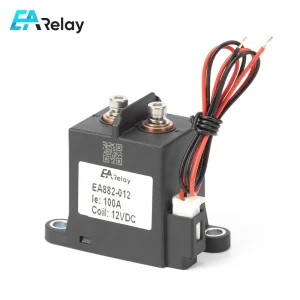
Unlike AC systems, DC currents do not have a natural zero-crossing point, making electrical arcs extremely difficult to extinguish when contacts open under load. DC ceramic contactors use sealed ceramic arc chambers filled with pressurized hydrogen gas, which possesses high thermal conductivity to cool and stretch the electrical arc rapidly. Additionally, permanent magnets are situated adjacent to the contacts to magnetically blow the arc away from the contact surfaces. Non-polarized configurations allow the contactor to interrupt current flow in both charging and discharging directions safely, which is a key requirement for modern high-voltage battery banks (up to 1500VDC) connected to grid-scale backup systems.
Q4: What is the significance of intelligent Air Circuit Breakers (ACBs) with communication interfaces in modern microgrids?
In Industry 4.0 applications, backup power systems must work as part of an integrated data network. Intelligent ACBs do not just trip mechanically during overcurrent events; they contain microprocessor-based trip units that continuously measure and report active power, reactive power, power factor, harmonic distortion, and contact wear over industrial protocols such as Modbus RTU/TCP or Profibus. This telemetry enables predictive maintenance—scheduling component replacements before failure occurs. During power transfers from grid to local generator power, they allow automated control rooms to safely coordinate generator synchronization, load shedding, and bus tie operations.
Q5: How does Wenzhou UniWave Electric guarantee compliance with SAA, CE, CB, and ISO9001 standards?
Compliance is maintained through rigorous testing protocols at every stage of the manufacturing cycle. During incoming raw material inspection (IQC), copper and polymer compounds undergo spectroscopic and mechanical testing. The winding processes are automatically monitored for turn counts and resistance values. Post-assembly, all relays and breakers undergo 100% automated dielectric testing, contact resistance measurement, and functional trip tests on custom diagnostic stations. This data is logged under ISO9001 traceability requirements, ensuring that each product batch shipped globally matches the safety standards required for CE, CB (IEC), and SAA certifications.