UniWave Electric
UniWave Electric
UniWave Electric
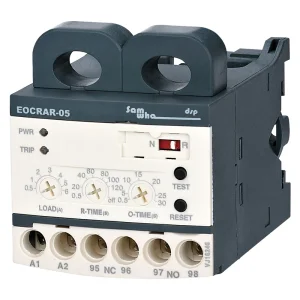
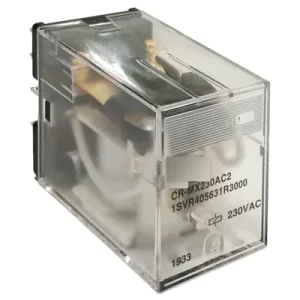
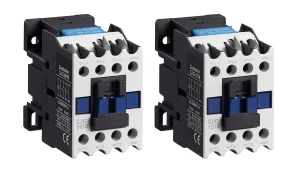
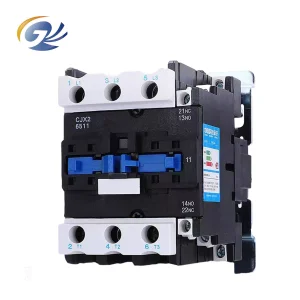
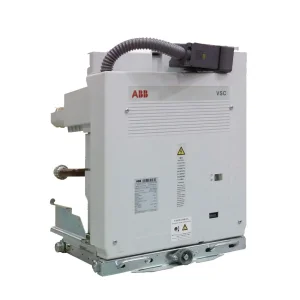
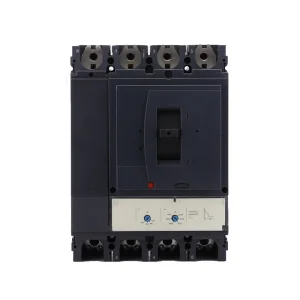
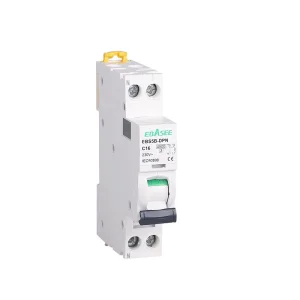
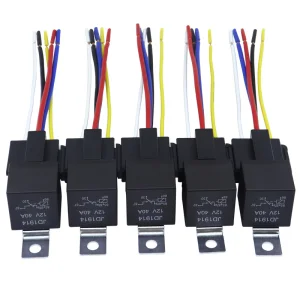
Examine our advanced selection of relays, contactors, and smart circuit breakers tailored for demanding power system architectures globally.
In low and medium-voltage electrical switchgear, contact interfaces form the core point of control. Electrical contacts are structural components that close, carry, and break currents inside switches, contactors, circuit breakers, and relays. For global industrial manufacturers and equipment builders, choosing the correct contact material and design dictates the thermal stability, service life, and functional safety of the entire power distribution system. Wenzhou UniWave Electric Co., Ltd. presents this whitepaper to analyze the metallurgical characteristics, technological changes, supply chain challenges, and customization parameters essential for OEM/ODM switchgear procurement.
Reliable performance depends on high electrical conductivity, mechanical wear resistance, and resistance to arc erosion. In alternating current (AC) and direct current (DC) switching, opening contact pairs generates an electric arc that exposes the surfaces to temperatures exceeding 5000 Kelvin. Managing this electrical stress demands advanced material engineering, precise automatic winding, and structured testing protocols. This technical analysis outlines current trends, testing standards, and supply chain solutions defining the low-voltage electrical industry.
“The optimization of contact interfaces involves a careful balance between metallurgical design and physical structures. Achieving long term electrical stability requires minimal contact resistance and excellent protection against arc-welding.”
The global switchgear market is shifting toward compact, energy-efficient designs that handle higher current densities. This trend has changed the material configurations of contact tips. Historically, Silver-Cadmium Oxide (AgCdO) was widely used for its robust anti-welding properties. However, environmental guidelines like RoHS and REACH have accelerated the transition to safer alternatives:
Simultaneously, the growth of renewable energy systems (solar PV and wind), battery energy storage systems (BESS), and electric vehicle (EV) charging stations has driven demand for high-voltage DC (HVDC) ceramic contactors. Switching high-voltage DC is challenging because DC arcs lack natural zero-crossings. Modern contact systems must incorporate hermetic sealing, hydrogen-rich gas filling, and magnetic blowouts to safely extinguish DC arcs.
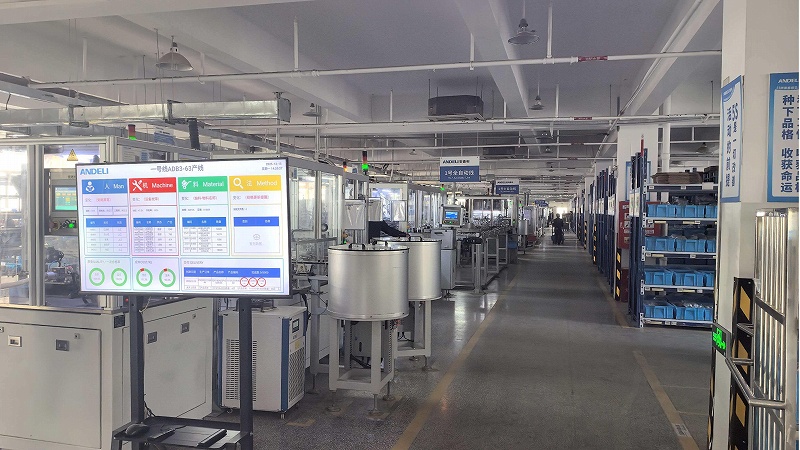
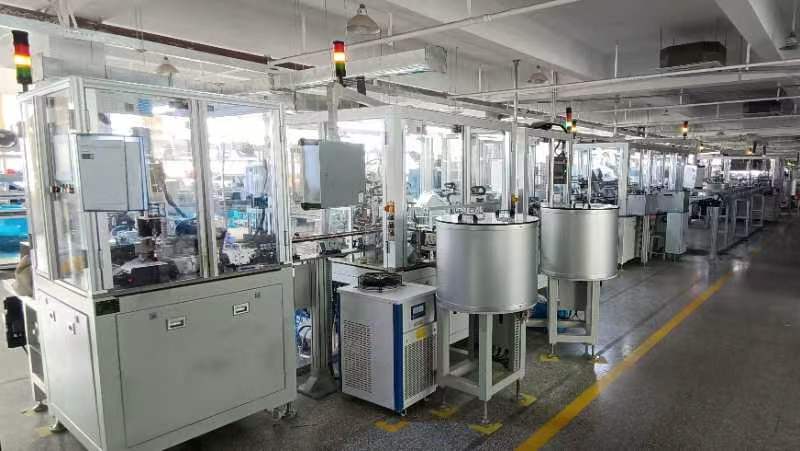
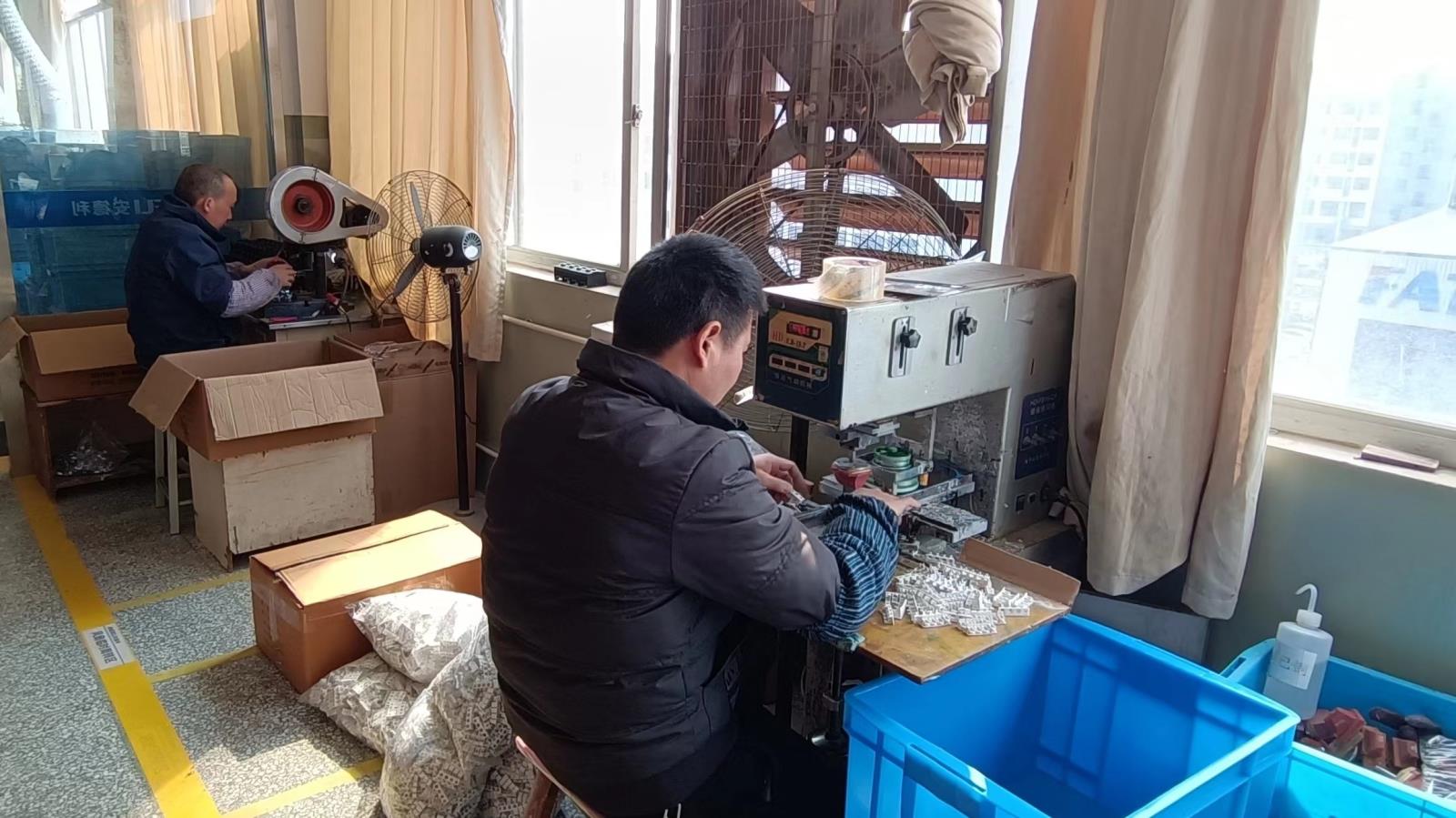
Located in Liushi, Wenzhou, China—often called the "City of Low Voltage Electrical Appliances"—Wenzhou UniWave Electric Co., Ltd. utilizes a highly integrated industrial cluster to build robust supply chains. We operate a modern factory focused on lean manufacturing and quality control across every production stage:
This localized manufacturing base allows us to manage lead times, optimize costs, and offer responsive OEM/ODM customization compared to fragmented production setups.
Industrial buyers require manufacturers with verified engineering experience, modern testing facilities, and transparent quality certifications. Wenzhou UniWave Electric Co., Ltd. has delivered reliable electrical components for 25 years. Our designs comply with international IEC standards and hold certifications including SAA, CE, CB, and ISO9001. When reviewing technical specifications for electrical components, consider these critical factors:
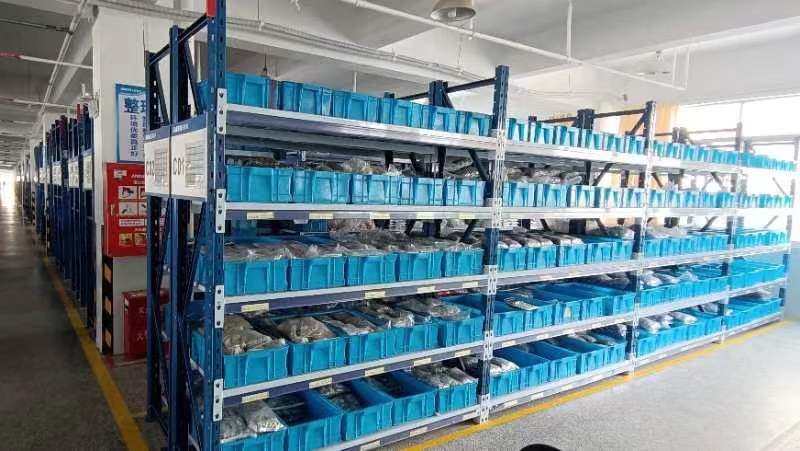
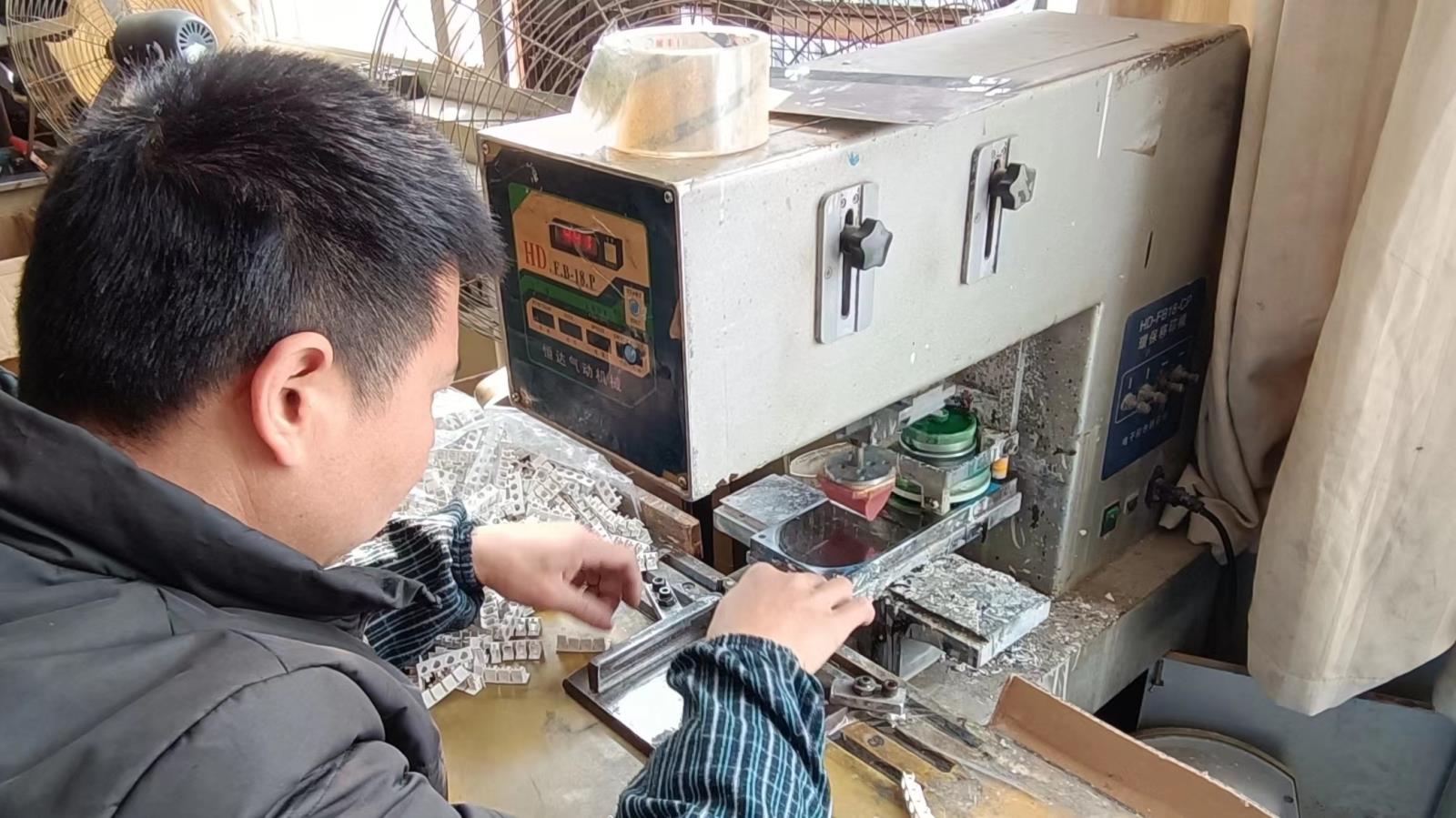
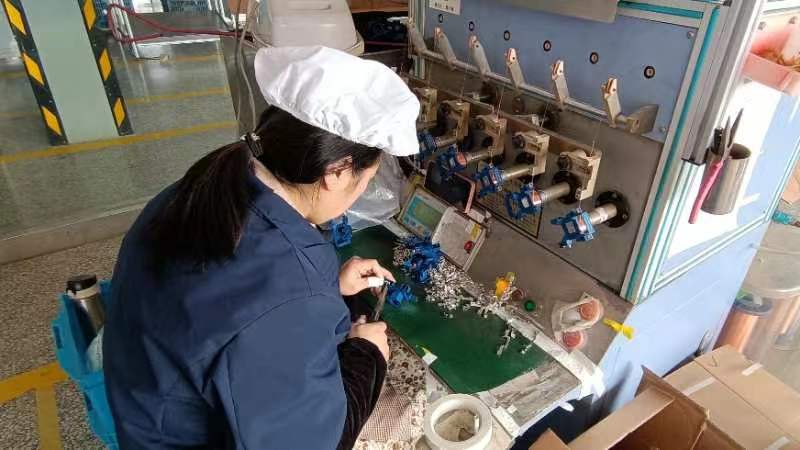
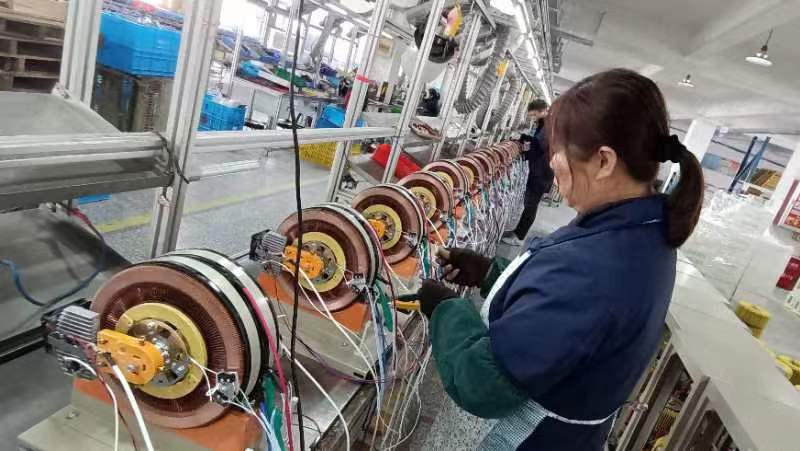
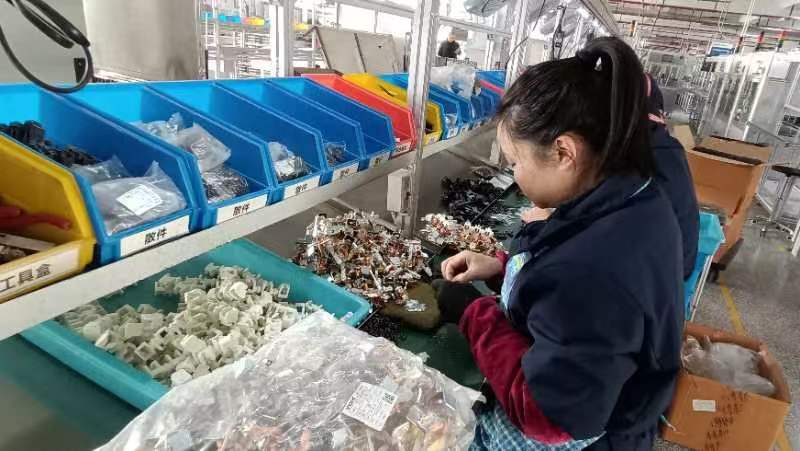
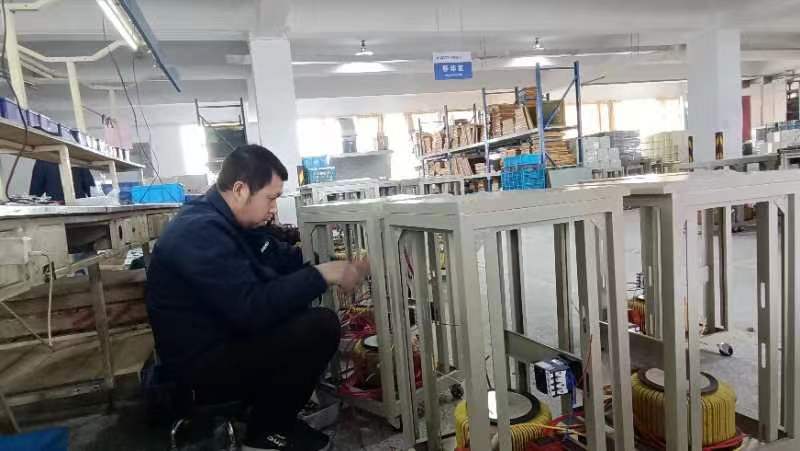
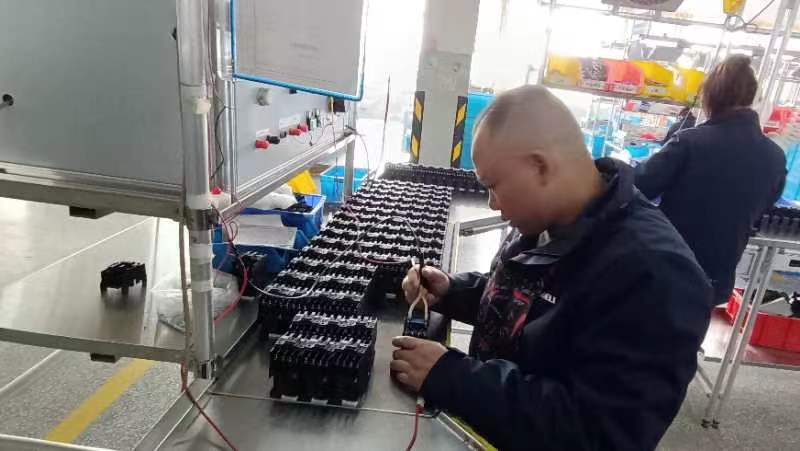
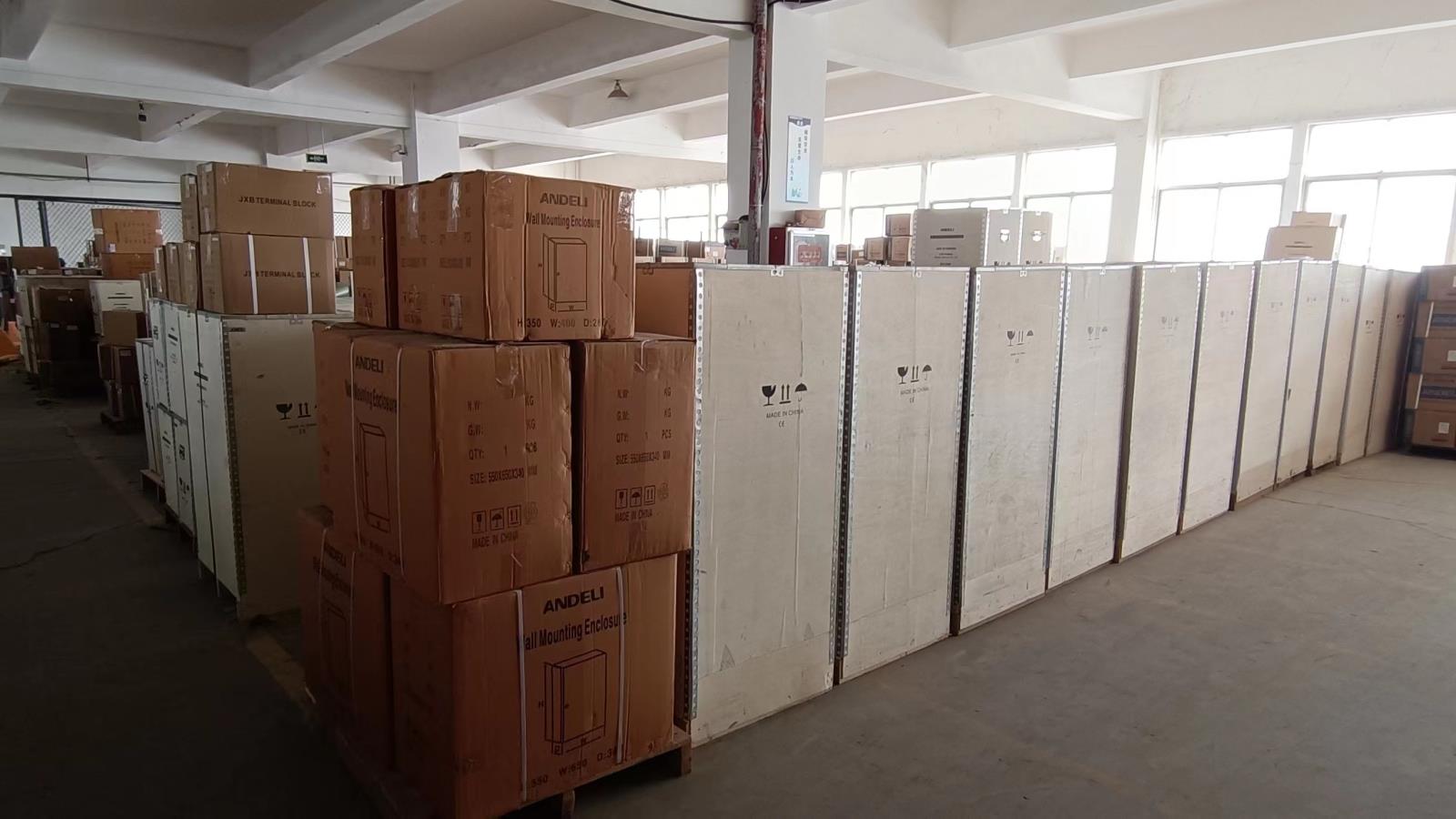
A visual tour of our production facilities in Liushi, highlighting our raw material inspection, automated assembly, winding, and strict quality control protocols.
Detailed answers to technical queries regarding product design, material selection, compliance, and custom capabilities.
Browse additional specialized products, including high-voltage ceramic contactors, phase protection systems, and thermal-magnetic circuit breakers.